

We’ve spent decades obsessing over perfectly striped lawns, and the British weather has spent exactly the same amount of time making sure we can’t have them.
Between the waterlogged winters and the scorching July heatwaves, keeping natural grass looking decent is practically a part-time job.
So, it’s no surprise that artificial grass is turning up in more gardens every year. But there’s more to it than getting out of mowing the lawn on a drizzly Sunday morning. If you’ve been wondering whether the switch makes sense for you, here’s what’s driving the trend.
Minimal Maintenance
If you’re mowing, fertilising, aerating, and finding yourself back behind the mower again before your cup of tea has gone cold, you might start looking at artificial turf differently.
You won’t need to stick to a mowing schedule, spread fertiliser, or wrestle a petrol mower. And the painstaking border edging sessions nobody enjoys? You can forget about them, too.
That said, artificial grass isn’t completely maintenance-free. You’ll still need to brush the fibres occasionally and rinse off debris, especially if you’ve got trees overhead that dump leaves all across your garden.
But compared to the weekly ritual of coaxing natural grass into looking halfway decent, the time savings are enormous. For anyone juggling work, kids, and other responsibilities, that trade-off speaks for itself.
Year-Round Greenery
Our weather has a gift for making natural lawns look worn and tired. One week of scorching sun can quickly turn your grass crispy and brown, while a fortnight of rain can leave it looking more like a marsh.
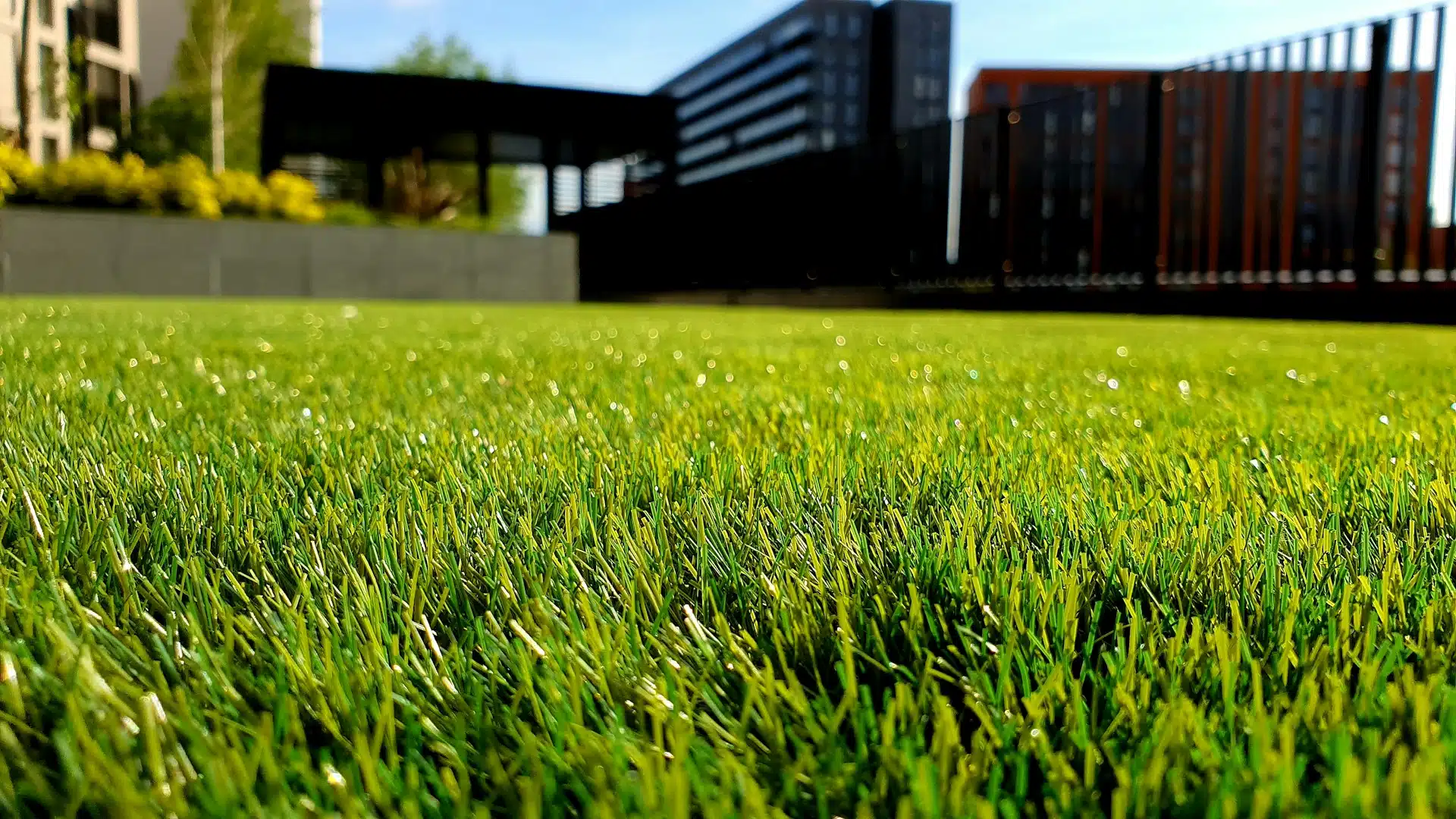
You won’t have that problem with synthetic turf. It stays the same shade of green whether it’s the middle of July or a bleak Tuesday in February, so you can stop watching your garden slowly fall apart every time the weather changes.
And if you’ve ever spent money on seed, fertiliser, and topsoil only to watch the lot wash away in a single downpour, you’ll appreciate the change.
Water Savings
During increasingly warm summers, keeping a natural lawn green can feel like a losing battle. You drag out the hose, water your grass for hours, and somehow still end up watching brown patches take over one section at a time.
You won’t need to water synthetic turf at all, which means lower bills and no guilty glances at the hosepipe ban notices that seem to arrive earlier every year.
And with summers getting drier and water companies tightening restrictions, the days of casually leaving the sprinkler running all afternoon are numbered.
If you’d rather save water for drinking, cooking, and the occasional bath that lasts longer than five minutes, artificial grass will take one major drain off your list.
Weather Resistance
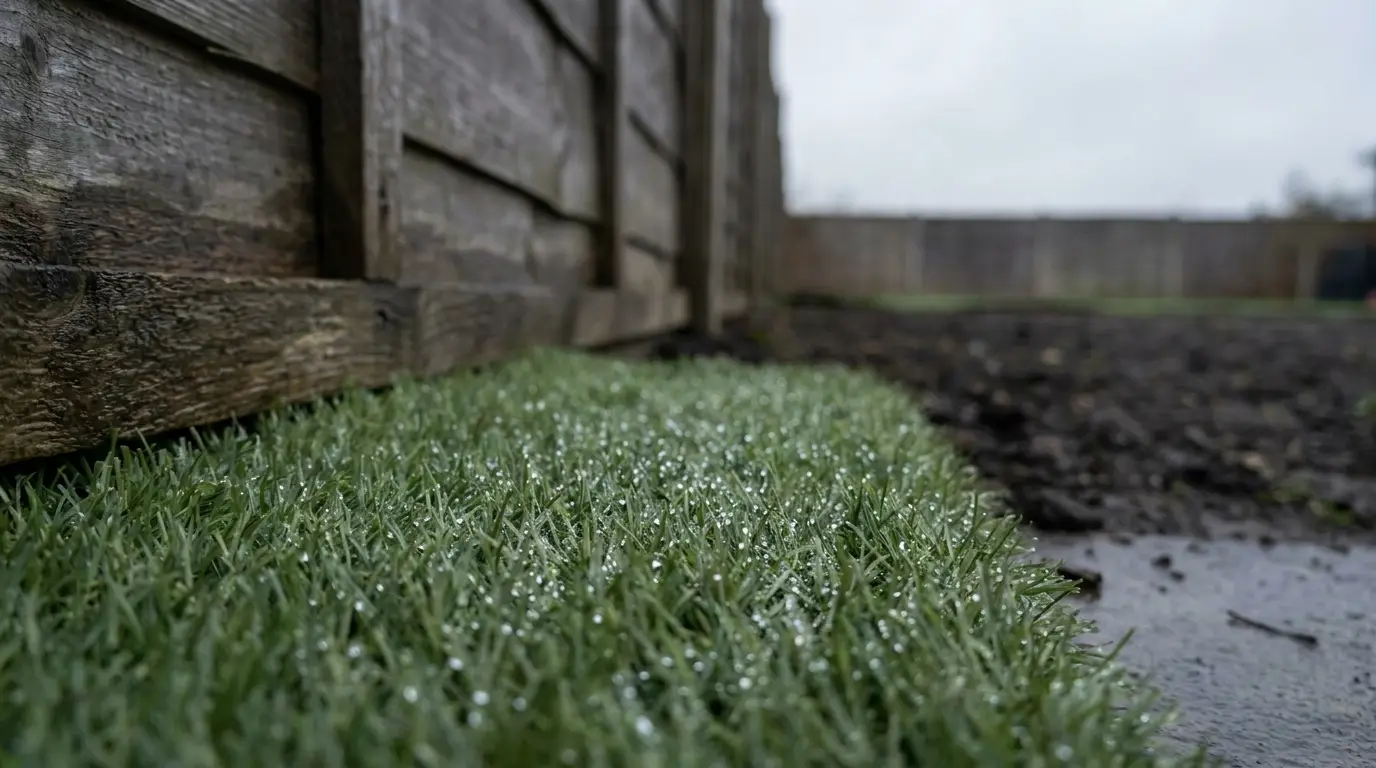
Your natural lawn and the British climate have always been at odds. Natural grass suffers through waterlogged winters, recovers just in time for summer, then gets battered again by autumn storms before the whole cycle is repeated.
Synthetic turf handles all of it without fuss. Heavy rain drains straight through if the base is properly installed, and frost doesn’t turn the surface into a mud bath the moment temperatures drop.
You also won’t deal with those bare patches that appear after a rough season. If your garden is in an exposed or north-facing spot, that resilience alone makes the switch worth considering.
Family-Friendly Spaces
If you’ve got kids who treat your back garden like a football pitch or a dog that’s convinced digging is a competitive sport, you already know the toll heavy use takes on natural grass.
Muddy patches appear within weeks, bald spots follow shortly after, and before long, your garden may start to look like a building site. That mud doesn’t stay outside, either. It gets tracked straight through the back door and across your kitchen floor.
You won’t have those problems with synthetic grass. The surface holds up to daily use without turning into a swamp, and your kids can play outside after rain without coming back looking like they’ve been potholing.
Is Artificial Grass Right for You?
Before you rip up your lawn and start rolling out synthetic turf, there are a few things worth thinking through first.
Check the Installation Area
Your garden’s drainage is the first thing to sort out. If water already pools on your lawn after rain, laying synthetic turf on top without addressing the base will only make things worse.
You’ll also need to consider access for deliveries, any slopes or awkward shapes, and whether existing surfaces need removing.
Consider Long-Term Costs
Good-quality artificial grass and professional installation aren’t cheap upfront. But when you factor in years of saved mowing, watering, feeding, and the regular treatments to keep natural turf in shape, the numbers start to look more reasonable over time.
Synthetic turf lasts between 15 and 20 years on average, depending on the quality and how much use it gets. Just keep in mind that repairs and eventual replacement are part of the deal, so budget accordingly.
Think About How You Use Your Garden
If your garden is mainly a play area or a spot for entertaining, artificial grass makes a lot of sense. You’ll get a clean, even surface that handles foot traffic well.
But if you love gardening, enjoy the seasonal changes, or want to support local wildlife, a fully synthetic lawn might feel like a compromise you’re not willing to make.
Most lawn care professionals UK homeowners trust recommend keeping real grass in quieter sections and using artificial turf in high-traffic zones.
Weigh Up Environmental Factors
This is where things get a bit more nuanced. On one hand, you’re saving water, cutting out chemical treatments, and eliminating mower emissions.
On the other, synthetic grass is made from plastic, doesn’t support pollinators, and disposing of it isn’t exactly easy.
If you’re replacing a lawn that already needed constant watering and chemical fertilisers, the switch could reduce your overall footprint. But if your current grass is thriving with minimal input, the environmental gains are less clear-cut.
Conclusion
Our gardens are changing, and artificial grass has earned its spot in the conversation. Whether the switch makes sense for you depends on your garden, your lifestyle, and how you feel about never wrestling a mower on a Sunday morning again.
Either way, there’s nothing as satisfying as a garden that looks good without demanding every spare weekend you’ve got.

With a Master’s in Landscape Architecture from the University of Virginia, Sophia Stephenson has dedicated the last 20 years to creating and maintaining vibrant outdoor spaces. Her professional journey started in landscape design, where she gained a reputation for innovative and sustainable approaches. Sophia became a part of our editorial team as a freelancer in 2019, offering a fresh perspective on outdoor living. Since 2020, she has been the chief for our outdoor design content, blending aesthetic appeal with environmental stewardship. In her leisure time, Sophia is a keen photographer, capturing the beauty of natural landscapes, a hobby that complements her professional expertise.

![20 front yard succulent garden ideas[P]](https://enthrallinggumption.com/wp-content/uploads/2023/12/20frontyardsucculentgardenideas-512x288.jpg.webp)