
Launching and growing a commercial laser tag venue calls for a careful approach to choosing and purchasing the necessary equipment. The quality of that equipment has a direct bearing on the standard of service, the impressions customers come away with, and their safety.
As a result, operators are often left wondering which characteristics matter most when choosing a system for a laser tag arena.
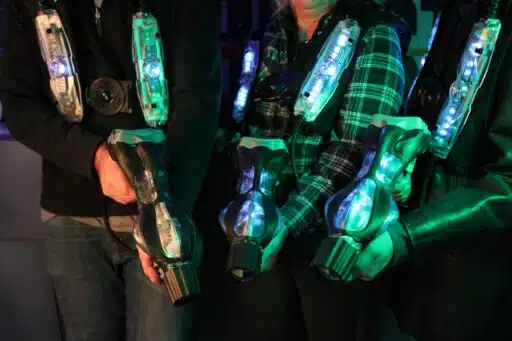
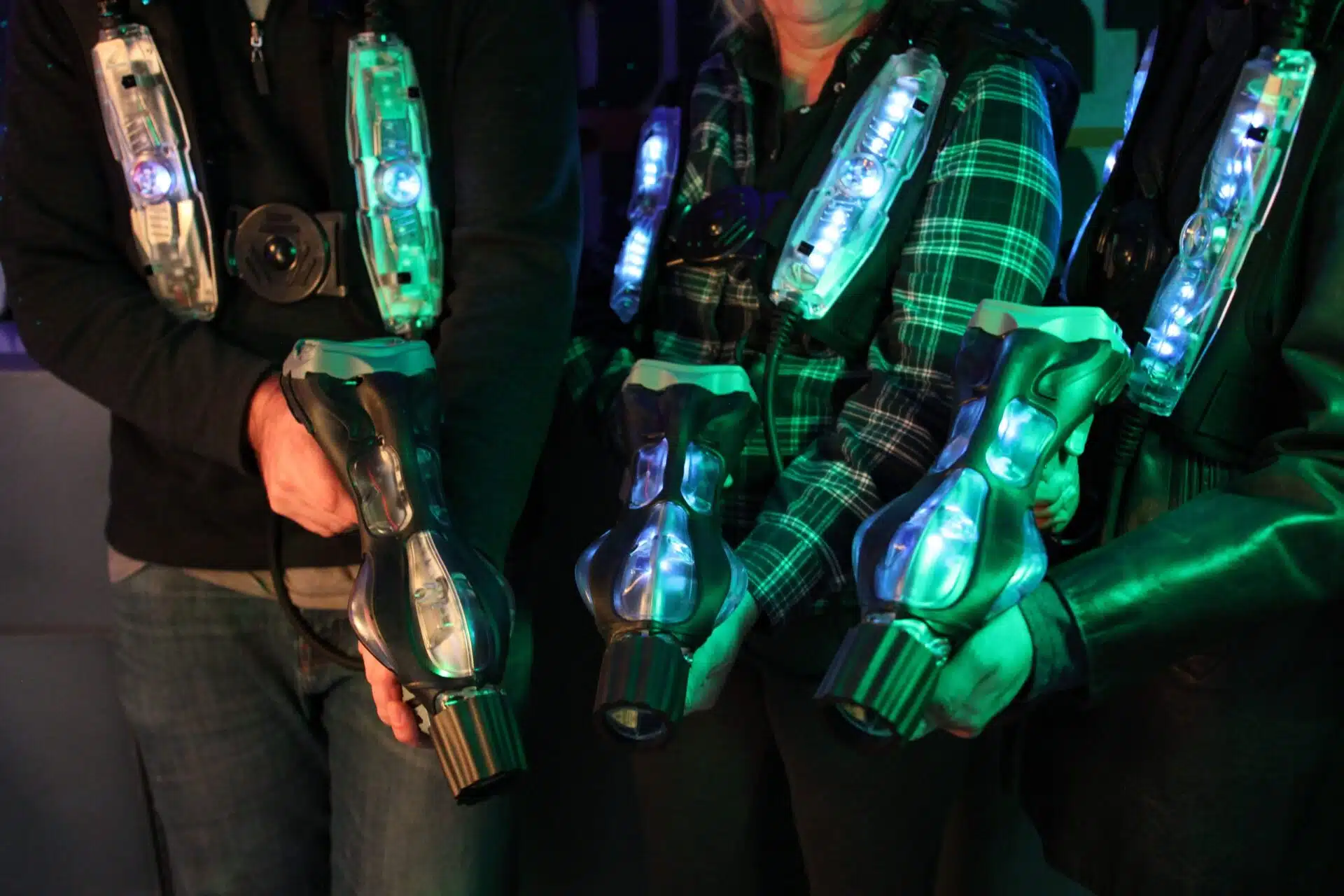
Modern laser tag is far more than a set of blasters and sensors – it’s a complete, integrated game system built around equipment, software, gear and the tools needed to manage the whole process.
In practice, the rule holds true: the higher the quality of the components, the easier it is for an operator to run events, look after clients and grow the business.
Why Equipment Plays Such a Key Role For Laser Tag Operators
The quality of the game for arena visitors comes down to a number of small details – how comfortable the gear is, how accurately hits are registered, how realistic the effects feel, and how reliably the equipment performs. Even minor technical hiccups can leave a negative impression on customers, reducing the chances of them coming back.
That’s why, when choosing equipment, operators need to focus on kit built for commercial use – equipment designed from the outset to handle:
- regular, heavy use;
- large numbers of players;
- several game sessions run every day.
How smoothly staff can operate depends heavily on how reliable the equipment is, which in turn helps cut down the time between sessions and keep downtime to a minimum.
What Makes Up a Professional System?
A fully equipped venue typically relies on several types of equipment working together as one system.
The most important elements include:
- game blasters, which allow participants to engage with the gameplay;
- sensor-equipped gear (vests and headsets that register hits quickly and pass the information on to the management system);
- software solutions for configuring game scenarios on the fly, managing teams, tracking results and creating different game modes.
Modern systems make it possible to change the rules of the game quickly, introduce entirely new mechanics and tailor the experience to different age groups of customers.
Which Equipment Characteristics Matter Most to Operators
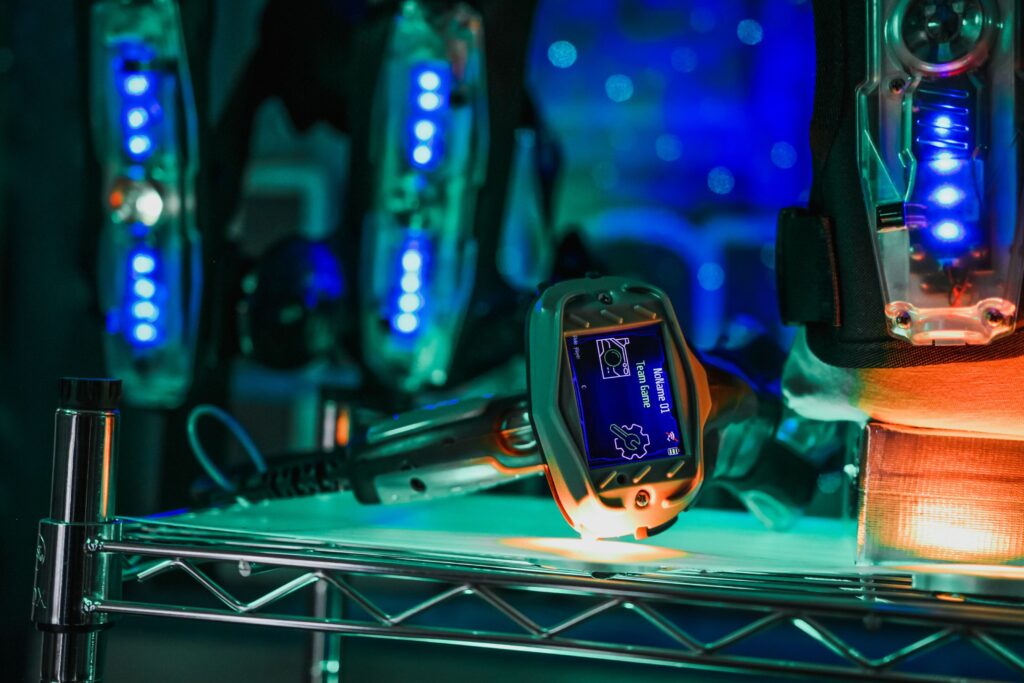
When choosing laser tag equipment, looking at appearance and price alone isn’t enough – reliability matters just as much. Commercial equipment needs to be built from the outset to withstand intensive use, the odd accidental drop, regular strain and frequent transport, for example when running events off-site.
Ergonomics matter just as much. Laser tag is played by participants of different ages, experience levels and physical builds, so the equipment needs to remain comfortable across the board – how quickly players can get to grips with the gear has a direct bearing on how well a session runs.
It’s also worth thinking ahead about scope for upgrades. A good modern system should support the addition of further game sets over time, making it possible to add new elements and expand the game space without needing to replace all the equipment.
Choosing Equipment to Suit the Venue Format
Before buying any equipment, an operator needs to be clear on the format of the arena they’re building, since each concept comes with its own set of requirements:
- indoor venues call for dynamic, fast-paced gameplay and the ability to run specific scenarios;
- outdoor arenas need equipment that can withstand a range of weather conditions;
- mobile projects prioritise ease of transport, independent operation and the ability to set up games quickly at new locations.
Modern laser tag today supports an extremely wide range of game scenarios, from team battles and tactical missions through to head-to-head competitions and corporate events. This makes systems that offer flexible configuration essential, allowing operators to build a genuinely distinctive game experience.

Stephanie Grace, a graduate with a degree in Fine Arts from the Savannah College of Art and Design, has been inspiring DIY enthusiasts with her creative and practical guidance for over 14 years. Her career in design and crafting began in a small artisan workshop, where she developed a passion for transforming everyday materials into beautiful and functional items. Stephanie joined our website in 2018, rapidly gaining popularity for her easy-to-follow DIY tutorials and innovative project ideas. Since then, she has been the creative mind behind our DIY section, helping readers bring their artistic visions to life. Outside her professional pursuits, Stephanie enjoys pottery and urban gardening, hobbies that showcase her love for hands-on creativity and nature.