Your plumbing system usually stays out of sight until something starts going wrong underground. A slow sink or bubbling toilet may seem minor at first.
But when showers back up and sewage smells spread through the house, the problem is often much deeper. A clogged sewer line can quickly lead to water damage, mold, and expensive repairs.
Learning the warning signs early can help you catch a main drain clog before it turns into a serious plumbing emergency.
Here’s everything a homeowner needs to know before it gets that far.
What is a Clogged Sewer Line?
A clogged sewer line is not the same as a slow kitchen sink or a backed-up toilet. Those are branch-line problems, small issues affecting just one fixture.
Your home’s plumbing is like a tree. Branch lines carry waste from each sink, toilet, and shower, but everything flows into one main pipe, the sewer lateral.
That main line is typically 4 to 6 inches wide. It runs underground from your home to either the city sewer or your septic tank.
When it clogs, every drain in your home gets affected at once. Licensed plumbers call this a sewer lateral blockage, and it takes more than a plunger to fix.
Common Signs of a Clogged Sewer Line
Your sewer line doesn’t block overnight; it sends signals first. Spotting these signs early can save you thousands in repair bills.
1. Multiple Drains Backing Up at the Same Time
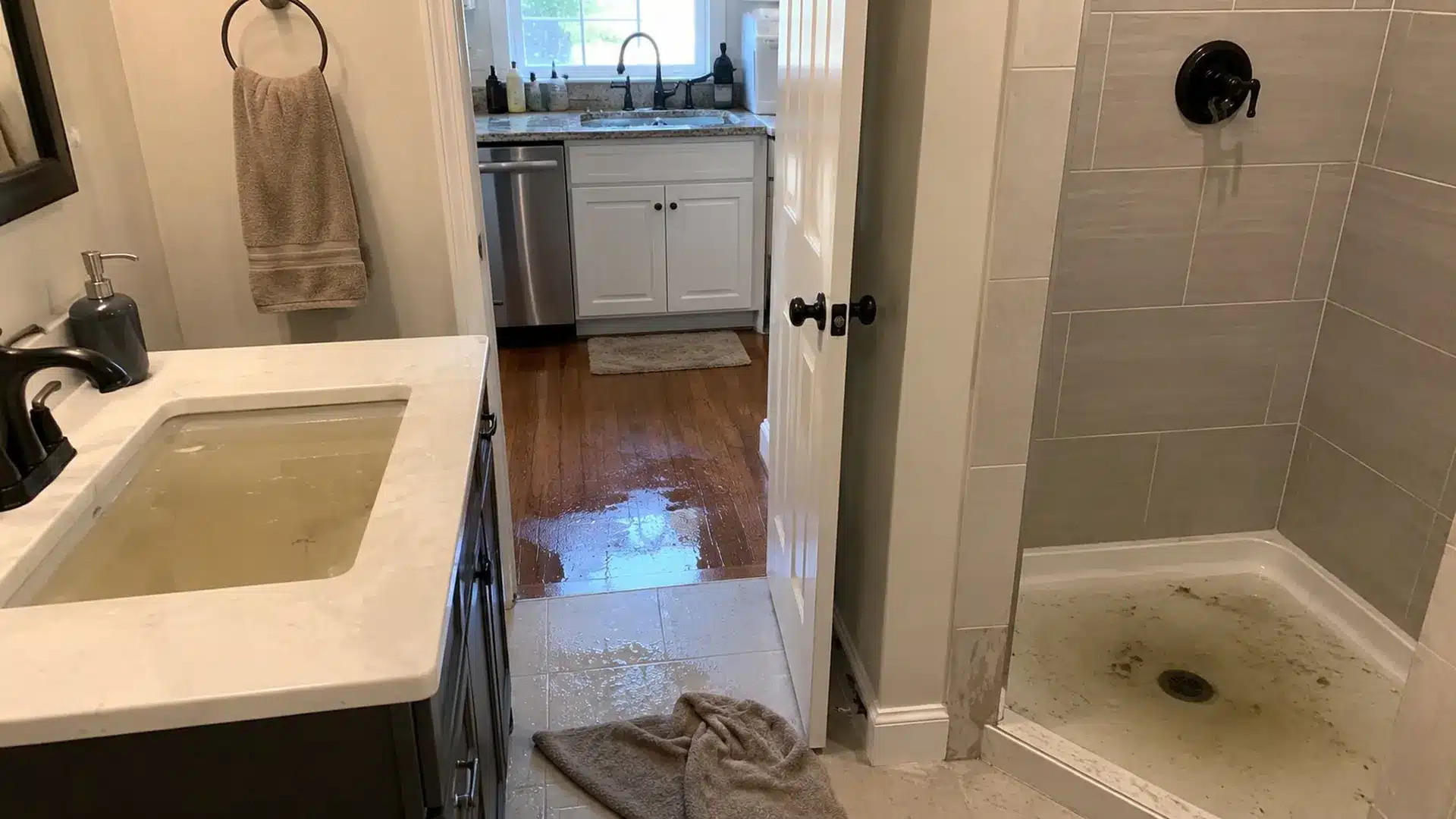
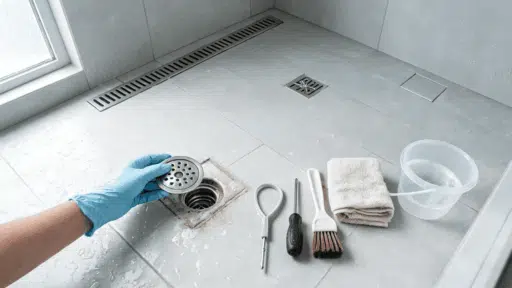
This is the number-one sign of a main-line clog. If your kitchen sink, bathroom, and shower all drain slowly together, that’s not a coincidence.
A main drain clog prevents wastewater from leaving your home, so water backs up through multiple fixtures at once.
2. Toilet Gurgles When You Use Other Fixtures
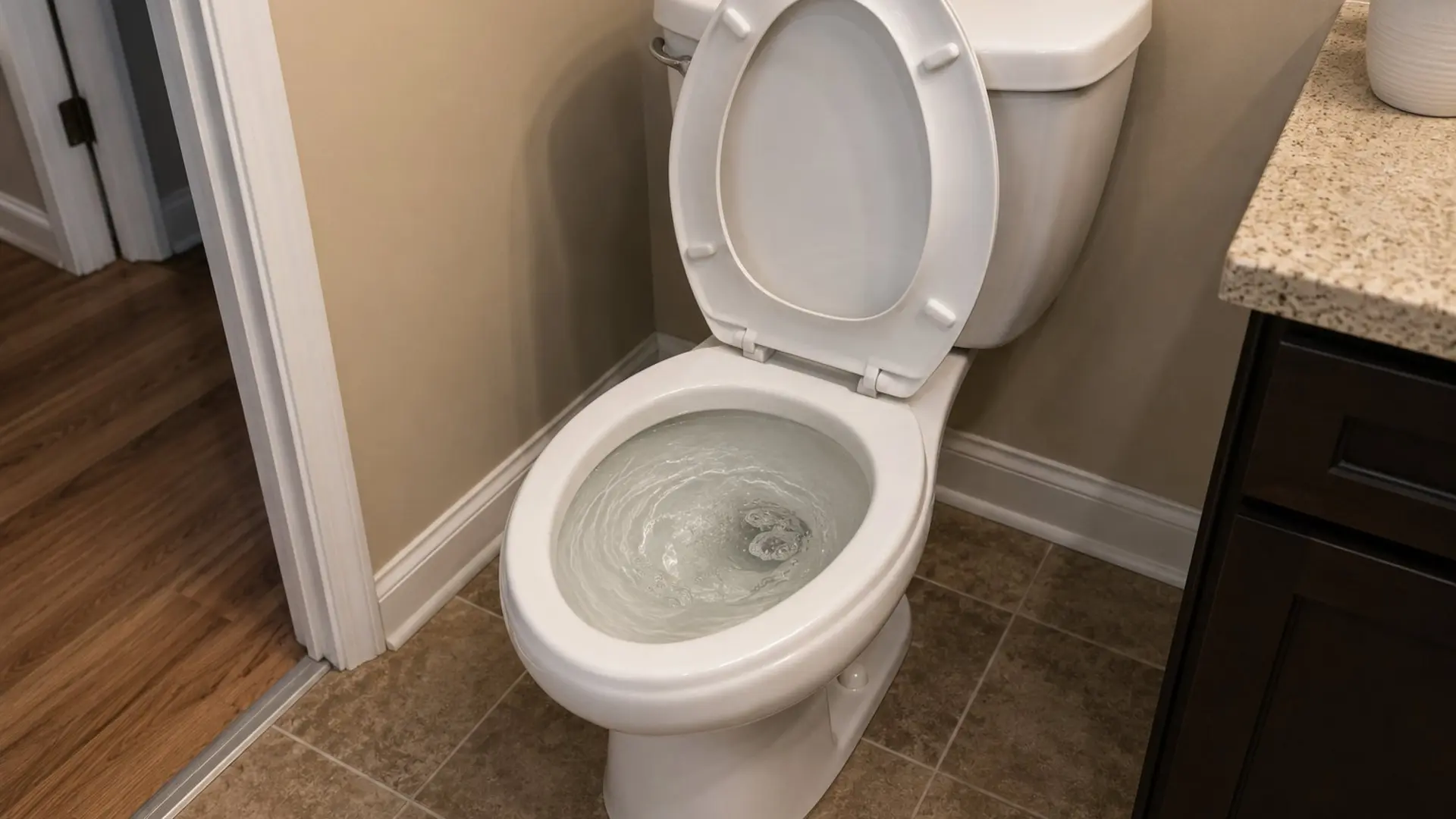
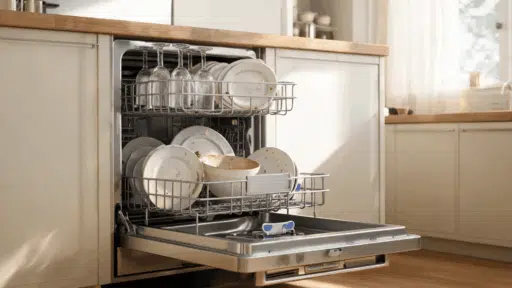
Run your dishwasher or washing machine, then listen to the toilet nearby. Gurgling sounds usually mean trapped air is being forced backward through the plumbing system.
In many homes, this happens when a clogged sewer line restricts airflow and the movement of wastewater through the main drain pipe.
3. Water Rises in the Shower When You Flush
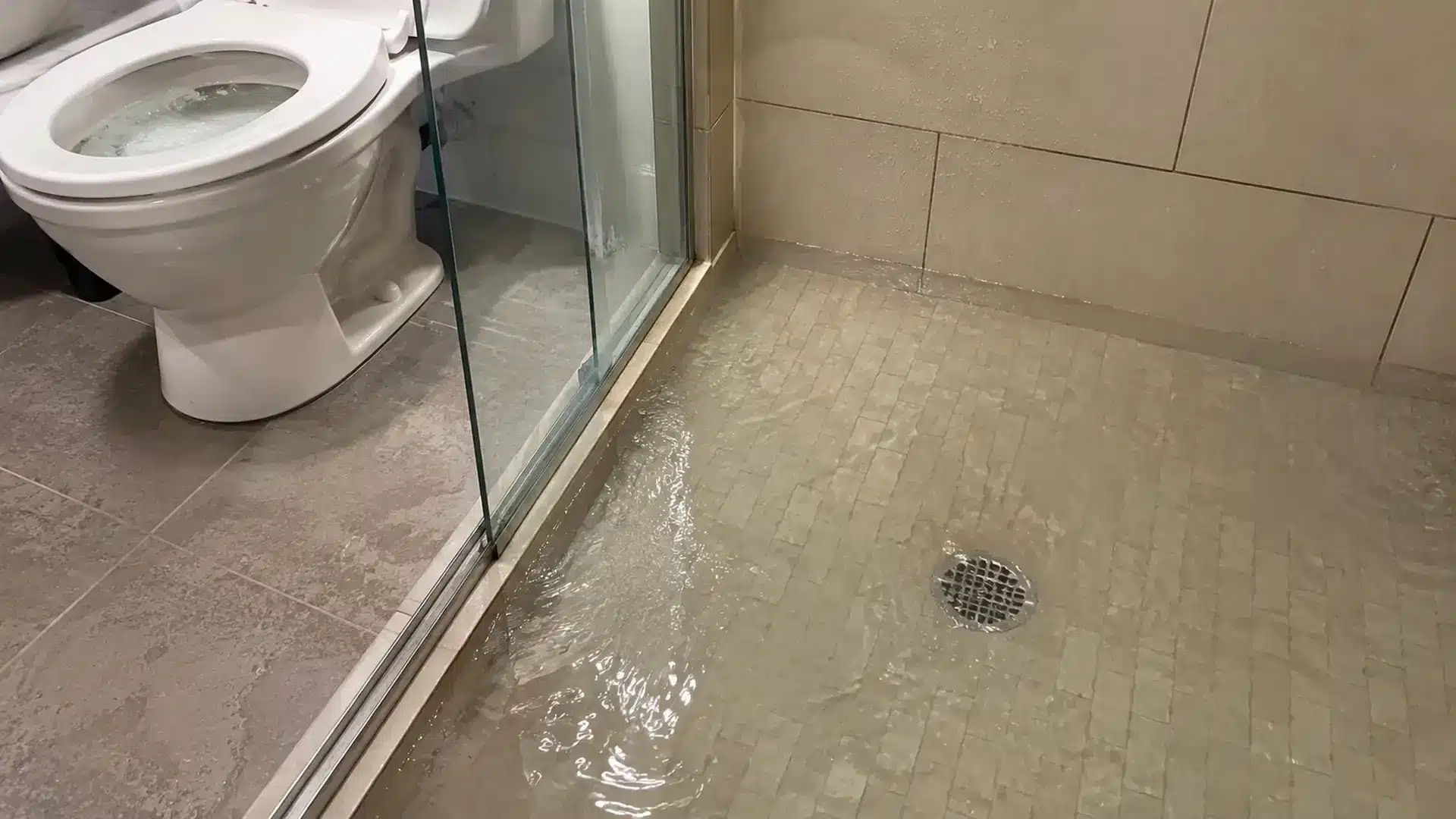
Flush the toilet and watch the shower or bathtub drain carefully. If dirty water rises there, the sewer lateral may be blocked.
Because shower drains sit lower than most fixtures, backed-up wastewater often appears there first when a main drain clog begins to form underground. A clogged tub drain that backs up during a toilet flush is one of the clearest early warning signs of a main line issue.
4. Sewage Smell Inside or Around Your Home
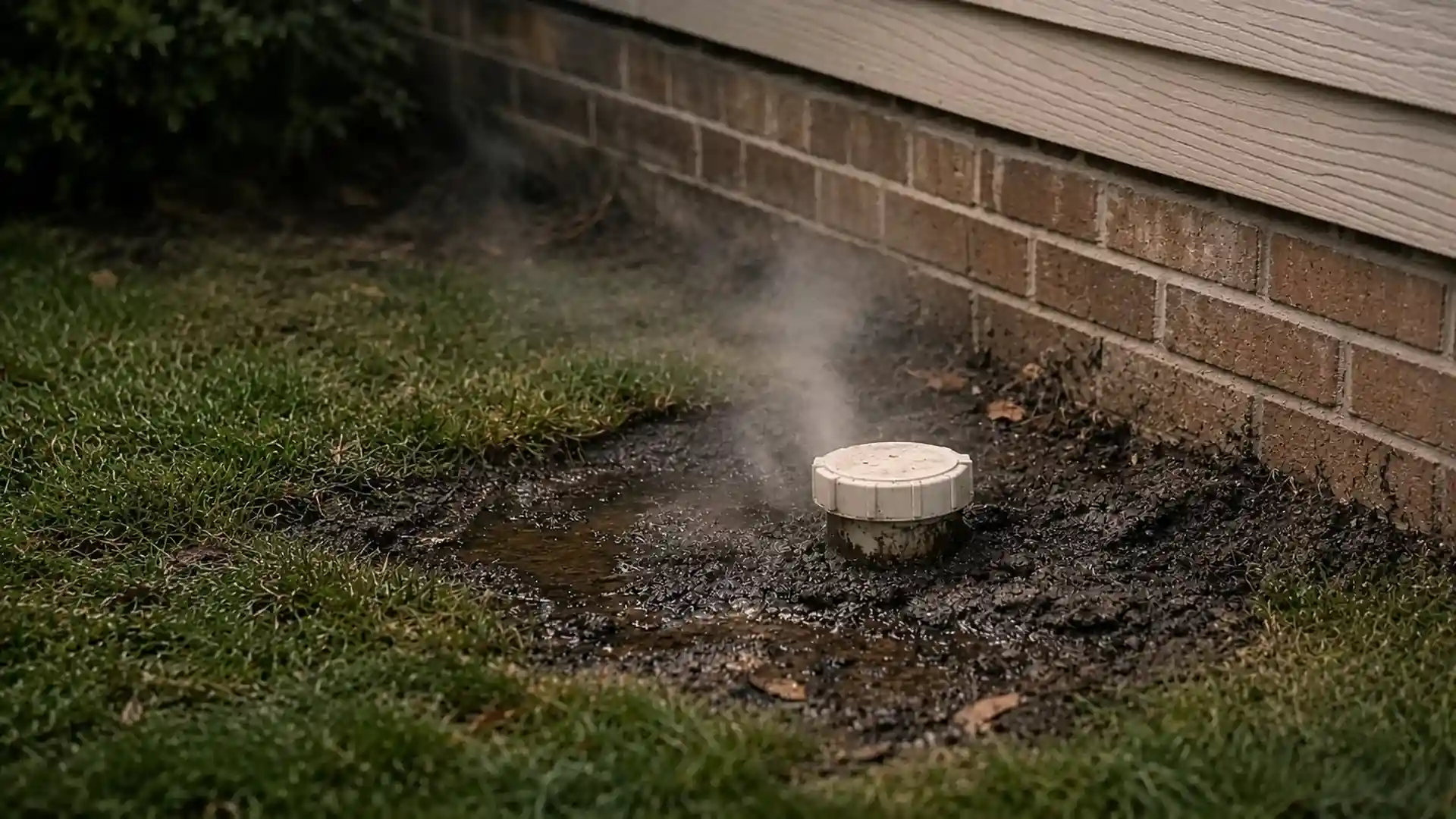
A strong sewage odor in your bathroom, basement, or yard is a serious warning sign. Sewer gas usually escapes when a main drain clog, cracked pipe, or blockage traps waste underground.
If the smell gets stronger after running water, your main drain system may need immediate inspection.
5. Wet Patches or Greener Grass Over the Sewer Line
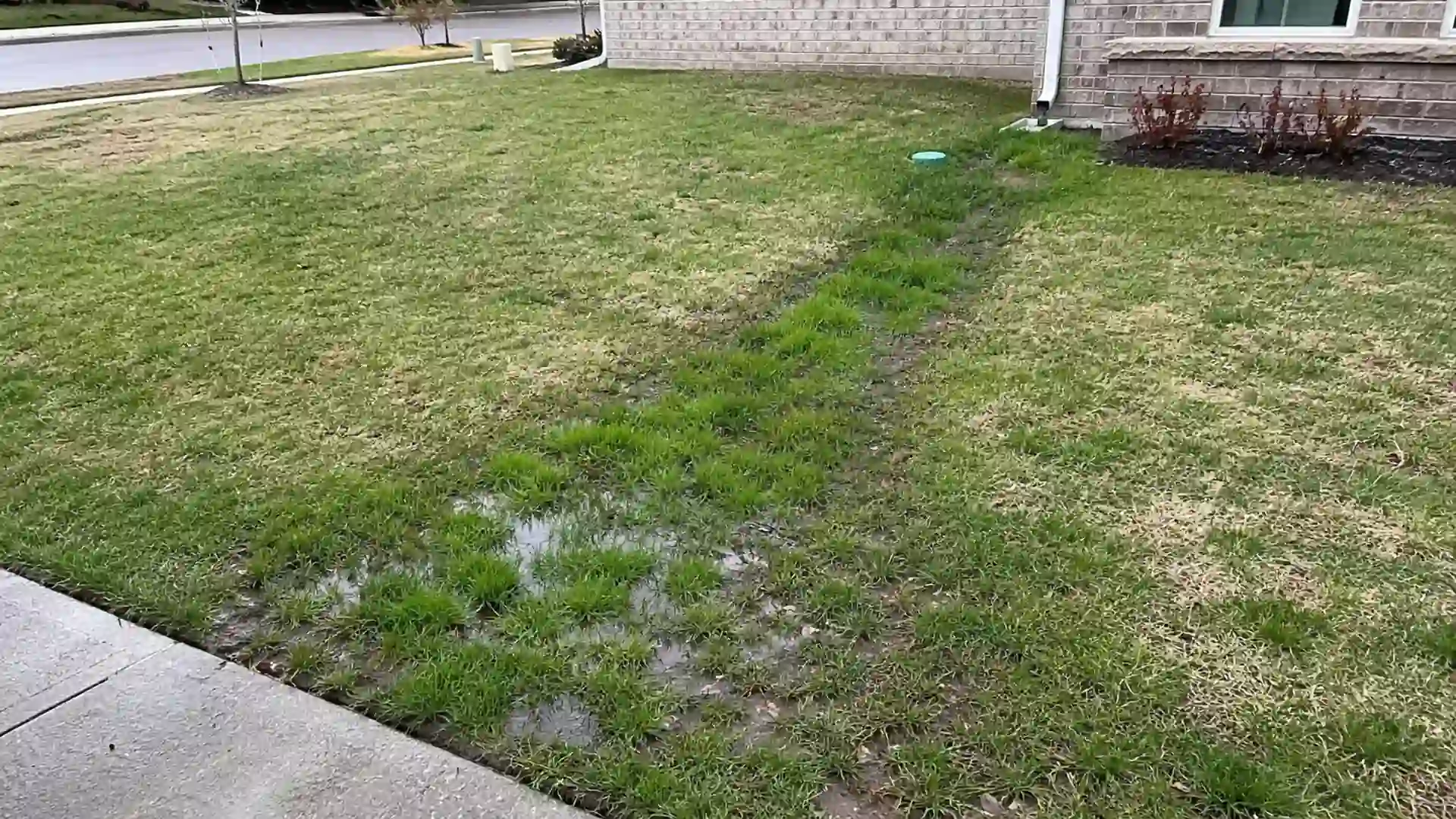
Notice soggy soil or unusually green grass in one area of your yard? A damaged sewer line may be leaking wastewater below the surface.
Since sewage acts like fertilizer, grass above the leak often grows faster and looks darker than the surrounding lawn.
6. Slow Drains Across Multiple Fixtures
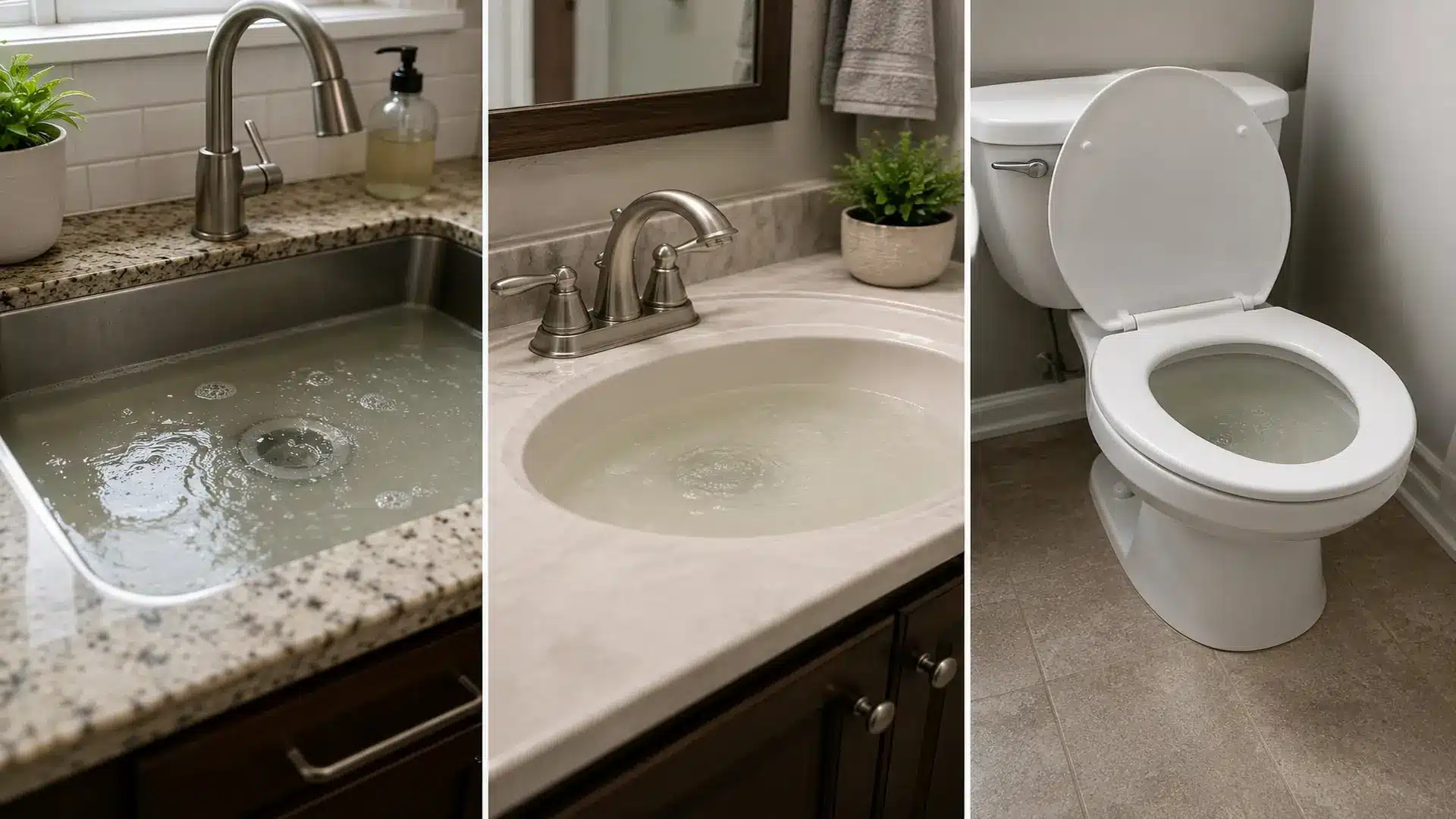
A slow sink usually indicates a small local clog. But if several fixtures drain slowly at the same time, the issue often stems from a clogged sewer line.
Watch for toilets, tubs, and sinks struggling together, especially in older homes with aging underground pipes.
7. Sewage Backing Up Into Basement Floor Drains
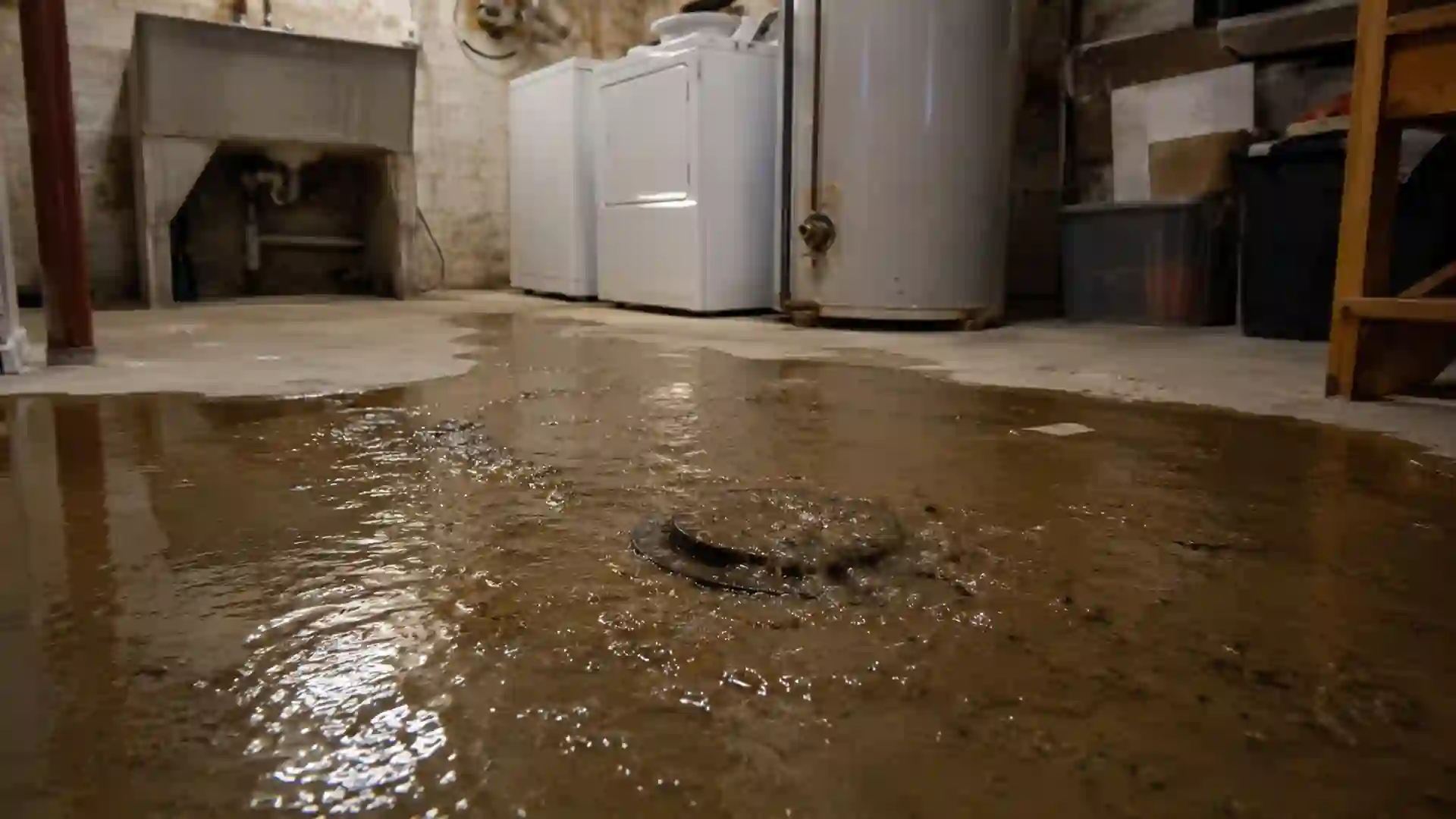
This is the most urgent sign on this list. Raw sewage coming up through a basement floor drain is a plumbing emergency. This usually means the main drain clog is fully blocking wastewater flow.
Once the sewer line is filled, water has nowhere else to go and starts backing up into the lowest drain in the home.
What Causes a Main Drain Clog?
Most main drain clogs don’t happen overnight. Here are the six most common causes in homes, and which ones might apply to yours.
- Tree Root Intrusion: The first cause in older neighborhoods. Roots from oaks, willows, and maples push into pipe joints, chasing moisture. If your home sits near mature trees, this is your most likely culprit.
- Grease & Fog Buildup: Fats, oils, and grease cool and harden inside your sewer line. It’s a leading cause of municipal blockages across every major US city.
- Flushing Non-Flushables: “Flushable” wipes don’t break down. Neither do paper towels, cotton swabs, or feminine hygiene products. They snag, clump, and build into serious blockages.
- Aging or Collapsed Pipes: Pre-1980s homes often have cast-iron or clay pipes. Homes built between 1945 and 1972 may still have Orangeburg pipes. A pressed-fiber material that softens and collapses over time.
- Bellied Pipe: A pipe section that’s sunk or shifted sits low and collects waste instead of moving it. This is especially common in northern states where freeze-thaw cycles shift soil every winter.
- Mineral Scale Buildup: Hard water leaves calcium and other mineral deposits that slowly narrow your pipes. Most common in the Southwest and Midwest regions, where water supplies the high in minerals.
How to Fix a Clogged Sewer Line?
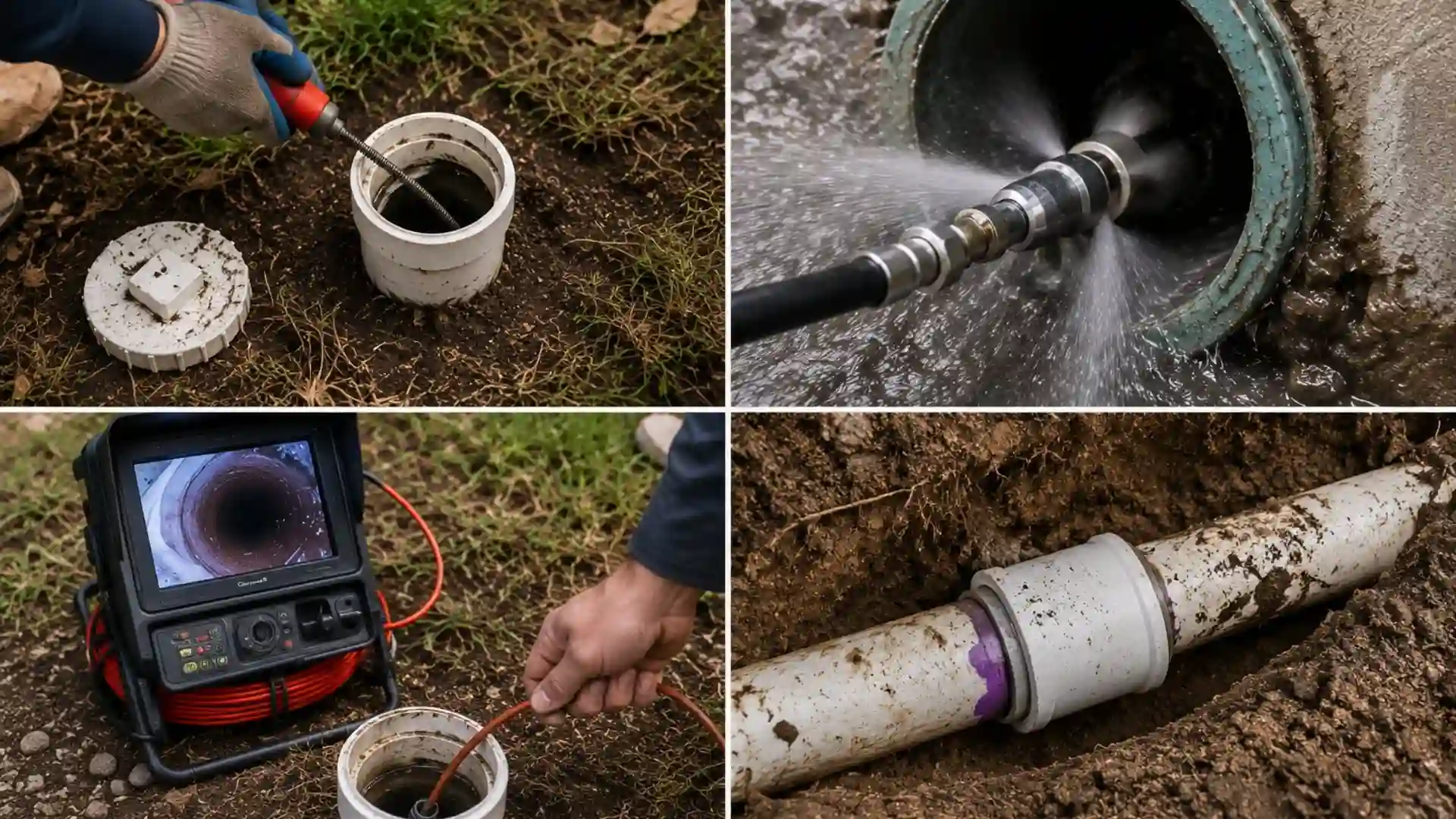
The right repair method depends on the severity of the blockage, the condition of the pipe, and how deep the problem runs. Plumbers typically start with the least invasive solution and escalate as they find more.
Here is a breakdown of the most common methods for fixing a main drain clog.
1. Using a Drain Snake or Auger
A drain snake or motorized auger can help clear smaller sewer line clogs caused by soft buildup, paper waste, or minor blockages near the cleanout. These tools break apart debris and restore basic water flow through the pipe.
However, they usually cannot fully remove heavy grease buildup, tree roots, or collapsed pipe sections. If multiple drains still back up after snaking, the blockage is likely deeper inside the main sewer line.
2. Hydro Jetting for Sewer Lines
Hydro jetting uses high-pressure water to clean the inside of sewer pipes and remove grease, sludge, roots, and stubborn debris. Professional plumbers insert a specialized hose into the sewer line, blasting water through the pipe walls to completely clear the buildup.
Unlike standard drain snaking, hydro jetting also helps wash away residue left behind after a clog forms. It is commonly recommended for recurring sewer backups or heavily blocked main drain lines.
3. Sewer Camera Inspection
A sewer camera inspection allows plumbers to locate the exact cause and position of a sewer line without digging up the yard. A waterproof camera travels through the pipe and sends real-time video to a monitor above ground.
This helps more accurately identify tree root intrusion, grease buildup, cracked pipes, or pipe collapse. Camera inspections also prevent unnecessary repairs because homeowners can see the condition of the sewer line before approving expensive work.
4. Sewer Line Repair or Replacement
Sewer line repair becomes necessary when the pipe is cracked, collapsed, leaking, or repeatedly backing up despite cleaning attempts. Minor damage may require only spot repairs or trenchless pipe lining, while severe deterioration often requires full sewer line replacement.
Older clay, cast-iron, or Orangeburg pipes are more likely to fail over time. A professional inspection helps determine whether repairing a small section is enough or if replacing the entire sewer line is the safer long-term solution.
DIY Methods to Clear a Main Drain Clog
Most mainline clogs need a professional. But these steps are worth trying first.
What You Can Try:
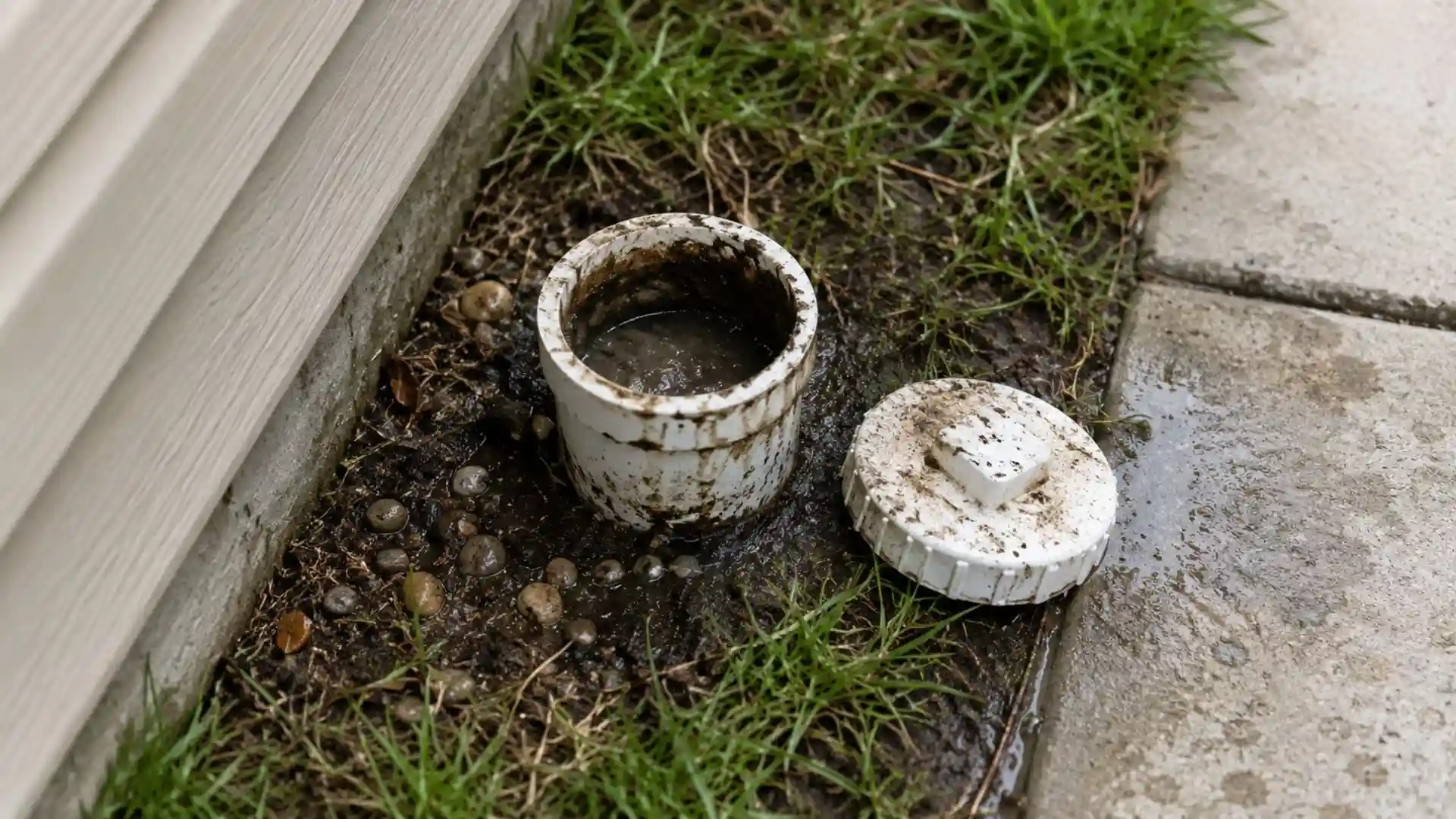
- Open The Cleanout: Wear gloves. Have towels ready. Sewage exposure is a real risk.
- Plunge Individual Fixtures: Only works for minor, localized blockages.
- Rent an Electric Auger: A 50–100 ft drain snake from Home Depot or Lowe’s runs $40–$80/day. Best for soft clogs.
- Enzyme Treatments: Green Gobbler or RootX work slowly over the course of weeks. Maintenance, not an emergency fix.
If multiple drains still back up after these steps, the blockage is likely deeper in the sewer line and may require professional equipment.
What NOT to Do: Never pour Drano or Liquid-Plumr into a main line. Chemical cleaners rarely work and can corrode older pipes.
When to Call a Professional Plumber Immediately
Some sewer problems can wait a day or two, but certain warning signs need immediate attention.
If multiple drains slow down at the same time or sewage backs up into tubs, showers, or floor drains, the main sewer line may be heavily clogged.
Continuing to use sinks, toilets, or washing machines can quickly cause flooding and water damage inside the home.
Strong, rotten-egg odors indoors, wet patches in the yard, or standing sewage water in basements can also indicate a broken or clogged sewer line.
If plunging or snaking makes the problem worse, stop DIY attempts and call a licensed plumber right away.
Fast action can help prevent major pipe damage, costly repairs, and exposure to dangerous sewage.
How Much Does Sewer Line Repair Cost?
Simple cleaning jobs remain affordable, but damaged pipes can quickly become expensive. Below you can find the average sewer line repair costs:
| Service | Average Cost |
|---|---|
| Sewer camera inspection | $250 – $500 |
| Drain snaking/augering | $150 – $350 |
| Hydro jetting | $350 – $600 |
| Spot repair (trenchless) | $1,000 – $3,000 |
| Pipe lining / CIPP | $80 – $250 per linear ft |
| Full replacement (trench) | $3,000 – $25,000+ |
Before approving repairs, ask your plumber exactly what is causing the blockage and whether the pipe itself is damaged.
Note: These costs are estimates only. Actual prices may vary depending on your location, contractor, and the extent of damage.
Will Insurance Cover Sewer Line Repairs?
Most homeowners’ insurance policies do not cover gradual wear, corrosion, or root damage to sewer pipes. Some companies offer separate sewer line riders or home warranty protection plans.
Getting at least two or three estimates can help you compare repair options, warranties, and long-term costs before committing to major sewer work.
What Makes Sewer Repair More Expensive?
Several factors can increase repair costs:
- Deep underground pipes
- Older cast-iron or clay sewer lines
- Long pipes run under driveways or landscaping
- Tree root intrusion
- High labor costs in the Northeast and West Coast states
Most of these cost factors become clear during the inspection, which gives you a better idea of whether the repair is minor or something more serious underground.
Trenchless vs. Traditional Sewer Repair
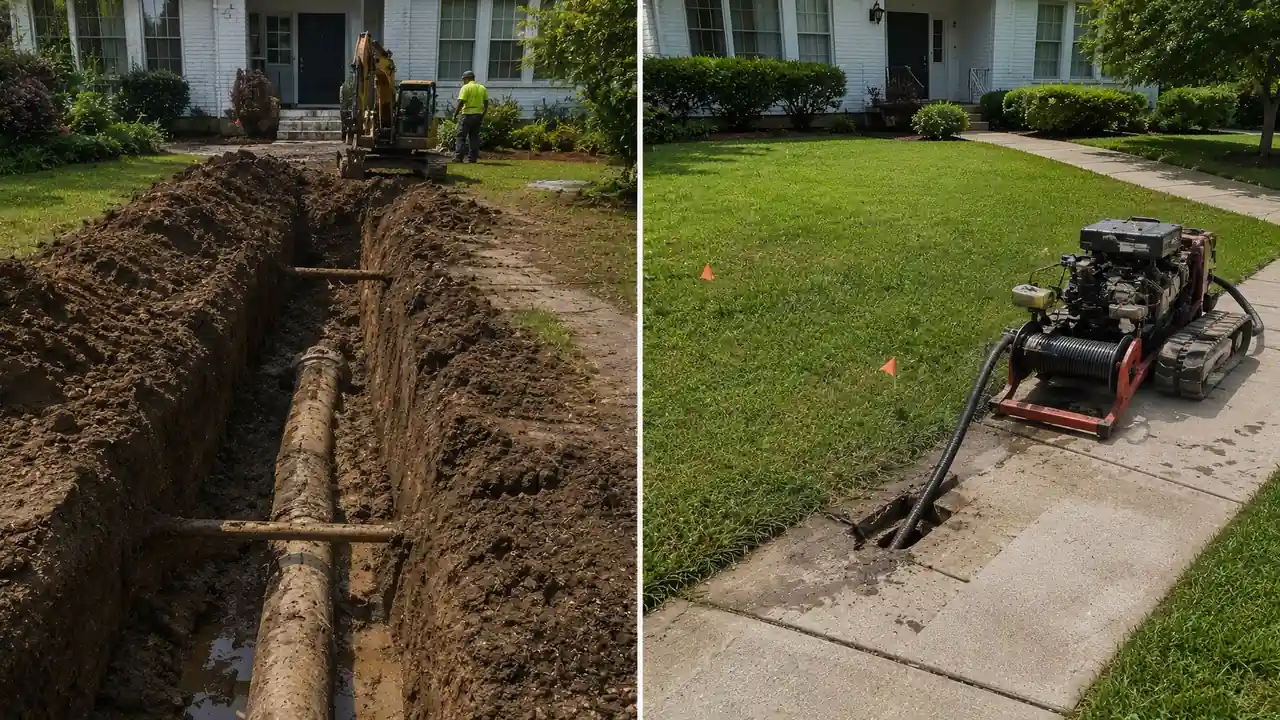
Modern trenchless sewer repairs can often fix damaged pipes without digging up your yard, driveway, or sidewalk.
Methods like pipe bursting and CIPP lining work from the inside of the pipe, making the process faster and far less disruptive than full excavation.
You avoid torn-up landscaping, broken concrete, and weeks of recovery work. Traditional excavation, on the other hand, involves digging a trench along the entire pipe length.
It costs more, takes longer, and leaves your yard looking like a construction site. That said, it is sometimes the only option when pipes are severely collapsed or completely beyond repair.
Not every sewer line qualifies for trenchless repair. Pipes that are fully collapsed or heavily offset may still need full excavation.
During the inspection, ask the plumber directly if your pipe condition makes trenchless a realistic option for your home.
How to Prevent Future Sewer Line Clogs
A clogged sewer line usually develops slowly over time. Simple daily habits and occasional maintenance can help keep wastewater flowing properly and reduce the risk of another clog in the main drain.
Here are the habits that make the biggest difference:
- Never Flush Wipes, Paper Towels, or Cotton Swabs: Even “flushable” wipes break down slowly and often create major sewer blockages.
- Keep Grease and Oil out of the Sink: Grease hardens inside pipes and traps food debris over time. Let it cool, then throw it in the trash.
- Avoid Flushing Medication or Dental Floss: These materials do not dissolve properly and can collect inside the sewer line.
- Use Enzyme Drain Treatments Monthly: Products like RootX help reduce organic buildup and small root growth inside pipes.
- Schedule Sewer Camera Inspections for Older Homes: These inspections can catch cracked pipes, root intrusion, or line narrowing before backups occur.
- Plant Large Trees Away from Sewer Lines: Roots from maples, willows, and oaks often grow into underground sewer pipes in search of moisture.
- Install a Backwater Valve if Your Basement Floods: It can help stop sewage from backing up into your home during heavy rain or sewer overloads.
Most sewer backups start with small problems that build quietly underground. A few preventive habits now can save you from major plumbing repairs and water damage later.
Frequently Asked Questions
How Do I Know If My Main Sewer Line Is Clogged?
If several drains clog at once, toilets gurgle, or shower water rises after flushing, you likely have a clogged sewer line rather than a single drain blockage.
Can I Unclog a Main Sewer Line Myself?
Minor soft clogs may clear with a rented drain auger, but root intrusion, grease buildup, or pipe damage usually requires professional sewer-cleaning equipment.
How Long Does It Take to Unclog a Main Sewer Line?
Most sewer line cleaning jobs take one to three hours. Repairs involving roots, broken pipes, or excavation may take several days instead.
How Much Does It Cost to Unclog a Main Sewer Line?
Drain snaking usually costs a few hundred dollars, while hydro jetting and sewer line repairs cost more, depending on the extent of pipe damage and the severity of the blockage.
What is a Sewer Cleanout and Where is It Located?
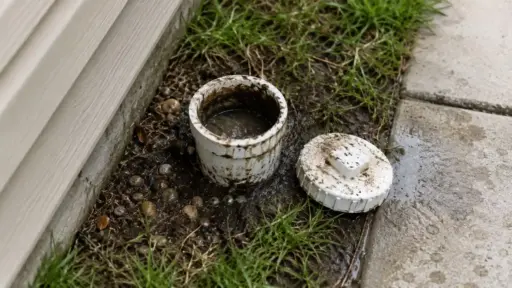
A sewer cleanout is an access pipe plumbers use to inspect or clear a clogged sewer line, usually located near foundations, yards, or basements.
Final Thoughts
A clogged sewer line rarely fixes itself, and waiting too long usually makes the repair more expensive.
However, catching problems early can help you avoid expensive repairs, damaged flooring, and emergency plumbing calls later.
So, just pay attention to slow drains, gurgling toilets, and sewage smells in the yard before the problem spreads deeper into the main drain system.
Regular inspections and simple maintenance habits can also help protect older sewer lines over time.
Have you dealt with a main drain clog before? Share your experience or questions in the comments below.

NKBA-certified designer Harper Williams holds a degree in Interior Architecture from Auburn University and has specialized in high-function kitchens and spa-inspired baths since 2011. She joined us in 2024 to simplify layout planning, fixture selection, and budget tricks for remodelers. Away from CAD files, Harper restores vintage cookstoves and crafts small-batch soaps.