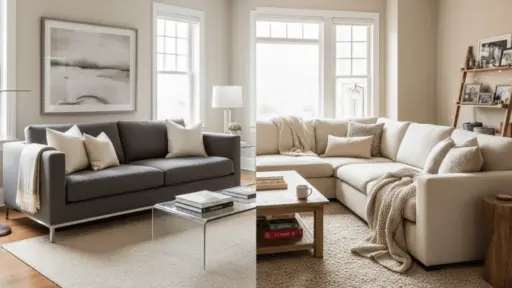
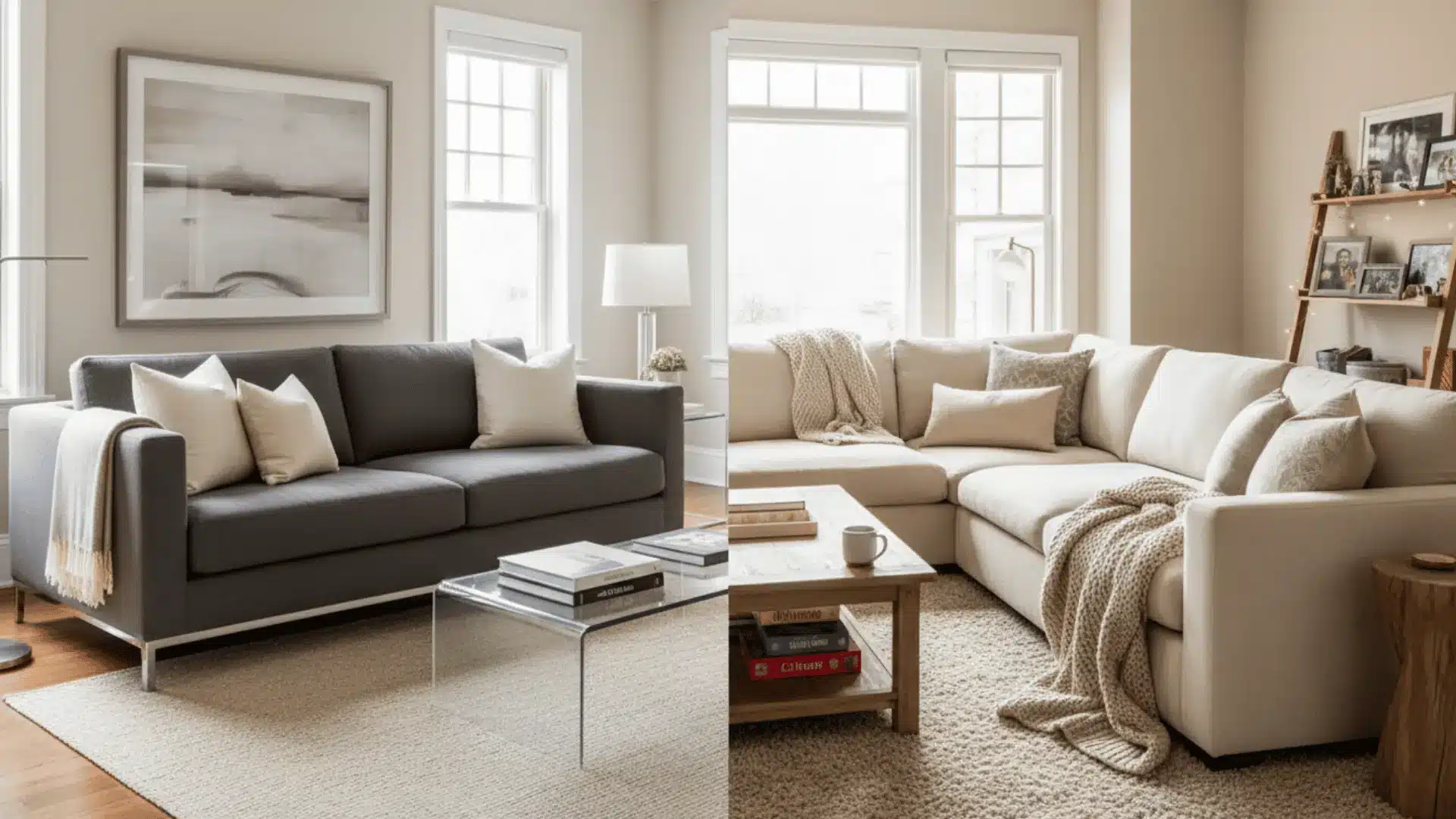

I used to think sofa and couch meant the same thing. Then I started shopping for furniture and noticed something odd. Store tags, ads, and even my friends used the two words in different ways.
That got me curious, so I looked into it. Turns out there’s a real difference between sofa and couch, tied to history, design, and everyday habits.
In this article, I’ll walk you through where each word came from and how people use it today. I’ll also share a few tips for picking the right piece for your living room.
By the end, you’ll know exactly what to call your new seating, and why the choice matters less than you’d think.
What is a Sofa?
A sofa is an upholstered seat built for three or more people, usually placed in a living room or formal sitting area. It has a defined structure, with a back, armrests, and a frame that holds its shape over time.
The word traces back to the Arabic term suffah, which referred to a raised platform used for seating. Over time, it became linked to furniture that felt polished and put together.
A sofa often features structured cushions, clean lines, and finer materials such as leather or woven fabric. Sofas work well in spaces meant for guests or everyday formal use, such as offices, lounges, or sitting rooms.
This is one of the key differences between a sofa and a couch, since a sofa leans toward structure and style rather than casual comfort.
Common Sofa Styles Include:
- Chesterfield sofas with deep button tufting.
- Lawson-style sofas with a simple, boxy frame.
- Sectional sofas built for larger rooms.
What is a Couch?
A couch is a casual seating piece built for lounging, often found in family rooms, dens, or spaces meant for relaxing. It tends to have a softer, looser shape compared to more structured seating.
The word comes from the French term coucher, which means to lie down. That origin fits the way most people use a couch, if that means stretching out, napping, or curling up with a blanket.
Couches often use everyday fabric blends and a relaxed frame instead of premium, high-end materials. This casual nature is one of the key differences between a sofa and a couch, since a couch prioritizes comfort over formal style.
It fits naturally into laid-back spaces like basements, media rooms, or apartments.
Common Couch Styles Include:
- Loveseats built for two people
- Sleeper couches with a pull-out bed
- Sectional couches with a relaxed, modular layout
Key Differences Between Sofa and Couch
Sofa and couch share the same job but differ in style, price, and history. Here’s a quick side-by-side look at how they compare.
| Feature | Sofa | Couch |
| Formality | Seen as more formal, often used in living rooms for guests | Seen as more casual, often used in family or media rooms |
| Design style | Usually has structured arms, a back, and fitted cushions | Usually has a relaxed shape, built more for lounging |
| Price range | Tends to cost more due to detailed craftsmanship | Tends to cost less, especially in casual styles |
| Common use | Common in formal settings like offices or sitting rooms | Common in dens, basements, or TV rooms |
| Regional preference | More common in British and Indian English | More common in American English |
| Material quality | Often built with higher-end fabric or leather | Often built with everyday fabric or fabric blends |
| Seating posture | Encourages sitting upright | Encourages lying down or curling up |
Why do People Use “Sofa” and “Couch” Interchangeably?
Most people use sofa and couch to mean the same thing, and that habit comes from how furniture design has changed. The two words no longer point to two separate styles.
Modern sofas often come deep, soft, and built for lounging, which used to be a couch trait. At the same time, many couches now look sharp and structured, with clean lines that once belonged only to sofas.
This blending of styles is a big reason behind the key differences between sofa and couch feeling smaller than before. Because of this overlap, the label matters less than the build quality.
A well-made couch can outlast a poorly made sofa, even if the sofa carries a fancier name.
What Matters More than the Name?
Labels only go so far when it comes to real comfort and value. These factors matter more than if a piece is called a sofa or a couch.
1. Frame Construction

A solid frame decides how long any seating piece lasts, regardless of its name. Hardwood frames hold their shape far better than particleboard or thin metal alternatives.
I once bought a sofa that sagged within a year because the frame was cheap plywood underneath a nice fabric shell. That experience taught me to check construction before style.
This is one of the practical key differences between sofa and couch shopping that labels alone never reveal. Always ask about frame material, joint type, and warranty coverage before making a purchase decision.
2. Cushion Support
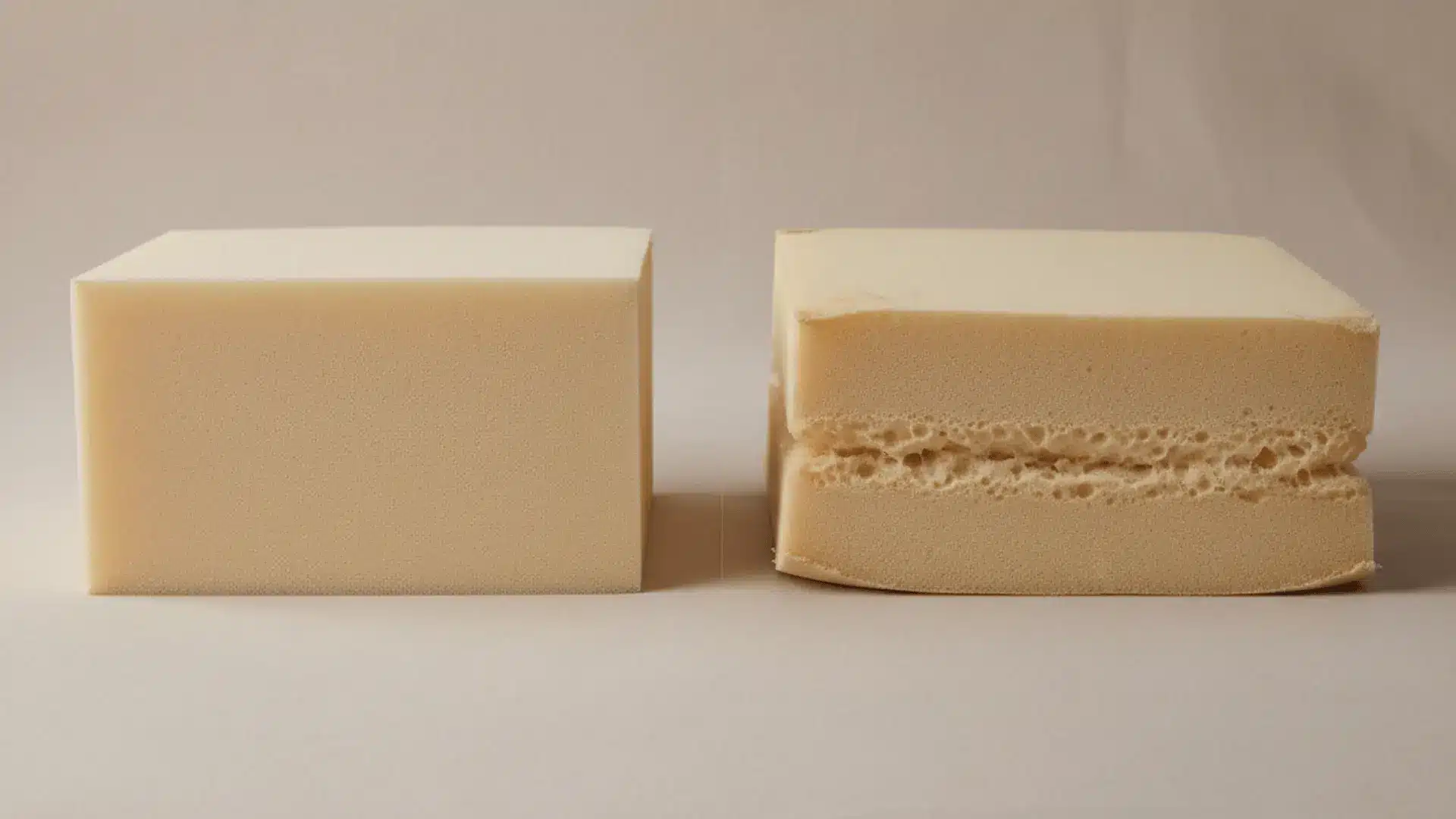
Foam density and cushion fill determine comfort more than any label ever will. High-density foam holds its shape for years, while low-quality fill flattens within months of daily use.
My friend swapped her couch cushions twice in three years because the original foam broke down fast. Good support means sitting without sinking too deep or feeling the frame underneath.
Things worth checking:
- Foam density rating, ideally above 1.8 pounds per cubic foot
- Cushion cover zippers for easy cleaning or replacement
3. Fabric Performance
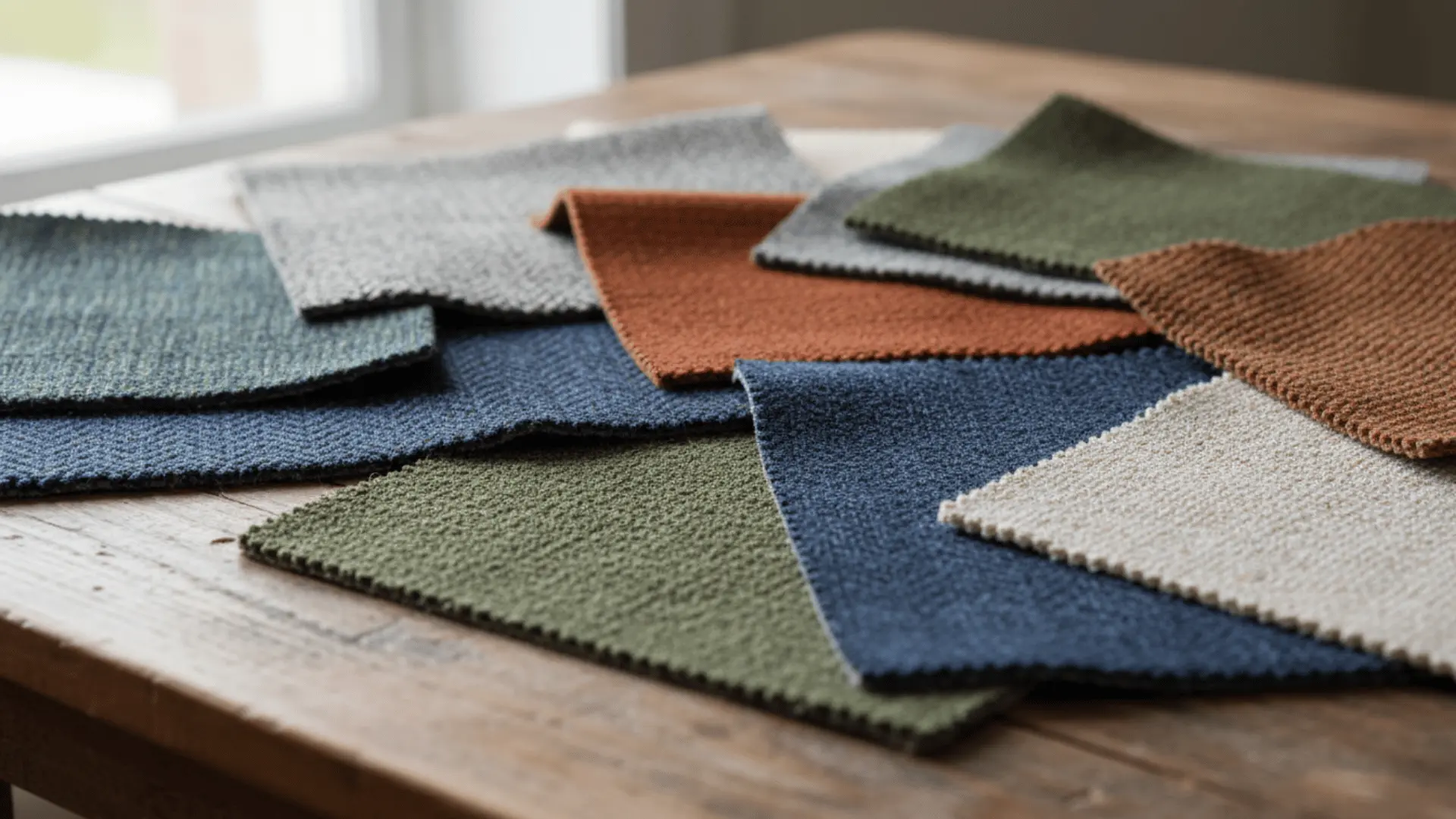
Fabric choice shapes how well any seat handles daily wear, spills, and pet activity. Performance fabrics resist stains and hold color better than basic weaves.
Fabric grade often matters more than if the piece is labeled a sofa or a couch. Checking a fabric’s rub count offers a simple way to gauge durability before buying.
Quick tip: Look for a rub count above 15,000 for households with kids or pets.
4. Overall Value
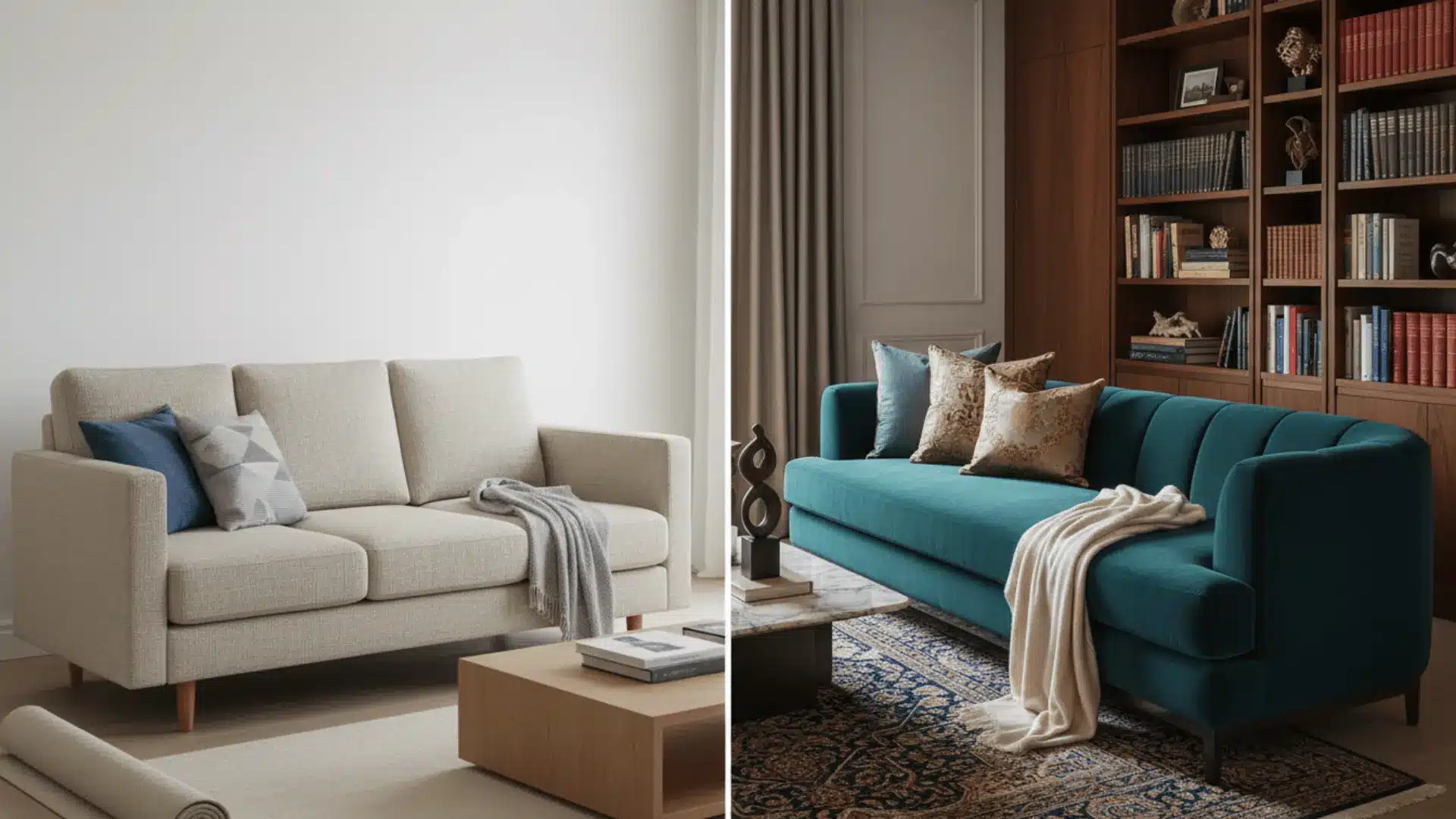
Price alone rarely reflects true quality, since some couches outperform pricier sofas over time. Value comes from matching build quality, materials, and comfort to actual household needs.
A well-built couch that lasts a decade often beats a stylish sofa that wears out in three years. Buyers get the best results by focusing on construction and materials rather than the name printed on a price tag or store listing.
Regional Usage of Sofa and Couch
Word choice for seating changes depending on where someone lives. Here’s how sofa and couch show up differently across English-speaking regions.
- American English: Couch is the word most people reach for first, while sofa still shows up in furniture stores and catalogs for higher-end pieces.
- British English: Sofa is favored in both casual and formal settings, and couch is understood but rarely used in daily speech. Furniture shops across the UK almost always label listings as sofas, regardless of style or price.
- In Indian English, sofa is the dominant term across homes, shops, and advertisements. Couch mostly appears in written content influenced by American English.
- Australian English: Both words get used, though sofa feels slightly more common in retail settings. I saw this firsthand while browsing an Australian furniture site, where product names switched between sofa and couch with no clear pattern. Everyday conversation still leans casual, so the couch fits naturally too.
Quick note: In British English, “settee” is another common term, often used by older generations.
Which One is Better for Your Home?
There’s no single right answer here, since the best choice depends on the room, the routine, and personal comfort needs. Both options can work well in the right setting.
For formal living rooms or spaces meant to impress guests, a sofa often fits better. Its structured shape and refined materials give a room a polished look.
For casual spaces like dens, basements, or media rooms, a couch usually feels more natural, since its relaxed design supports lounging and everyday use.
Thinking through daily habits helps narrow down the key differences between a sofa and a couch that actually matter in a home. Someone who often naps or curls up in front of the TV may lean toward a couch. Someone who wants a formal centerpiece may prefer a sofa.
Helpful questions to ask before choosing:
- How is the room used most often?
- Who sits there and how long?
- Does the space need a formal or casual feel?
- What is the budget for materials and build quality?
Either option works well when the build quality matches daily use.
Room-by-Room Sofa and Couch Placement Guide
Different rooms call for different seating styles based on layout and daily use. Here’s a quick guide to placing each option where it fits best.
| Room | Best Fit | Reason |
|---|---|---|
| Living room | Sofa | Creates a polished focal point for guests |
| Family room | Couch | Supports relaxed, everyday lounging |
| Basement | Couch | Handles casual movie nights and downtime |
| Home office | Sofa | Adds a clean, professional touch |
| Guest room | Sofa or sleeper couch | Doubles as extra seating or sleeping space |
| Sunroom | Couch | Fits a light, laid-back atmosphere |
| Media room | Couch | Built for long stretches of comfortable seating |
| Formal dining adjacent space | Sofa | Matches a more refined, structured setting |
This layout-based view adds another layer to the key differences between a sofa and a couch, showing how placement often depends on how a room is used.
Care Tips for Sofas and Couches
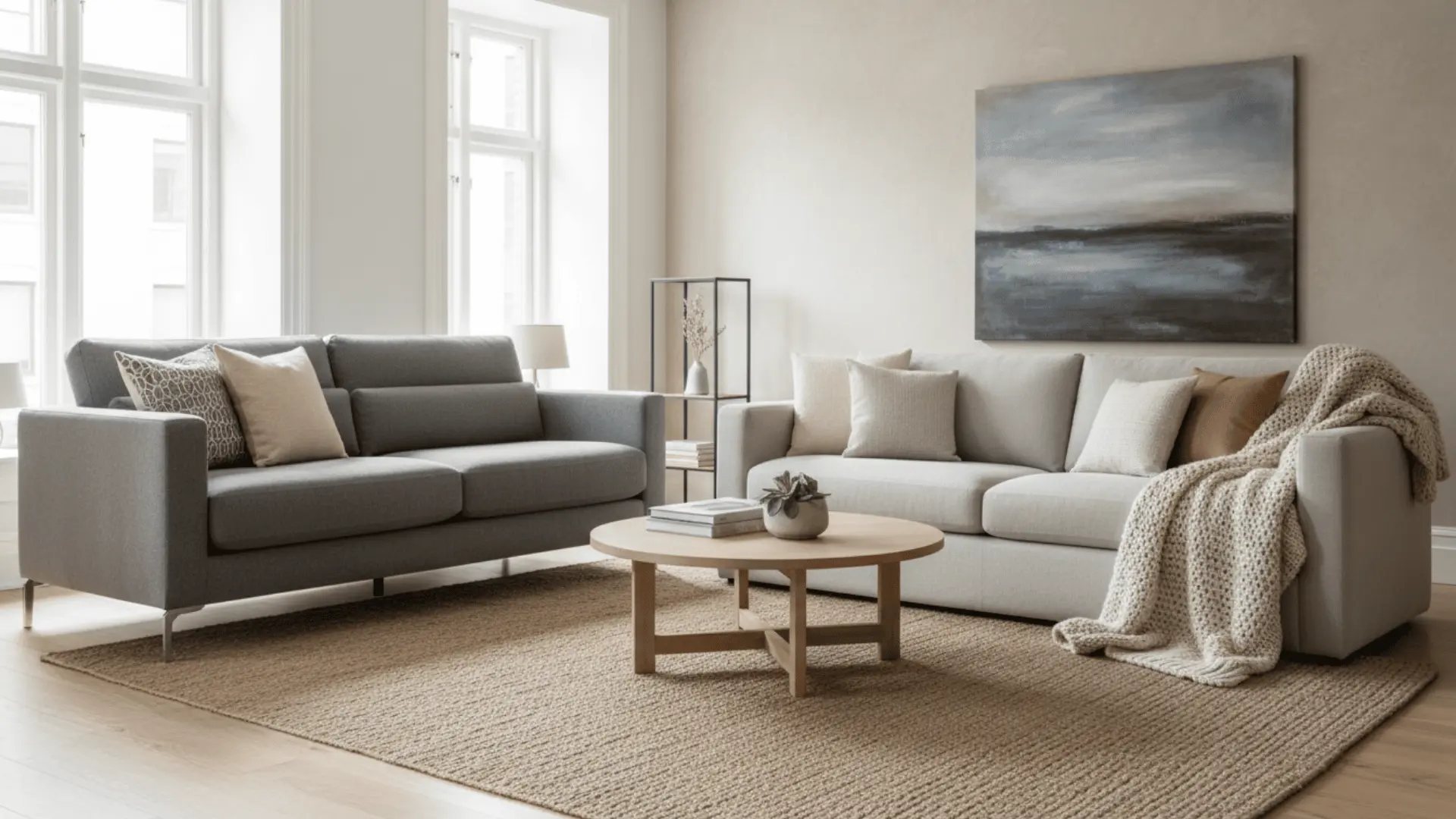
Good care keeps any seating piece looking fresh and lasting longer, no matter which one sits in the room. These simple habits make a real difference over time.
- Vacuum weekly to remove dust, crumbs, and pet hair before they settle into the fabric.
- Rotate cushions every few weeks so they wear evenly instead of sagging in one spot.
- Spot-clean spills right away with a mild cleaner suited to the fabric.
- Avoid direct sunlight on the fabric, as prolonged exposure can fade the color over time.
- Fluff and reshape cushions daily to help maintain their original support.
- Use arm covers or throws in high-contact areas to reduce wear from daily use.
- Check the frame yearly for loose joints or squeaky springs, especially on older pieces.
Quick tip: Leather sofas need a slightly different routine, including regular conditioning to prevent cracking.
Caring for either option comes down to consistency rather than complicated steps.
Common Mistakes When Choosing a Sofa or Couch
Small oversights during shopping often lead to regret once the piece is home. Here’s a quick look at common missteps and better alternatives.
| Mistake | Why It’s a Problem | Better Approach |
|---|---|---|
| Skipping measurements | The piece may not fit through doors or match the room size | Measure doorways, hallways, and room space first |
| Choosing looks over comfort | Leads to a stylish but uncomfortable seat | Test seating depth and cushion firmness in person |
| Ignoring fabric durability | Fabric wears fast with kids, pets, or daily use | Pick materials suited to the household’s lifestyle |
| Overlooking frame quality | Weak frames sag or break down quickly | Check for solid wood or metal frame construction |
| Confusing sofa and couch labels | Leads to mismatched expectations on style or price | Focus on build quality over the name used |
| Buying based on trends alone | Style may feel outdated within a few years | Choose a timeless shape that fits long-term needs |
| Forgetting maintenance needs | High-maintenance fabric becomes a hassle later | Match fabric choice to realistic cleaning habits |
This table highlights the key differences between sofa and couch shopping mistakes, showing how small choices affect comfort and value long-term.
Final Thoughts
At the end of the day, sofa and couch both do the same basic job: give a room a comfortable place to sit. What separates them is style, history, and how each fits into daily life rather than any strict rule.
Choosing between them comes down to the space, the routine, and what feels right at home. A structured sofa suits a formal living room, while a relaxed couch fits a casual family space.
Either way, focus on build quality over the label, since a well-made piece always outlasts a fancy name. Hopefully, this clarified the key differences between a sofa and a couch in a simple, practical way.
Which word do you use at home, sofa or couch? Share your experience in the comments below.
Frequently Asked Questions
Do Sofas Always Have Arms?
No, most sofas have arms, but some modern sofa designs may have one arm, low arms, or no arms at all.
Is there a Price Difference Between a Sofa and a Couch?
Not always. Price usually depends on material, size, frame quality, brand, and features, not the word used.
Are Couches Always Softer than Sofas?
Not always. Some sofas are very plush, while others offer firm support, depending on the design.

Tommy Hardy, an alumnus of the Georgia Institute of Technology with a degree in Mechanical Engineering, has been a go-to figure in residential upkeep and innovation for over 18 years. His career commenced in a leading home appliance manufacturing company, where he mastered the intricacies of household systems. Joining our platform in 2020, Tommy quickly became a reader favorite for his practical and easy-to-follow guides. He took the helm of our DIY section in 2019, consistently delivering content that empowers homeowners. Beyond his professional pursuits, Tommy is a passionate gardener and enjoys woodworking, skills enhancing his hands-on approach to home care.