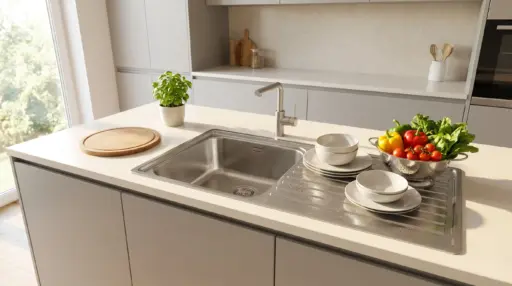
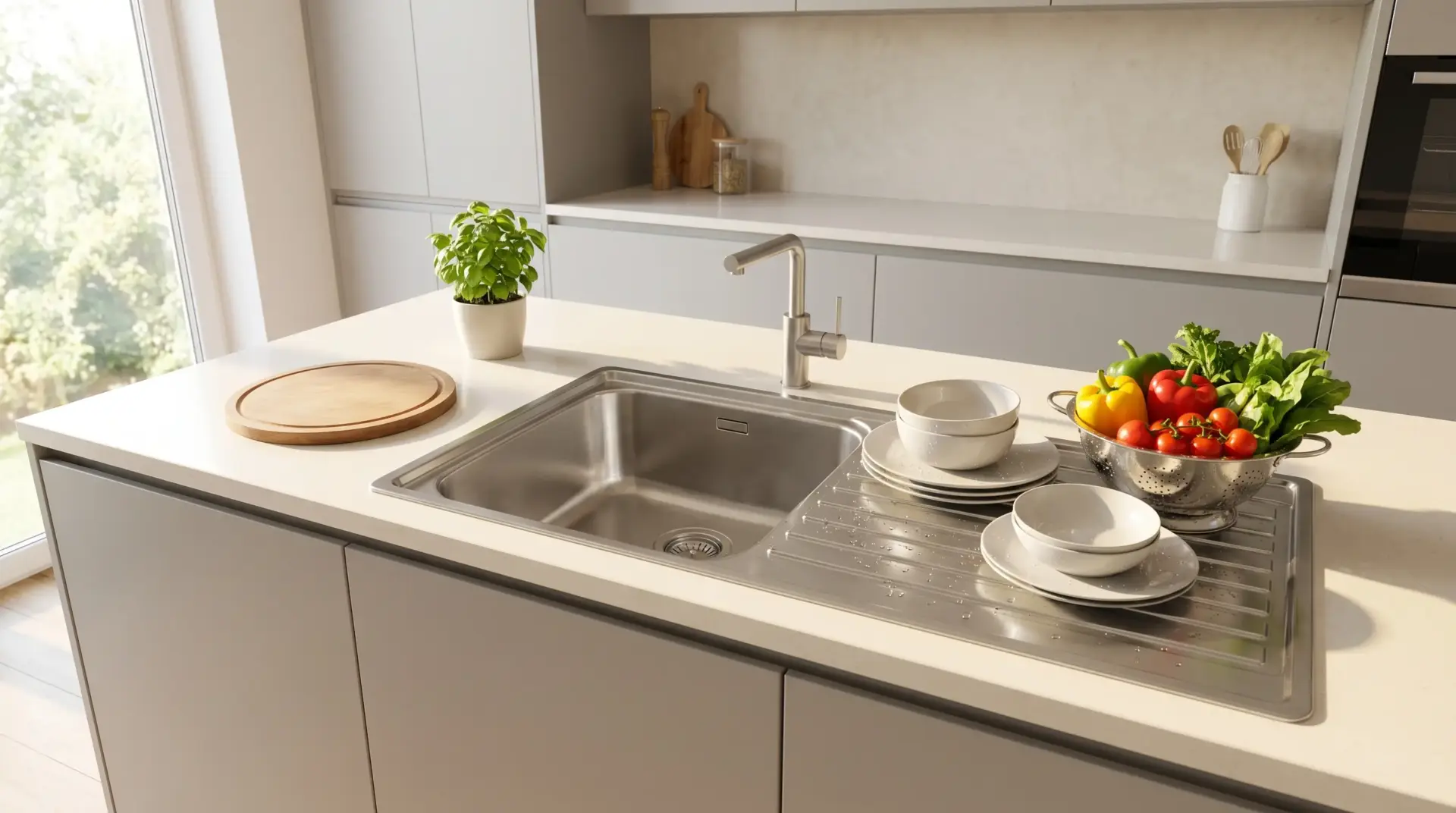
Kitchen tasks feel smoother when every step flows in a clear, logical order. Washing, rinsing, draining, chopping, and storing all compete for space around the sink. A drainer board kitchen sink aims to control that chaos by adding a built-in zone for drying and resting items. This simple feature can influence how you move, where water goes, and how tidy your counters stay during busy cooking sessions. Many homeowners now compare standard sinks with drainer board models when planning a remodel or new build. They want to know if the added surface truly makes a difference in daily routines. Understanding how drainer boards support workflow, layout, and hygiene helps you decide if this sink style matches the way you use your kitchen.
Do Drainer Board Kitchen Sinks Improve Workflow Efficiency?
How Drainer Boards Streamline Washing and Drying Tasks
A drainer board creates a natural sequence from sink to drying area without extra accessories. You wash dishes or produce in the basin, then place them directly on the sloped board. Water runs back into the sink instead of pooling on the counter or floor. This reduces the need for separate drying mats and bulky racks that you must move and clean. The drainer also supports hot pots, rinsed vegetables, and soapy utensils between steps, so you handle items fewer times. That cuts down on back‑and‑forth trips and awkward stacking. When you combine the drainer with a pull‑out faucet and a separate prep zone, you create a compact work corridor where washing, draining, and staging happen quickly in one contained space.
Reducing Countertop Clutter and Improving Organization
Clutter around the sink slows you down and makes cleaning harder. A drainer board gives wet items a designated landing area, which keeps cutting boards, knives, and glasses off the main worktop. You gain clear space for chopping and mixing while dishes air‑dry beside the basin in a controlled zone. Many people also use part of the drainer to rest sponges, dish brushes, and soap, which avoids random caddies and trays. Because everything related to washing gathers in one place, you find tools faster and put them away sooner. You can also segment the drainer: one side for clean items, another for soapy pieces still in progress. This subtle organization improves rhythm during meal prep and makes wiping down counters much faster.
Enhancing Hygiene and Water Management in Daily Use
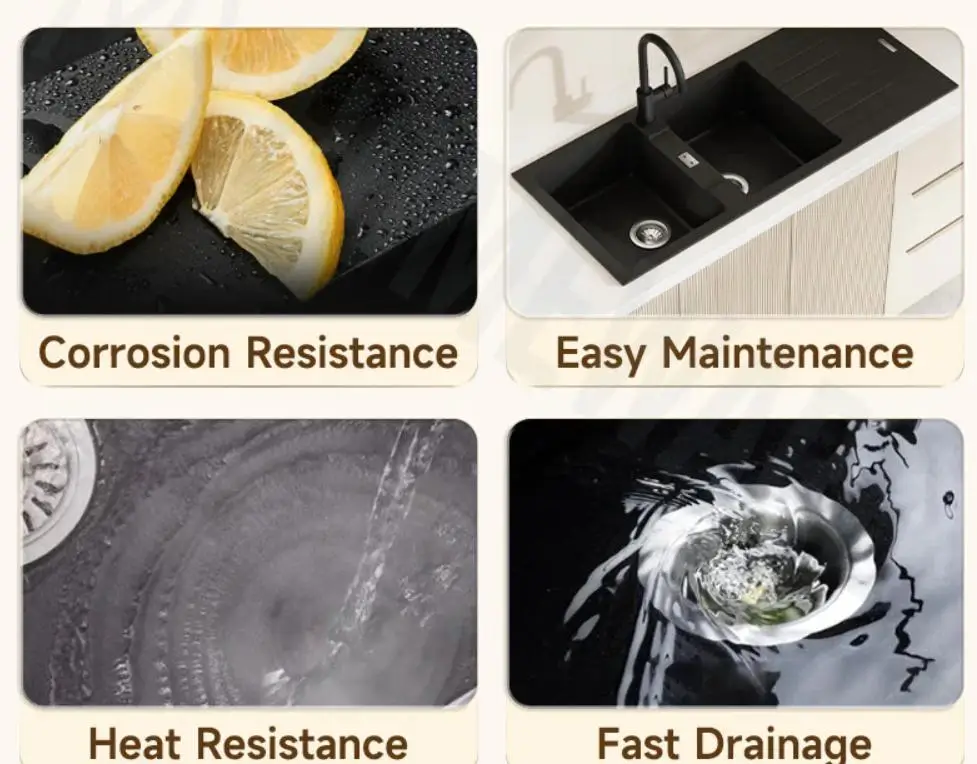
Standing water and damp cloths invite germs and odors. A drainer board helps manage moisture by directing runoff straight into the sink and down the drain. Plates, cups, and produce dry on a slightly raised surface, away from puddles and crumbs on the main counter. You can rinse raw meat packaging, then place it on the drainer for a moment before discarding, keeping fluids contained. Many sinks pair drainer boards with stainless steel or composite materials that resist stains and clean easily. This makes it simpler to disinfect the high‑use splash zone. Less water on the floor also reduces slip risks during busy cooking times. With better control over where water goes, you maintain a cleaner, safer, and more hygienic kitchen environment.
How Do Drainer Board Sinks Fit Into Different Kitchen Layouts?
Optimizing Workflow in Small Kitchens and Apartments
Compact kitchens often lack room for separate drying racks, cutting boards, and prep trays. A drainer board sink consolidates several functions into one footprint, which protects your limited counter area. You can wash vegetables, rest pans, and dry dishes without adding extra accessories that crowd the space. In a single‑wall or galley kitchen, placing the sink and drainer at the center of the run creates a mini work hub. Storage for everyday dishes above and cleaning supplies below strengthens that hub. This reduces steps because everything you need sits within arm’s reach. Folding or removable racks that sit over the drainer can add extra vertical space when needed. When not in use, the drainer still works as a landing spot for light prep tasks.
Using Drainer Boards in Open and Modern Kitchen Designs
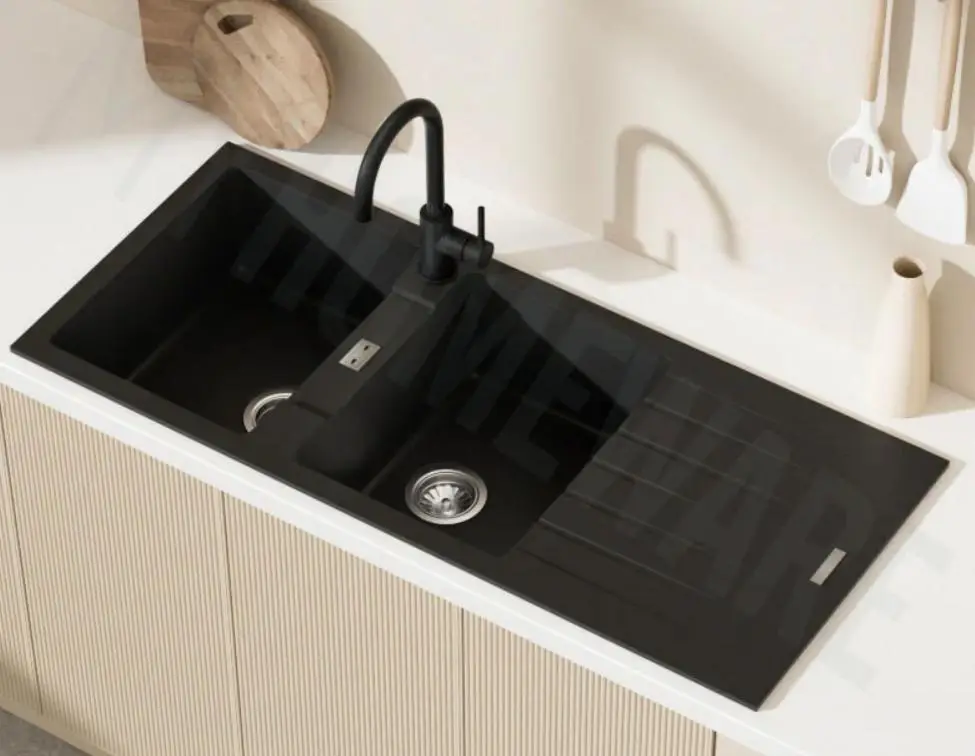
Open and modern kitchens favor clean lines and clear counters, which makes visible clutter around the sink stand out. A built‑in drainer board offers a tidy way to manage drying without loose racks or plastic mats. Many designers integrate sleek stainless, granite composite, or undermount drainer sinks into islands and peninsulas. This keeps the working zone facing the room while containing water and wet items. You can rinse produce or hand‑wash glassware during gatherings without splashes spreading across the island. When you style the drainer with matching accessories, such as slim racks or roll‑up mats, the whole area looks intentional, not improvised. The result is a sink station that supports everyday cooking and entertaining while preserving the minimal look many modern kitchens demand.
Choosing Left or Right Drainers Based on Work Zones
Choosing a left or right drainer affects how smoothly you work between the fridge, prep area, and stove. Most right‑handed people prefer the drainer on the right when the main prep zone also sits to the right of the sink. They rinse food, set it on the drainer, then move it straight to the cutting board. If your stove stands to one side, aligning the drainer on the opposite side of the sink can keep wet items away from open flames or hot burners. Consider where dirty dishes usually come from and where clean dishes go back. Match the drainer position with that traffic. In corner sinks or L‑shaped layouts, a corner‑oriented drainer can bridge both runs and support smooth movement around the work triangle.
What Are the Best Ways to Maximize Workflow with a Drainer Board Sink?
To get the most from a drainer board sink, treat it as a defined work zone rather than just an extra ledge. Keep daily washing tools—soap, brush, and sponge—on a small, easy‑clean tray or caddy on the drainer, not scattered across the counter. Use a compact rack or slotted mat on part of the drainer to stand plates and cutting boards upright, which speeds drying and saves space. Plan your workflow: rinse on the basin side closest to your prep area, then stage items on the drainer in the order you use them. After cooking, reverse the flow so dirty dishes land in one section and clean pieces dry in another. Wipe the drainer after each session to prevent buildup. When combined with good storage around the sink, these habits turn the drainer into a powerful efficiency booster.
Conclusion
A board kitchen sink drainer does more than catch water; it shapes how you move, clean, and cook. By giving washed items a clear place to rest, it reduces clutter, speeds drying, and keeps counters safer and more hygienic. The design works in both small apartments and spacious open kitchens, as long as you match drainer position with your main work zones. When you support the sink with smart storage, simple tools, and a consistent washing routine, the built‑in drainer becomes a central part of your workflow. If you often hand‑wash, cook frequently, or fight messy counters, a drainer board sink can be a smart upgrade that improves daily kitchen life.

NKBA-certified designer Harper Williams holds a degree in Interior Architecture from Auburn University and has specialized in high-function kitchens and spa-inspired baths since 2011. She joined us in 2024 to simplify layout planning, fixture selection, and budget tricks for remodelers. Away from CAD files, Harper restores vintage cookstoves and crafts small-batch soaps.