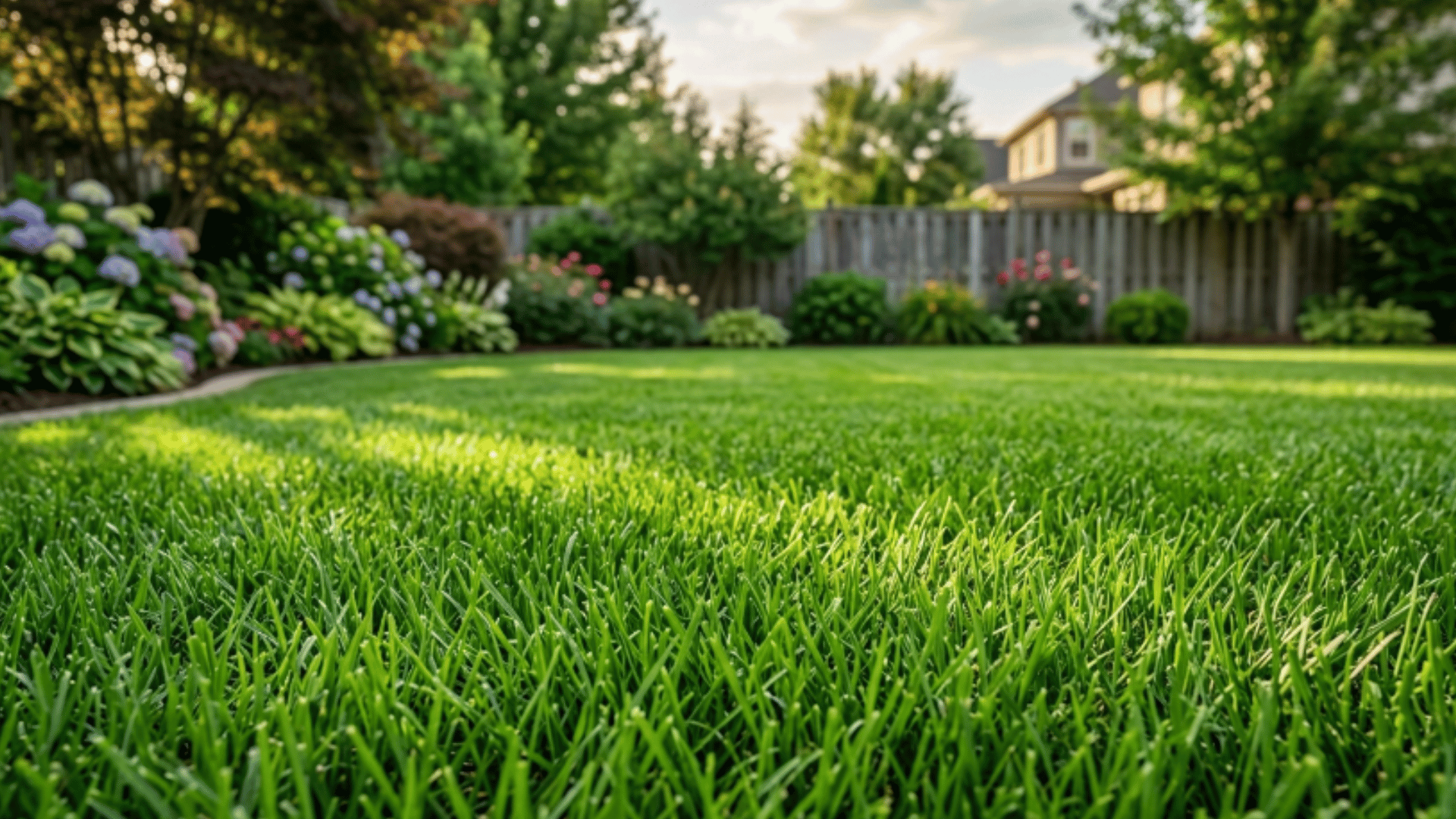

Taking care of your lawn for the first time can feel surprisingly overwhelming. There is a lot of advice out there, and most of it either contradicts itself or assumes you already know the basics.
Confusing watering schedules, unexplained brown patches, and products that promise results but rarely deliver them all add up quickly and make the whole thing feel harder.
But a healthy, green lawn doesn’t require expert knowledge or expensive tools.
With the right lawn care tips, you can build a simple, consistent routine that actually works, and this blog will walk you through every single step.
Why Lawn Health Should Be a Priority?
A healthy lawn is not just about how it looks. It plays an important role in keeping your outdoor space useful, safe, and easy to manage.
Dense grass holds soil in place during heavy rain. It stops erosion before it becomes a bigger problem. It also traps close to the ground, keeping the air around your home cleaner.
Thick grass creates a softer, safer surface for kids and pets. It cools the area around your home, improves drainage, and reduces water pooling naturally.
Following the right lawn care tips keeps pests under control. It also adds real, measurable value to your property over time.
Lawn Care Tips for Beginners
Getting a healthy lawn doesn’t have to be complicated. These lawn care tips break down every key step in plain, practical terms so you’ll know exactly what to do.
1. Test Your Soil First
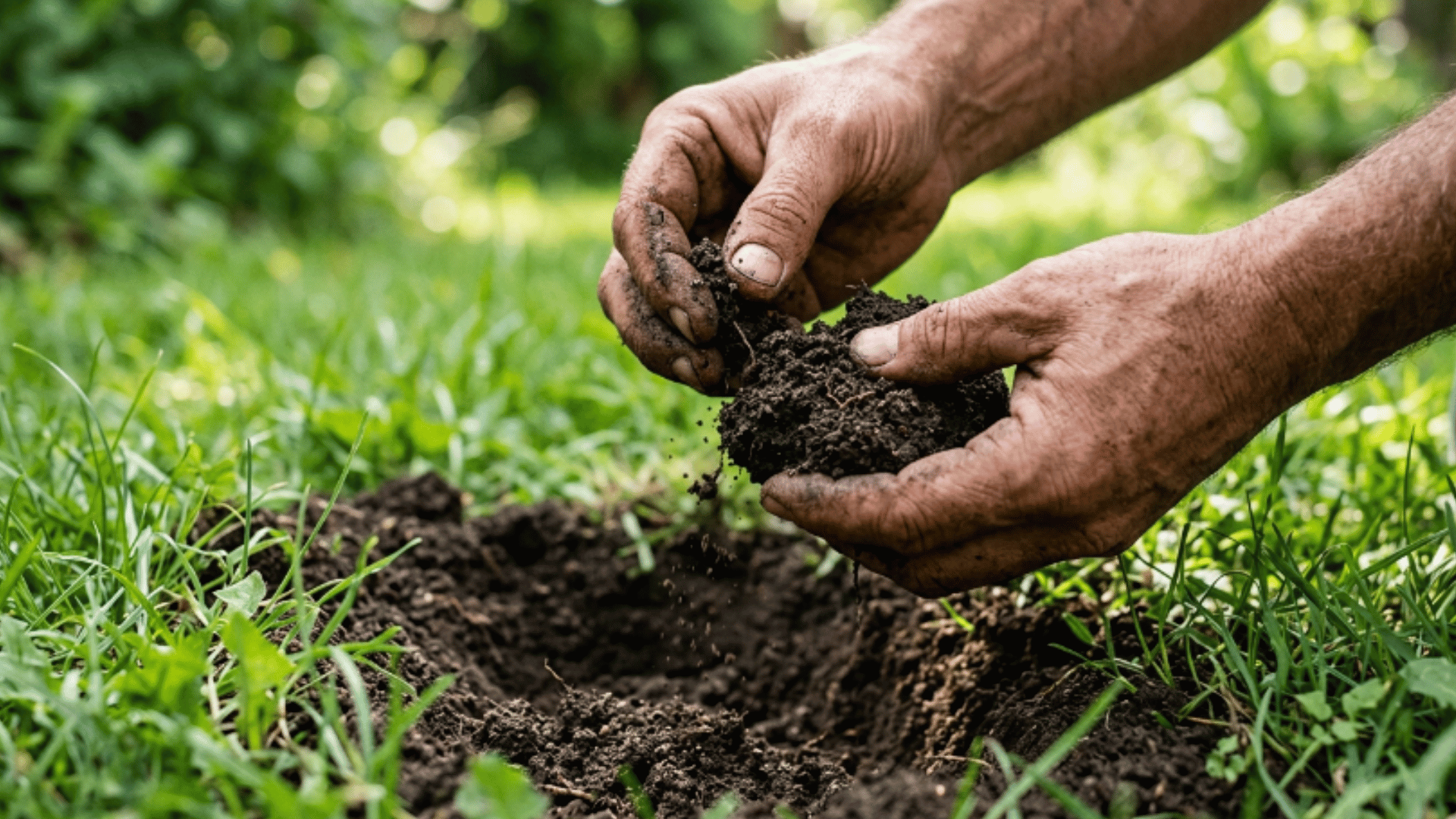
Soil testing tells you what your lawn actually needs before you spend money on products. Without it, you’re guessing, and the wrong PH level can do more harm than good.
A basic test checks nitrogen, phosphorus, and potassium levels. Most garden centers sell kits, or you can send a sample to your local extension office.
Once you know your soil’s condition, fixing it becomes straightforward. The right amendments give grass a solid base to grow from.
2. Pick the Right Grass Type
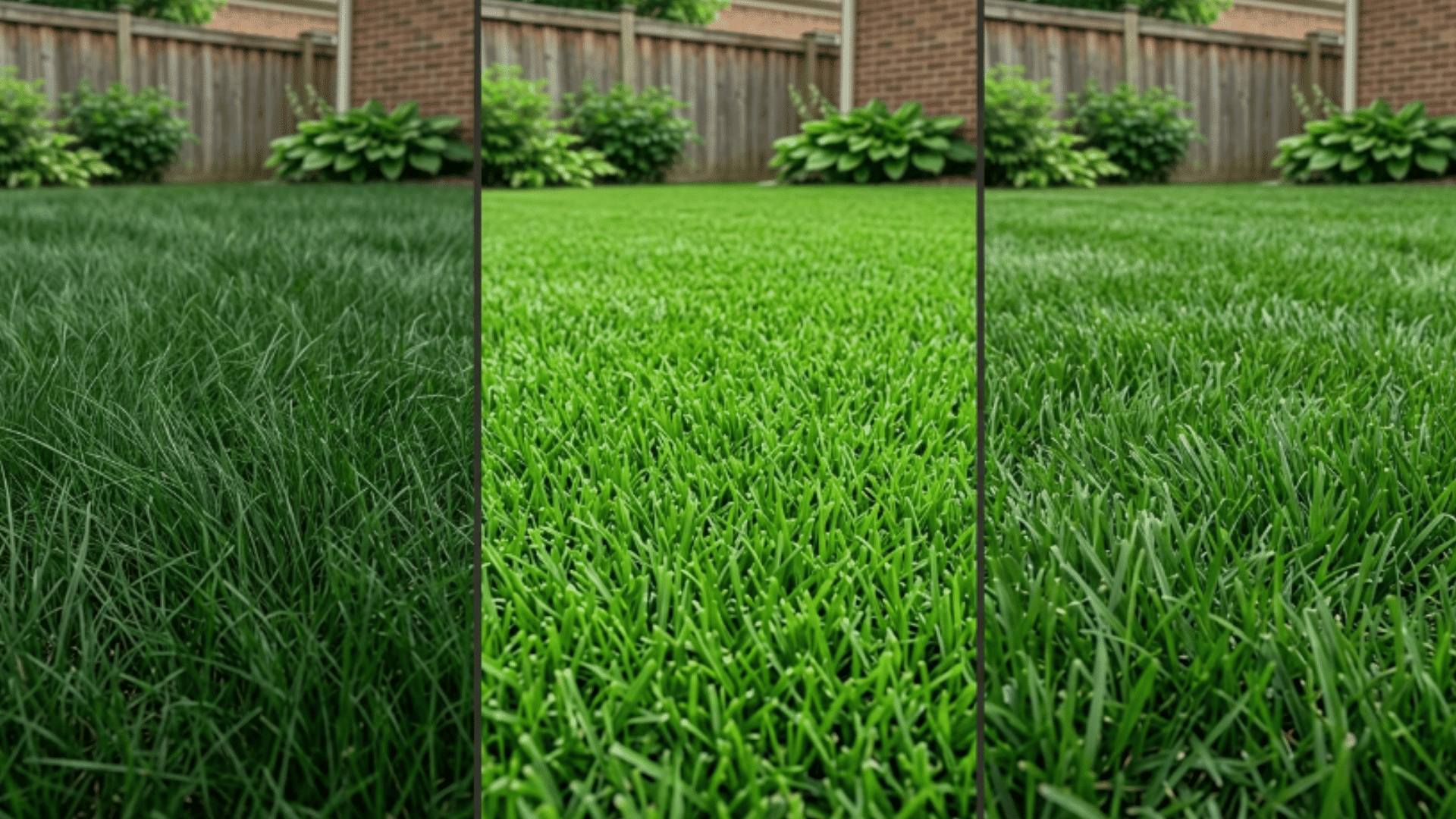
Not all grass grows well in every region. Choosing a variety that matches your climate reduces the effort required to keep your lawn healthy year-round.
Cool-season grasses like fescue perform well in northern regions. Warm-season varieties like Bermuda grow in hot, humid climates.
Planting the wrong type means constant stress on the grass. You’ll see patchy results no matter how well you follow other lawn care tips.
3. Mow at the Right Height
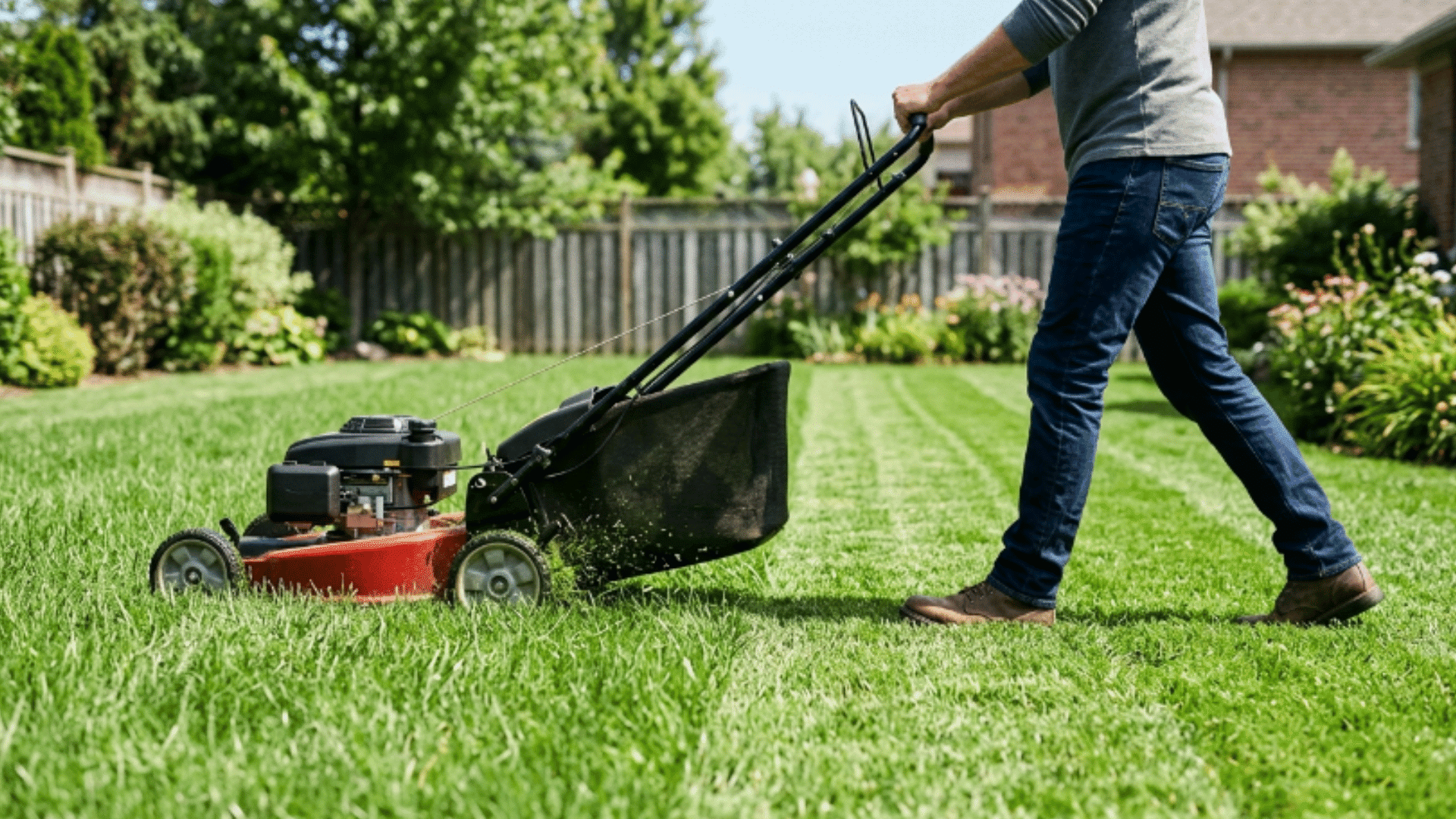
Cutting grass too short weakens the roots and leaves your lawn open to weeds and dry patches. Most grass types grow best when kept between 2.5 and 4 inches tall.
Never cut more than one-third of the blade in a single mowing. Removing too much at once significantly slows recovery time.
Mowing at the correct height shades the soil and holds moisture. It also naturally reduces weed growth between sessions.
4. Water Deep and Not Often
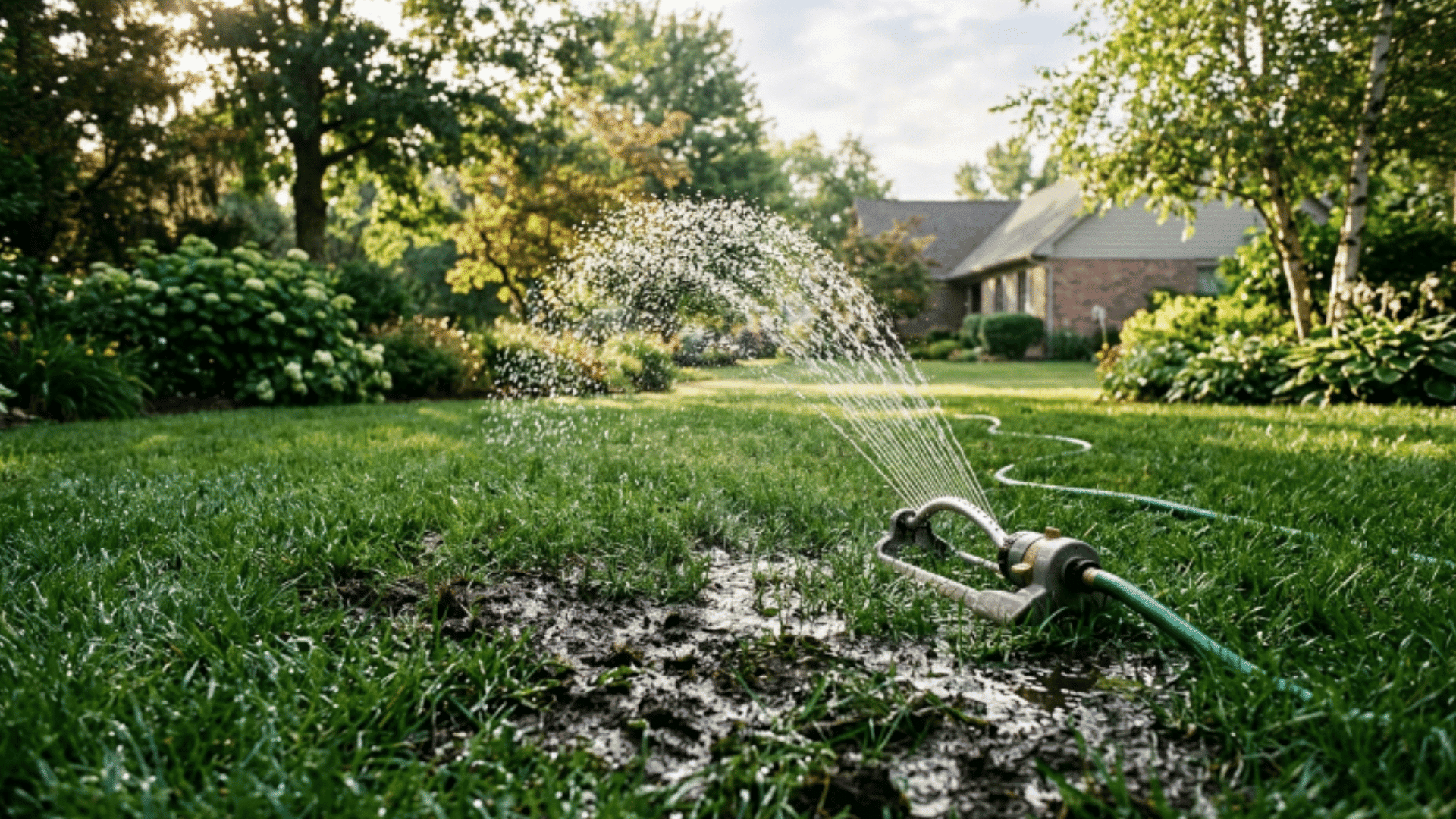
Shallow, frequent watering keeps roots near the surface, making grass more prone to heat and dry spells. Most lawns need watering once or twice a week.
Morning is the best time, before the afternoon heat causes rapid evaporation. Overwatering is one of the most common beginner mistakes. Soggy soil cuts off oxygen to the roots and spreads fungal disease fast.
5. Fertilize at the Right Time
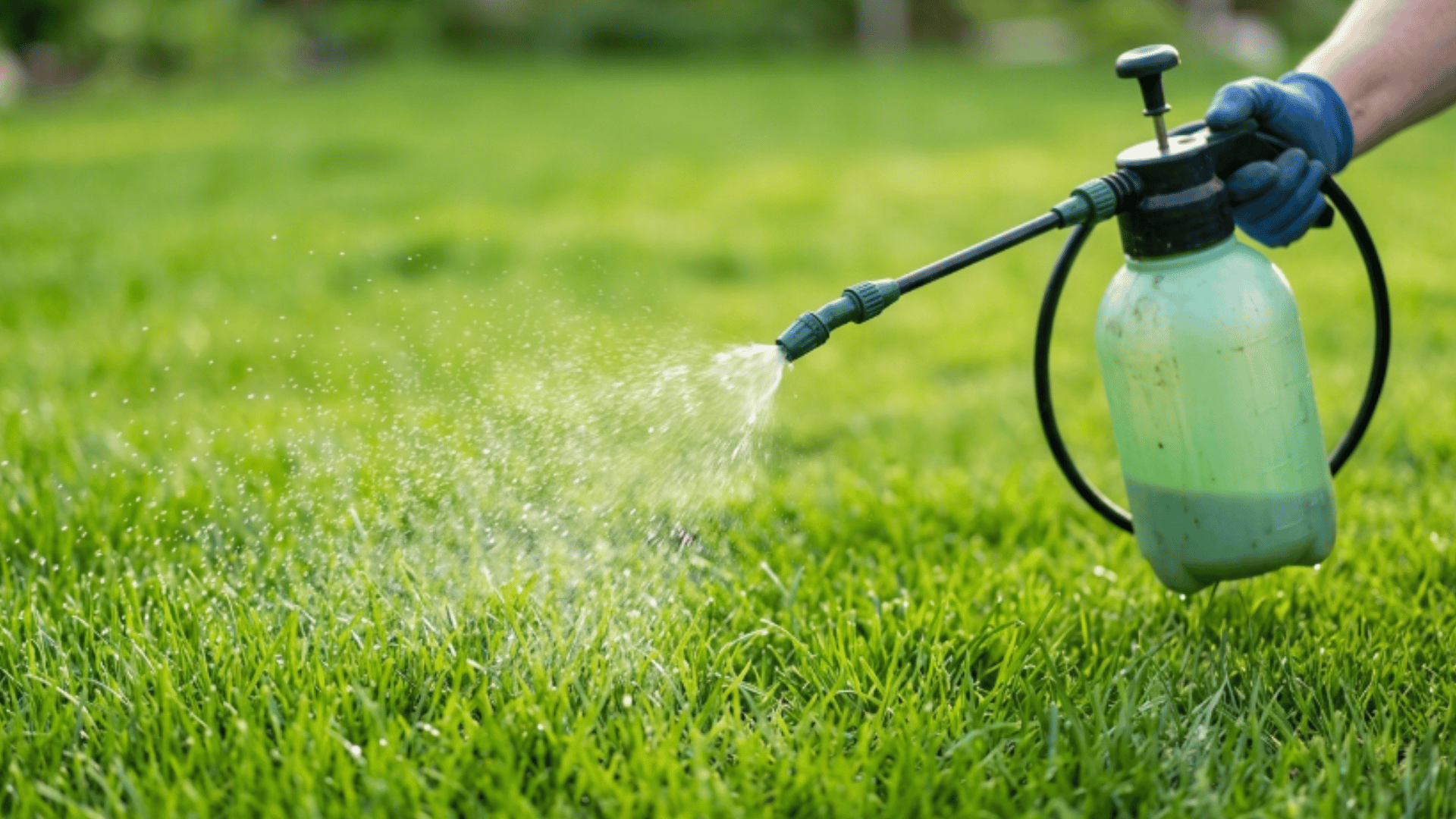
Timing matters more than quantity when it comes to fertilizing. Applying it during the wrong season either burns the grass or gets wasted before the roots can use it.
Cool-season grasses respond best to early fall feeding. Warm-season grasses do better with late spring application once fully out of dormancy.
Getting this right is one of those lawn care tips that shows fast, visible results. Better color and thickness appear within just a few weeks.
6. Pull Weeds Early
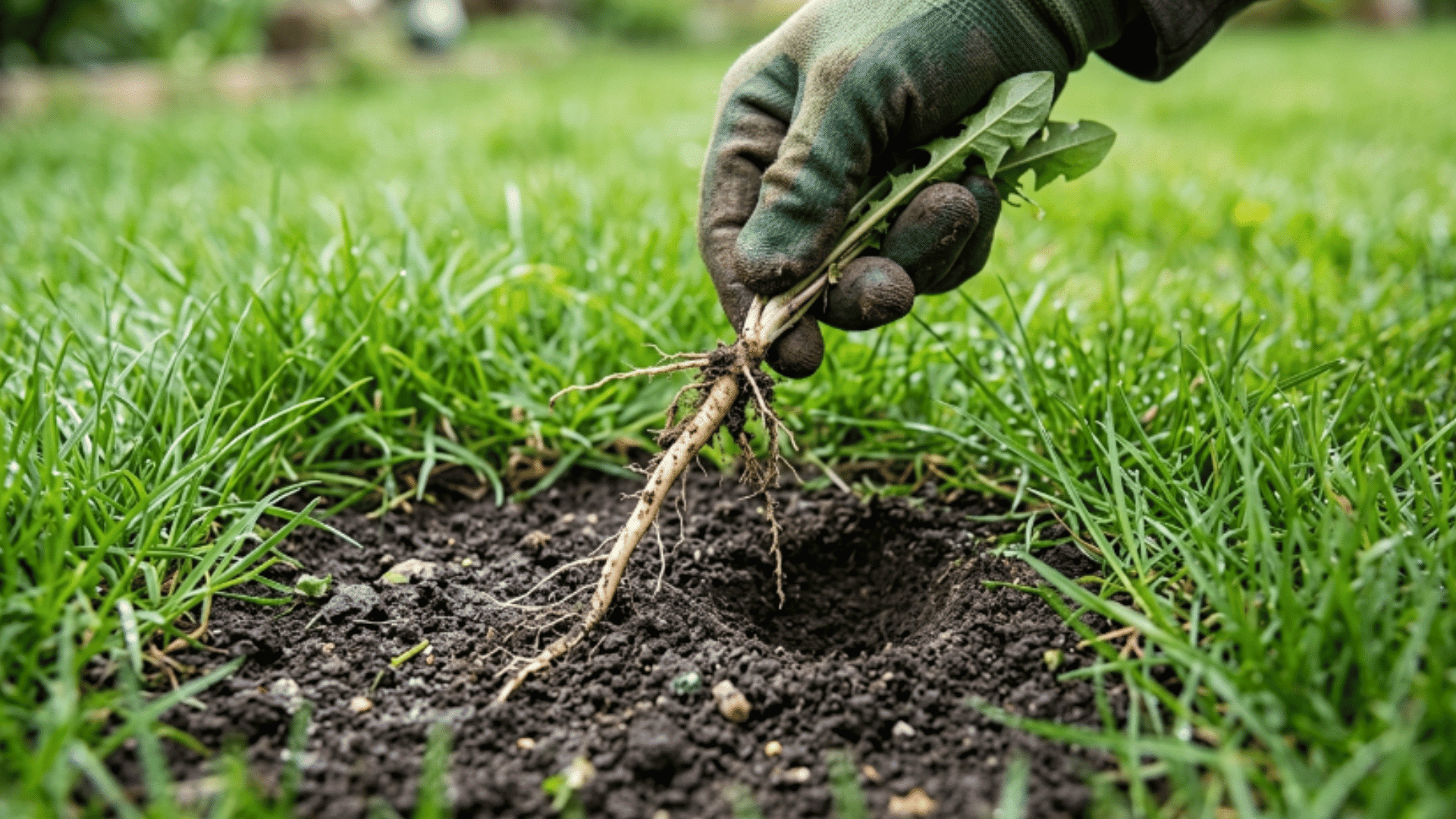
Weeds spread fast once they establish roots. Some varieties crowd out healthy grass within a single season if left unchecked.
Hand-pulling works well for small patches, especially after rain when roots come out clean. Selective herbicides are more practical for larger areas.
7. Aerate for Stronger Roots
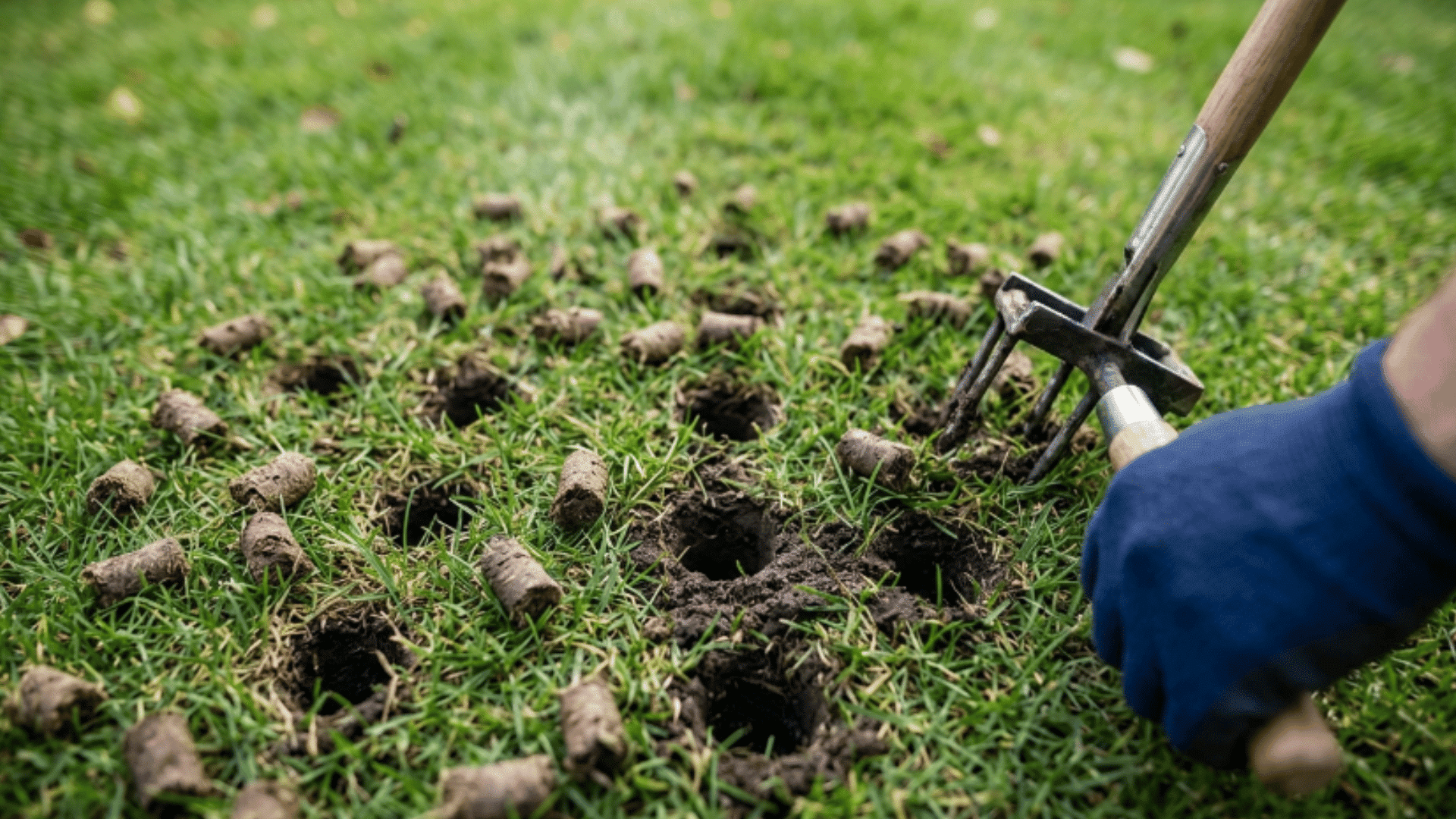
Soil beneath your lawn becomes compacted over time from foot traffic and rainfall. Compacted soil blocks water, air, and nutrients from reaching the root zone.
Aeration pulls small plugs of soil from the ground, usually once a year. This opens up the structure and gives the roots room to grow with less resistance.
Renting a core aerator is cost-effective for most homeowners. For smaller lawns, a manual aerator gets the job done just as well.
8. Overseed Bare or Thin Spots
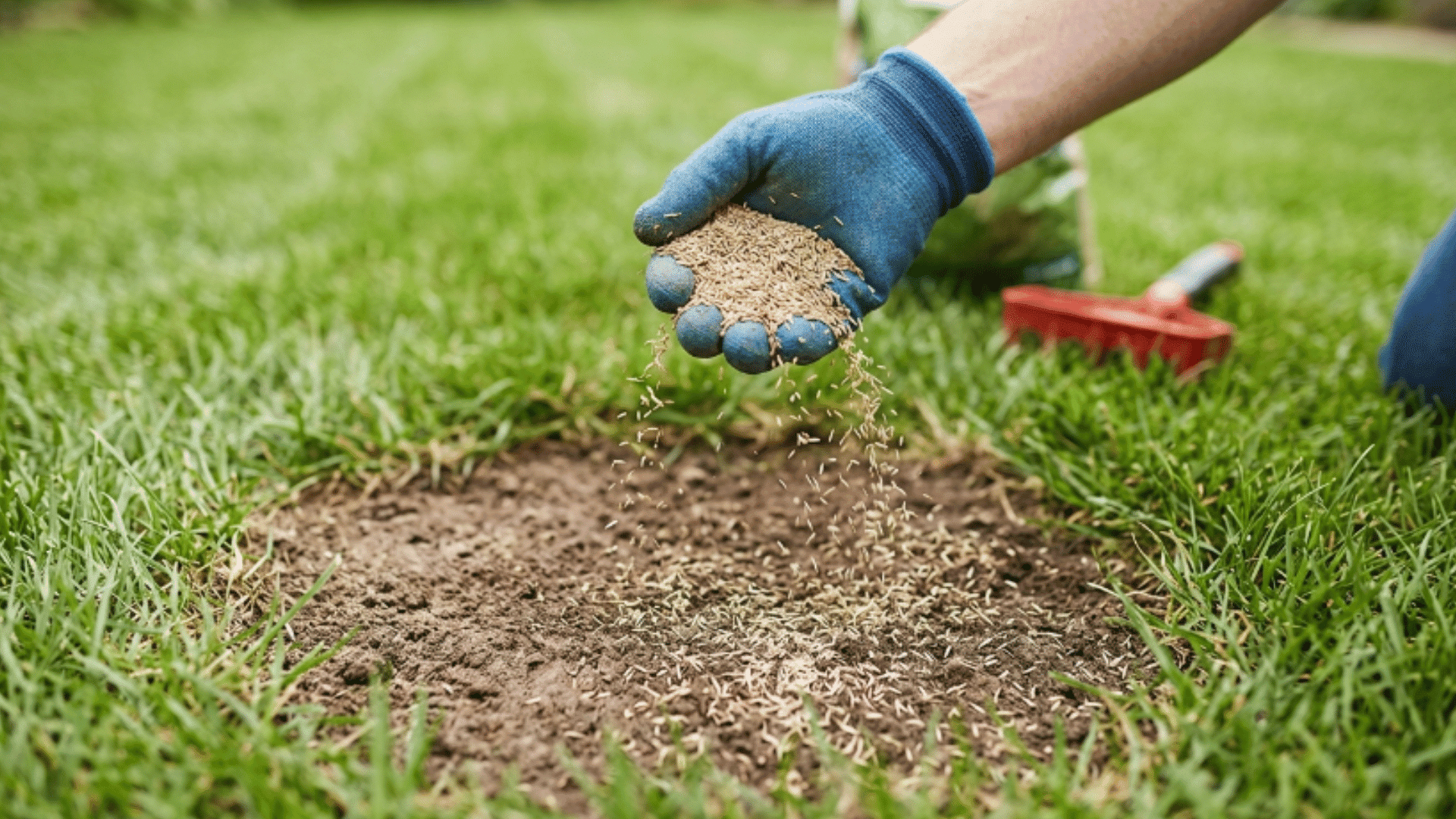
Bare patches don’t fix themselves; they get worse as weeds move in to fill the gap. Overseeding spreads new grass seed over existing turf to thicken it without a full re-lawn.
Lightly rake the area first, spread the seed evenly, and keep the soil moist until germination begins. Early fall works best for cool-season grass.
Overseeding right after aeration gives the strongest results. Seeds fall into open holes and make direct contact with the soil below.
9. Keep Mower Blades Sharp
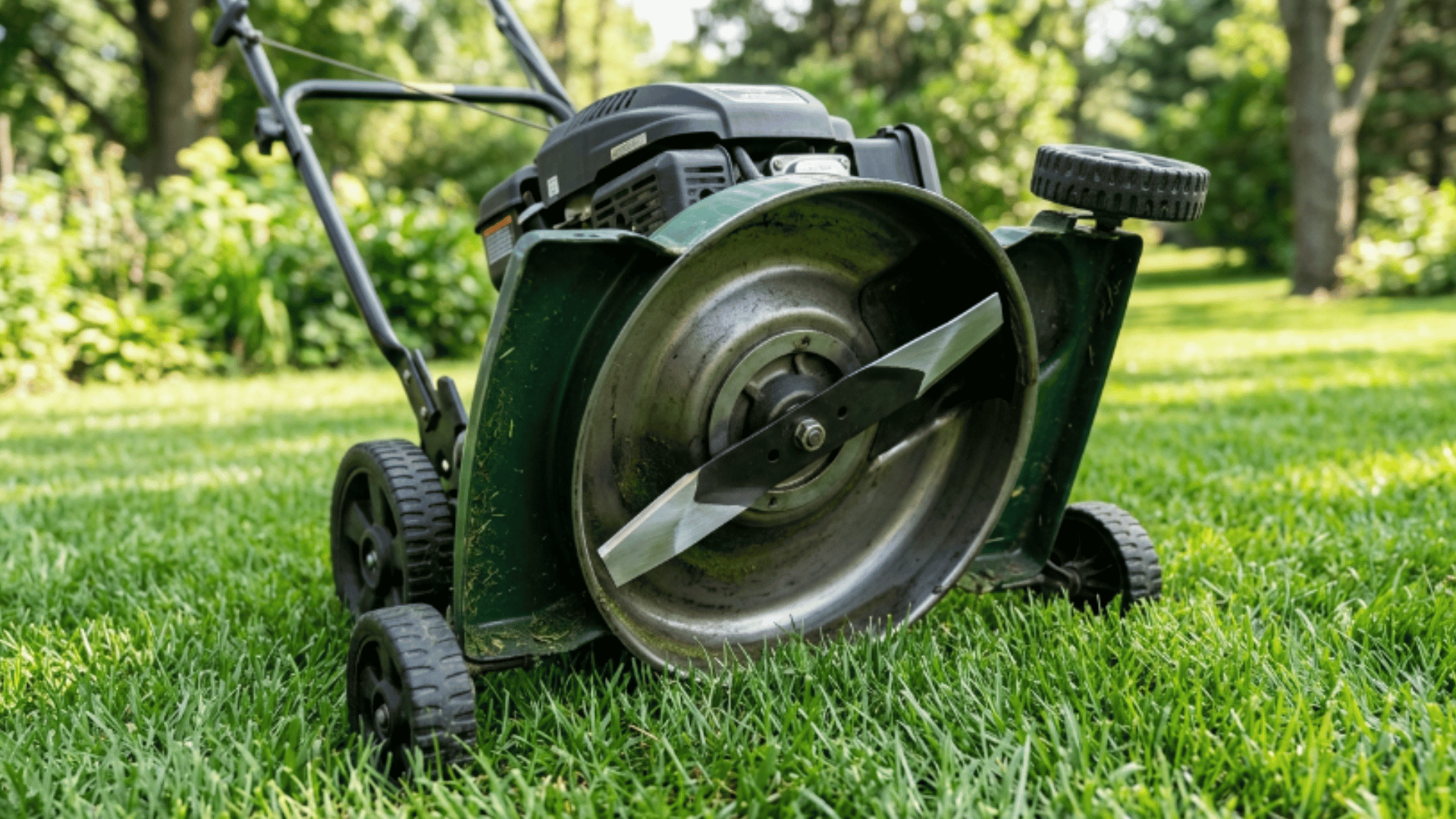
A dull blade tears grass rather than cutting it cleanly. Ragged edges turn brown, creating entry points for disease and plant stress.
Sharpening blades two to three times per season is enough for most lawns. A hardware store can sharpen them quickly, or you can do it with a basic metal file.
10. Clear Leaves and Debris Often
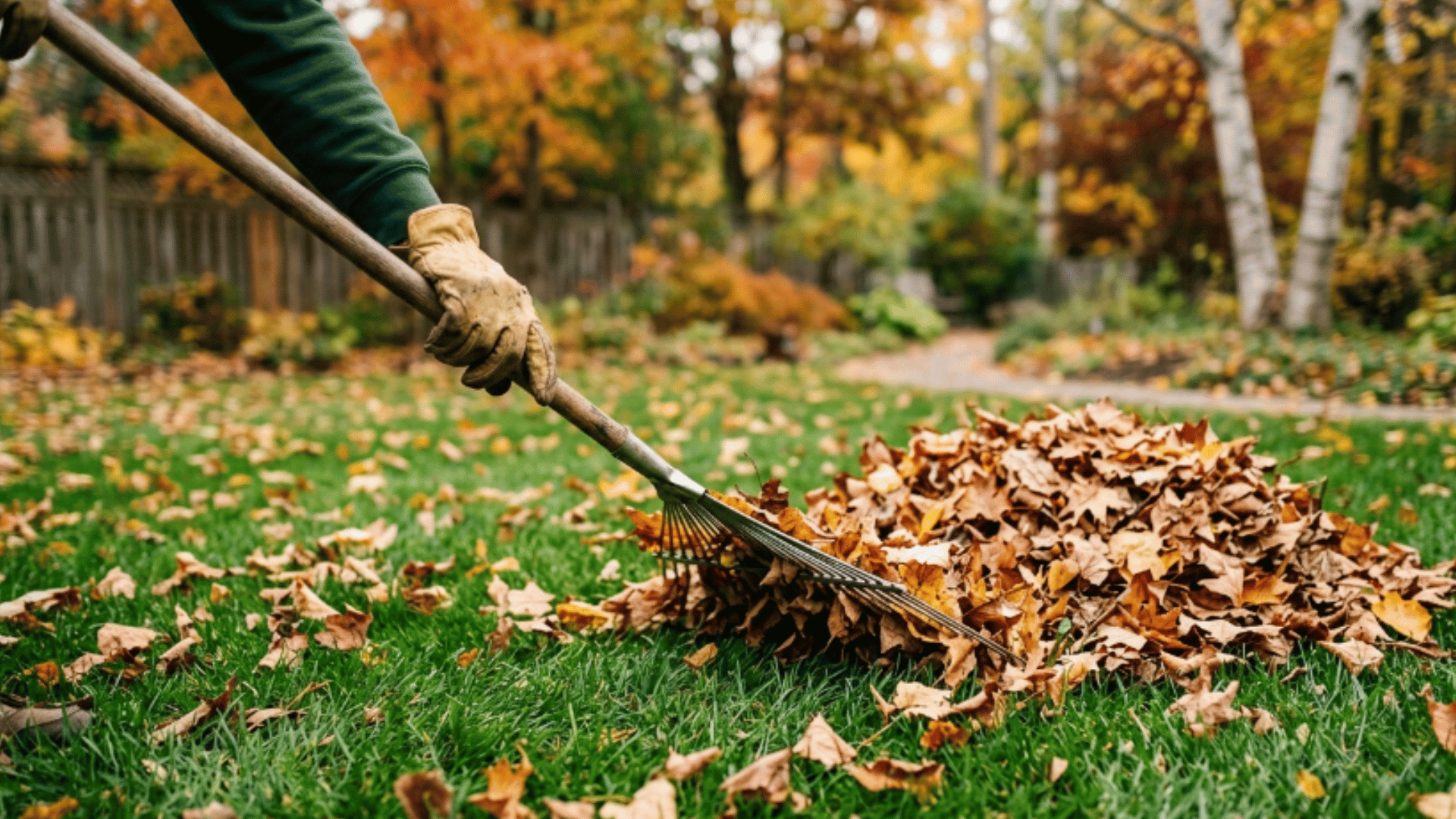
A thick layer of leaves blocks sunlight and traps moisture against the grass. This creates conditions for mold, fungus, and dead patches before spring arrives.
Raking once a week during peak fall keeps the surface clear with little effort. A mulching mower can chop lighter amounts into fine pieces, returning nutrients to the soil.
Keeping up with debris is one of the easiest lawn care tips to stick to. It takes minimal time but makes a big difference once the season changes.
When to Call a Professional?
There are situations where getting professional help is the smarter move, and knowing when to make that call is itself one of the more overlooked lawn care tips for beginners.
- Persistent Brown Patches: If dead patches keep recurring despite regular watering and feeding, a professional can identify the root cause more quickly.
- Severe Weed Takeover: When weeds have spread across most of your lawn, standard removal methods may not be enough to resolve the problem.
- Poor Drainage Problems: If water consistently pools after rain, the issue is likely related to grading or soil structure.
- Unidentified Lawn Disease: Fungal infections and lawn diseases are easy to misdiagnose, and treating them incorrectly often makes things worse.
- Lawn Renovation: If your lawn needs a full restart, professional re-seeding gives you a cleaner, faster result than patching in stages.
Wrapping It Up
Most people put off lawn care because it feels like a big commitment. The truth is, once you get into a rhythm, it takes far less time and effort than you might expect.
Progress shows up gradually in greener patches, fewer weeds, and grass that holds up through heat and rain without constant attention.
Stay patient, stay consistent, and trust the process. Results come to those who stick with it. Bookmark this blog and come back to it whenever you need the right lawn care tips for the season ahead.

With a Master’s in Landscape Architecture from the University of Virginia, Sophia Stephenson has dedicated the last 20 years to creating and maintaining vibrant outdoor spaces. Her professional journey started in landscape design, where she gained a reputation for innovative and sustainable approaches. Sophia became a part of our editorial team as a freelancer in 2019, offering a fresh perspective on outdoor living. Since 2020, she has been the chief for our outdoor design content, blending aesthetic appeal with environmental stewardship. In her leisure time, Sophia is a keen photographer, capturing the beauty of natural landscapes, a hobby that complements her professional expertise.