
When you become a homeowner, you will certainly have a lot of things to worry about. Among other things, this means that you will have to deal with the occasional plumbing problem. A slow drain, a dripping faucet, a running toilet… Plumbing issues can certainly be quite frustrating. But not every problem will require an immediate, emergency plumbing service.
Knowing how to handle some simple tasks on your own can save you some time, reduce water waste, as well as help you ensure that your pluming system remains in good condition. It is also important for you to recognize when the issue is beyond the scope of a DIY repair. Some issues do require professional expertise. We have talked to Lowery’s Plumbing, a Florida plumbing company, and they have shared some DIY tips for homeowners. So, we will list those below, as these tips should definitely be known by all Florida homeowners.
Locate Your Main Shut-Off Valve
This is probably one of the most valuable things you can do when it comes to home plumbing. In short, you should locate your main shut-off valve and thus always know where it is. This way, if an emergency occurs all of a sudden, you will know how to quickly turn off the water. Doing that will limit the damage that, for example, a burst pipe can cause, before professionals come to your rescue.
It would be wise for every member of the household to know where the main shut-off valve is. Furthermore, everyone should also know how to safely operate it. Take a few minutes to locate it now, as that can save you a lot of time during an emergency. It can also save you a lot of money, but I am guessing that you understand that already, since it can prevent some serious damage.
Promptly Fix Small Leaks
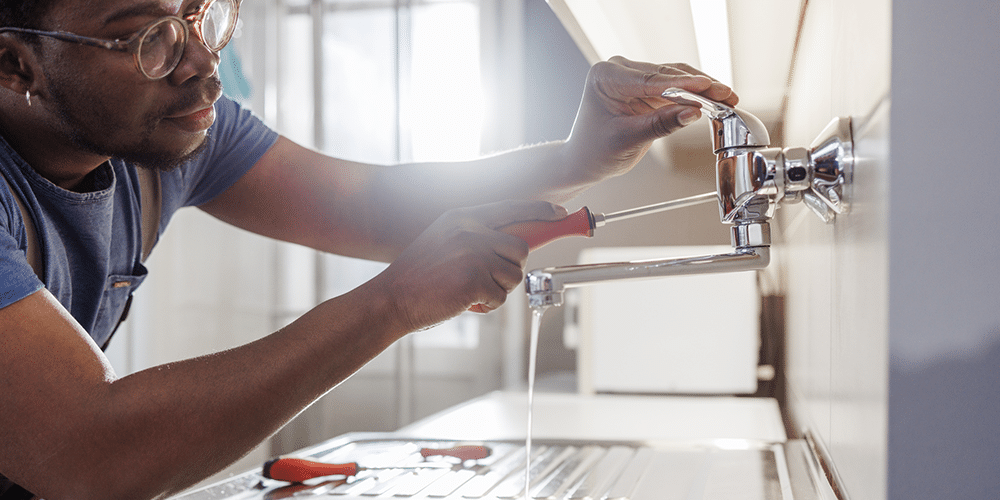
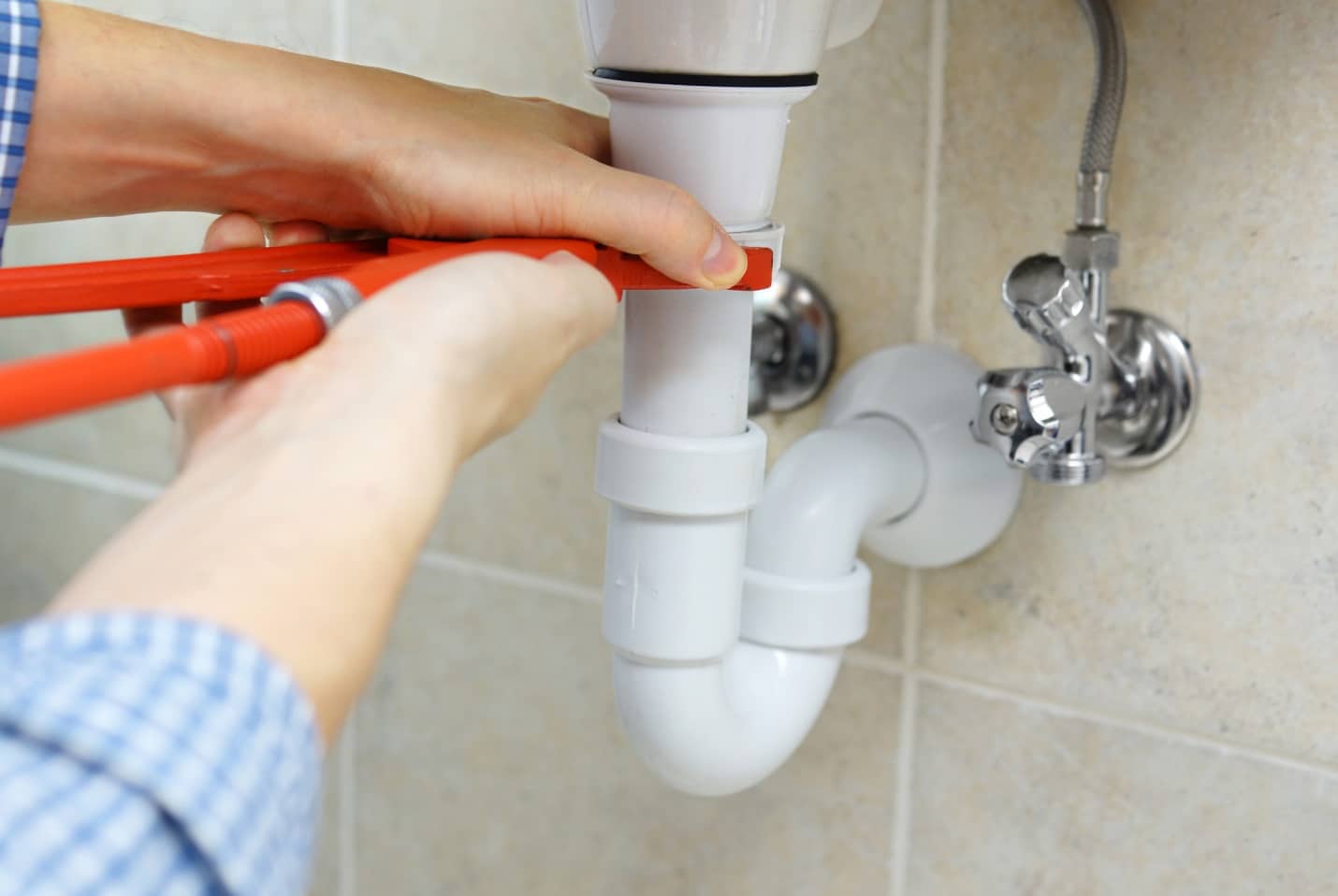
A small drip usually doesn’t seem like a serious problem to most homeowners. Yet, even some minor leaks can waste a significant amount of water as time passes. Leaking faucets often happen due to worn O-rings, washers, or cartridges. Replacing those components may be a perfectly manageable DIY project, unless the fixture is quite complex. You just need some basic tools, and a tutorial or two will do the trick.
The point is that addressing small leaks promptly is a smart move. It can prevent not only water waste, but also some larger plumbing issues that could develop later if the problem is left unresolved for a long time. In case you cannot identify the source of the leak, though, or if the repair becomes more complicated than you expected, it is a wise move to step back and contact professional plumbers to do the work for you.
Here are some more DIY home maintenance tips you may want to know: https://www.epa.gov/watersense/home-maintenance
Be Cautious With What Goes Down the Drains
A lot of drain clogs can be avoided if you simply pay attention to what enters the actual plumbing system. There are some items that should never be flushed, as well as items that should never go down the kitchen drain. For instance, the kitchen drain should never be used to dispose of cooking oil, grease, coffee grounds, eggshells, pasta, rice, fibrous vegetable scraps, and similar food waste.
Then, you should avoid flushing items such as paper towels, wet wipes, cotton swabs, dental floss, feminine hygiene products, and excess hair. Even some products that are labeled as flushable could cause problems in certain plumbing systems. The bottom line is that you should use drains only for their intended purpose, as that will reduce the likelihood of blockages that will require professional attention.
A Plunger Goes Before Chemical Drain Cleaners
Upon noticing that a drain is starting to clog, a lot of homeowners immediately reach for chemical drain cleaners. Those products can often provide some temporary relief. But repeated usage can damage the pipes. Plus, it won’t resolve the underlying problem.
So, when it comes to minor clogs, a plunger is often a better first option than those chemical drain cleaners. If plunging does not resolve the issue and does not restore proper drainage, or if the clog is returning repeatedly, you should think about hiring professionals to do the drain cleaning. As always, if the DIY method does not work, hiring experts is the right way to go.
Drain Stoppers Should Be Cleaned Regularly
Soap residue, hair, and all kinds of other debris gradually accumulate around the sink and shower drain stoppers. As it should be clear to everyone already, those have to be cleaned as well. You should remove them and clean them every couple of weeks. That will help improve drainage, while at the same time reducing the likelihood of future clogs. This is a simple DIY maintenance task that takes only a couple of minutes and that can prevent some more serious plumbing problems from developing.
A Running Toilet Should Not Be Ignored
If you have noticed that a toilet is continuing to run after flushing, you should understand that this wastes a lot of water. In most cases, the problem involves some inexpensive components inside the tank, such as the fill valve, the flapper, the float, or the chain. Those parts wear over time, and they have to be replaced. Usually, they can be replaced without extensive plumbing knowledge. Read more on how to fix a running toilet.
Check Under the Sinks Occasionally
A lot of plumbing leaks start slowly and they remain invisible for weeks, or even months. Every once in a while, thus, you should open the cabinets beneath the kitchen and bathroom sinks and inspect under them. Check for moisture, water stains, damp wood, mold growth, dripping connections, musty odors and similar.
If you find any kinds of small leaks, you should act right away. It is generally much easier to fix those small leaks, and you may be able to do it on your own. Not to mention that it is also much less expensive than having to deal with extensive water damage later.

Tommy Hardy, an alumnus of the Georgia Institute of Technology with a degree in Mechanical Engineering, has been a go-to figure in residential upkeep and innovation for over 18 years. His career commenced in a leading home appliance manufacturing company, where he mastered the intricacies of household systems. Joining our platform in 2020, Tommy quickly became a reader favorite for his practical and easy-to-follow guides. He took the helm of our DIY section in 2019, consistently delivering content that empowers homeowners. Beyond his professional pursuits, Tommy is a passionate gardener and enjoys woodworking, skills enhancing his hands-on approach to home care.