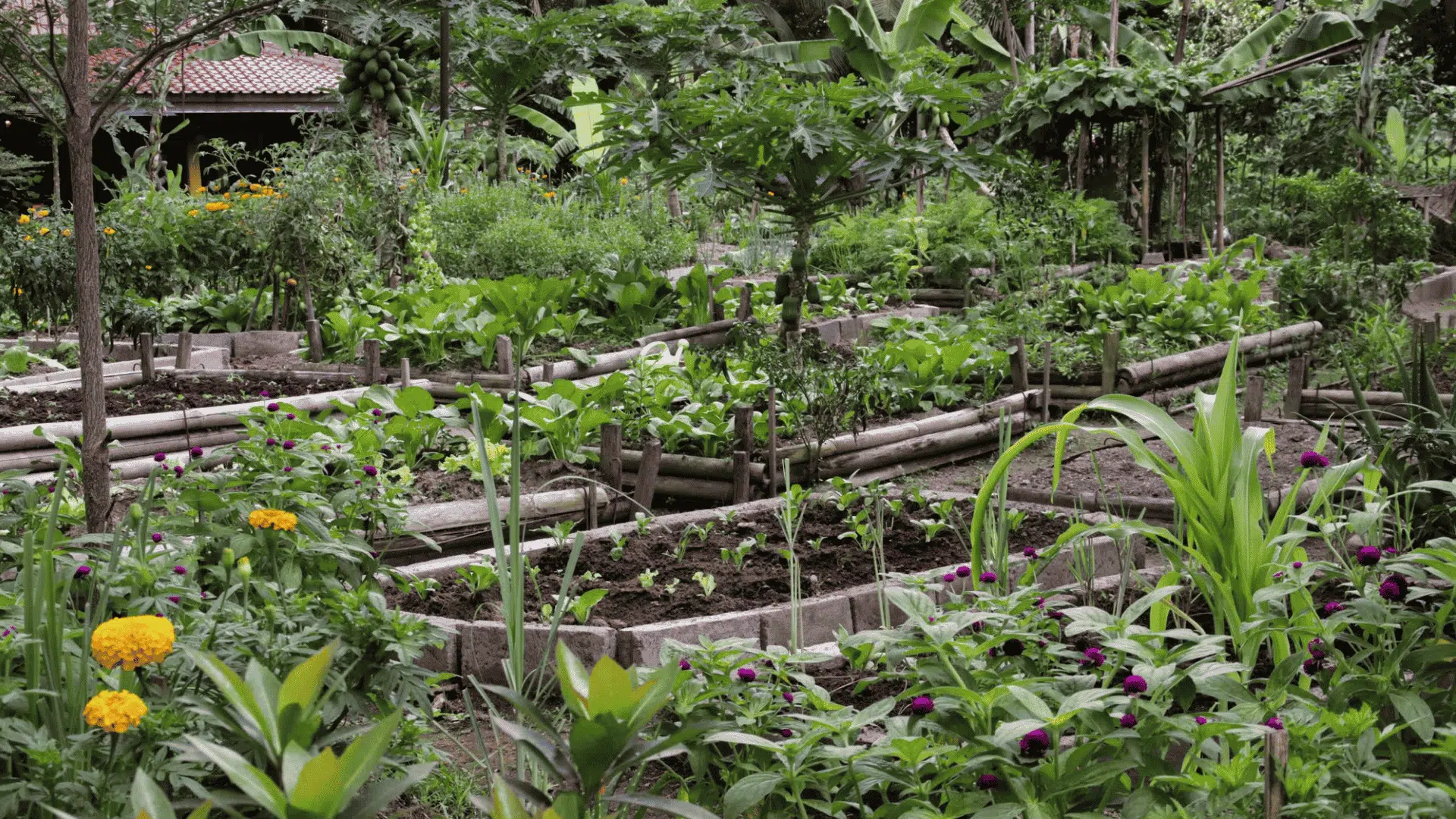

A garden can demand hours of watering, weeding, and planting yet still return only a small or uneven harvest. The problem is often not effort alone, but how space, crops, soil, timing, and routine work together.
Garden productivity means getting useful, healthy harvests from the time, water, materials, and growing area you can realistically manage.
A smaller bed with steady greens, herbs, or vegetables may serve a household better than a larger plot filled with neglected plants. I recommend judging a garden by what it provides and how the upkeep fits your normal week.
This guide explains how to plan better, increase yields, reduce wasted work, solve common setbacks, and keep more food coming across the growing season.
What Garden Productivity Really Means
Garden productivity is the amount of useful produce a garden supplies compared with the space, time, water, and materials required to maintain it. Success may mean weekly salad greens, fresh herbs, preserving tomatoes, or dependable storage crops.
Productivity should match household needs and available time. Gardeners can make better planting decisions when they measure useful output instead of comparing their results with gardens built around different goals.
Different forms of output help gardeners set realistic goals based on their own space, meals, growing conditions, and weekly schedules.
- Harvest Per Square Foot: Compare harvested produce with the bed, container, or growing area used. Vertical crops, compact varieties, and repeat-harvest vegetables often provide more food from limited space.
- Reliable Harvests Matter: A smaller, steady supply may be more useful than one large harvest followed by empty weeks. Consistent watering, timely planting, and regular picking support dependable results.
- Time Is Part of the Calculation: Planting, watering, weeding, harvesting, and cleanup all require attention. I recommend choosing a garden size that fits your normal week, not temporary spring enthusiasm.
Plan Around Space and Time
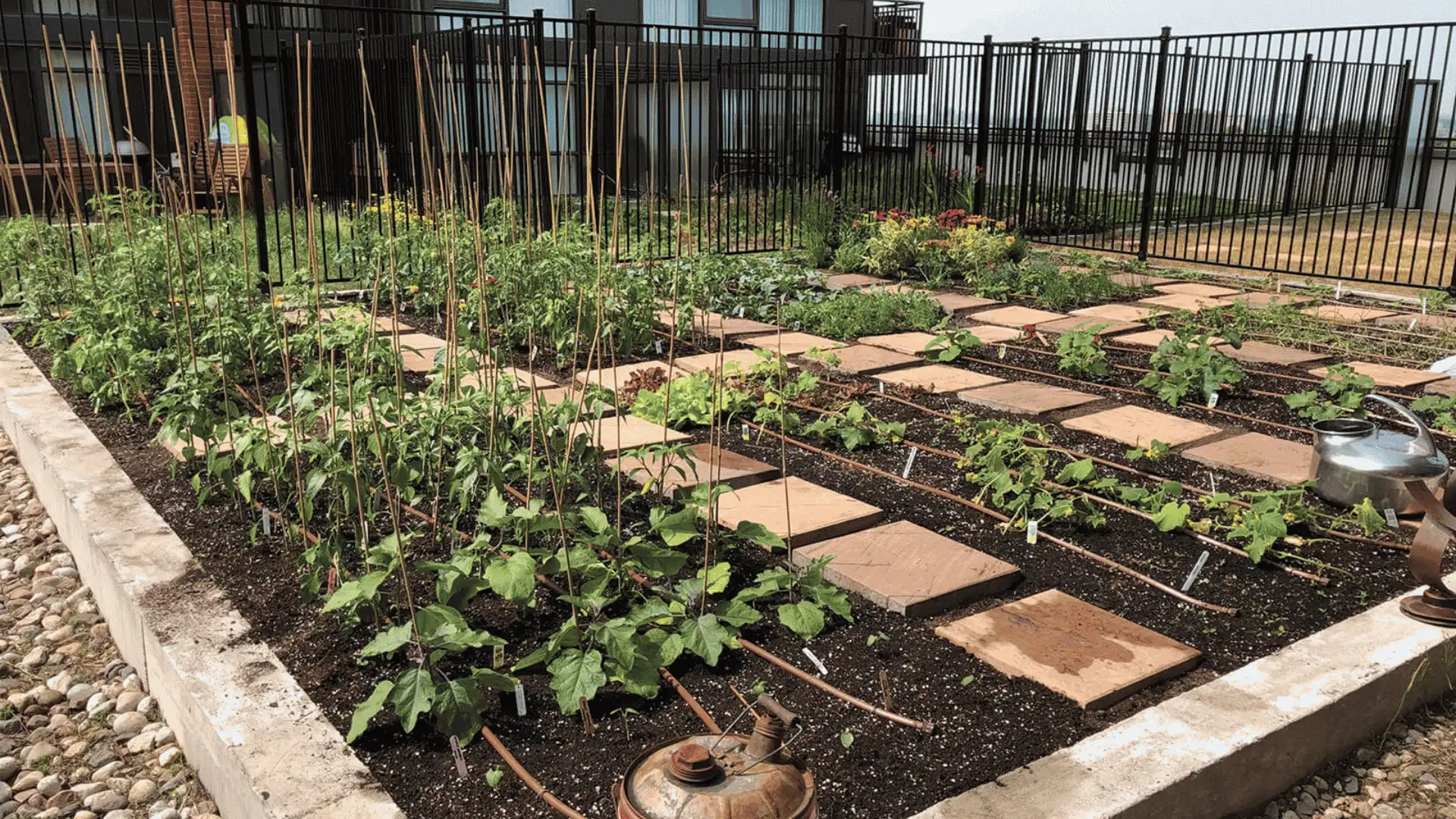
Choose a manageable number of crops that suit your meals and schedule. Leaving room for paths, irrigation, tools, and later plantings often creates a garden that produces more with less wasted effort.
A realistic plan turns available space and time into clear planting decisions.
1. Set Useful Harvest Goals
Decide what you want the garden to provide before purchasing seeds or plants.
Your goals might include fresh herbs for cooking, salad vegetables for weekly meals, tomatoes for eating and preserving, storage crops for colder months, or flowers for pollinating insects.
Clear priorities help you use space wisely and avoid growing large amounts of food your household rarely eats or cannot use in time.
2. Match Garden Size to Weekly Availability
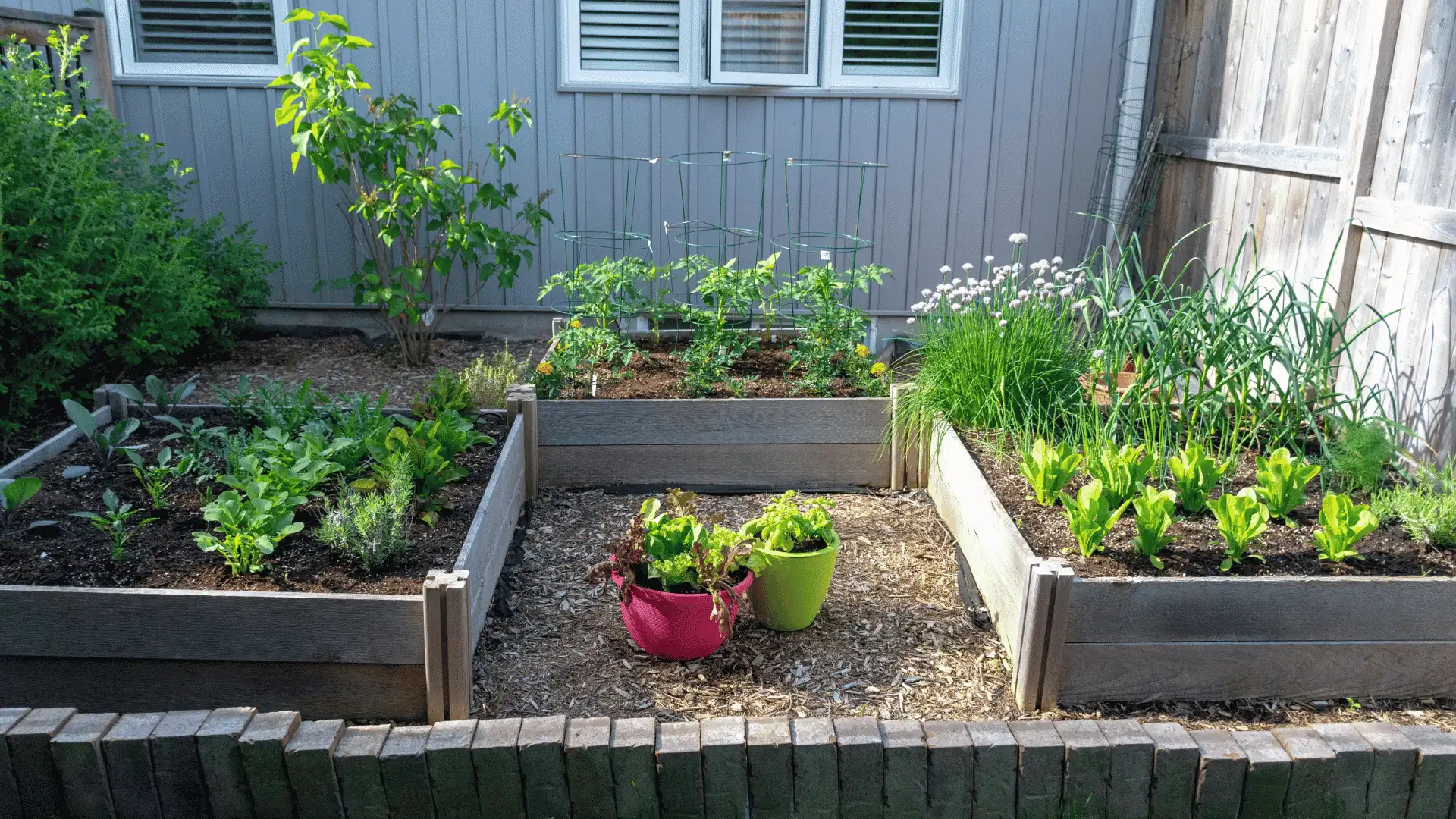
Base garden size on the time you normally have for watering, weeding, checking pests, harvesting, and seasonal cleanup.
Containers, raised beds, and compact plots may suit busy schedules better than a large in-ground garden.
Beginners should consider leaving part of the growing area unused at first, then expand only after the existing space feels comfortable to maintain through a full season.
3. Keep a Simple Planting Calendar
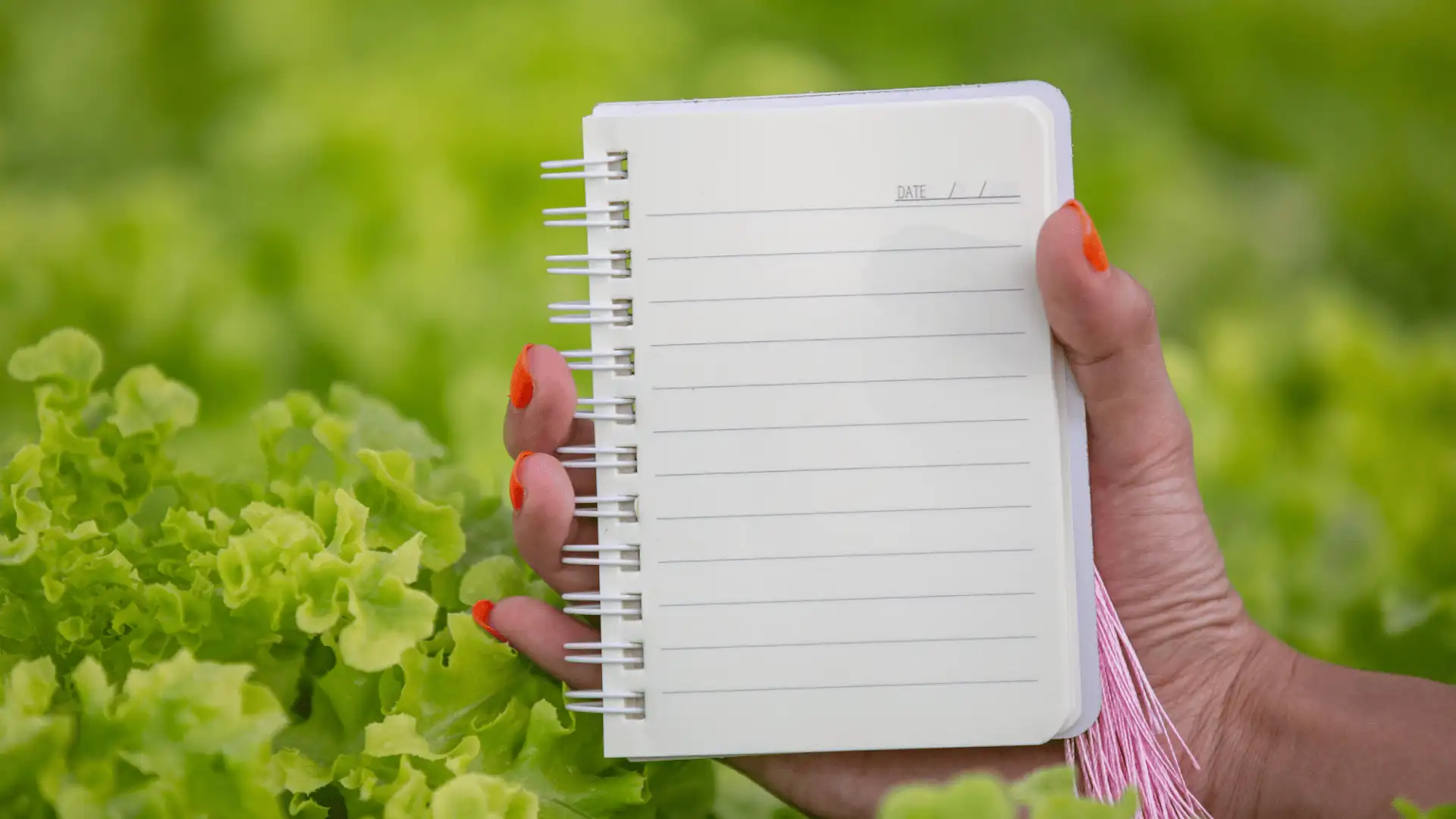
Use a planting calendar to record sowing dates, transplanting periods, expected harvest windows, and crops planned for empty spaces.
Simple reminders can prevent missed planting opportunities and long gaps between harvests. A notebook, wall calendar, or phone reminder is usually enough.
Adjust the schedule as local weather, frost timing, and plant performance change during the season so the plan remains useful.
Improve Soil and Water Use
Healthy soil supports strong roots, nutrient access, drainage, and moisture retention throughout the growing season. Poor soil can restrict harvests even when gardeners choose healthy seeds and apply fertilizer regularly.
Better soil and steady moisture allow plants to use their energy for growth and production instead of recovering from stress.
1. Test Before Adding Fertilizer
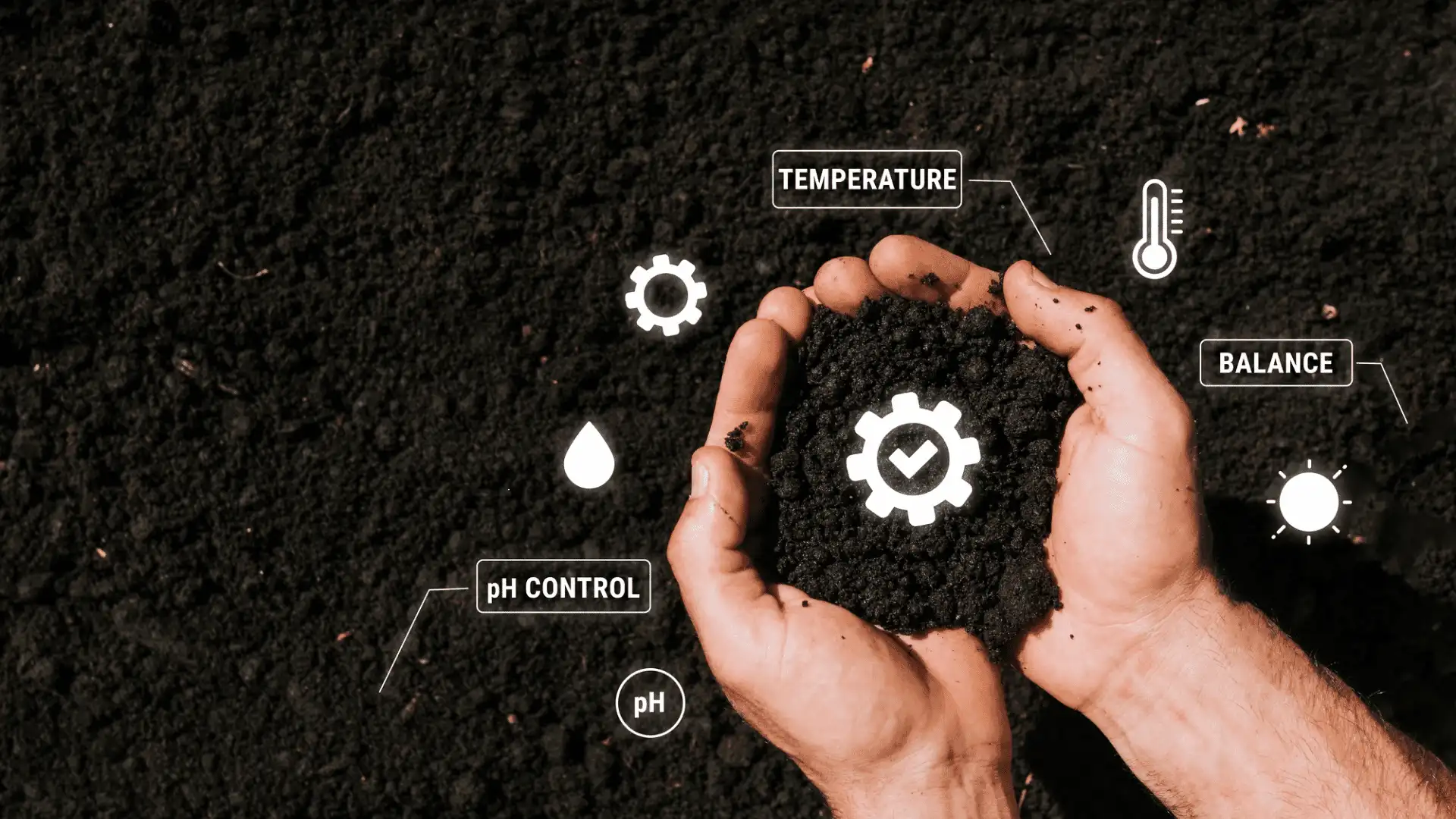
A soil test may report pH, phosphorus, potassium, organic matter, and other measurements that affect plant growth. Applying nutrients without this information can waste money or create harmful imbalances.
Gardeners in the United States can contact a state Cooperative Extension office or university soil-testing laboratory. Follow the recommendations for the planned crop rather than assuming one fertilizer ratio will suit every bed.
2. Add Organic Matter Carefully
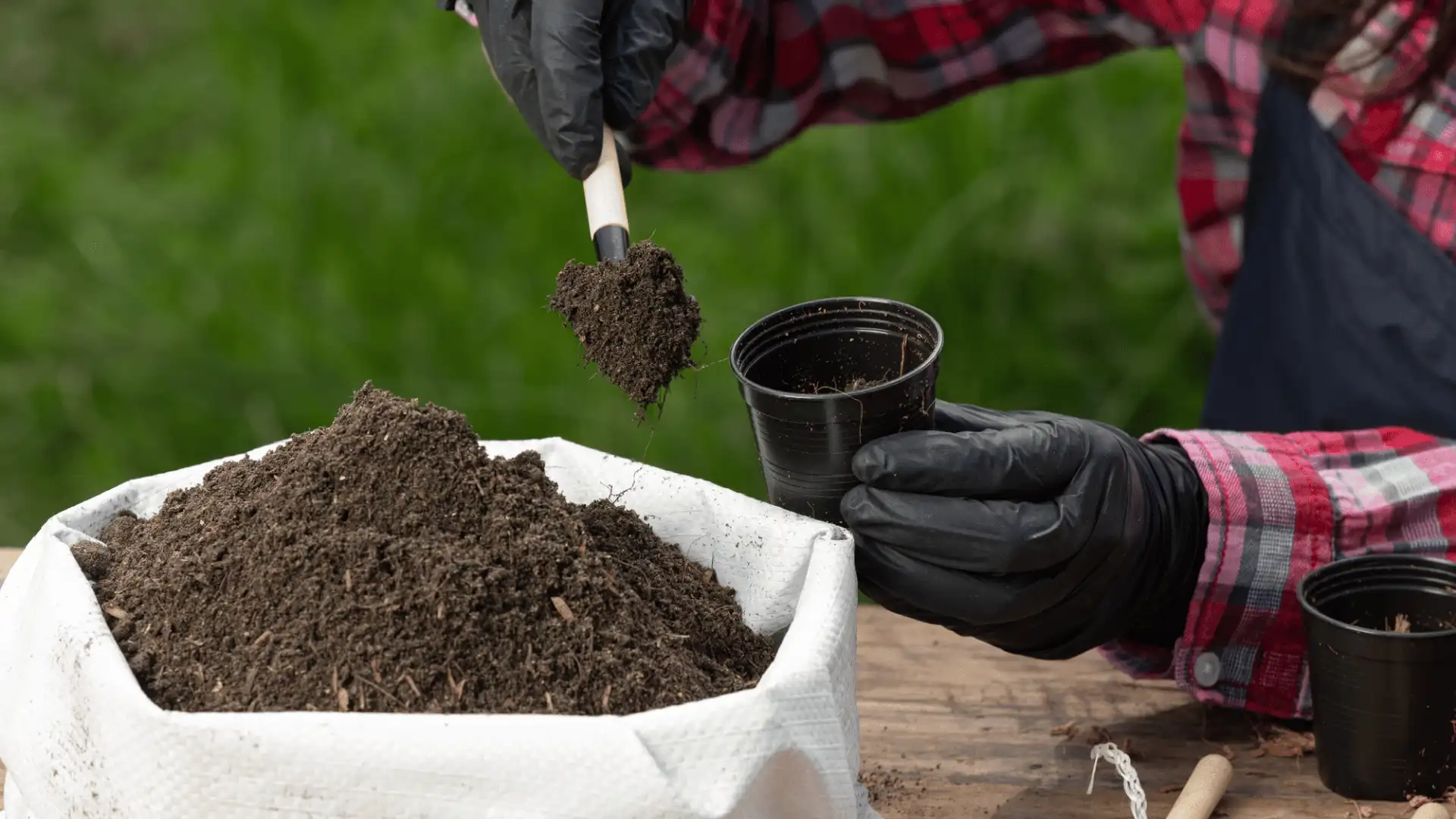
Finished compost can improve soil structure, moisture control, and biological activity when applied according to the soil’s needs. However, adding heavy amounts every season may raise nutrient levels, particularly phosphorus.
Consider the existing soil condition, compost source, and laboratory recommendations before applying it.
Organic matter should support testing, crop rotation, and proper watering rather than replace these important gardening practices.
3. Keep Moisture More Consistent
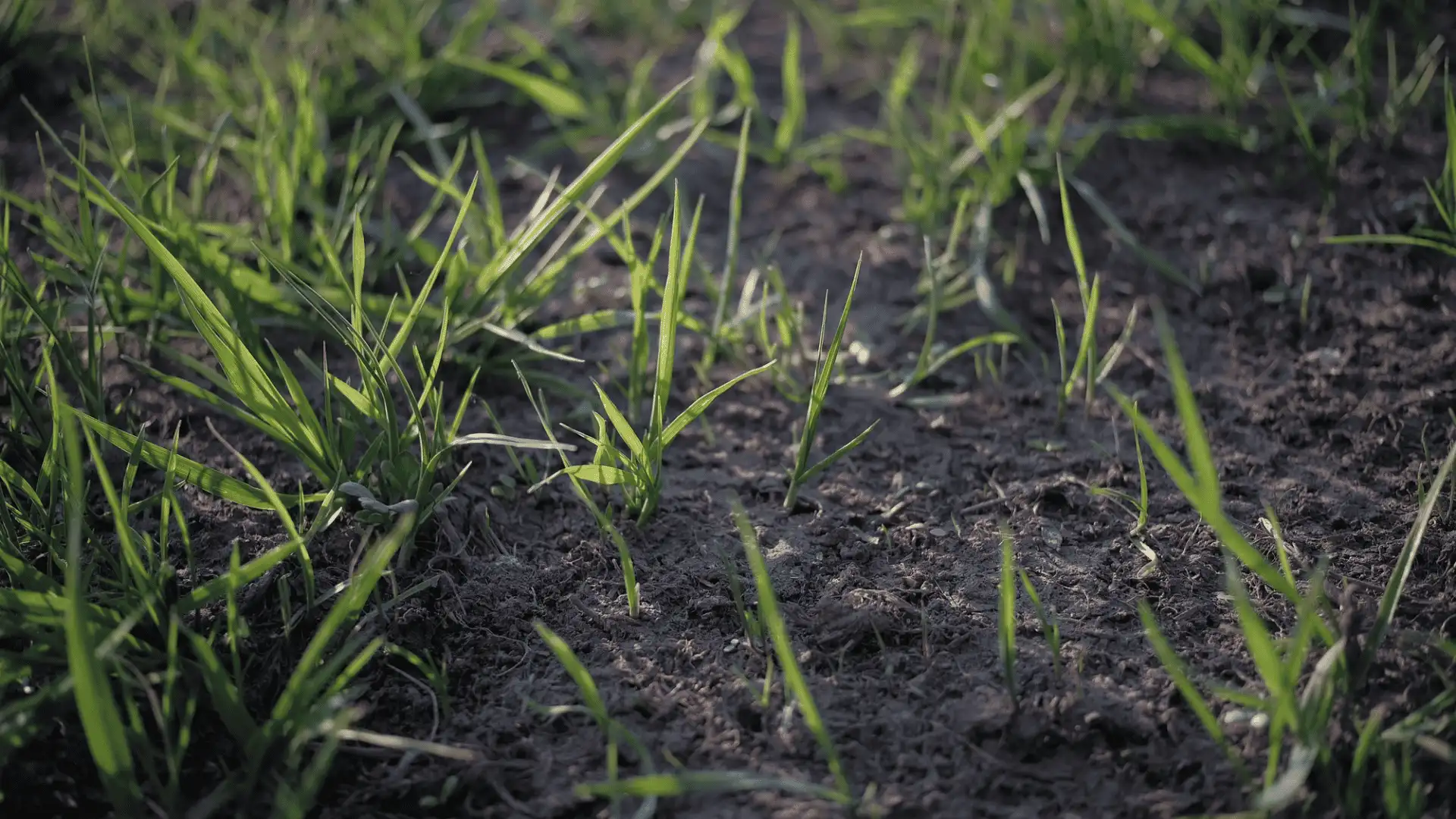
Irregular watering may cause weak growth, blossom drop, cracked produce, bitter vegetables, or lower harvest quality. Water deeply when needed, aim moisture toward the root area, and check the soil before watering again.
Drip irrigation, soaker hoses, and mulch can reduce repeated work. Adjust the routine according to rainfall, temperature, crop development, soil type, and container size.
Choose Crops that Pay Off
Productive crop selection depends on available space, local climate, household use, storage plans, and the amount of maintenance each plant requires.
I usually recommend giving the most space to crops your household uses often, then reserving smaller areas for experiments.
Crop value becomes easier to judge when yield, harvest frequency, space, and kitchen use are considered together.
| Crop Type | Suitable Choices | Main Differentiator | Practical Considerations |
| Repeat-Harvest Vegetables | Leaf lettuce, kale, chard, pole beans, cucumbers, summer squash, and herbs | These plants can continue producing after the first picking, providing several harvests from one planting. | Pick produce at the correct stage because mature vegetables left on the plant may slow further production. |
| Crops for Small Gardens | Bush beans, peppers, leafy greens, radishes, scallions, and compact tomatoes | Upright growth, short maturity periods, or repeated picking make these crops suitable for containers, raised beds, and compact plots. | Filling every open space may restrict airflow, increase competition, and make routine harvesting or pest checks more difficult. |
| Crops That Require More Space | Pumpkins, winter squash, sweet corn, melons, and other sprawling plants | These crops may occupy considerable ground for several months before providing one main harvest. | Check bed occupancy time, vine spread, and sunlight needs. Trellis-only crops that support can hold safely. |
Grow More in the Same Space
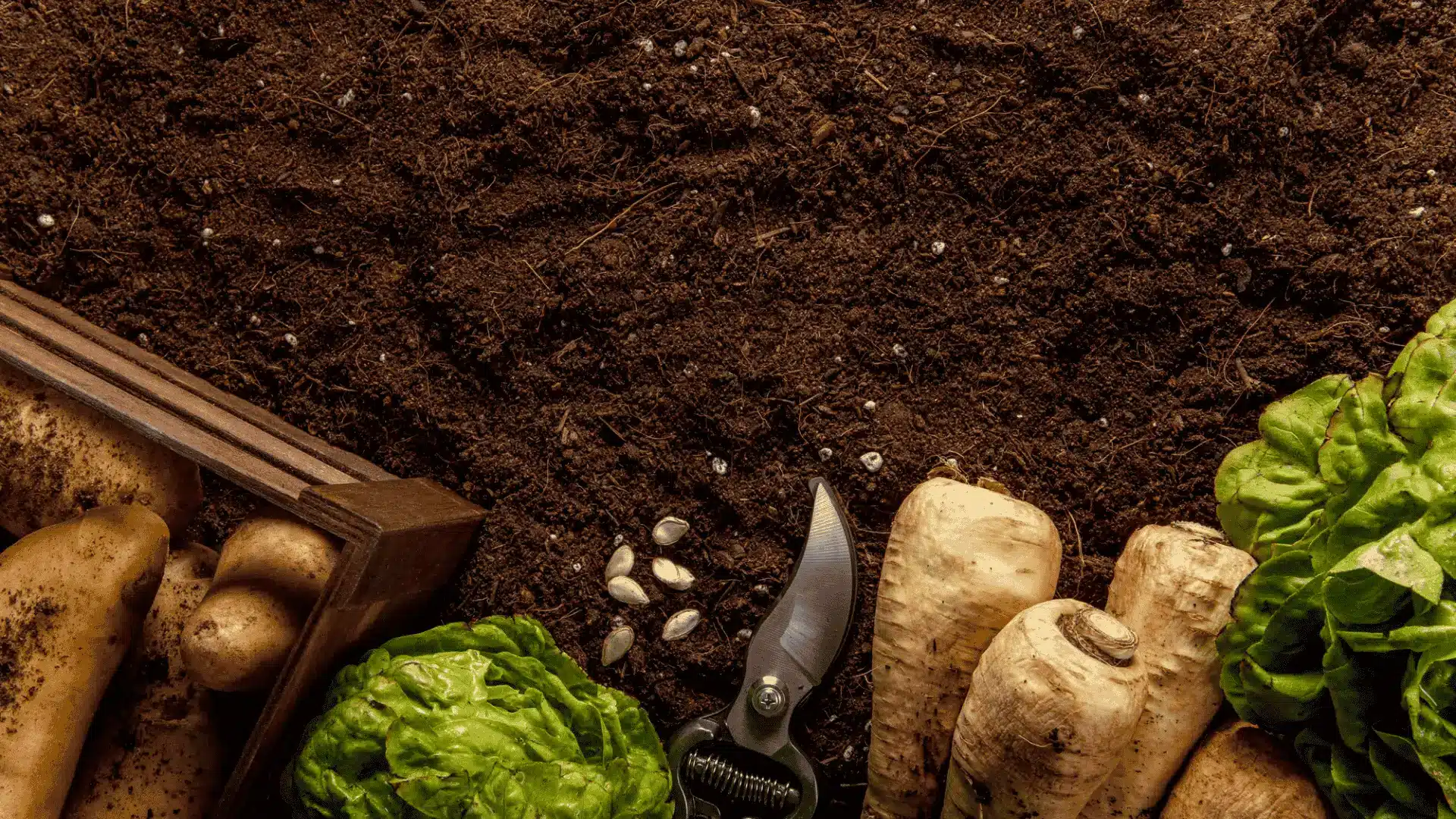
Using space efficiently means keeping beds active through several growing periods rather than forcing too many plants into one area.
The strongest space-saving methods extend useful growing periods while protecting plant health and access.
- Succession Planting: Succession planting involves sowing crops at planned intervals or replacing a finished crop with another suitable vegetable.
Gardeners might sow short rows of radishes every few weeks or plant fall greens after summer beans. Check local frost dates and days to maturity before scheduling replacements. - Vertical Growing: Trellises, cages, and sturdy supports allow suitable crops to grow upward instead of spreading across valuable ground.
Pole beans, cucumbers, peas, and indeterminate tomatoes commonly benefit from support. Upright growth may improve airflow, visibility, and access for harvesting. - Interplanting Compatible Crops: Interplanting combines crops with different growth rates, mature sizes, or harvesting periods in one bed.
Quick radishes, for example, may be harvested before a slower vegetable fills the surrounding space. Base combinations on sunlight, root depth, spacing, watering needs, and harvest timing.
Track Results and Fix Problems
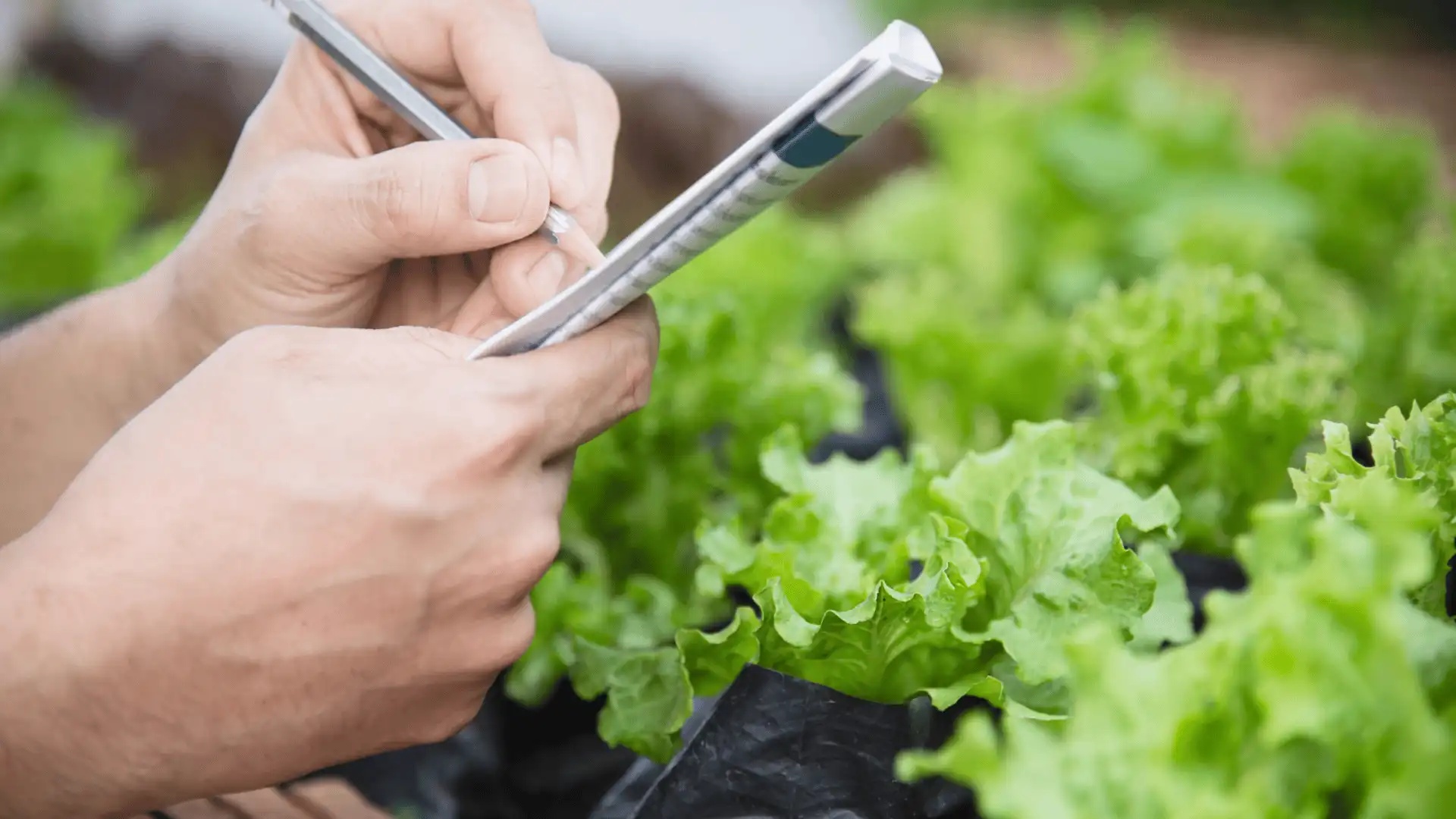
Simple records reveal which crops performed well, which beds caused problems, and where useful changes are needed.
You do not need to weigh every vegetable or record every garden visit. Note what you planted, when harvesting began, how much the crop roughly produced, and if it earned the space and effort required.
These details can expose missed planting windows, weak varieties, repeated pest issues, or demanding tasks.
1. Record Harvests and Planting Dates
Record sowing and transplanting dates, along with the first and final harvest from each crop. Approximate descriptions such as low, moderate, or heavy production are often enough.
Include unusual weather, pest damage, or disease concerns that affected the results. These notes can reveal varieties that mature too late, planting gaps between crops, and vegetables that consistently perform well in certain beds.
2. Track Time as Well as Yield
Time records show which crops and maintenance systems demand more work than expected.
Note repeated tasks such as watering containers, staking tomatoes, removing pests, harvesting frequently, or processing surplus produce. I recommend tracking only the jobs that regularly cause delays or frustration.
This usually provides enough information to identify where better irrigation, fewer plants, or different crop choices could reduce work.
3. Change One Weak Area at a Time
Changing varieties, spacing, fertilizer, watering, and planting dates together makes it difficult to know which adjustment improved the result.
Identify the largest problem and test one practical correction during the next season. You might install drip irrigation, move leafy greens into afternoon shade, or replace one tomato variety.
Compare the results before applying the same change throughout the entire garden.
4. Standard Crop Tracking Table
Organize your spreadsheet or logbook with the following columns to ensure comprehensive crop tracking:
| Crop / Variety | Plot / Zone | Sowing Date | Transplant Date | Expected Harvest | Yield (kg/unit) | Notes |
|---|---|---|---|---|---|---|
| e.g., Roma Tomatoes | e.g., Block A (Row 3) | e.g., Feb 15 | e.g., Mar 10 | e.g., Late May | e.g., 150 kg | e.g., Prone to aphids |
| e.g., Spinach | e.g., Bed 4 | e.g., Mar 05 | – (Direct) | e.g., Mid Apr | e.g., 20 kg | e.g., Succession plant |
Is it Worth the Time?
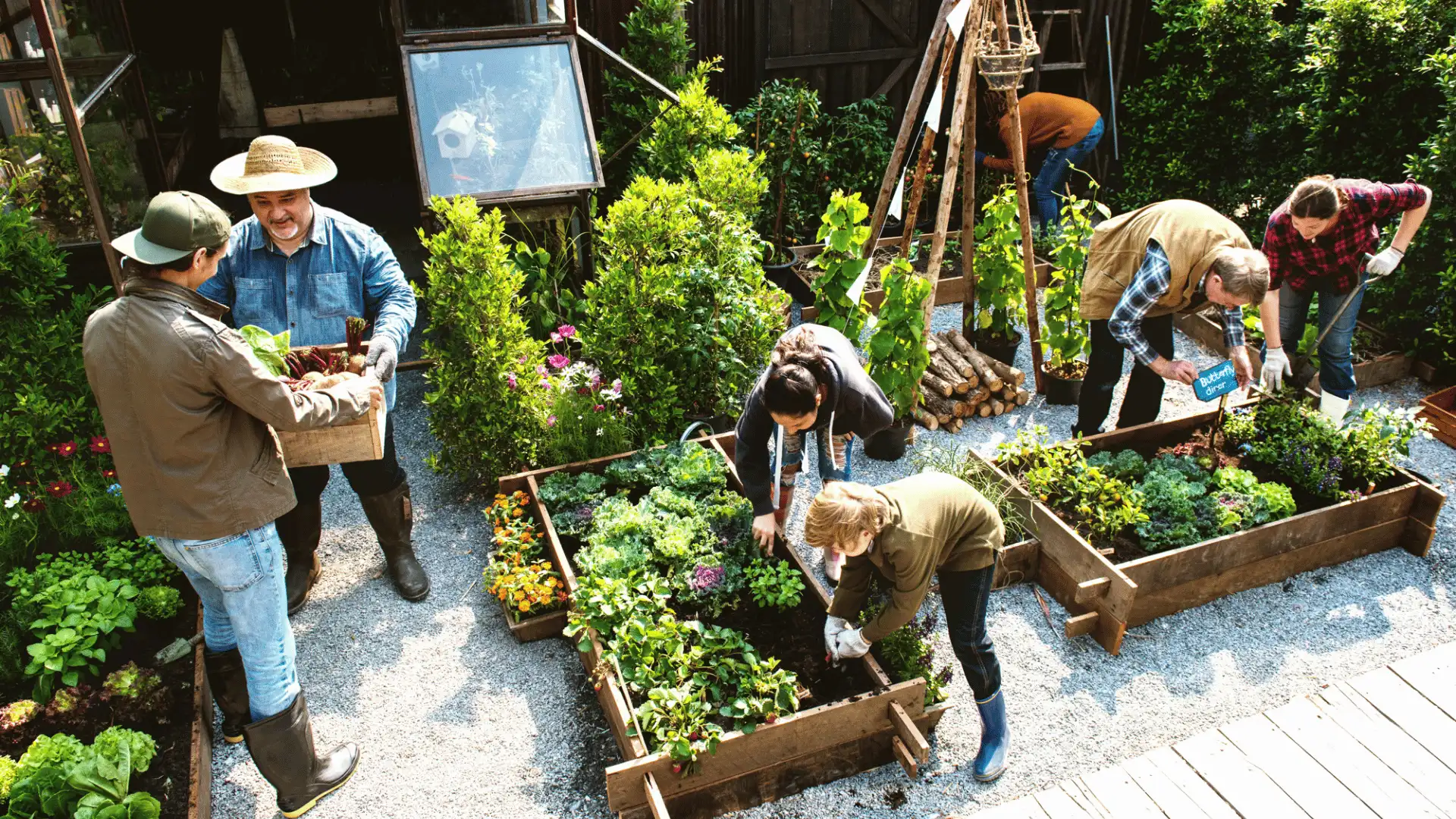
The strongest results come from growing useful crops at a scale you can manage consistently. A smaller garden with regular harvests may offer more value than a larger plot that creates stress, waste, and unfinished work.
Where Gardening Time Goes
Beginners often spend more time identifying plants, learning techniques, and correcting small problems.
Gardeners with established beds, organized tools, irrigation, and familiar crop routines can complete the same work more quickly.
| Garden Activity | Beginner | Regular Gardener | Experienced Gardener | Timing Notes |
| Bed preparation | 3–6 hours | 2–4 hours | 1–3 hours | Usually completed once before planting |
| Planting seeds and transplants | 2–4 hours | 1–3 hours | 1–2 hours | May be repeated for succession crops |
| Watering | 1–3 hours weekly | 45–90 minutes weekly | 20–60 minutes weekly | Drip irrigation can reduce hands-on time |
| Weed control | 1–2 hours weekly | 30–60 minutes weekly | 15–45 minutes weekly | Mulch and frequent checks reduce larger jobs |
| Staking and training plants | 30–90 minutes weekly | 20–60 minutes weekly | 15–40 minutes weekly | Most common with tomatoes, beans, and cucumbers |
| Pest and disease checks | 30–60 minutes weekly | 20–40 minutes weekly | 15–30 minutes weekly | Short, regular inspections prevent delayed treatment |
| Harvesting | 1–3 hours weekly | 1–2 hours weekly | 45–90 minutes weekly | Time increases during peak production |
| Cleaning and preparing produce | 1–4 hours weekly | 1–3 hours weekly | 1–2 hours weekly | Preserving large harvests requires additional time |
| Seasonal cleanup | 3–6 hours | 2–4 hours | 1–3 hours | Usually completed after crops finish producing |
Signs the Garden is Too Demanding
A garden may be too demanding when produce remains unpicked, weeds block access, watering becomes stressful, pests repeatedly spread, or seasonal tasks remain unfinished.
Reduce bed size, grow fewer crop types, improve irrigation, or replace demanding plants with easier options. Scaling back is a practical planning choice, not a failure. Make one manageable adjustment before deciding to stop gardening completely.
Common Productivity Mistakes
Low harvests often result from several small planning and maintenance errors rather than one major problem.
Improving one repeated mistake usually brings better results than expanding the garden.
Review which problems occur most often, then correct the issue that wastes the most space, time, water, or produce before changing the entire growing plan.
- Planting More Than Needed: Large harvests become wasteful when the household cannot eat, store, share, or preserve the produce before its quality declines.
- Crowding Garden Beds: Tightly packed plants compete for light, water, nutrients, and root space while reducing airflow and making pest checks more difficult.
- Ignoring Sunlight Needs: Vegetables placed in unsuitable light may grow slowly, produce fewer flowers, or develop weak stems despite receiving regular water and fertilizer.
- Following a Fixed Watering Schedule: Watering by habit rather than checking the soil can cause drought stress, waterlogged roots, nutrient loss, and poor crop quality.
- Fertilizing Without Testing: Adding unnecessary nutrients may waste money, damage plants, or create soil imbalances that become difficult to correct during the growing season.
- Missing Planting Windows: Crops planted too early or late may face unsuitable temperatures and lack enough time to mature before damaging heat or frost arrives.
- Leaving Mature Produce Unpicked: Overripe beans, cucumbers, squash, and herbs may lose quality, attract pests, and reduce continued production in suitable crops.
- Growing Too Many Demanding Crops: Plants requiring frequent staking, pruning, harvesting, or pest control can overwhelm gardeners when several need attention at the same time.
- Changing Several Methods Together: Adjusting spacing, fertilizer, watering, and varieties at once makes it difficult to identify which change improved or weakened the results.
- Expanding Too Quickly: Adding beds before the current area feels manageable increases watering, weeding, harvesting, and cleanup work without guaranteeing a larger useful harvest.
Final Thoughts
A productive garden develops through realistic goals, healthy soil, suitable crops, timely planting, and regular observation.
Efficient watering, careful spacing, and steady harvesting also help gardeners protect the food their plants produce.
Garden productivity should reflect useful harvests and manageable effort rather than the total number of beds or plants. Tracking results can show which crops deserve more room and which tasks need a simpler method.
I recommend improving the system you already have before adding more beds. Better timing, crop choices, and watering habits often produce more useful results than a larger planting area.
Choose one weak area, record its current performance, and test one practical improvement during the next planting period. Small adjustments are easier to measure and maintain across future seasons.
Frequently Asked Questions
Which Vegetables Produce the Most Food?
Beans, cucumbers, tomatoes, leafy greens, summer squash, peppers, and herbs can provide repeated harvests when growing conditions and care suit their needs.
How Much Time does a Vegetable Garden Take?
Time depends on garden size, crop choices, weather, watering systems, and season. Frequent short visits are often easier than delayed weekly maintenance.
Can a Garden Produce Food Throughout the Year?
Some climates support year-round growing. Other gardeners can combine seasonal beds, protected crops, stored vegetables, preserved produce, and indoor herbs.
Should I Measure Every Garden Harvest?
Detailed weighing is optional. Recording planting dates, approximate harvest amounts, crop usefulness, and major problems provides enough information for most home gardeners.

Jordan Mathews, who has a degree in horticulture from Texas A&M University, has been a guiding force in plant health and sustainable gardening for over 16 years. His career began with a role at a renowned botanical garden, where he deepened his understanding of plant physiology and eco-friendly cultivation methods. Jordan joined our website as a freelancer in 2020, becoming a go-to expert for readers seeking advice on nurturing diverse plant species apart from offering insights grounded in scientific knowledge and practical experience. Beyond his professional achievements, Jordan is a keen nature photographer, capturing the beauty of flora in its immensely diversified forms.