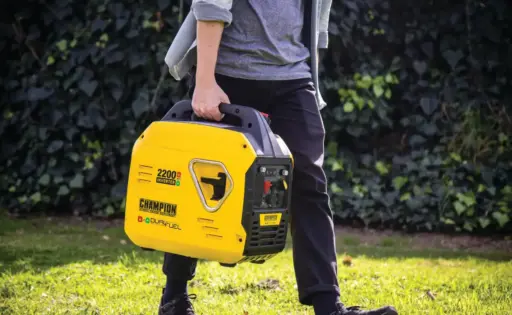
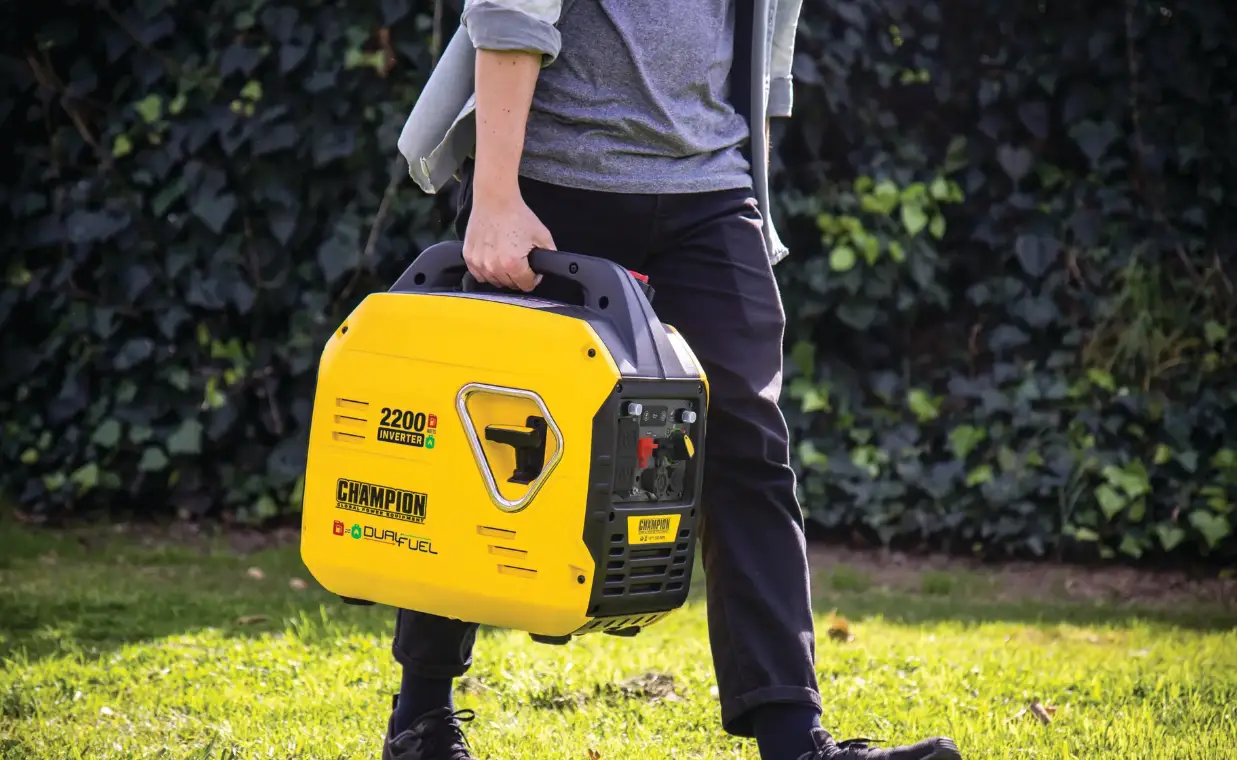
Severe storms, ageing infrastructure, and surging electricity demands put immense strain on the UK’s power grid. These vulnerabilities result in frequent local power cuts, driving many households and businesses to invest in backup power solutions to ensure an uninterrupted power supply. Traditional fuel generators remain the go-to choice for immediate backup power, preferred for their lower upfront purchase costs and longer run times, especially compared to newer alternatives such as hybrid solar generators and standalone batteries.
Power Generator Basics
At their core, reliable and multi-use power generators convert mechanical or chemical energy into usable electricity. Most systems rely on internal combustion engines powered by petrol, diesel, or natural gas. As the fuel burns, it drives internal pistons and crankshafts to create continuous rotational movement. This rotation spins a rotor inside an alternator, generating a constantly shifting magnetic field. When this magnetic field moves past stationary wire coils in the stator, it forces electrons to flow, inducing a steady electrical current.
To ensure a stable power supply and prevent complications from inconsistent engine speeds and power spikes, current passes through a voltage regulator. This smooths power swings and protects sensitive electronics, appliances and industrial equipment from damage caused by voltage fluctuations. Additional components, including cooling and exhaust systems, prevent overheating and remove toxic fumes to ensure extended run times and user safety in the event of prolonged blackouts and grid failure.
Why Generators Are a Necessity
Investing in a well-built generator provides multiple benefits:
- Automatic Backup Power Supply: Generators ensure appliances, critical equipment and infrastructure remain operational during outages, grid issues and severe weather. They supply power to keep basics like lighting and heating on in households until main power is restored, and round-the-clock electricity for industries like healthcare and manufacturing.
- Reduced Downtime: In commercial and industrial settings, generators prevent inventory and equipment damage, compromised worker safety and revenue lost from power cuts.
- Off-grid Flexibility: Areas without direct mains connections, such as new construction sites and farms, rely on generators to power tools, lighting and necessary equipment. The devices also provide lighting, heating and power for recreational vehicles while on the road or when parked at campsites.
- Versatility: The wide variety of generators, differing in output, size, fuel types and features, means devices that cover different needs. Choose from portable petrol or diesel generators as reliable solutions for short-term outages or as backup and off-grid power, to larger stationary and industrial diesel or bi-fuel generators able to keep larger facilities like hospitals and manufacturing plants operational for days without a stable mains connection.
- Low purchase and running costs: Moderate-to high output fuel generators are inexpensive, incur lower installation costs than battery and solar setups with a comparable power output, and need little to no maintenance. Fuel is also readily available, and spare parts are inexpensive and easy to find.
- Durability and Weather Independence: Hardened steel tube frames, industrial-grade and de-stressed engines and alternators and metal fuel tanks, combined with weatherproof enclosures, provide peace of mind and consistent power regardless of outside weather conditions and temperatures.
Common Power Generator Types
Choosing the right generator largely depends on assessing your overall power needs, the type of fuel available and the settings where they’ll be used. Common types include:
Standby Generators
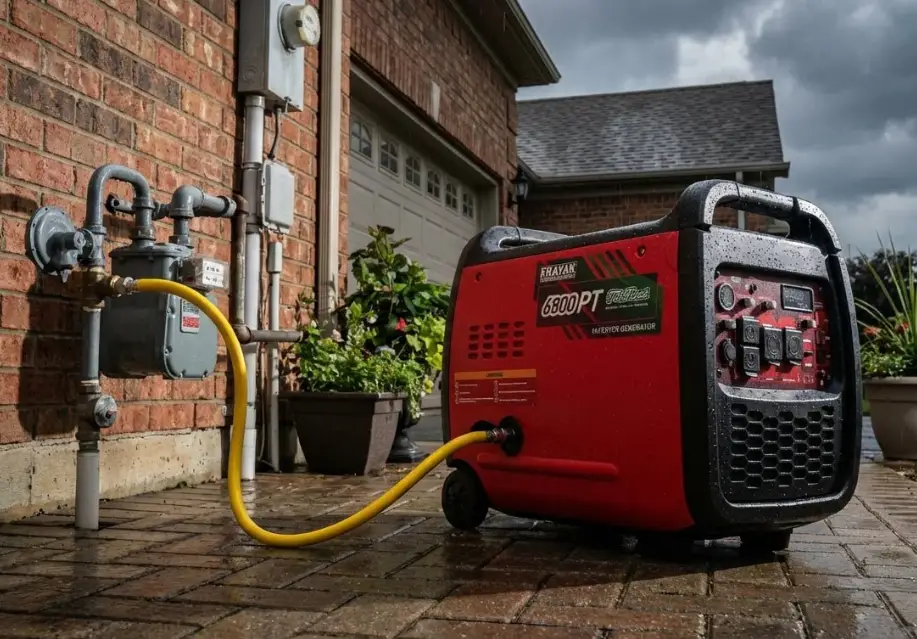
These are exceptionally large units permanently installed in homes and businesses. They have power capacities ranging from 5kW to 30kW, run on diesel, natural gas or propane, and are directly wired into consumer units. They benefit from automated operation, powering on instantly once they’ve detected current and voltage drops.
High-capacity units connected to gas lines can continuously run power-hungry appliances and equipment (AC units, heating systems, fridges, machinery). This functionality, however, doesn’t come cheap. Standby generators can cost well into 5 figures, take up valuable space and due to the high output and complexity, require periodic maintenance.
Portable
Highly mobile, lightweight and easy to store, portable units make up the large majority of generator sales. They’re extremely affordable for what they are, don’t require complex installation like standby types, and run on petrol or diesel.
Their compact dimensions and portability also mean enhanced versatility – from powering construction and gardening tools, to supplying power to caravans and recreational vehicles and as emergency backup power in homes and smaller businesses. With capacities ranging between 1kW and 10kW, portable generators provide adequate power for most use cases. The only downsides are that most require manual operation, can get noisy and need careful positioning to avoid safety risks from exhaust fumes.
Inverter
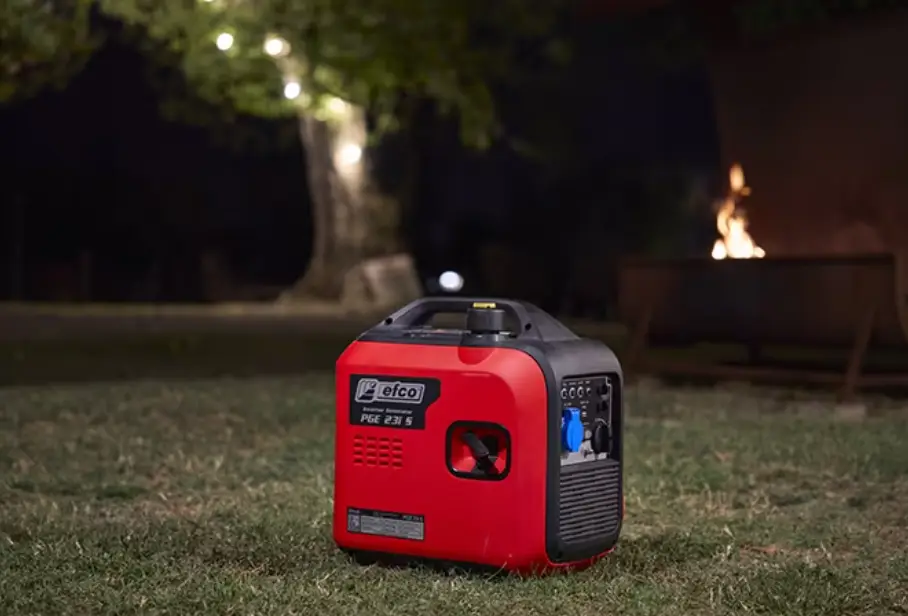
Inverter generators are generally smaller, lighter and easier to transport than conventional types. Their biggest advantage, however, is supplying pure, stable sine-wave power, preventing damage to sensitive electronics such as laptops, TVs and medical equipment. They’re also the generator variant to get for virtually silent operation and higher efficiency with reduced fuel needs. Downsides are the higher purchase price, outputs averaging between 2kW and 5kW and higher servicing costs.
Key Buying Considerations
Before setting out to buy a generator, consider the following:
- Power capacity: Manufacturers list generators with three power figures – starting watts or the brief burst of power generators can muster to run appliances such as fridges and air-conditioners; rated or continuous power over prolonged periods; and maximum wattage the device can generate for moderate periods (generally 30 minutes) before overload protection kicks in. Assess your overall power needs, which appliances and equipment will require generator power, and factor in 20 to 30% more capacity to ensure longevity and have the flexibility of powering more items when needed. Most common power outputs are between 5 and 10kW in portable units and between 15 and 20kW in mid-sized household standby types.
- Fuel Types: This dictates purchase and running costs, safety and convenience with storage. Choose diesel variants for heavy-duty and continuous use, higher efficiency, lower maintenance needs and generally safer use and storage with the fuel having a much higher flashpoint. Go with petrol types if working remotely and in cold weather, want a more affordable option and need quiet operation. Go with propane for exceptionally long fuel shelf life, enhance storage safety and up to 5 to 10 dB quieter operation than both petrol and diesel. Lastly, for premises with a gas main connection, choose generators running on natural gas. They benefit from a consistent fuel supply, lower emissions and no hassle over fuel storage.
- Control Systems and Safety Features: Consider safety features such as low oil shutoff. carbon monoxide shielding, emergency stop buttons, circuit breakers with overload protection and spark arrestors. And ensure easier use with programmable control panels that support seamless starts when sensing a mains failure and provide simplified app-based or wireless monitoring. These inform owners of voltage and current levels, oil pressure, engine temperatures, and general performance in real time.

Liam Bennett holds a degree in Computer Science from the University of Edinburgh and has over 15 years of experience in technology and digital innovation. He began his career in software development, focusing on user-friendly systems and backend architecture. Liam joined our platform in 2025 to lead our Tech section, where he simplifies complex topics—from smart home devices and AI tools to cybersecurity and troubleshooting tips. Known for his clear, practical advice, he helps readers navigate today’s fast-evolving tech landscape. Outside of work, Liam enjoys building custom PCs and contributing to open-source projects.