Germany does not have one architectural look. It has hundreds.
One street can show you a Gothic church, a half-timbered house, a Baroque palace, and a sharp Bauhaus-style building within a short walk. That mix is what makes German architecture so interesting.
It spans more than a thousand years, from Carolingian churches to contemporary sustainable design, with major styles shaping the country’s towns, landmarks, and homes.
I’ve always liked studying German architecture because it’s not just beautiful. They explain what Germany was going through at the time, from powerful princes and religious divides to war damage and rebuilding.
In this article, I’ll walk you through the main styles, traditional German architecture by region, famous examples, and practical design ideas you can use at home.
German Architecture Styles at a Glance
German architecture covers more than a thousand years of design, so it can feel overwhelming if you’re seeing all the styles for the first time.
Before diving into the history and regional influences, it helps to see how the major styles compare at a glance.
This quick overview highlights when each style emerged, what makes it recognizable, and where you can find one of its best-known examples.
Use this table as a quick reference, then analyze how each style developed and influenced German architecture over time.
| Style | Era | Key Features | Common Materials | Iconic Example |
|---|---|---|---|---|
| Carolingian | 8th–9th Century | Monumental churches, classical influence | Stone, timber | Palatine Chapel, Aachen |
| Ottonian | 10th–11th Century | Symmetrical churches, twin towers | Stone | St. Michael’s Church, Hildesheim |
| Romanesque | 10th–12th Century | Thick walls, rounded arches | Stone | Speyer Cathedral |
| Gothic | 12th–16th Century | Pointed arches, ribbed vaults, tall spires | Stone, stained glass | Cologne Cathedral |
| Renaissance | 15th–17th Century | Symmetry, columns, decorative façades | Stone, brick | Heidelberg Castle |
| Baroque | 17th–18th Century | Grand staircases, domes, and ornate decoration | Stone, stucco | Würzburg Residence |
| Rococo | 18th Century | Light colors, curved ornament, refined interiors | Stucco, plaster | Amalienburg Palace |
| Classicism | Late 18th–19th Century | Greek and Roman influence, balanced proportions | Stone | Brandenburg Gate |
| Historicism | 19th Century | Revival of earlier architectural styles | Brick, stone | Neuschwanstein Castle |
| Half-Timbered (Fachwerk) | Medieval–19th Century | Exposed timber frames, infill panels | Timber, plaster, brick | Quedlinburg Old Town |
| Bavarian Alpine | Traditional | Deep roofs, balconies, carved wood | Timber, stone | Oberammergau Village |
| Heimatstil | Late 19th–Early 20th Century | Rustic regional design, steep roofs | Wood, stone | Hohenschwangau area homes |
| Brick Gothic Houses | Medieval | Decorative brick façades, steep gables | Red brick | Lübeck Old Town |
| Jugendstil (Art Nouveau) | Late 19th–Early 20th Century | Flowing lines, floral decoration | Stone, iron, glass | Hackesche Höfe, Berlin |
| Expressionism & Bauhaus | Early 20th Century | Bold forms, functional design, minimal ornament | Brick, concrete, steel, glass | Bauhaus Dessau |
| Contemporary Sustainable | 21st Century | Energy efficiency, clean lines, eco-friendly design | Glass, steel, timber | Reichstag Dome, Berlin |
While these summaries make it easier to compare styles, they only scratch the surface.
The sections below explain how each architectural movement emerged, what shaped its design, and why many of its features still influence buildings and home renovations today.
Why does Germany have so Many Architectural Styles?
As I learned more about German architecture, one thing became clear: there was never a single “German style.”
Before Germany unified in 1871, the land was divided into kingdoms, duchies, bishoprics, and free cities, each shaping buildings in its own way.
According to Britannica, this long period of political division played a major role in Germany’s regional identity and architectural development.
Because of that, Bavaria became known for Alpine homes, the Baltic coast for Brick Gothic buildings, and Berlin for its Prussian-inspired landmarks.
Religion, local materials, and climate added even more variety. I think that’s what makes German architecture so fascinating.
Every region tells a different story, and understanding that history makes each style in the sections ahead much easier to appreciate.
Medieval Church-Building Styles
The story of German architecture begins with the Church. As Christianity spread across medieval Europe, rulers built larger and more impressive churches to demonstrate both faith and authority.
Each architectural style solved new engineering challenges while reflecting the changing ambitions of its time.
These three styles show how German churches moved from solid royal chapels to soaring cathedrals.
1. Carolingian & Ottonian
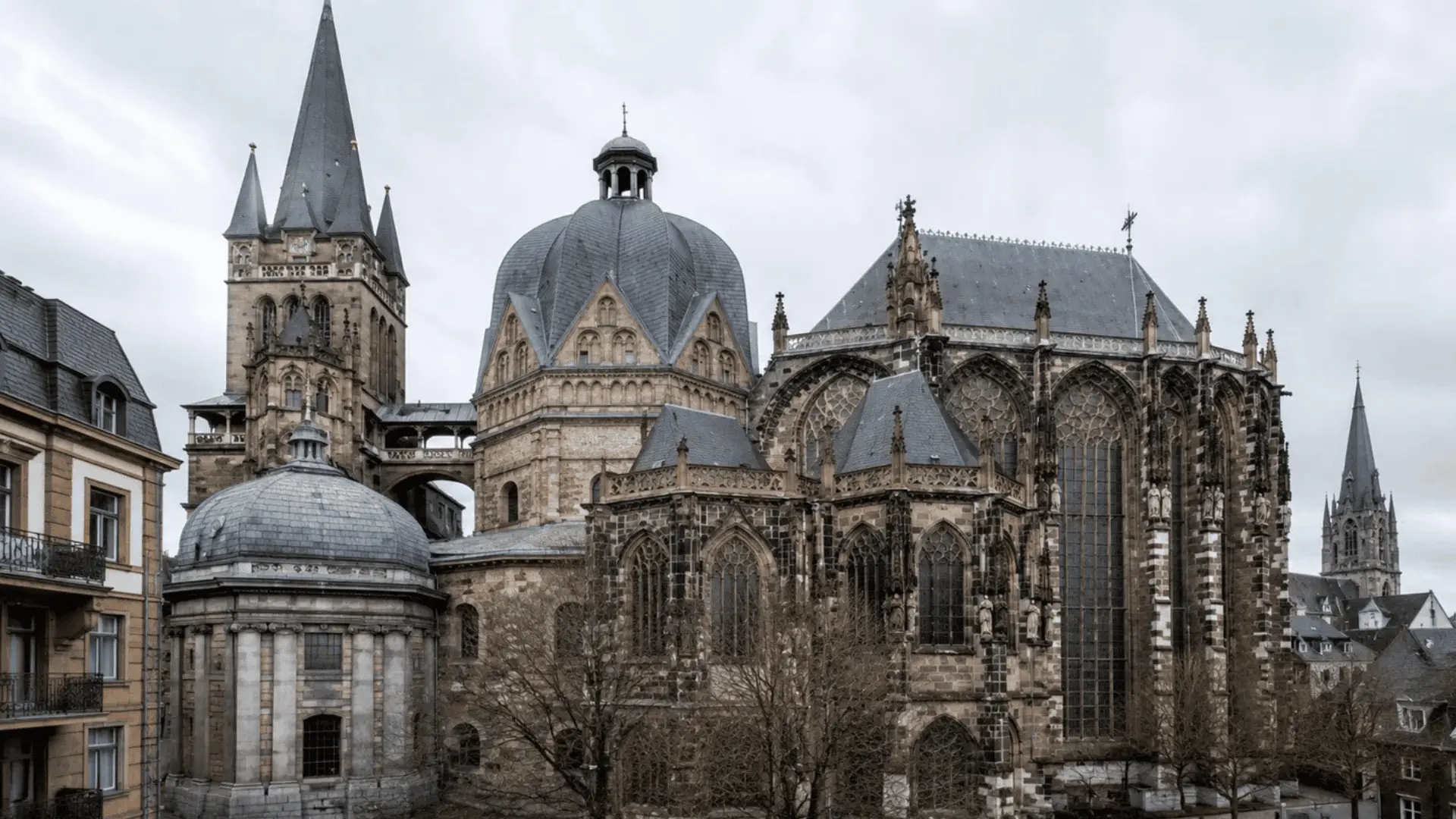
I see Carolingian and Ottonian architecture as the foundation of early German church design.
These buildings used Roman ideas, strong symmetry, westworks, and heavy stone forms to show Christian royal power.
The Palatine Chapel in Aachen is the key example, and UNESCO notes that it was inspired by classical and Byzantine traditions.
It later became a coronation site for German kings, which makes it both an architectural and a political site.
2. Romanesque
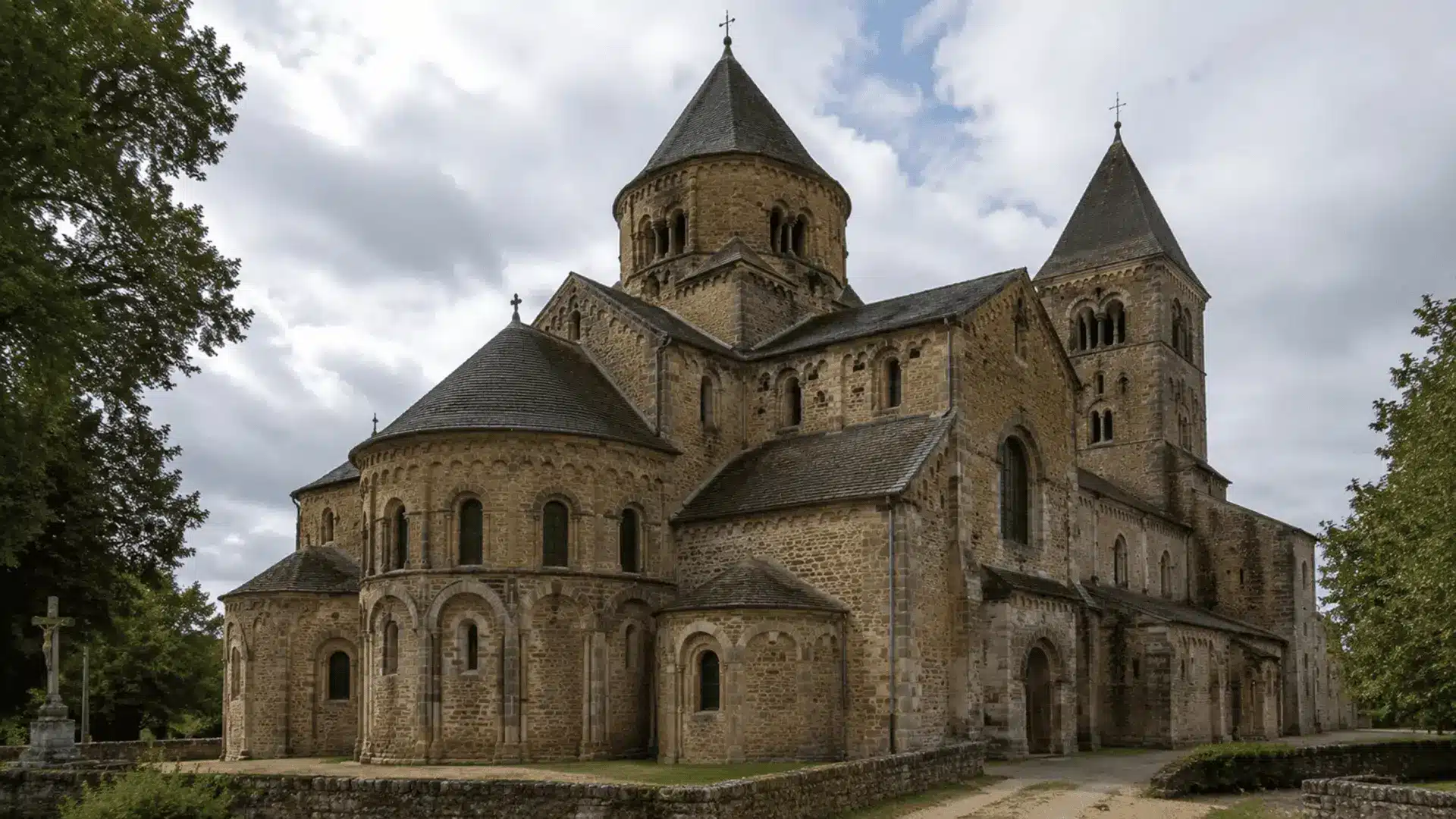
Romanesque churches feel strong before they feel decorative.
They have thick walls, rounded arches, small windows, and massive towers, almost as if faith were built in stone.
Speyer Cathedral is one of the best examples. UNESCO describes it as one of the most important Romanesque monuments from the Holy Roman Empire.
I’d highlight this style because it shows how medieval builders created a sense of scale and stability before Gothic engineering changed everything.
3. Gothic
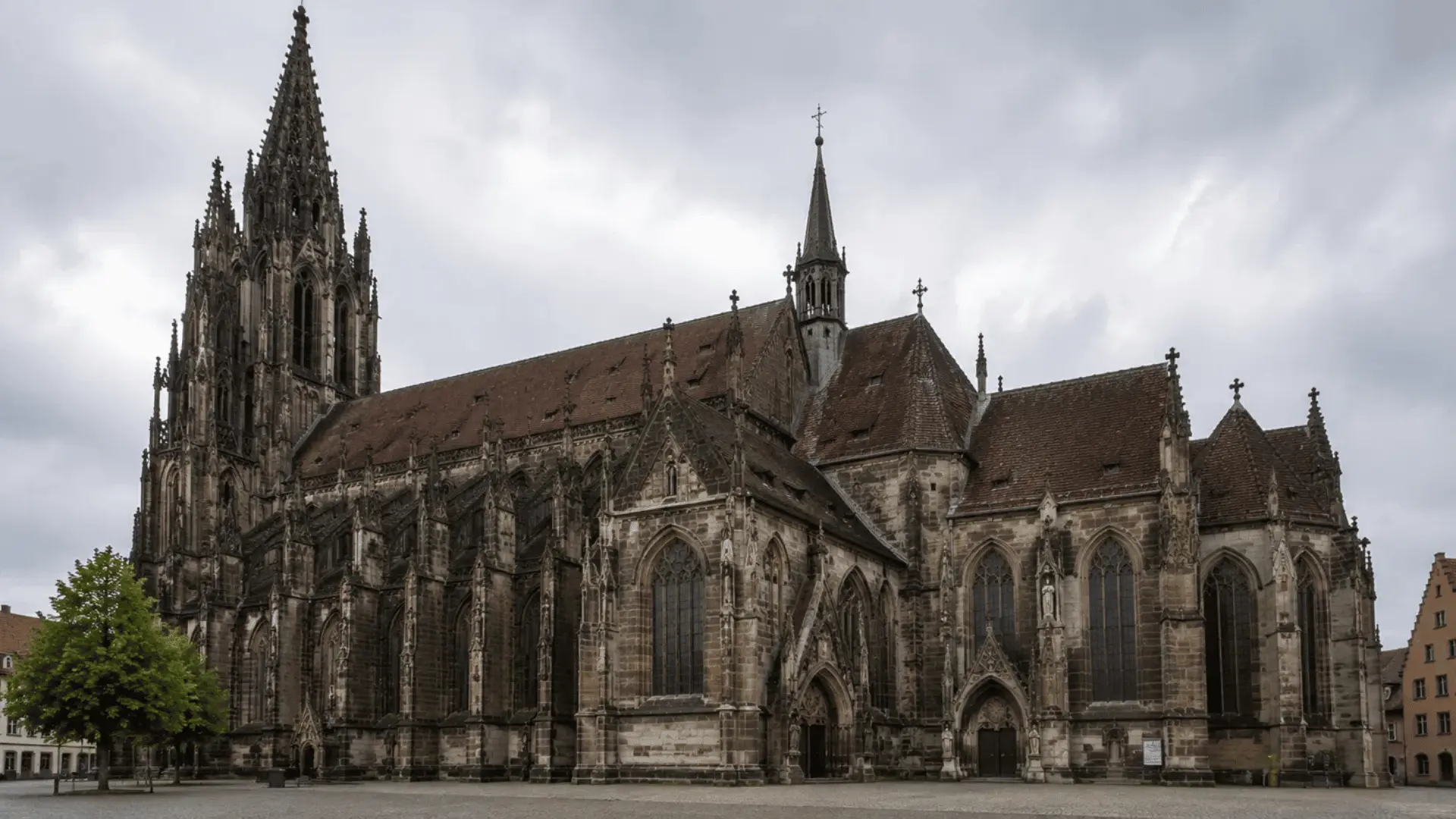
Gothic architecture is where German churches start reaching upward. Pointed arches, ribbed vaults, flying buttresses, and stained glass made cathedrals taller, brighter, and more dramatic.
Cologne Cathedral is the showstopper.
Its construction began in 1248 and was completed in 1880, making it a rare building that connects medieval ambition with 19th-century national identity.
That long timeline gives readers a great reason to care beyond its appearance.
Visitor Tip: When visiting Gothic churches, look up before walking forward. The ceiling structure often explains the whole design.
The Age of Courts and Palaces
Once churches established architectural influence, Europe’s rulers wanted buildings that reflected their own status. I find this period fascinating because architecture became a form of competition.
Princes, bishops, and royal families commissioned grand residences to display wealth, power, and cultural influence, while religious differences between Catholic and Protestant regions also shaped their design choices.
These three styles show how royal ambition shifted German architecture.
4. Renaissance
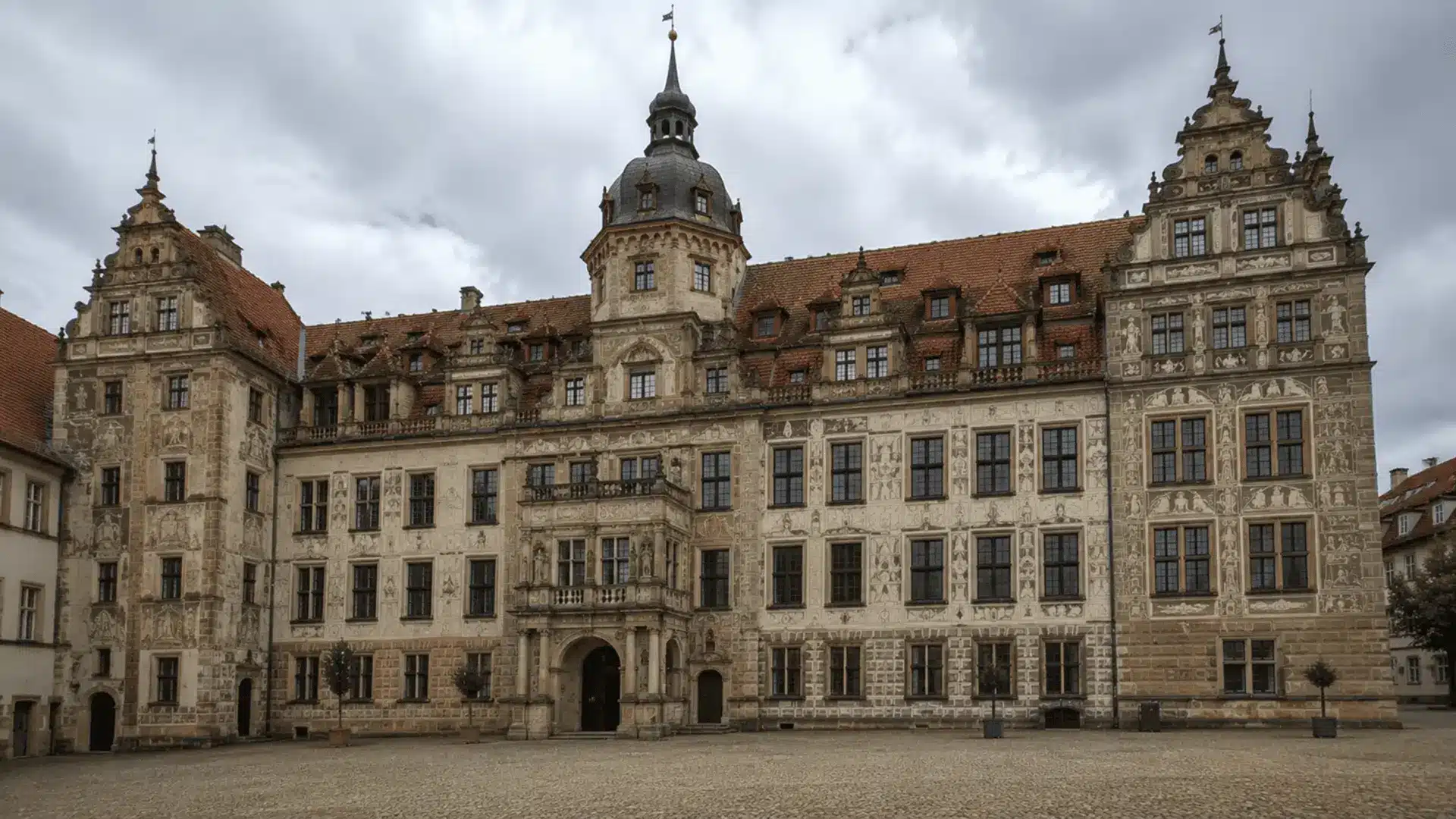
The Renaissance brought a fresh way of thinking about architecture.
Instead of towering churches, designers looked back to ancient Greece and Rome for balance, proportion, and symmetry.
I like how these buildings feel orderly without being plain.
Heidelberg Castle captures this transition beautifully, blending medieval fortifications with Renaissance courtyards.
5. Baroque
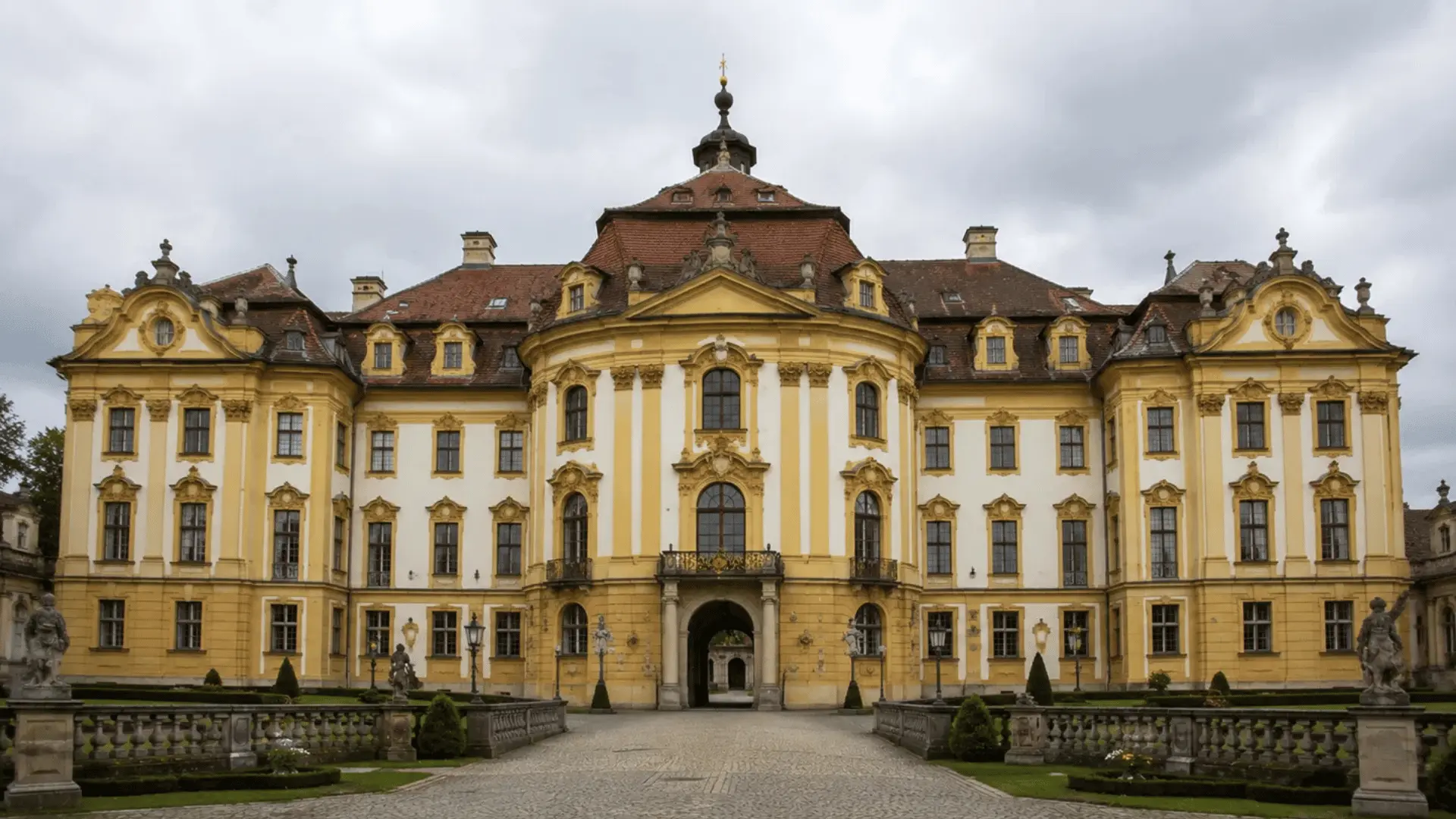
Baroque architecture was designed to impress from the very first glance.
Sweeping staircases, domes, grand halls, and elaborate decoration reflected the wealth of Catholic rulers after the Counter-Reformation.
Whenever I visit a Baroque palace, I’m struck by how every room seems intended to leave visitors speechless.
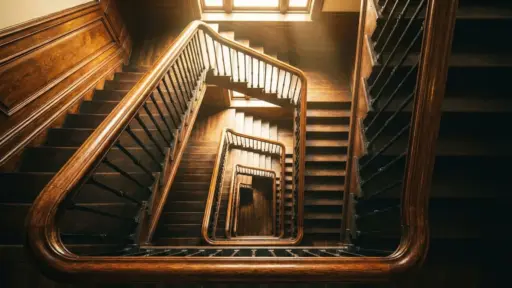
The Würzburg Residence is famous for its monumental staircase and one of the world’s largest ceiling frescoes by Giovanni Battista Tiepolo.
6. Rococo
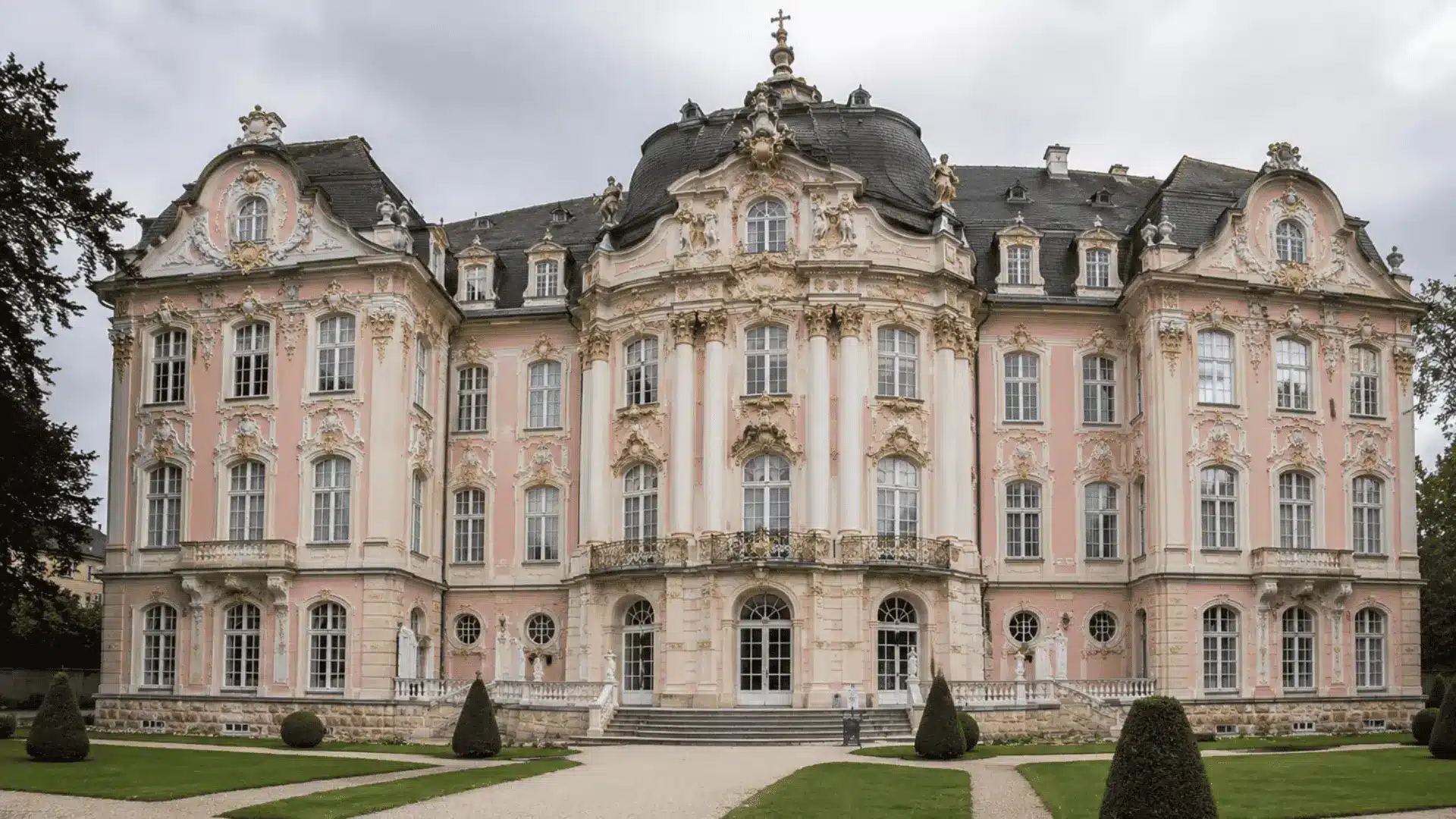
Rococo took the grandeur of Baroque and made it lighter, more playful, and more intimate. Instead of overwhelming size, it focused on graceful curves, pastel colors, gilded details, and refined interiors.
I enjoy how welcoming these spaces feel despite their luxury.
Amalienburg, located in Munich’s Nymphenburg Palace Park, is widely regarded as one of Europe’s finest Rococo pavilions, with its dazzling Hall of Mirrors showcasing the style at its most refined.
Visitor Tip: If you’re touring Baroque or Rococo palaces, don’t rush through the interiors. Some of the finest craftsmanship is found on ceilings, staircases, and small decorative details that are easy to overlook.
Nationalism, Romance, and Revival
By the 19th century, architecture was doing more than showcasing wealth. It was helping shape a national identity.
I find this era especially interesting because architects looked both forward and backward, borrowing ideas from ancient civilizations and medieval Germany to express culture, identity, and history through buildings.
These two movements reveal how architecture became part of Germany’s search for identity.
7. Classicism
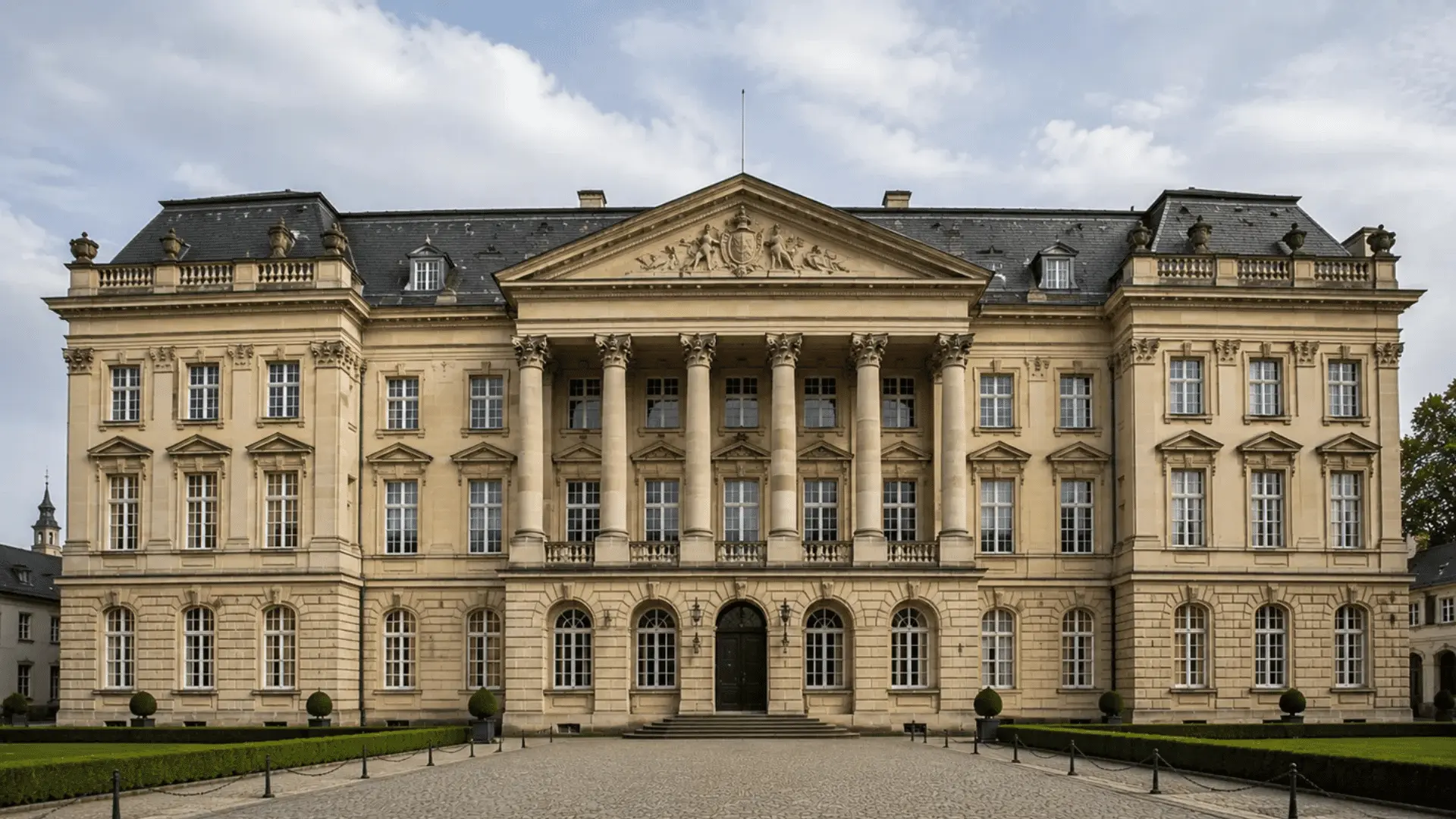
Classicism embraced order, symmetry, and the clean proportions of ancient Greek and Roman architecture. Public buildings, museums, and government landmarks adopted this style because it conveyed stability and authority.
I always notice how timeless these buildings feel without relying on heavy decoration.
The Brandenburg Gate in Berlin, designed by Carl Gotthard Langhans, remains one of Germany’s best-known Classical landmarks and was inspired by the Propylaea gateway of the Acropolis in Athens.
8. Historicism
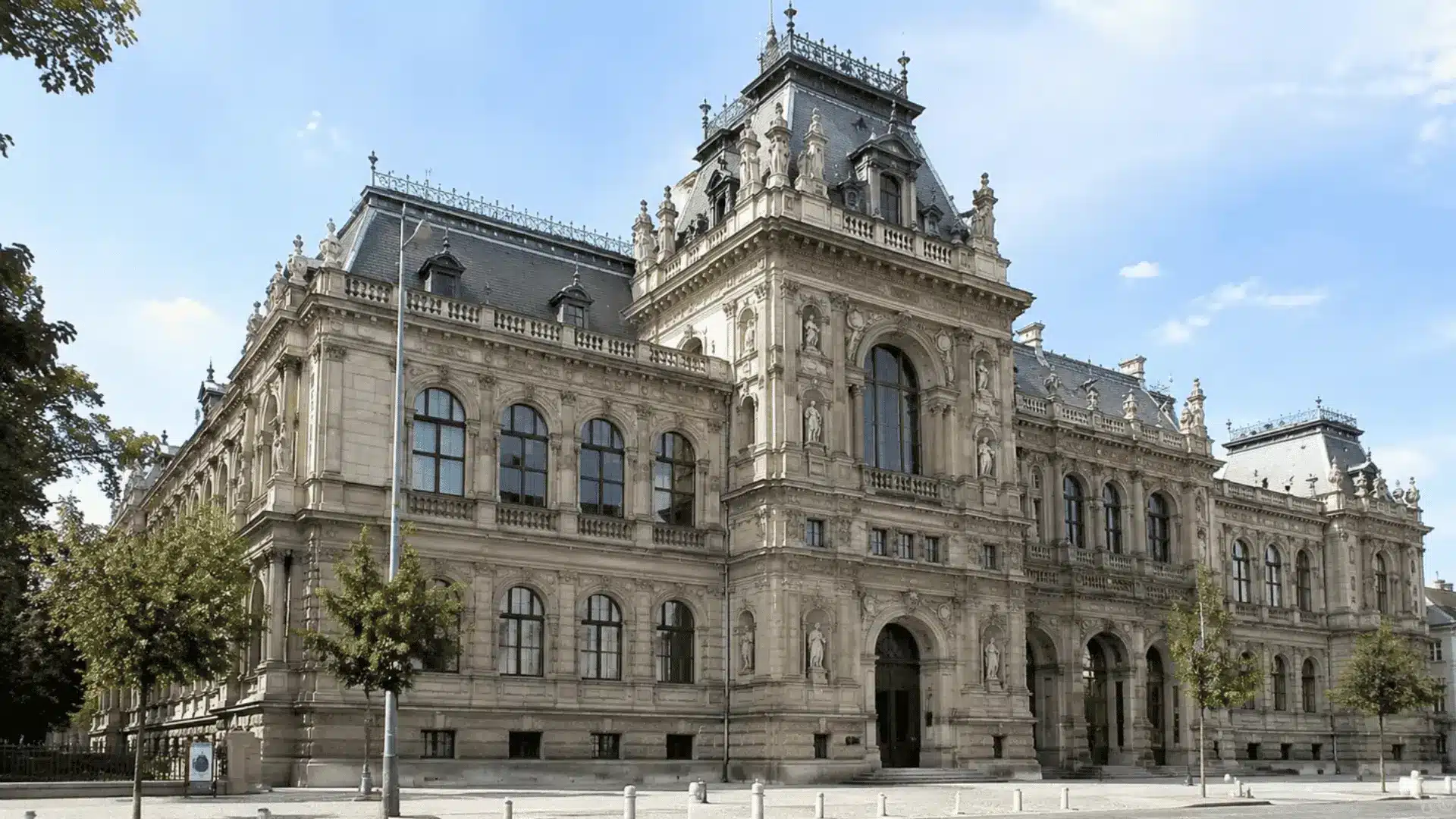
Historicism took a very different approach.
Instead of creating something entirely new, architects revived Gothic, Romanesque, Renaissance, and other earlier styles to celebrate Germany’s past.
To me, Neuschwanstein Castle perfectly captures this idea.
Although it looks medieval, it was built in the late 1800s by King Ludwig II as an idealized vision of Germany’s romantic heritage rather than an actual defensive fortress.
Today, it stands as one of the country’s most recognizable architectural icons and continues to inspire castles, films, and designers around the world.
Interesting Fact: Neuschwanstein Castle welcomes well over a million visitors each year, making it one of Germany’s most visited historic landmarks.
Traditional German House Styles by Region
This is the part I enjoy most because it connects architecture to everyday life. Germany’s traditional homes varied from region to region, shaped by climate, available materials, and local customs.
That’s why a house in Bavaria looks completely different from one along the Baltic coast, even though both are unmistakably German.
Here’s how Germany’s most recognizable regional house styles compare and where you can still experience them today.
9. Half-Timbered Houses (Fachwerk)
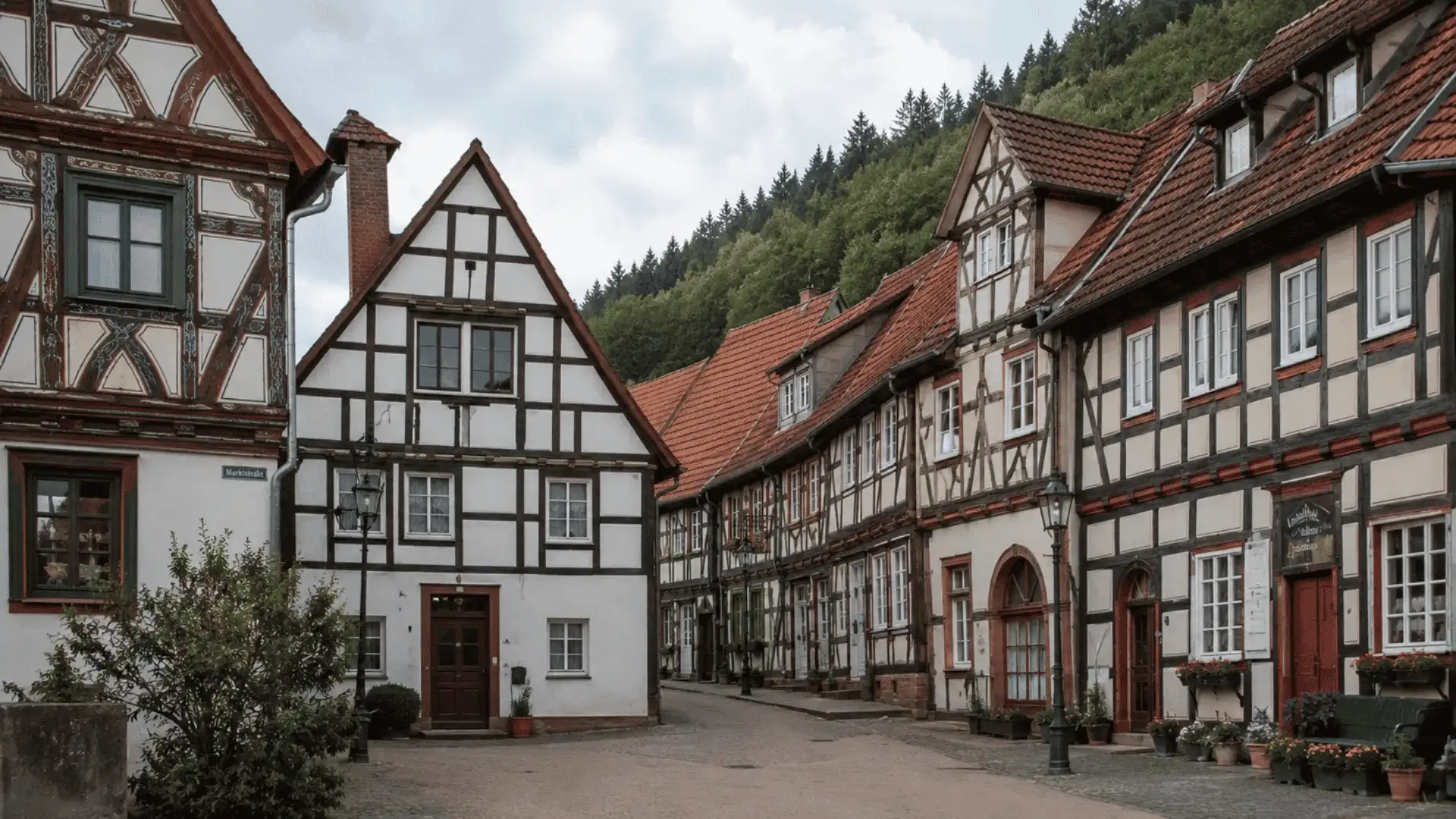
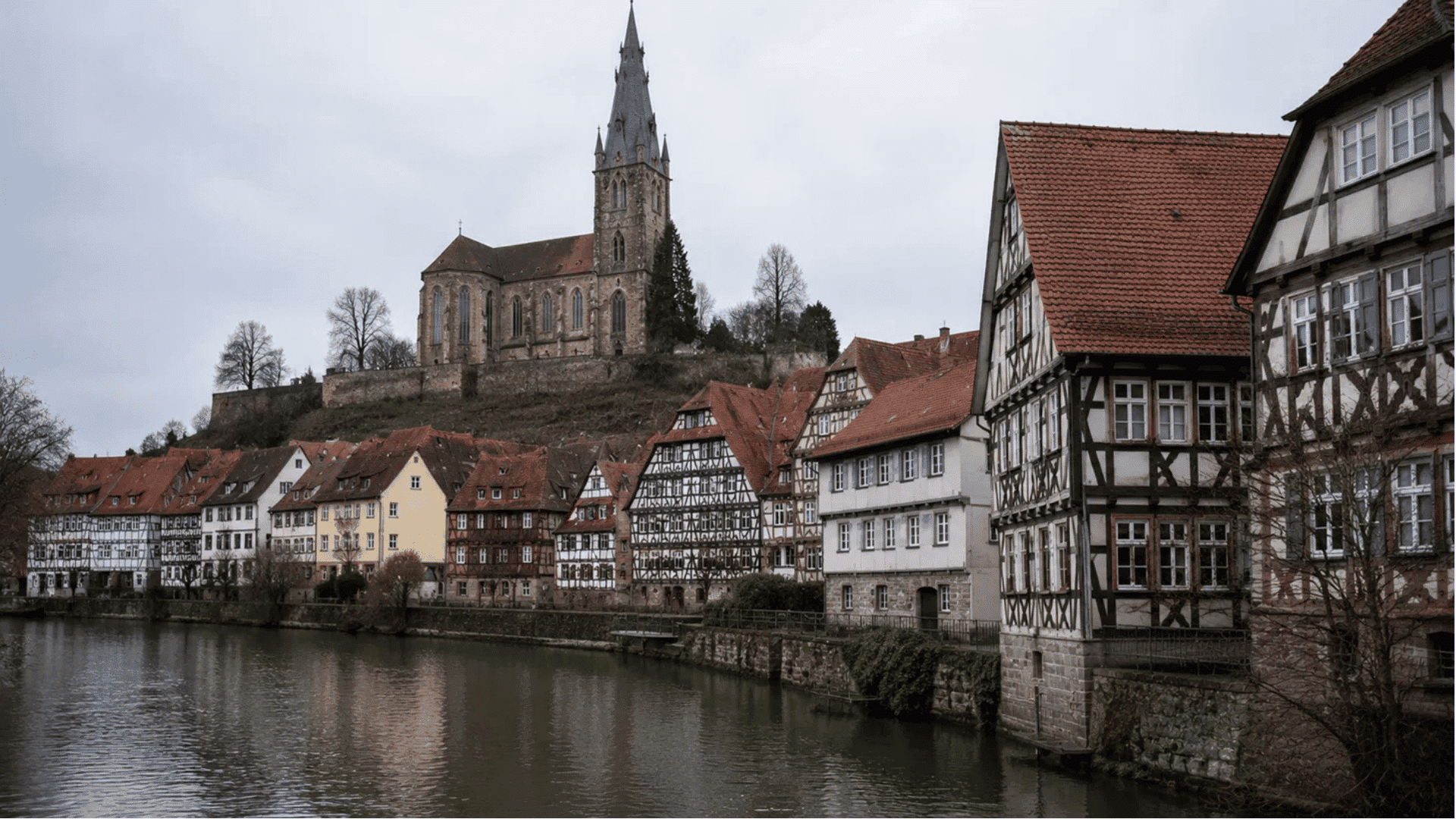
When people imagine a traditional German home, they are usually imagining a Fachwerkhaus.
These houses feature exposed wooden beams filled with brick, plaster, or wattle-and-daub, creating the distinctive black-and-white pattern seen across central Germany.
I appreciate how practical the design is, since the timber frame supports the structure while using fewer heavy materials.
Quedlinburg has one of Europe’s largest collections of preserved half-timbered houses.
10. Bavarian Alpine Vernacular
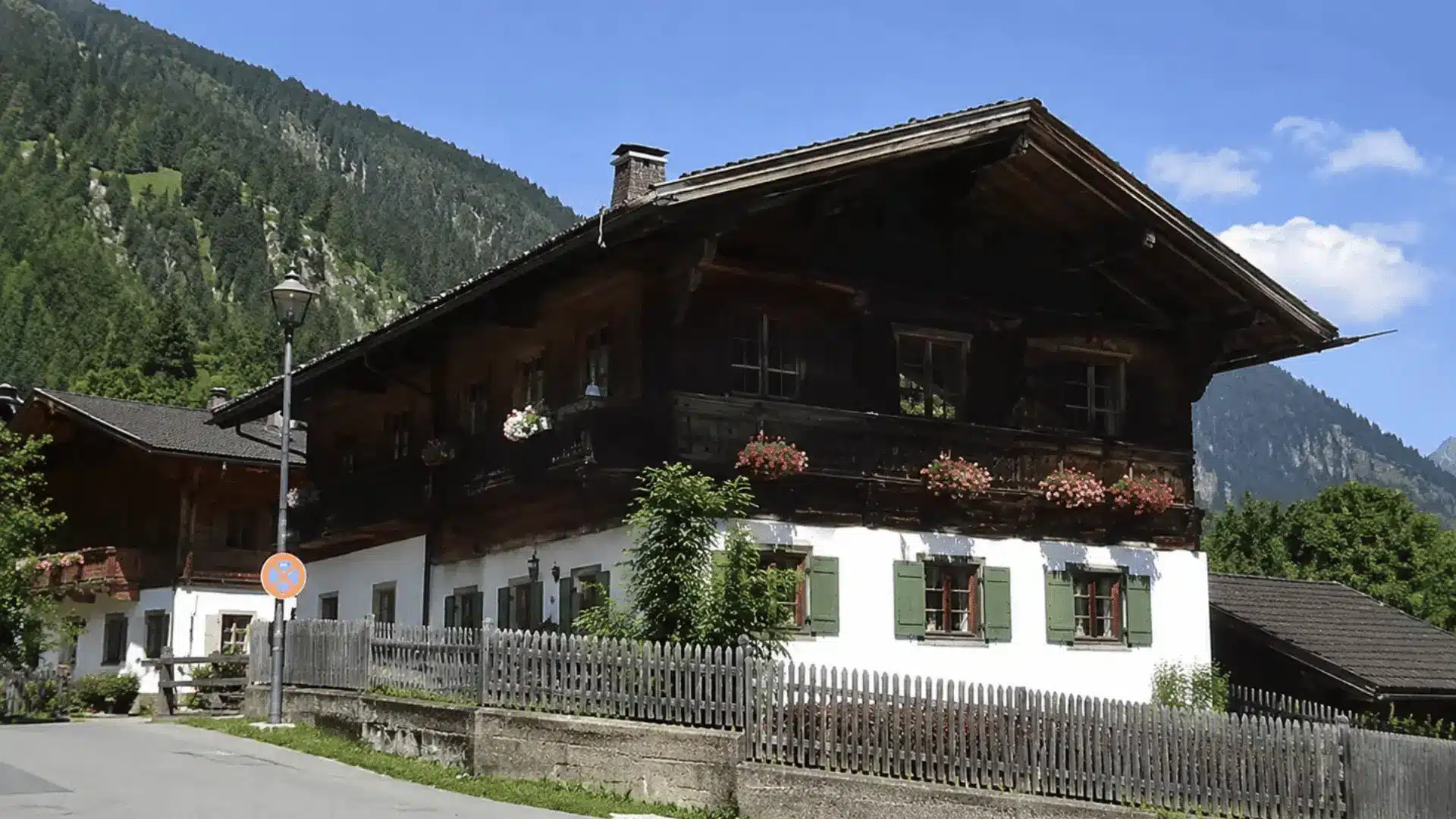
Bavarian homes were designed for mountain living. Steep roofs help snow slide off easily, while wide balconies, deep eaves, and thick timber walls protect against harsh winters.
Whenever I visit southern Germany, these houses feel perfectly connected to the landscape rather than placed on it.
Towns such as Oberammergau and Berchtesgaden still preserve this Alpine character, with many homes decorated using traditional painted façades known as Lüftlmalerei.
11. Heimatstil
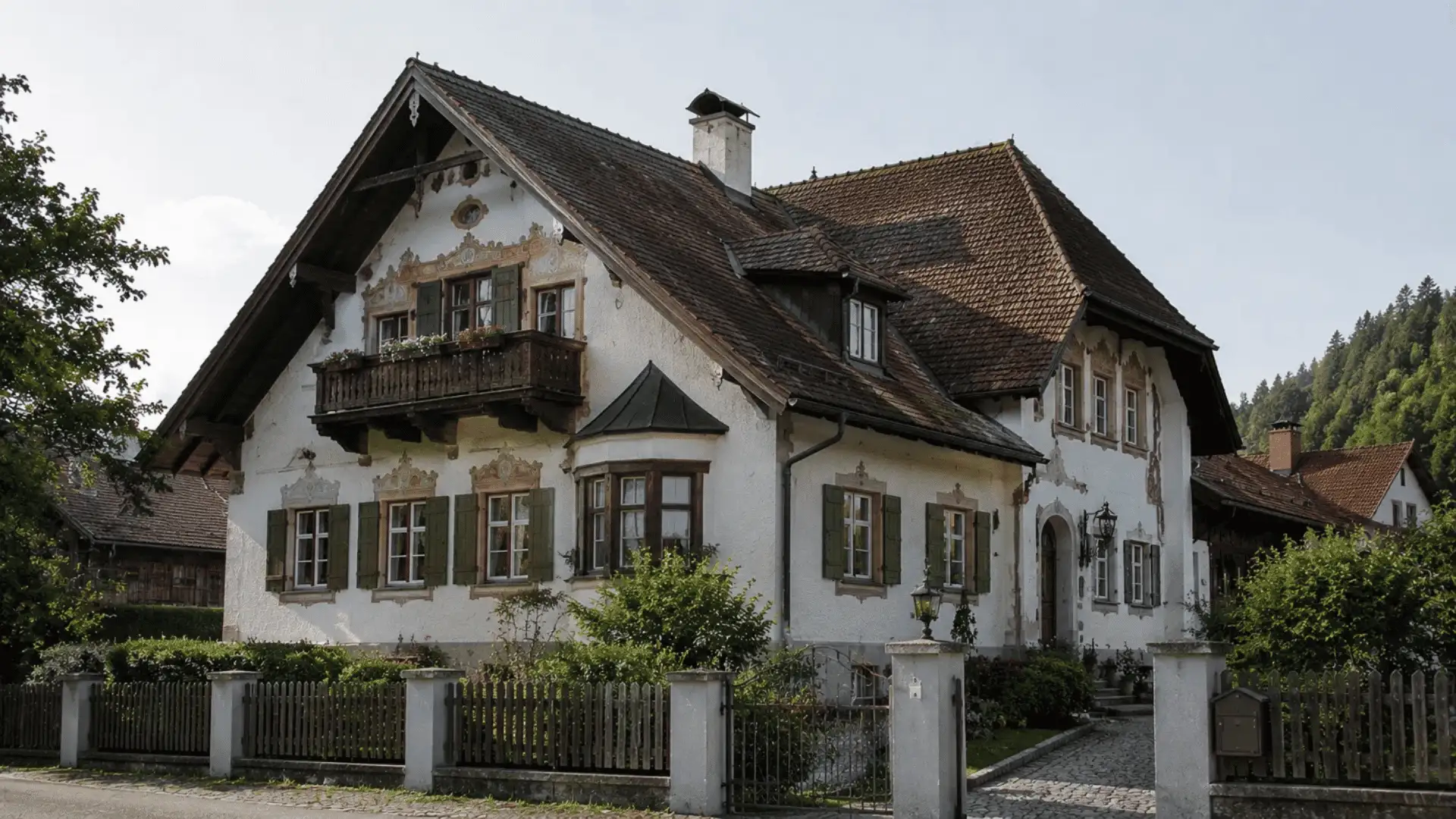
Emerging in the late 19th century, Heimatstil, or “Homeland Style,” celebrated regional craftsmanship during a period of rapid industrialization.
Instead of embracing factory-made uniformity, architects combined stone foundations, timber detailing, carved balconies, and steep roofs to reflect local traditions.
I like how this style bridges historic charm with more comfortable living.
Many villas, hotels, and country homes in southern Germany and Austria still showcase its warm, handcrafted appearance.
12. Brick Gothic Houses (Baltic North)
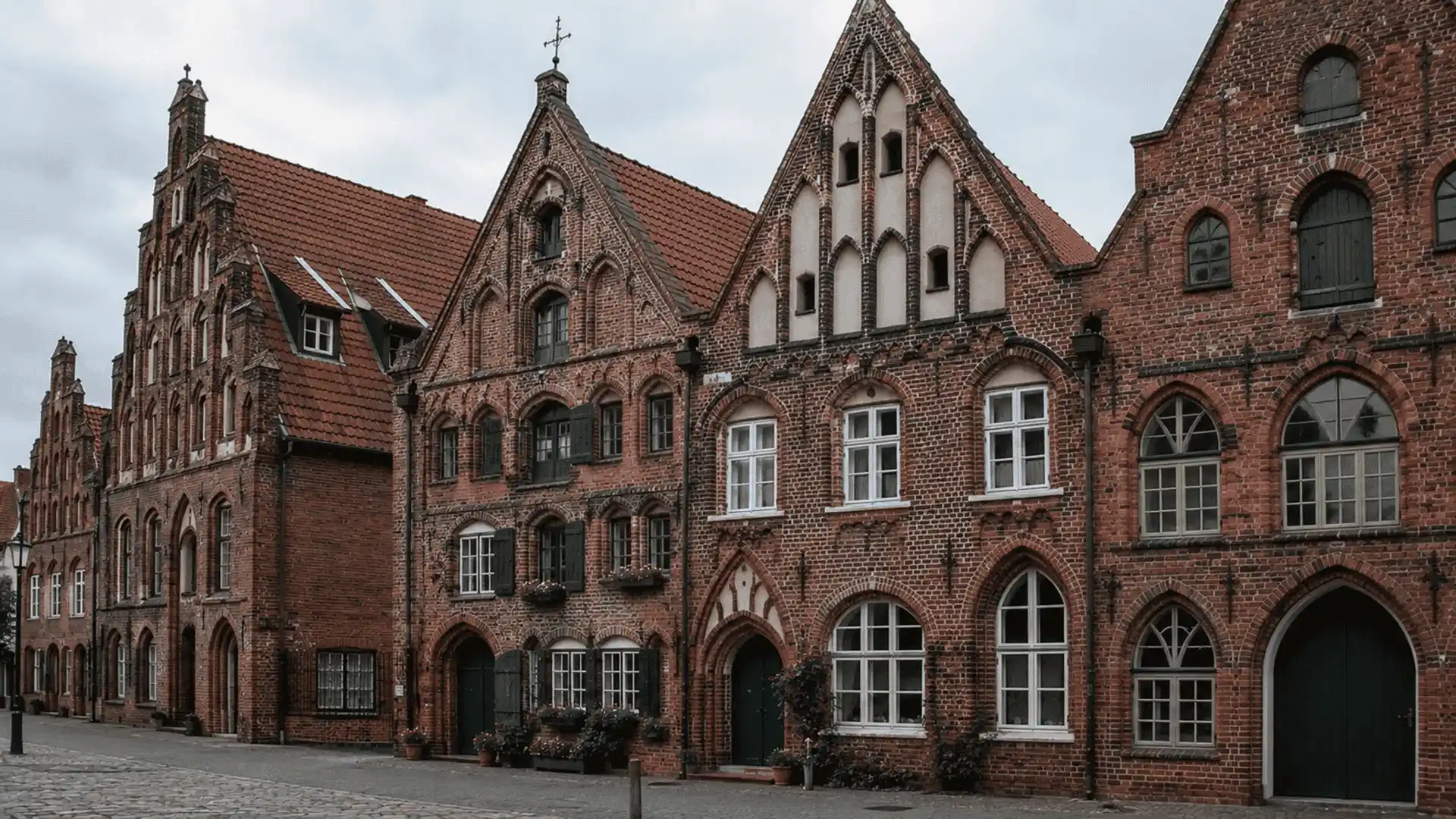
Northern Germany lacked natural building stone, so builders turned to red brick instead.
Over time, that practical choice became a defining regional style, with stepped gables, decorative brickwork, and tall façades appearing in both churches and homes.
I find it fascinating that a shortage of one material created an entirely different architectural identity. Lübeck remains the best place to see Brick Gothic buildings lining medieval streets.
The table below compares where each traditional house style developed and what makes it distinctive.
| House Style | Primary Region | Common Materials | Where to See it Today |
|---|---|---|---|
| Half-Timbered (Fachwerk) | Central Germany | Timber, brick, plaster | Quedlinburg, Rothenburg ob der Tauber |
| Bavarian Alpine Vernacular | Bavaria & the Alps | Timber, stone, slate | Oberammergau, Berchtesgaden |
| Heimatstil | Southern Germany | Wood, stone, plaster | Garmisch-Partenkirchen, Allgäu |
| Brick Gothic Houses | Baltic Coast & Northern Germany | Red brick | Lübeck, Wismar, Stralsund |
Travel Tip: If you want to experience Germany’s traditional architecture, skip the major cities for a day. Smaller towns often preserve their original streetscapes, making it much easier to appreciate how regional building traditions developed over centuries.
Breaking from Tradition: 1900 to the Bauhaus
By the early 1900s, Germany was changing fast. Industrialization, new construction methods, and the aftermath of World War I made many architects question older styles.
I find this period exciting because it wasn’t just about creating different-looking buildings. It was about rethinking how people should live, work, and experience architecture in a modern world.
These movements show how German architects gradually replaced ornament with innovation.
13. Art Nouveau (Jugendstil)
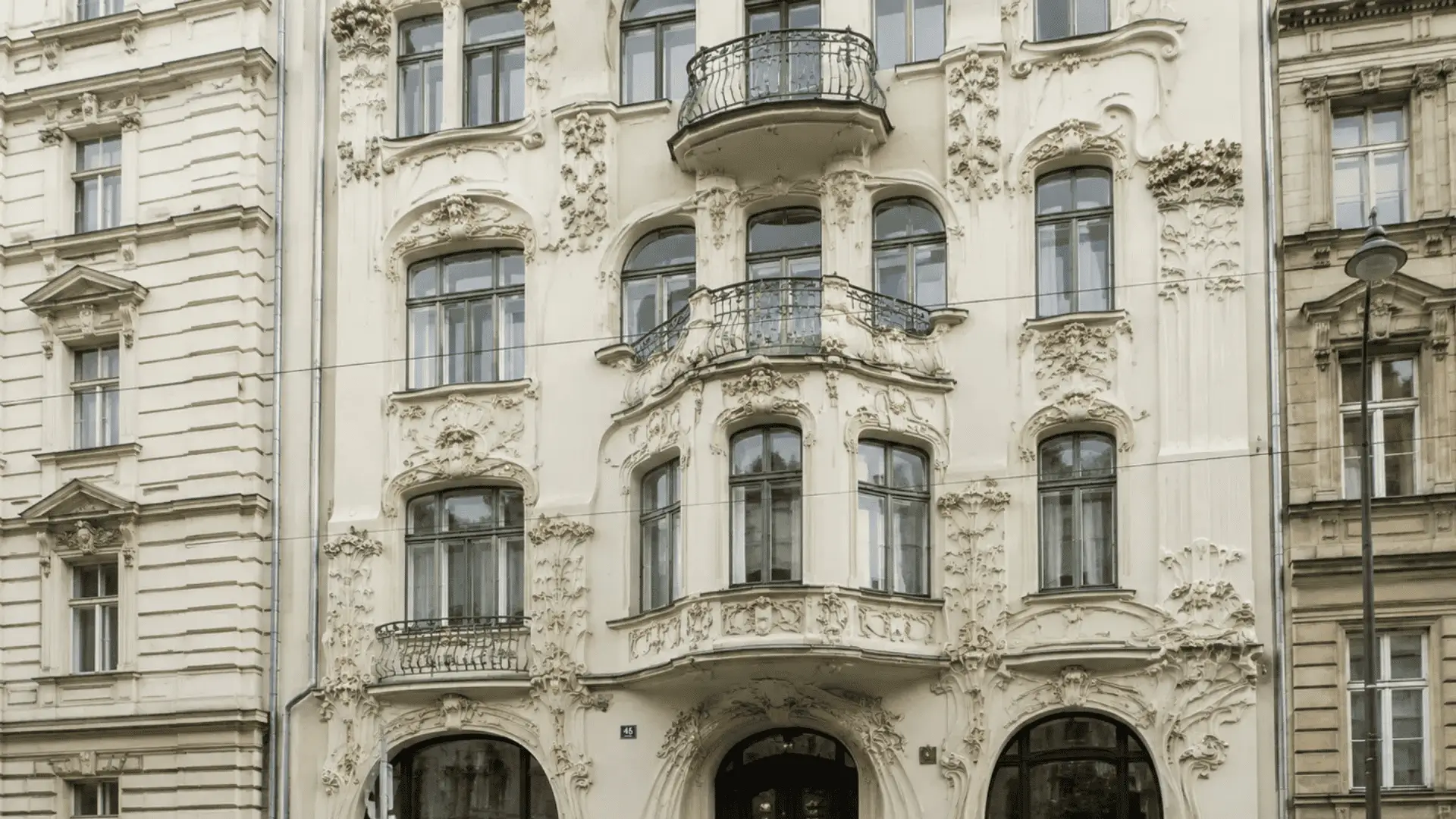
Jugendstil was Germany’s take on Art Nouveau, but it had its own personality.
Flowing lines, floral patterns, stained glass, and handcrafted details gave buildings a sense of movement inspired by nature.
I like how it balanced artistic decoration with modern materials like iron and glass.
You can still admire excellent examples in Darmstadt’s Mathildenhöhe Artists’ Colony, a UNESCO World Heritage Site that helped shape early modern architecture.
14. Brick Expressionism
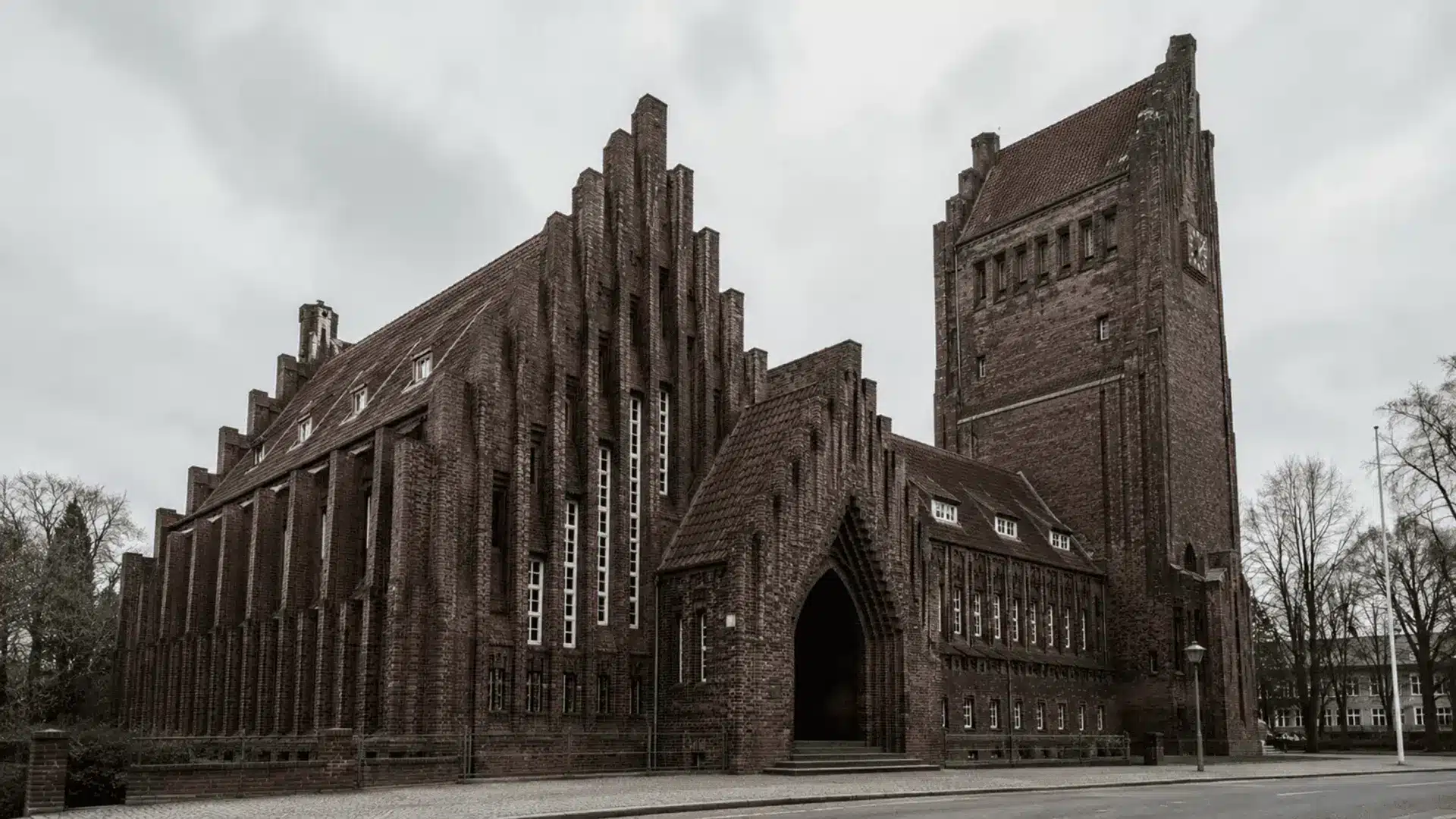
Brick Expressionism showed that a common material could create extraordinary buildings.
Architects used specially shaped bricks, stepped façades, and intricate patterns to produce dramatic forms without relying on expensive stone.
I always recommend looking closely at the brickwork because much of the craftsmanship is easy to miss from a distance.
Chilehaus in Hamburg, designed by Fritz Höger, is one of the world’s best-known examples and is part of Hamburg’s UNESCO-listed Speicherstadt and Kontorhaus District.
15. Bauhaus & Modernist

If one German movement changed architecture worldwide, it was the Bauhaus.
Founded by Walter Gropius in 1919, the Bauhaus school promoted clean lines, functional layouts, and the idea that good design should be practical and accessible.
I admire how many of its principles still influence modern homes today, from open floor plans to large windows and simple geometric forms.
The Bauhaus Building in Dessau remains one of the most influential modern buildings ever designed.
Interesting Fact: Many features people associate with contemporary homes, such as minimal decoration, open interiors, flat roofs, and functional layouts, can trace their roots directly to the Bauhaus movement, which began in Germany.
Rebuilding a Divided Country
World War II did not create one new German architectural style. It created rebuilding choices. Some cities restored what was lost.
Others used architecture to show new political values. Many later projects blended historic structures with modern design.
| Rebuilding Direction | What It Means | German Example |
|---|---|---|
| Restoring The Past | Rebuilding damaged landmarks with historic plans, salvaged materials, and careful restoration work | Dresden’s Frauenkirche |
| Redesigning Daily Life | Creating new housing, wide streets, civic spaces, and public buildings for a divided postwar country | Karl-Marx-Allee, Berlin |
| Blending Old And New | Keeping historic structures while adding modern forms, materials, and civic meaning | Reichstag glass dome, Berlin |
This is why postwar German architecture feels so layered. It is not one style, but a record of damage, politics, memory, and rebuilding.
Interesting Fact: Germany follows some of the world’s most demanding energy-efficiency standards for buildings, helping shape sustainable architecture far beyond its own borders.
Bringing German Architectural Style into Modern Homes
You do not need to copy a historic German house to bring its character into your home.
I usually suggest choosing a few strong details instead. German-inspired design works best when it feels practical, sturdy, and built around real materials.
- Use exposed wood beams to bring in the warmth of Fachwerk houses. Restore original timber if you have it, or add simple decorative beams for character.
- Add brick details through a fireplace, accent wall, porch, or exterior façade. This gives a subtle nod to northern Germany’s Brick Gothic style.
- Choose steep rooflines or deep eaves if you are planning exterior work. These details reflect Bavarian Alpine homes and also feel practical in colder climates.
- Keep interiors clean and functional with simple furniture, built-ins, and open layouts. This brings in the Bauhaus side of German architecture without making the space feel cold.
- Use natural materials like stone, wood, lime plaster, clay tile, and metal. These finishes age well and make the home feel grounded.
- Add energy-smart upgrades such as better insulation, efficient windows, and sustainable finishes. This connects traditional German architecture with Germany’s modern focus on practical, long-lasting design.
A good German-inspired renovation should feel warm, simple, and purposeful. Start with one traditional feature, then balance it with modern lighting and clean lines.
Best Places to See German Architecture in Real Life
Use a quick table:
| Place | Best For | Styles To Notice |
|---|---|---|
| Aachen | Early church architecture | Carolingian |
| Cologne | Gothic landmarks | Gothic |
| Quedlinburg | Traditional homes | Fachwerk |
| Lübeck | Northern brick buildings | Brick Gothic |
| Munich | Palaces and Alpine influence | Baroque Rococo Bavarian |
| Dessau | Modern design | Bauhaus |
| Berlin | Prussian postwar and modern design | Classicism Soviet modern contemporary |
If you want visual inspiration, these places give you the clearest real-world examples of how German architecture changes by region, period, and purpose.
Wrapping Up
German architecture is much more than a collection of famous buildings. As
I’ve analyzed these styles over the years, I’ve come to see each one as a reflection of the people, places, and events that shaped Germany.
From medieval churches and royal palaces to traditional homes and Bauhaus design, each period added something unique that continues to influence architecture today.
I hope this guide helps you recognize those details the next time you visit Germany or plan a renovation inspired by its timeless designs.
I’d love to know which German architectural style caught your attention the most.
Share your favorite in the comments, or tell us which German landmark or traditional home you’d most like to see in person.
Frequently Asked Questions
Can You Stay in Traditional German Homes Today?
Yes. Many restored half-timbered homes, Alpine chalets, and old townhouses now work as hotels, guesthouses, or rentals.
Why are German Historic Buildings so Well Preserved?
Germany has strong heritage laws. Many restorations also focus on original materials, old techniques, and local building character.
How does German Architecture Influence Modern Home Design?
Modern homes often borrow German ideas such as clean layouts, natural materials, high craftsmanship, and improved energy efficiency.
Which Season is Best for Visiting German Architecture?
Spring and early autumn are best. The weather is mild, crowds are smaller, and walking through historic towns feels easier.

Natalie Zhou, AIA, holds an MIT Master of Architecture and has designed civic and residential projects for 12 years. She joined us in 2025 to translate green-building theory into practical home ideas, spotlighting passive-solar layouts and space-saving details. Natalie’s articles blend on-site anecdotes with sketchbook tips. Away from the desk, she restores mid-century chairs and volunteers with Habitat for Humanity.