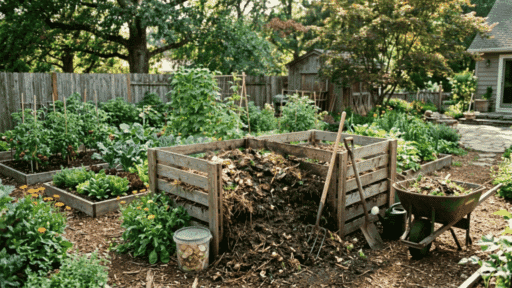
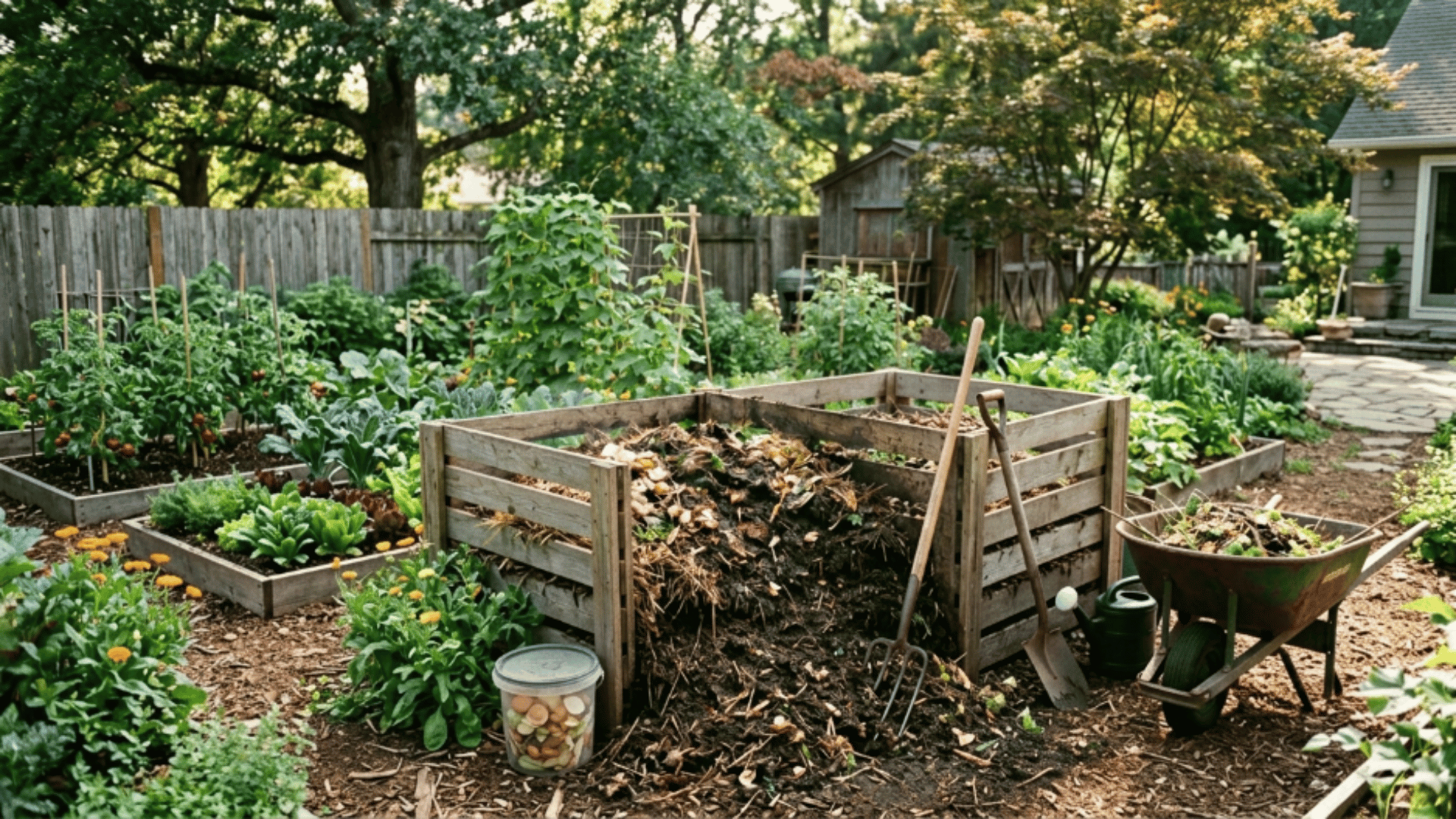

Getting into composting is a great step, but it often leads to one simple question: How long does it take to make compost?
The timeline can vary quite a bit depending on your setup and how you maintain it. While some methods work faster, others take their time.
Understanding these differences can save you a lot of guesswork.
We’ll look at how long it takes to make compost and what factors play the biggest role in speeding things up or slowing them down.
What Is Compost and What are Its Uses?
Compost is organic material that has broken down into a nutrient-rich soil-like substance.
It’s made from everyday waste like food scraps, leaves, and garden clippings, and over time, these materials decompose with the help of microorganisms.
The end result is a natural fertilizer that improves soil health and supports plant growth. Compost is widely used because it:
- Adds nutrients to soil, helping plants grow stronger
- Improves soil structure and helps retain moisture
- Reduces the need for chemical fertilizers
- Helps recycle kitchen and garden waste
- Supports healthy plant roots and overall garden health
How Long Does Composting Take?
Composting time can vary depending on how you manage the process and the method you use.
On average, fast composting can take around 2 to 3 months if conditions are well maintained, such as proper moisture, regular turning, and the right mix of materials.
A more moderate approach usually takes 3 to 6 months, while slower methods like cold composting can take 6 to 12 months.
In simple terms, how long it takes depends on factors such as the composting method, the types of materials added, and how consistently you maintain the pile.
Factors That Affect Composting Time
How quickly compost forms depends on a few key factors, and even small changes in these can speed things up or slow them down.
Paying attention to these helps you get better results without much guesswork.
1. Type of Composting Method
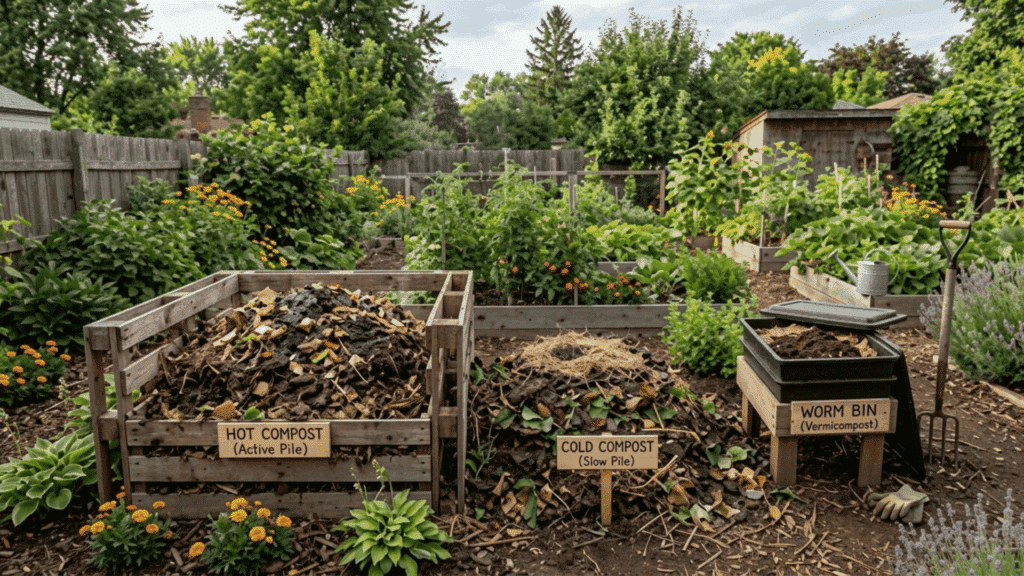
The speed of composting depends on several key factors, each of which affects how quickly materials break down.
The composting method you use has a direct impact: hot composting works faster by generating higher internal heat, while cold composting takes longer but requires less effort.
Vermicomposting, which uses worms, is also an efficient way to break down kitchen waste, especially in smaller spaces.
2. Materials Used (Green vs Brown)
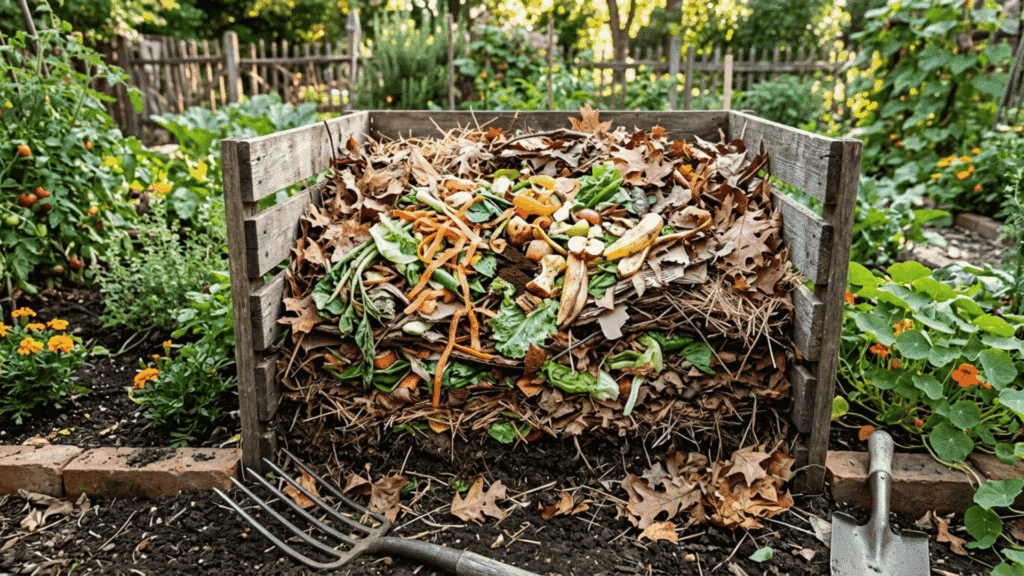
The materials you add are just as important, since a balanced mix of green materials like food scraps and brown materials like dry leaves helps maintain proper decomposition.
Too many greens can make the pile soggy and lead to odor issues, while too many browns can slow things down due to a lack of nitrogen.
Breaking materials into smaller pieces can also speed up the process.
3. Moisture Levels
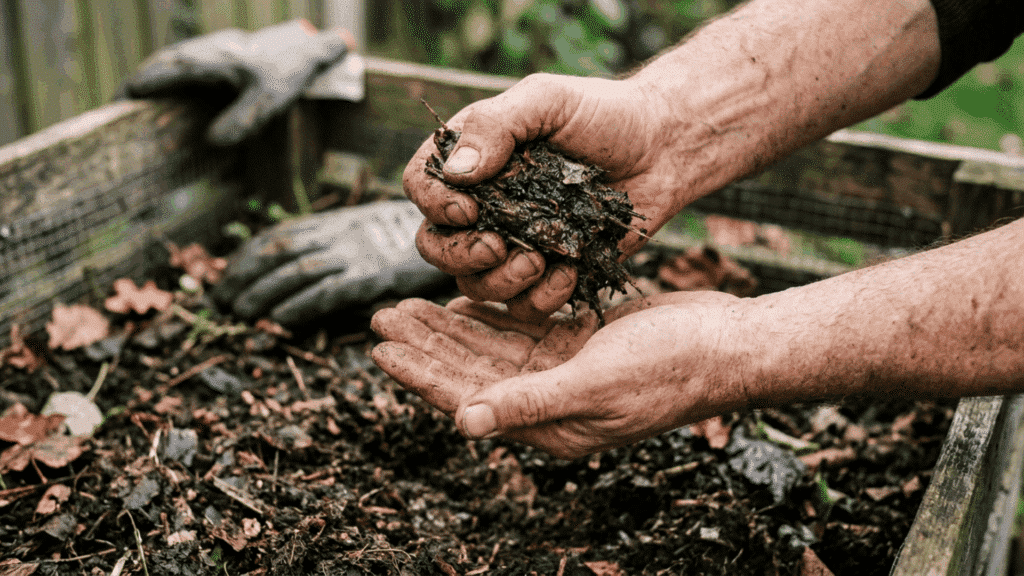
Moisture levels need to be carefully maintained, with compost kept damp like a squeezed sponge.
Too much moisture can reduce airflow and cause a slow, unpleasant-smelling pile, while dry compost can stop breaking down altogether.
Regularly checking moisture helps keep the process on track.
4. Oxygen and Turning Frequency
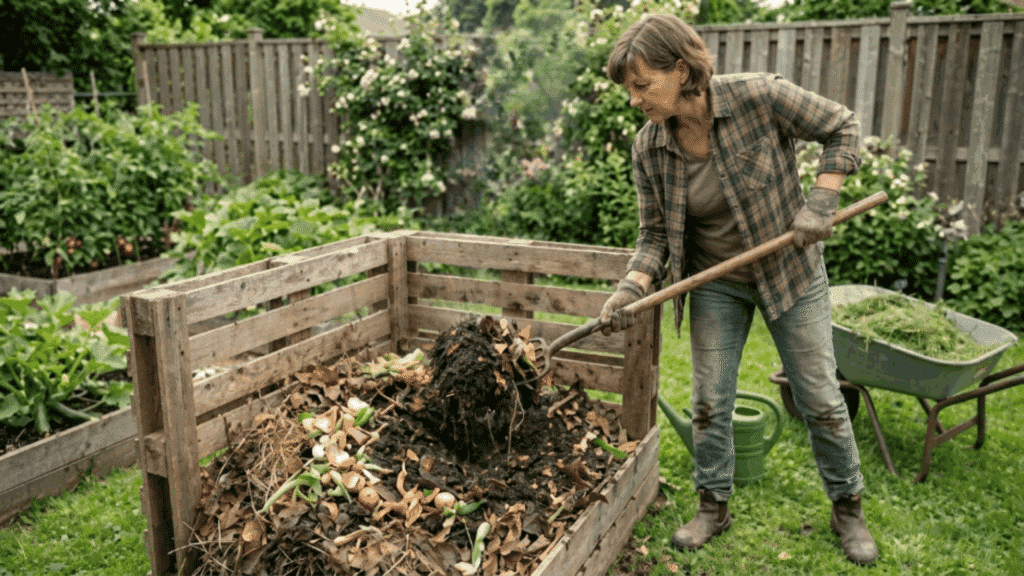
Oxygen is another key factor, as microorganisms need it to efficiently break down organic matter.
Turning the pile every few days or weeks improves airflow and speeds decomposition, whereas an untended pile can become compacted, slowing the process.
Good aeration also helps prevent bad odors.
5. Temperature
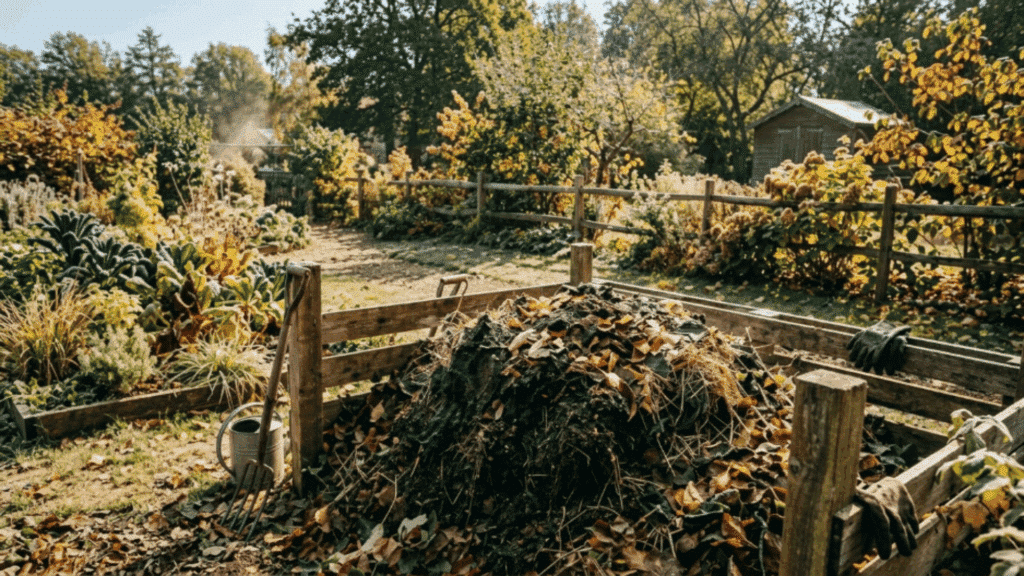
Temperature also plays a major role, as higher temperatures increase microbial activity and accelerate composting.
Hot compost piles break down materials much faster, while cold weather can slow the process, especially in outdoor setups.
Keeping the pile balanced and active helps maintain a steady temperature and consistent progress.
Different Composting Methods and Their Timelines
Different composting methods come with different timelines, and the right choice depends on how much time and effort you’re willing to put in.
| Method | Time Required | Key Features |
|---|---|---|
| Hot Composting | 2–3 months | Fastest method, requires regular turning, monitoring, and proper balance of materials |
| Cold Composting | 6–12 months | Slowest method, very low effort, adds waste over time with minimal maintenance |
| Vermicomposting | 3–6 months | Uses worms to break down waste, suitable for indoor or small spaces |
| Compost Tumblers | 2–4 months | Faster than traditional piles, easy to turn, more controlled environment |
How to Tell When Compost Is Ready (And How to Speed Things Up)
Knowing when your compost is ready and how to speed up the process can make the whole process more efficient, especially if you’re trying to figure out how long it takes to make compost.
While timelines can vary, recognizing the right signs helps you know when your compost is actually usable, rather than guessing. Finished compost is easy to identify once you know what to look for.
It should have a dark, crumbly texture, an earthy smell, no visible food scraps, and a cool temperature, showing that the breakdown is complete.
If your compost is taking longer than expected, a few simple steps can help speed it up and reduce the overall time:
- Chop materials into smaller pieces so they break down faster
- Maintain the right balance of green and brown materials
- Turn the pile regularly to improve airflow
- Keep moisture balanced, similar to a damp sponge
- Add compost starters if needed to boost microbial activity
Common Mistakes to Avoid
Composting is simple to start, but small mistakes can slow down the process and affect the final result, especially when you’re trying to understand how long it takes to make compost.
- Adding too many food scraps without enough dry materials
- Ignoring the balance between green and brown materials
- Not turning the compost pile regularly
- Letting the compost get too wet or too dry
- Throwing in non-compostable items like plastic or oily food
- Using large, uncut waste that takes longer to break down
- Not paying attention to airflow and aeration
- Expecting quick results without proper maintenance
Final Thoughts
Composting doesn’t follow a fixed timeline, which is important to keep in mind when considering how long it takes to make compost.
The process depends on how you manage your pile, the materials you use, and how consistently you practice basic care.
While some methods give results in a few months, others take longer but need less effort.
The key is balance and regular attention. Once you understand how long it takes to make compost and what affects it, it becomes easier to get better results and turn everyday waste into useful compost.
Frequently Asked Questions
What Is the Fastest Way to Make Compost?
Hot composting is the fastest method, using a balanced mix of greens and browns, small chopped materials, and good moisture. Turning the pile regularly keeps oxygen flowing and speeds up decomposition.
Can You Flip Compost Every Day?
Yes, daily turning increases oxygen and can speed up composting, especially in hot piles. However, every few days is usually sufficient, less labor-intensive, and still effective.
Which Vegetables Don’t Like Compost?
Root vegetables like carrots and radishes can struggle in overly rich, compost-heavy soil. Too much compost may cause misshapen roots or excessive leaf growth instead of proper root development.

With a Master’s in Landscape Architecture from the University of Virginia, Sophia Stephenson has dedicated the last 20 years to creating and maintaining vibrant outdoor spaces. Her professional journey started in landscape design, where she gained a reputation for innovative and sustainable approaches. Sophia became a part of our editorial team as a freelancer in 2019, offering a fresh perspective on outdoor living. Since 2020, she has been the chief for our outdoor design content, blending aesthetic appeal with environmental stewardship. In her leisure time, Sophia is a keen photographer, capturing the beauty of natural landscapes, a hobby that complements her professional expertise.