
A well-designed outdoor space does more than improve curb appeal. It creates an area where homeowners can relax, entertain, cook, gather, and enjoy more of their property throughout the year. In many Pacific Northwest neighborhoods, outdoor areas need to be built with both function and weather in mind. Rain, drainage, soil movement, and everyday use all play a role in how long a patio, pathway, retaining wall, or outdoor living area will last.
That is why paver patios and hardscapes continue to be popular choices for homeowners who want a more durable and finished outdoor space. Unlike basic lawn areas or temporary gravel sections, hardscape features help define the yard, improve access, and create usable spaces that feel intentional.
Why Paver Patios Are a Practical Outdoor Upgrade
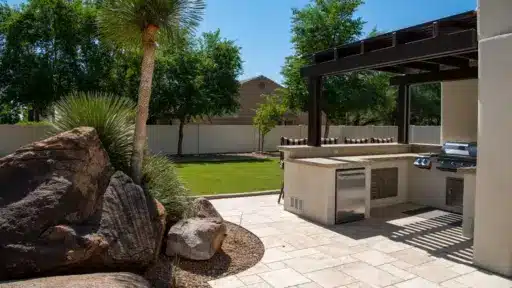
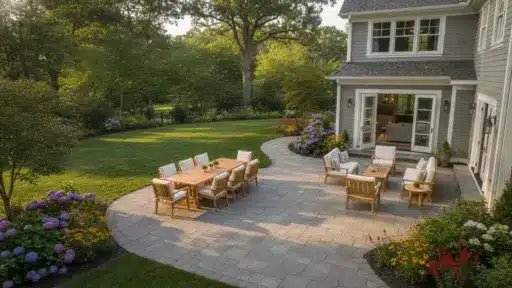
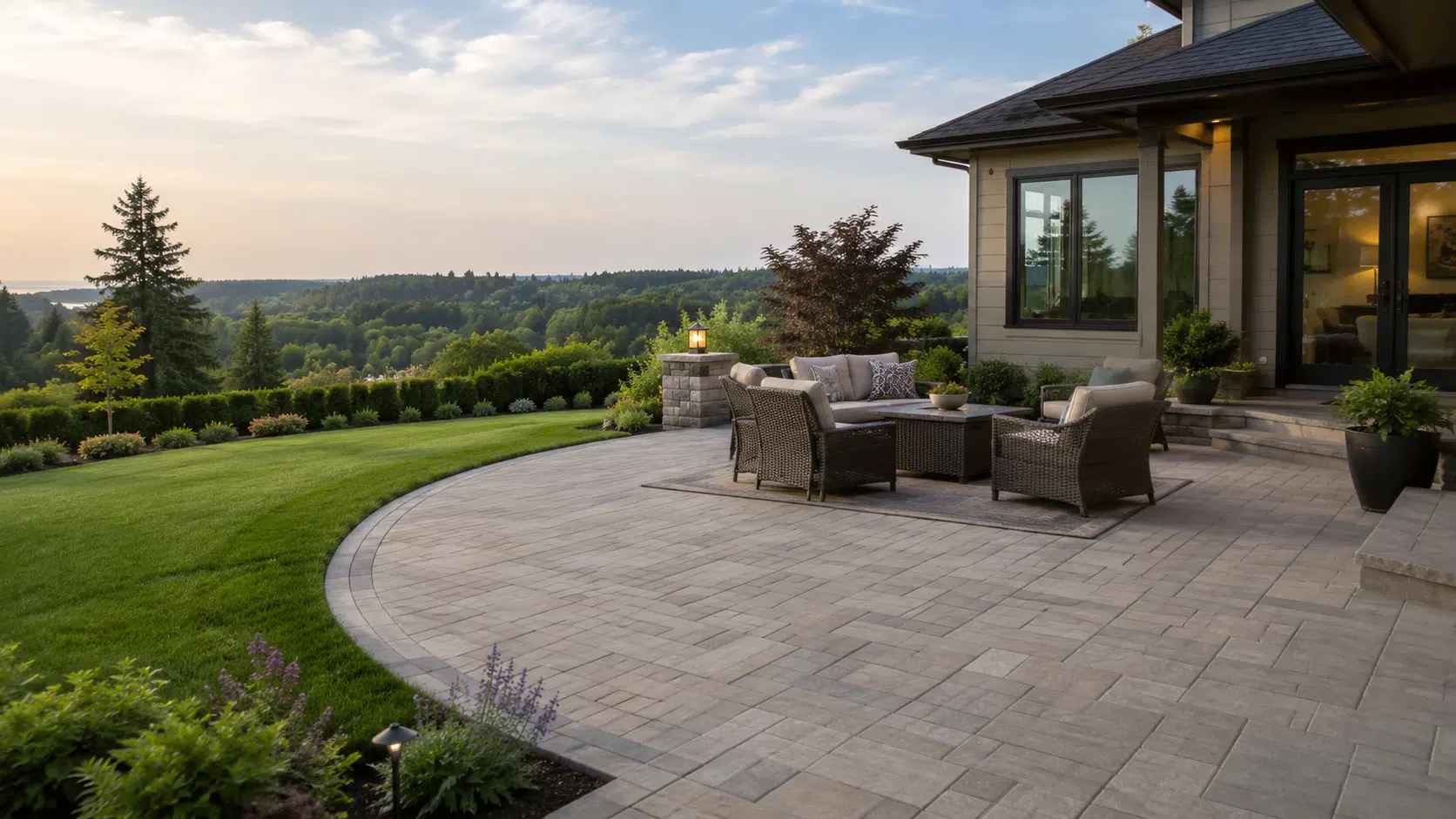
A paver patio can turn an underused backyard area into a comfortable extension of the home. Instead of dealing with muddy grass, uneven ground, or a small concrete slab, homeowners can create a defined space for seating, dining, grilling, or a fire pit.
Pavers are also flexible from a design standpoint. They come in different sizes, colors, textures, and laying patterns, making it easier to match the style of the home and surrounding landscape. A modern home may look best with clean, large-format pavers, while a more traditional yard may benefit from a warmer, natural stone look.
Another major benefit is repairability. If a section of a paver patio settles or becomes damaged, individual pavers can often be lifted and reset instead of replacing the entire surface. This makes pavers a strong option for homeowners who want something that looks polished but can still be maintained over time.
For homeowners planning a backyard upgrade, working with a contractor that understands proper base preparation, grading, and drainage is important. A patio is only as strong as what sits underneath it, which is why professional paver patio installation in Redmond, WA should focus on excavation, compacted base material, edge restraint, and proper slope for water runoff.
Hardscapes Help Organize the Entire Yard
While patios are often the centerpiece, hardscaping includes much more than one sitting area. Walkways, retaining walls, stone steps, seating walls, borders, gravel areas, and fire pit spaces all help create structure in a yard.
Without hardscape elements, an outdoor area can feel unfinished or difficult to use. A sloped yard may need stairs or retaining walls. A side yard may need a clean walkway to improve access. A backyard may need a defined patio, seating zone, or gravel transition area to reduce mud and wear.
Hardscapes can also solve practical problems. For example, a retaining wall can help manage grade changes and create more level usable space. A walkway can protect the lawn from foot traffic. Edging can separate planting beds from turf or patio areas. When designed together, these features make the yard easier to move through and easier to maintain.
Drainage Matters in Wet Climates
In areas with frequent rain, drainage should be part of the planning process from the beginning. Poor drainage can lead to puddling, shifting, erosion, moss growth, and premature wear. A patio or walkway that looks good on day one may fail sooner if water is not directed properly.
Good hardscape planning considers slope, soil conditions, downspouts, nearby planting beds, and where water naturally moves through the property. In some cases, drainage rock, base material, channel drains, or adjusted grading may be needed to keep water away from structures and high-use areas.
This is especially important for patios placed near the home. Water should not be directed toward the foundation, siding, or crawlspace. A proper patio design should help manage runoff while still creating a level and comfortable surface for daily use.
Creating Outdoor Living Areas That Feel Connected
The best outdoor spaces feel connected to the way people actually use their homes. A patio right off the back door may be ideal for outdoor dining. A fire pit area may work better slightly farther into the yard. A walkway may need to connect the driveway, gate, patio, and garden areas.
Instead of adding one feature at a time without a larger plan, homeowners often get better results by thinking about the full layout. Where will people sit? Where will they walk? Where will furniture go? Will the area need lighting, planting beds, privacy screening, or access to a grill?
These details help turn a simple hardscape project into a more functional outdoor living space. Even small yards can feel larger and more useful when the layout is organized correctly.
Choosing Materials That Fit the Property
The right material depends on the home, budget, site conditions, and intended use. Concrete pavers are common because they are durable, versatile, and available in many styles. Natural stone can create a more organic look, although it may require a different installation approach. Gravel, block walls, slab pathways, and stone borders may also be used depending on the project.
Color and texture matter too. A patio should complement the exterior of the home rather than compete with it. Lighter pavers can brighten shaded areas, while darker tones may create contrast. Textured surfaces can add visual interest and help with traction.
The goal is to choose materials that look good, perform well, and make sense for the way the space will be used.
Maintenance and Long-Term Care
Paver patios and hardscapes are relatively low maintenance, but they are not maintenance-free. Sweeping, occasional rinsing, weed control, joint sand touch-ups, and cleaning can help keep the surface looking good. In shaded or damp areas, moss and algae may need to be managed more often.
Homeowners should also watch for settling, drainage issues, or loose edge restraints over time. Addressing small problems early can prevent larger repairs later. With proper installation and regular care, hardscape features can remain functional and attractive for many years.
Final Thoughts
Paver patios and hardscapes are more than decorative upgrades. They can improve the way a yard functions, reduce maintenance issues, create better outdoor access, and add usable living space. Whether the goal is a backyard patio, a walkway, a retaining wall, or a complete outdoor living area, the best results come from thoughtful planning and proper installation.
For homeowners who want a more finished and usable yard, professionally designed hardscapes in Redmond, WA can help bring structure, durability, and long-term value to the property.

Robert Thompson, a proud alum of the University of Oregon with a degree in Landscape Architecture, has been a leading figure in outdoor space enhancement for over 17 years. He started his career with a landscape design firm, gaining invaluable experience creating functional and attractive outdoor living areas. Robert joined our website in 2018, where he quickly became known for his innovative yet practical advice on outdoor renovations. He has been the chief editor of our deck and patio section ever since then, helping readers transform their outdoor spaces into personal retreats. When not drafting designs or writing, Robert is an avid kayaker, often drawing inspiration from nature for his creative projects.