
Have you ever started a home renovation thinking it would be simple, only to realize halfway through that everything costs more and takes longer? Renovation has become a mix of planning, timing, and patience, especially with rising material prices and shifting trends. In this blog, we will share how to plan a home renovation from start to finish in a way that keeps things clear and manageable.
Setting Clear Goals Before You Begin
Every renovation should start with a clear purpose. Without it, projects tend to drift, budgets stretch, and decisions become harder. Ask yourself what you want to change and why it matters. Are you improving comfort, fixing damage, or preparing to sell? Each goal leads to different choices.
Write down priorities and separate needs from wants. Fixing structural issues or outdated systems should come before cosmetic upgrades. This order keeps the project grounded and prevents wasted effort. It also reflects current market behavior, where buyers value homes that feel complete and functional rather than flashy but unfinished.
Building a Realistic Budget and Timeline
Costs have changed a lot in recent years. Supply chain issues and labor shortages have pushed prices higher, which means underestimating your budget can quickly create problems. A strong plan accounts for these shifts and includes a buffer for unexpected expenses.
Break your budget into categories. Materials, labor, permits, and contingency funds should all be listed clearly. Keep at least ten to fifteen percent aside for surprises because something always comes up.
During this stage, it also helps to connect with reliable professionals early. For major structural work, including roofing, working with a trusted roof replacement company gives you a clear picture of costs, timelines, and material options. This early input helps you avoid guesswork and align your budget with real-world pricing.
Timelines should remain flexible. Even with careful planning, delays can happen due to weather, material availability, or scheduling conflicts. Building extra time into your plan reduces stress and keeps the project moving forward.
Designing a Plan That Works in Real Life
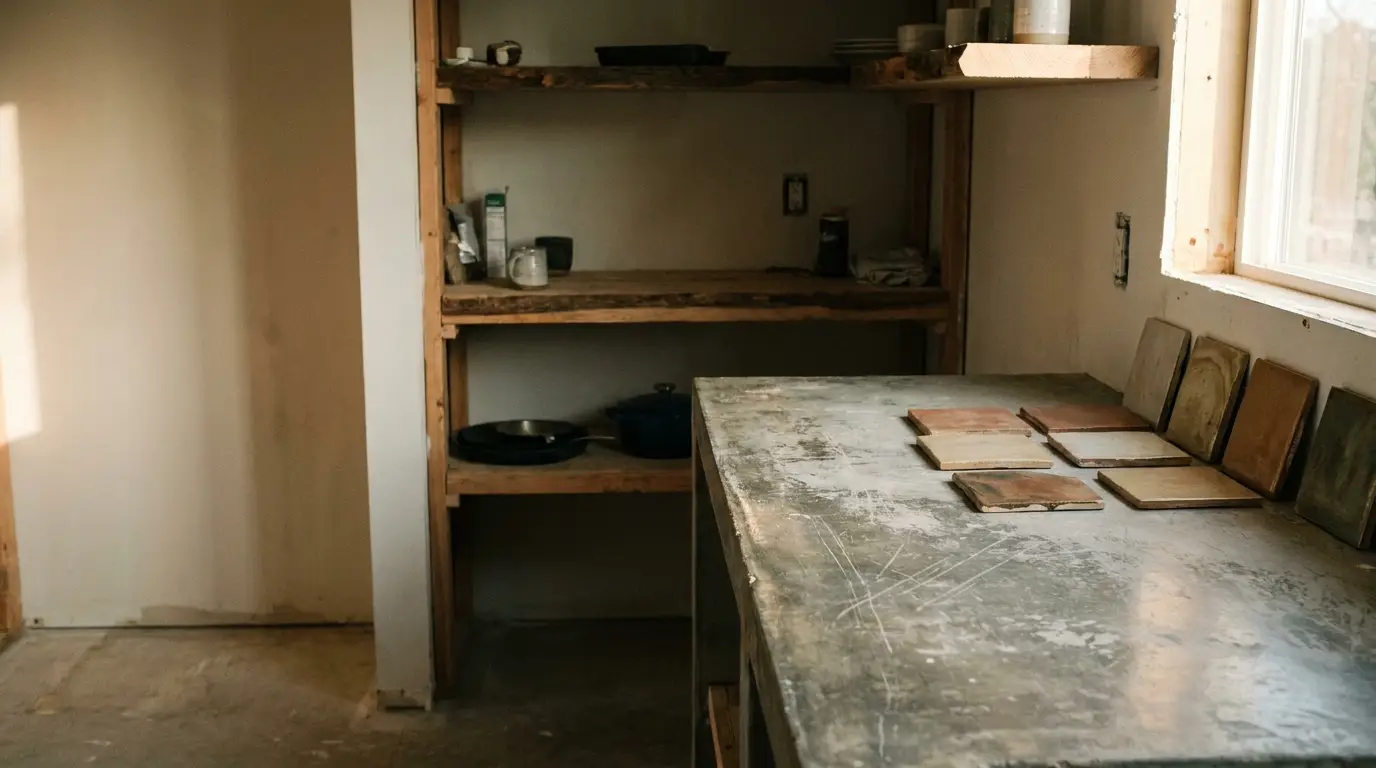
Design is where ideas take shape, yet it is easy to get carried away. Online platforms are full of inspiration, but not every idea fits your space or budget. The goal is to create a design that works for your daily life rather than chasing trends that may not last.
Start by looking at how you use each space. A kitchen used for daily cooking needs durability and function, while a guest room may focus more on comfort. Matching design choices to real use keeps the renovation practical.
Choose materials that balance cost and longevity. Cheaper options may save money upfront but often require replacement sooner. Investing in durable materials reduces maintenance and adds long-term value.
It also helps to keep layouts simple. Moving walls or plumbing can increase costs quickly, so focus on improvements that work within the existing structure when possible.
Hiring the Right People for the Job
A renovation is only as strong as the team behind it. Hiring the right professionals can make the difference between a smooth process and constant setbacks. Start by researching contractors, checking reviews, and asking for references.
Meet with multiple professionals before making a decision. Compare their approach, communication style, and pricing. A lower price may seem appealing, but reliability and experience often matter more in the long run.
Clear communication is key. Set expectations for timelines, costs, and responsibilities before work begins. Written agreements help prevent misunderstandings and keep everyone aligned.
Trust also plays a role. Once you choose your team, allow them to do their work while staying informed. Constant interference can slow progress, while complete detachment can lead to missed details. Finding a balance keeps the project moving smoothly.
Managing the Renovation Without Losing Control
Once work begins, the focus shifts to managing progress. This stage often feels the most stressful because it involves noise, disruption, and constant decisions. Staying organized helps keep things under control.
Visit the site regularly and track progress against your plan. Ask questions when something seems unclear, but avoid making sudden changes unless necessary. Changes during construction can increase costs and delay timelines.
Keep all documents in one place. Contracts, receipts, and schedules should be easy to access. This organization helps you stay informed and respond quickly when needed.
Living through a renovation can also affect your routine. Plan ahead for how you will manage daily life during this time. Setting up temporary spaces or adjusting schedules reduces frustration and keeps things manageable.
Handling Setbacks Without Panic
No renovation goes exactly as planned. Unexpected issues, such as hidden damage or delayed materials, can disrupt your timeline. The key is to respond calmly and adjust your plan as needed.
When a problem arises, focus on solutions rather than blame. Work with your contractor to find the best way forward. Having a contingency budget helps you handle these situations without added stress.
Recent trends show that flexibility has become more important in home projects. With supply chains still recovering and demand for skilled labor remaining high, delays are common. Accepting this reality allows you to move forward without unnecessary frustration.
Finishing Strong and Preparing for the Future
As the project nears completion, attention shifts to final details. Walk through the space carefully and check that everything meets your expectations. Address any issues before signing off on the work.
Cleaning and organizing the space brings the renovation to life. Once everything is in place, take time to adjust and settle into the updated environment. This phase allows you to see how your choices function in daily life.
Maintenance should not be overlooked. New installations still require care, and staying on top of upkeep helps protect your investment. Keeping a simple maintenance plan ensures that your renovation continues to deliver value over time.
Planning a home renovation from start to finish involves more than choosing designs and hiring contractors. It requires clear goals, realistic expectations, and steady management throughout the process. When each step is handled with care, the result is a space that feels functional, durable, and aligned with how you live.

Holding a Master’s in Architecture from the University of Texas at Austin, Emily Rodriguez has dedicated more than two decades to the art and science of building renovation. Starting her journey in historic preservation, she developed a profound respect for blending old with new in building design. Emily became a vital part of our team in 2019, renowned for her insightful and innovative renovation tips. She has been leading our DIY home improvement series since ever since, where she shares her wealth of knowledge in turning outdated spaces into modern havens. When not engaged in writing or consulting, Emily is a passionate advocate for heritage conservation and enjoys exploring vintage architecture, a hobby that complements her professional expertise.