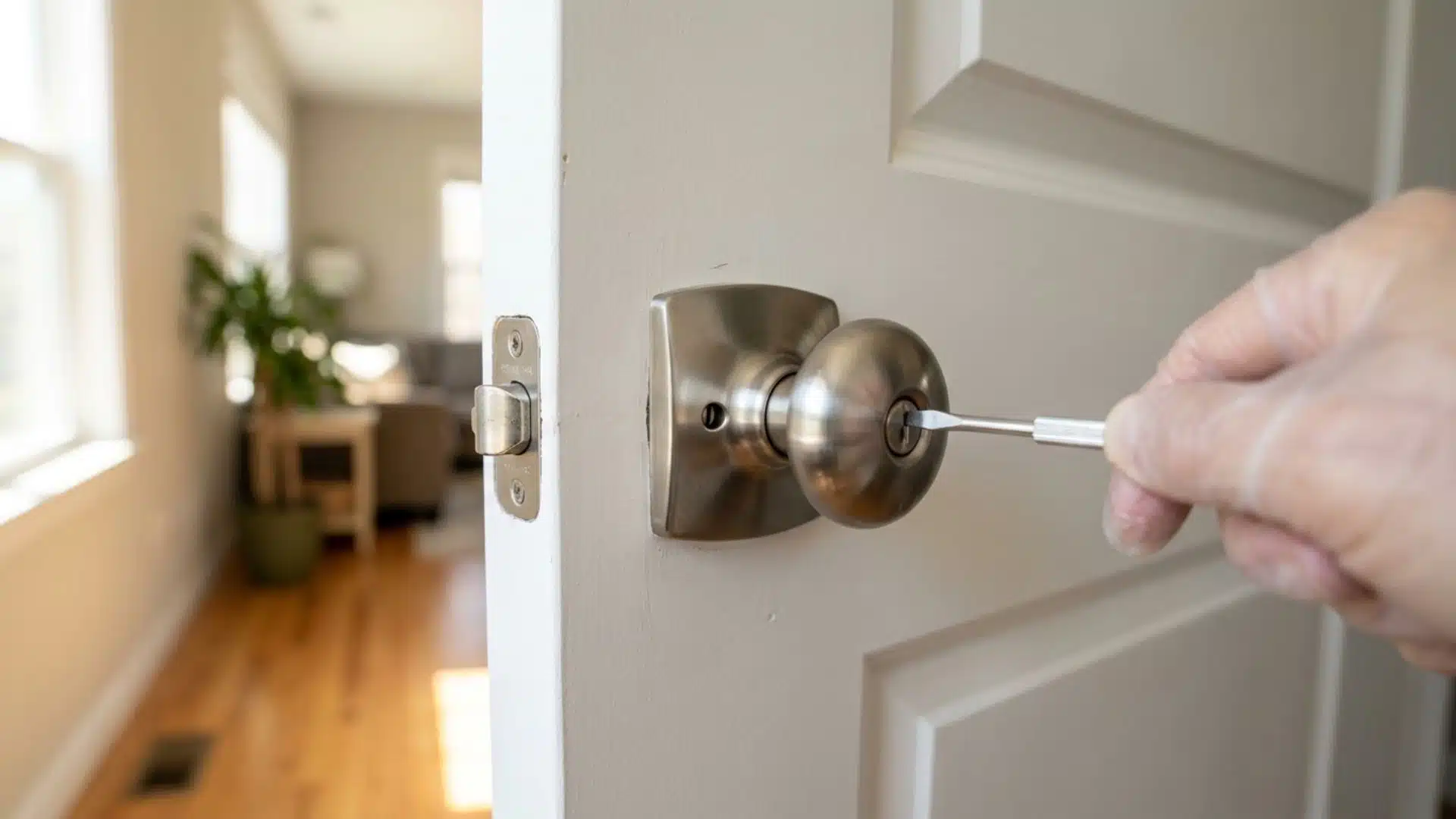

A weak door lock often goes unnoticed until the key stops turning or the latch refuses to close properly.
Small issues like these can quickly turn into security concerns, especially after moving into a new home or dealing with worn-out hardware.
Replacing a lock may sound technical at first, yet the process is far simpler than many expect. With a few tools and clear steps, a door lock can be removed and installed in less time than it takes for a typical weekend repair.
This article explains how to replace a door lock safely, choose the right lock type, avoid common fitting mistakes, and improve home security without calling a locksmith.
Why Does Replacing a Door Lock Matter?
A door lock should be replaced once it starts showing signs of wear, poor alignment, or reduced security.
Problems such as keys sticking in the lock, loose handles, rust, grinding sounds, or difficulty locking the door often indicate internal damage that can worsen over time.
Many also change locks after moving into a new house, after losing keys, after dealing with attempted break-ins, or after upgrading older hardware for stronger protection.
While small issues like loose screws can sometimes be repaired, a damaged lock, on the other hand, would require full replacement to keep the door secure and functioning properly.
Installing a new lock also improves daily convenience and gives better control over home access and safety.
Tools Required to Replace a Door Lock
| Tools | Purpose |
|---|---|
| Phillips Screwdriver | Removes and tightens deadbolt screws |
| Flathead Screwdriver | Helps remove older latch plates or trim pieces |
| Tape Measure | Checks door thickness and backset size |
| Single Cylinder Deadbolt Lock | New lock set for replacement |
| Drill Machine | Adjusts screw holes if alignment is slightly off |
| Wood Chisel | Creates extra space for the latch or strike plate if needed |
Once these tools are prepared, the replacement steps become easier to follow without stopping midway through the installation.
Checking the lock size and door measurements before fitting the new hardware can also help avoid alignment issues and improve the final result.
Step-by-Step: How to Replace a Door Lock?
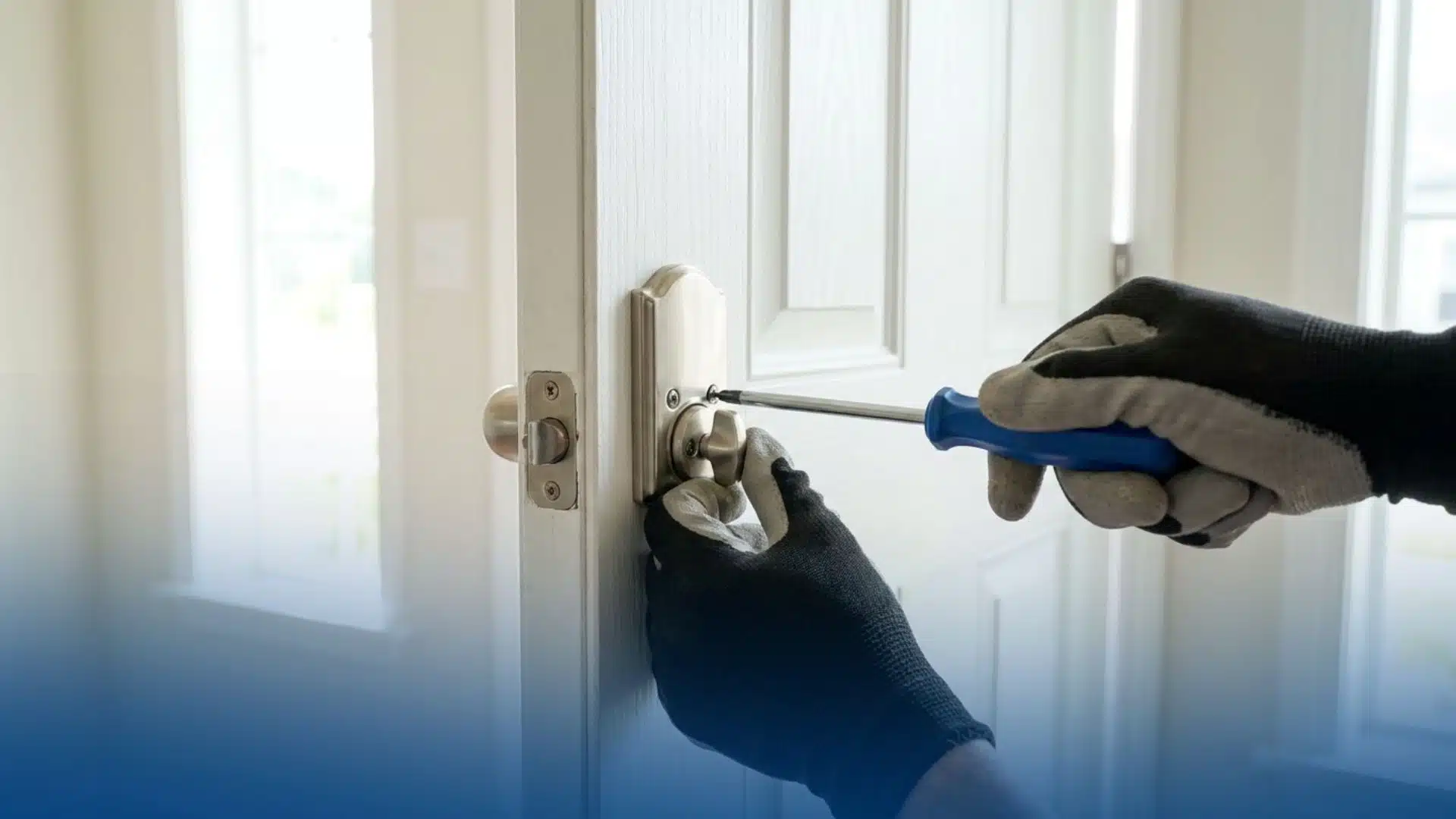
Replacing a standard door lock follows a simple process when each part is installed in the correct order. Taking time to check alignment during every stage helps the lock fit properly and work smoothly after installation.
Step 1: Remove the Inside Lock Screws
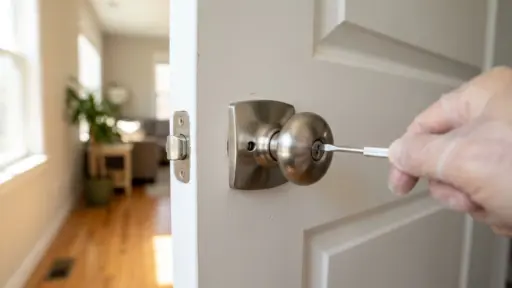
Door Lock Component: Inside Lock Screws With the help of a Philips screwdriver pen, the door fully opened before starting the removal process. Use the screwdriver to remove the screws from the interior side of the lock while supporting the outside section with one hand. Don’t remove the final screw until you’ve installed the outside handle section.
Step 2: Separate the Lock Handles
Door Lock Component: Inside Handle and Outside Handle Using a flathead screwdriver, pull both handle sections apart carefully after the screws are removed. Older locks may feel tight due to paint buildup or long-term pressure around the opening. Don’t force the handles apart using excessive pressure or sharp metal tools.
Step 3: Remove the Latch
Door Lock Component: Latch Plate and Door Latch Remove the screws securing the latch plate at the edge of the door, then slide the latch assembly out slowly. Clean away dust or loose debris before installing the new latch. Don’t leave damaged latch parts inside the opening during replacement.
Step 4: Check the Door Measurements
Door Lock Component: Main Lock Hole and Side Latch Opening Measure the backset and latch opening before fitting the replacement lock. The new latch should sit flat against the edge of the door, with no visible gaps. Don’t assume every replacement lock uses the same measurements.
Step 5: Install the New Latch
Door Lock Component: New Door Latch Insert the new latch into the opening on the edge of the door with the angled side facing the direction the door closes. Tighten the screws evenly to keep the latch centered with the help of a screwdriver. Don’t install the latch backward, since it can prevent smooth closing.
Step 6: Attach the New Lock Handles
Door Lock Component: Outside Handle and Inside Handle Using a screwdriver, place the exterior handle through the latch opening first, then align the interior section with the screw holes. Tighten the screws slowly so both sides stay level during installation. Don’t tighten one screw fully before adjusting the second screw.
Step 7: Test the Lock Before Finishing
Door Lock Component: Door Latch and Strike Plate Turn the handle and lock several times while the door stays open to confirm smooth movement. Close the door and test the alignment with the strike plate to check that the latch slides in properly. Don’t ignore stiffness, scraping sounds, or uneven latch movement during testing.
After the installation is complete, check the screws and handle movement one final time before regular use. A properly aligned lock should close smoothly, sit firmly against the door, and operate without resistance.
Replacing Different Types of Door Locks
Different door lock styles follow a similar replacement process, though some may require extra setup steps or additional tools during installation.
However, understanding these differences before starting can help the replacement process stay smooth and prevent fitting or alignment problems later.
| Door Lock Type | Main Difference During Replacement | Extra Tools Needed Beyond the Basic Tool List | Important Installation Note |
|---|---|---|---|
| Deadbolt Lock | Includes a separate locking bolt above the handle | No extra tools needed | The deadbolt should slide fully into the strike plate without resistance |
| Interior Door Lock | Uses a lighter locking system with a privacy latch | No extra tools needed | Check that the latch closes smoothly without sticking |
| Smart Door Lock | Requires battery setup and wireless connection steps | Wire Connector Tool, Mobile App Setup Device | Follow the manufacturer’s instructions carefully during pairing and setup |
Before replacing any lock type, checking the lock size and installation instructions can help avoid unnecessary adjustments during setup.
Using the correct tools and carefully aligning each component also improves lock performance and long-term reliability after installation.
Replace vs. Rekey a Lock: Which is Better?
Replacing and rekeying a lock both help improve home security, though each option serves a different purpose.
When to replace:
- If your lock feels loose, sticks often, or shows visible damage
- If you want stronger security or newer hardware
- If the lock is outdated or no longer matches the door style
A full lock replacement is the better choice when the hardware feels loose, damaged, outdated, or difficult to operate during daily use. Installing a new lock also allows homeowners to upgrade security features, improve appearance, or switch to a different lock style.
When to rekey:
- If you lost your keys or moved into a new property
- If the existing lock still works smoothly and only the access needs to change,
- If multiple locks need to use the same key
Rekeying changes the internal key pins inside the existing lock so older keys no longer work, while the outer hardware stays the same.
Rekeying often costs less than full replacement, though replacing the entire lock provides a more complete hardware update when long-term reliability becomes a concern.
Common Mistakes During Door Lock Installation
Small installation mistakes can affect how smoothly a lock works and may reduce home security over time. Paying attention to alignment, measurements, and screw pressure can help avoid unnecessary repair work later.
- Buying the Wrong Lock Size: A replacement lock that does not match the existing door opening may leave visible gaps or require additional drilling. Measuring the backset and door thickness before purchase helps avoid fitting problems.
- Over-tightening Screws: Applying too much pressure while tightening screws can affect handle movement and place stress on internal lock parts. Tighten screws evenly until the lock feels secure without resistance.
- Ignoring Door Alignment: A newly installed lock may still stick if the door frame shifts or sags over time. Testing the latch alignment before finishing the installation helps identify these issues early.
How Much Does It Cost to Replace a Door Lock?
Door lock replacement costs can vary depending on the lock type, installation method, and the door’s condition.
A simple interior door knob replacement usually costs less than installing a high-security deadbolt or a smart lock system, which often requires additional setup.
| Lock Type | Average Replacement Cost | What Affects the Price |
|---|---|---|
| Basic Interior Door Lock | $20 to $80 | Lock material and brand quality |
| Standard Deadbolt Lock | $40 to $150 | Security grade and finish type |
| Smart Door Lock | $120 to $350 | App setup, wireless features, and battery system |
| Locksmith Installation Service | $80 to $250 | Labor charges and emergency service timing |
| High-Security Lock Systems | $150 to $400 | Advanced locking features and installation complexity |
DIY installation usually costs less because labor is excluded from the total cost.
Professional locksmith services may still be necessary for damaged door frames, advanced lock systems, or alignment problems that affect how the lock functions after installation.
Tips for Better Door Security
Replacing a door lock also creates a good opportunity to improve overall home security.
- Install a high-quality deadbolt lock to improve resistance to forced entry and reduce wear from daily use. Strong metal deadbolts usually provide better long-term protection for main entry doors.
- Use longer screws for the strike plate so the hardware anchors deeper into the door frame. This helps keep the lock stable and improves door strength during impact.’
- Replace old or loose lock hardware before internal parts begin affecting lock movement and alignment. Worn components can make doors harder to secure properly over time.
- Check the door frame alignment regularly to ensure the latch enters the strike plate smoothly, without resistance. Small alignment problems can place pressure on the lock system during daily use.
- Keep spare keys in a secure location rather than hiding them near entry points, such as flower pots or doormats. Secure key storage helps reduce unauthorized access and improves overall home safety.
In situations involving damaged door frames, internal lock failures, or advanced smart lock systems, professional locksmith support may still be necessary to ensure the lock is installed securely and works correctly after setup.
When to Call a Professional Locksmith?
Some door lock problems go beyond a basic DIY replacement and may require professional repair.
A locksmith can help when the door frame is damaged, the lock opening no longer aligns correctly, or internal lock parts break during removal.
Professional support is also useful for high-security deadbolts, commercial locking systems, and smart locks that require advanced setup.
Homeowners should also contact a locksmith after break-in attempts, severe lock damage, or when keys are stuck in the cylinder.
In older homes, warped doors and worn frames can create alignment issues that continue even after a new lock is installed. A professional inspection can help identify the exact problem and prevent future issues with fitting or locking.
The Bottom Line
A properly fitted door lock does more than secure an entry point. It also helps doors close smoothly, reduces everyday wear, and prevents avoidable locking problems later.
Small details such as latch direction, screw pressure, and strike plate alignment can make a noticeable difference after installation. Taking time to check each part carefully during setup often leads to better long-term performance and fewer repairs.
Older or damaged locks should never be ignored, especially on frequently used doors around the home. Keeping door hardware in good condition remains one of the simplest ways to maintain household safety.
Save these installation tips before you start your next home lock replacement project.
Frequently Asked Questions (FAQs)
Which Type of Door Handle is Easiest for an Elderly Person with Arthritic Hands?
Lever door handles are easier for older adults with arthritic hands because they require less grip strength and minimal wrist movement.
How to Replace a Door Lock without Screws?
A door lock without the screws can usually be removed by locating the hidden release slot or detachable trim cover around the handle.
How to Change a Door Lock without a Key?
A door lock can still be replaced without the original key by removing the interior hardware and carefully separating both lock sections.
What’s the Average Price to Change a Door Lock?
The average cost to replace a standard residential door lock ranges from $20 to $300, depending on the lock type and labor.
Is It Cheaper to Call a Locksmith or Replace a Lock?
Replacing a standard door lock yourself is usually cheaper because locksmith service charges can significantly increase the total cost.

James McLaren, with a rich background in architecture from the University of Manchester, has been contributing his expertise to the world of creative construction and home innovation for over 20 years. His journey began as a project manager for a leading construction firm, where he honed his skills in bringing complex designs to life. James joined our platform as a freelancer in 2019, quickly becoming a favorite for his insightful and practical advice. He has been a pivotal force to our wing ever since, bringing our readers a blend of technical know-how and creative flair. Beyond his professional life, James is an avid woodworker and enjoys restoring vintage furniture, a hobby that complements his professional insights beautifully.