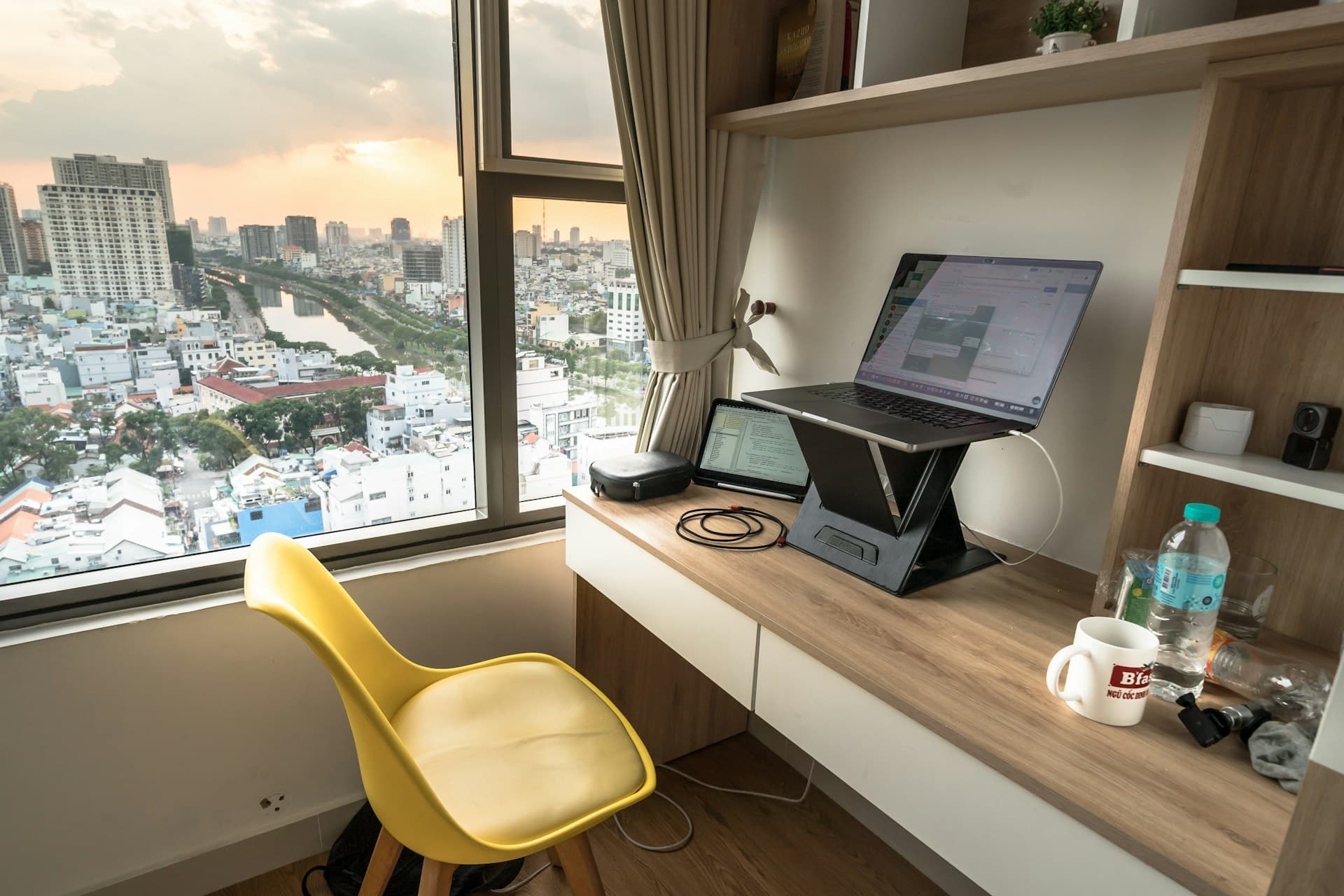

Remote workers are 13% more productive than their in-office counterparts, but that efficiency depends entirely on having a structured, dedicated workspace.
For many professionals, sacrificing an entire bedroom for a home office simply is not an option. However, you don’t need hundreds of square feet to build a highly effective environment. Transforming a dead corner of your living room or hallway into a focused work zone allows you to maintain peak output without overwhelming your home’s floor plan.
In this guide, we will explain the practical steps required to maximize small spaces and build a corner setup that easily supports a full-time remote career.
Why That Random Corner Might Be Better Than a Full Room?
Dedicating a massive room to work often invites unnecessary clutter. When you have too much floor space, you tend to fill it with oversized furniture and piles of paper. A small corner forces you to remain organized and intentional with every item you own.
Remote workers who use a tight, well-defined area pack up their tasks faster at the end of the day. A compact setup prevents your professional life from consuming your entire home, keeping your main living areas reserved purely for relaxation and family time.
Start With What the Space Can Handle
Before purchasing furniture, you must measure your available square footage. Grab a tape measure and map out the specific boundaries of your chosen corner. Pay close attention to the location of your wall outlets and the direction your interior doors swing.
We recommend sketching a quick floor plan to understand your true physical limits.
- Power Outlets: Locating these early determines if you need hidden extension cords or complex cable routing.
- Door Swings: Checking the swing path ensures your chair or desk will not block the room entrance or hit your equipment.
- Wall Studs: Finding the studs dictates where you can safely install heavy floating shelves or mount your monitors.
Buying a desk that extends beyond your wall line or completely blocks a walking path ruins the area’s functionality. Knowing your physical constraints ensures you only select pieces that fit naturally into the room.
Pick a Desk Setup That Does Not Fight the Room
Cramming a standard rectangular desk into a tight ninety-degree angle wastes valuable real estate. To maximize a small footprint, you need furniture designed specifically for the shape of your walls. Consider installing a custom floating corner desk.
By mounting the surface directly to the wall studs, you eliminate bulky wooden legs and open up the floor underneath for plenty of legroom. If you prefer freestanding furniture, an L-shaped desk provides ample surface area for multiple monitors while keeping the center of the room completely clear for foot traffic.
Light Fixes That Make the Space Feel More Usable
Dark corners drain your energy and strain your eyes during long shifts. Standard ceiling lights rarely reach the deep angles of a room, leaving your desk shadowed and uninviting. According to Richard Huang, founder of ReframeSpace, inadequate desk lighting directly reduces cognitive stamina, forcing workers to take more frequent breaks to combat headaches and visual fatigue.
To fix this, mount adjustable LED sconces on the side walls to direct bright illumination precisely onto your keyboard and paperwork. Adding a slim, clip-on monitor light bar also completely eliminates dark shadows across your primary work surface without consuming any desk space.
Storage Ideas That Keep the Area From Looking Messy
Keeping a tight work zone clean requires moving all your equipment off the main desk surface. Install tall shelving units straight up the wall to hold heavy reference books, binders, and hardware.
Using decorative storage boxes or a slim rolling cabinet hidden under the desk keeps loose papers and small supplies completely out of sight. When you give every single item a specific, enclosed home, the corner stays highly functional and visually calm throughout your busiest workdays.
How to Make a Small Corner Feel More Private
Sitting right in the middle of a shared room makes deep concentration nearly impossible. You must build physical boundaries to block out the rest of the house. Place a tall, open-backed bookcase or a freestanding slatted room divider next to your chair to cut off the direct line of sight into the living areas.
Pointing your monitor toward the wall and putting your back to the room also eliminates visual distractions. Adding a thick, heavy rug under your setup helps absorb surrounding household noise, giving your small footprint a much stronger sense of isolation.
Easy Ways to Make It Feel Like a Real Work Spot
A spare corner can easily feel like a temporary afterthought if you don’t design it with clear intent. You want the space to command the same level of respect as a traditional corporate office.
A Proper Chair
Rolling a hard wooden dining chair into your corner guarantees back pain by the end of the week. You must invest in a high-quality ergonomic seat designed specifically for eight-hour shifts. Choose a chair with a slim profile, adjustable armrests, and breathable mesh fabric. This design ensures it does not visually overwhelm the small space while still providing maximum, reliable lumbar support.
Also read: Before & After: 15 Stunning Home Additions
Better Wall Use
Leaving the walls bare around your desk makes the area feel unfinished and neglected. Hang a large whiteboard, a rolling calendar, or a framed corkboard directly above your monitors. This simple addition pushes your important daily tasks right into your direct line of sight. It also immediately signals to everyone else in the house that this specific zone serves a serious, ongoing professional purpose.
Cable Cleanup
Tangled power cords dragging across the floor instantly ruin the look of any workspace. Mount a heavy-duty power strip directly under your desk and use zip ties to bundle your loose wires. Routing these primary cables through a hidden sleeve or a wall channel keeps the floor entirely clear, giving the corner a clean, premium appearance that rivals a traditional office.
A Few Personal Touches
While you must avoid heavy clutter to preserve your limited desk space, leaving the area entirely sterile makes the daily grind feel punishing. Add one or two meaningful items to boost your mood each day. Placing a small, low-maintenance potted plant next to your laptop or hanging a framed piece of art brings life to the corner, making it an inviting place you look forward to returning to every single morning.
What to Do if the Corner Is Part of a Bedroom or Living Room
When your workspace sits inside a room designed for sleeping or watching television, you risk blurring the lines between your professional and personal life. Establish a strict physical and visual separation. Paint the walls of your workspace a slightly different shade than the rest of the bedroom to define the zone.
If painting is not an option, place a large area rug under the desk to anchor the space. At the end of the day, shutting down your computer and turning off your desk lamp signals to your brain that the workday is over, preventing your job from invading your relaxation time.
Common Mistakes That Ruin a Good Setup
Setting up a tight workspace requires precision. A few wrong choices will quickly turn a productive nook into an uncomfortable and frustrating environment.
Ignoring Ergonomics
Many people prioritize visual appeal over physical support, leading to severe back pain. Squeezing a tiny decorative stool under a low desk severely compromises your posture. Measure your desk height and chair clearance carefully to guarantee a supportive, comfortable seating position for long shifts.
Blocking Natural Light
Pushing tall furniture directly in front of the only window darkens the entire room and causes eye strain. You must position your monitors and tall shelving units strategically to allow sunlight to flow freely across your desk surface without creating a harsh glare on your screens.
Forgetting About Backgrounds
Taking video calls with a messy bed or a chaotic living room behind you looks highly unprofessional. Check your camera angle and framing your shot so colleagues only see a blank wall, a tidy bookshelf, or a simple piece of art during important meetings.
Related: 15 Luxury Exterior Upgrades for Your Home
Can a Small Corner Still Work for Full-Time Remote Work?
A compact area absolutely supports a rigorous full-time schedule. Success depends on deep organization rather than total square footage. When you set strict physical boundaries and optimize your vertical storage, a small desk can handle eight-hour shifts effortlessly.
Highly effective remote professionals often prefer smaller setups because the limited footprint demands a strict cleaning routine and prevents unnecessary distractions from piling up.
What Matters More, Comfort or Looks?
Physical comfort must always take priority over visual appeal. A stunning vintage chair ruins your week if it provides zero lumbar support. You must secure a supportive seat, proper monitor height, and adequate lighting before worrying about matching wood finishes or trendy paint colors.
Once you meet your foundational physical needs, you can upgrade the aesthetics to make the space feel inviting. A room that looks beautiful but causes physical pain will quickly push you back to working from the living room couch.
The Bottom Line
Building a great home office doesn’t require sacrificing an entire bedroom. By claiming a quiet corner and making smart decisions about your furniture and lighting, we believe you can carve out an exceptional spot to focus.
Keeping the area organized and adding a few intentional touches turns an overlooked nook into a highly functional zone that helps you get more done. Take these layout strategies as inspiration and rethink your available space to create a professional area that supports your daily career goals.

Holding a Master’s in Architecture from the University of Texas at Austin, Emily Rodriguez has dedicated more than two decades to the art and science of building renovation. Starting her journey in historic preservation, she developed a profound respect for blending old with new in building design. Emily became a vital part of our team in 2019, renowned for her insightful and innovative renovation tips. She has been leading our DIY home improvement series since ever since, where she shares her wealth of knowledge in turning outdated spaces into modern havens. When not engaged in writing or consulting, Emily is a passionate advocate for heritage conservation and enjoys exploring vintage architecture, a hobby that complements her professional expertise.