
A good insulation job is easy to live with and hard to see. A bad one shows up in cold rooms and high bills. If you are hiring out an insulation project, here is how to tell the work is done right, during and after the install.
They Start With the Right R-Value Target
Quality work starts with the right plan. Brainerd sits in one of the coldest climate zones in the country, so the Department of Energy recommends attic insulation of R-49 to R-60, as covered in its guidance on where to insulate a home. A good contractor measures your current levels, names a target R-value for each area, and explains how the chosen material reaches it. If no one mentions R-value or a target, ask. That number drives the whole job.
They Air Seal Before They Insulate
Insulation slows heat transfer, but air sealing stops the leaks that carry heat away. A proper crew seals gaps around the attic plane, the rim joist, pipes, and wiring before adding insulation. The EPA estimates homeowners save an average of 15 percent on heating and cooling by air sealing and adding insulation together, according to ENERGY STAR. If the crew skips sealing and just lays material over leaks, the job will underperform.
They Apply Even, Full Coverage
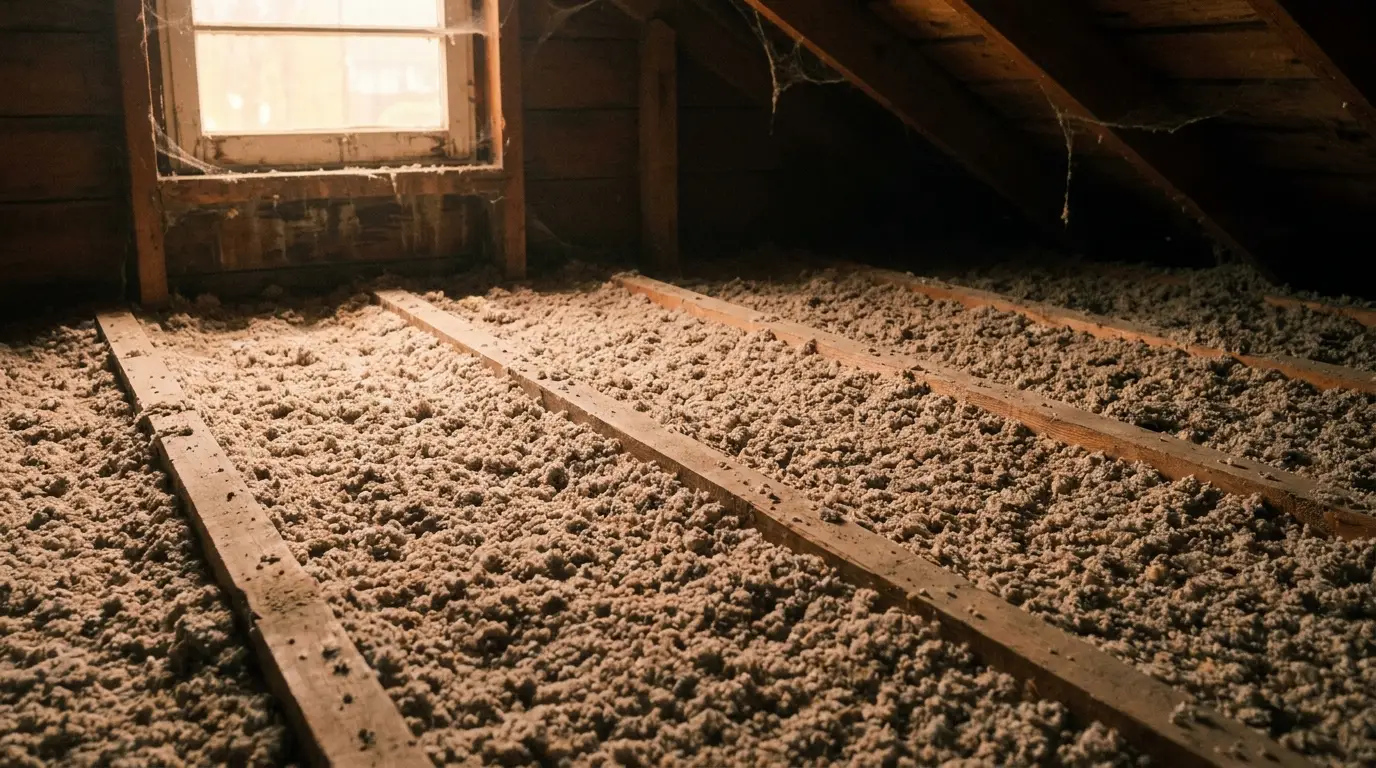
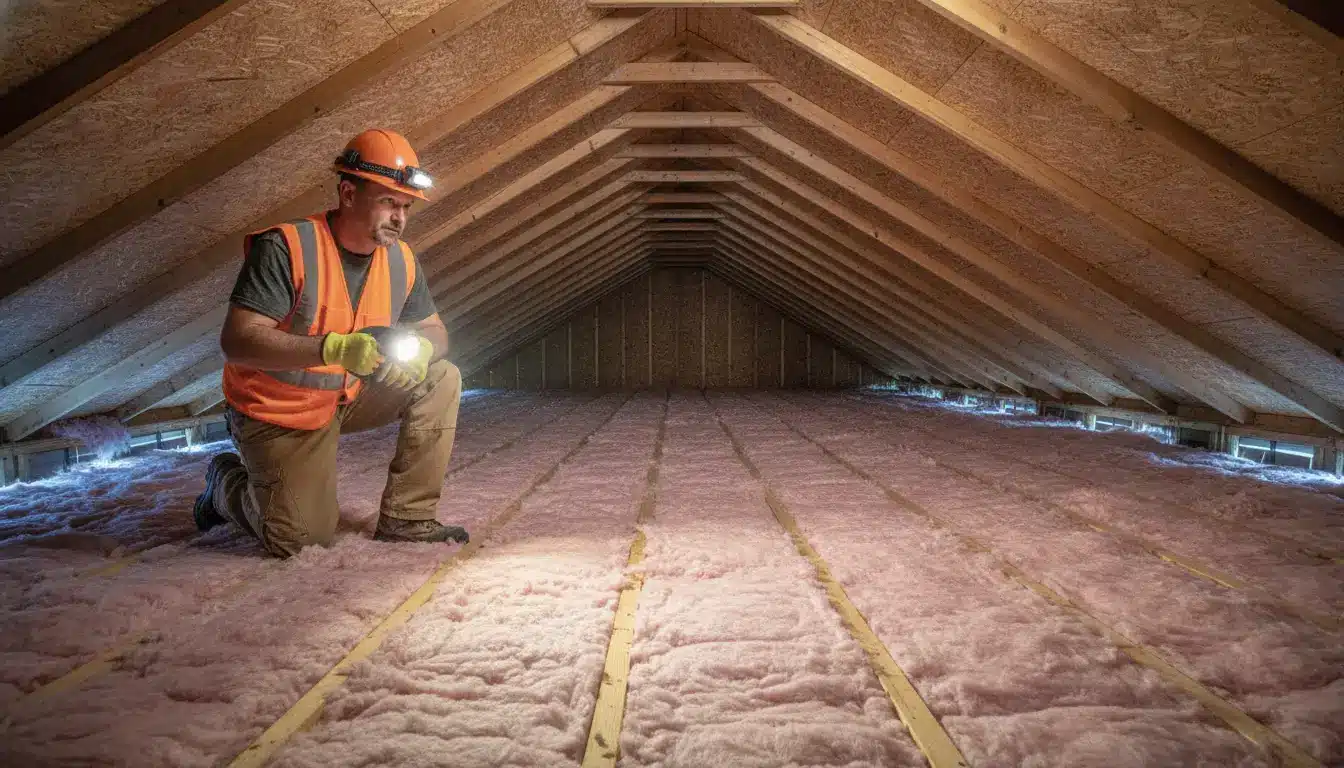
Look at the finished work. Blown insulation should sit at an even depth across the attic, with no thin spots or gaps around the edges. Batts should fit snug in each cavity, cut to fit around obstacles, never compressed or stuffed. Compressed batts lose R-value. With spray foam, the layer should be even, fully cured, and applied to the right thickness for the target R-value.
They Mind the Details
Good crews protect the parts that matter. They keep insulation clear of recessed lights that are not rated for contact. They maintain baffles at the eaves so the attic still vents. They do not bury or block soffit vents. These details prevent moisture problems and keep the roof system healthy through Minnesota winters.
Signs the Job Went Wrong
- Rooms that still feel cold or drafty in winter.
- Uneven temperatures from one room to the next.
- Energy bills that do not drop after the project.
- Thin spots, gaps, or compressed insulation you can see in the attic.
- Moisture, frost, or ice buildup in the attic.
Any of these means the job needs a second look.
Ask for the Numbers and the Warranty
A trustworthy contractor puts the scope in writing: the R-value target, the material, the thickness, and the areas covered. They explain the warranty and stand behind the work. In the Brainerd area, homeowners hire an experienced insulation contractor in Brainerd like Northland Companies for work that holds up to a real winter. For more home maintenance tips, keep a checklist of the parts of your home that need a trained eye. If your install missed any of the marks above, call for an inspection before the cold sets in.
The same principles apply whether you are evaluating insulation installation in Wisconsin or another cold-weather region: the right R-value, thorough air sealing, even coverage, and careful attention to attic ventilation all contribute to a properly insulated home.

Holding a Master’s in Architecture from the University of Texas at Austin, Emily Rodriguez has dedicated more than two decades to the art and science of building renovation. Starting her journey in historic preservation, she developed a profound respect for blending old with new in building design. Emily became a vital part of our team in 2019, renowned for her insightful and innovative renovation tips. She has been leading our DIY home improvement series since ever since, where she shares her wealth of knowledge in turning outdated spaces into modern havens. When not engaged in writing or consulting, Emily is a passionate advocate for heritage conservation and enjoys exploring vintage architecture, a hobby that complements her professional expertise.