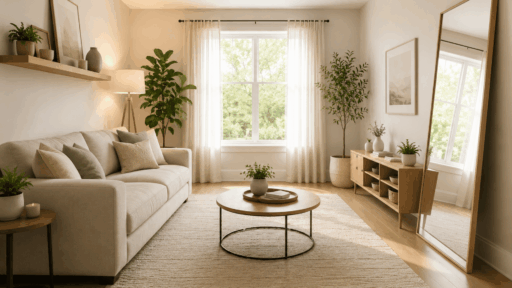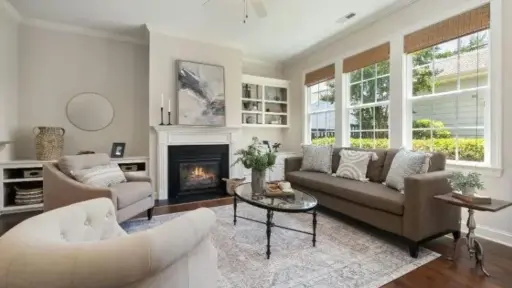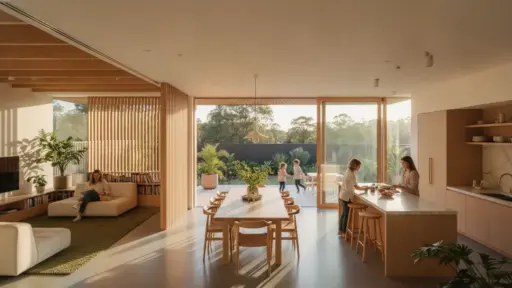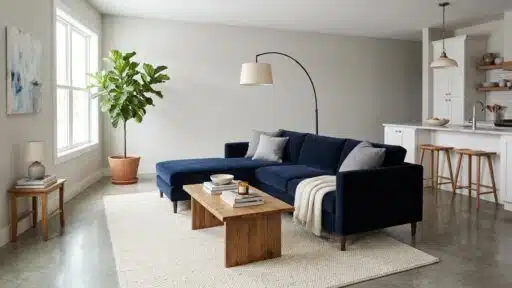
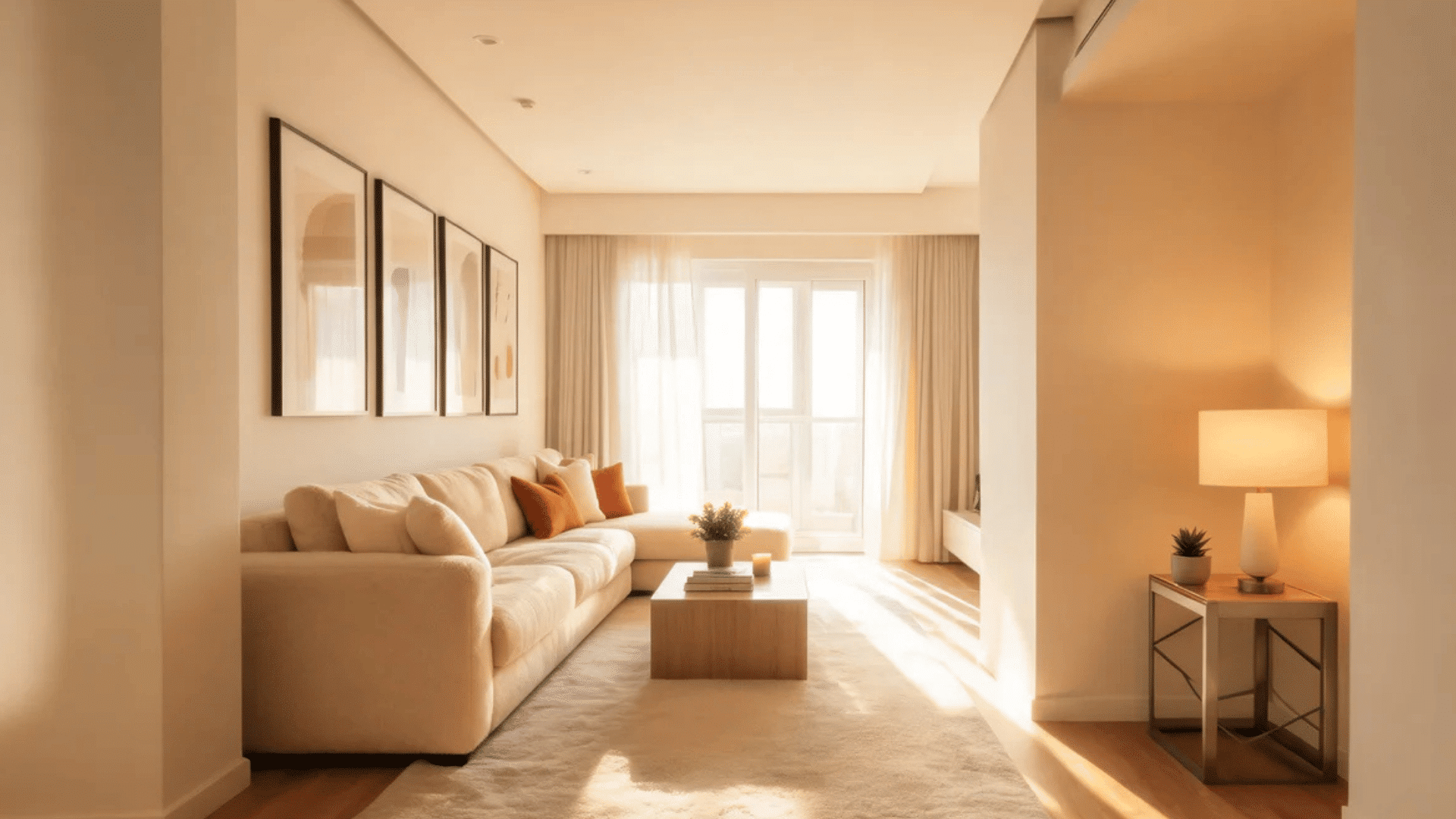

A rectangular living room sounds simple to furnish, but in practice, it can leave you stuck. Too long, too narrow, and suddenly nothing feels right, no matter how many times you rearrange.
I’ve been there. And after trying more layouts than I can count, I’ve learned that the right setup makes a real difference.
This article walks you through layout ideas for a long, narrow, rectangular living room.
I will cover everything from smart furniture placement to zoning tricks that make the space feel bigger and more functional.
Each layout is practical and easy to follow, no matter your room size or budget.
If your sofa feels out of place, your TV wall looks off, or the room doesn’t flow, you’ll find a fix here. These are layouts that real people use, and they work.
Why Layout Matters for Rectangular Living Rooms
A poor living room layout leads to awkward traffic flow, wasted corners, and a cramped feel that no amount of decor can fix.
Planning the layout first solves most of these problems before a single piece of furniture moves.
Rectangular rooms come with specific challenges. The space often feels too long on one end and too tight on the other.
Without a clear plan, furniture tends to line up against the walls, leaving a hollow and disconnected center. Using a room planner helps map out the space before committing to any arrangement.
It shows where traffic naturally moves, where seating should sit, and where dead space hides. A well-thought-out layout improves how the room functions every day, not just how it looks.
Rectangular Living Room Layouts to Try
Finding the right layout for a rectangular room takes more than moving furniture around until something sticks. These ideas give a clear starting point for making the space work better day to day.
1. Central Sofa Layout
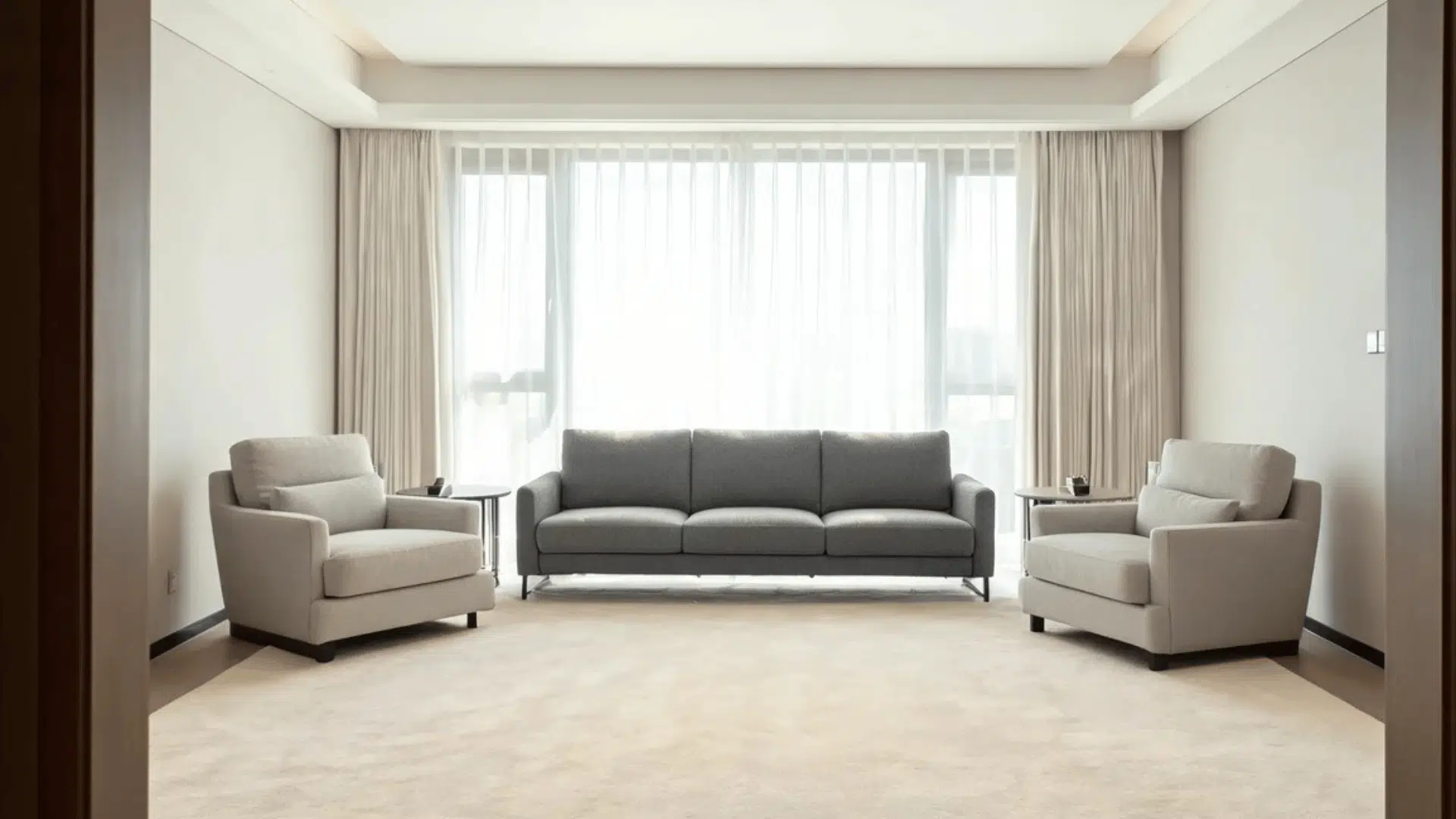
I spent two years pushing my sofa against the wall before trying this, and I wish I had done it sooner.
Moving the sofa to the center of the room opened up clear walkways on both sides and made the whole space feel more purposeful.
Chairs placed on either side completed the seating group without crowding the room.
For a long, narrow layout, this approach naturally breaks up the length and draws attention to the middle rather than the walls. It works in most room sizes.
Visual tip: Anchor the setup with a large area rug and place a coffee table directly in front of the sofa to keep the center from feeling too open.
2. L-Shaped Sofa Corner
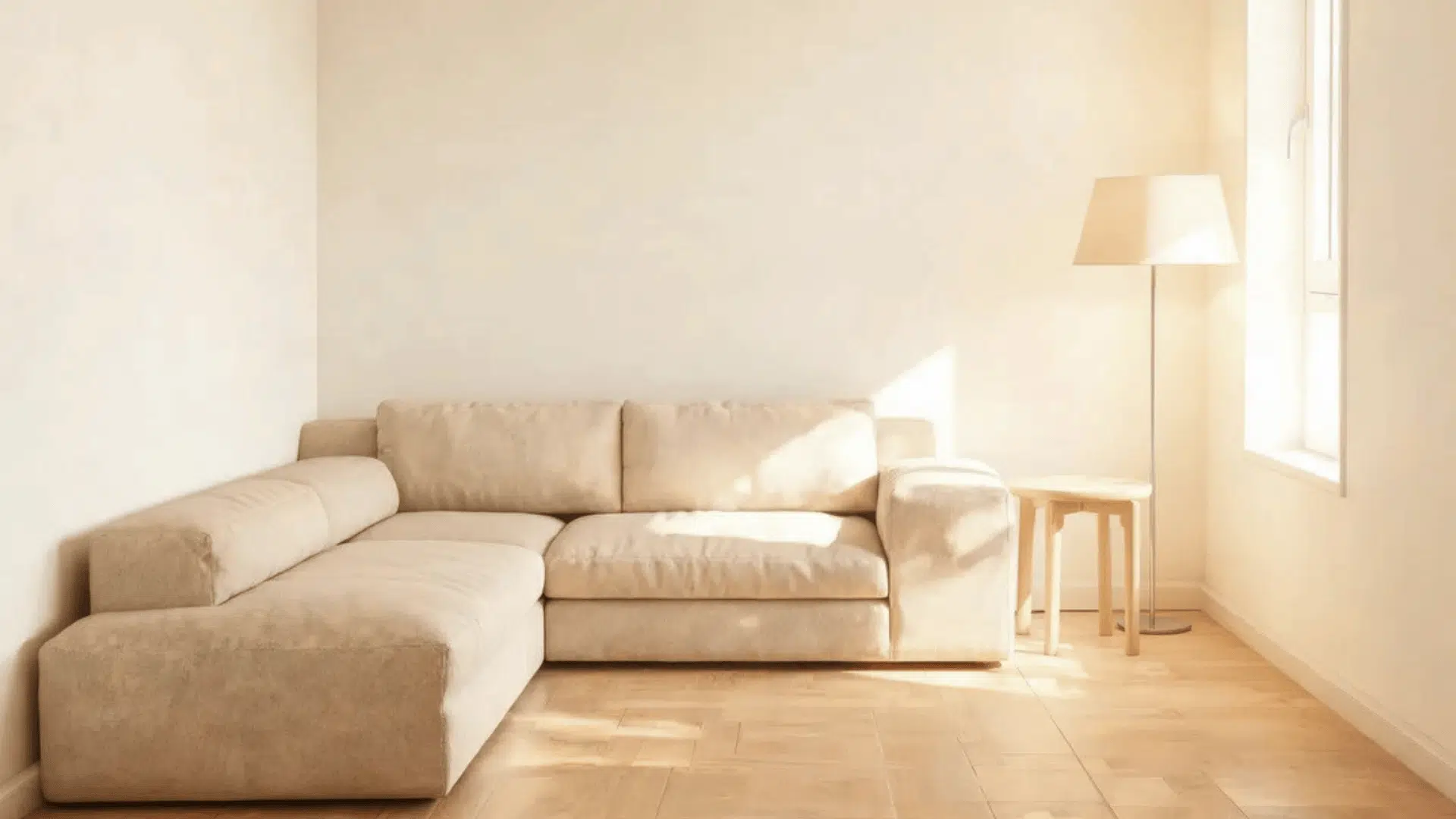
In a rectangular room, the corner space often goes unused, which is where an L-shaped sofa placement makes sense. The longer section runs along one wall while the shorter arm turns inward, framing a natural conversation area.
This keeps the center of the room open for easy movement while still fitting enough seating for a group. A side table at the open end of the sofa keeps the corner from looking unfinished.
A floor lamp nearby adds warmth without taking up floor space that the room cannot afford to lose.
3. Floating Furniture Layout
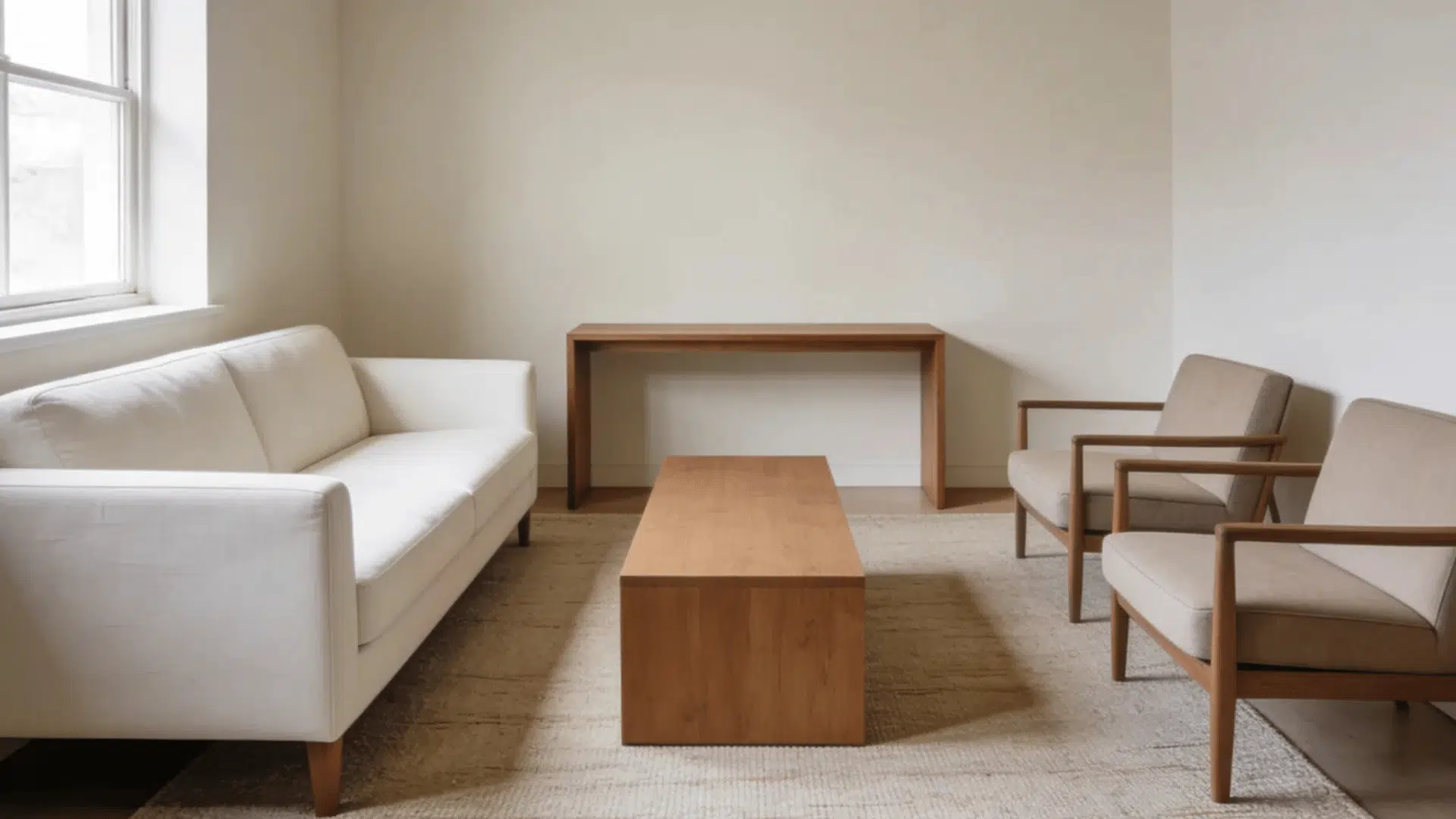
A friend of mine had a long, narrow living room that looked like a hallway no matter what she tried.
After pulling the sofa away from the wall by about a foot and a half, the room changed completely. The extra space behind the sofa added visual depth and made the room feel wider than it actually was.
She placed a slim console table in the gap to fill it without adding bulk.
This layout works well for rectangular rooms because floating furniture creates layers that break up the straight, tunnel-like feel.
Things to Know:
- Keep at least 12 to 18 inches between the sofa back and the wall.
- A slim console table or narrow shelf fills the gap without adding bulk.
4. Dual Seating Zones
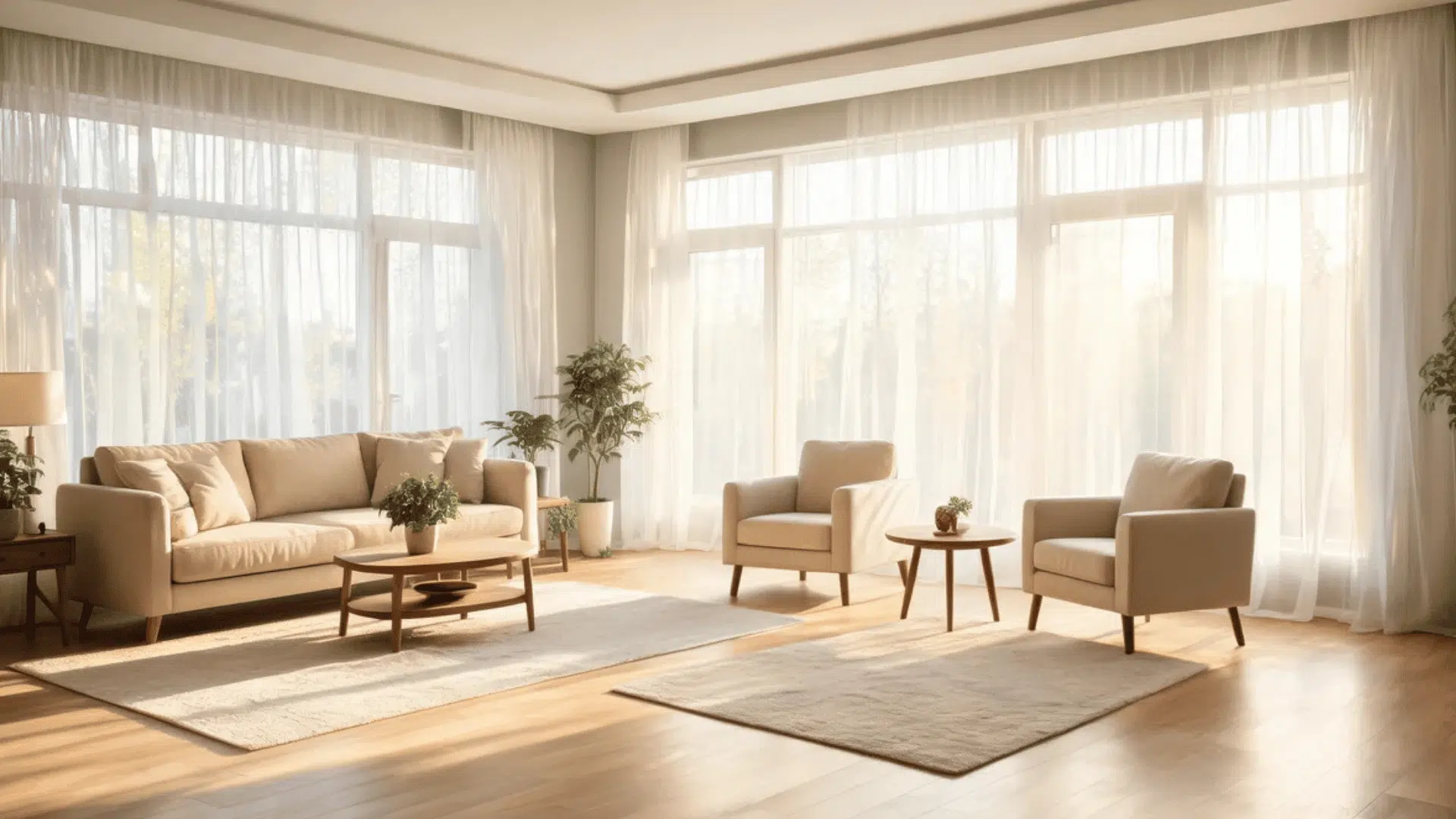
Long rectangular rooms come with a specific problem. One seating group rarely fills the space well, but adding more furniture without a plan makes things feel chaotic.
Splitting the room into two smaller zones solves this cleanly.
One end holds the main sofa and television setup, while the other holds two chairs and a small table for reading or quiet conversation.
A rug under each zone defines the areas without needing walls or dividers.
This room layout works especially well in households where different people use the space for different purposes at the same time.
5. Long Sofa Against Wall
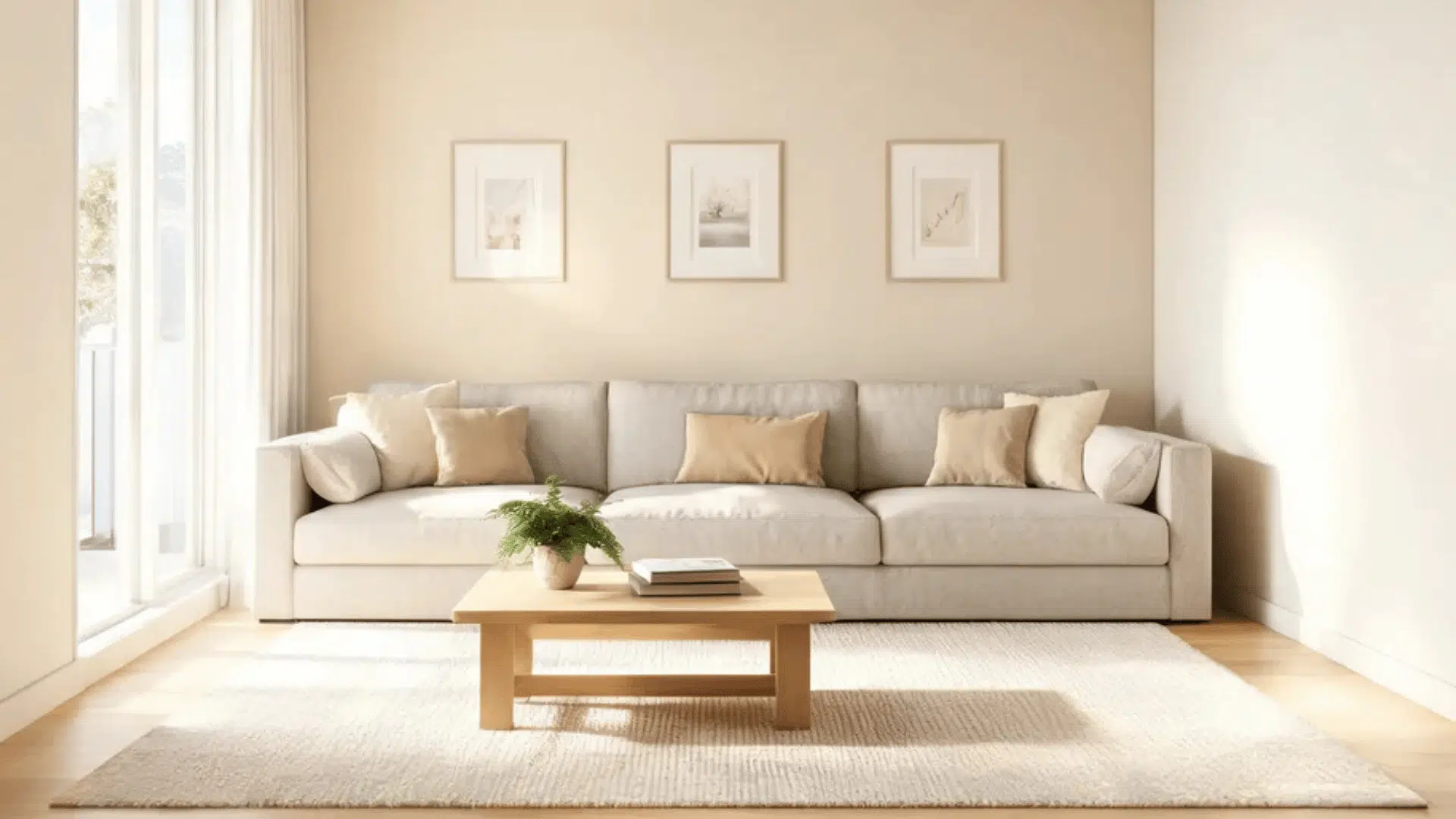
Placing a long sofa flat against the longest wall is one of the most practical choices for a narrow room.
It keeps the center of the floor open and lets people move from one end of the room to the other without weaving around furniture.
This approach works with the long, narrow rectangular layout of a living room rather than against it.
A low coffee table in front and a TV unit on the opposite wall keep sightlines clear. Simple, direct, and effective for rooms with limited floor space.
Room planner tip: Before purchasing a long sofa, measure the full wall length and leave at least 18 inches on either end for a proportional, balanced result.
6. Symmetrical Layout
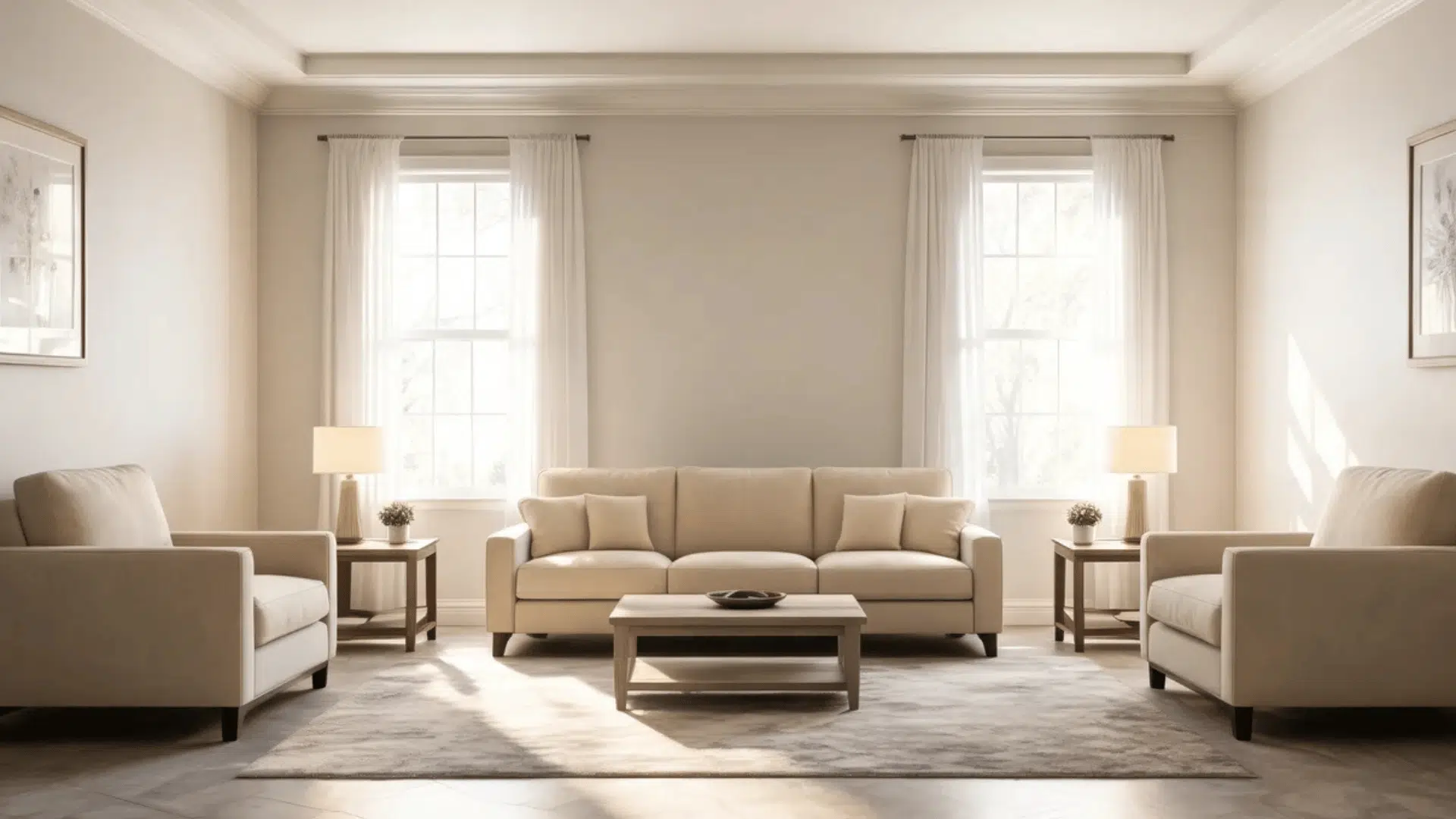
I saw this layout in a show home a few years ago, and it has stayed in my mind since.
Two identical sofas placed directly across from each other with a coffee table centered between them created a sense of calm that the room had not had before.
Symmetry is worth trying when the room has a strong focal point, such as a fireplace or large window, to anchor both sides.
Matching side tables and lamps reinforce the balanced feel without requiring expensive furniture. The result looks considered without being overdone.
7. TV-Focused Layout
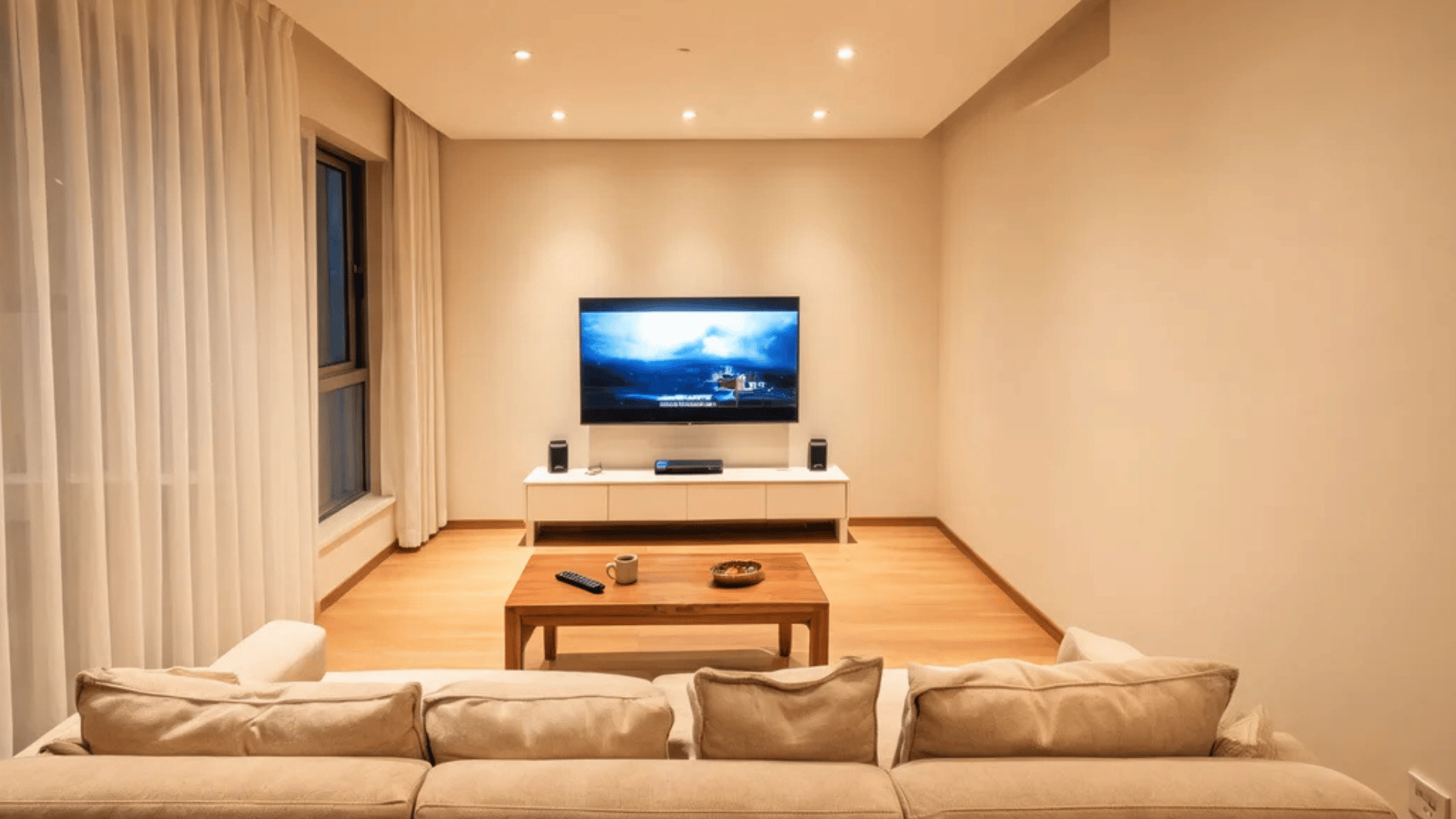
When the television is the room’s main focal point, every other decision should support that. In a rectangular room, the TV typically works best on the shorter wall, with seating arranged directly across in a U-shape or in a straight row.
The recommended distance between the screen and the sofa is 1.5 to 2.5 times the screen’s diagonal.
Avoid placing side chairs at sharp angles, as this can make the viewing experience uncomfortable.
A well-planned TV-focused layout improves how the room functions day to day and reduces the need to rearrange later.
Things to Know:
- Mount the TV at eye level when seated, not high on the wall.
- Keep cables managed and off the floor to avoid visual clutter around the media wall.
8. Diagonal Furniture Placement
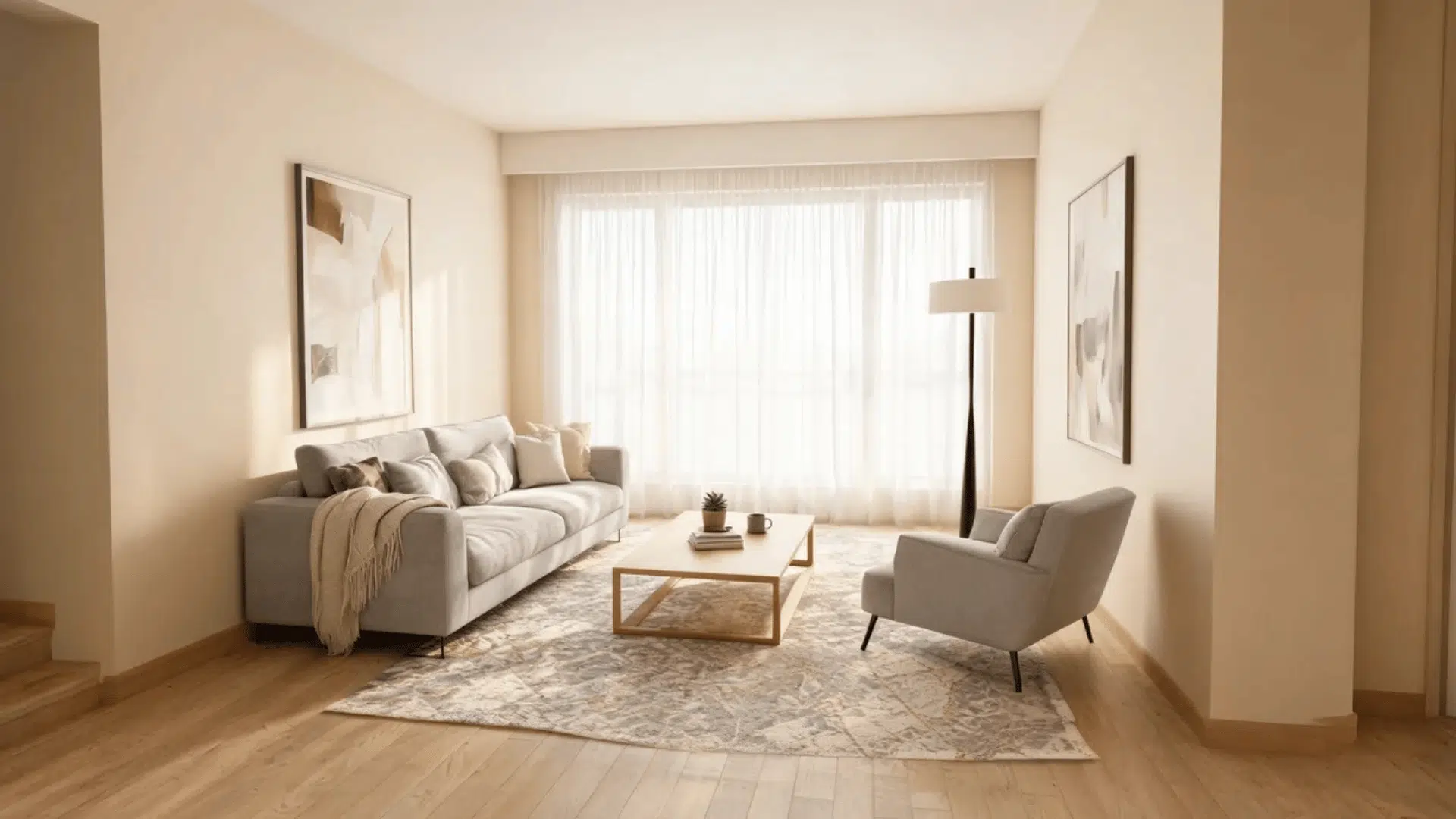
Placing the sofa at a slight angle in a rectangular room produces an effect that is hard to explain until it is seen in person.
The diagonal line softens the room’s rigid structure and draws the eye across the space rather than straight down its length.
A rug positioned at the same angle ties the setup together and makes it look intentional rather than accidental.
This approach suits rooms where a standard straight layout feels stiff or plain. It works best when there is enough floor space to prevent the angled pieces from making traffic flow awkward.
9. Open Plan with Rug Zones
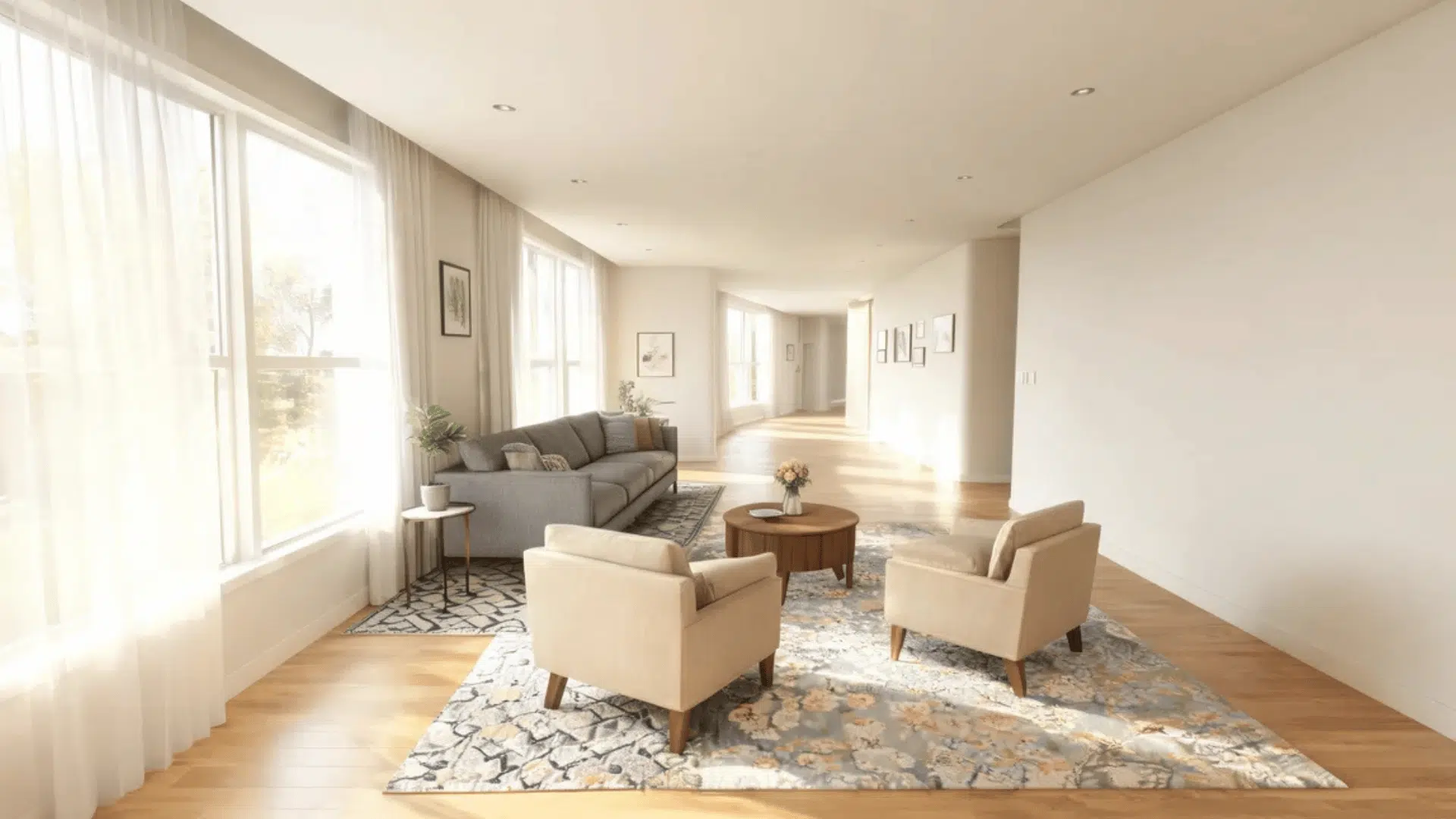
In a large rectangular room or an open-plan space, rugs do the work of walls.
One rug under the main seating group and a second under a reading or dining area define each zone clearly without adding physical dividers.
The important rule is choosing rugs large enough to sit all the front legs of the furniture on them. A rug that is too small makes the whole area look disconnected and incomplete.
This room layout approach keeps the floor plan open while giving each area its own boundary. Neutral tones work across most styles.
Size guide: For a standard sofa and chairs setup, a rug of at least 8×10 feet is usually the right starting point. When unsure, go one size larger.
10. Bench and Side Chair Combo
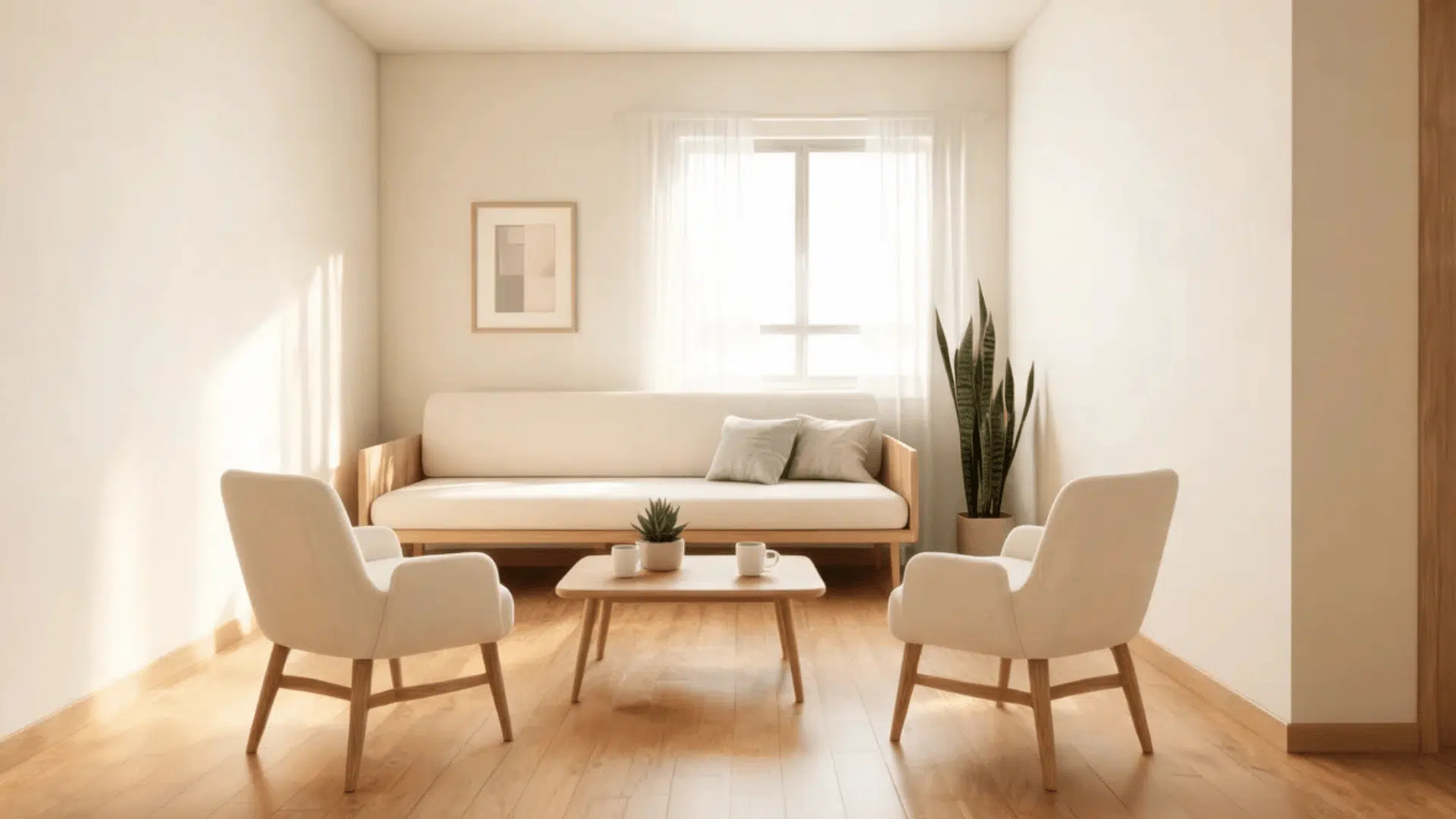
I used this setup in a small room that could not fit a full sofa and two armchairs without feeling crowded.
A long bench placed against one wall, with two side chairs across from it, provided seating for four without blocking the walking path.
The bench also had storage baskets underneath, keeping the room tidy. This combination suits a long, narrow, rectangular living room layout well because the bench follows the wall, leaving the center of the floor free.
The chairs can be moved easily when more open space is needed.
11. Corner TV & Sectional Combo
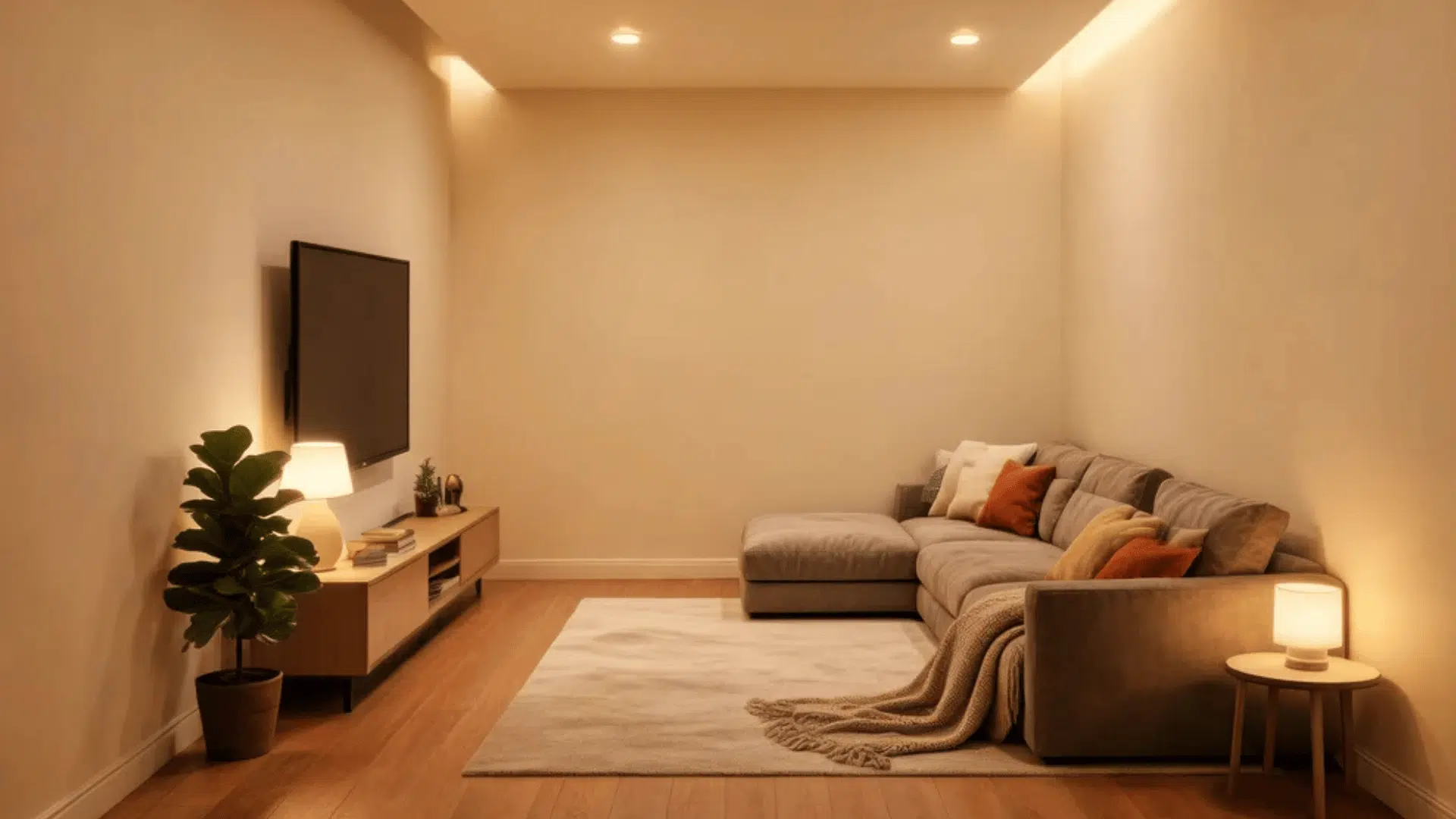
Placing the television in a corner and positioning a sectional sofa to wrap around it and face it is a layout that effectively uses the full length of a rectangular room.
The sectional runs along the longer side while the corner TV placement keeps the shorter wall clear. Most seats on the sectional have a reasonable viewing angle without anyone sitting at an awkward edge.
This layout suits rooms that are noticeably longer than they are wide. Choosing a sectional with a chaise on the end closest to the TV improves the overall viewing comfort.
12. Minimalist Layout
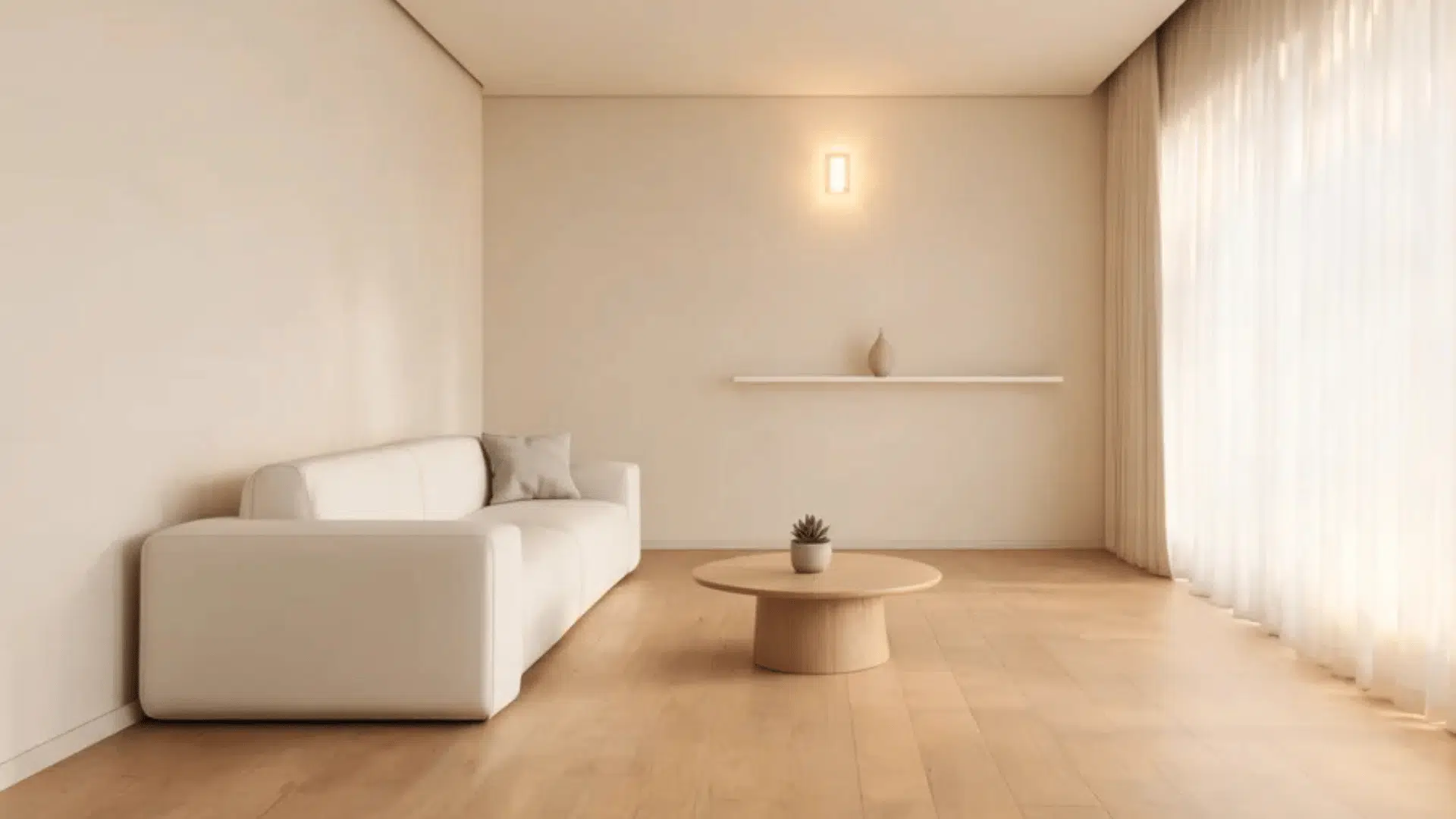
One sofa. One coffee table. One side chair if the room allows it. That is often all a small or narrow rectangular room actually needs.
A minimalist room layout stops the common mistake of filling every corner with furniture that the space cannot comfortably hold.
Wall-mounted shelves replace bulky bookcases. Low-profile pieces keep sightlines clear across the room.
For a long, narrow living room, this layout is one of the most honest approaches because it works within the room’s limits instead of pushing against them.
Proportion and placement matter more than the amount of furniture.
13. Gallery Wall Focal Layout
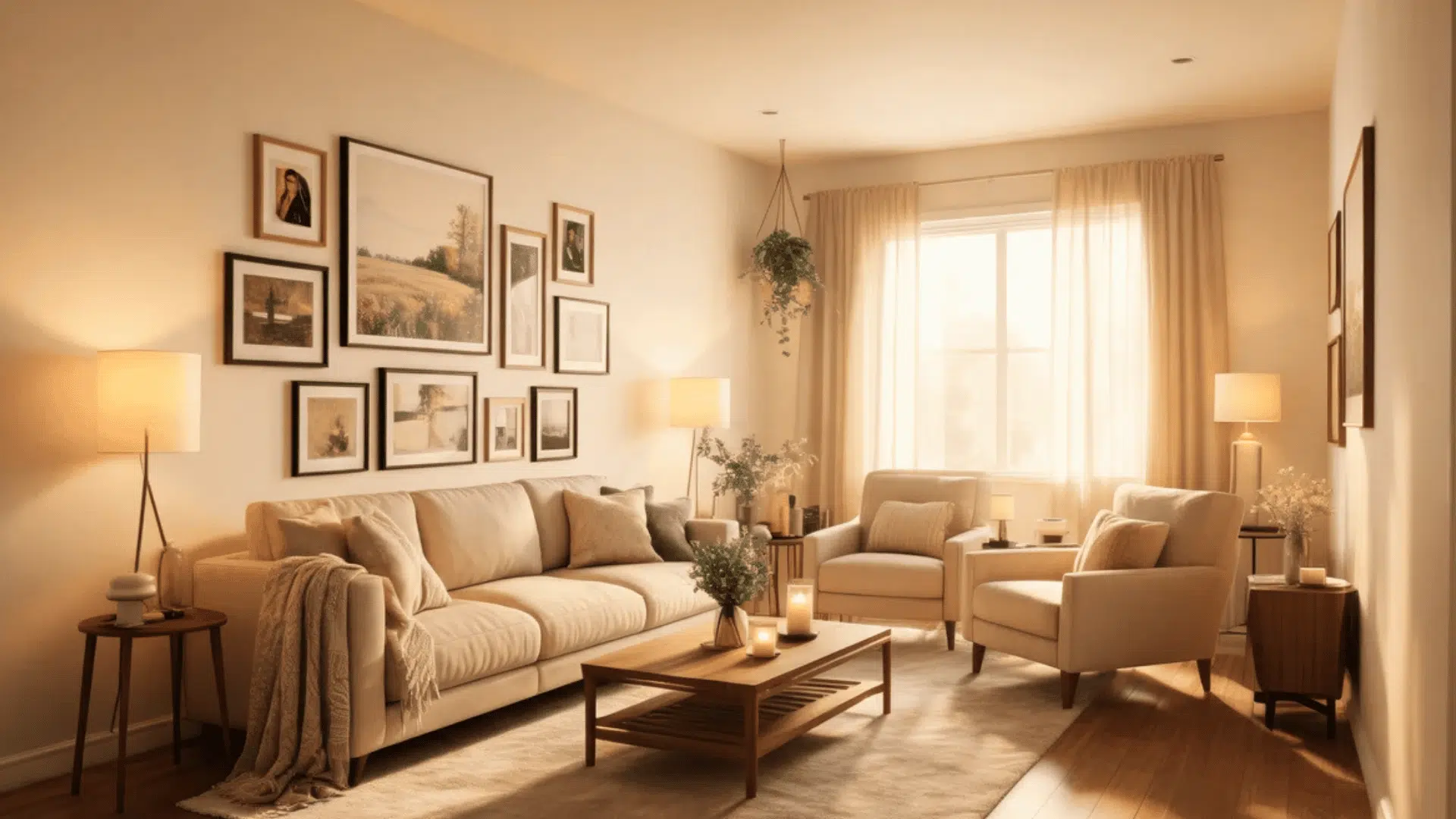
When a room has a strong gallery wall, the furniture should face it directly rather than sitting at an angle or pointing toward something else.
A sofa and two chairs arranged to look at the feature wall make the art feel purposeful rather than decorative.
I saw this done in a long, narrow apartment where a collection of framed prints completely transformed how the room felt.
The gallery wall gave the space a clear anchor, and every seat was placed to face it. This layout works best when the art wall is on the shorter end of the room.
14. Dual Function Layout
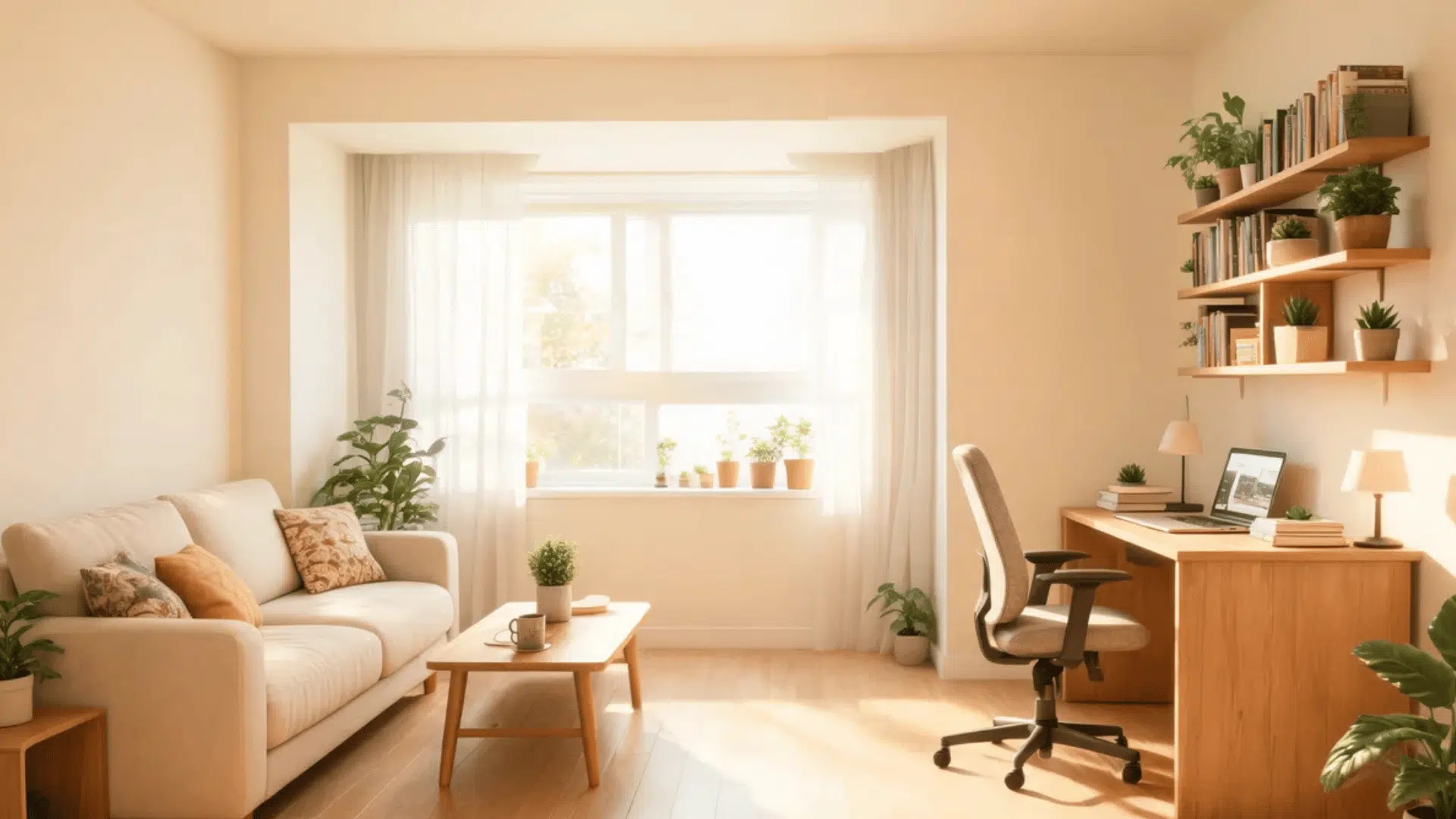
A friend recently added a compact desk to the far end of her living room, and it shifted how she used the space entirely.
A dual-function layout keeps the main sofa and seating area at one end of the room and places a small work or reading nook at the other.
The length of a rectangular room makes this split natural. A bookshelf or low storage unit between the two zones creates a soft boundary.
Both areas remain usable without either one feeling too cramped. This layout works especially well for people who work from home part of the time.
15. Mixed Seating Layout
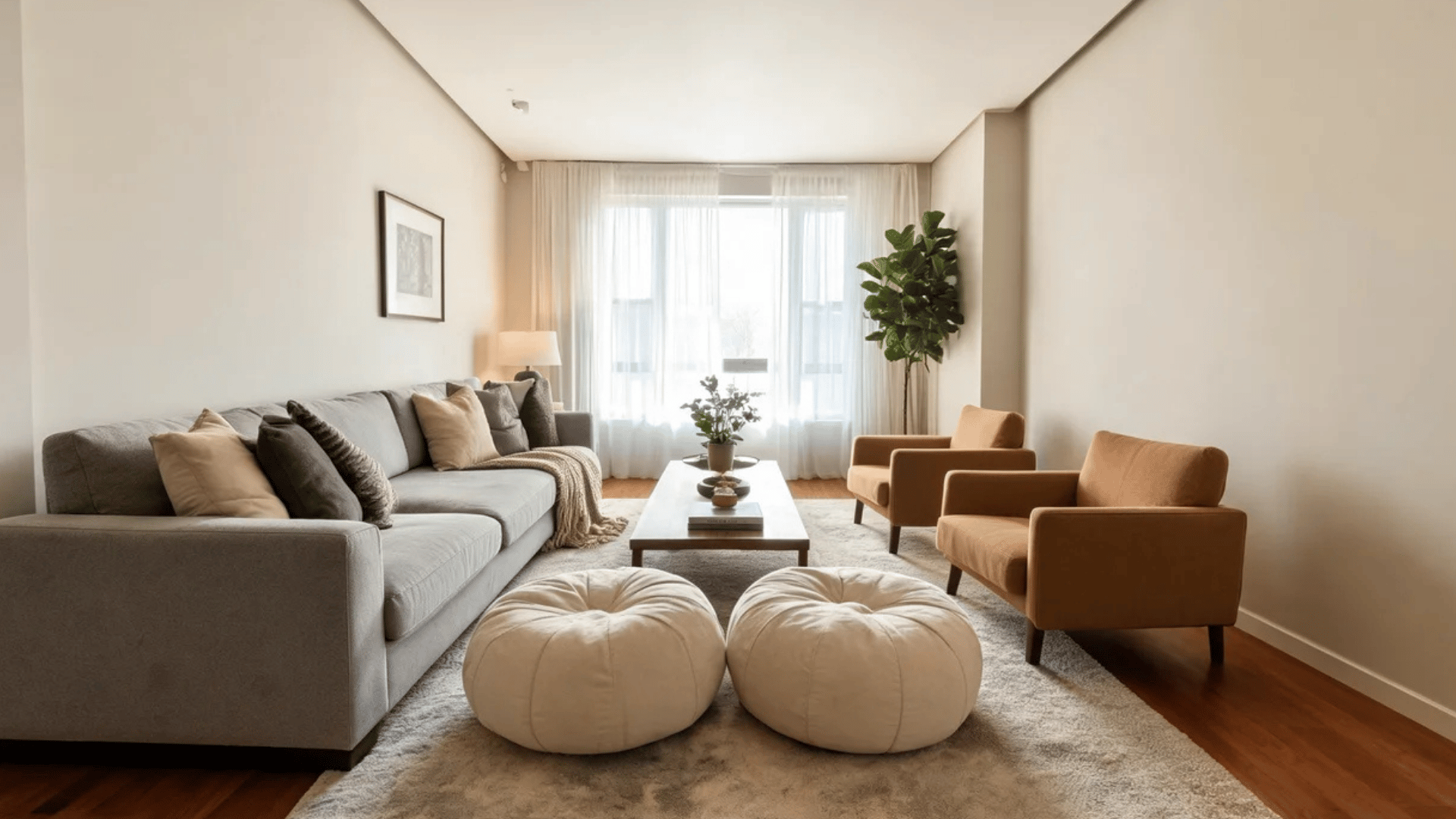
Not every seat in a room needs to match, and a mixed seating setup leans into that idea.
A main sofa paired with one or two accent chairs and a pouf or footstool gives the room flexible seating that adjusts based on how many people are using the space.
The pouf tucks under the coffee table when not needed, freeing up floor area. Starting with a clear living room layout plan helps place each piece so the room still looks cohesive despite the variety.
Anchor the arrangement with a large rug and build the seating around the sofa position first.
Tips for Choosing the Right Rectangular Living Room Layout
The right layout does more than make a room look good. It affects how the space feels and functions every single day.
- Room Size: Measure the full length and width before placing anything. A rectangular, long, narrow living room layout needs furniture scaled to fit the proportions, not pieces that overwhelm the space or get lost in it.
- Natural Light: Place seating near windows where possible. Blocking natural light with large furniture makes a narrow room feel smaller and darker than it actually is.
- Traffic Flow: Leave at least 30 to 36 inches for main walkways. Clear paths between furniture keep the room comfortable to move through without constant rearranging.
- Rugs and Lighting: Use a large rug to anchor the seating zone and floor lamps to add light without taking up surface space. Both tools help define areas and add the feeling of width.
- Room Planner Tools: A room planner lets you see how furniture fits, where space opens up, and what arrangements work best for the actual dimensions of the room
Common Mistakes to Avoid
Small oversights in a long, narrow, rectangular living room layout can make the space feel tighter and harder to use. Knowing what to skip is just as useful as knowing what works.
| Mistake | Why It’s a Problem | What to Do Instead |
|---|---|---|
| Blocking walkways | Cuts off natural traffic flow and makes the room feel cramped | Keep main paths at least 30 to 36 inches clear |
| Covering windows with furniture | Reduces natural light and makes the room feel smaller | Position large pieces away from the window walls |
| Using oversized furniture | Overwhelms the floor plan and leaves little room to move | Choose low-profile, right-scaled pieces for the room size |
| Pushing all furniture against the walls | Creates a hollow, disconnected center with poor flow | Float furniture slightly inward to add depth |
| Ignoring proportion and scale | Makes the layout feel off, even when the furniture is good quality | Match furniture size to the actual dimensions of the room |
| Skipping a room planner | Leads to costly trial and error with heavy furniture | Map the layout digitally before making any moves |
| Using rugs that are too small | Makes seating zones look unanchored and incomplete | Choose a rug large enough |
Using a Room Planner for Rectangular Living Rooms
A room planner takes the guesswork out of arranging furniture in a long, narrow, rectangular living room layout before anything gets moved.
Free tools like Roomstyler, IKEA Home Planner, and Planner 5D let users drag and drop furniture into a scaled floor plan and test multiple arrangements in minutes.
These tools work by entering the exact room dimensions, then placing furniture pieces to scale.
This makes it easy to spot blocked walkways, tight corners, or poor furniture proportions before they become real problems.
Most planners also allow switching between a top-down floor plan view and a 3D view. The 3D option helps get a better sense of how the finished layout will actually look and feel in the space.
For a rectangular room, testing at least two or three layout options in a planner before committing saves both time and effort.
Start with the sofa position, then build the rest of the layout around it.
Final Thoughts
A rectangular living room is not a design problem. It just needs the right approach.
I’ve found that even small changes, like pulling furniture away from the walls or using a larger rug, can make the room feel more balanced and easier to use.
Others involve rethinking the whole floor plan. Either way, small changes in placement can completely shift how a room feels day to day.
The best starting point is to pick one layout that fits the current setup and test it before committing. A room planner makes this easier, but even sketching it out on paper helps.
Every room is different, and so is every household.
Tried one of these layouts already? Struggling with a specific corner or furniture piece? Share the experience in the comments below. It might be exactly what someone else needs to read.
Frequently Asked Questions
Can a Narrow Living Room be Made to Feel Wider?
Low-profile furniture, mirrors, light colors, and diagonally placed rugs make a narrow rectangular living room feel more open.
How do Room Planner Tools Help with Living Room Layouts?
Tools like Planner 5D and Roomstyler let furniture be placed to scale, so multiple living room layouts can be tested before moving a single piece.
What Furniture Works Best in a Small Rectangular Living Room?
Minimalist, low-profile, and dual-function pieces keep small rectangular rooms practical without overcrowding the floor plan.
How Many Seating Zones Work Best in a Long, Narrow Living Room?
One to two zones work best, typically a main seating area and a smaller reading or media spot at the opposite end.

Ava Taylor, holding a Bachelor’s degree in Interior Design from the Pratt Institute, has made her mark in creating engaging and functional living spaces for over 14 years. She began her career with a New York-based design studio, where she gained a reputation for her innovative and user-centric designs. Ava joined our team in 2019, bringing a blend of artistic flair and practicality to our home improvement section. Since the she has been the lead contributor to our room transformation series, inspiring readers with her unique approach to maximizing space utility and aesthetic appeal. Beyond her professional work, Ava is a passionate collector of vintage furniture, a hobby that enriches her design perspective.