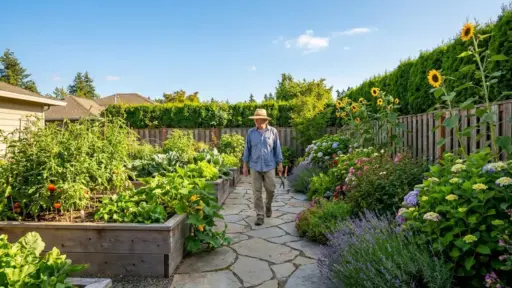
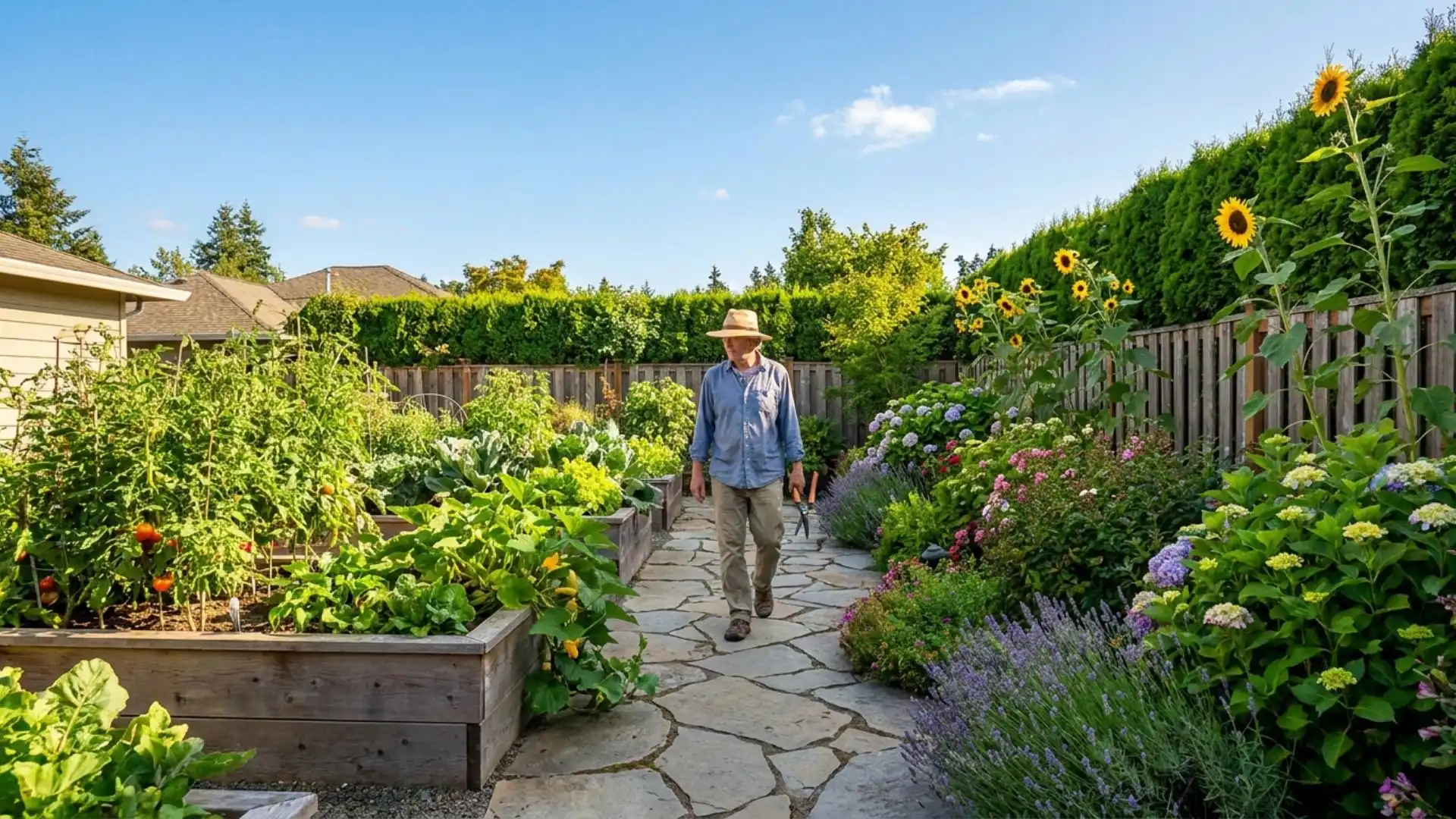

For a garden to breathe life into a space, every leaf, flower, and stem needs the right care.
A healthy garden is not built by chance. Rather, it grows through small daily habits that help plants stay strong through changing seasons, harsh sunlight, heavy rain, and dry soil.
Many begin with fresh plants and big plans, yet lose their freshness within weeks. And in most cases, the problem is not the effort. It is missing the simple gardening practices that support long-term plant health.
The right gardening tips for your little growing life can completely change how it looks and grows.
This article offers practical tips and ideas for beginners and experienced gardeners to create healthier, greener, and more productive outdoor spaces.
Why Do Good Gardening Habits Matter?
Healthy gardens are built through consistent care and simple routines that support plant growth over time.
Good gardening habits help plants receive the right balance of water, sunlight, nutrients, and protection during every season.
Small actions like testing soil, pruning regularly, removing weeds, and watering correctly can strengthen plants and reduce common gardening problems.
These habits also make gardens easier to maintain and help plants grow more evenly throughout the year.
Many beginners focus only on planting, but long-term garden health depends on regular maintenance and proper planning. Strong gardening habits create cleaner, healthier, and more productive outdoor spaces for every skill level.
Gardening Tips for Better Plant Growth
Whether the garden is brand new or several seasons in, there is something here worth applying to the next growing cycle.
1. Test and Improve Your Soil Before Planting
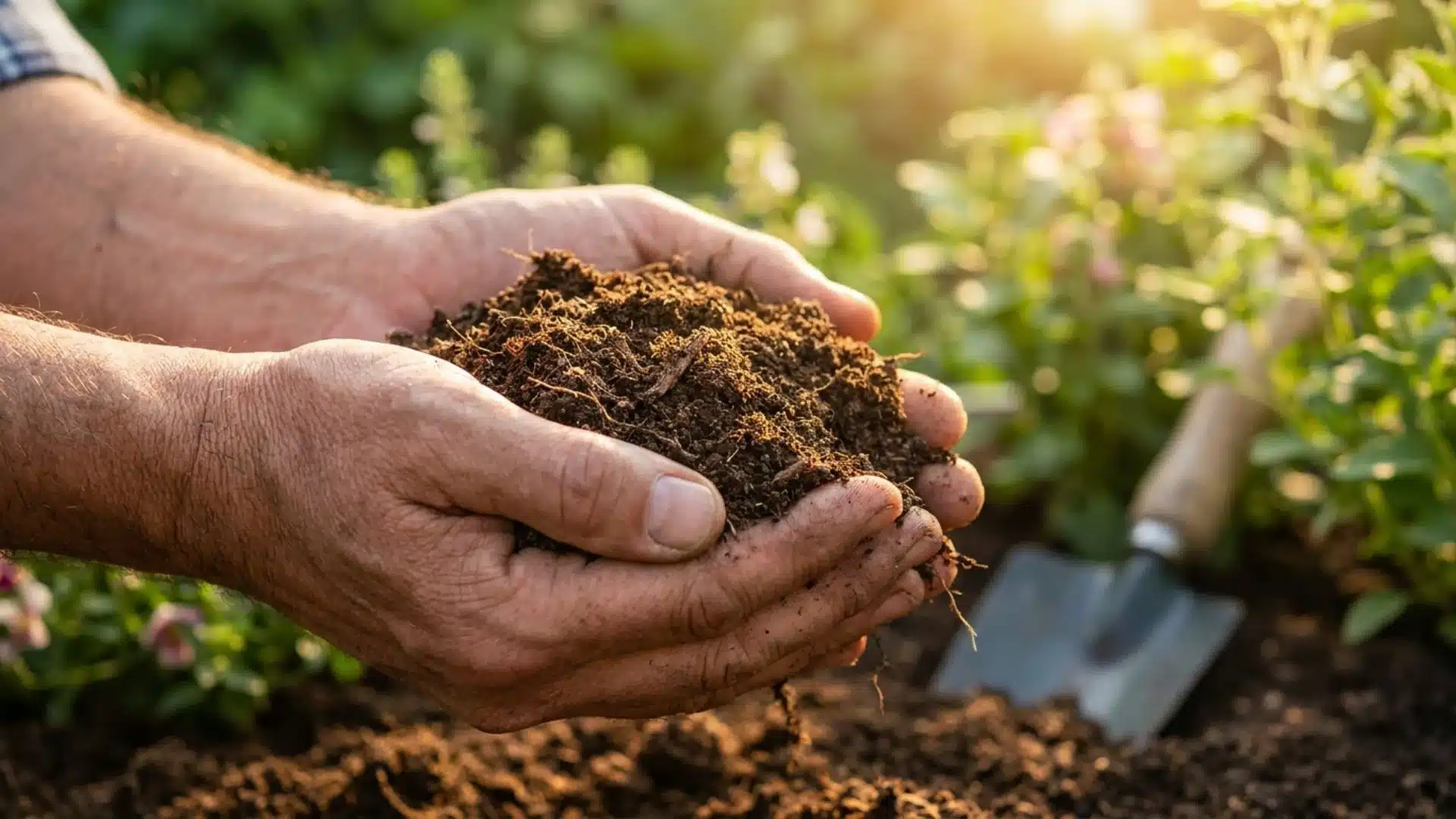
Plants that grow slowly despite regular watering are often dealing with poor soil. For those new to gardening, this is frequently the first issue worth investigating.
The problem starts beneath the surface, before any seed goes in.
The Approach
Purchase a basic soil test kit and check for pH, nitrogen, phosphorus, and potassium. Most vegetables grow best in soil with a pH between 6 and 7.
Add lime to raise pH, sulfur to lower it, and mix compost into the top several inches before planting.
How it Helps: Balanced soil allows plants to absorb water and nutrients properly. Testing once per season removes guesswork and keeps the garden productive year after year.
2. Choose the Right Plants for Your Climate Zone
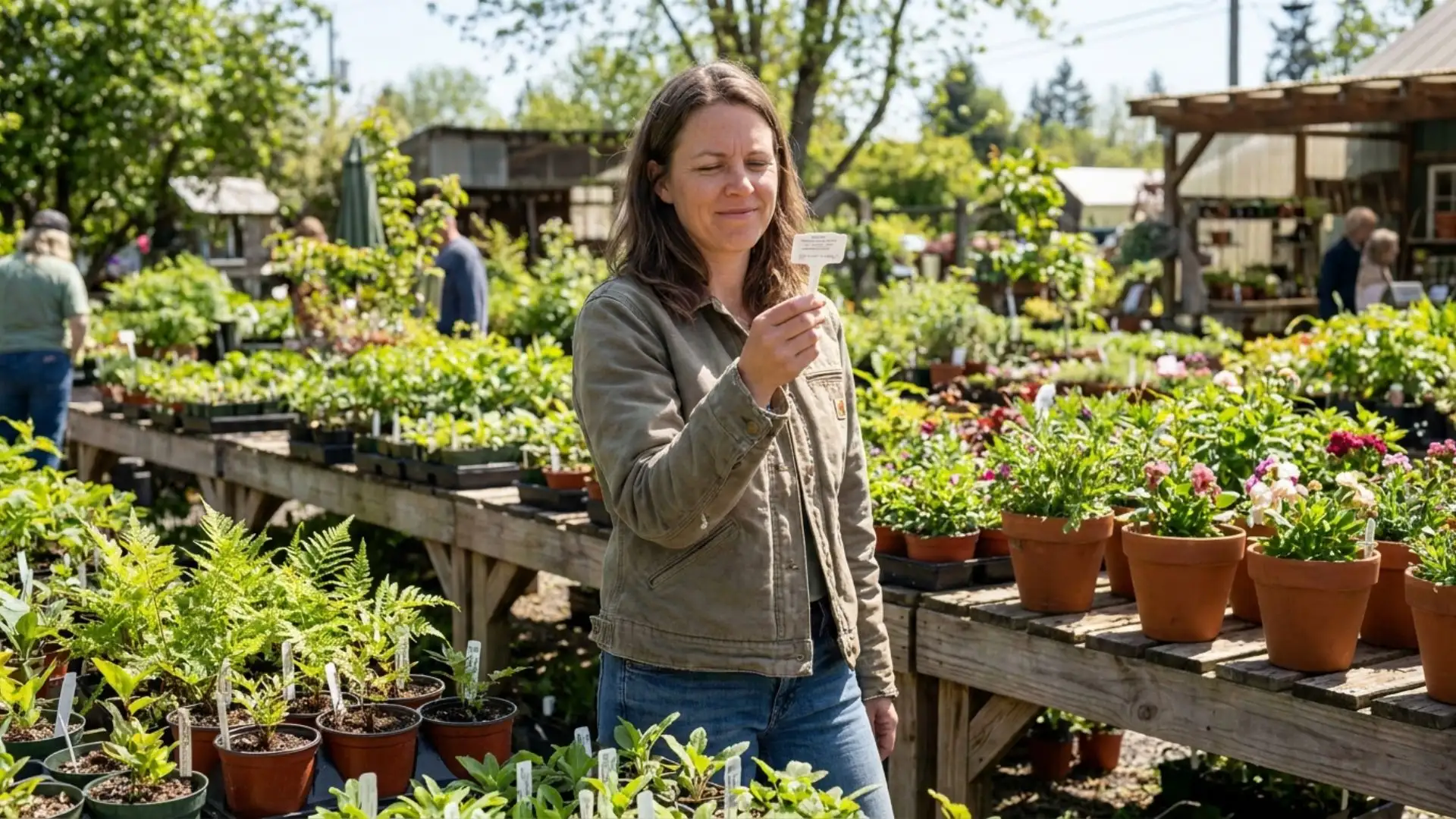
Plants selected based on appearance alone often struggle within weeks of being placed in the ground.
The issue is rarely improper care. It is more often about compatibility with the local climate. This is an important consideration for both beginner and experienced gardeners.
The Approach
Look up the local USDA Plant Hardiness Zone. Check plant labels for the recommended zone and select varieties rated for that zone or one zone colder. For vegetables, check frost-free growing days for the region.
Local nurseries typically stock plants better suited to the area and the particular season.
How it Helps: Planting within the correct climate zone raises survival rates and reduces the need for intensive intervention. Plants grow more naturally and require less maintenance overall.
3. Master the Art of Watering
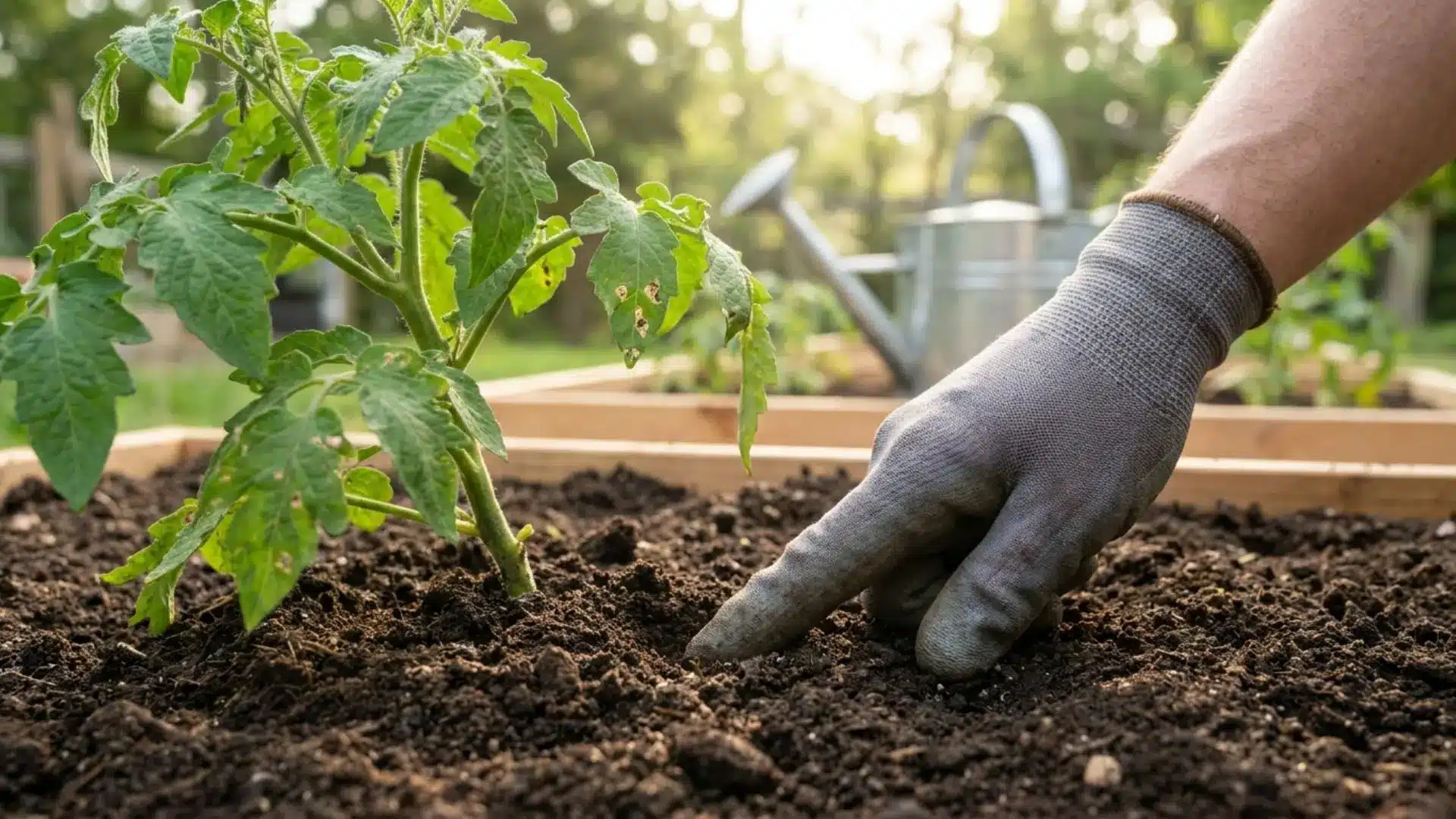
Watering causes more plant problems than most gardeners expect. Yellowing leaves, root rot, and wilting are frequently the result of incorrect watering rather than disease.
Overwatering is the more common mistake, particularly during warm weather, and affects beginner and intermediate gardeners equally.
The Approach
Press a finger two inches into the soil near the plant base before watering. If moist, skip that day. If dry, water thoroughly at the base.
Water in the early morning, use a drip system or soaker hose, and avoid wetting leaves directly.
How it Helps: Deep, infrequent watering encourages roots to grow further down, making plants more resilient. Morning watering reduces fungal risk and supports consistent plant health over time.
4. Start Composting to Feed Your Garden Naturally
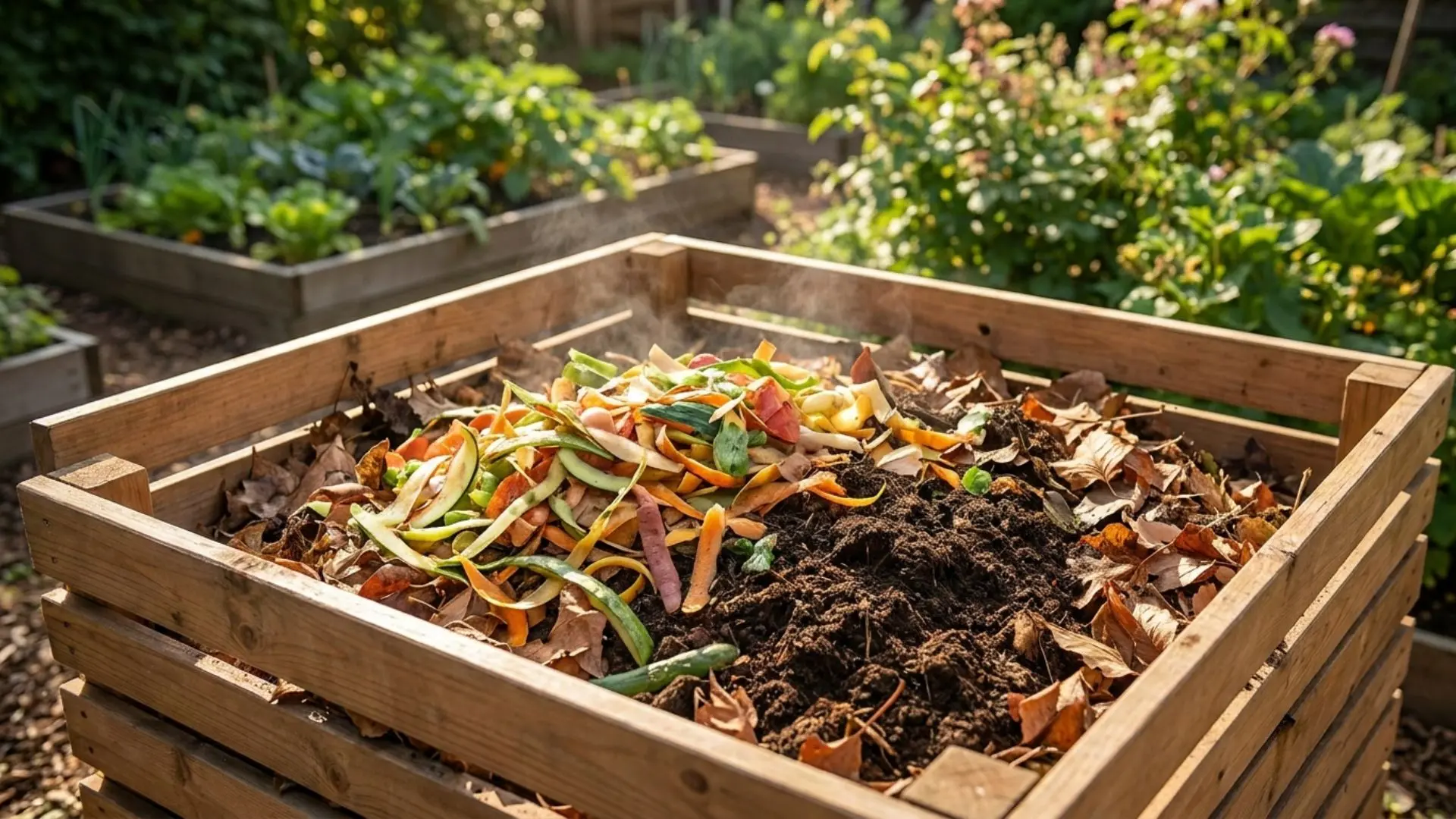
Fertilizer bags are costly, and synthetic options rarely build lasting soil health.
Composting is a practical method for intermediate-level gardeners that delivers long-term results that purchased inputs cannot match.
The Approach
Set up a compost bin with green materials like vegetable peels and coffee grounds, and brown materials like dry leaves and cardboard.
Maintain a three-to-one ratio of brown to green. Turn the pile every couple of weeks until it looks dark and crumbles easily.
Build a Compost System Using Reclaimed Pallets
Wire four reclaimed timber pallets together to turn waste into a closed-loop nutrient system that costs nothing and lasts for seasons.
- Step 1: Source 4 reclaimed timber pallets and wire them together at the corners to form a free-standing bay.
- Step 2: Set up two bays side by side: one for active composting, one for maturing material.
- Step 3: Feed it with kitchen and garden waste, and let the system do the rest.
5. Learn Proper Pruning and Deadheading Techniques
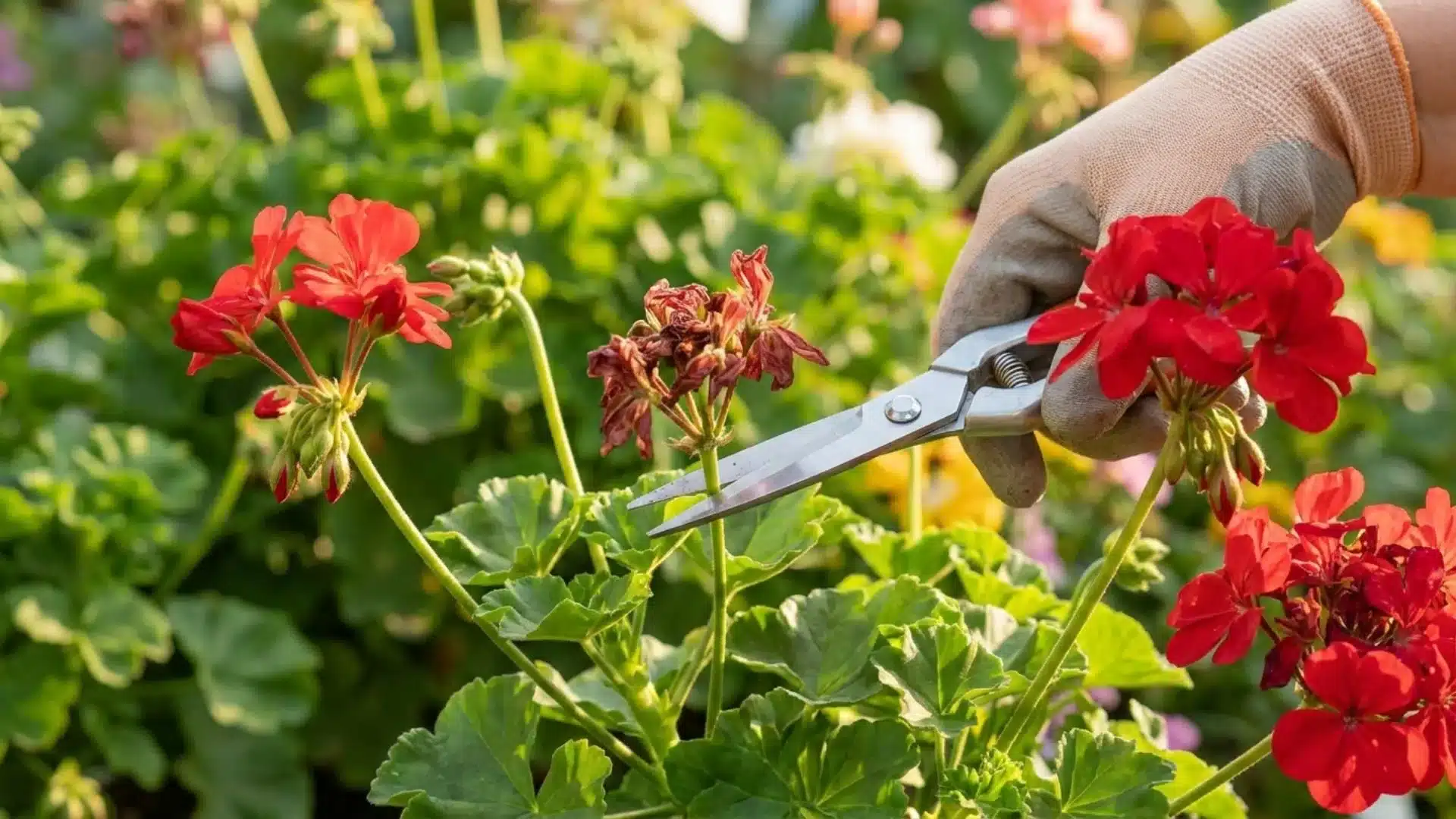
Flowering plants that produce fewer blooms as the season progresses are usually overdue for deadheading or pruning.
Many gardeners, particularly those at an intermediate stage, avoid cutting back plants out of hesitation, but leaving spent growth in place slows new development considerably.
The Approach
Remove faded flowers by cutting just below the spent bloom. Prune shrubs and perennials after the main flowering period using sharp, clean shears. Remove dead or crossing branches first before shaping the plant. Clean shears between plants to prevent disease from spreading.
How it Helps: Deadheading encourages more flowers instead of seed production. Pruning improves air circulation and reduces the risk of fungal diseases, resulting in healthier, more productive plants throughout the season.
6. Use Mulch to Retain Moisture and Suppress Weeds
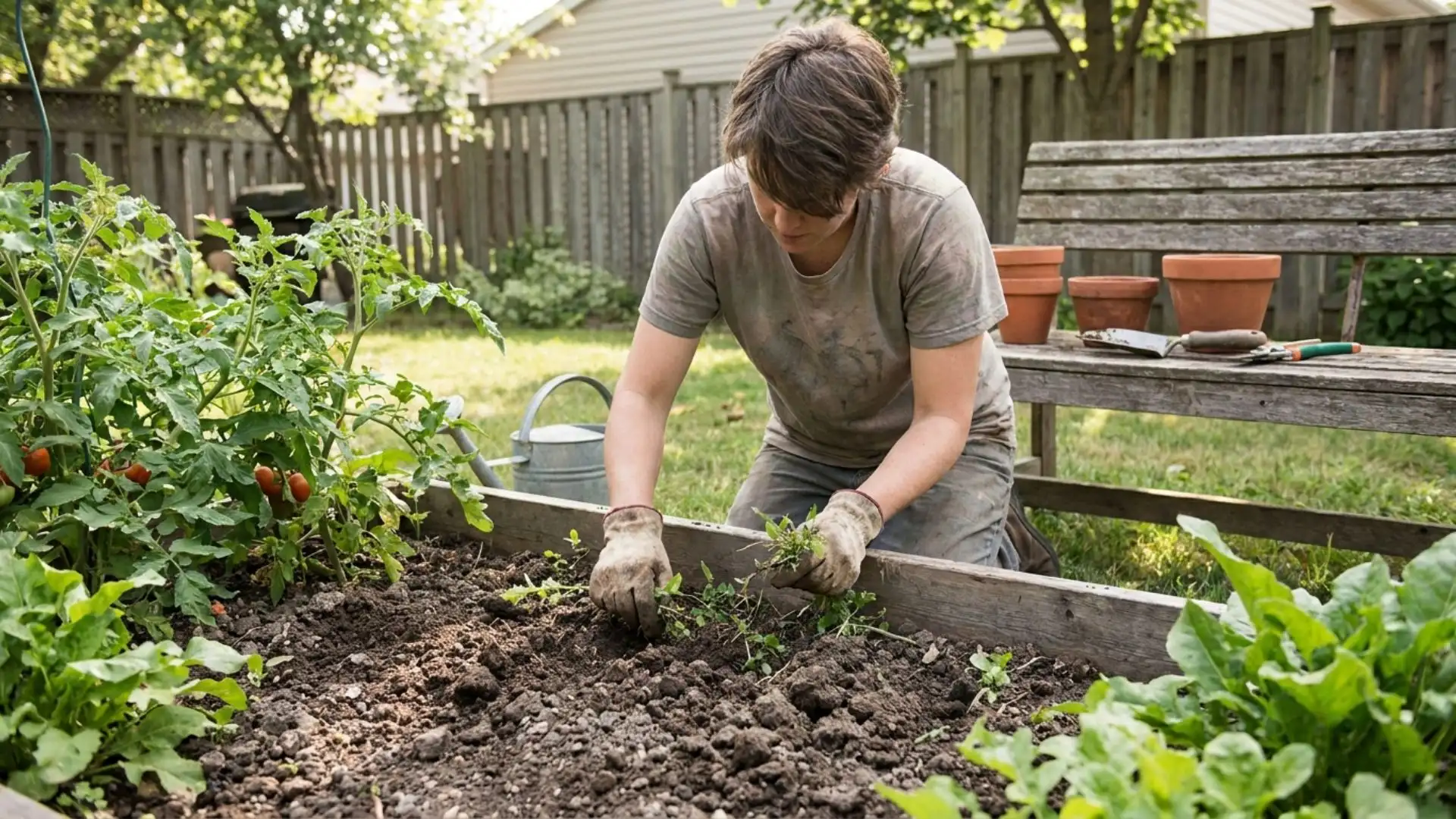
Frequent watering and constant weeding take up a disproportionate amount of time in most gardens.
Both problems often result from bare soil in garden beds. This is a straightforward fix for beginners that delivers immediate, visible results through the growing season.
The Approach
Apply a two to four-inch layer of mulch across garden beds, keeping it a few inches away from plant stems.
Organic options include wood chips, straw, and shredded bark. Inorganic options such as gravel work well for permanent beds. Refresh organic mulch once or twice a year.
How it Helps: Combined with other low-stress gardening techniques, mulching can significantly reduce the amount of routine maintenance a garden requires.
7. Practice Crop Rotation for Healthier Vegetables
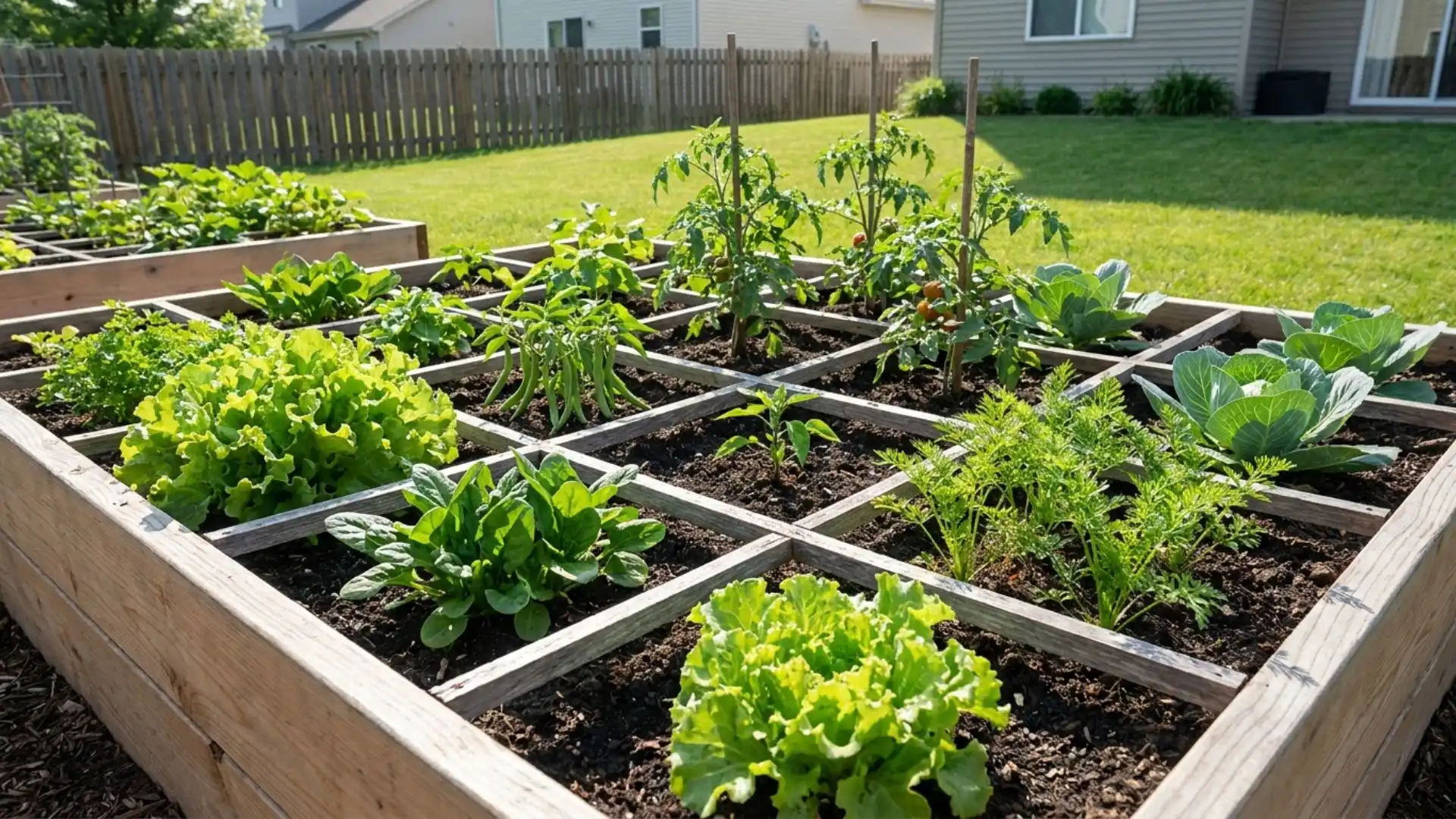
Vegetable gardens that have been in place for several seasons often start producing less without any obvious cause. Soil becomes depleted of specific nutrients, and soil-borne diseases build up in the same growing spots.
Recognizing this pattern is a mark of an intermediate-level gardener.
The Approach
Divide the vegetable plot into sections and move each crop family to a different section each year. The four main groups to rotate are legumes, brassicas, solanums, and root vegetables.
Legumes fix nitrogen into the soil and work well before heavy-feeding brassicas. Keep a simple map of each position each year.
How it Helps: Rotation prevents nutrient depletion and breaks the cycle of soil-borne pests and diseases, leading to more consistent yields across each growing season.
8. Tackle Garden Pests Without Harsh Chemicals
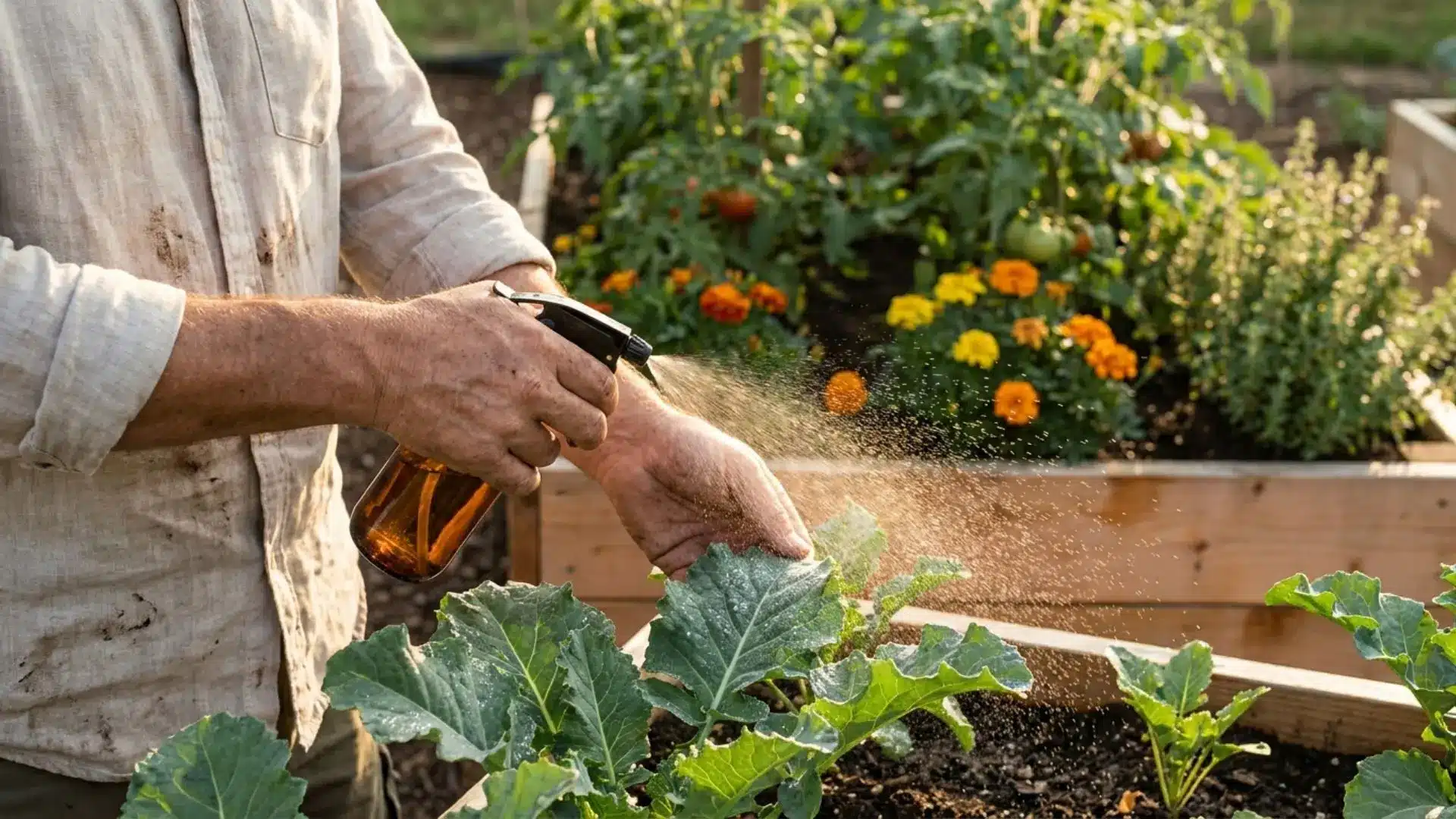
Holes in leaves, stunted growth, or damaged stems often signal a pest problem. The first instinct for many gardeners is to reach for a chemical spray, but this harms beneficial insects and disrupts the soil ecosystem over time.
Natural pest management is a well-established method for intermediate-level gardeners.
The Approach
Identify the pest before taking action. Neem oil is effective against aphids and mites. Hand-pick caterpillars in the early morning.
Introduce beneficial insects, such as ladybugs, and plant companions, like basil, marigold, and lavender, near vulnerable crops.
Try This: Line vegetable beds with marigolds, nasturtiums, and borage to attract beneficial insects, deter common pests, and add seasonal color without a single chemical input.
9. Understand Fertilization: Feed Plants the Right Way
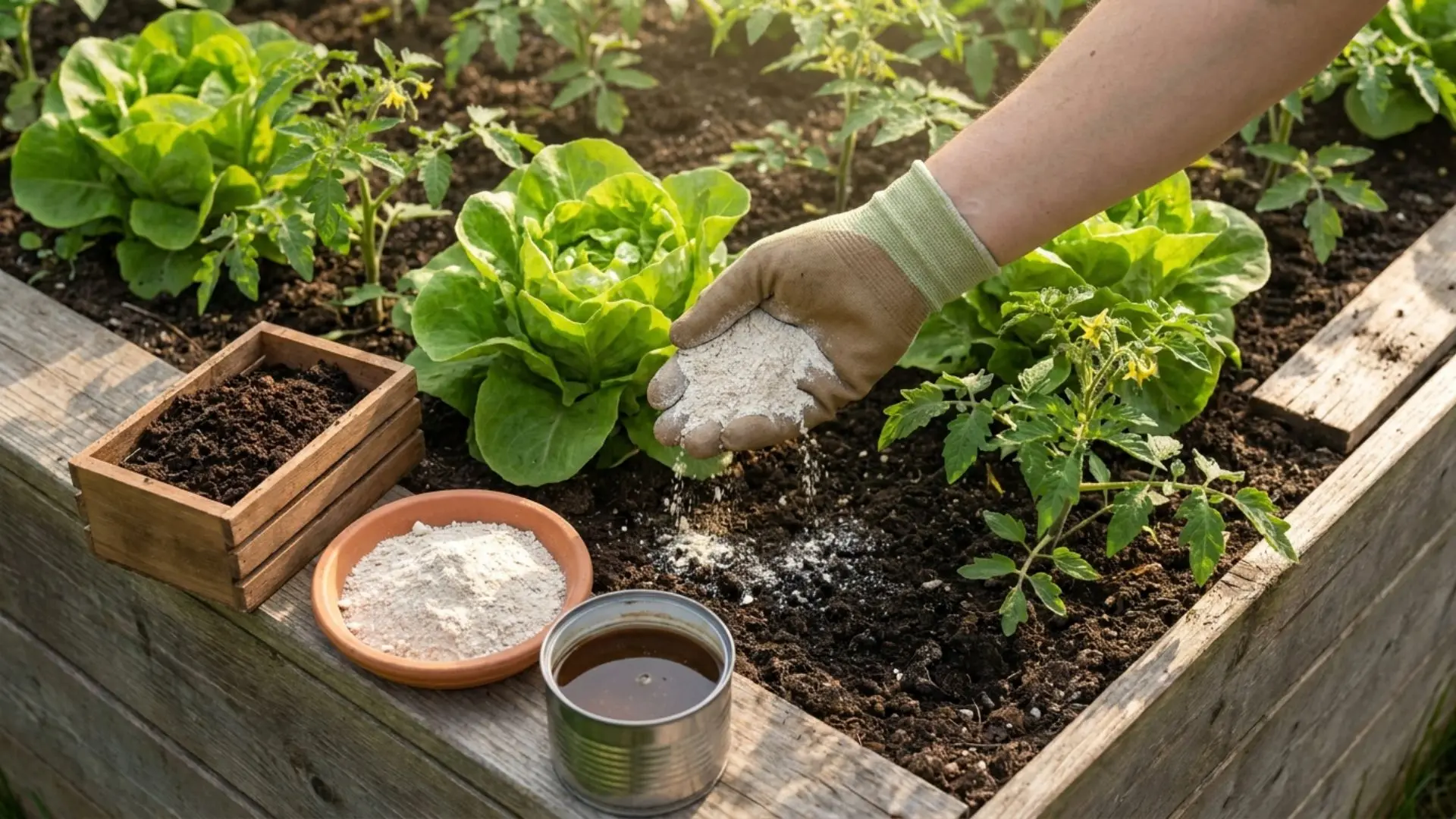
Plants with yellowing leaves, slow growth, or poor flowering are often deficient in key nutrients. Many gardeners apply fertilizer without first checking what the plant or soil actually needs, which leads to imbalances or root damage.
This is a common misstep at the intermediate gardening stage.
The Approach
Start with a soil test to identify what is lacking. Choose a fertilizer based on the NPK ratio: nitrogen for leaf growth, phosphorus for roots and flowering, and potassium for overall plant strength.
Organic options such as fish emulsion and bone meal release nutrients slowly and support long-term soil health.
How it Helps: Targeted fertilization improves growth, yield, and stress resistance. Organic options build lasting soil health rather than delivering only a short-term response.
10. Plan for Seasonal Gardening Year-Round
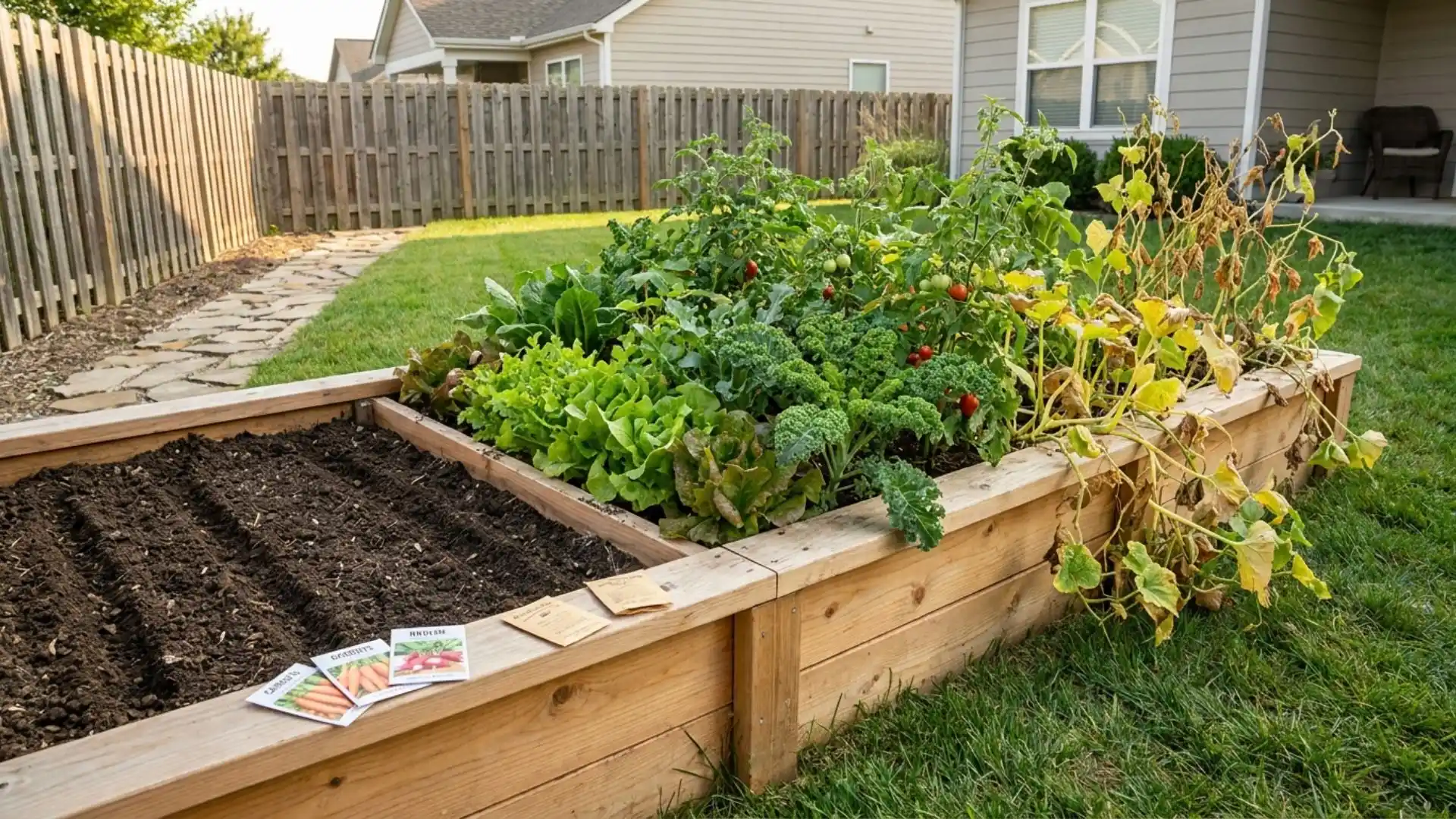
Many gardeners treat the growing season as limited to spring and summer, leaving the garden largely unattended through autumn and winter.
This results in missed harvests and cool-season crops that perform well when temperatures drop. Year-round planning is a beginner-accessible habit with significant long-term returns.
The Approach
Plan planting schedules for each season. In spring, start seedlings and prepare beds.
In summer, maintain and harvest. In autumn, plant cool-season crops such as spinach, kale, and garlic. In winter, protect the soil with a cover crop or mulch layer and plan the following year’s layout.
How it Helps: Year-round planning keeps the garden productive year-round, builds soil health through cover cropping, and reduces the spring workload considerably.
11. Build Healthy Habits with a Garden Journal
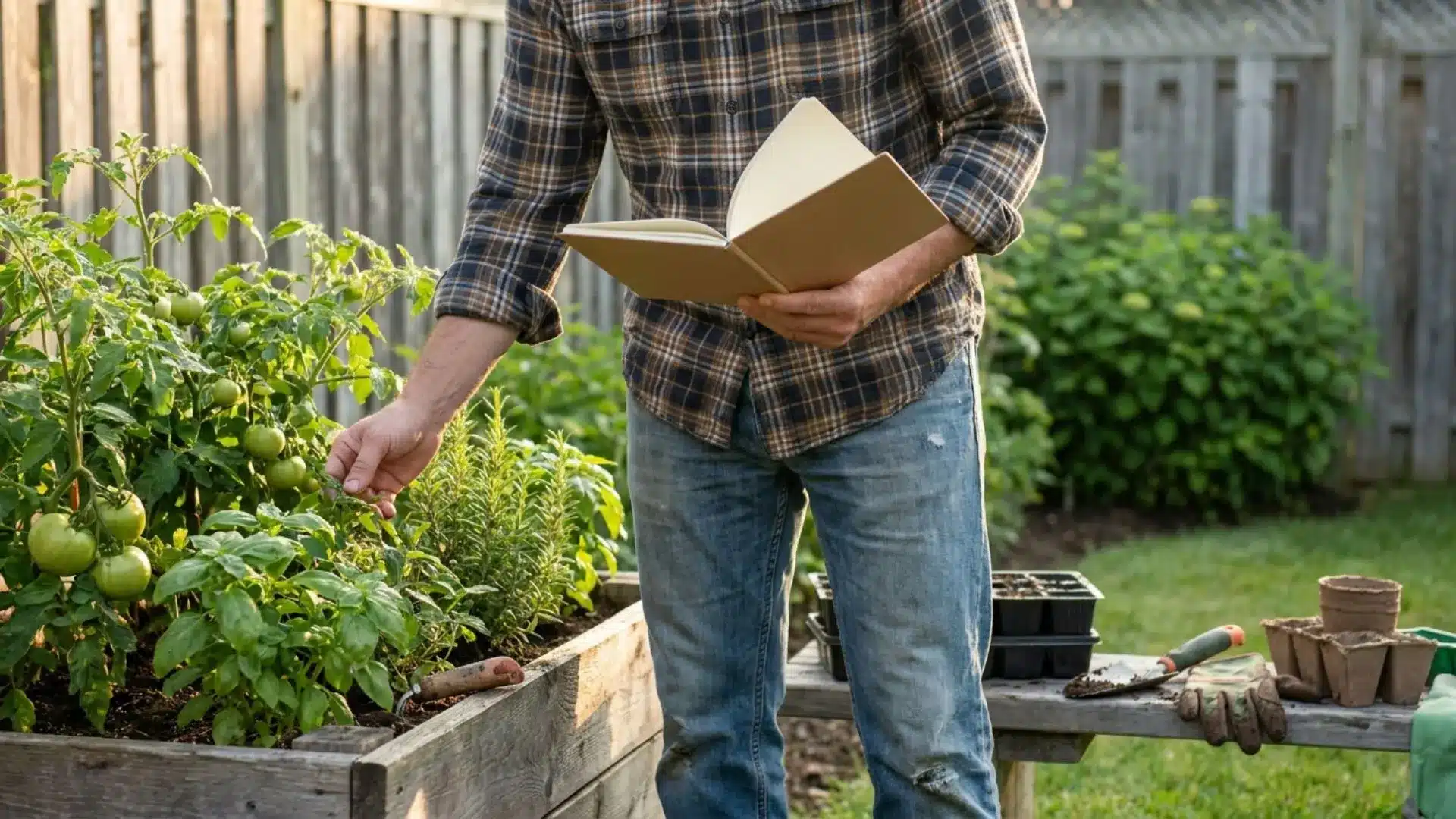
Gardeners who repeat the same mistakes season after season often have no record to refer back to. Without documentation, the same trial-and-error process starts fresh each year.
A garden journal is a beginner-friendly habit that builds into one of the most useful long-term tools in the garden.
The Approach
Keep a dedicated notebook or digital file for the garden. Record planting dates, seed varieties, fertilizer applications, pest sightings, and harvest results.
Review entries from the previous season before starting a new one. Brief, consistent notes build into a reliable reference over time.
How it Helps: A garden journal makes patterns visible across seasons. Mistakes become easier to avoid, and planning each new growing season becomes faster and more grounded in actual results.
12. Go Vertical: Maximize Space with Vertical Gardening
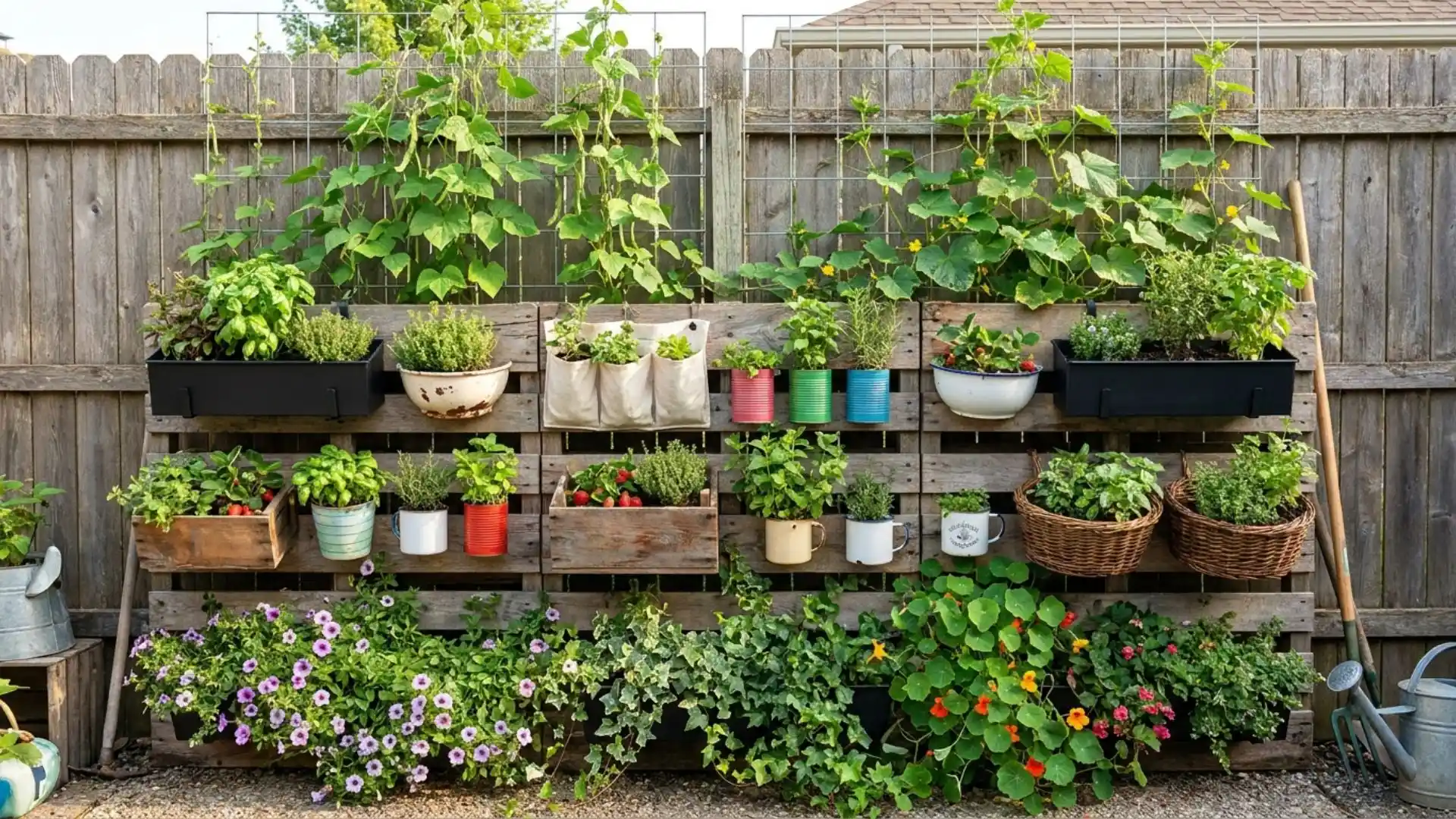
Small gardens, balconies, and narrow outdoor spaces present limited ground for planting. Many gardeners assume options are restricted in such settings.
Vertical gardening is an advanced technique that uses upward space effectively and works particularly well in urban or compact garden environments.
The Approach
Install a trellis, wire frame, or wall-mounted planter along a fence or wall. Train climbing plants such as beans, cucumbers, and peas upward using garden ties.
For edible or decorative walls, use pocket planters filled with herbs, strawberries, or trailing flowers. Ensure the structure receives adequate light.
Turn a Bare Wall into a Productive Growing Surface
One fence or wall, divided into three sections, can support climbing crops, fresh herbs, and trailing ornamentals all at once.
- Step 1: Fix supports or netting to the upper section for climbing crops like beans.
- Step 2: Attach herb pockets to the middle section for easy access to fresh herbs.
- Step 3: Plant trailing ornamentals at the base to soften the structure and fill in the lower edge.
13. Design a Container Garden for Limited Spaces
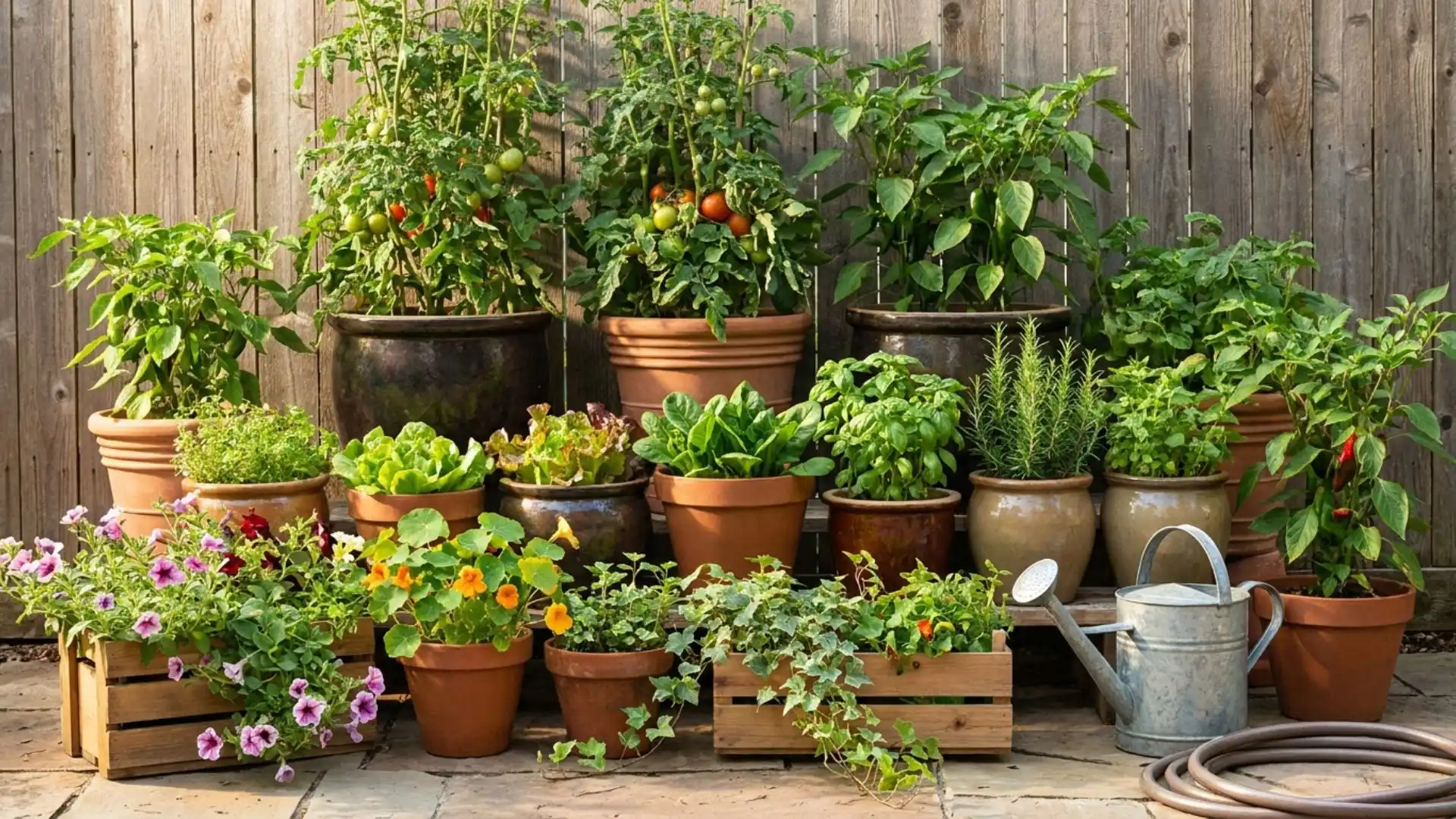
Not every growing space has ground access. Balconies, patios, and paved courtyards leave no room for traditional in-ground planting.
Container gardening is a proven, beginner-friendly method that removes this limitation entirely and allows productive growing in almost any outdoor setting.
The Approach
Select containers based on root depth requirements. Tomatoes and peppers need pots at least twelve inches deep. Herbs and salad leaves grow well in shallower containers.
Use high-quality potting mix rather than garden soil, as garden soil tends to compact in containers, restricting root growth.
Design the Entire Outdoor Space Around Containers
Rather than adding pots as an afterthought, build the whole layout around them using repurposed crates, tins, and ceramic vessels for variety.
- Step 1: Place tall pots at the back to create height and structure.
- Step 2: Arrange medium containers in the middle for the bulk of planting.
- Step 3: Line the front edge with low trailing plants to soften the layout and complete the layered look.
14. Create a Pollinator-Friendly Garden
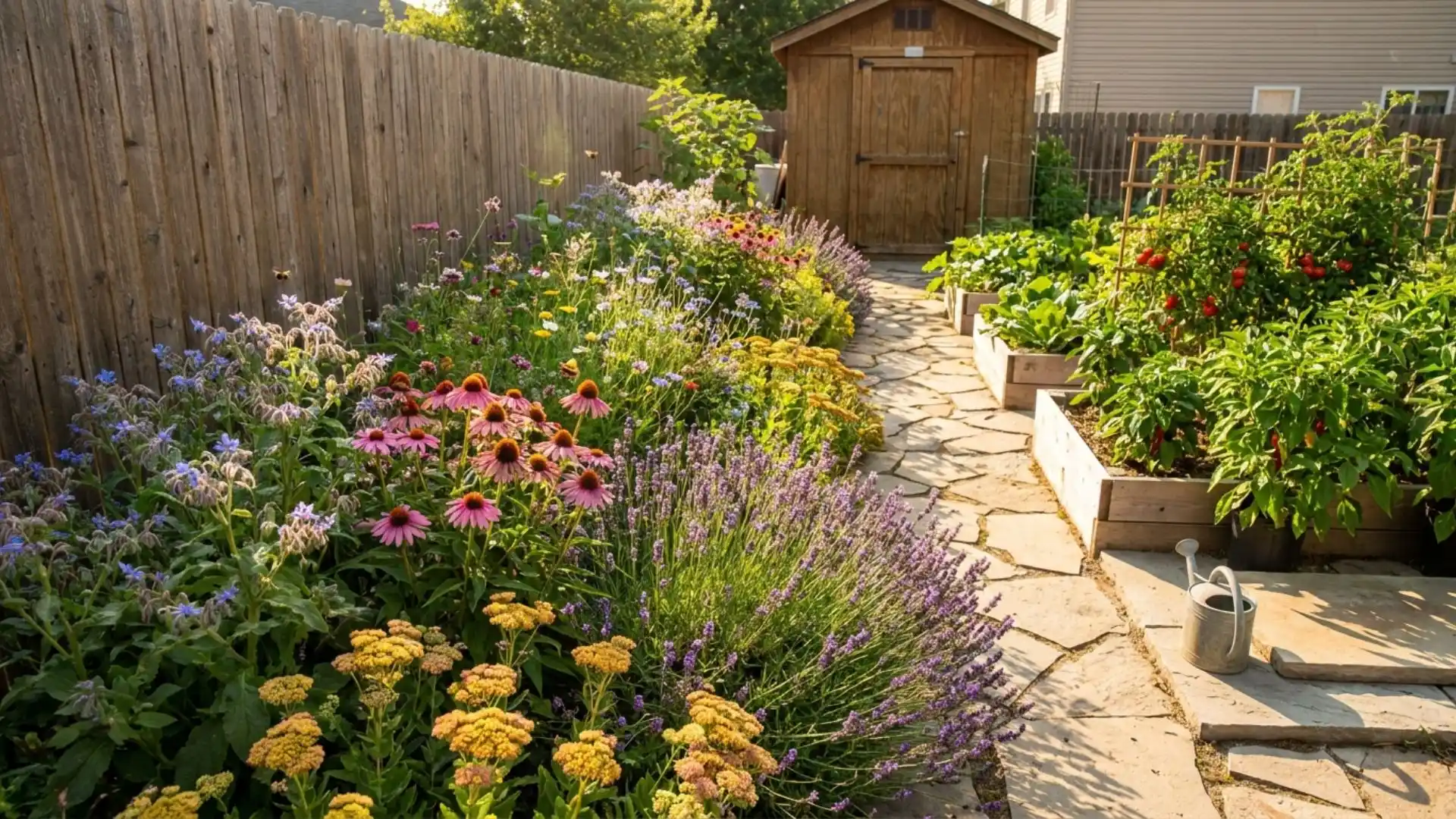
When vegetable crops produce little fruit despite healthy growth, or flowering plants underperform through the season, the missing factor is often pollinator activity.
The Approach
Dedicate a border or corner to pollinator-friendly plants, including lavender, echinacea, borage, and native wildflowers.
Plant in clusters rather than single specimens. Avoid double-flowered hybrid varieties, as these often produce little or no nectar.
Design a Pollinator Border That Flowers Across Three Seasons
A single dedicated border, planted with staggered flowering times, keeps nectar available from spring through autumn and measurably improves yields in the vegetable beds beside it.
- Step 1: Plant spring bulbs at the base to open the flowering sequence early in the season.
- Step 2: Fill the middle of the border with summer perennials for the longest flowering window.
- Step 3: Add autumn sedums at the back to carry nectar availability through to the end of the season.
15. Build a Sustainable Garden Using Reclaimed Materials
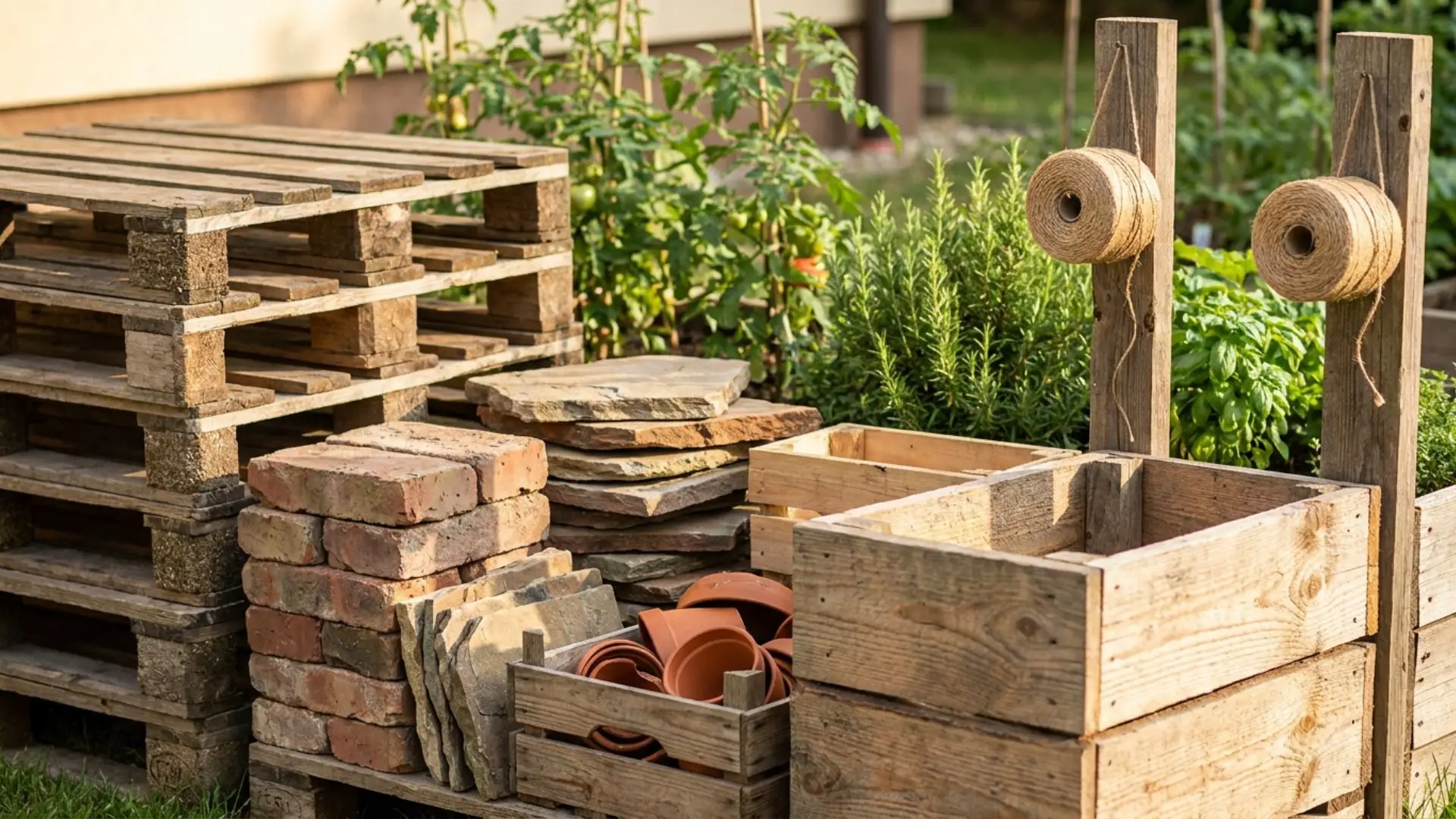
Building a garden from new materials each season adds unnecessary cost and waste over time.
Sustainable garden design using reclaimed, natural, and low-impact materials is a proven approach that produces functional, visually distinctive spaces. This method suits gardeners at any level and any budget.
The Approach
Use reclaimed timber pallets for raised beds and vertical planters, and lay paths using salvaged flagstones or reclaimed brick.
Replace plastic plant ties with natural jute or hemp twine. Use broken terracotta pieces as drainage material in pot bases rather than purchasing gravel.
Plan Every Built Element Using Reclaimed Materials
Map out all structures before sourcing anything, then build the entire garden from reclaimed brick, salvaged flagstones, timber offcuts, and old ceramic sinks.
- Step 1: Sketch out every built element, beds, paths, edging, supports, and planters before collecting a single material.
- Step 2: Source reclaimed brick for edging, salvaged flagstones for paths, and timber offcuts for labels and borders.
- Step 3: Use old ceramic sinks or other found vessels as statement planters to add character to the space.
16. Set Up Rainwater Harvesting
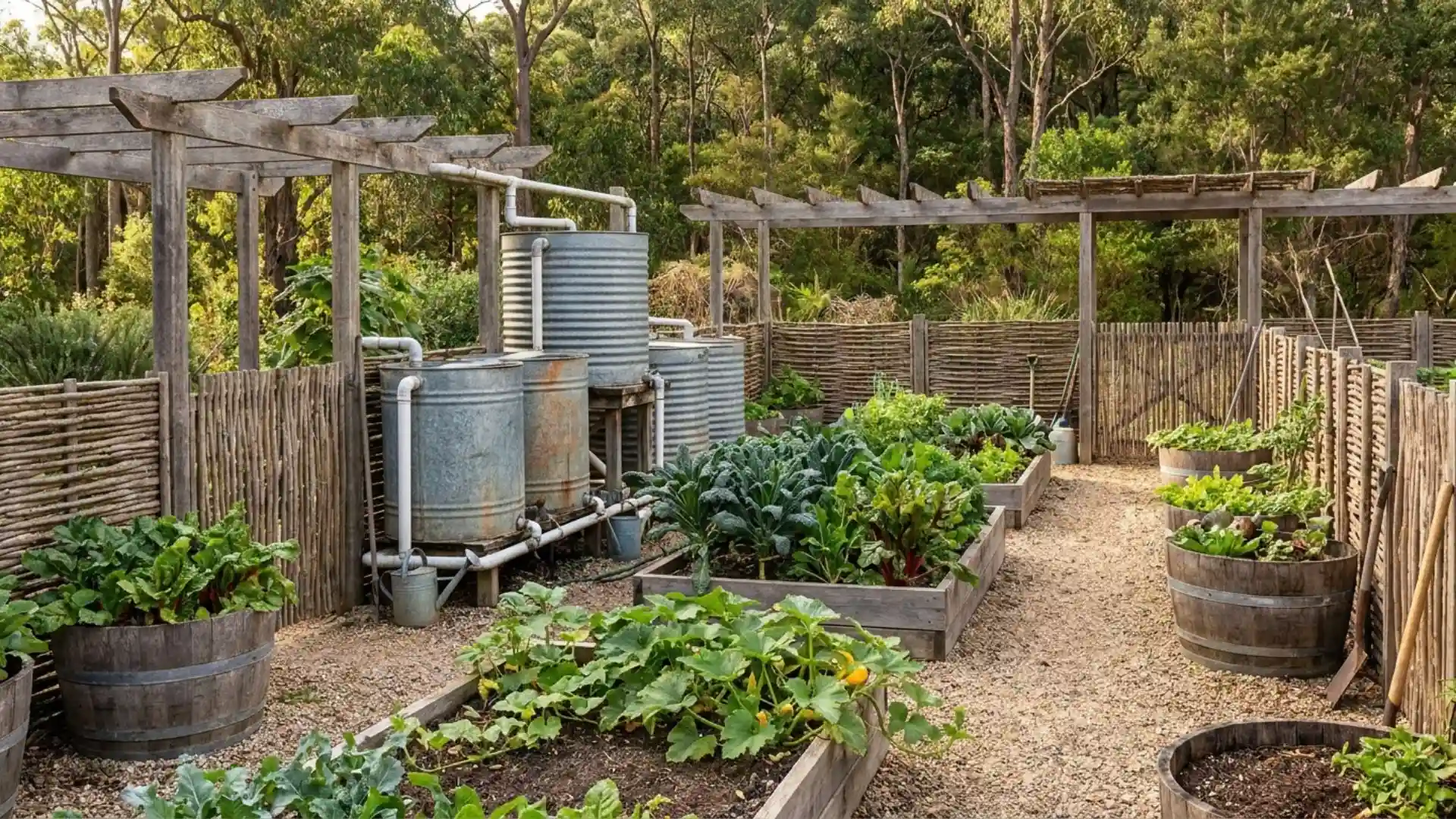
Water use is one of the highest costs in garden maintenance, particularly during dry summer months.
Many gardeners run mains water throughout the season without considering a lower-cost alternative. Rainwater harvesting is a well-established method that suits gardeners at any experience level.
The Approach
Install a water butt connected to a downpipe from the roof. Position it on a raised stand so water flows easily into a watering can.
Cover the opening with a mesh lid to keep out debris. A standard 200-liter butt fills quickly during moderate rainfall.
Install a Linked Water Butt System
Connecting two or three butts in sequence takes storage from 200 to 600 liters or more, enough to supply the entire garden through several weeks of dry weather.
- Step 1: Position the butts at the highest accessible point so gravity feeds water directly to the beds below.
- Step 2: Connect them in sequence using overflow pipes so each butt fills the next automatically.
- Step 3: Pair the system with mulching and drip irrigation to extend every liter as far as possible.
17. Design a Wildlife-Friendly Garden
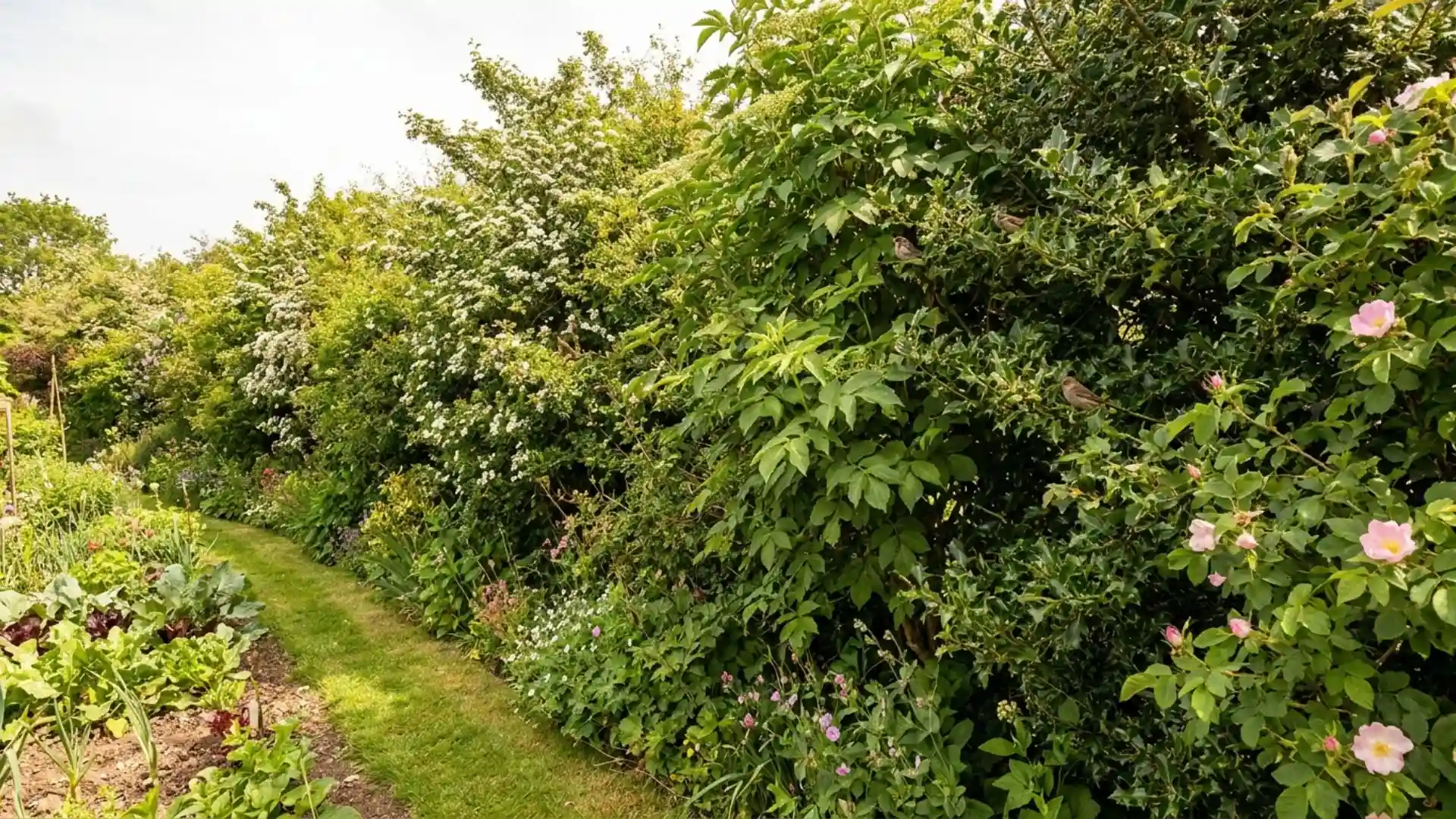
Gardens managed primarily for appearance often lack the features that support local wildlife. Birds, insects, hedgehogs, and amphibians bring natural pest control and ecological balance to the space.
Designing with wildlife in mind is a recognized conservation gardening approach accessible to gardeners at any level.
The Approach
Stack untreated logs in a shaded corner to create habitat for beetles and small mammals.
Install bird feeders and nest boxes in sheltered spots. Add a small container pond to support frogs and insects. Leave seed heads standing through winter to provide food for birds.
Replace a Fence with a Mixed Native Hedgerow
A mix of hawthorn, elder, holly, and dog rose provides year-round food, shelter, and nesting sites for birds, insects, and small mammals where a fence offers none.
- Step 1: Remove the existing boundary fence and prepare the soil along the line with compost.
- Step 2: Plant a mix of hawthorn, elder, holly, and dog rose in a staggered double row for density.
- Step 3: Trim once annually after the nesting period and leave the rest to establish naturally.
Common Gardening Mistakes to Avoid
Most early setbacks in the garden come down to a handful of habits that are easy to fall into and just as easy to correct once identified.
- Overwatering is one of the most common causes of plant failure; check soil moisture before reaching for the watering can.
- Skipping soil preparation before planting leaves roots struggling in ground that cannot support healthy growth.
- Treating all plants the same ignores the fact that light, water, and feeding requirements vary considerably from one variety to the next.
- Planting at the wrong time of year, either too early or too late, puts plants under stress before they have had a chance to establish.
- Neglecting to observe plants regularly means problems with pests, disease, or nutrient deficiency go unnoticed until they are harder to address.
Avoiding these mistakes does not require experience so much as attention. A slower, more considered approach to each stage of growing makes a measurable difference to the outcome.
Final Thoughts
Thriving gardens are not accidents. They are built on the right gardening tips applied at the right time.
The gardening ideas covered here go further. They shape not just how a garden is maintained but what it becomes. Proven methods that change how a land functions at its core.
A garden does not need to be large or elaborate to be worth tending. It needs the right foundation, a handful of reliable techniques, and a clear direction.
Pick one tip, head outside, and let the results speak for themselves.
Frequently Asked Questions
1. What Is the 70-30 Rule for Gardening?
The 70-30 rule divides a garden bed into 70% reliable, low-maintenance plants and 30% seasonal or accent varieties, allowing variety and experimentation without disrupting the overall structure.
2. How Long Does It Take for a Compost Pile to Produce Usable Garden Compost?
A well-maintained compost pile, turned regularly, produces usable compost in 2 to 3 months during warm weather.
3. Which Vegetables Are the Easiest and Most Reliable for First-Time Home Gardeners?
Salad leaves, radishes, courgettes, spring onions, and bush beans establish quickly and produce results within a single season.
Jordan Mathews, who has a degree in horticulture from Texas A&M University, has been a guiding force in plant health and sustainable gardening for over 16 years. His career began with a role at a renowned botanical garden, where he deepened his understanding of plant physiology and eco-friendly cultivation methods. Jordan joined our website as a freelancer in 2020, becoming a go-to expert for readers seeking advice on nurturing diverse plant species apart from offering insights grounded in scientific knowledge and practical experience. Beyond his professional achievements, Jordan is a keen nature photographer, capturing the beauty of flora in its immensely diversified forms.