
Water damage is perhaps one of the most deceptive problems a property can incur. This thing hides behind walls, creeps under floors, and spreads through ceilings long before a homeowner ever notices a single visible stain. When it becomes noticeable, the problem has already solidified its roots.
The detection of moisture intrusion can save thousands of dollars. It also protects the health of everyone inside the building. Professionals who specialize in Steamatic water damage restoration know that the properties that have the worst kind of damage are the ones where the warning signs went unaddressed for months. Knowing what to look for puts property owners in a better position.
Musty Odors
A persistent musty smell is perhaps one of the earliest signs of moisture concealed in the walls. This type of odor signals mold or mildew growth inside walls. Many homeowners mistake it for a temporary issue. Some even try to cover it with air fresheners. This only delays a proper assessment.
This type of smell gets stronger in enclosed spaces. In case the odor returns, despite airing out, it is a sure shot sign of water damage. A professional moisture inspection can pinpoint the exact origin without any unnecessary demolition.
Stains on Walls
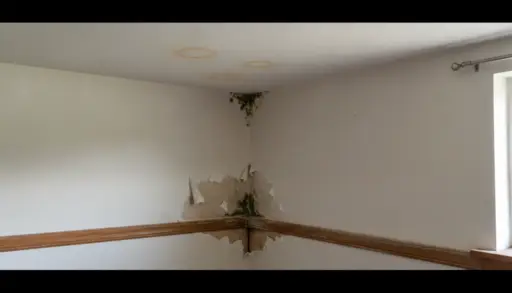
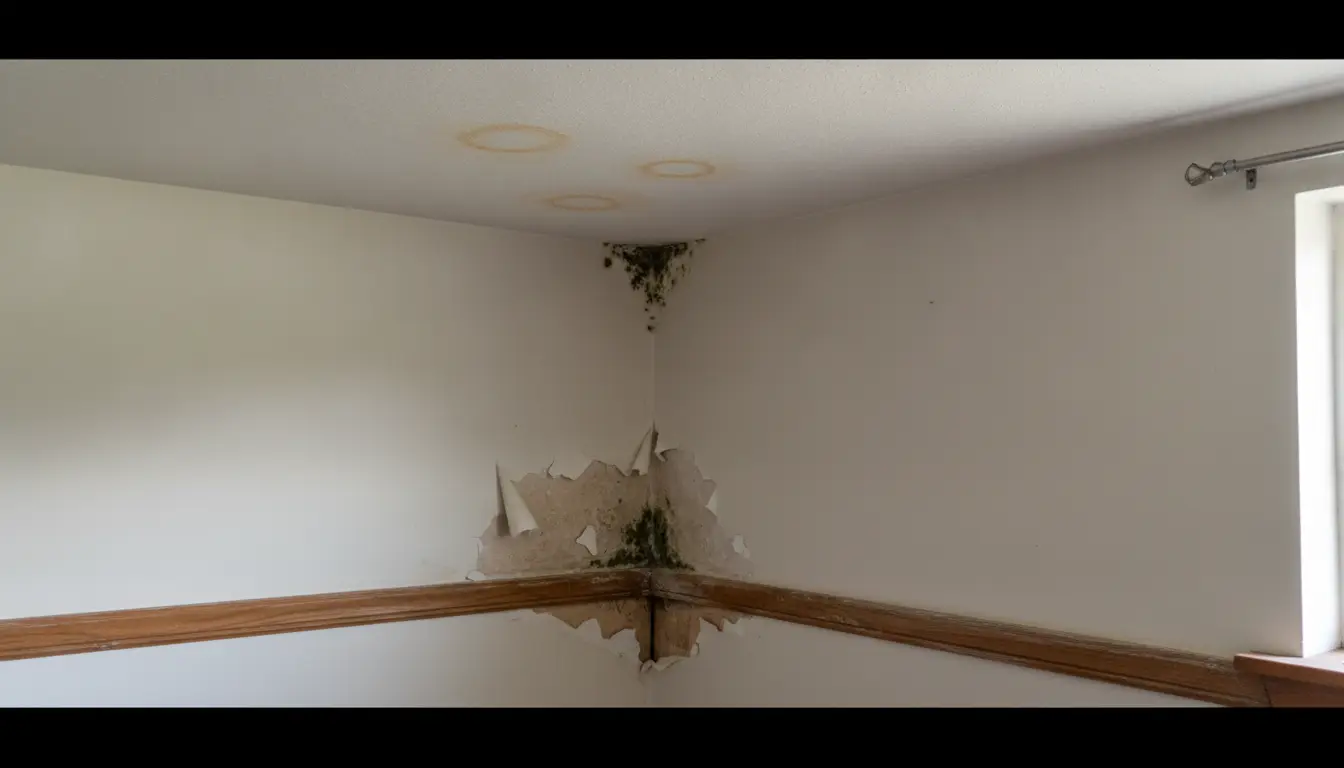
A small ring-shaped stain can represent a leak that has been active for weeks. Stains on ceilings or walls tell a classic story of water damage as well. These stains appear when water evaporates and leaves mineral deposits.
Paint that blisters in patches also points to trapped moisture beneath the surface. Drywall absorbs water readily. Once it does, the surface finish begins to separate. Stains that reappear after repainting are a clear indication that the water source itself has never been addressed.
Swollen Surfaces
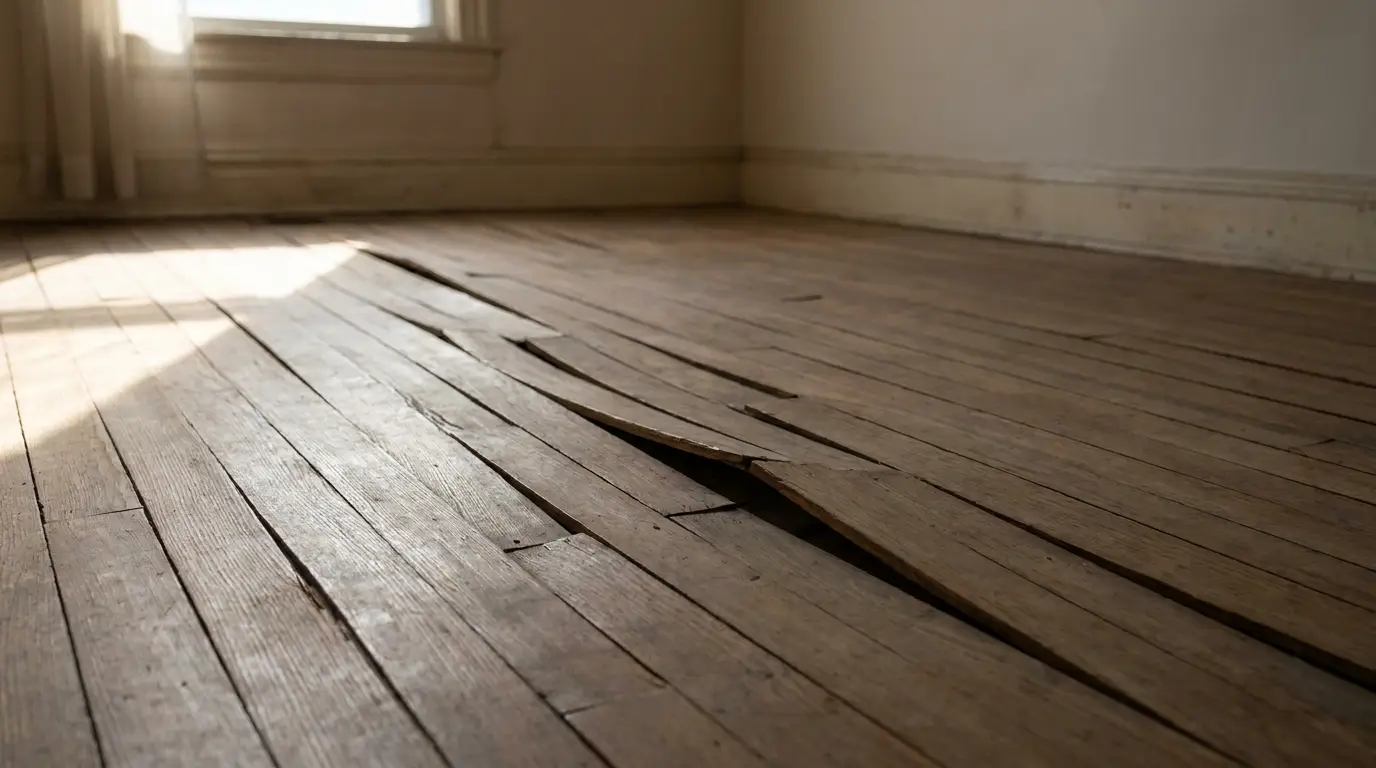
Hardwood floors that warp or buckle also denote that there is moisture underneath them. Wood expands when it absorbs water. This type of pressure causes boards to lift against one another. Tile floors that feel springy or crack along the grout lines can signal a similar problem.
Walls and door frames that swell or shift also point to water accumulation inside the structure. A door that suddenly sticks or no longer closes properly may have nothing to do with settling and everything to do with moisture in the surrounding framing.
Unexplained Increases in Water Bills
A water bill that spikes without any change in usage habits is a warning sign. In this arena, hidden pipe leaks are the most common culprit. It can release hundreds of gallons of water per day. As the water has to go somewhere, it saturates the surrounding materials silently.
It is best to check the water meter while all fixtures are turned off. If the meter still moves, water is escaping somewhere in the system. Even a slow, steady drip can cause significant structural damage across several months.
Surface Deterioration
Pressing gently on any surface that feels hollow is also a red flag. Drywall, plywood, and particleboard all lose their structural integrity when they remain wet for extended periods. A surface that gives under light pressure has likely been holding moisture for quite some time.
Baseboards and trim that pull away from the wall or crumble easily are also signs of long-term exposure to moisture. These materials absorb water from the floor and wall surfaces around them. Once the integrity of these materials breaks down, the damage typically extends much further than it appears on the surface.
Mold in Unexpected Areas
Visible mold growth in low-traffic areas like the back of a cabinet, inside a closet, or along a ceiling edge is a strong indicator of a hidden water problem. Mold requires sustained moisture to grow, so its presence almost always means that water has been sitting somewhere nearby. Small patches of black, green, or white mold should never be dismissed as a surface-level issue.
Mold that keeps returning after surface cleaning signals that the moisture source itself remains active. Cleaning the mold without addressing the water intrusion only provides a temporary fix. A thorough moisture assessment identifies the source so that true remediation can take place.
Rust Stains Around Fixtures
Rust streaks around pipe fittings, valve handles, or supply lines indicate that water has been escaping over time. Metal corrodes when exposed to sustained moisture, and those orange or reddish stains mark the path the water has traveled. Corrosion inside cabinets under sinks is particularly common and particularly easy to overlook.
Discoloration around water heater bases, washing machine connections, and dishwasher lines deserves the same attention. These high-use appliances experience slow leaks regularly, and the moisture spreads outward into surrounding cabinetry and flooring. Catching corrosion early prevents the kind of widespread damage that requires full cabinet or floor replacement.
A professional assessment from a qualified water damage restoration team, one experienced in the full spectrum of detection and recovery, makes all the difference. Steamatic water damage restoration specialists use moisture meters, thermal imaging, and thorough structural inspections to find problems that visual checks miss entirely. Addressing water damage at the earliest possible stage protects the structure, the air quality inside, and the investment the property represents.

Tommy Hardy, an alumnus of the Georgia Institute of Technology with a degree in Mechanical Engineering, has been a go-to figure in residential upkeep and innovation for over 18 years. His career commenced in a leading home appliance manufacturing company, where he mastered the intricacies of household systems. Joining our platform in 2020, Tommy quickly became a reader favorite for his practical and easy-to-follow guides. He took the helm of our DIY section in 2019, consistently delivering content that empowers homeowners. Beyond his professional pursuits, Tommy is a passionate gardener and enjoys woodworking, skills enhancing his hands-on approach to home care.