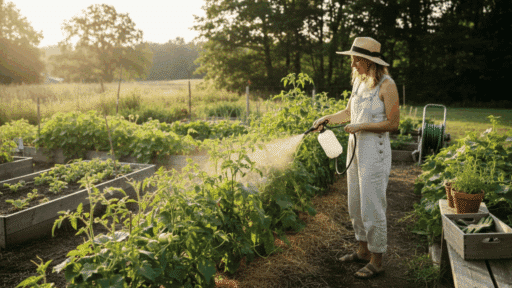
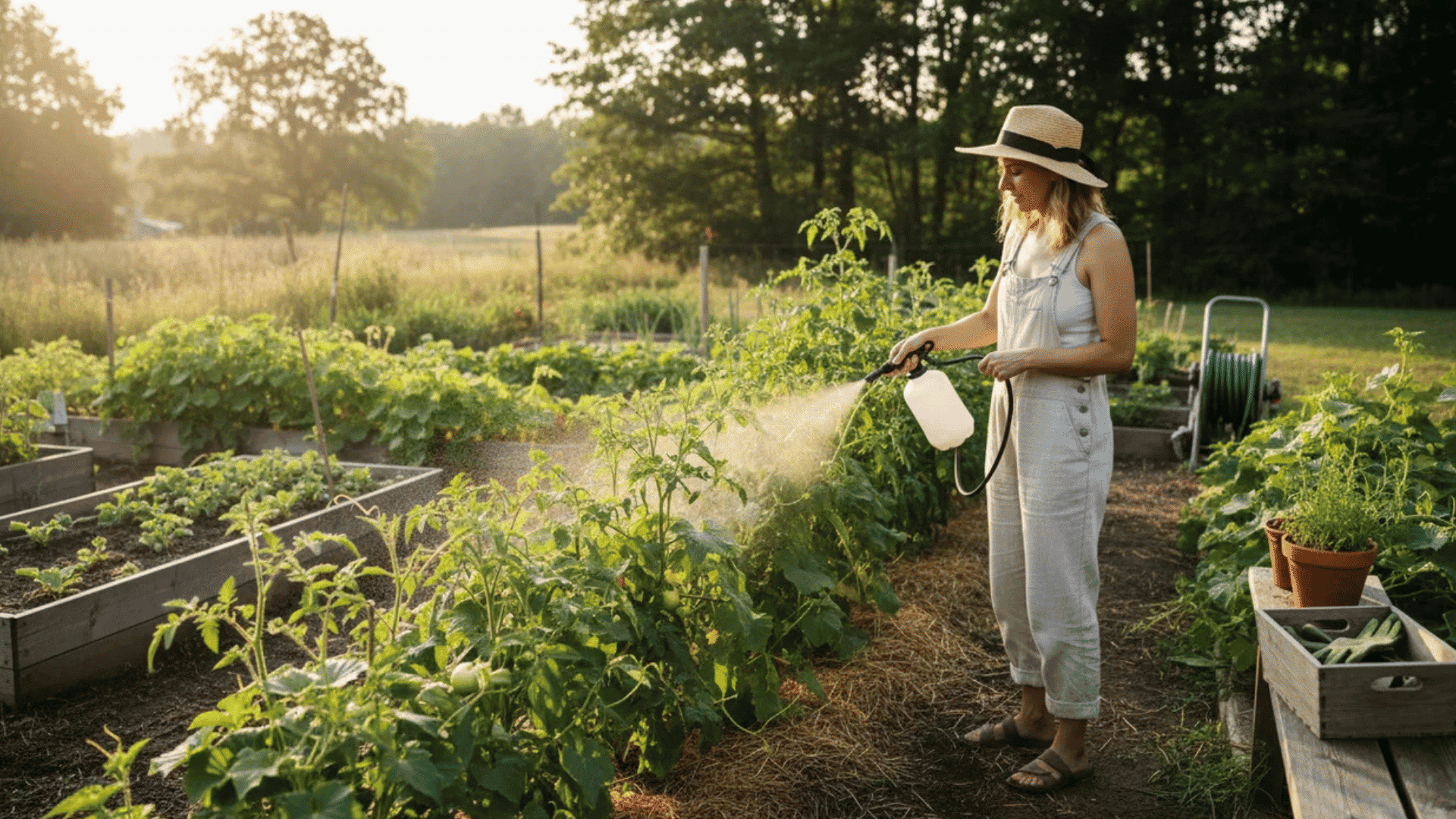

I keep a box of baking soda in my kitchen, but for a while now, it’s also been a regular part of how I care for my garden.
Many gardeners have heard of using baking soda for plants, but most aren’t sure whether it actually works or how to use it without harming plants.
I’ve tested it myself, made some mistakes, and learned what works.
In this article, I cover the real benefits of baking soda in the garden, how to apply it safely, the right amounts to use, and which plants respond well to it.
I also share what to avoid, because too much of it can hurt your soil and your plants. If you want simple, practical advice based on real experience, you’re in the right place.
Let’s get into it.
Is Baking Soda Good for Plants
Baking soda for plants can be helpful, but only when used correctly and in small amounts. It is not a plant fertilizer; it’s more of a quick fix for specific problems.
It works by raising the pH on leaf surfaces, making it harder for fungal spores to germinate and spread.
Research from Garden Professors (UC Cooperative Extension) has shown that sodium bicarbonate salts suppress powdery mildew; the potassium form is better than the sodium.
Once a fungal infection is established deep in plant tissue, baking soda will not reverse it. Many gardeners use it to manage powdery mildew, black spot, and other common fungal issues.
The main benefits reported include reduced fungal growth, some pest deterrence, and a lower cost than store-bought sprays.
But risks are real. Too much baking soda can raise soil pH, block nutrient absorption, and cause leaf burn. It should not be used on seedlings, in hot sun, or applied too often.
Quick takeaway: safe in small doses, damaging in excess.
How to Use Baking Soda for Plants Safely
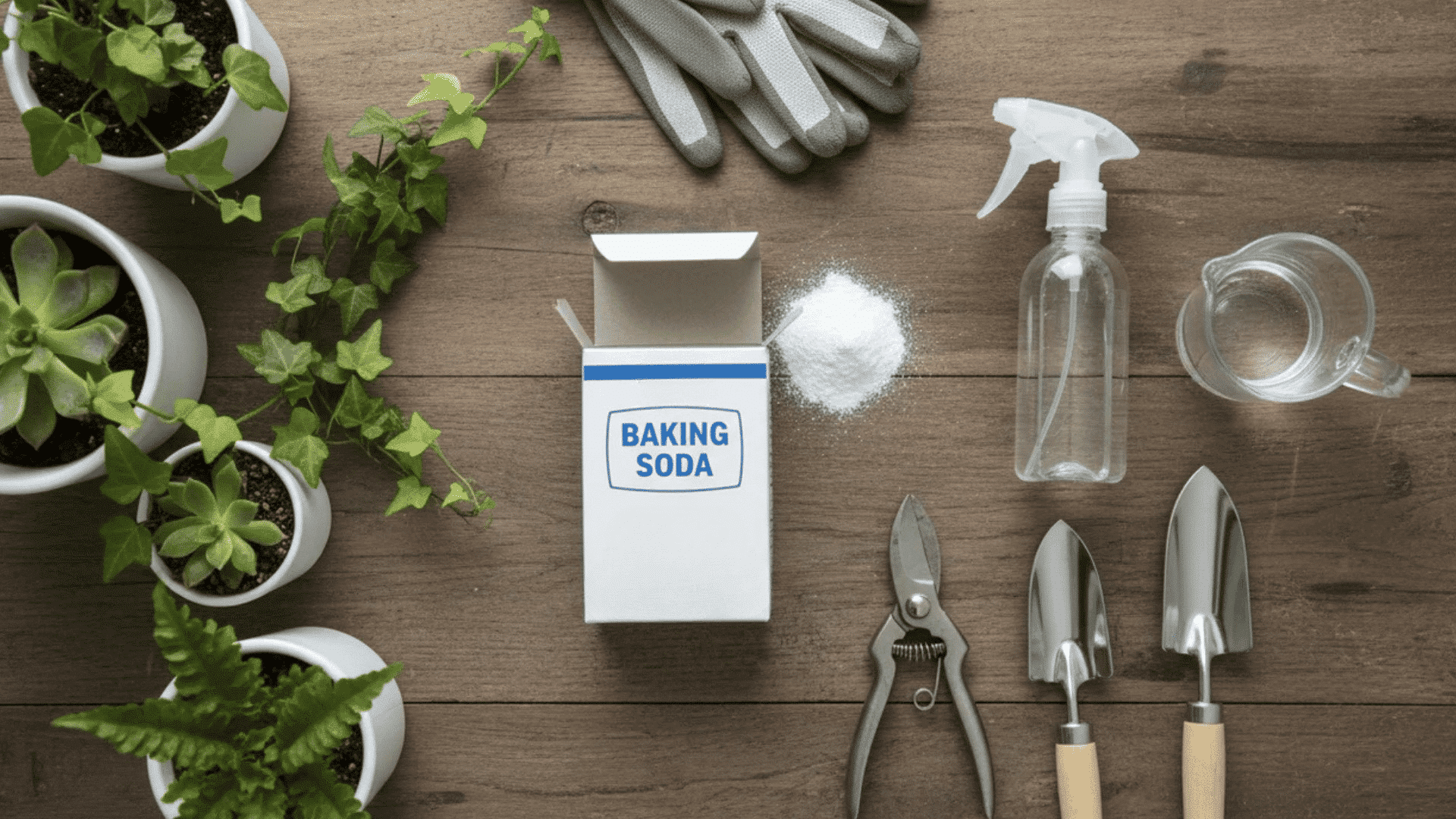
Getting the mix and timing right makes all the difference. A small mistake in the amount or application can do more harm than good.
- Basic Baking Soda Spray Recipe: Mix 1 teaspoon of baking soda with 1 quart of water and a few drops of liquid dish soap. The soap helps the solution stick to leaves rather than slide off.
- Best Time to Apply: Spray in the early morning or late evening when the sun is not strong. Applying baking soda to plants in direct sunlight increases the risk of leaf scorch.
- How Often to Use It: Once a week is enough for treating fungal issues. Applying it more frequently can build up sodium in the soil over time.
- Test Before Full Application: Always spray one or two leaves first and wait 24 hours before treating the whole plant. Some plants are more sensitive than others and may show signs of stress quickly.
- Key Rule to Follow: Less is always better when it comes to baking soda and plants. Start with the lowest amount and only increase if results are not showing after a proper wait time.
Benefits and Risks of Using Baking Soda for Plants
Baking soda for plants offers real advantages but also clear limitations. Knowing both sides helps make smarter decisions in the garden.
| Category | Benefits | Risks |
|---|---|---|
| Fungal Control | Helps reduce powdery mildew by altering surface conditions on leaves | Overuse can stress the plant instead of protecting it |
| Plant Diseases | May reduce black spot, mild fungal infections, and moisture-related leaf problems | Does not cure infections already deep in plant tissue |
| Garden Pests | Can deter ants, aphids, and slugs when applied around plants | Works only as a mild deterrent, not a reliable pest solution |
| Cost & Availability | Affordable, easy to find, and a common household ingredient | A low price can lead to overuse, which causes more harm |
| Leaf Health | Helps keep leaf surfaces less favorable for spore growth | Too much causes leaf burn and visible signs of plant stress |
| Soil Impact | Safe when used sparingly and rinsed off leaves | Heavy use raises soil pH and blocks nutrient absorption |
| Plant Suitability | Works reasonably well on tomatoes, roses, and squash | Acid-loving plants, seedlings, and indoor plants react poorly |
| Sodium Buildup | No issue with correct and limited use | Repeated use allows sodium to build up and damage roots |
Common Ways to Use Baking Soda in the Garden
Different plants respond to baking soda in different ways. Knowing the right approach for each use case helps get better results with less risk.
- Baking Soda for Powdery Mildew: Mix 1 teaspoon of baking soda with 1 quart of water, then spray both sides of affected leaves. Works best on cucumbers, squash, and roses at the early stages.
- Baking Soda for Tomato Plants: Some gardeners apply a small amount near the base to slightly reduce soil acidity. Results vary depending on soil type and conditions.
- Using Baking Soda Around Roses: Roses are common targets for black spot and powdery mildew. Spray in the early morning, keep the mix diluted, and avoid repeated soil contact.
- Baking Soda for Vegetables: Works on cucumbers, squash, and zucchini when applied at the early signs of fungal growth. Stick to problem areas only and limit use to once a week.
Warning: Never apply baking soda to plants in full sunlight or at full concentration. Even a single heavy application can burn leaves, disrupt soil balance, and significantly set back plant growth.
Can You Put Baking Soda Directly in Soil
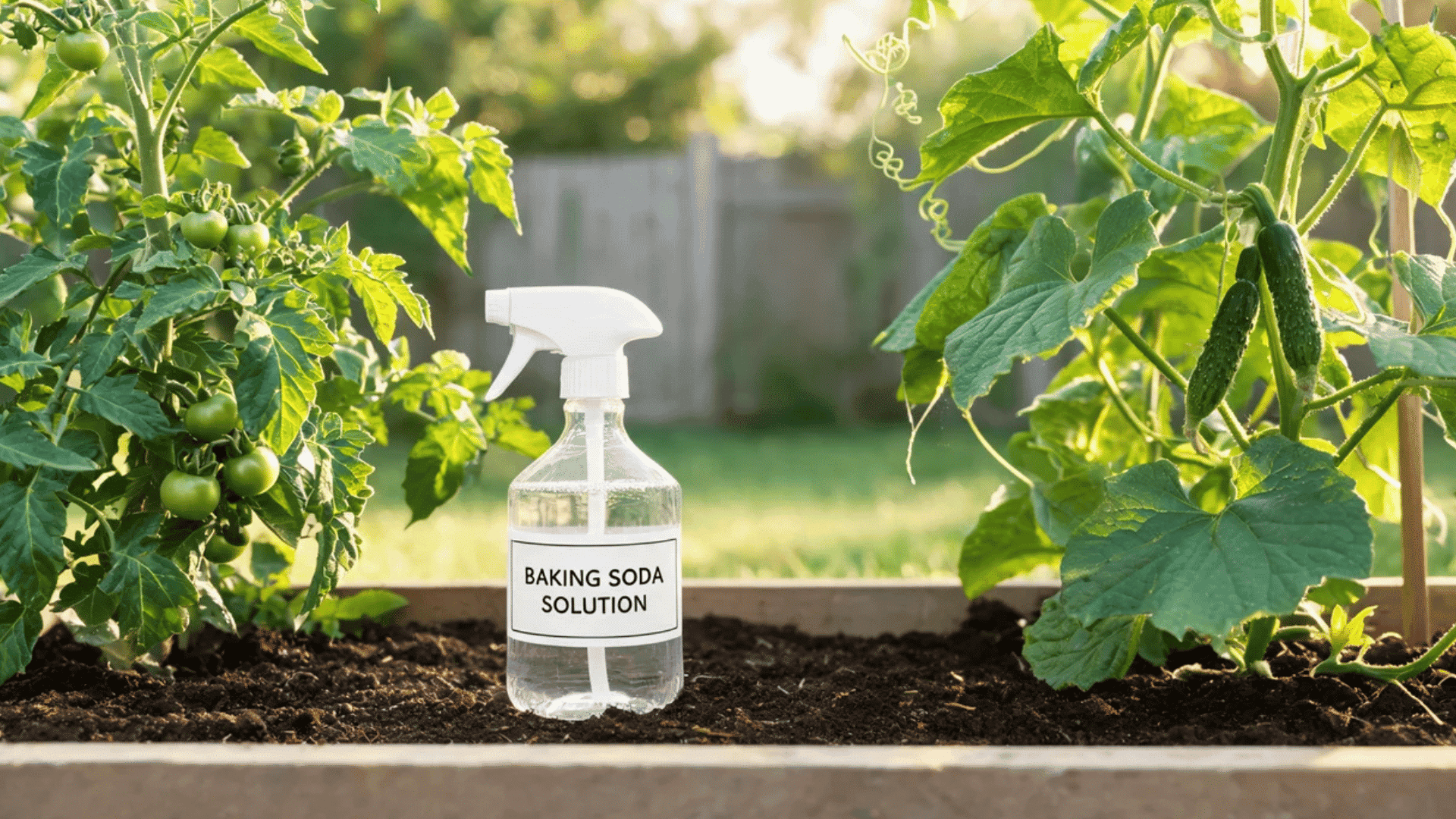
Baking soda can be added to soil, but it is generally not recommended for regular use. Even small amounts can shift the soil pH and raise sodium levels over time.
When baking soda for plants is applied directly to the ground, it increases alkalinity. This makes it harder for roots to absorb key nutrients, such as iron, manganese, and nitrogen.
Repeated use is where the real damage happens. A single light application may not cause visible harm, but consistent use can build up sodium levels, weakening soil structure and slowing root growth.
Container plants face a higher risk than garden beds. Limited soil volume means pH changes happen faster and are harder to reverse.
For healthier soil, compost, mulch, and proper watering work better without the side effects. These options improve soil naturally without disrupting its balance.
Best and Worst Plants to Use Baking Soda on
Not all plants react the same way to baking soda, and using it on the wrong ones can cause real damage. Knowing which plants handle it well makes a big difference in results.
| Plant Type | Baking Soda Response | Notes / Usage Guidelines |
|---|---|---|
| Roses, tomatoes, cucumbers, grapes, squash | Respond well to baking soda | Tolerate mild alkaline conditions; commonly treated for fungal issues with diluted sprays |
| Azaleas, blueberries, ferns | Sensitive to baking soda | Acid-loving; small amounts can interfere with nutrient uptake and slow growth |
| Hydrangeas, geraniums | Sometimes treated with very diluted baking soda | Prefer slightly alkaline soil; use no more than 1 tsp per gallon, max once a month |
| Seedlings (all types) | Should avoid baking soda | Roots are underdeveloped; pH shifts or sodium exposure can harm growth |
Always check the specific plant before applying any baking soda solution. Soil type and plant sensitivity vary, and one approach does not work for every garden.
Natural Alternatives to Baking Soda for Plants
Some garden problems respond better to natural options than baking soda. These alternatives are gentler on soil and plants while still tackling common fungal and pest issues.
- Neem Oil: A natural antifungal and pest repellent that works on a wide range of plant problems without affecting soil pH.
- Compost Tea: Boosts soil health and natural plant immunity, reducing the likelihood of fungal issues in the first place.
- Milk Spray: A diluted milk-and-water mix has shown real results against powdery mildew, especially on roses and cucumbers.
- Organic Fungicides: Plant-safe products made from copper or sulfur are more effective at treating fungal infections than baking soda.
- Better Watering and Airflow Practices: Watering at the base, spacing plants properly, and improving airflow reduce moisture buildup, the main cause of most fungal problems.
Good to Know: If baking soda for plants isn’t giving consistent results, switching to neem oil or an organic fungicide is a smarter long-term move. They target the problem more directly and carry far less risk to soil health.
Common Mistakes to Avoid
Small errors in the application can turn a helpful remedy into a harmful one. These are the most common mistakes gardeners make, along with what to do instead.
| Mistake | What Goes Wrong | What to Do Instead |
|---|---|---|
| Using Too Much Baking Soda | Excess sodium builds up in the soil and blocks nutrient absorption | Stick to 1 teaspoon per quart of water, never more |
| Spraying Too Often | Repeated use raises soil pH and weakens plant roots over time | Limit applications to once a week at most |
| Applying During Hot Weather | Direct sun speeds up leaf burn and dries the solution too fast | Always spray in the early morning or late evening |
| Ignoring Soil Condition | Applying to already alkaline soil makes the imbalance worse | Test soil pH before using baking soda for plants |
| Mixing Strong Homemade Solutions | High-concentration sprays cause immediate leaf scorch and stress | Always use the weakest mix possible and test on one leaf first |
Final Thoughts
Baking soda for plants is not a magic solution, but it earns its place in the garden when used the right way. Small amounts, the right timing, and a little patience go a long way.
The biggest lesson here is knowing when to use it and when to leave it alone. Not every plant, soil type, or situation calls for it.
And that’s fine, gardening is about figuring out what works for a specific space, not following a one-size-fits-all rule.
Some plants will respond well. Others won’t. The only way to know is to try carefully, start small, and pay close attention to how plants react over the following days.
Have you used baking soda in your garden before? Did it help, or did it cause any problems? Share your experience in the comments.
Frequently Asked Questions
Is Baking Soda Okay for Candida?
Baking soda has antifungal properties, but it is not a treatment for candida and should not replace medical advice.
Can Baking Soda Be Used as a Fertilizer?
Baking soda for plants is not a fertilizer; it has no nutrients and does not support plant growth in the way fertilizers do.
Is Baking Soda or Epsom Salt Better for Plants?
Epsom salt provides magnesium and supports growth, while baking soda only helps with surface fungal issues; both serve different purposes.
Is Baking Soda Safe for Indoor Plants?
Baking soda can be used on indoor plants in very small amounts, but limited soil space makes pH changes happen faster and harder to fix.

Jordan Mathews, who has a degree in horticulture from Texas A&M University, has been a guiding force in plant health and sustainable gardening for over 16 years. His career began with a role at a renowned botanical garden, where he deepened his understanding of plant physiology and eco-friendly cultivation methods. Jordan joined our website as a freelancer in 2020, becoming a go-to expert for readers seeking advice on nurturing diverse plant species apart from offering insights grounded in scientific knowledge and practical experience. Beyond his professional achievements, Jordan is a keen nature photographer, capturing the beauty of flora in its immensely diversified forms.