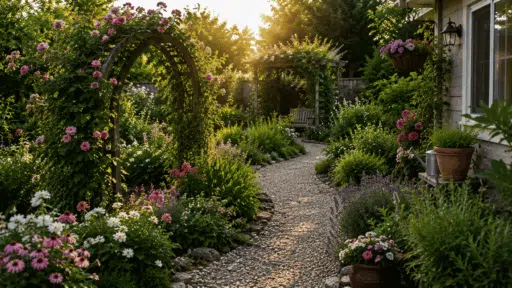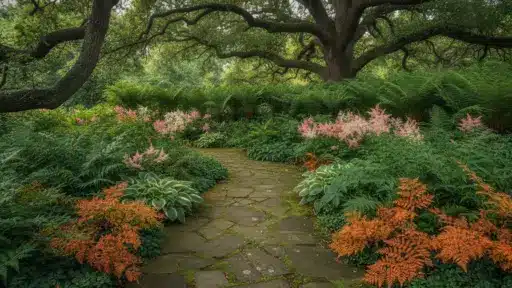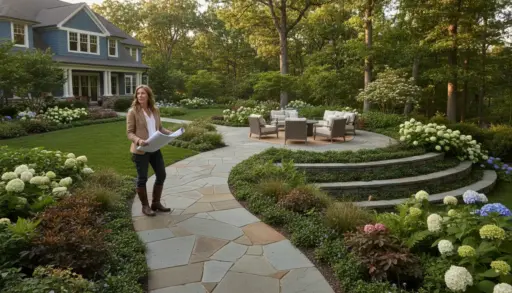
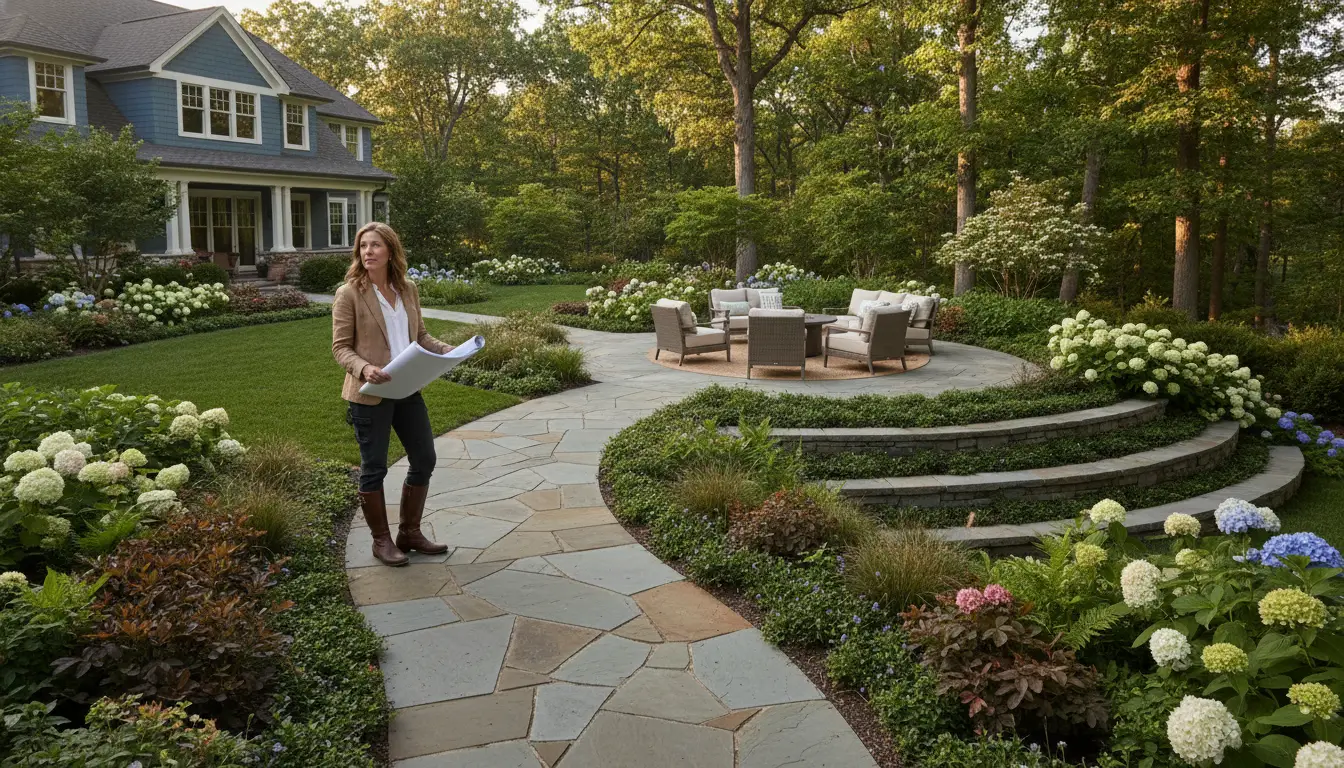

A well-planned yard affects comfort, safety, drainage, maintenance, and property value. Professional design brings those pieces together into a single working plan, rather than treating beds, patios, lighting, and paths as separate jobs. Homeowners may picture finishes first, but trained specialists read slope, soil, sun, circulation, and daily routines. That careful assessment helps prevent waste, reduce rework, and create outdoor areas that support our lives over many seasons.
Local Site Knowledge
Good planning begins with weather patterns, clay content, runoff, shade, and neighborhood scale. Many homeowners compare early ideas with landscape designers in St. Louis because local field experience can guide plant selection, hard surfaces, grading, and water movement. That practical context improves decisions before crews order materials, schedule labor, or reshape major yard areas.
A Clear Master Plan
A designer gives scattered ideas a buildable order. The plan may set places for meals, play, storage, privacy, service access, and garden beds. Each choice affects another, so drawings matter. Clear documents help contractors price work with fewer assumptions. Homeowners also gain a phased roadmap that prevents future upgrades from interfering with work already completed.
Better Use of Space
Some yards waste useful square footage because paths, slopes, doors, or shade were never studied together. A professional reviews movement, sightlines, sun exposure, and access from inside the home. Then small areas can serve a purpose, while larger ones feel calm and organized. Proper placement keeps seating, grills, steps, and planting from interrupting everyday routines.
Drainage and Grading
Water behavior should be reviewed before any attractive feature is added. A poor slope can push runoff toward foundations, soften lawns, stain paving, and drown root systems. Designers assess grade, soil absorption, low points, and overflow routes. Swales, rain gardens, permeable paving, or stone channels can move water responsibly while still looking intentional.
Plant Selection
A designer weighs plant height, root spread, light exposure, moisture needs, salt tolerance, and seasonal change. Careful judgment prevents crowded beds, weak growth, and constant pruning. Strong planting plans also reduce erosion, support pollinators, cool paved areas, and keep the yard interesting after spring blooms fade.
Budget Control
Professional input can keep spending tied to performance. Designers compare material grades, plant sizes, installation methods, and reasonable phasing. A modest patio in the right location may serve better than a larger surface placed poorly. Clear priorities help homeowners reserve funds for grading, base preparation, lighting, and other details that affect long-term results.
Material Choices
Outdoor materials must tolerate sun, freeze cycles, moisture, traffic, stains, and shifting soil. Designers know how brick, stone, concrete, gravel, wood, and metal age in real conditions. They also consider texture, drainage, color, glare, and slip resistance. The best choice feels connected to the house while staying practical under daily use.
Contractor Coordination
Many projects require masons, carpenters, electricians, irrigation crews, and planting teams. A designer helps those trades work from one coordinated plan. That reduces field confusion and prevents expensive conflicts. Lighting sleeves, drainage paths, wall footings, and planting zones need to be properly sequenced. Clear specifications also make contractor bids easier to compare with confidence.
Long-Term Care
A yard should remain healthy without constant correction. Designers account for pruning access, watering needs, leaf drop, snow storage, mower movement, and seasonal cleanup. Plants need space to reach their mature form. Hard surfaces need stable bases, clean edges, and serviceable joints. Planning for care helps homeowners enjoy the setting instead of managing avoidable problems.
Home Value
Outdoor improvements can strengthen curb appeal and buyer confidence. The greatest value usually comes from clear circulation, healthy plantings, useful gathering areas, and visible care quality. A designer helps prevent scattered upgrades that feel unrelated. When the yard reads as a single cohesive plan, the property appears more finished, functional, and well-maintained.
Personal Comfort
The best outdoor plans reflect real household habits. Some families need open lawn, while others value shade, privacy, vegetable beds, or quiet seating. Designers ask how areas should feel during breakfast, evening rest, and weekend gatherings. Those answers shape scale, materials, views, and planting. Comfort comes from details that match daily use.
Conclusion
A professional designer brings disciplined judgment to decisions that homeowners often must make under pressure. The value comes through site analysis, practical planning, budget control, trade coordination, and care requirements. That guidance helps prevent mistakes before construction starts. With a clear plan, outdoor areas can become easier to use, simpler to maintain, and better connected to the way our homes support everyday life.

With a Master’s in Landscape Architecture from the University of Virginia, Sophia Stephenson has dedicated the last 20 years to creating and maintaining vibrant outdoor spaces. Her professional journey started in landscape design, where she gained a reputation for innovative and sustainable approaches. Sophia became a part of our editorial team as a freelancer in 2019, offering a fresh perspective on outdoor living. Since 2020, she has been the chief for our outdoor design content, blending aesthetic appeal with environmental stewardship. In her leisure time, Sophia is a keen photographer, capturing the beauty of natural landscapes, a hobby that complements her professional expertise.