
A thoughtful garden layout can make a significant difference in how your outdoor space looks and functions.
I’ve found that a well-planned design helps plants receive the right amount of sunlight, improves airflow, and makes watering and maintenance much easier.
It also allows you to use available space more efficiently, from small patios to larger landscapes like backyards. Different layouts serve different purposes, from growing vegetables and herbs to showcasing flowers or attracting pollinators.
Before choosing a design, it’s important to consider factors such as garden size, soil quality, sunlight exposure, water access, and maintenance needs.
In this guide, I’ll share garden layout ideas across seven popular garden types to help you create a space that fits your goals and gardening style.
Planning Your Garden Layout
Designing a garden involves more than simply choosing plants. The arrangement of different areas can influence accessibility, maintenance requirements, visual balance, and the effectiveness of space use throughout the year.
Some layouts focus on decorative planting, while others prioritize food production, pollinator support, water features, or making the most of smaller outdoor spaces.
The following garden layout ideas are organized into several popular categories, making it easier to explore different approaches and find a design that suits your outdoor space and gardening goals.
Flower Garden Layout Ideas
Flower gardens offer many ways to add color and structure to an outdoor space.
The following layout ideas focus on different planting arrangements that can suit both small and large gardens while helping maintain seasonal interest throughout the year.
1. Cottage Flower Garden Layout
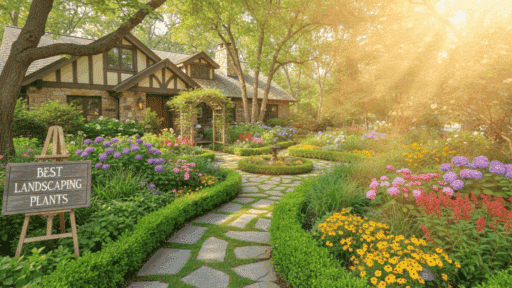
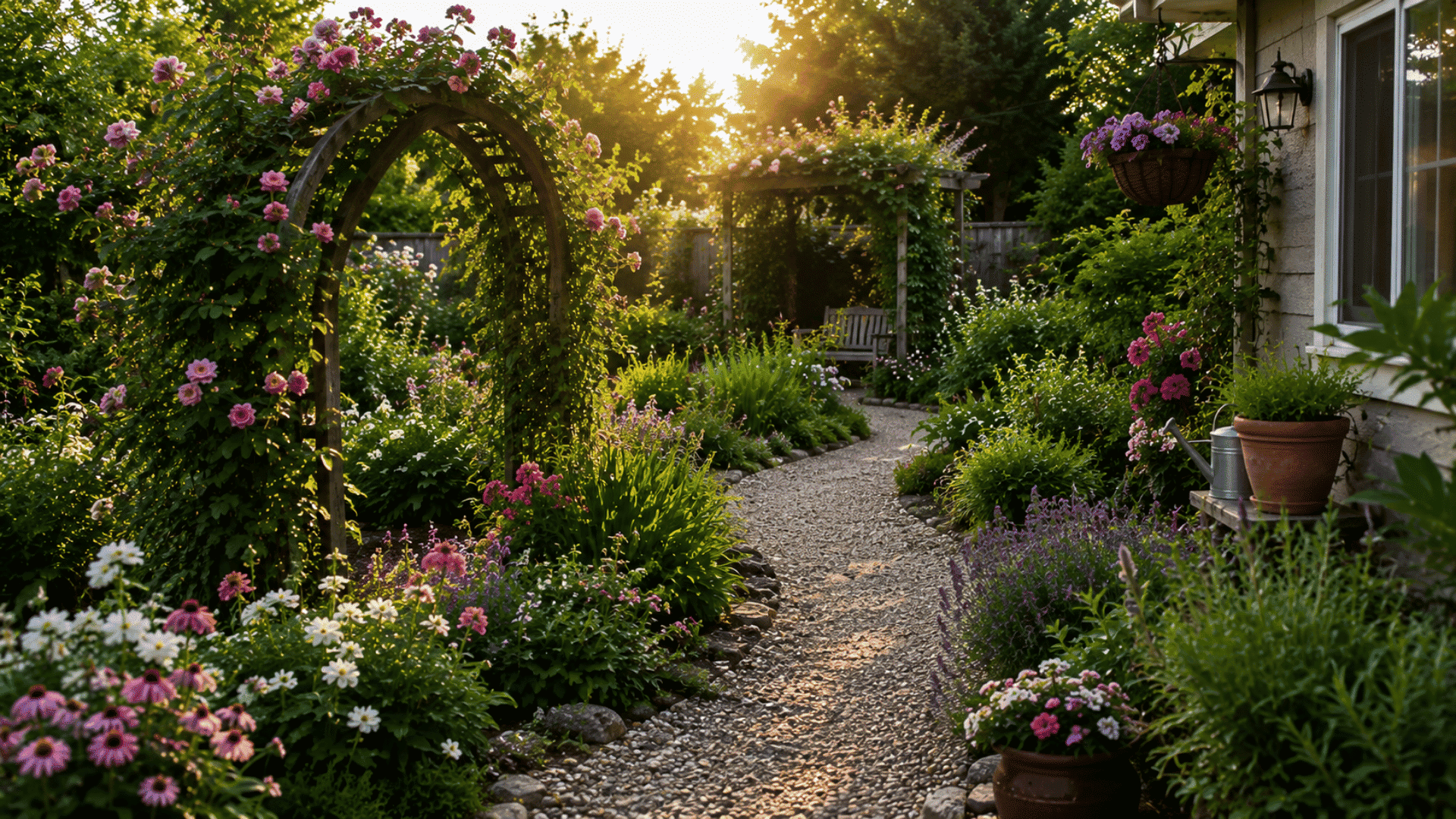
A cottage flower garden features densely planted beds filled with roses, daisies, lavender, foxgloves, and other flowering plants.
Curved pathways pass through the planting areas, while climbing flowers can be trained over arches, trellises, or fences.
The combination of annuals and perennials helps maintain blooms across multiple seasons, making this layout suitable for gardeners who prefer a relaxed and colorful planting style rather than a highly structured arrangement.
2. Symmetrical Flower Garden Layout
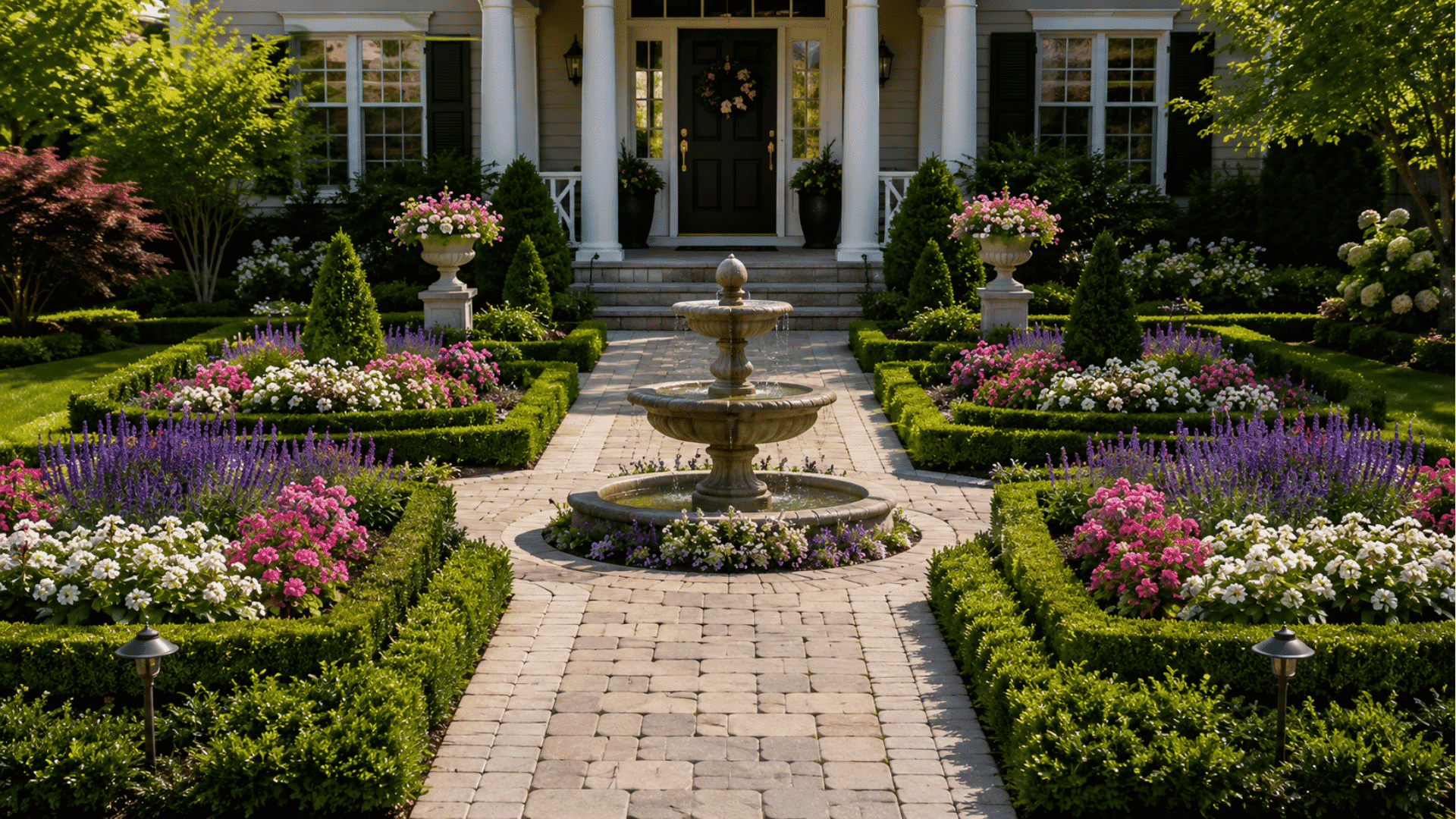
This layout uses matching planting beds positioned on either side of a central feature such as a fountain, birdbath, planter, or pathway.
Repeating flower varieties, similar shapes, and equal spacing help create a balanced appearance. The organized arrangement works particularly well in front yards and formal landscapes where structure is important.
Seasonal flowers can be rotated throughout the year while maintaining the same overall design pattern.
3. Layered Border Garden Layout
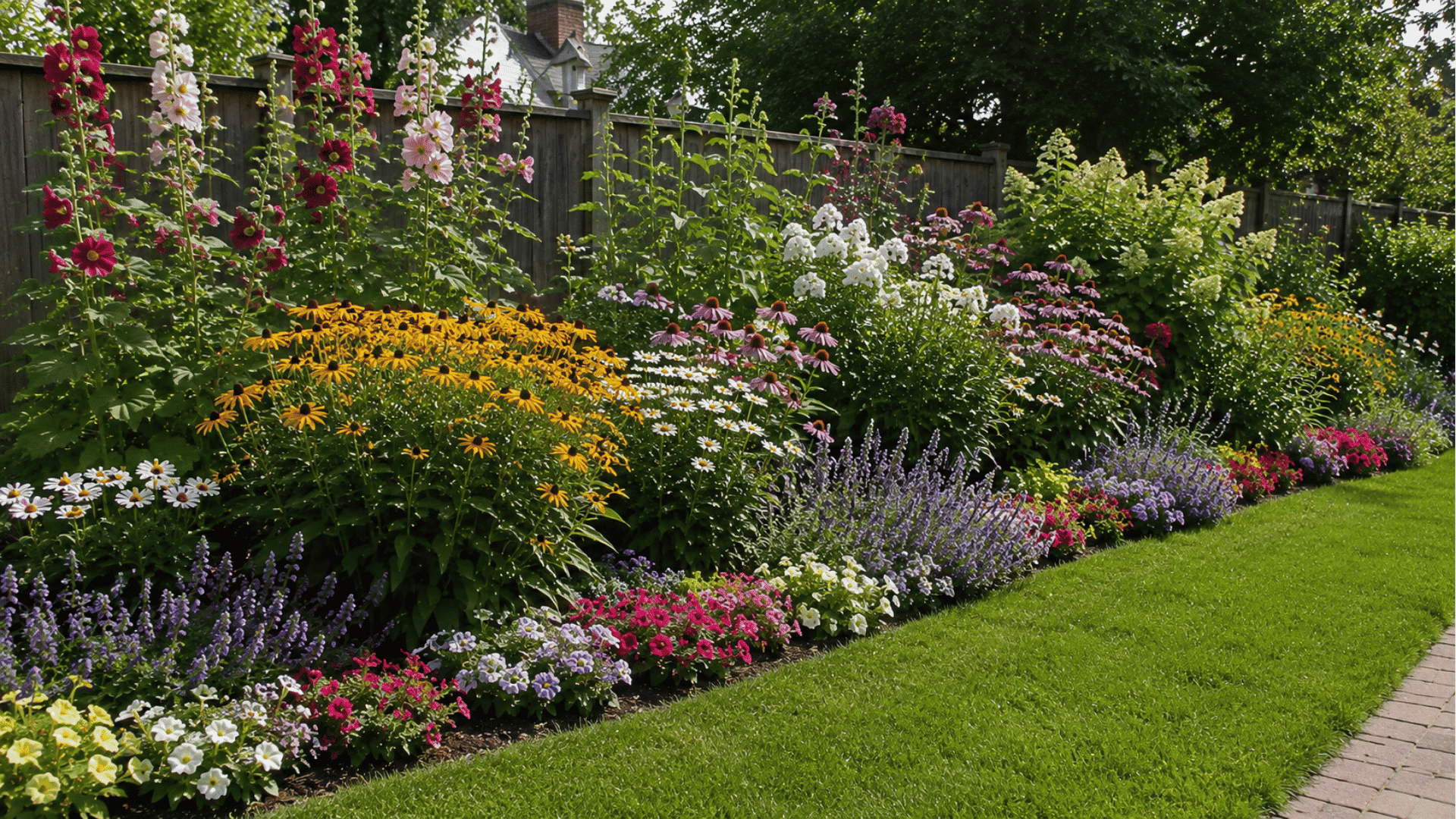
A layered border garden arranges flowers according to their mature height to ensure every plant remains visible.
Tall varieties such as hollyhocks and sunflowers are positioned at the back, medium-height flowers fill the center, and shorter plants line the front edge.
This layout works especially well along fences, pathways, and property boundaries, where the gradual change in height adds depth and keeps flowering plants visible throughout the growing season.
Vegetable Garden Layout Ideas
Vegetable gardens can be arranged in several ways depending on available space and growing goals.
These layout ideas focus on practical designs that support healthy crop growth while making planting, watering, harvesting, and seasonal maintenance easier throughout the year.
4. Beginner-Friendly Vegetable Garden Layout
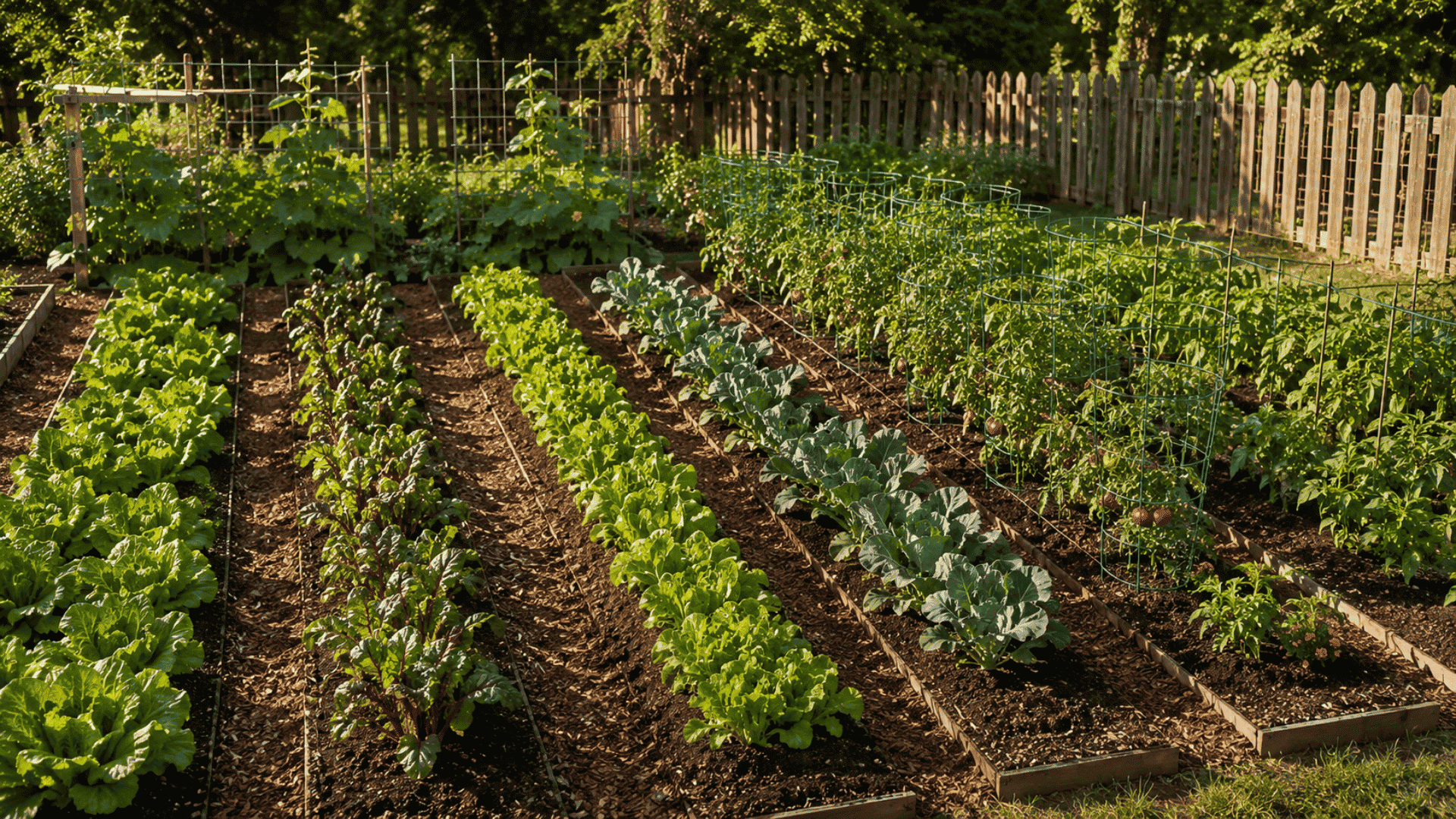
This layout uses traditional planting rows separated by clearly defined walking paths. Each row can be dedicated to a specific crop group, such as leafy greens, root vegetables, beans, or tomatoes.
The straightforward arrangement makes it easier to monitor plant growth, identify maintenance needs, and access crops during harvesting.
It is often one of the simplest layouts for gardeners who are growing vegetables for the first time.
5. Raised Bed Vegetable Garden Layout
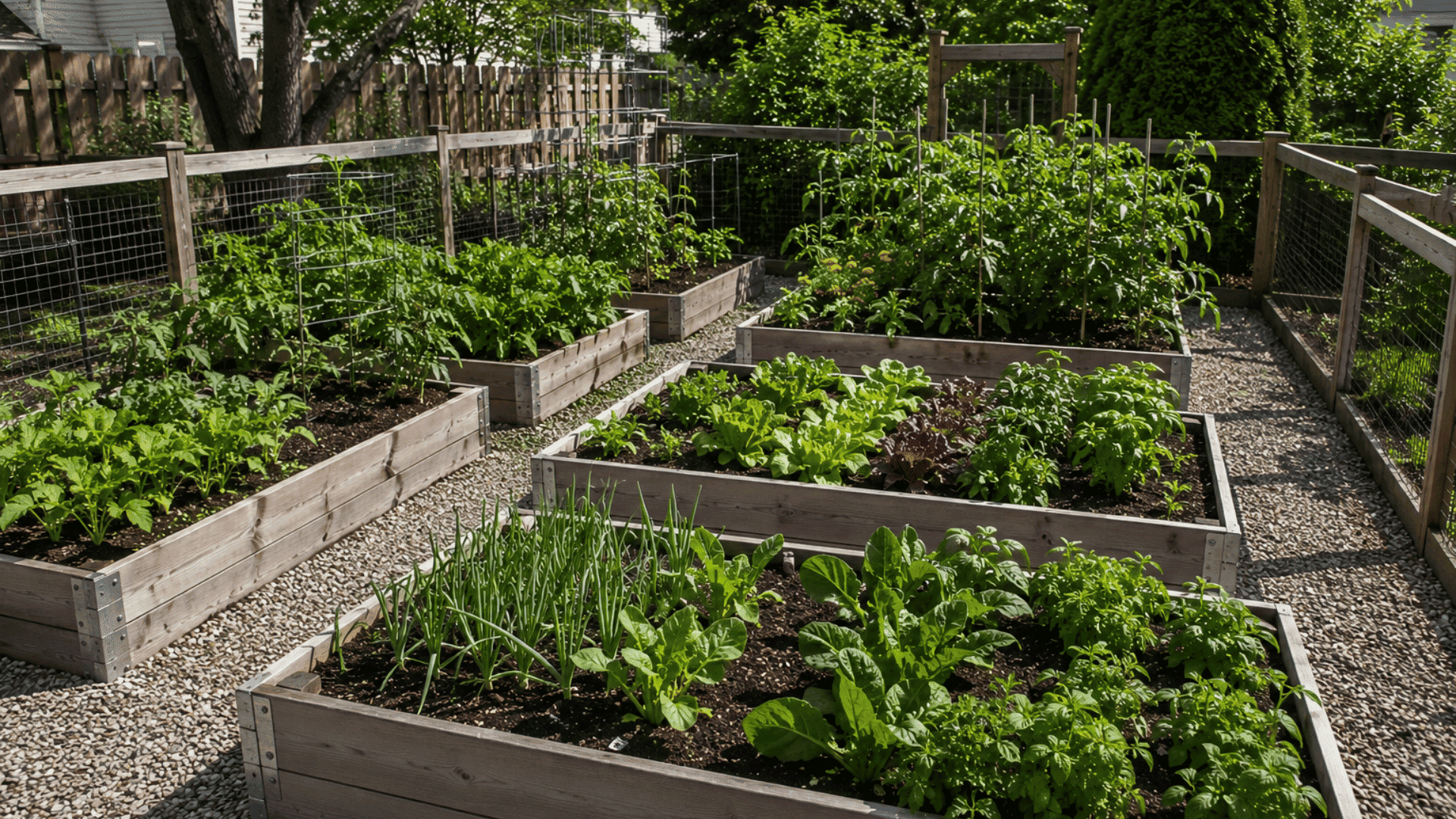
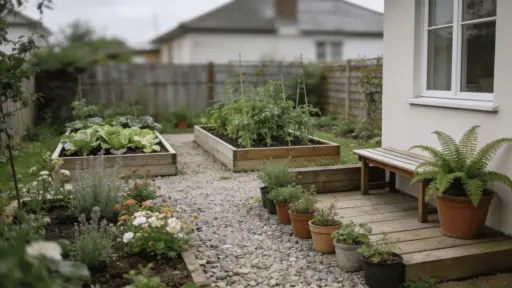
Raised beds create dedicated growing areas with improved soil control and drainage. Multiple beds can be arranged in parallel rows with gravel, mulch, or grass pathways between them.
This layout helps reduce soil compaction and allows vegetables with similar growing requirements to be grouped together.
The clearly defined planting zones also make watering, weeding, and harvesting more convenient throughout the growing season.
6. Square Foot Vegetable Garden Layout
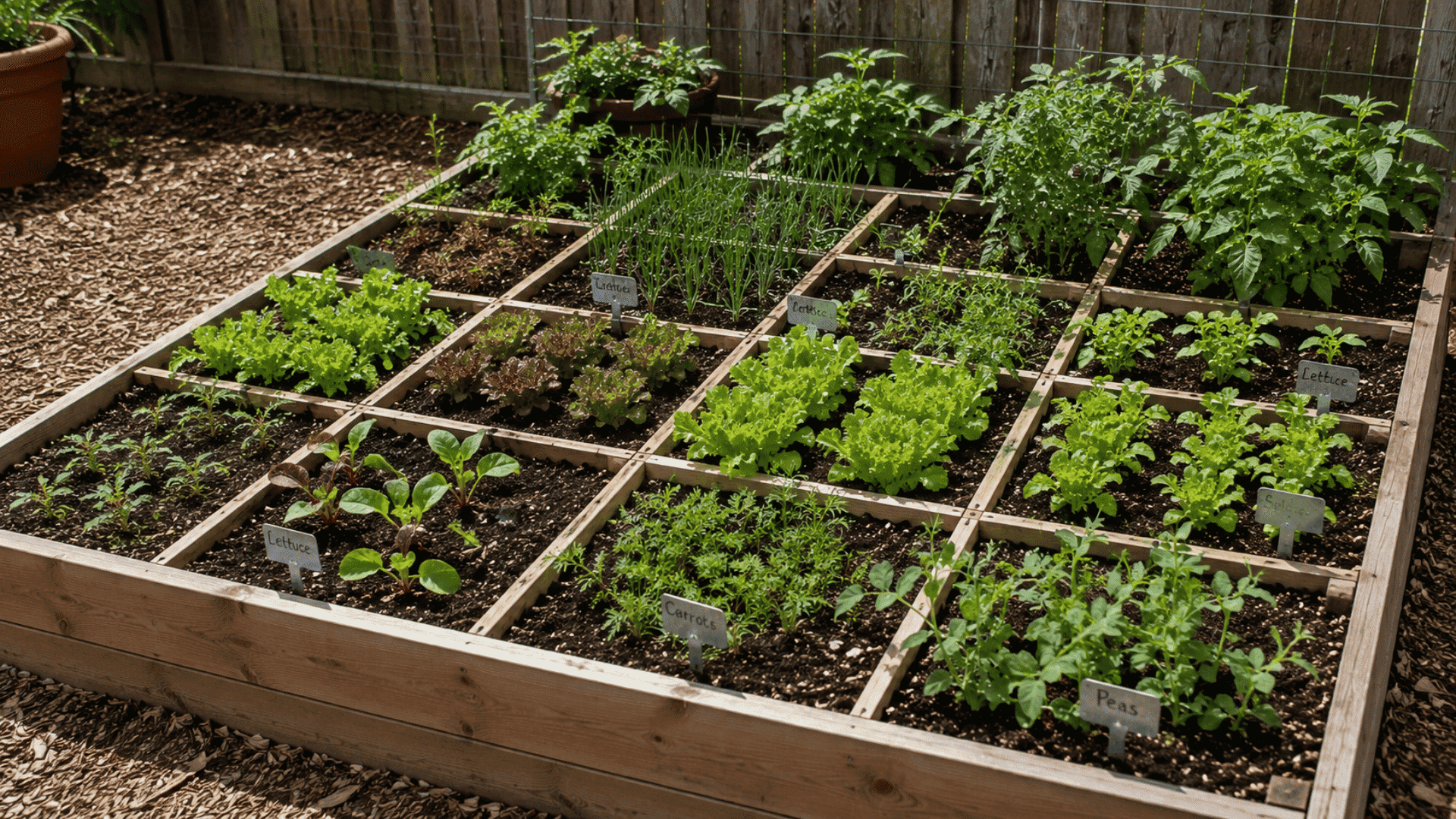
A square foot garden divides a raised bed into smaller sections using a simple grid system.
Each square is assigned a crop based on its spacing requirements, allowing vegetables, herbs, and leafy greens to grow efficiently within a limited area.
This layout is particularly useful for small gardens and urban spaces because it keeps planting organized while making efficient use of every section of the growing bed.
Herb Garden Layout Ideas
Herb gardens combine practicality with visual appeal, making them a popular choice for both small and large outdoor spaces.
The following layouts focus on organizing herbs in ways that improve accessibility while helping plants receive the sunlight and growing conditions they need throughout the year.
7. Kitchen Herb Garden Layout
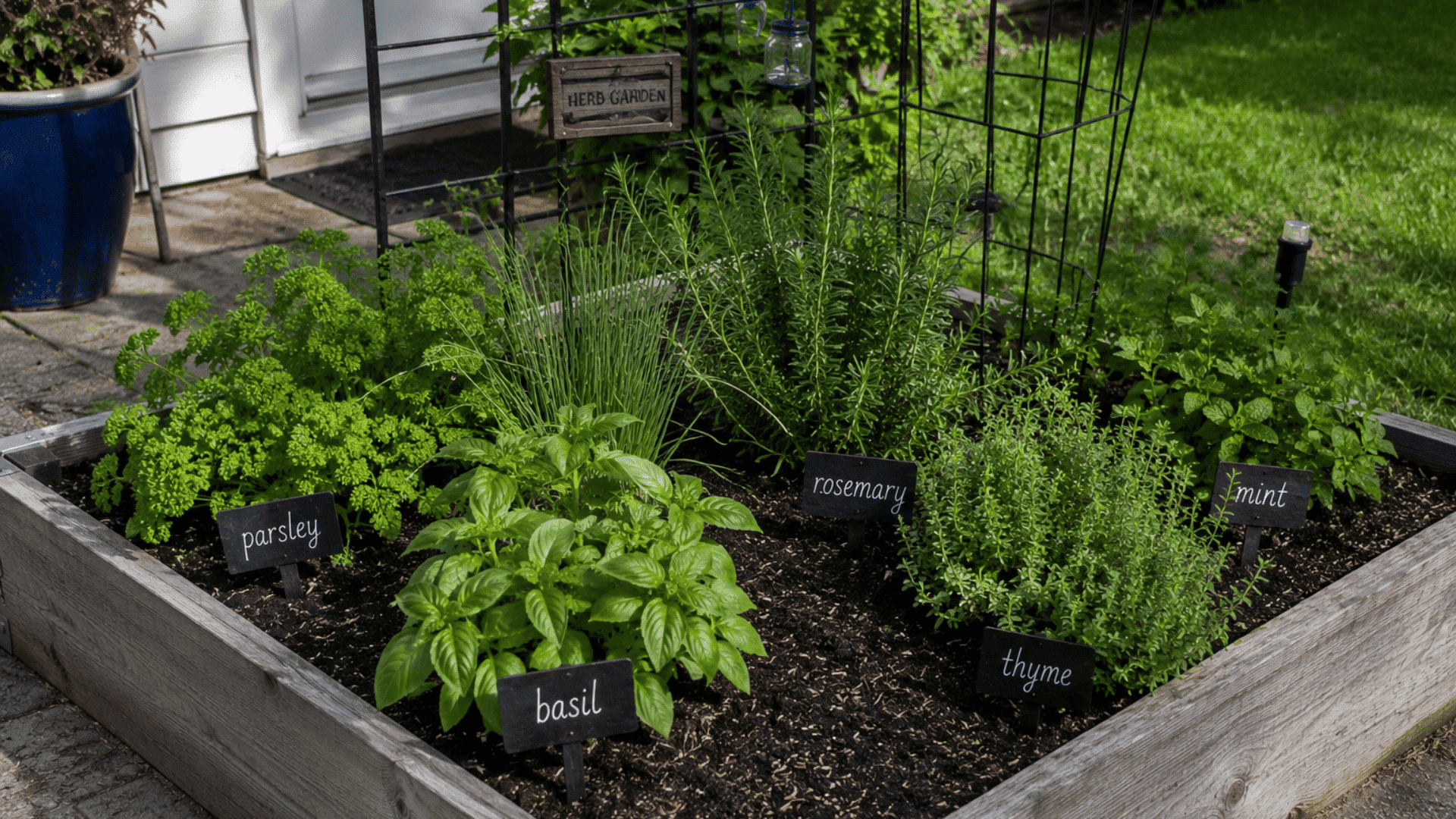
A kitchen herb garden places frequently used herbs close to the home for convenient access during meal preparation.
Basil, parsley, rosemary, thyme, and mint can be arranged in dedicated sections or grouped according to their watering needs.
Positioning the garden near a patio, back door, or outdoor kitchen helps reduce walking distance while keeping fresh herbs readily available throughout the growing season.
8. Spiral Herb Garden Layout
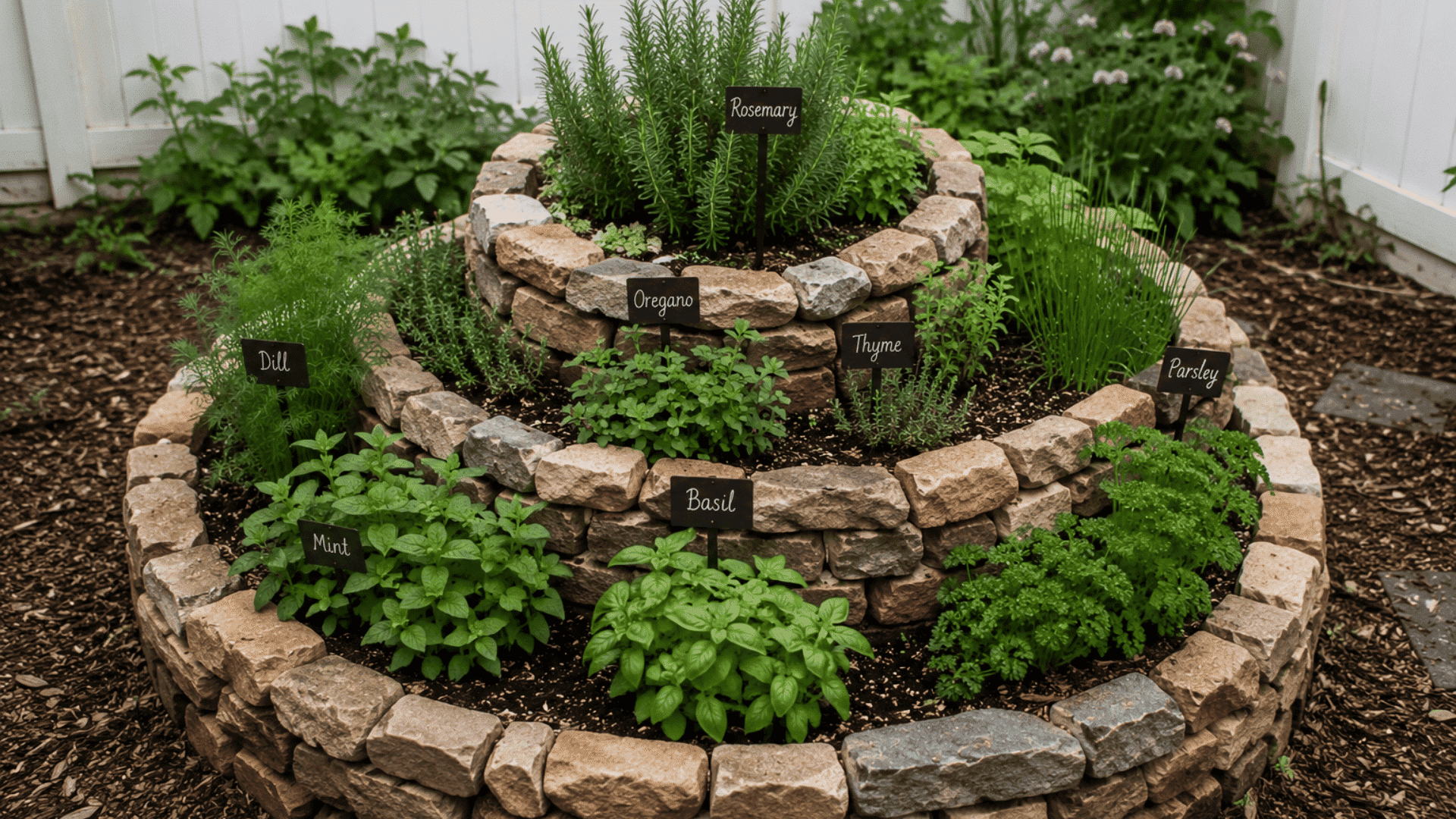
A spiral herb garden uses a raised, circular structure that gradually increases in height toward the center.
Different levels create varied growing conditions, allowing herbs with different moisture and sunlight requirements to thrive within the same space.
The compact design works well in smaller gardens while serving as an attractive feature that adds shape and dimension to the landscape.
9. Raised Herb Bed Garden Layout
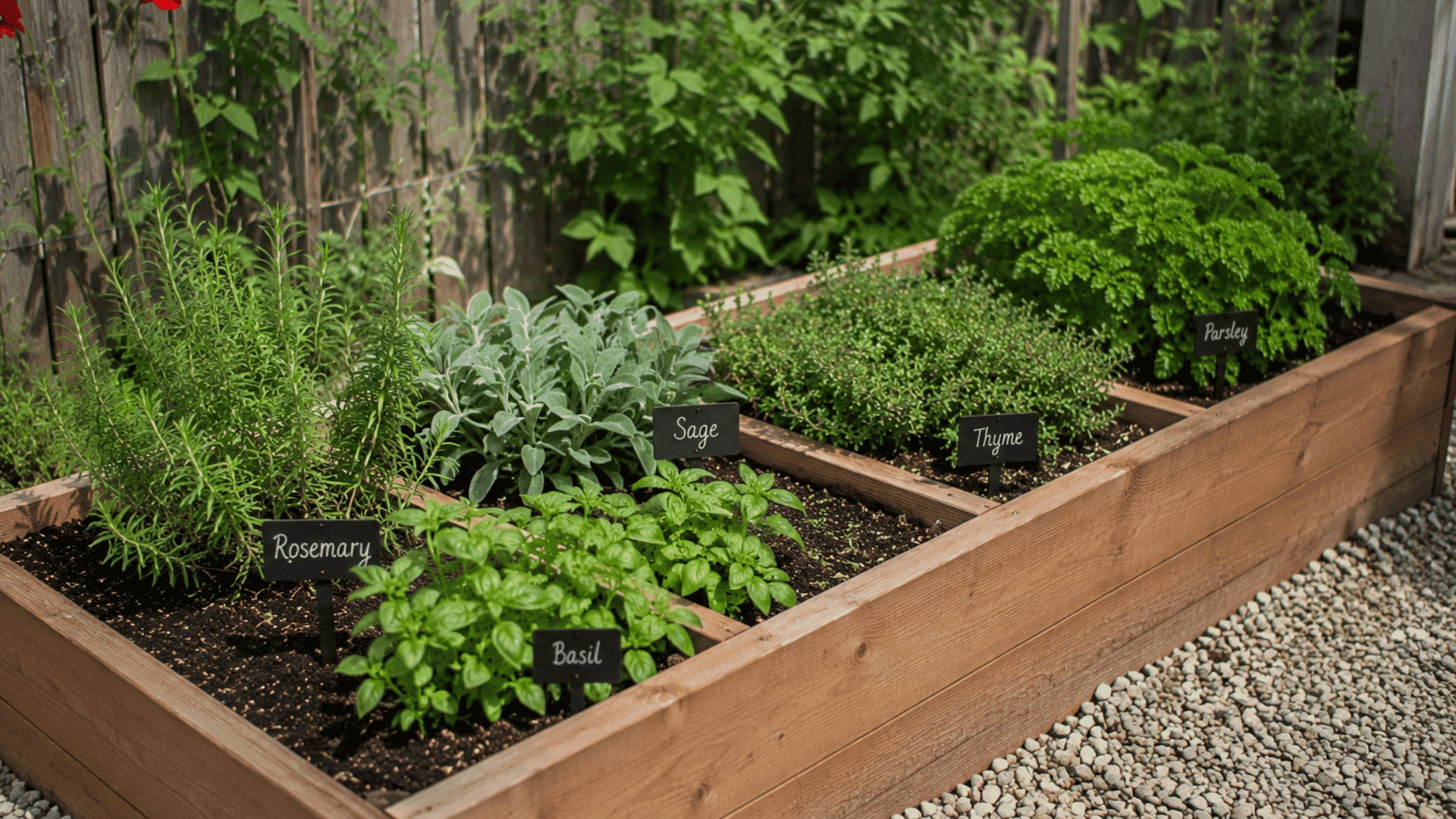
Raised herb beds create clearly defined growing areas that help keep herbs organized and easy to maintain.
Separate sections can be used for culinary herbs, medicinal plants, or fragrant varieties depending on your gardening goals.
The elevated structure improves drainage and soil control while making planting, pruning, and harvesting more comfortable throughout the year.
Rock Garden Layout Ideas
Rock gardens offer a practical solution for areas with poor soil, slopes, or limited water availability.
By combining stones with carefully selected plants, these layouts can add texture and structure while reducing ongoing maintenance requirements in different parts of the landscape.
10. Alpine Rock Garden Layout
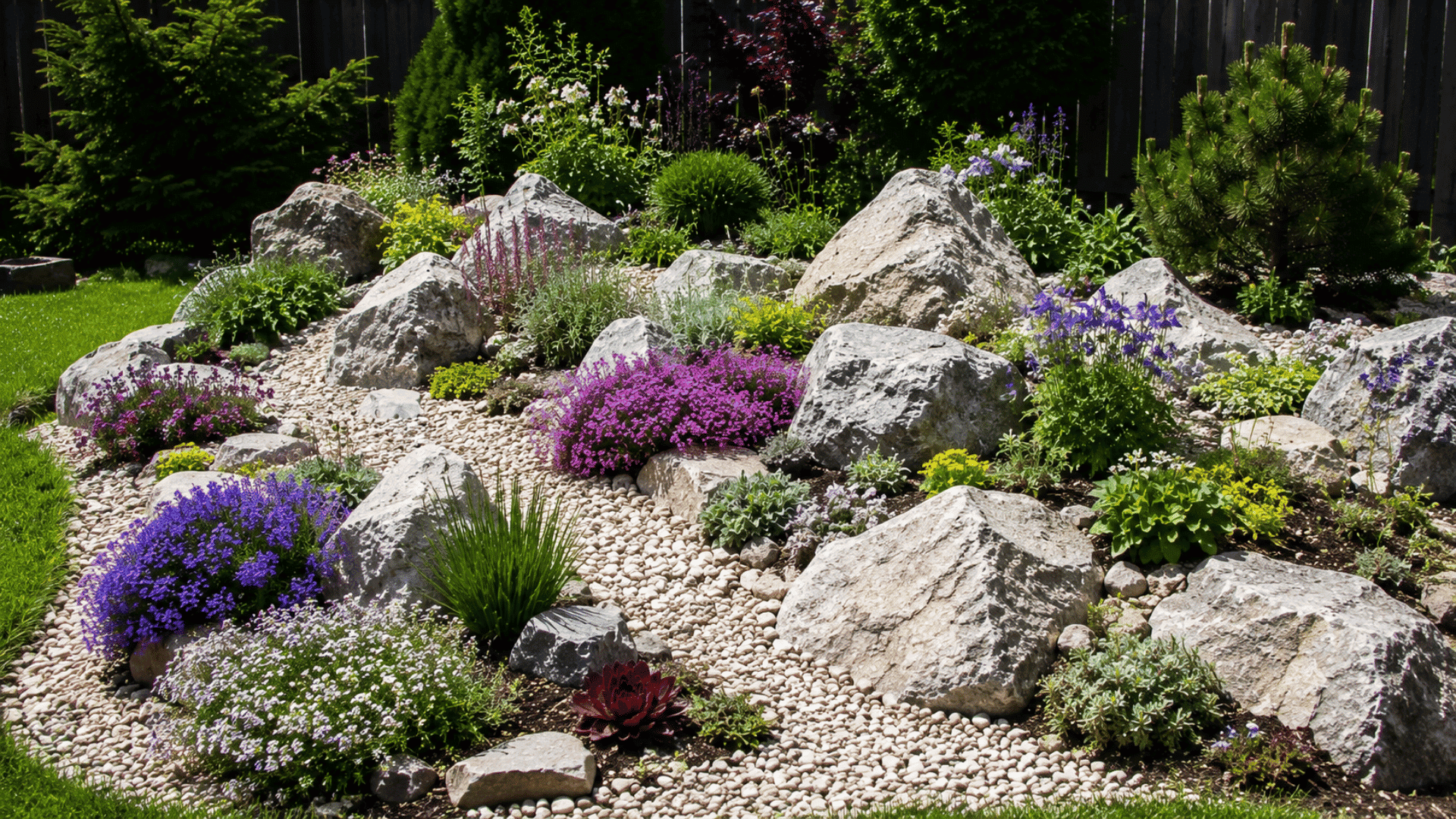
An alpine rock garden takes inspiration from mountain environments by combining natural stones with hardy, low-growing plants.
Gravel pathways, clusters of rocks, and drought-tolerant flowers can be arranged to mimic a hillside setting.
This layout works particularly well in sunny locations and provides year-round interest through a mix of textures and seasonal blooms.
11. Hillside Rock Garden Layout
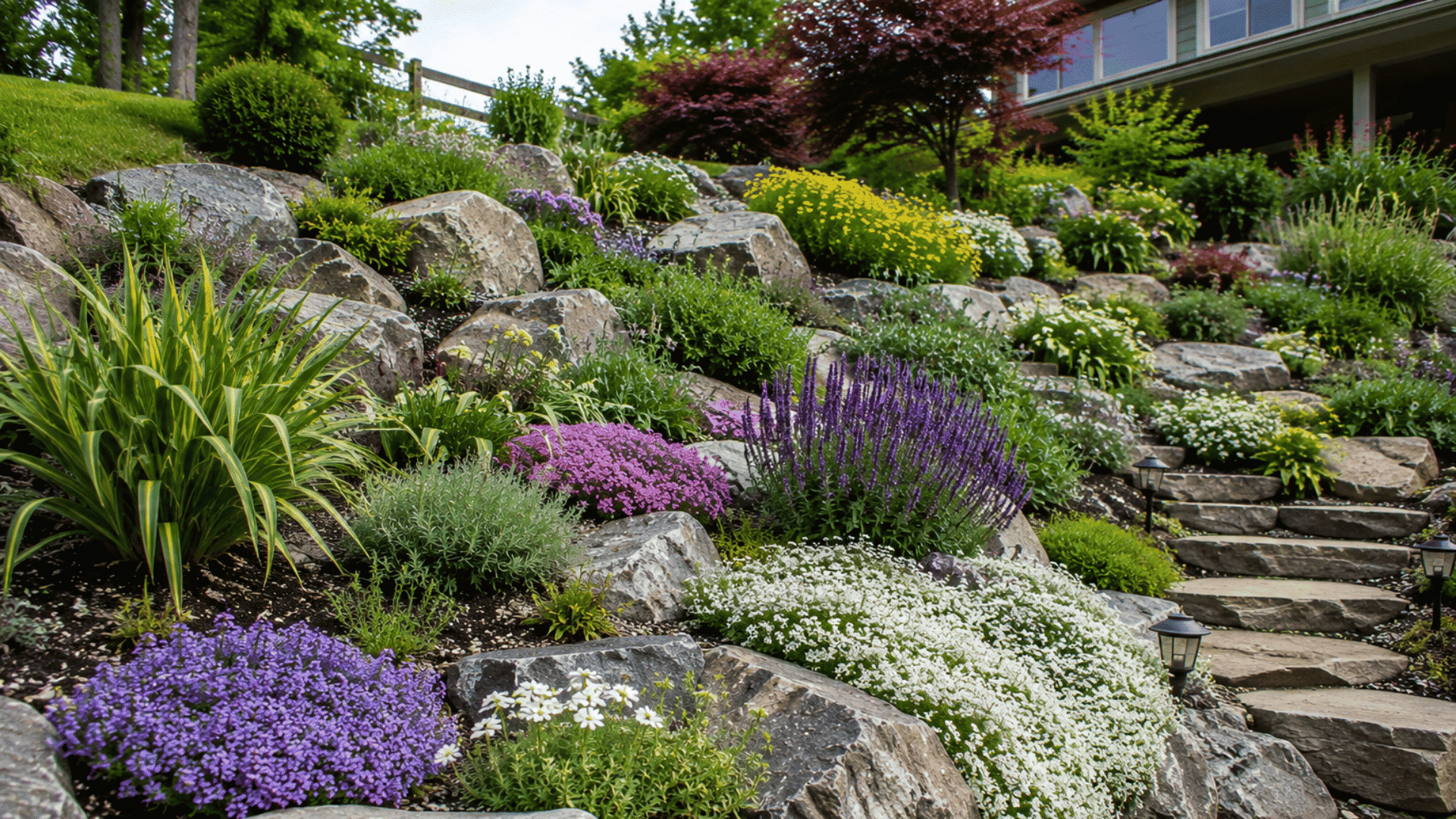
A hillside rock garden uses rocks, retaining features, and carefully placed plants to make sloped areas more functional.
Ground covers, ornamental grasses, and flowering perennials can be planted between stones to help stabilize soil while adding visual variety.
The layout turns uneven terrain into a usable garden area without requiring major landscaping changes.
12. Desert-Inspired Rock Garden Layout
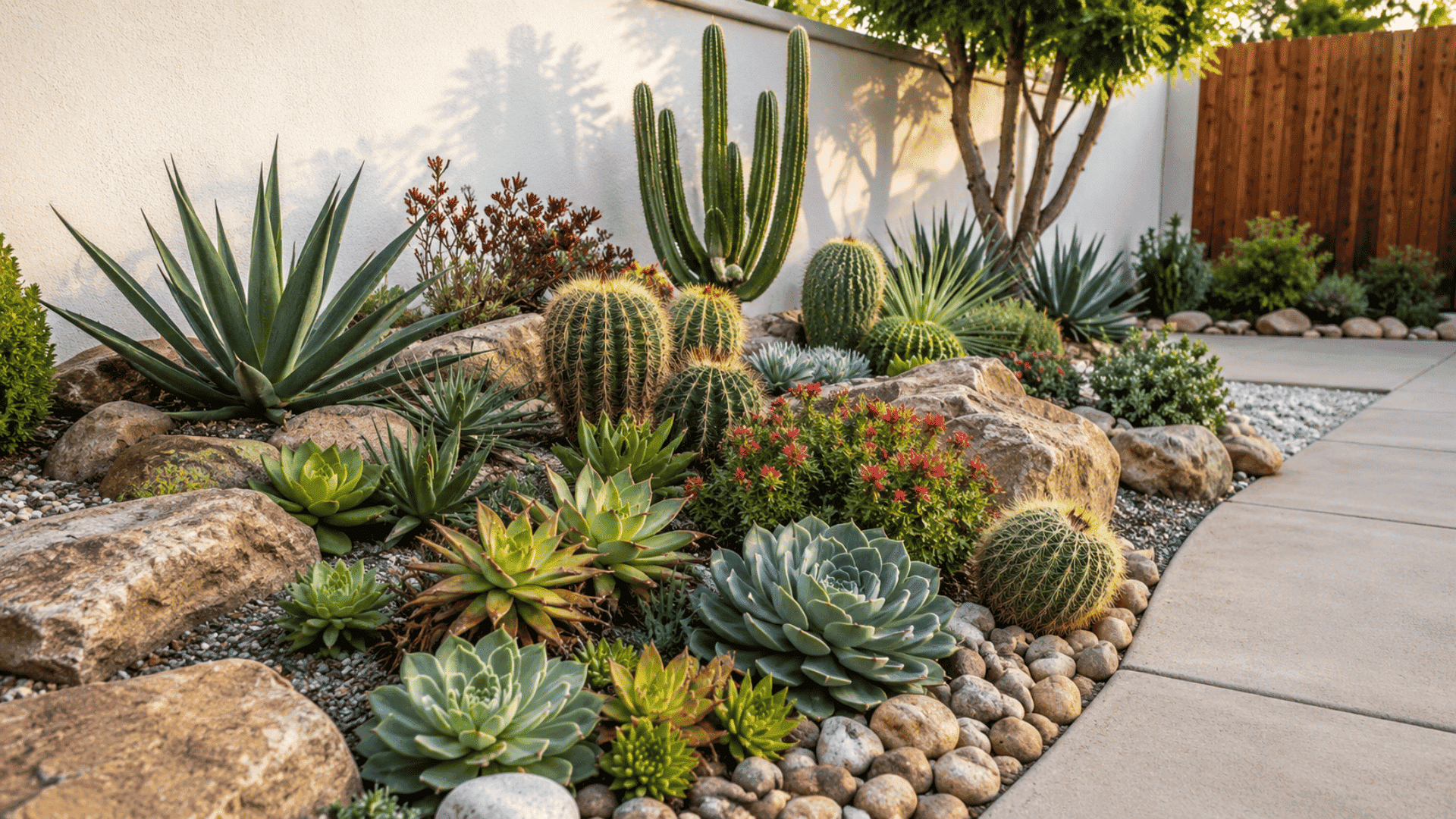
A desert-inspired rock garden combines gravel, succulents, cacti, and ornamental grasses within a structured planting scheme.
Large stones can be positioned throughout the space to create focal points and define planting zones.
This layout requires relatively little watering once established, making it a suitable option for dry climates and low-maintenance landscapes.
Wildlife and Pollinator Garden Layout Ideas
Wildlife and pollinator gardens support beneficial insects, birds, and other species while adding seasonal interest to outdoor spaces.
These layouts focus on providing food sources, shelter, and habitat through thoughtful plant selection and garden design that encourages biodiversity throughout the year.
13. Butterfly Garden Layout
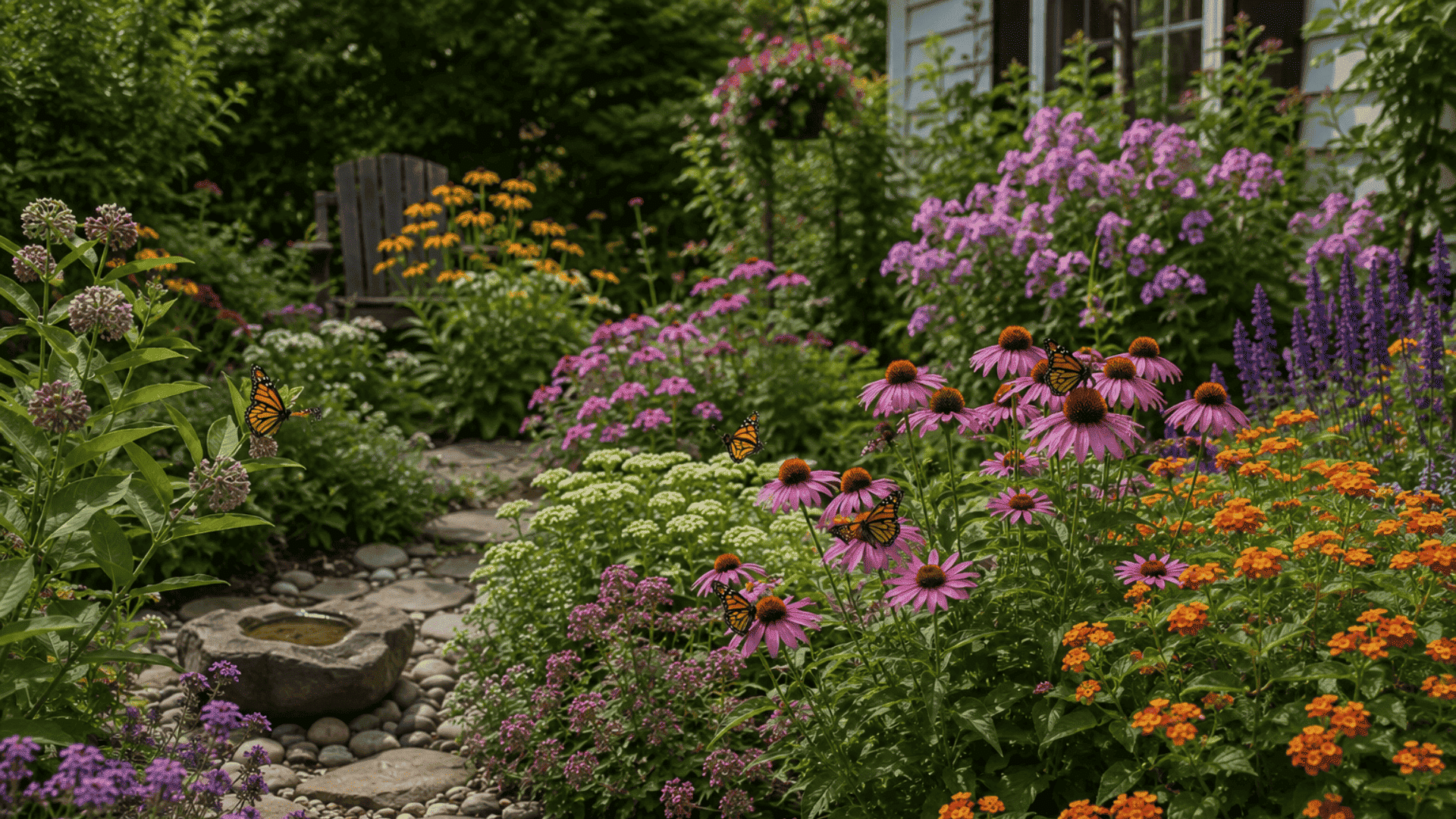
A butterfly garden layout uses nectar-rich flowers arranged in clusters to attract butterflies throughout the growing season.
Plants such as coneflowers, milkweed, lantana, and verbena can be grouped together to provide consistent food sources.
Positioning flowering plants in sunny locations and including flat stones for resting areas helps create suitable conditions for visiting butterflies.
14. Bee-Friendly Garden Layout
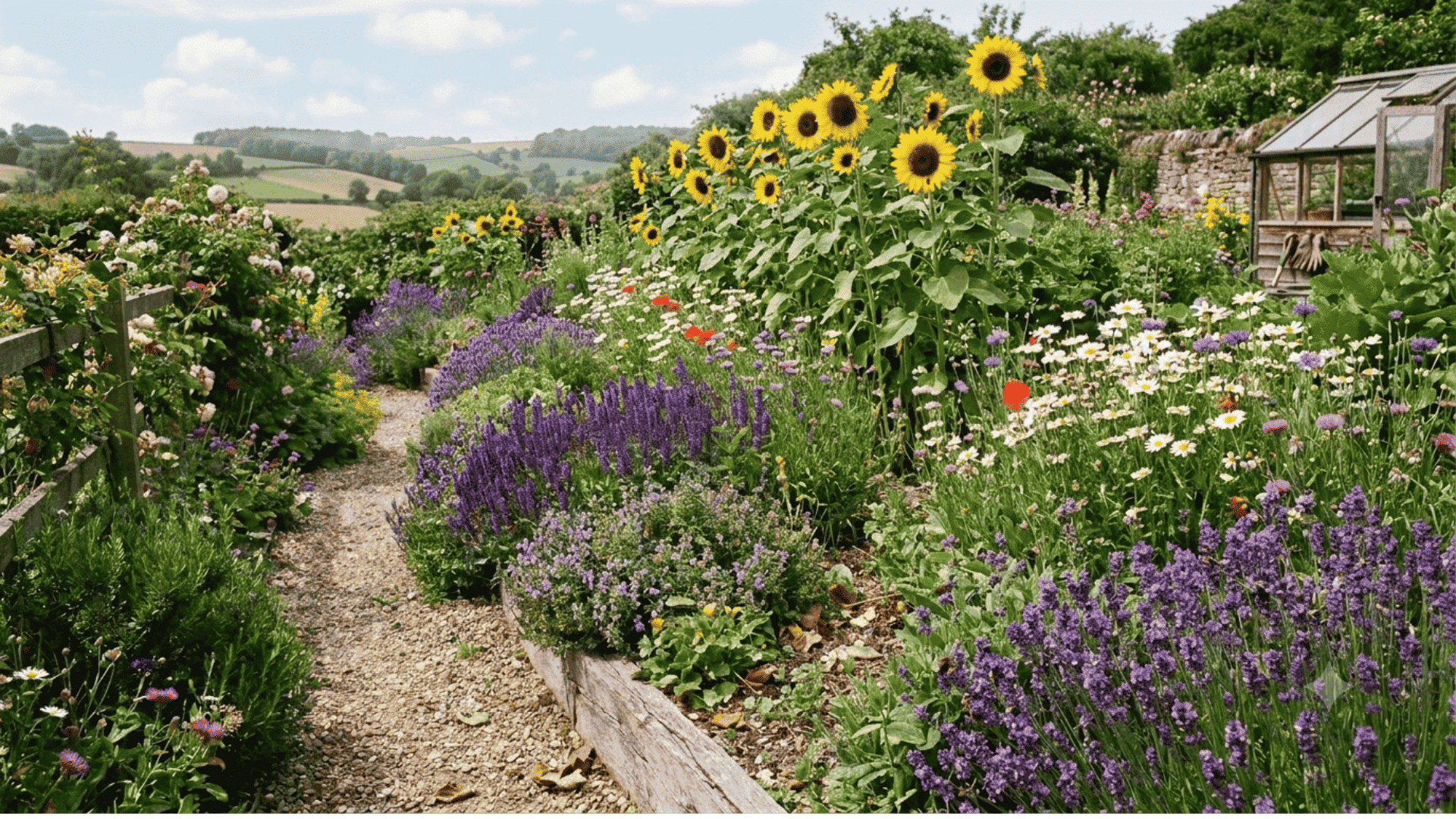
A bee-friendly garden includes flowering plants that bloom at different times of the year to provide a continuous source of nectar and pollen.
Lavender, salvia, sunflowers, and native wildflowers can be arranged in layered planting beds to support pollinator activity. Avoiding large gaps between flowering plants helps make food sources more accessible to bees.
15. Bird-Friendly Garden Layout
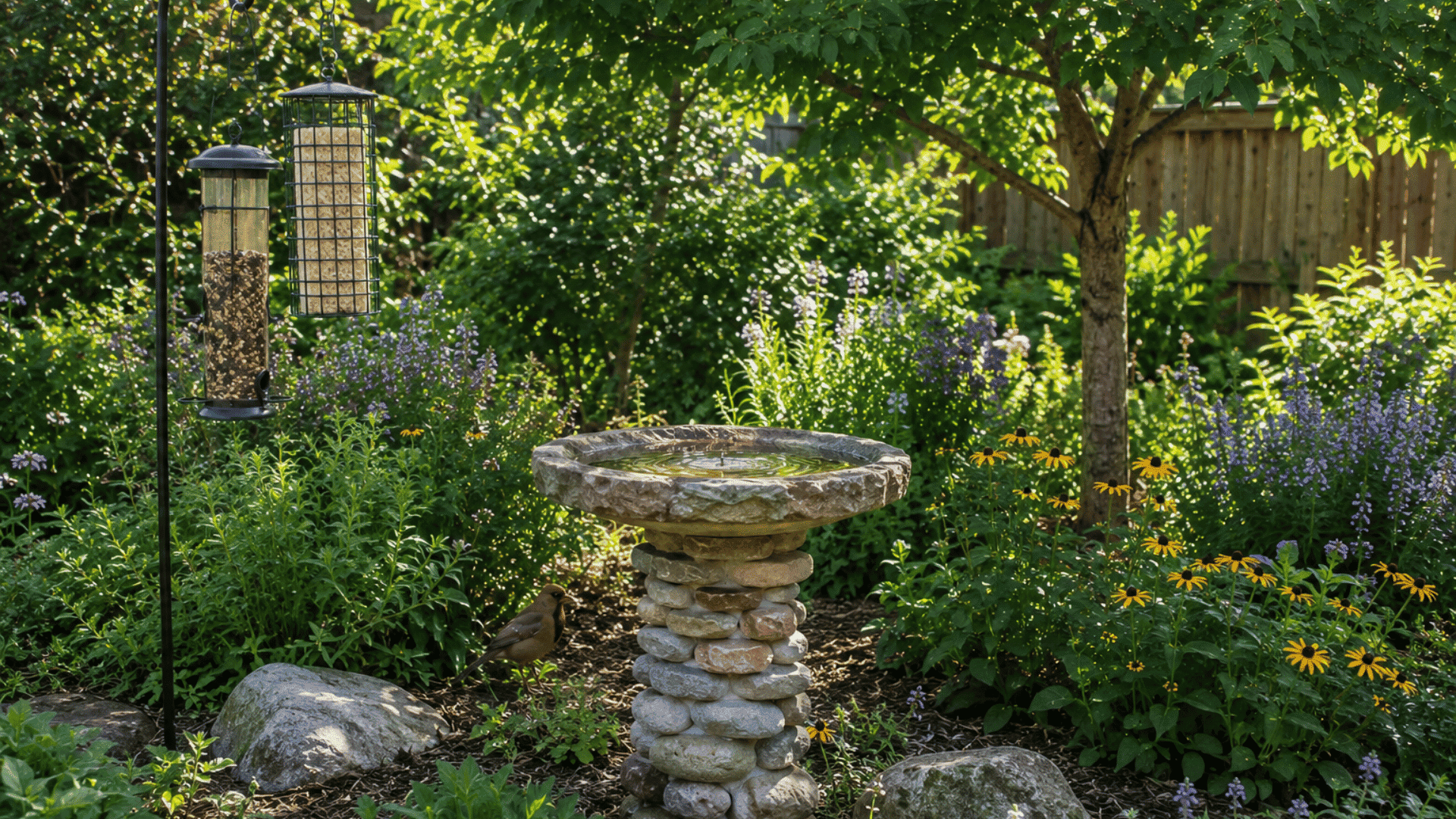
A bird-friendly garden combines native shrubs, flowering plants, and small trees with water features and feeding stations. Dense plantings can provide nesting and shelter opportunities, while berry-producing plants offer a natural food source.
Arranging these elements throughout the garden helps create a habitat that attracts a variety of bird species throughout the year.
Cottage Garden Layout Ideas
Cottage gardens are known for their informal planting style and abundant mix of flowers, herbs, and greenery.
Rather than following strict lines and structured designs, these layouts focus on creating a full and colorful appearance.
The following ideas show different ways to arrange cottage gardens while maintaining their traditional character and seasonal interest.
16. Traditional English Cottage Garden Layout
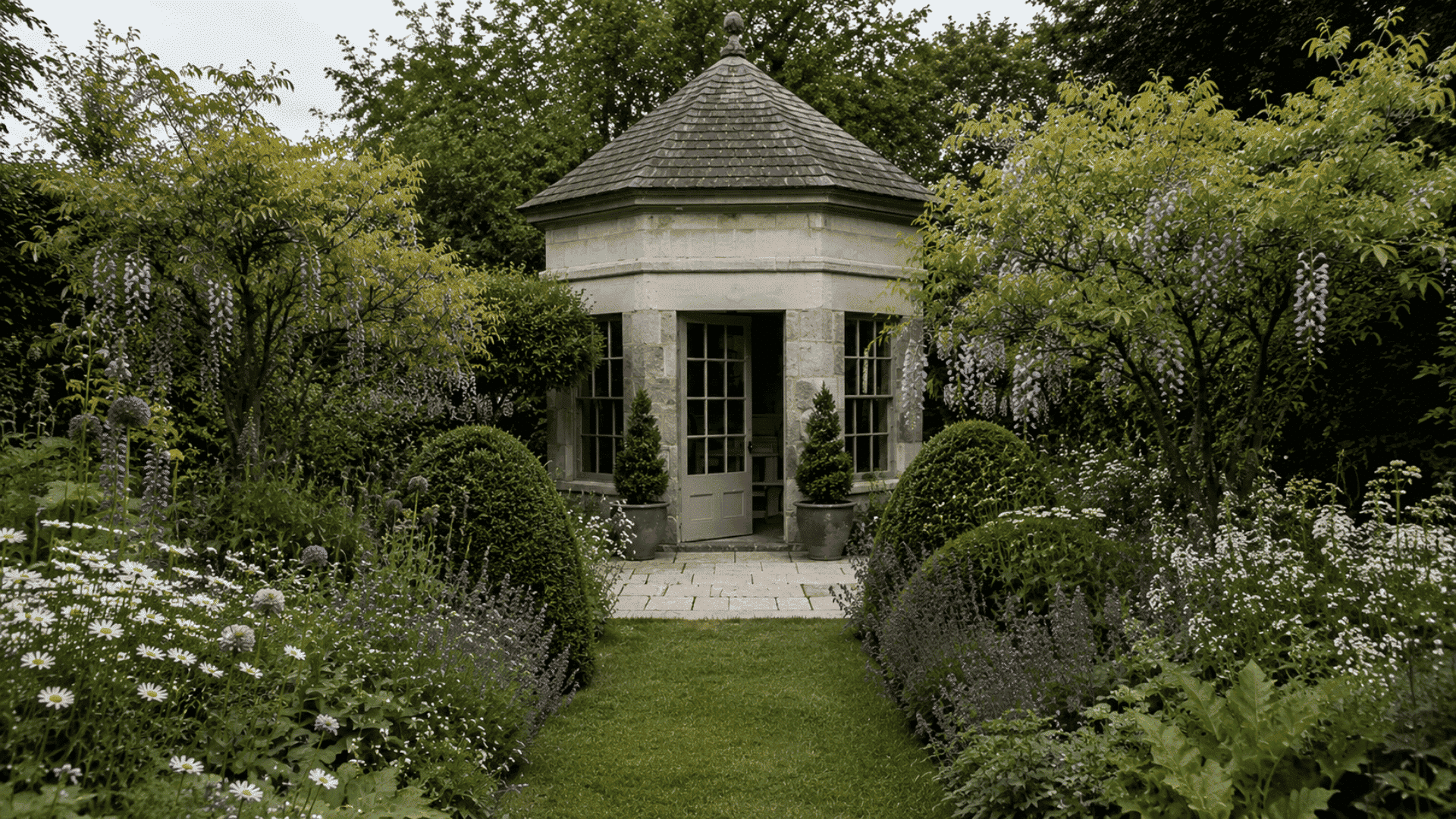
A traditional English cottage garden features densely planted flower beds filled with roses, foxgloves, hollyhocks, lavender, and daisies. Narrow gravel pathways wind through the planting areas, allowing flowers to spill naturally over the edges.
Climbing plants on fences, trellises, or arbors add height to the garden, while the mix of colors and textures helps create year-round interest.
17. White Cottage Garden Layout
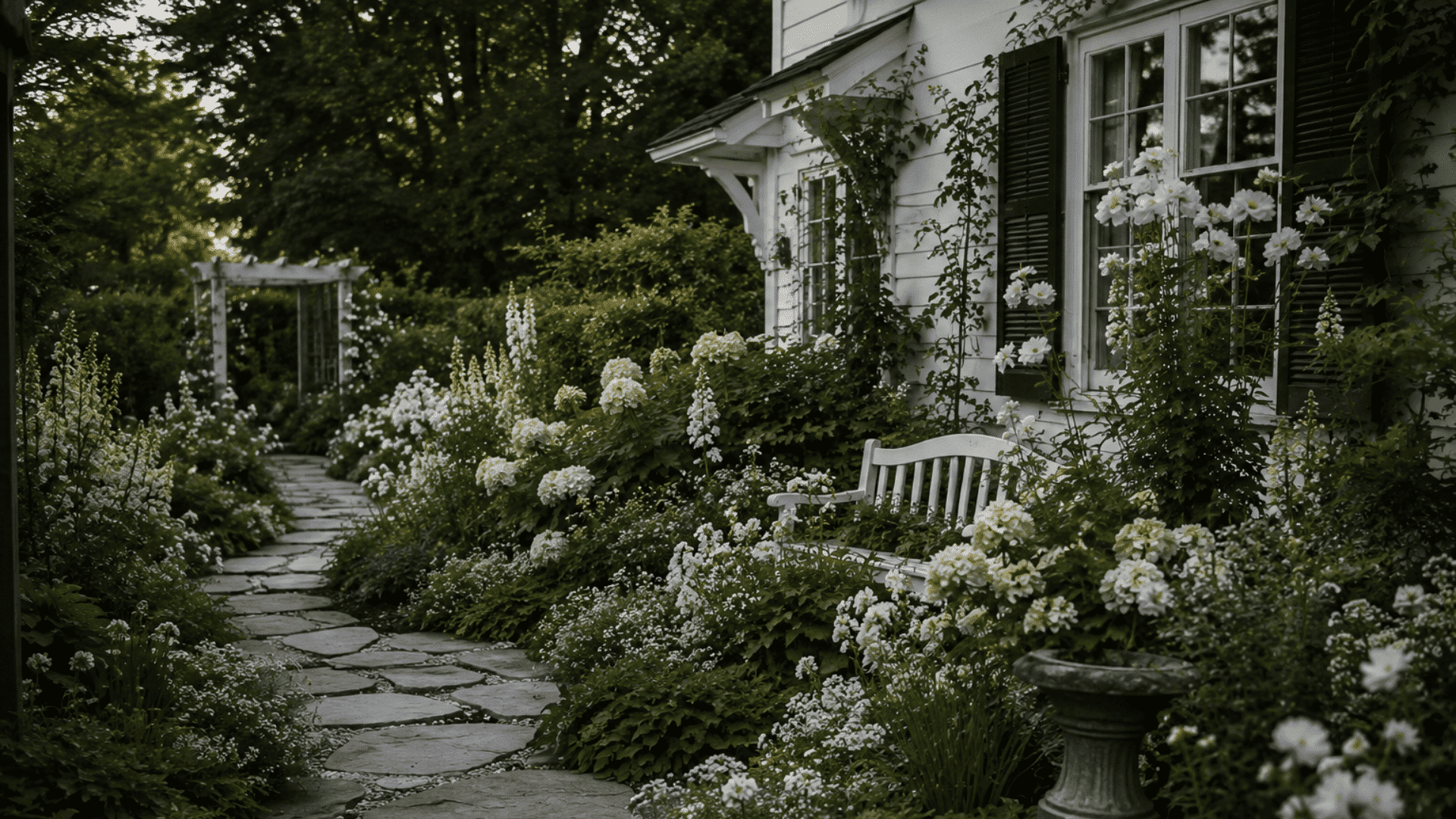
A white cottage garden uses flowers and foliage in varying shades of white, cream, and soft green to create a cohesive planting scheme.
White roses, hydrangeas, lilies, and flowering shrubs can be arranged in layered beds throughout the space.
Stone pathways and light-colored garden features complement the planting design while helping maintain a clean and consistent appearance.
18. Cottage Garden with Arbors and Pathways Layout
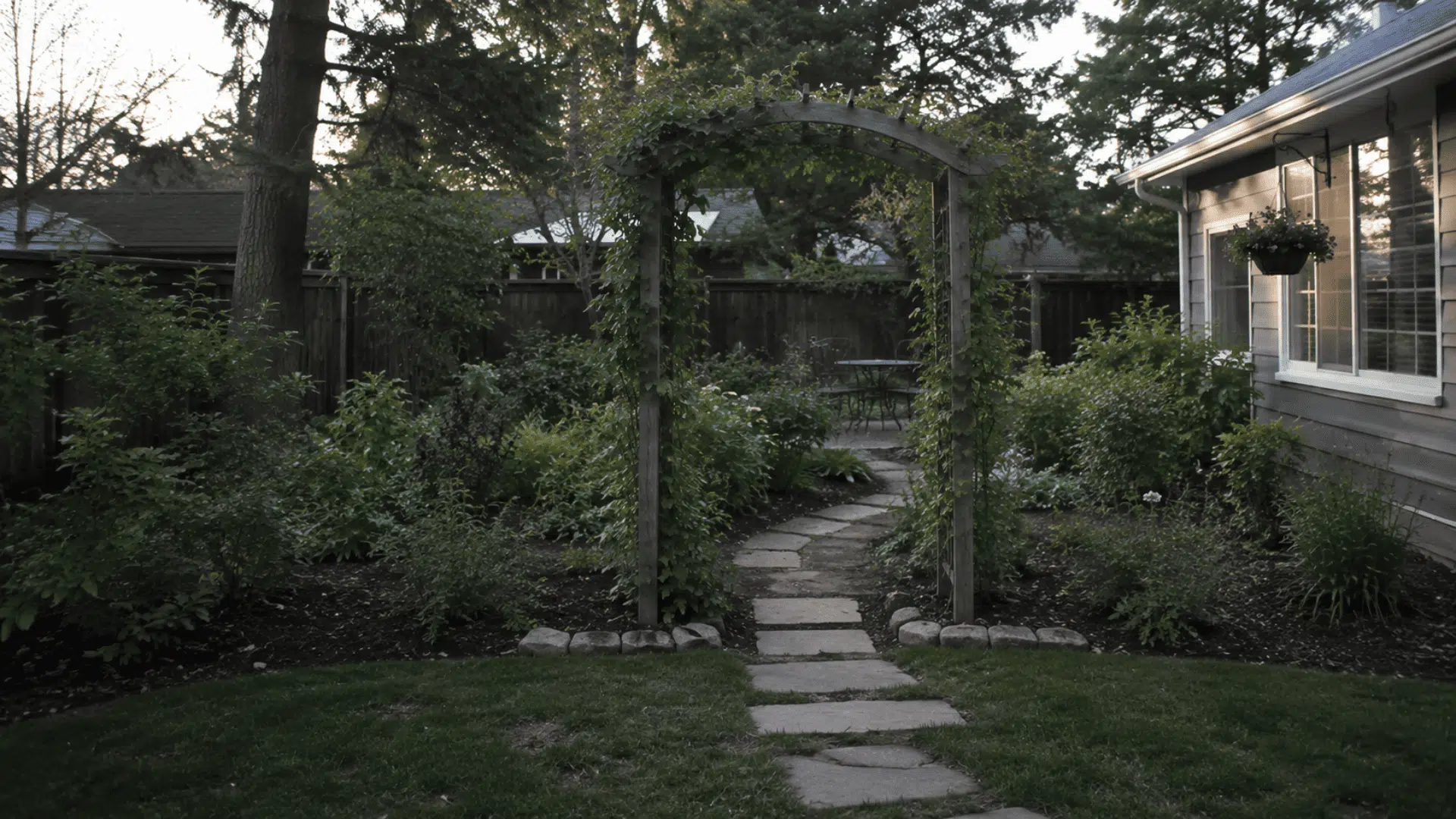
This layout uses winding gravel or stone pathways that guide visitors through densely planted flower beds.
Arbors covered with climbing roses, clematis, or honeysuckle add vertical interest and help define different sections of the garden.
Layered plantings filled with seasonal flowers soften the edges of pathways, creating a full and welcoming appearance while maintaining the informal character associated with traditional cottage gardens.
Water Garden Layout Ideas
Water gardens can introduce movement and a sense of calm to an outdoor space while supporting aquatic plants and wildlife.
The following layouts use ponds, streams, and waterfalls in different ways to add visual interest while blending naturally with surrounding plants and hardscape elements.
19. Pond-Centered Garden Layout
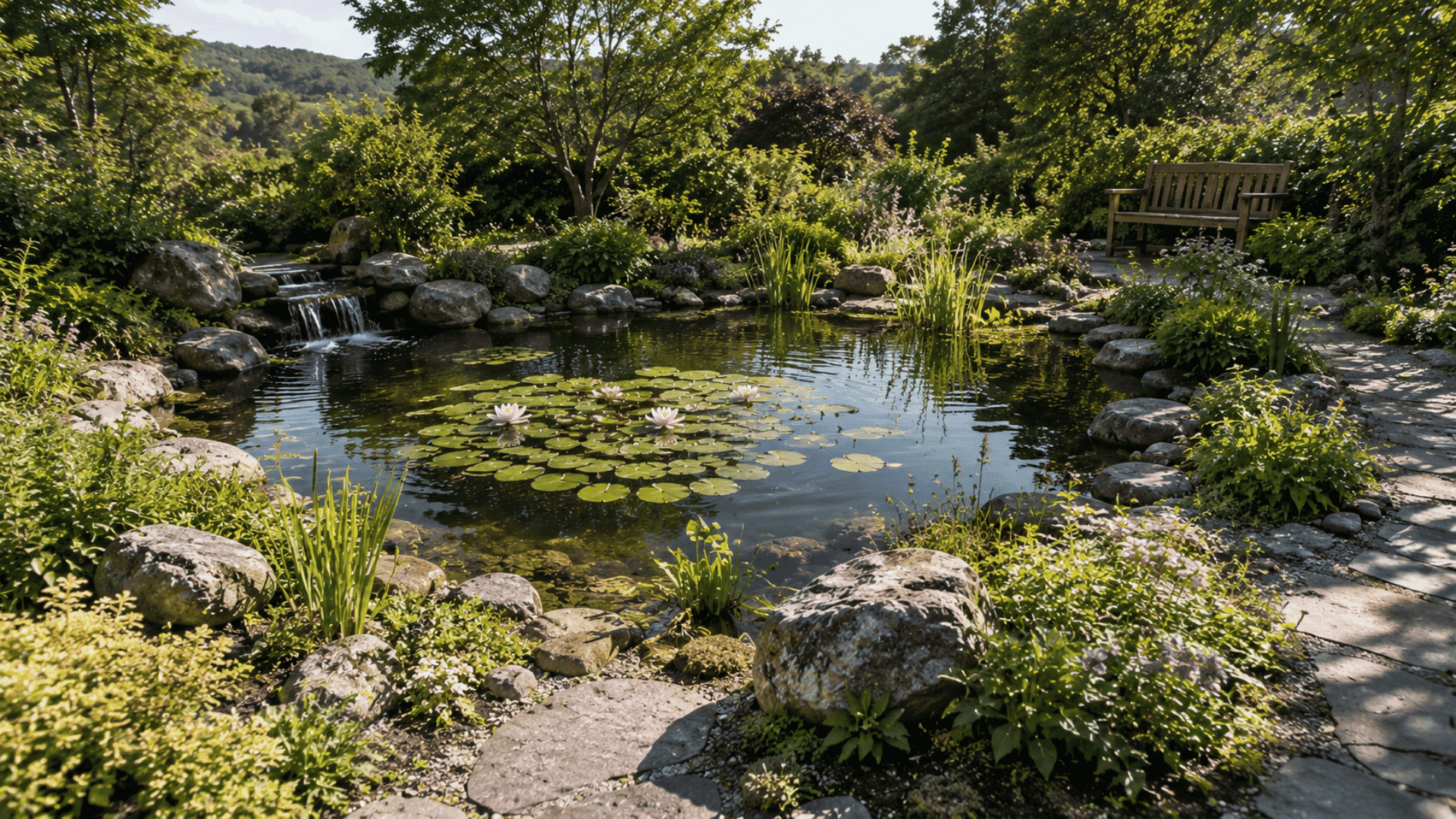
A pond-centered garden places a water feature at the heart of the design, with planting beds, pathways, and seating areas arranged around it.
Aquatic plants such as waterlilies and lotuses can be combined with ornamental grasses and flowering perennials along the edges.
Natural stones around the pond help define the space while creating a smooth transition between water and garden areas.
20. Stream-Inspired Garden Layout
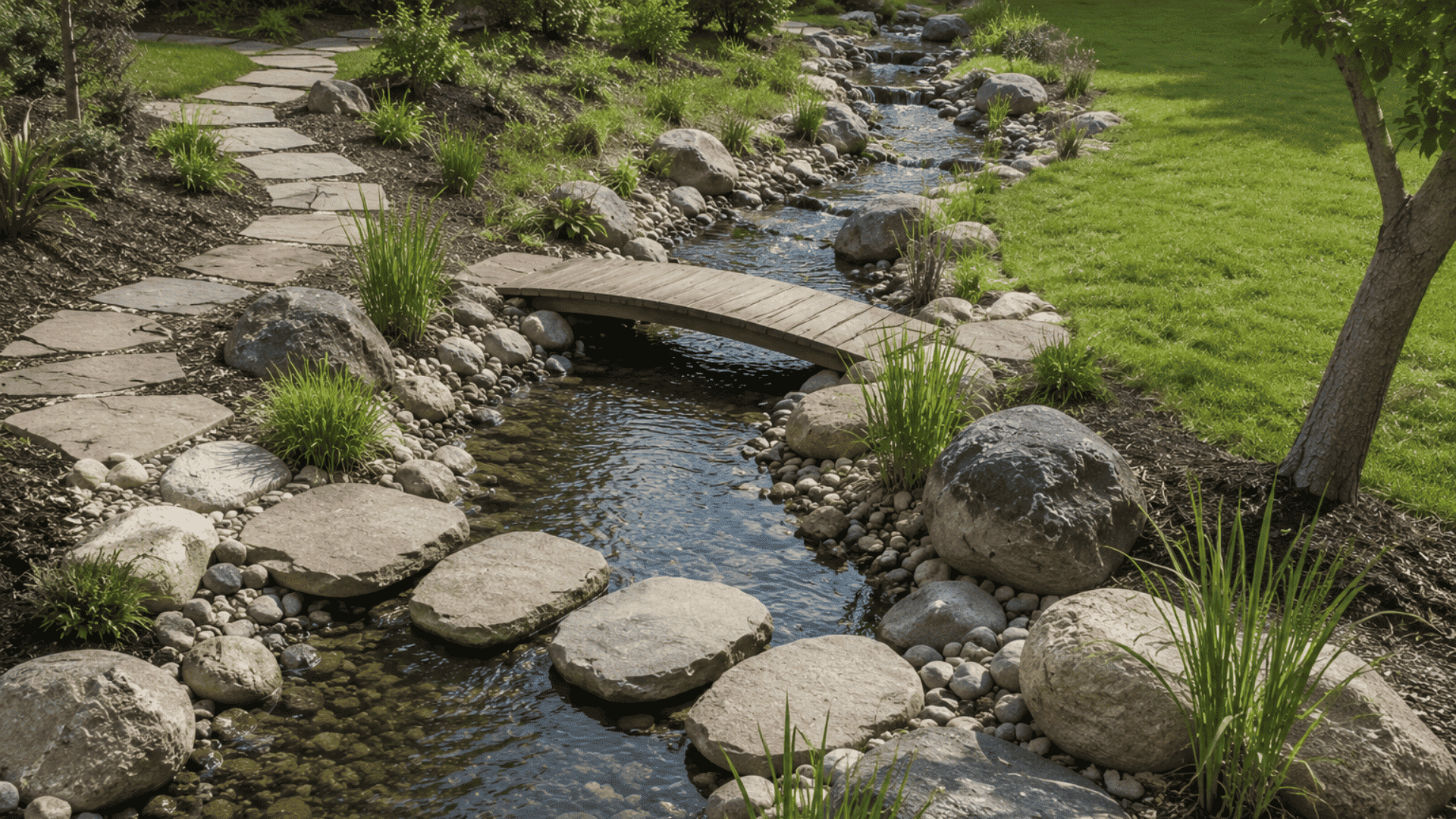
A stream-inspired garden uses a winding water channel to connect different sections of the landscape. Rocks, pebbles, and moisture-loving plants can be positioned along the water’s edge to create a natural appearance.
Small bridges or stepping stones may be added where the stream crosses pathways, helping the feature become an integrated part of the overall garden layout.
21. Waterfall Garden Layout
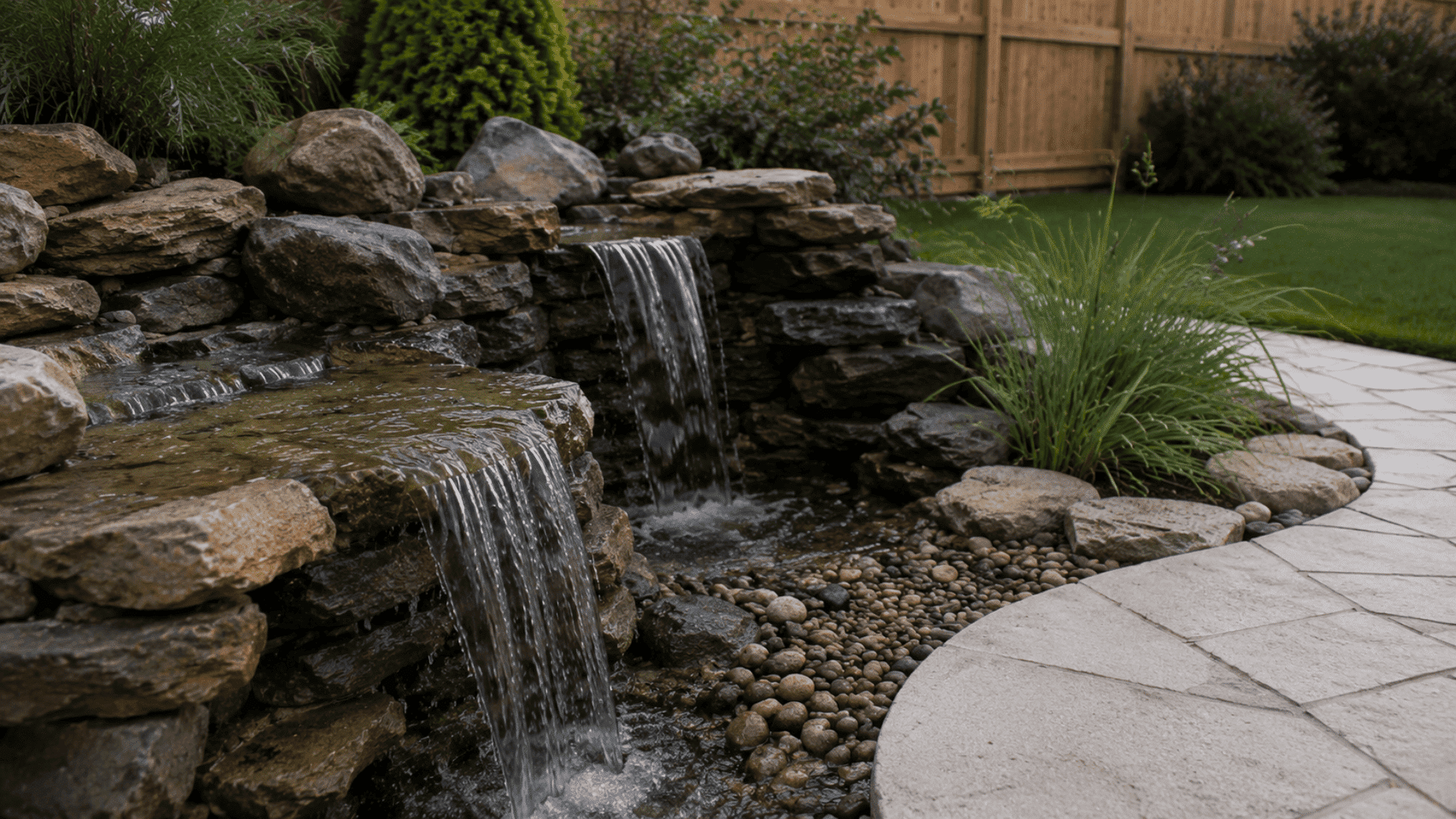
A waterfall garden combines cascading water with layered planting areas and natural stone features. The waterfall can flow into a pond or shallow basin, creating movement and sound throughout the space.
Ferns, hostas, ornamental grasses, and other moisture-tolerant plants work well around the feature, softening the surrounding hardscape and enhancing the overall garden design.
Types of Garden Designs for Compact Outdoor Areas
Limited space doesn’t mean limiting your gardening options. With the right layout, balconies, patios, corners, and small yards can support a variety of plants while remaining organized and easy to maintain.
The following ideas focus on making efficient use of every available square foot.
Vertical Garden Layout for Small Spaces
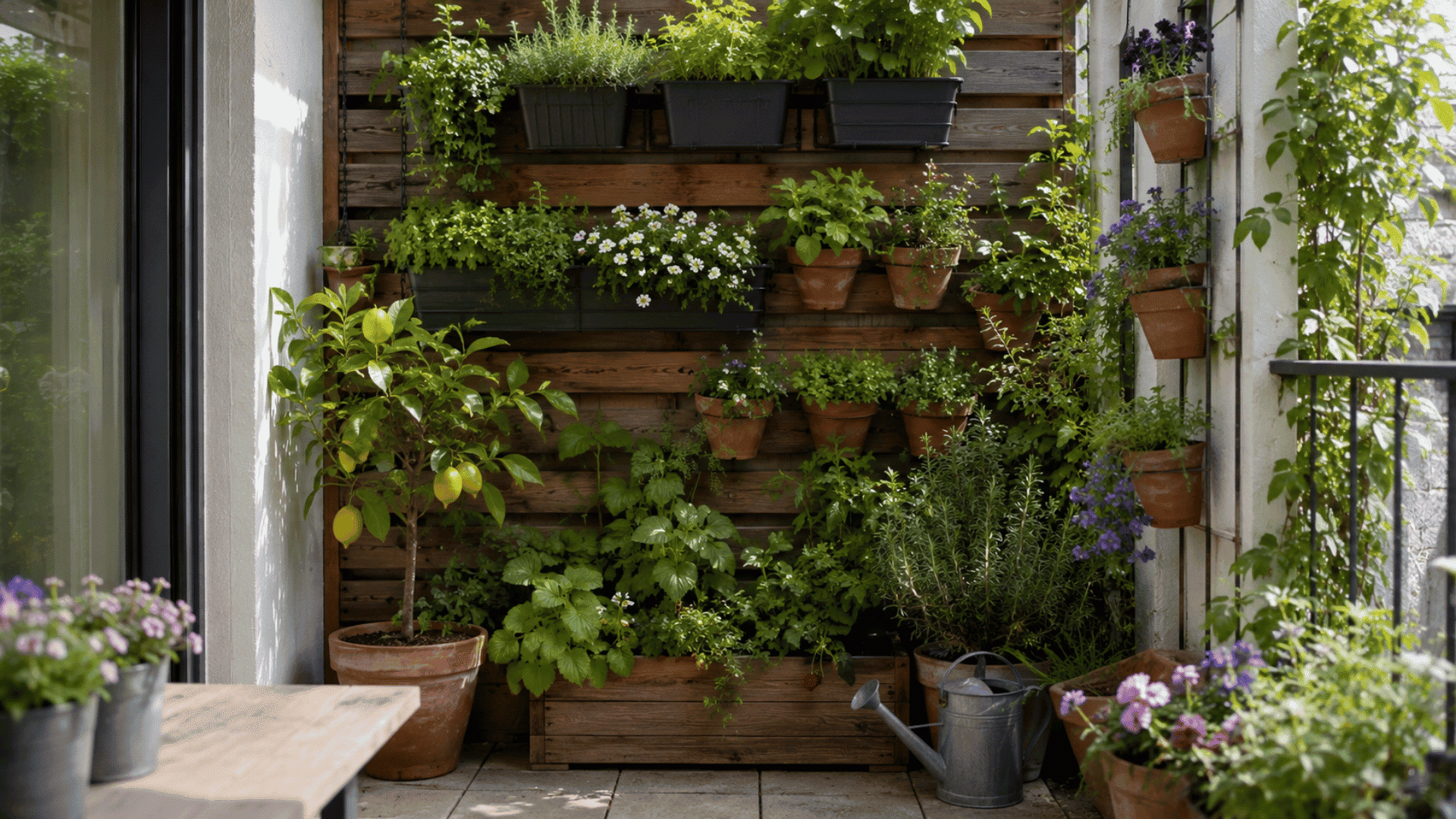
A vertical garden uses wall-mounted planters, trellises, hanging baskets, and stacked containers to grow plants upward rather than outward.
Herbs, flowering plants, strawberries, and climbing vegetables can thrive in this arrangement.
By taking advantage of vertical surfaces, this layout helps free up ground space while allowing a larger variety of plants to grow within a compact area.
Balcony Garden Layout for Apartments
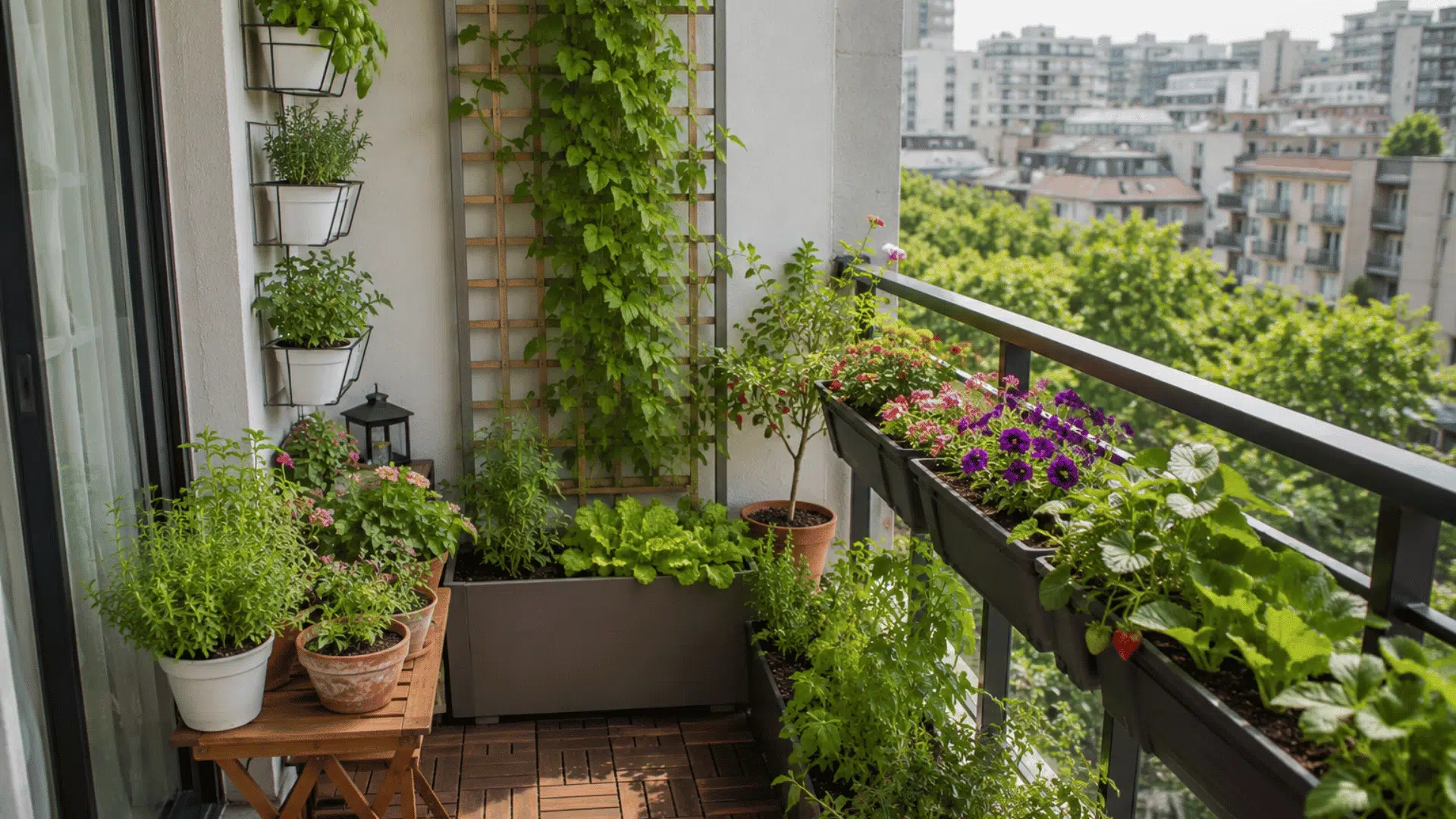
A balcony garden uses containers, railing planters, and compact raised beds to create a productive growing space in an apartment setting.
Herbs, flowers, leafy greens, and small fruiting plants can be grouped according to sunlight requirements. Arranging taller plants along walls and shorter varieties near the railing helps make efficient use of limited balcony space.
Corner Garden Layout for Unused Areas
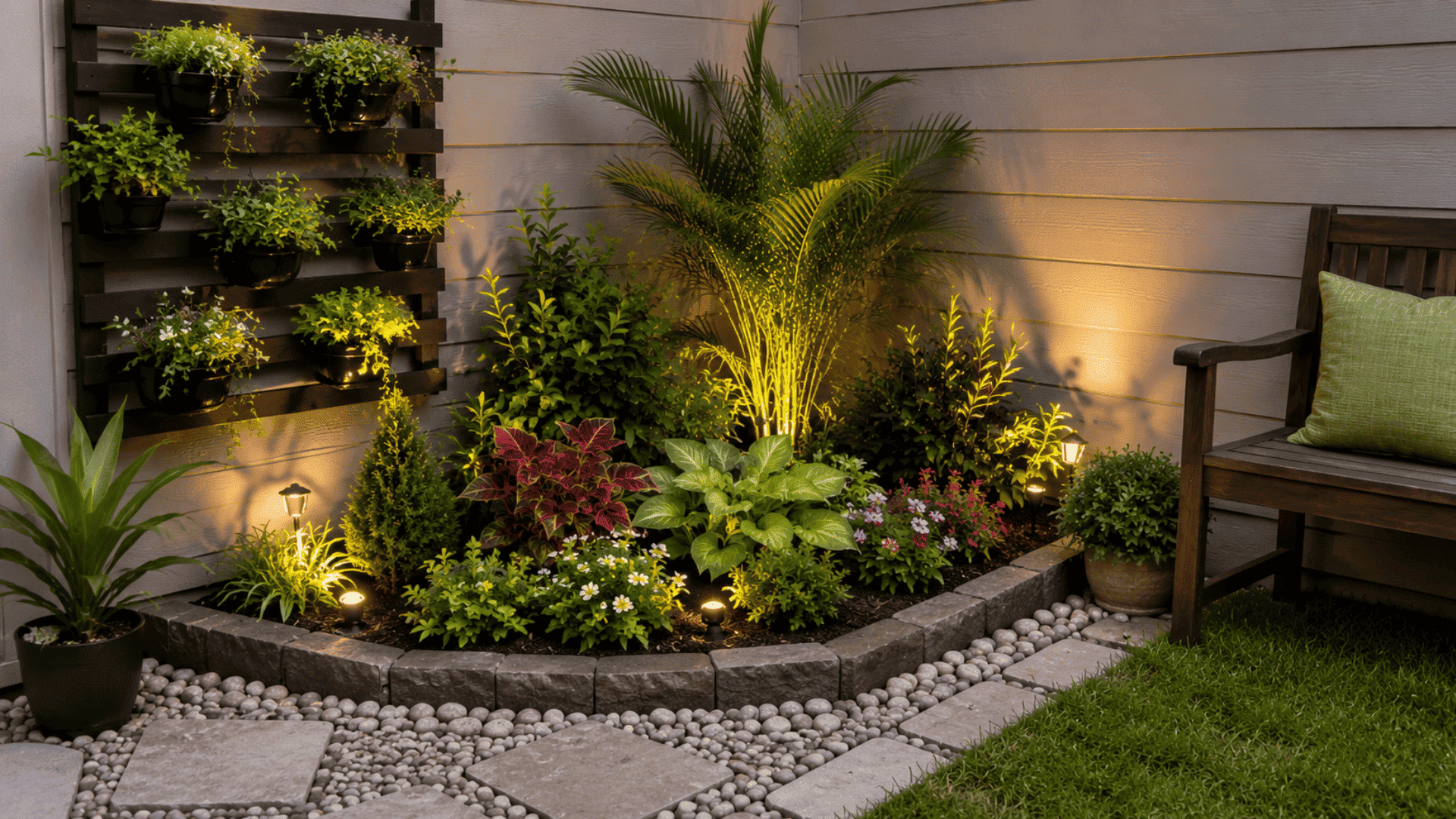
A corner garden turns overlooked spaces into productive planting zones. Triangular planting beds, layered flower borders, or compact shrub arrangements can be designed to fit neatly into corners.
Decorative stones, small seating areas, or vertical planters can further enhance the space while helping it blend naturally with the rest of the garden.
How to Choose the Best Garden Layout for your Space
Before selecting a garden layout, consider these important factors to ensure healthy plant growth, easier maintenance, and a garden that suits your goals.
- Garden Size: Assess the amount of available space before planning. Vertical, balcony, square-foot, and multi-zone gardens work well in areas of different sizes.
- Maintenance Requirements: Consider how much time you can dedicate to upkeep. Rock gardens, raised herb beds, and symmetrical flower gardens generally require less maintenance.
- Sunlight Availability: Note how many hours of direct sunlight your garden receives each day. Vegetable gardens, butterfly gardens, and water gardens often need adequate sunlight.
- Gardening Goals: Decide if your goal is to grow food, attract wildlife, create floral displays, or build a relaxing retreat. Your goals will determine the most suitable layout.
- Budget Considerations: Factor in costs for plants, soil, containers, and garden structures. Cottage gardens, corner gardens, and beginner vegetable gardens can be budget-friendly options.
- Water Access: Evaluate the availability of irrigation or watering systems. Water gardens, raised beds, and desert-inspired rock gardens have different watering requirements.
By comparing these factors, you can choose a garden layout that matches your space, lifestyle, and long-term gardening objectives.
Common Garden Layout Planning Mistakes to Avoid
Even the best garden layout ideas can fall short if common planning mistakes are overlooked. Paying attention to plant spacing, pathways, and seasonal changes can help create a garden that remains functional and attractive over time.
| Mistake | Why it Matters | How to Avoid it |
|---|---|---|
| Ignoring Plant Growth Size | Plants that are spaced too closely can compete for sunlight, water, and nutrients as they mature. | Check mature plant dimensions before planting and allow adequate spacing. |
| Poor Pathway Design | Narrow or poorly placed pathways can make watering, pruning, and harvesting difficult. | Leave clear walkways between beds and high-traffic areas. |
| Overcrowding Plants | Overcrowded gardens may experience poor airflow, increased disease risk, and reduced growth. | Follow recommended spacing guidelines and avoid overplanting. |
| Not Planning for Seasonal Changes | Some gardens may look empty when seasonal plants finish blooming or producing crops. | Combine plants with different bloom times and growing seasons for year-round interest. |
Conclusion
Choosing the right garden layout is one of the most important steps in creating an outdoor space that is both practical and enjoyable.
If you prefer colorful flower beds, productive vegetable gardens, organized herb plots, wildlife-friendly spaces, or compact layouts for smaller areas, there are plenty of options to suit different needs and preferences.
Taking factors such as garden size, sunlight exposure, maintenance requirements, and long-term goals into account can help you select a layout that works well throughout the year.
The ideas shared in this guide can serve as a starting point for planning a garden that reflects your lifestyle and available space.
I hope these garden layout ideas help you create a space you’ll enjoy spending time in for years to come.
Frequently Asked Questions
How Much Space do I Need to Start a Garden?
You can start a garden in almost any space. Balconies, patios, and small yards support container gardening, while larger areas allow diverse planting zones.
Can I Combine Different Garden Layout Styles in One Space?
Yes, combining layouts is common. You can create separate areas for flowers, vegetables, herbs, and wildlife while maintaining a balanced, functional design.
Which Plants Work Well Together in a Mixed Garden Layout?
Choose plants with similar sunlight, soil, and watering needs. Combining flowers, herbs, vegetables, and shrubs can improve appearance and simplify maintenance.
How Often Should I Update My Garden Layout?
Major redesigns are rarely needed annually. Adjust layouts seasonally, replace struggling plants, and make changes as plants grow and gardening goals evolve.

Veronica Lee holds a Master’s degree in Landscape Architecture from Cornell University and has dedicated more than 15 years to transforming outdoor areas into artistic and sustainable spaces. Her career took off in a renowned landscape design firm, where she excelled in creating visually stunning and environmentally responsible designs. In 2019, Veronica brought her expertise to our platform, quickly becoming a key contributor to our outdoor design and sustainability sections. As the lead of our landscape innovation series ever since joining, she has inspired readers with her forward-thinking and practical approach. When not drafting designs, Veronica enjoys pottery and participates in local conservation efforts, activities that complement her professional ethos of blending art with nature.