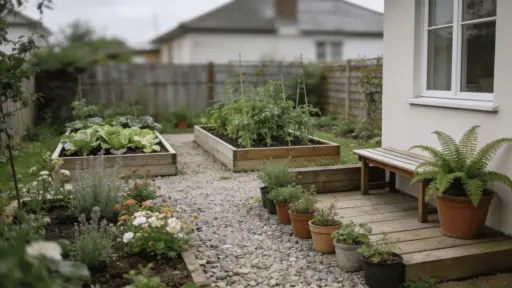
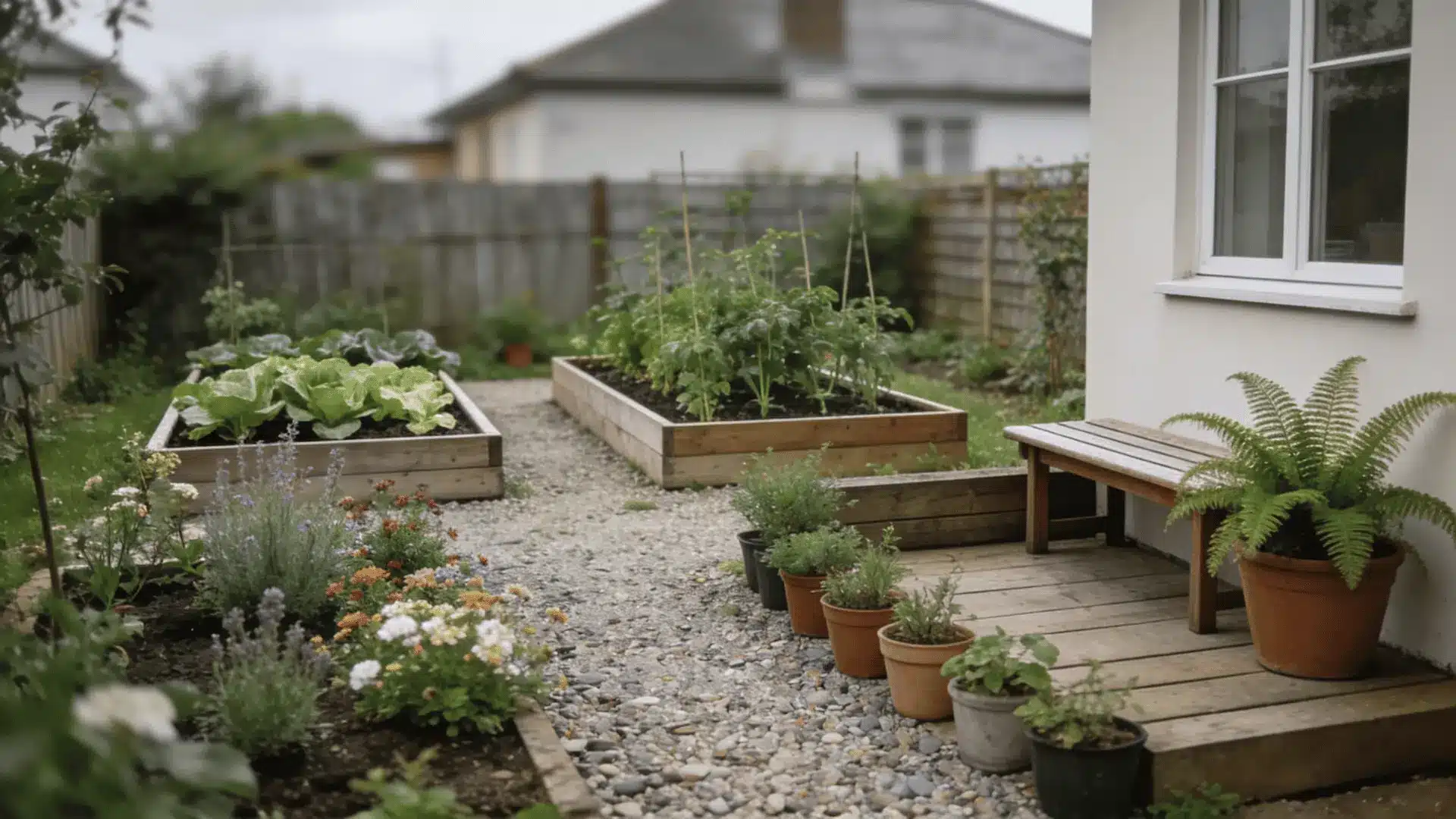

When I first started planning a garden, I thought the only choice was flowers or vegetables. Then I realized there are many ways to shape a space, even if you only have a balcony, a small yard, or one sunny corner.
The right garden should match your home, climate, time of year, and the look you enjoy.
In this article, I will walk you through the main types of gardens you can create, from flower, herb, and vegetable gardens to terrace, container, vertical, Zen, rock, water, and Indian garden styles.
You will also see which options work best for small spaces, low-maintenance care, and peaceful outdoor corners.
I have kept the advice simple and practical, so you can compare ideas quickly and choose a garden style that feels right for your space without feeling lost in too many design terms today.
Factors to Consider Before Choosing a Garden
A good garden starts with a simple plan, not a big setup. Once you understand your space, you can choose from different types of gardens that fit your home and local weather.
- Check Your Space: Look at the size of your balcony, terrace, yard, patio, or indoor corner before choosing a garden style.
- Study the Sunlight: Note how many hours of direct sun the area gets each day, because some plants need full sun while others grow better in shade.
- Know Your Climate: Choose plants that suit your local weather, rainfall, and temperature so they can grow with less stress.
- Decide Your Main Goal: Pick what you want most, such as fresh herbs, colorful flowers, vegetables, a calm sitting area, or a low-maintenance green space.
- Start Small First: Begin with a few pots, a raised bed, or a section of a wall before planning a large garden.
- Choose Easy Plants: For beginners, herbs, succulents, native flowers, and hardy leafy plants are easier to manage.
- Plan Water Access: Keep your garden close to a water source, especially if you live in a hot or dry area.
- Match It With Your Routine: If you have less time, choose a container, rock, or succulent garden instead of a high-maintenance flower or vegetable garden.
- Budget: A simple herb garden or container garden can be affordable, but a water garden, formal garden, or large terrace setup may cost more.
Types of Gardens
The right garden style depends on your space, weather, sunlight, and how much care you can give. Use these ideas to compare different layouts, plant choices, and design looks before you start.
1. Flower Garden
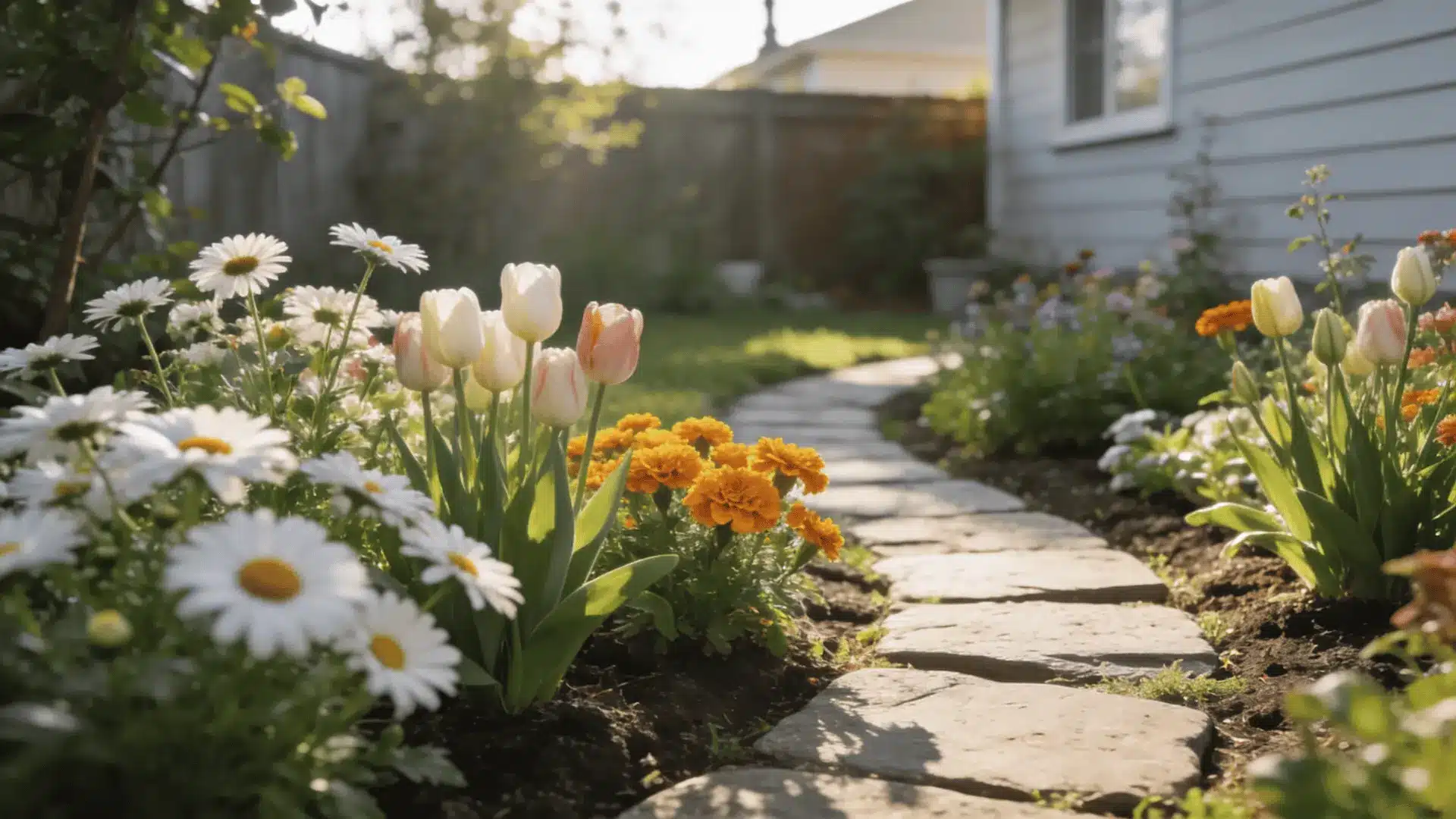
A flower garden is one of the most loved choices because it adds color, scent, and life to any outdoor space. You can grow seasonal flowers, native flowers, or a mix of both for year-round interest.
This style works well in front yards, backyards, borders, and even large pots. I like this option for people who want a cheerful look without changing the whole landscape.
Before planting, check sunlight and blooming seasons so your garden does not look empty after one short flowering period.
2. Vegetable Garden
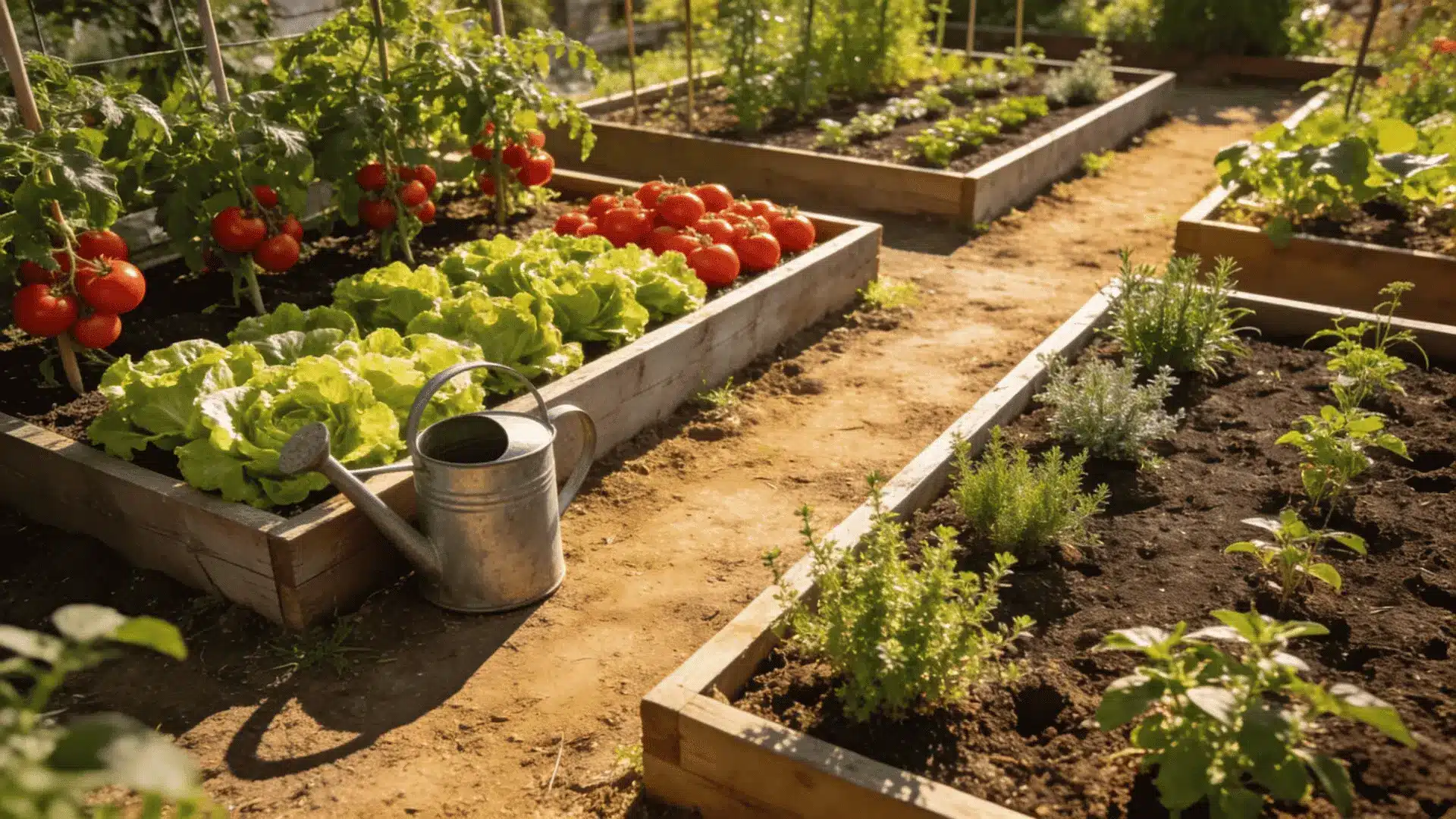
A vegetable garden is a practical choice if you want fresh food from your own space. You can grow tomatoes, spinach, beans, carrots, peppers, or leafy greens depending on your climate.
This type works best in a sunny area with good soil and easy access to water. Raised beds are useful if your soil is poor. A common mistake is planting too much at once.
Start with a few easy vegetables, then add more once you understand watering, spacing, pests, and harvest time.
3. Herb Garden
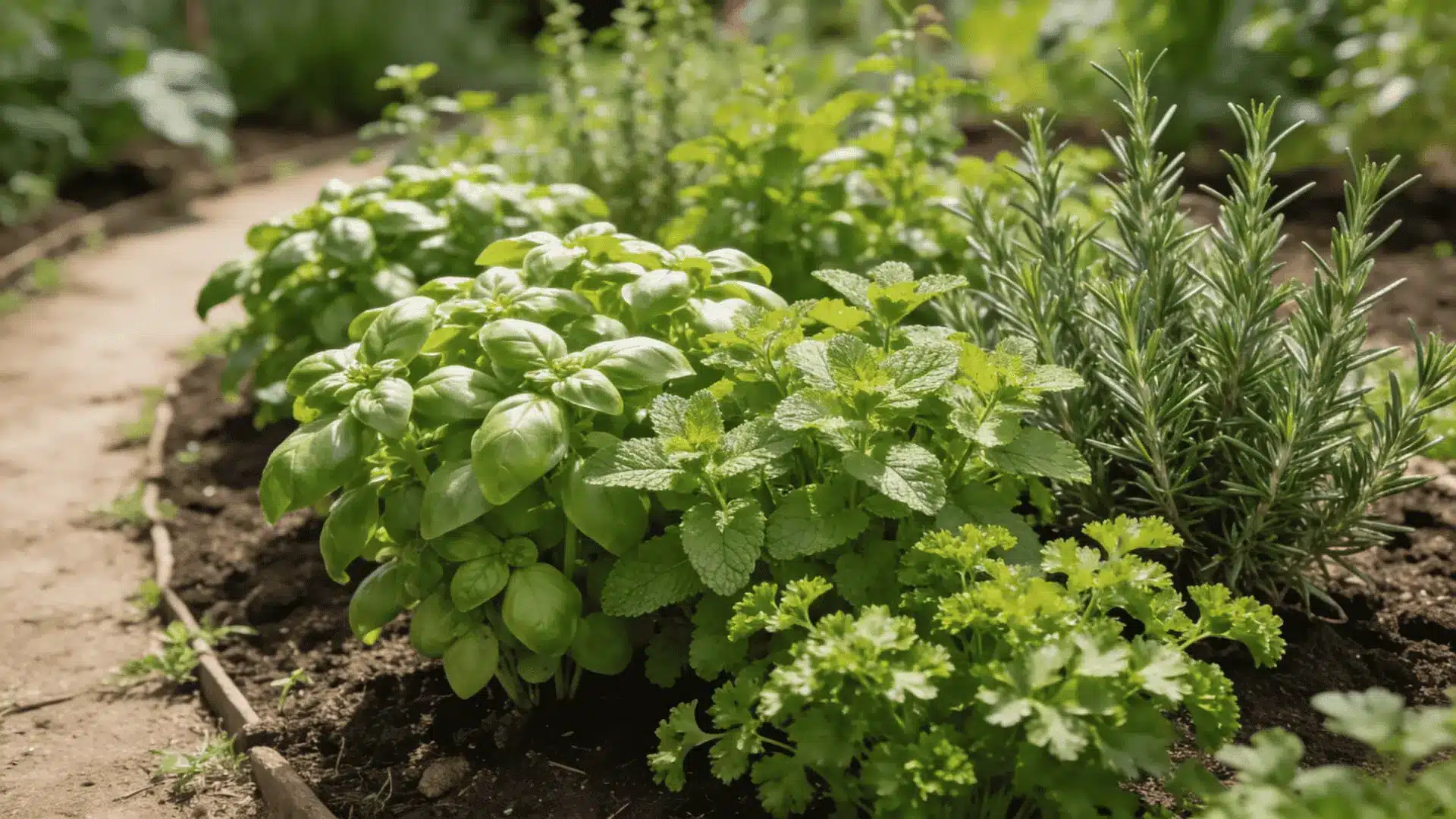
A herb garden is simple, useful, and beginner-friendly. You can grow basil, mint, coriander, rosemary, thyme, parsley, or lemongrass in pots, beds, or kitchen window boxes.
This is one of the easiest types of gardens for small homes because herbs do not need much space. Many herbs love sunlight, but some also manage well in partial shade.
My friend started with just mint and basil near her kitchen, and it made cooking easier because fresh herbs were always close at hand.
4. Rose Garden
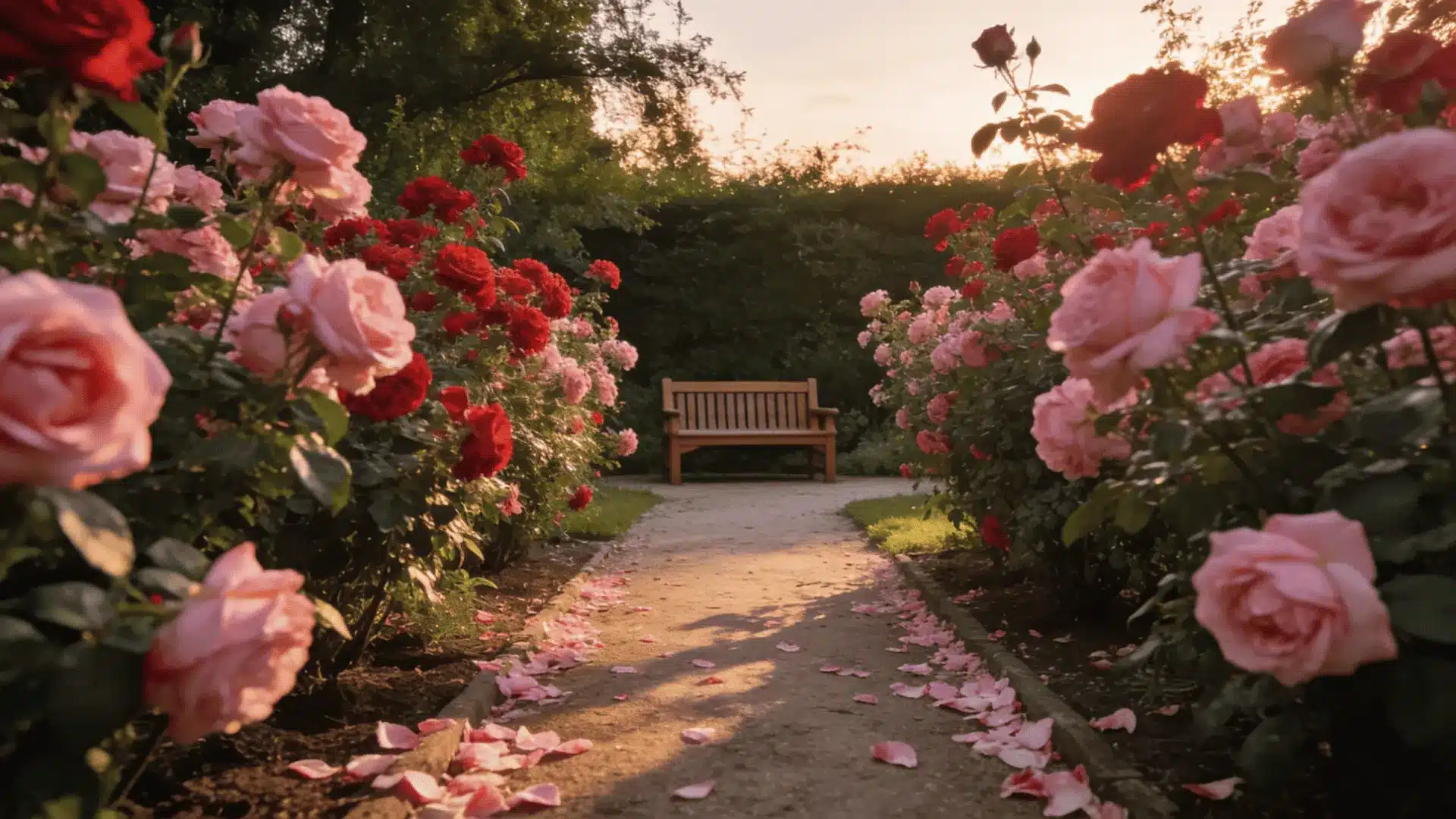
A rose garden gives a classic, romantic look, but it requires consistent care. Roses need sunlight, good airflow, pruning, and the right watering routine.
You can grow climbing roses on arches, shrub roses in borders, or potted roses on patios. This garden works best for people who enjoy regular plant care. Do not crowd the plants, because poor airflow can lead to disease.
If you want strong results, choose rose varieties that match your local climate and soil conditions.
5. Wildflower Garden
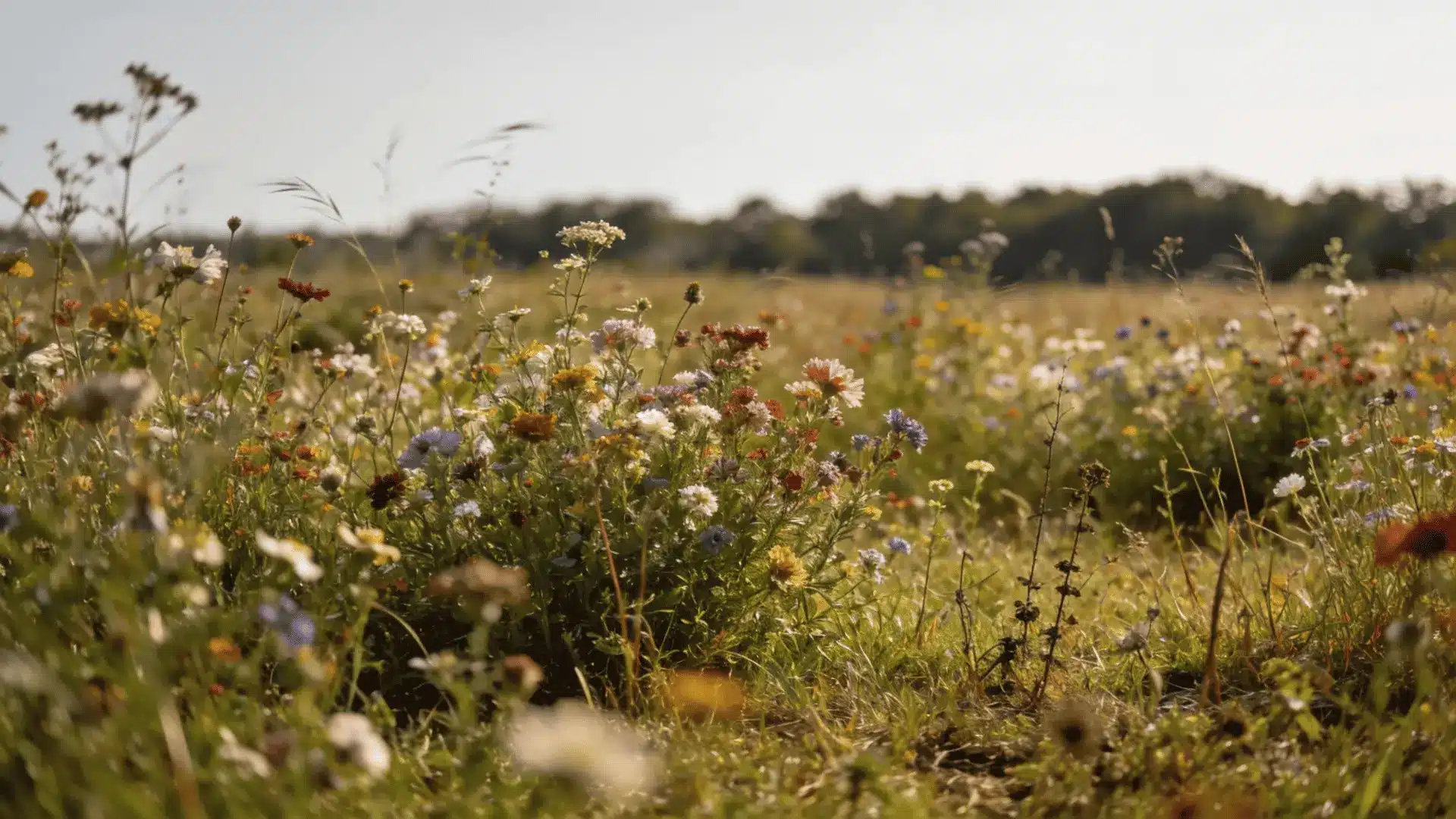
A wildflower garden has a loose, natural look and is great for people who do not want a very formal layout. It often includes native flowers that support bees, butterflies, and other pollinators.
This garden can work well in sunny corners, open yards, or areas where you want a meadow-like feel. It usually needs less mowing and less styling than a traditional lawn.
The main tip is to prepare the soil well before sowing seeds, because weeds can compete with young wildflowers.
6. Butterfly Garden
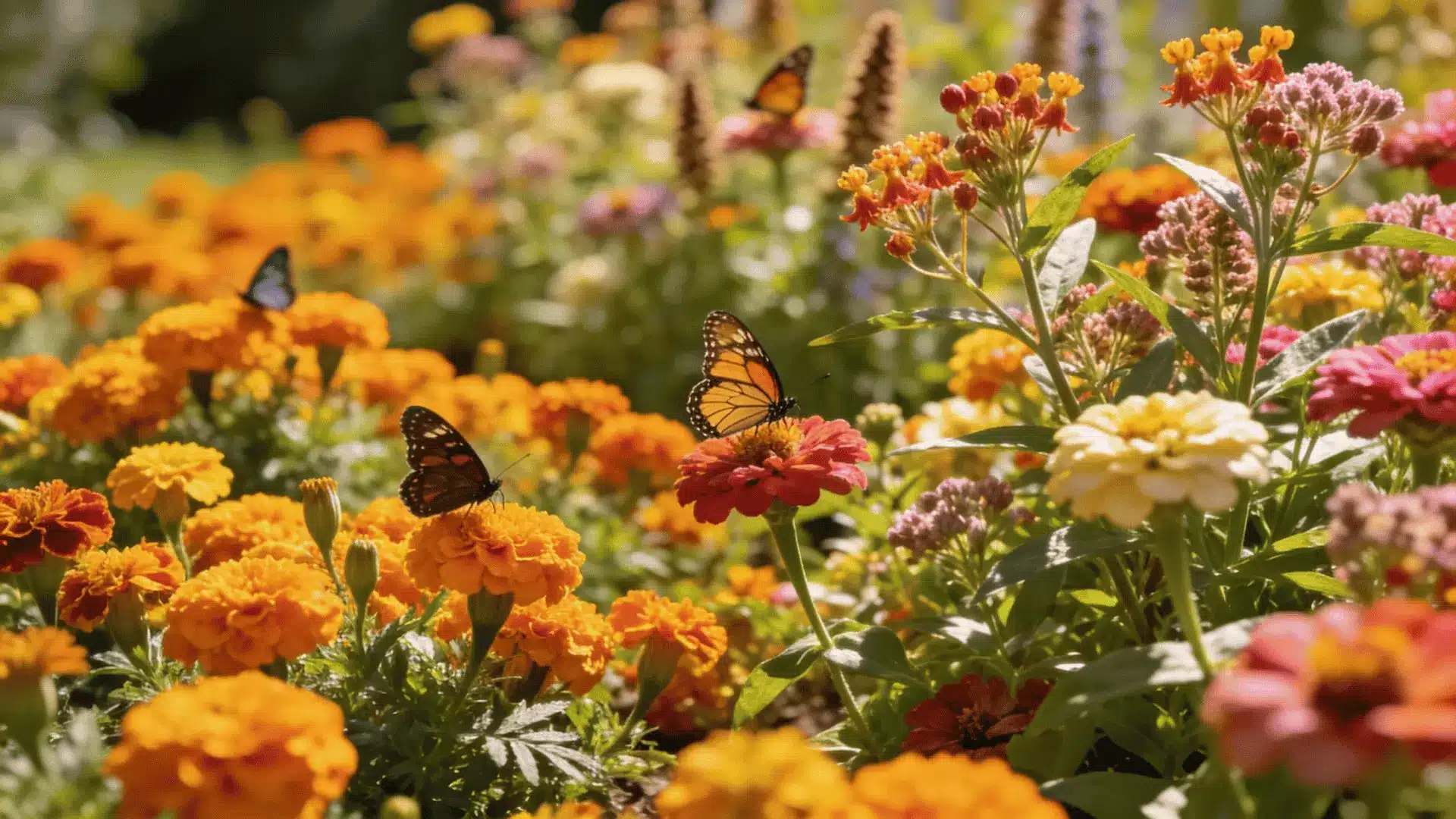
A butterfly garden is designed to attract butterflies with nectar plants, host plants, sunlight, and safe resting spots. Flowers like marigold, lantana, zinnia, milkweed, and pentas can help bring pollinators into the space.
This garden is not only pretty but also useful for local biodiversity. Avoid using strong chemical sprays, because they can harm butterflies and caterpillars. A shallow water source or damp soil patch can also help.
This is a good choice if you want a garden that feels active and full of movement.
7. English Garden
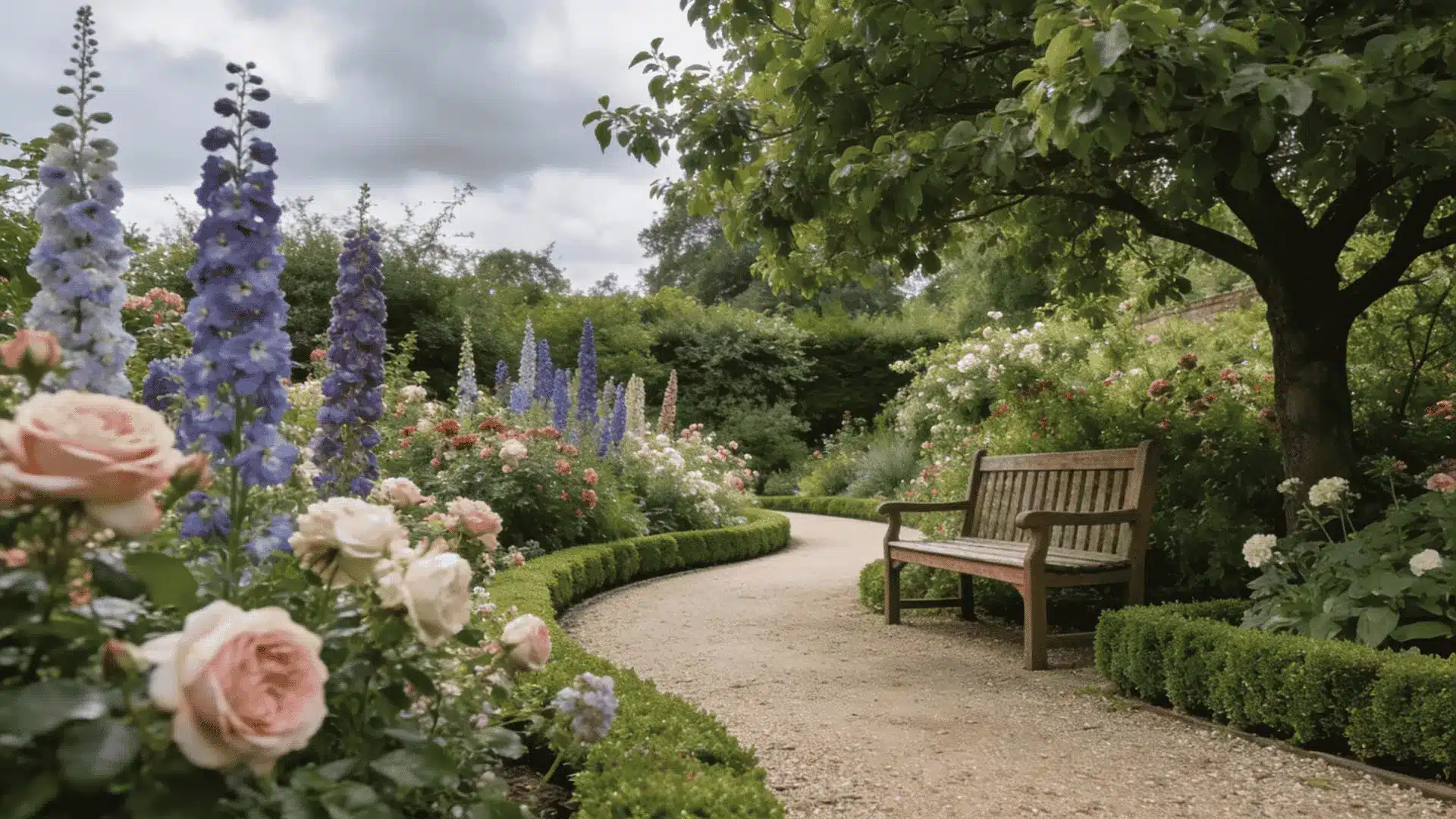
An English garden has a soft, layered, and slightly informal look. It often includes flowering borders, curved paths, climbing plants, shrubs, benches, and mixed textures.
Unlike a strict formal garden, it feels full and relaxed, but it still needs planning. The trick is to balance height, color, and bloom time so the space looks rich without feeling messy.
This style works best in medium to large yards. If your space is small, you can create the same feel with containers and climbing flowers.
8. Container Garden
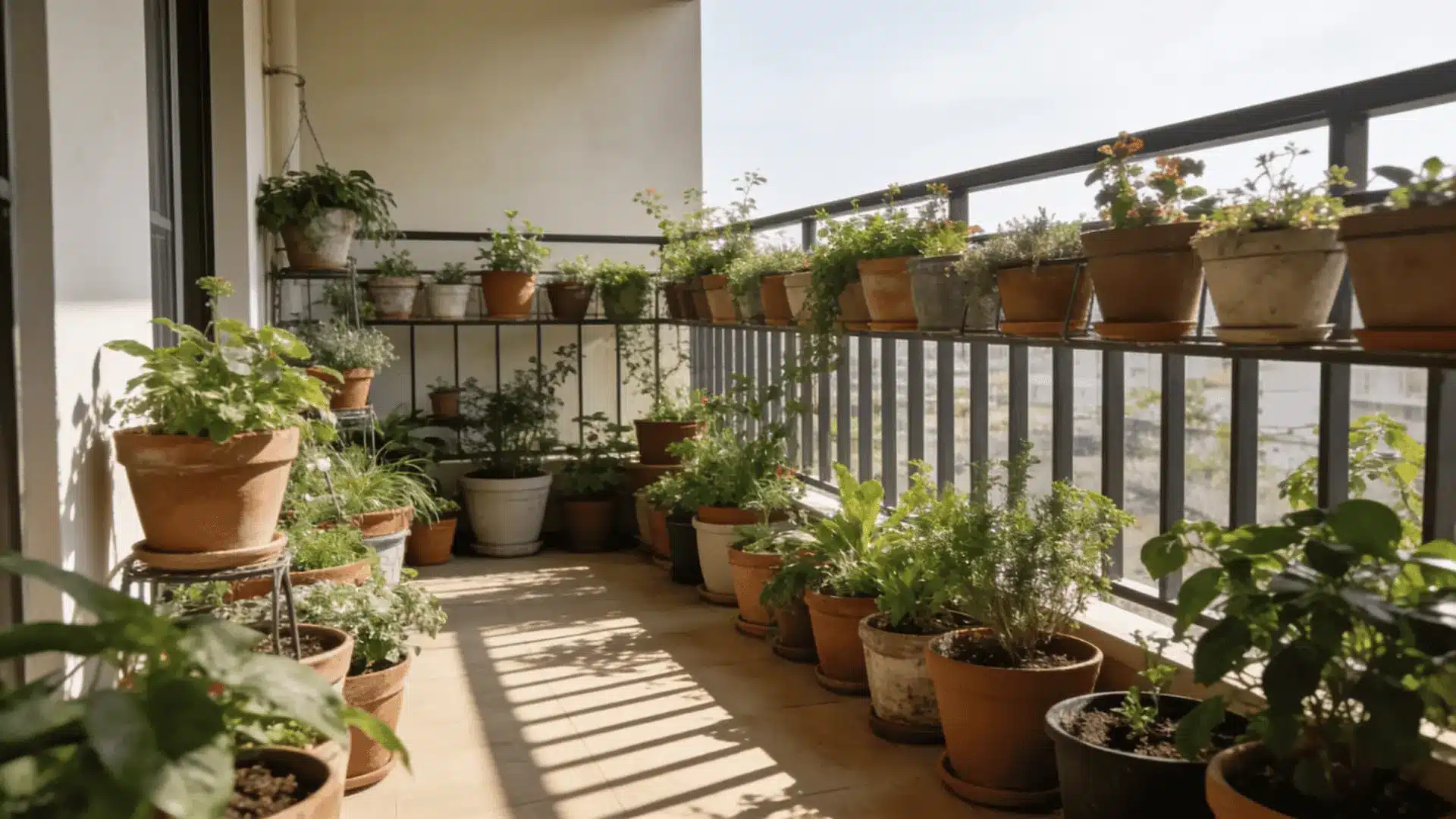
A container garden is ideal for balconies, patios, terraces, and rented homes. You can grow flowers, herbs, vegetables, shrubs, and small trees in pots or planters.
It gives you flexibility because you can move plants when sunlight changes or weather gets harsh. Choose pots with drainage holes, because wet roots can damage many plants.
This is a smart option if you are comparing types of gardens and want something easy to start. Use matching pots for a clean look or mixed pots for a relaxed style.
9. Terrace Garden
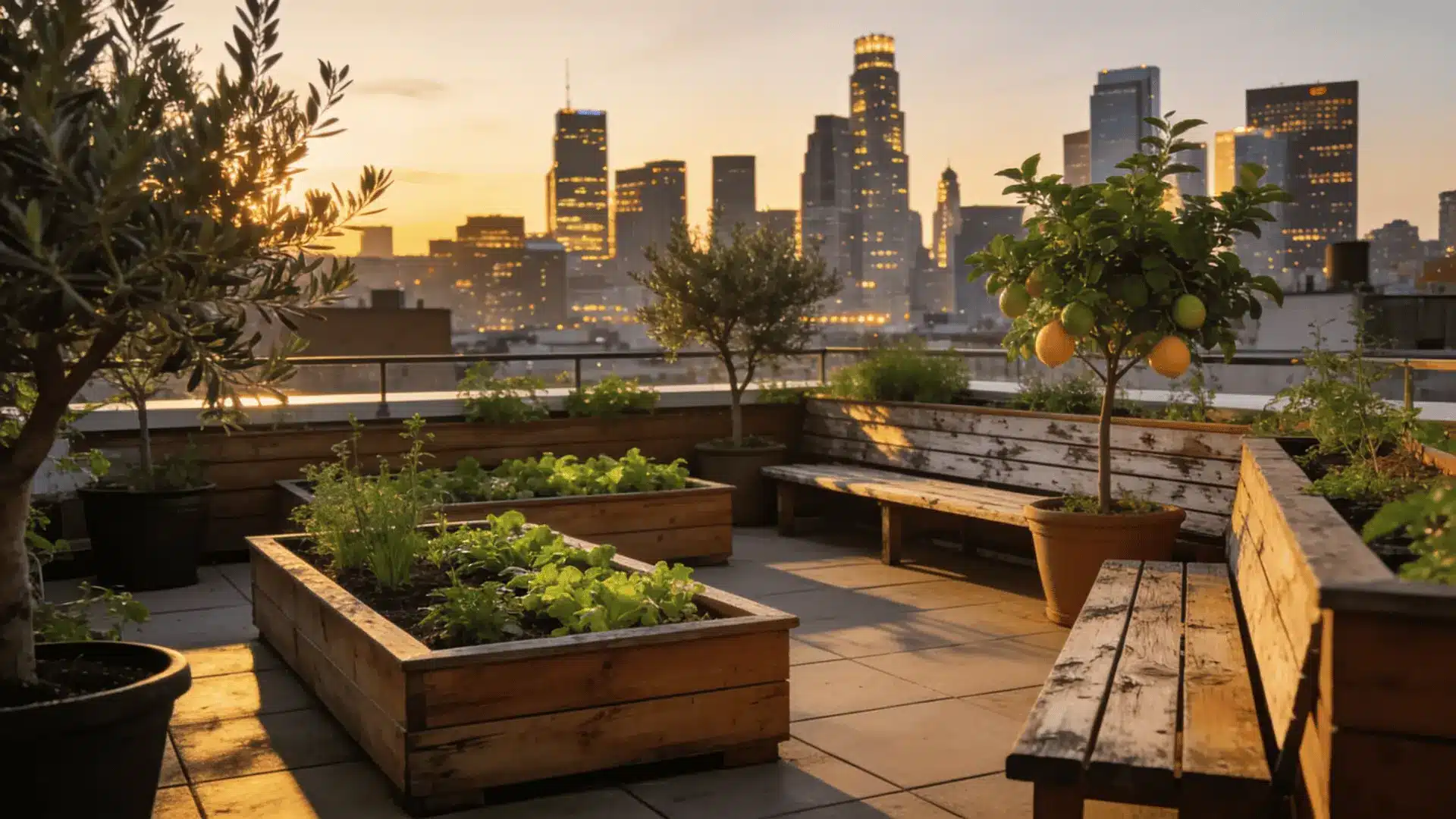
A terrace garden turns a rooftop or open upper floor into a green space. It can include pots, raised beds, seating, shade plants, herbs, vegetables, and small trees.
Before planning one, check weight limits, drainage, wind exposure, and waterproofing. This is very important because a terrace garden can cause water damage if it is not set up properly.
I saw one simple terrace garden with only planters, a bench, and lights, and it still looked beautiful. Keep the design simple if maintenance time is limited.
10. Vertical Garden
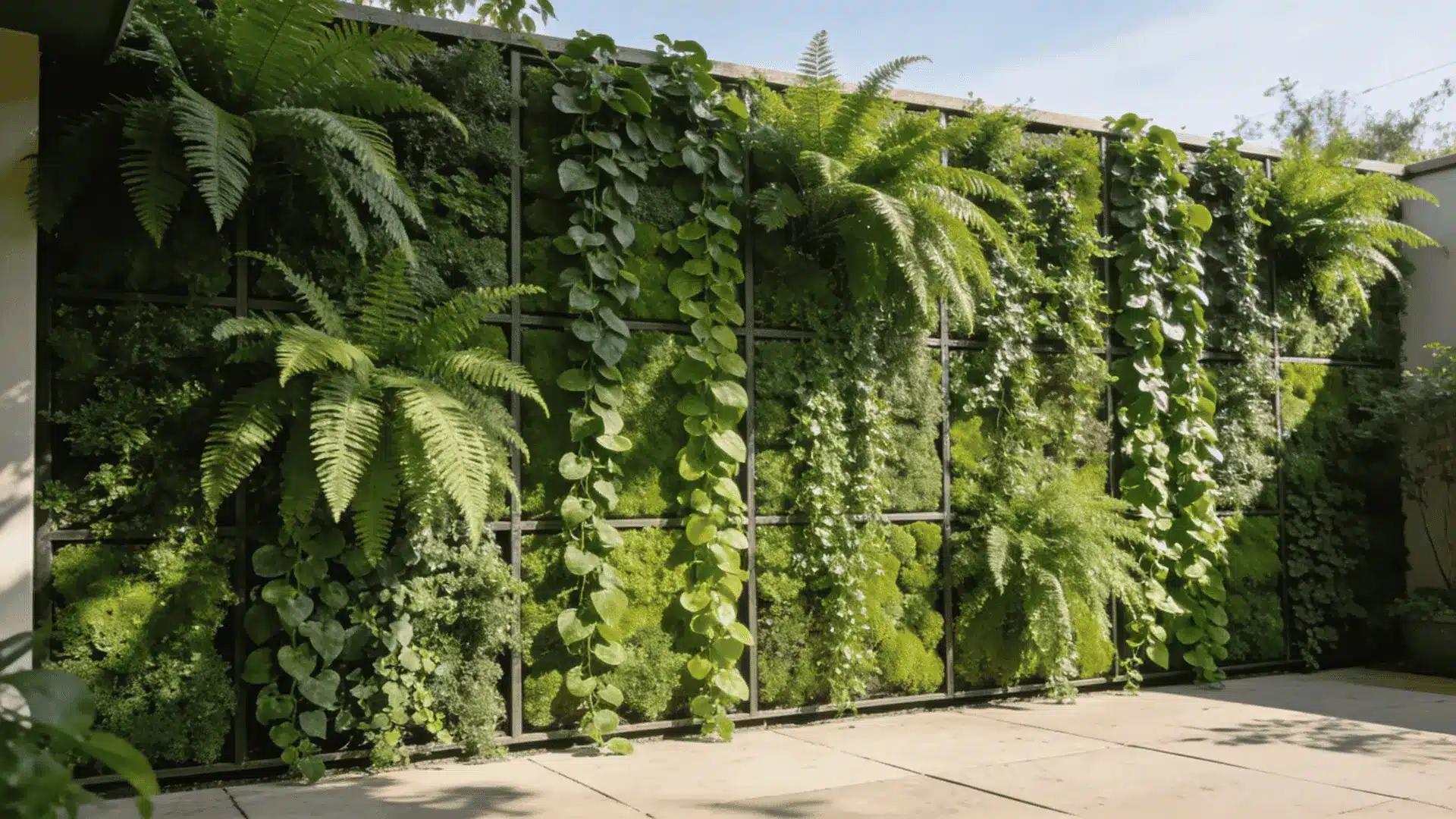
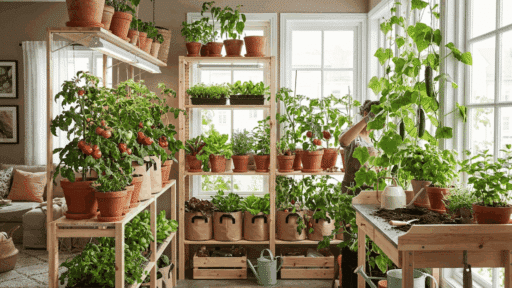
A vertical garden is useful when floor space is limited. Plants grow on a wall frame, trellis, rack, or panel system. You can use it for herbs, ferns, trailing plants, small flowers, or leafy greens.
This garden works well on:
- Balconies
- Patios
- Indoor walls
- Narrow side spaces
The main benefit is that it adds greenery without taking up much room. The main challenge is watering, because top and bottom plants may dry at different speeds. Pick plants with similar water needs for better results.
11. Hanging Garden
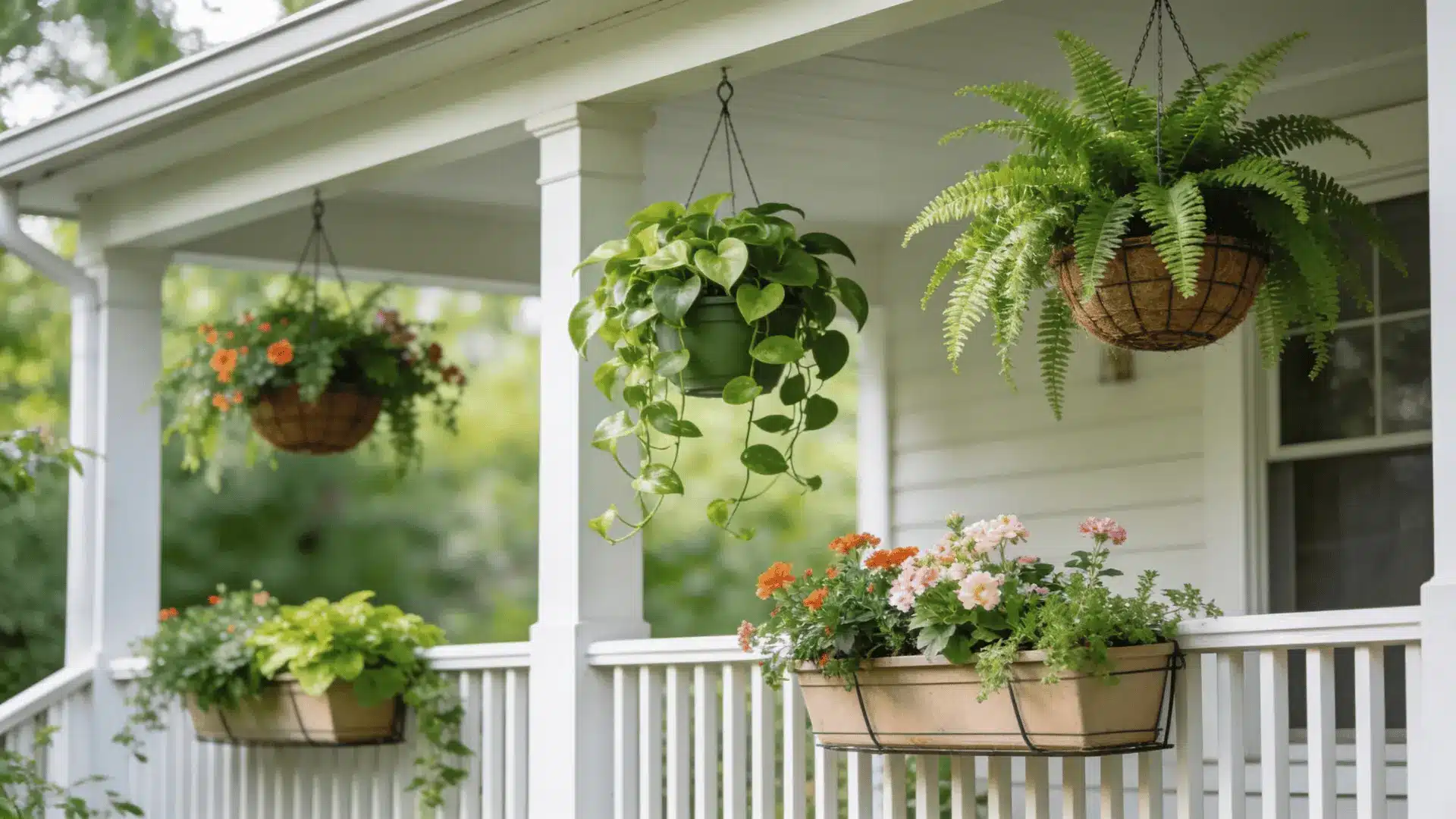
A hanging garden uses baskets, wall hooks, railing pots, or ceiling hangers to display plants above the ground. It is a good option for small spaces where tables and floors are already full.
Trailing plants like pothos, ivy, petunia, ferns, and spider plants work well. Make sure the hooks are strong and safe, especially after watering, because wet soil becomes heavy.
This style adds height and depth to a space. It also works well near windows, balconies, porches, and shaded outdoor corners.
12. Green Wall Garden
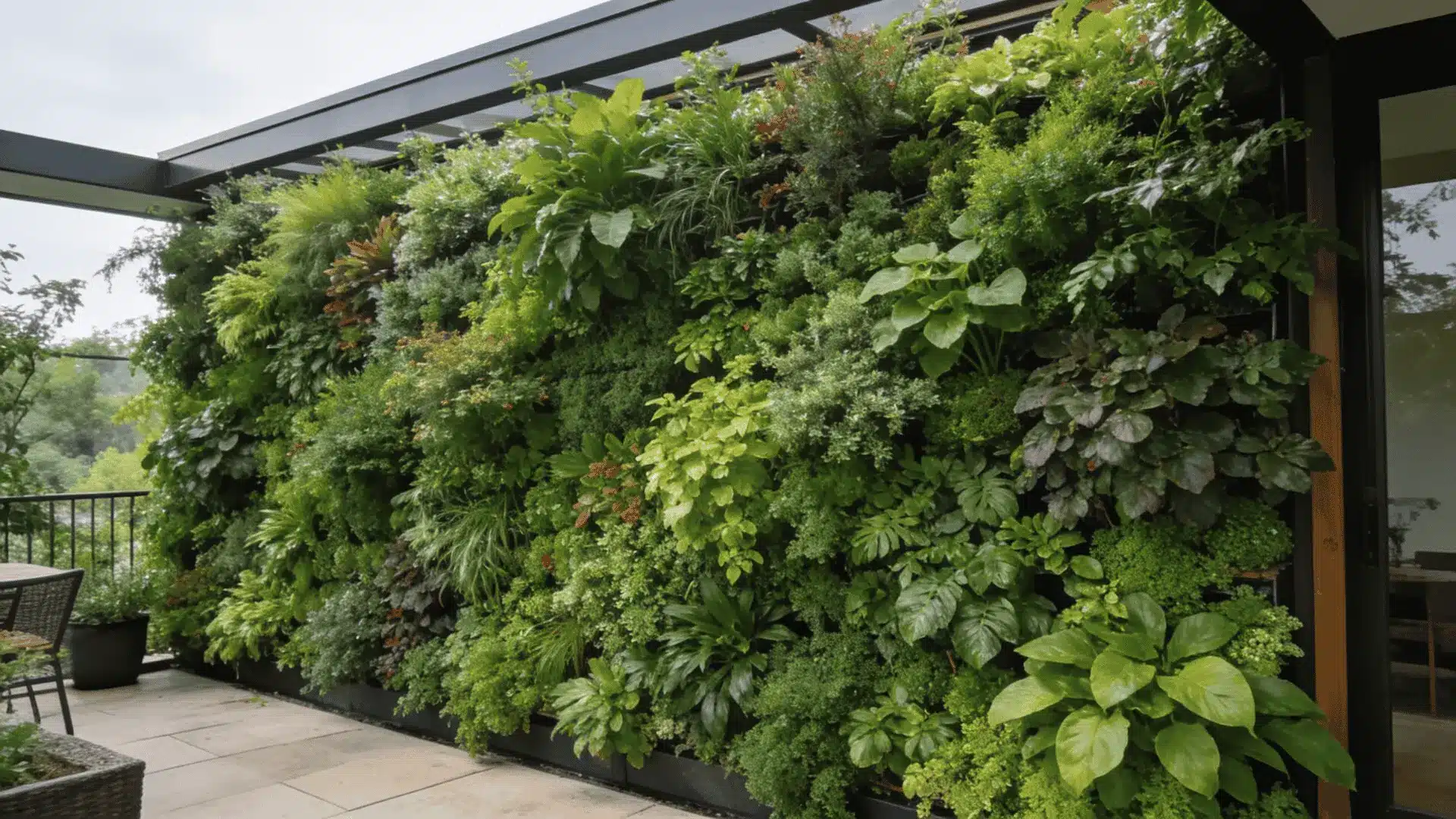
A green wall garden creates a living wall covered with plants. It can be natural, modern, or decorative depending on the plant choice and structure.
Some green walls use soil pockets, while others use hydroponic systems. They are common in modern homes, offices, cafes, and outdoor seating areas.
This style improves the visual appeal of plain walls and can help cool a space. However, it needs proper watering and maintenance. For beginners, a small modular green wall is easier than covering an entire wall.
13. Zen Garden
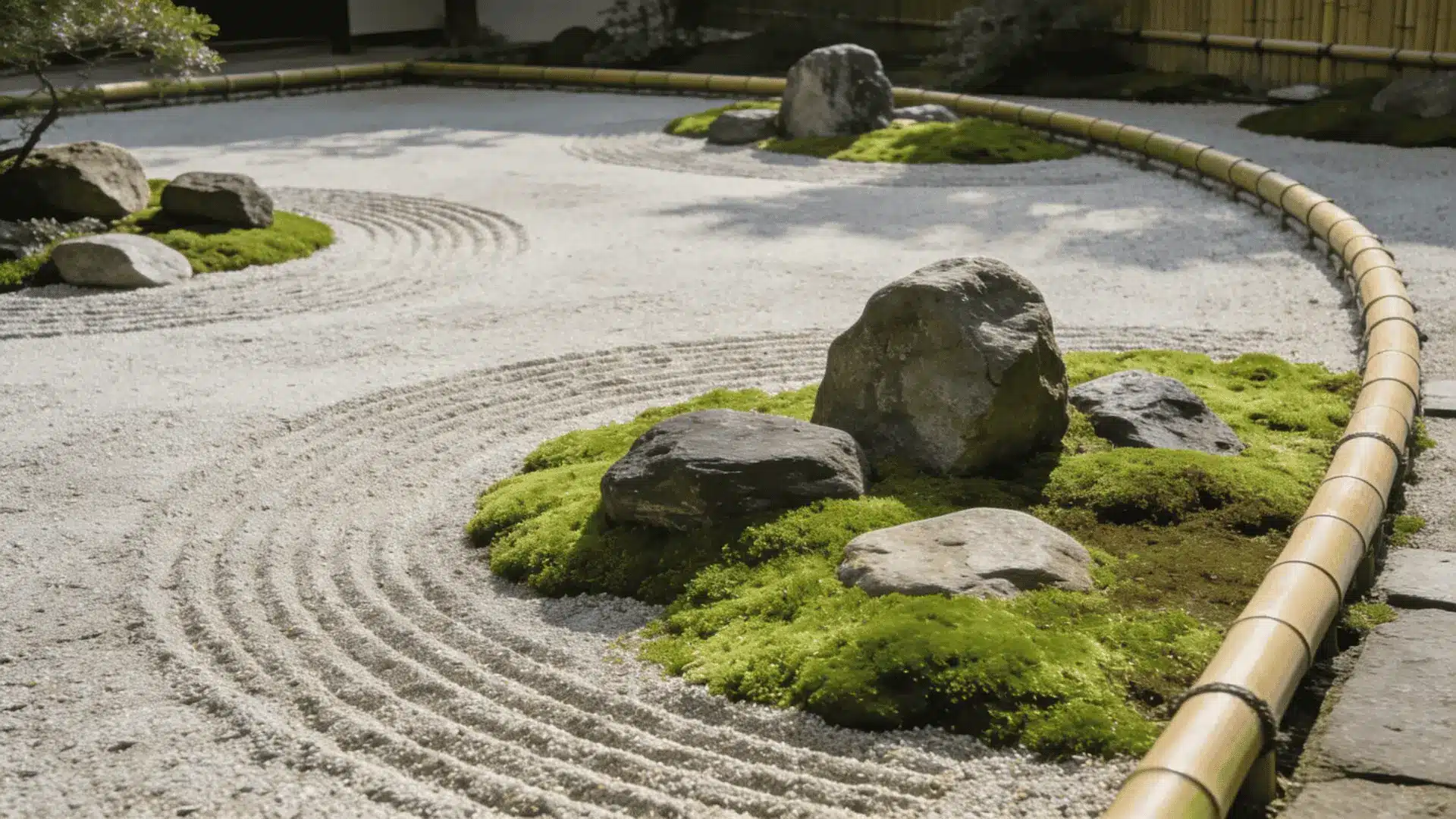
A Zen garden focuses on calm design, simple shapes, stones, gravel, sand, and limited planting. It is not meant to look crowded. The beauty comes from balance and open space. Many Zen gardens use raked gravel, rocks, moss, bamboo, and small water features.
This style works well for
- Meditation corners
- Courtyards
- Quiet Patios.
Tip: Avoid too many decorative items.
The more you add, the less peaceful it may feel. Keep the layout clean, simple, and easy to maintain.
14. Rock Garden
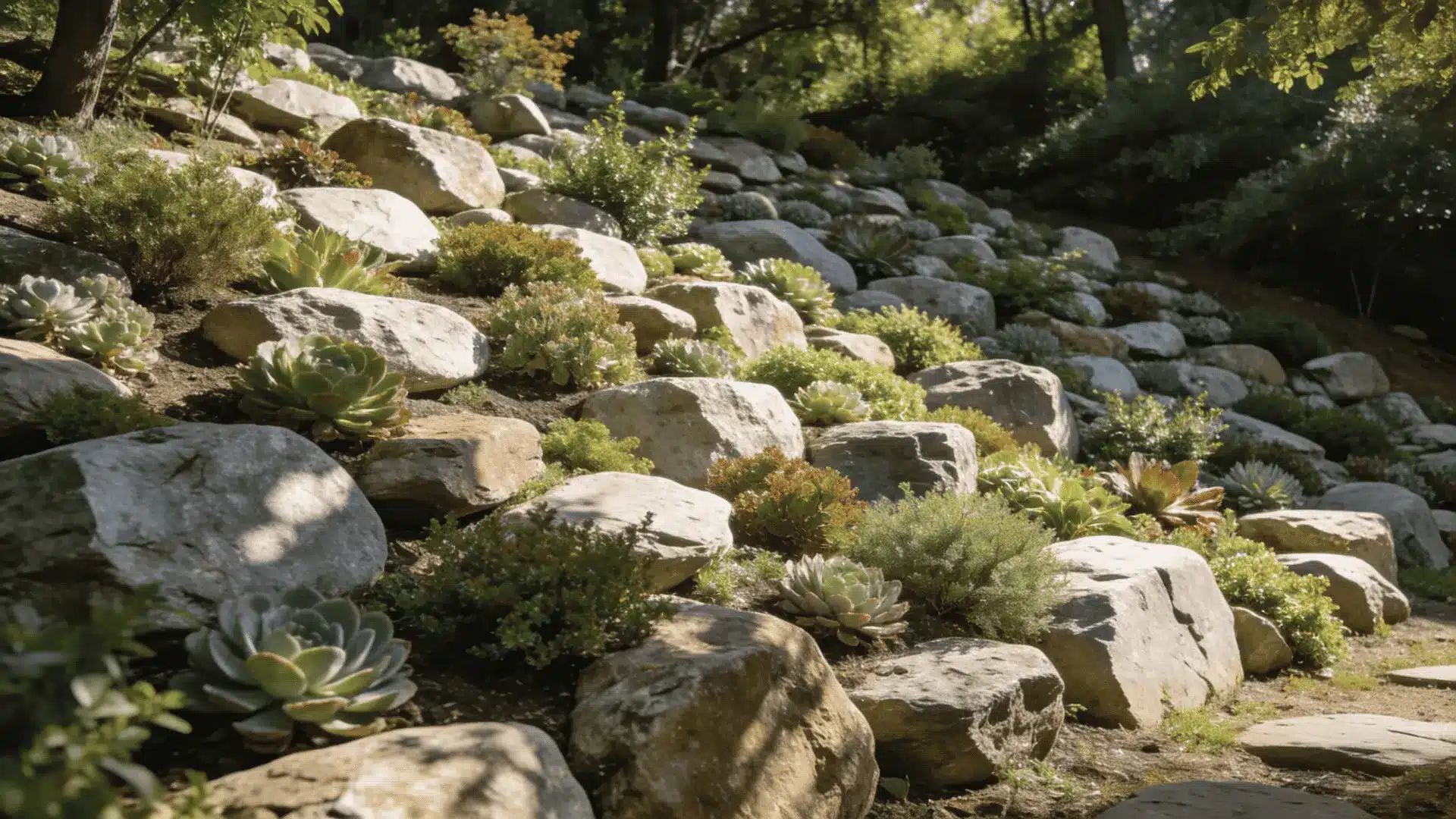
A rock garden is a good choice for dry areas, sloped spaces, or places where grass is hard to grow. It uses stones, gravel, hardy plants, succulents, alpine plants, and drought-friendly shrubs.
This style can look natural or modern depending on the layout. It usually needs less water than a flower-heavy garden. The common mistake is placing rocks randomly without thinking about shape and flow.
Group stones into natural clusters and add plants around them so the garden looks planned rather than scattered.
15. Water Garden
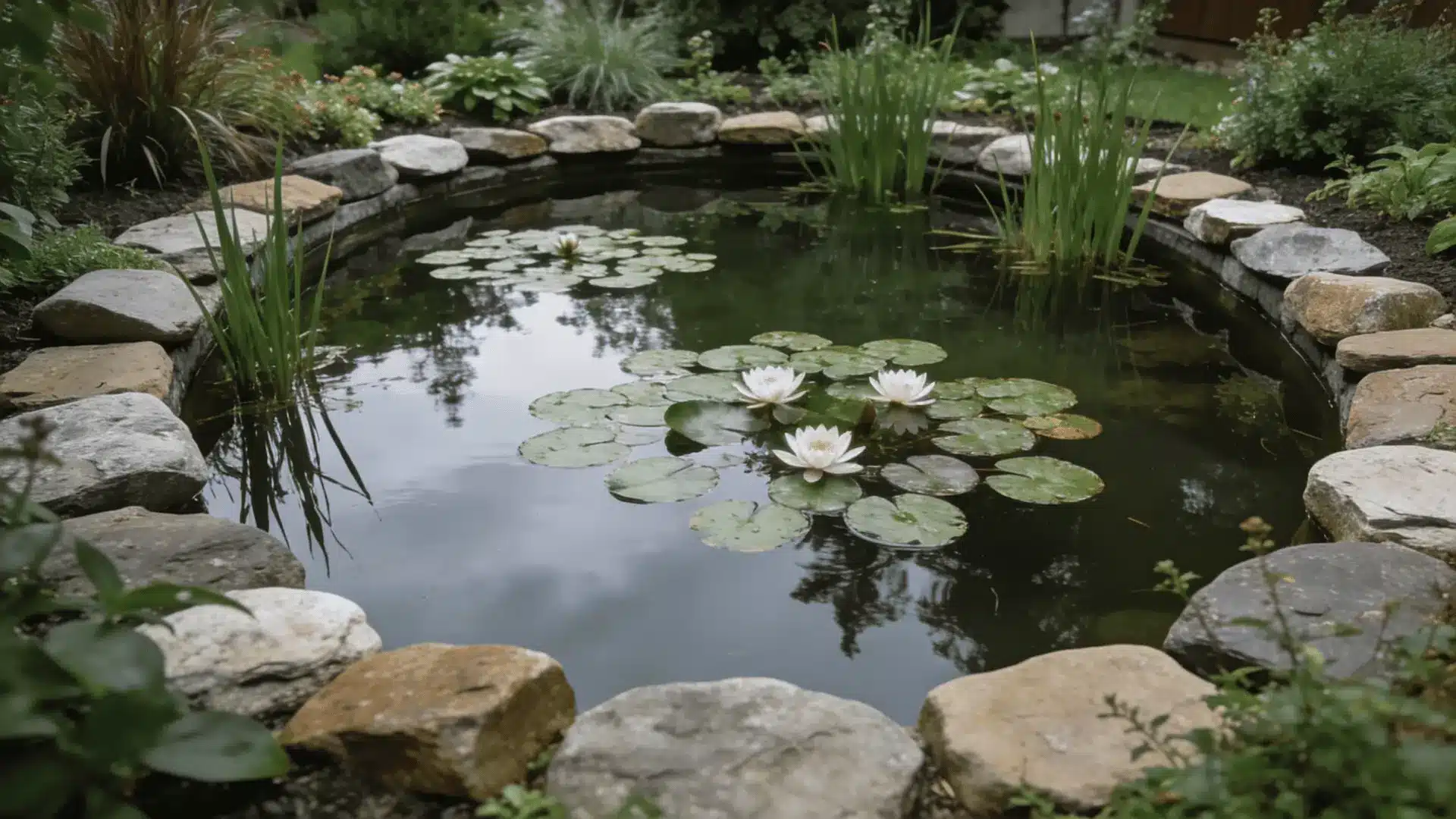
A water garden adds a peaceful feel with ponds, fountains, small streams, or water bowls. It may include lotuses, water lilies, floating plants, fish, and stones.
This garden works best where the water feature can be easily cleaned and maintained. Moving water is often better than still water because it looks fresh and can reduce mosquito issues.
If you have children or pets, safety should come first. A small fountain or container pond can provide the same sense of calm without requiring a large setup.
16. Sensory Garden
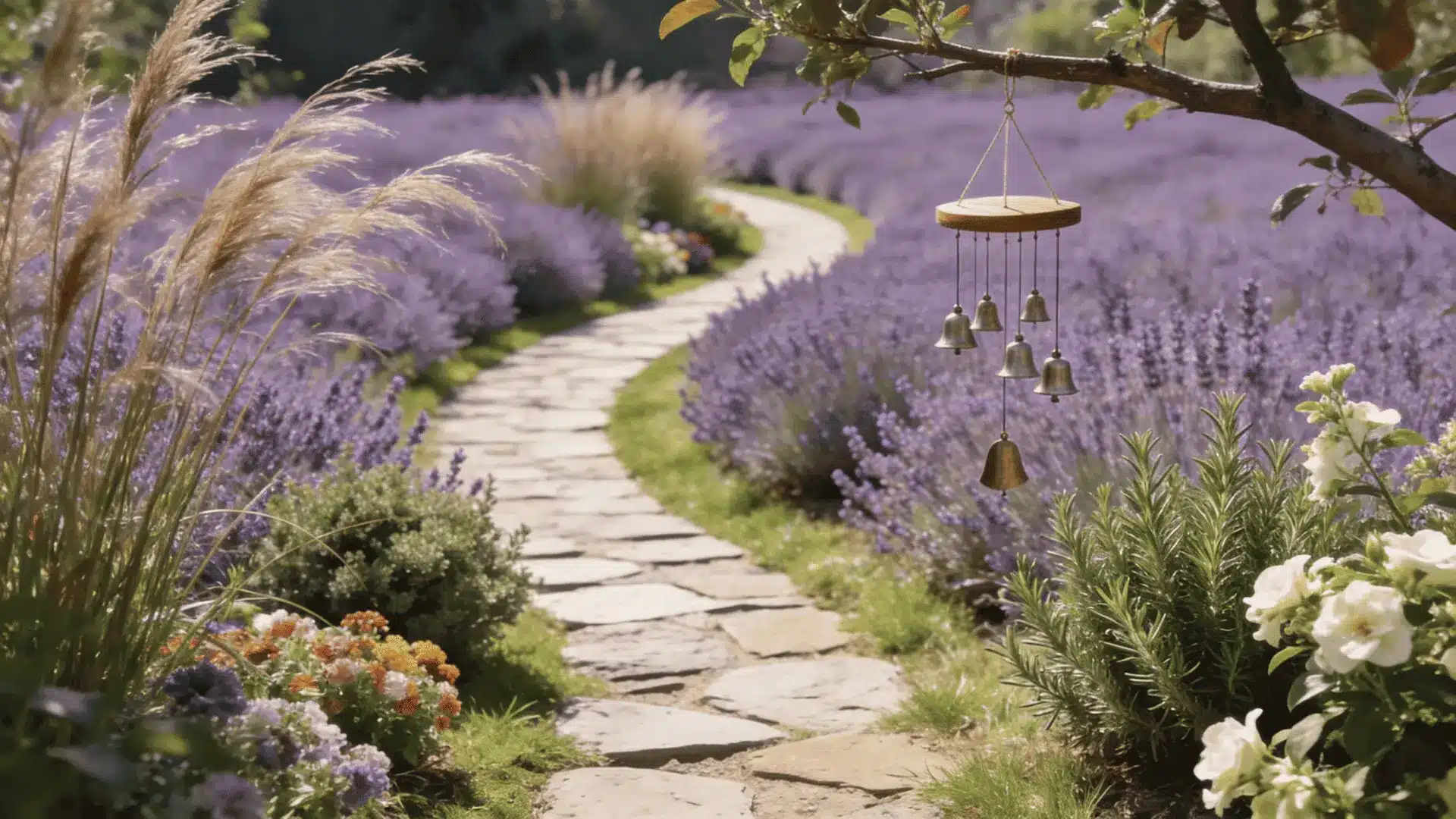
A sensory garden is designed to engage the senses of sight, smell, touch, sound, and sometimes taste. It may include scented flowers, soft leaves, textured plants, wind chimes, herbs, water sounds, and bright colors.
This style is useful for children, older adults, wellness spaces, and anyone who wants a more interactive garden. Lavender, mint, lamb’s ear, ornamental grass, jasmine, and basil are good options.
Keep paths clear and safe so people can move around easily. This garden is more about experience than decoration alone.
17. Courtyard Garden
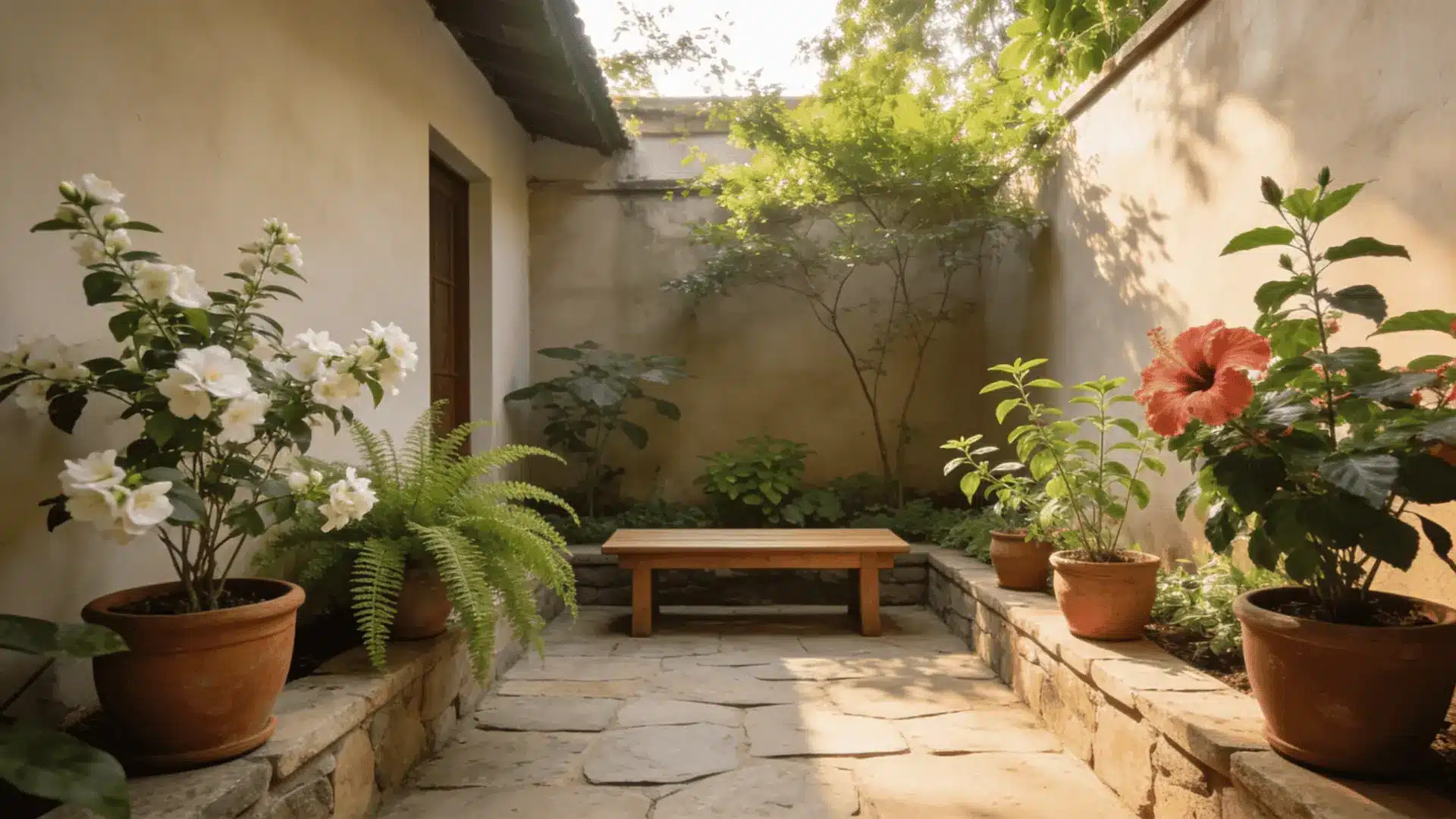
A courtyard garden is made in a small open area inside or around a home. It may include potted plants, flowering shrubs, climbers, small trees, stone flooring, and a simple seating corner.
This style is useful for homes with limited outdoor space because it brings greenery close to daily living areas. Jasmine, ferns, palms, tulsi, hibiscus, and shade-friendly plants can work well, depending on the light conditions.
Keep the layout simple so the space does not feel crowded. A courtyard garden should feel open, calm, and easy to maintain.
18. Indian Garden
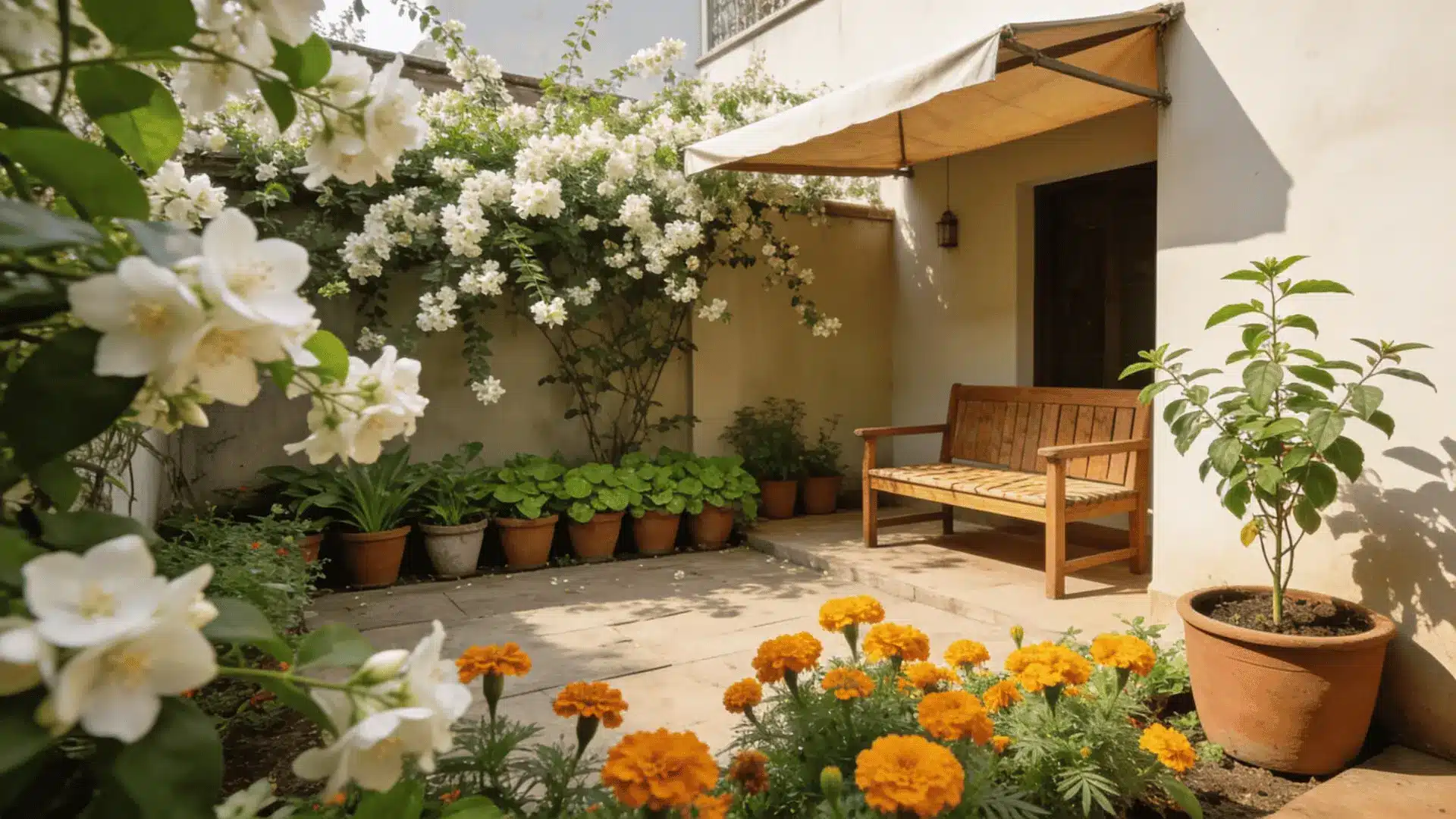
An Indian garden often blends shade, flowers, useful plants, water, and quiet seating. It may include jasmine, marigold, hibiscus, tulsi, banana, mango, lotus, climbers, and native trees.
This style can be simple or formal depending on the home. It works well in courtyards, on terraces, in front yards, and in family outdoor areas. The best part is that it can combine beauty and daily use.
For example, you can grow tulsi near the entrance, herbs near the kitchen, and flowering plants near a sitting space.
19. Cottage Garden
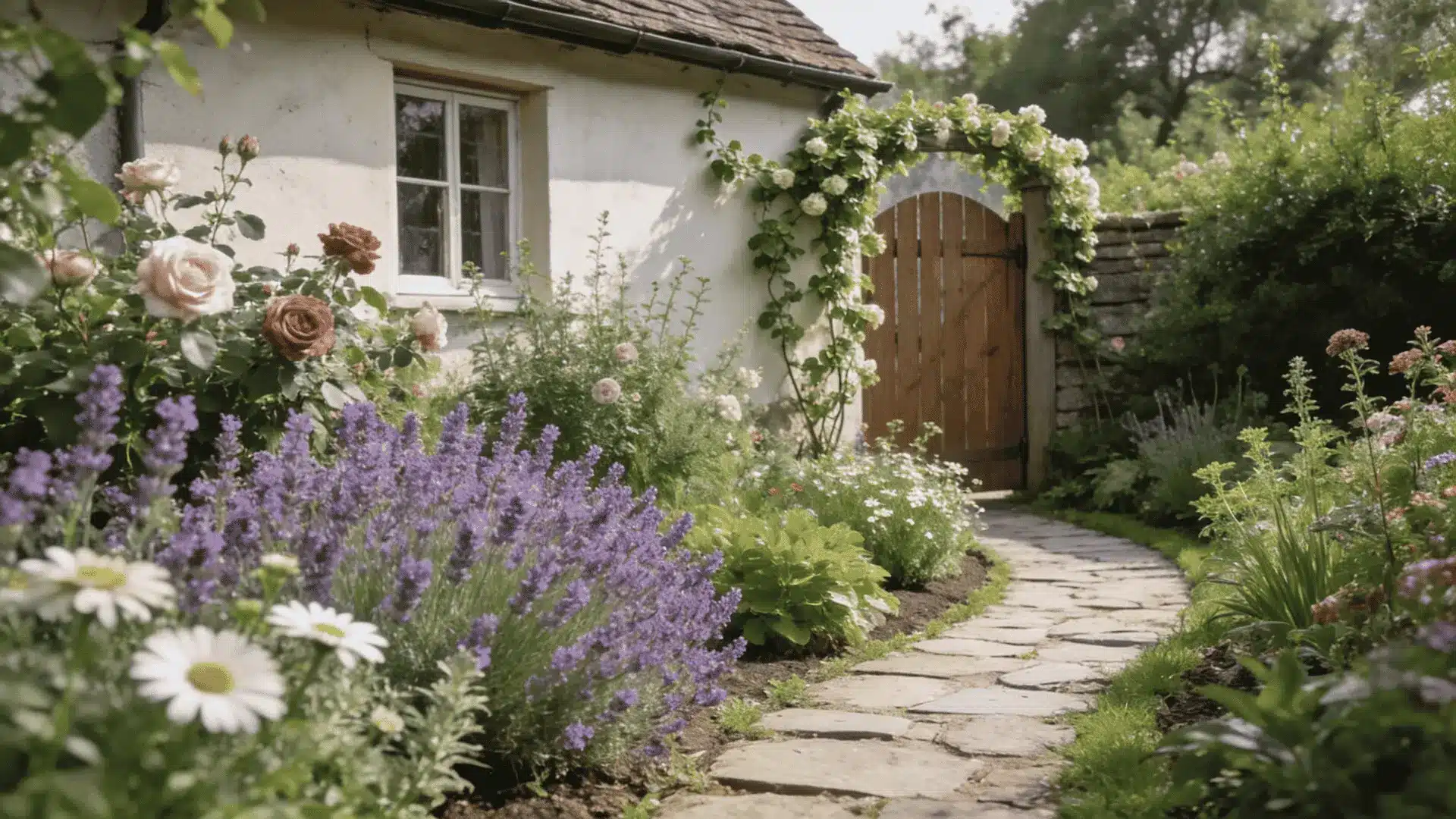
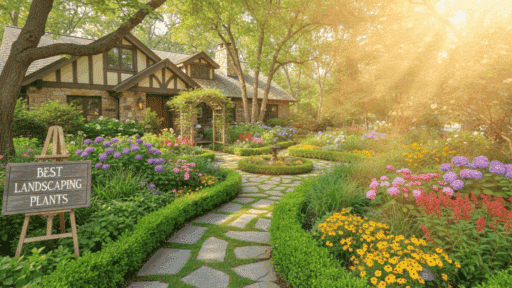
A cottage garden has a relaxed and full look with mixed flowers, herbs, shrubs, and climbing plants. It often feels soft, colorful, and natural instead of perfectly arranged.
This style is useful for people who enjoy a warm, homey garden with plenty of blooms. Lavender, roses, daisies, foxgloves, herbs, and flowering vines can all work well together.
Let the plants grow loosely, but keep paths clear. A cottage garden should feel friendly, lived-in, and full of charm without looking messy.
20. Mediterranean Garden
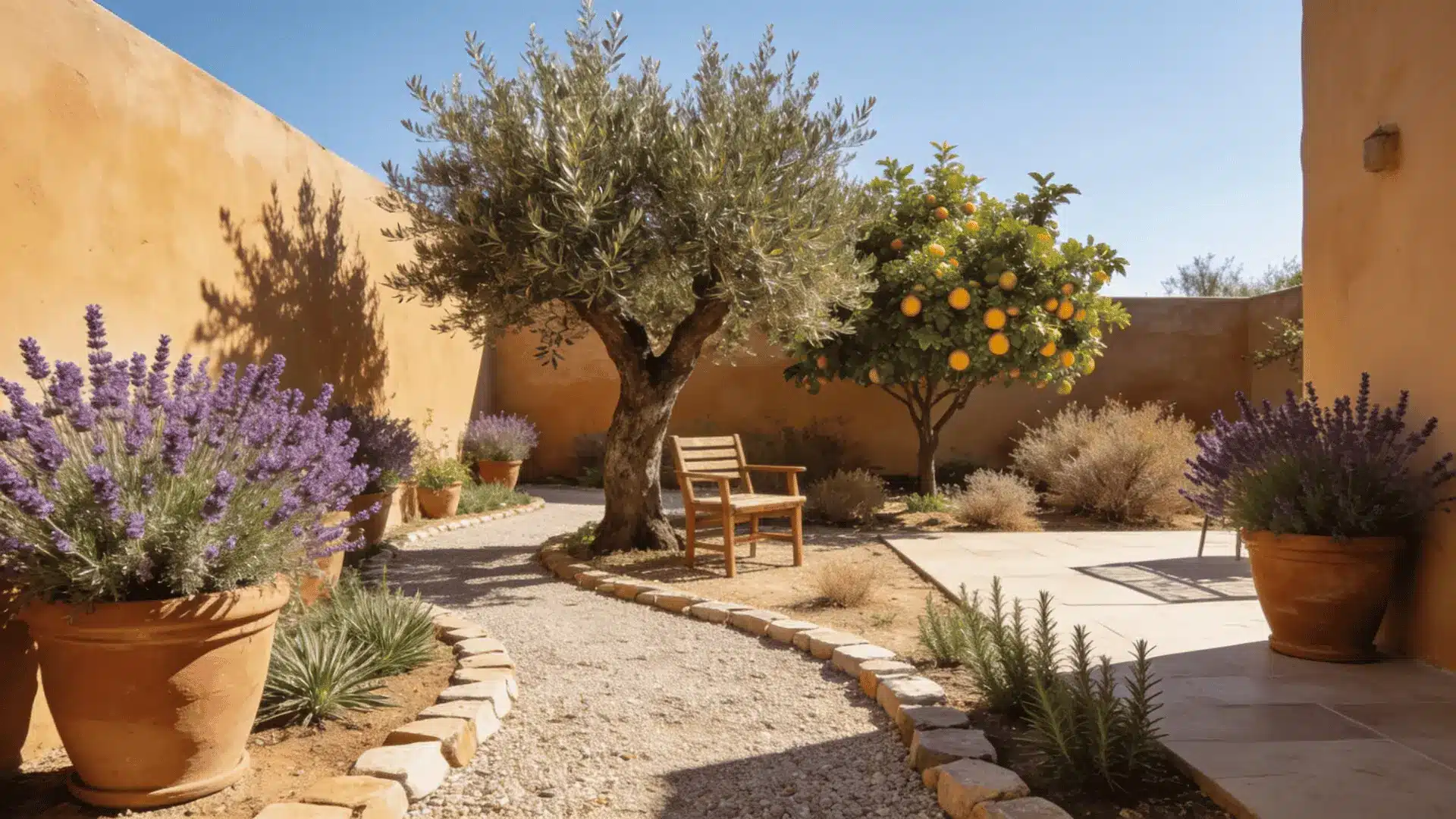
A Mediterranean garden is designed for warm, sunny spaces and dry weather. It often includes gravel paths, clay pots, stone borders, olive trees, lavender, rosemary, citrus plants, and drought-friendly shrubs.
This style is useful for people who want a low-water garden that still feels fresh and welcoming. It works well in patios, courtyards, terraces, and open yards with plenty of sunlight.
Use warm colors, natural stone, and simple seating to complete the look. A Mediterranean garden should feel relaxed, sunny, and easy to care for.
21. Sacred Garden
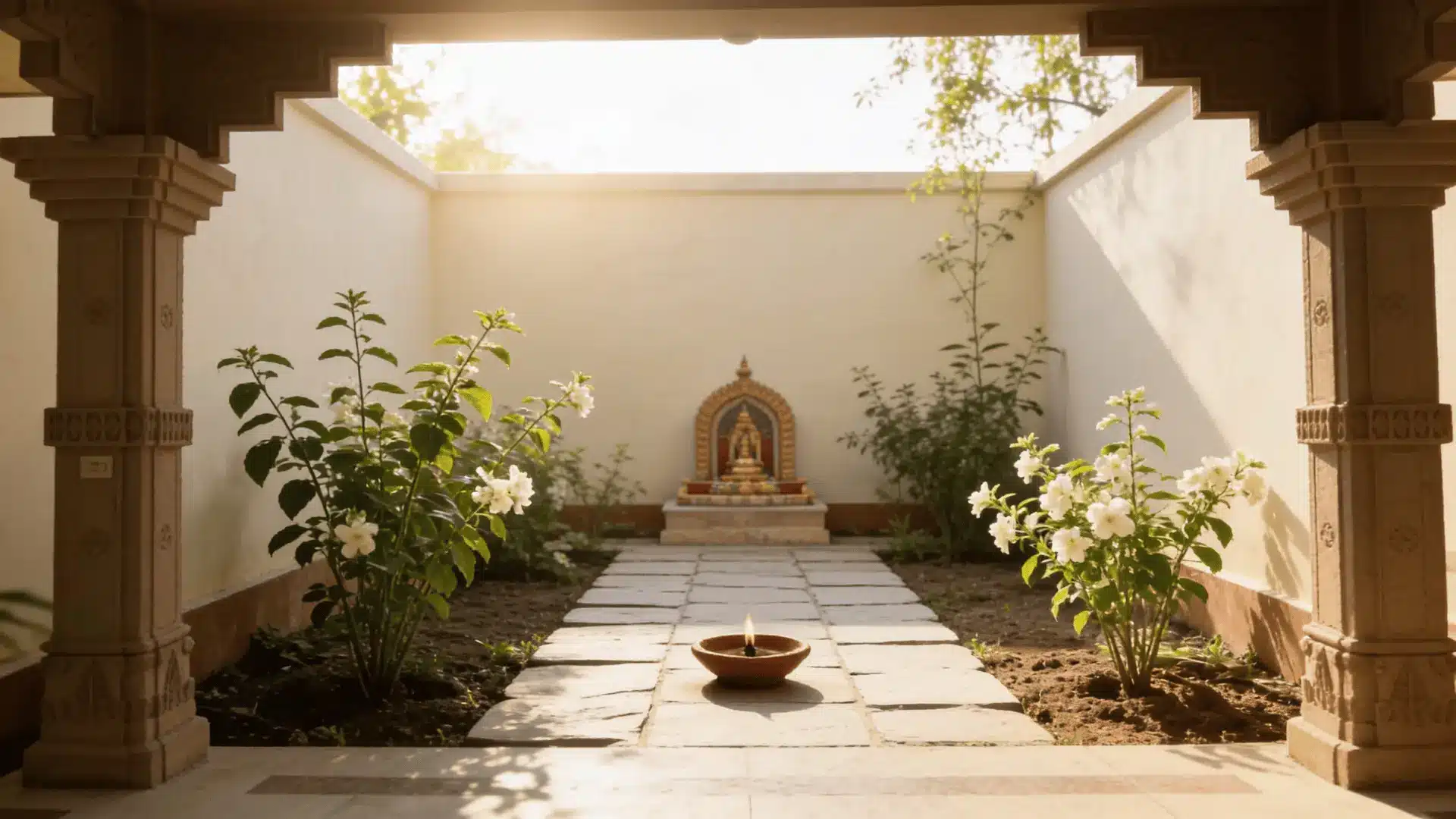
A sacred garden is made for prayer, silence, reflection, or cultural meaning. It may include a small shrine, temple corner, water feature, flowers, sacred trees, lamps, and clean pathways.
In many homes, this garden becomes a peaceful space for morning or evening routines. The design does not need to be large. Even a small courtyard with tulsi, jasmine, and a clean stone path can feel meaningful.
When planning this style, keep the area uncluttered and easy to clean, because care is part of the purpose.
22. Pleasure Garden
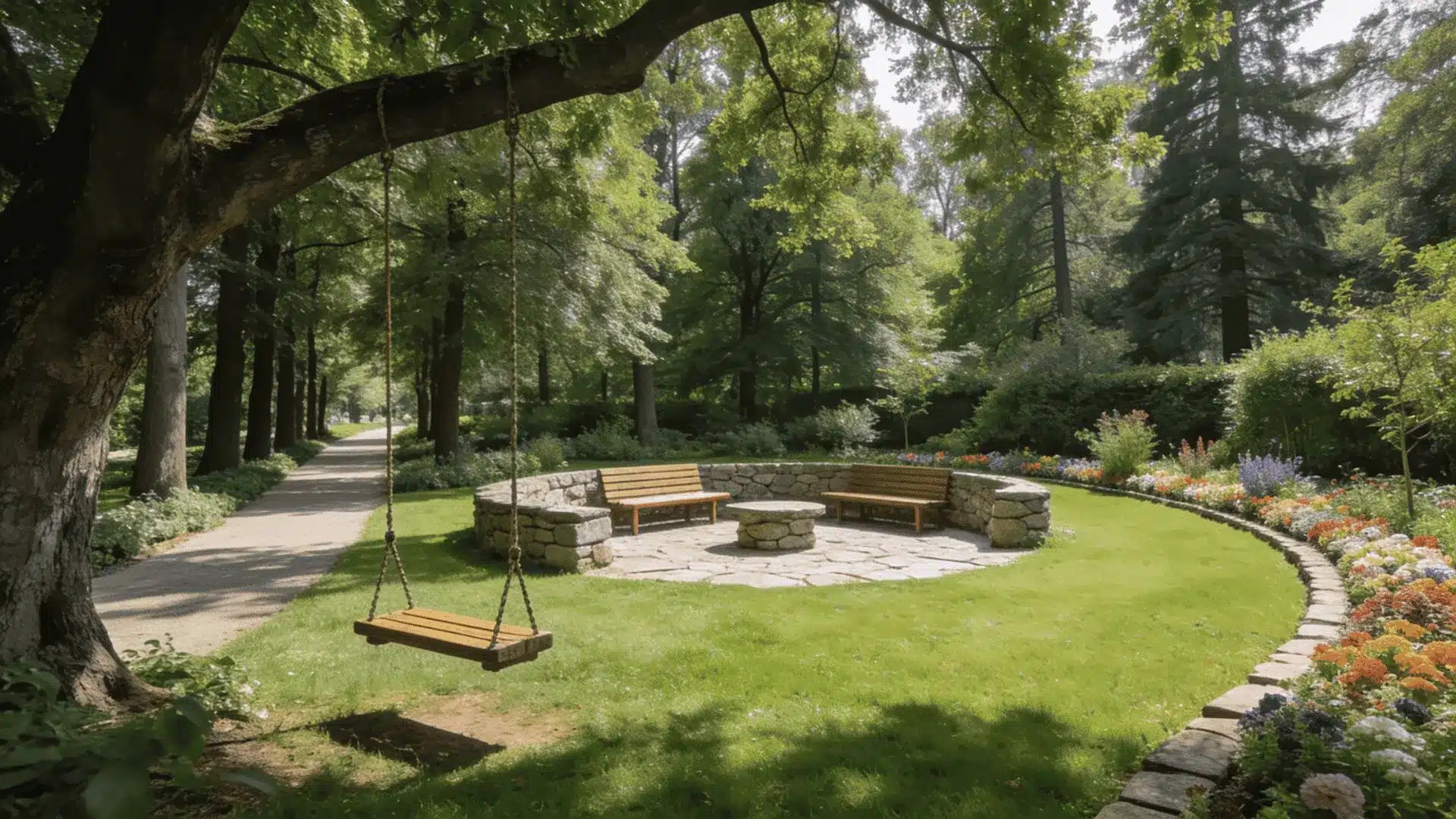
A pleasure garden is created for comfort, beauty, and relaxed outdoor time. It may include seating, swings, flowering plants, shade, lawns, water features, sculptures, and walking paths.
This style is not only about plants. It is about how people use the space. Families may enjoy it for tea, reading, evening walks, or small gatherings. If you choose this garden, think about seating first.
Many people add plants but forget where they will sit. A good pleasure garden should feel useful as well as attractive.
23. Tropical Garden
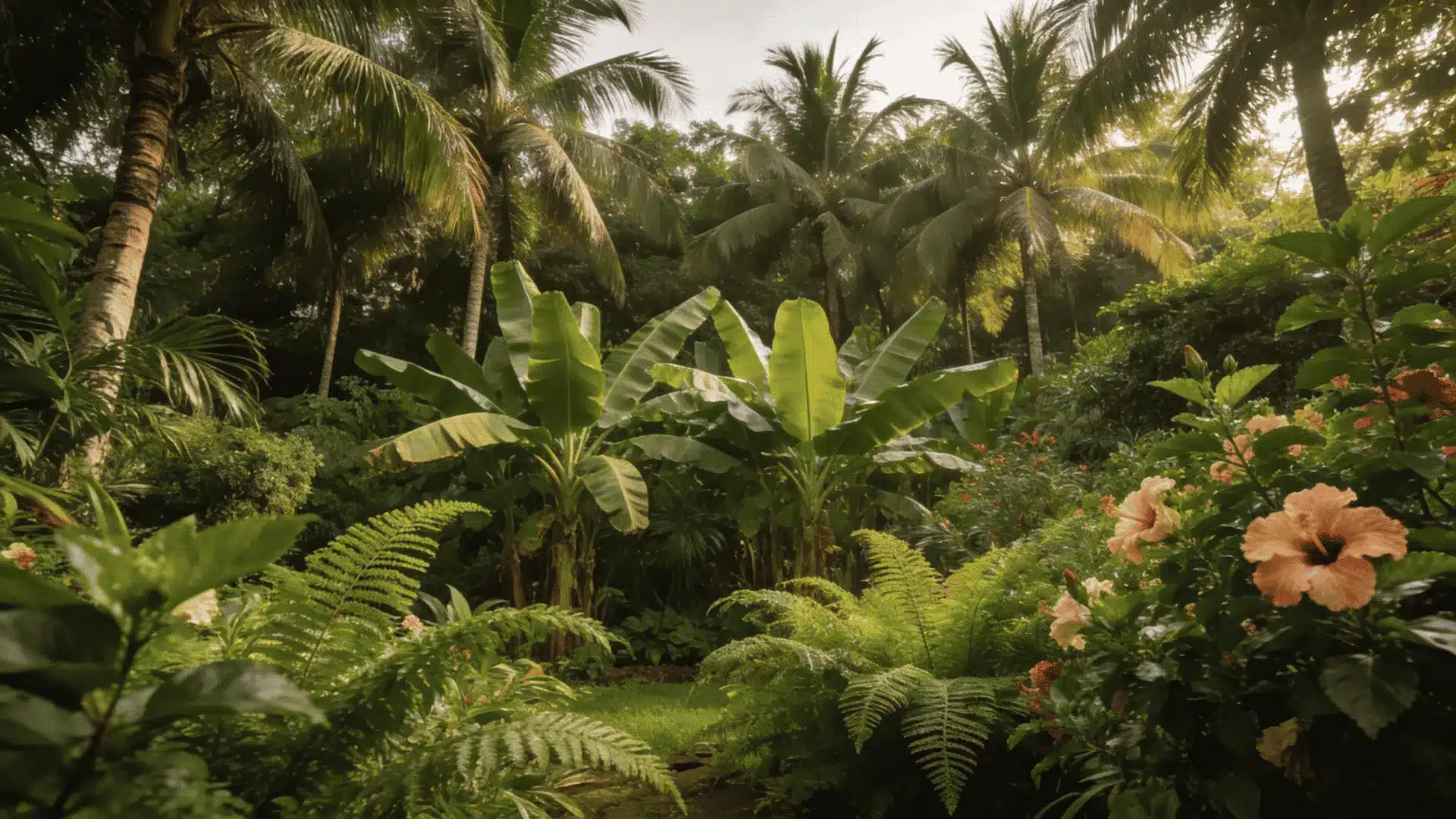
A tropical garden has a lush, green, and full look. It often includes palms, banana plants, ferns, hibiscus, bird-of-paradise, canna, and large, leafy plants.
This style works best in warm and humid areas, but some tropical plants can also grow in pots in other climates. It needs regular watering, rich soil, and enough space for plants to spread.
The design looks best when plants are layered by height. Tall plants go at the back, medium plants in the middle, and low plants near paths.
24. Succulent Garden
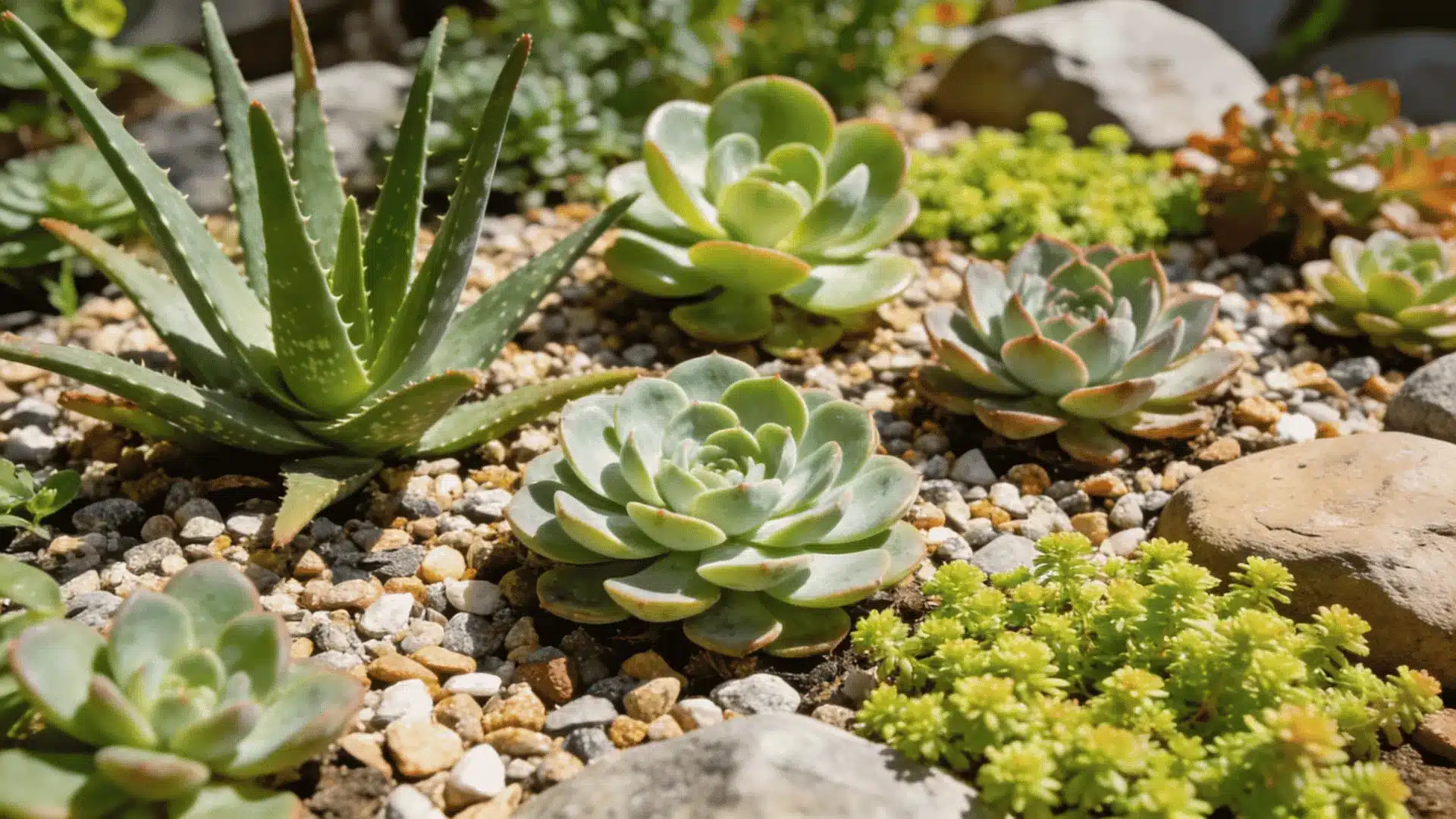
A succulent garden is great for people who want a low-care and modern look. Succulents store water in their leaves, so they do not need frequent watering.
They grow well in sunny spots, pots, rock gardens, and dry climates. Popular choices include aloe, jade plant, echeveria, sedum, and haworthia. The biggest mistake is overwatering.
These plants need well-draining soil and pots with drainage holes. A succulent garden can be small and simple, yet still look stylish when you mix shapes, sizes, and textures.
25. Greenhouse Garden
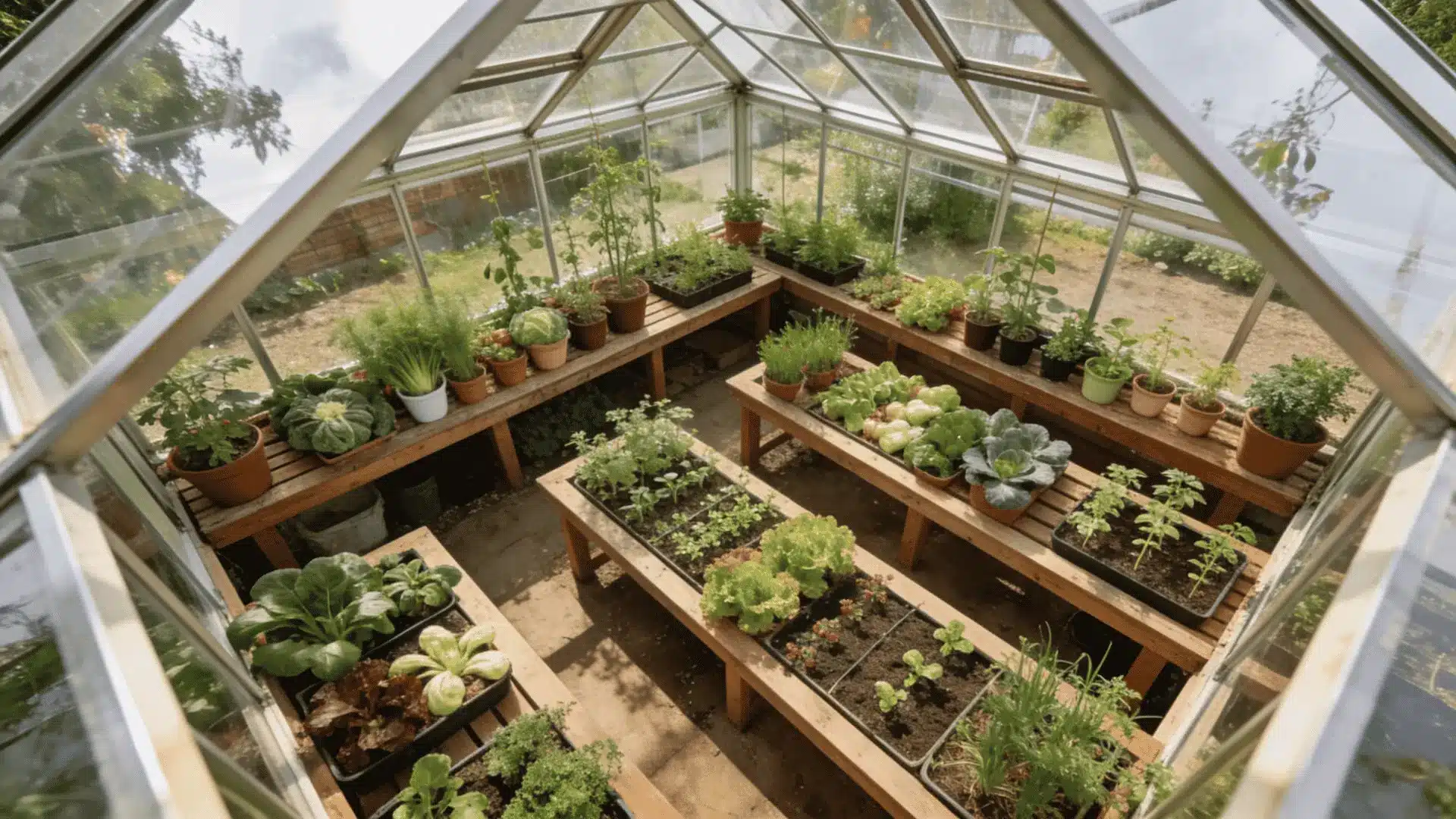
A greenhouse garden provides plants with a more controlled growing environment. It protects them from harsh sun, heavy rain, cold weather, wind, and some pests.
People use greenhouses for vegetables, herbs, flowers, seedlings, and plants that need extra care. This option is helpful if your local climate changes quickly or you want to grow plants outside their normal season.
A small greenhouse can work in a backyard or on a terrace. Before setting one up, plan ventilation, watering, and temperature control. Without airflow, plants can suffer from heat and moisture problems.
Common Mistakes to Avoid When Choosing a Garden Style
A good garden should suit your space, weather, and the time you have for care. Use this quick table to compare mistakes before planning different types of gardens.
| Mistake | Better Choice |
|---|---|
| Choosing only by looks | Pick a style that fits your space and climate. |
| Ignoring sunlight | Check if the area gets sun, shade, or both. |
| Forgetting water needs | Choose plants you can water easily. |
| Starting too big | Begin with pots, one bed, or one corner. |
| Picking high-care plants | Use easy plants like herbs, succulents, or native flowers. |
| Poor drainage | Use pots, raised beds, or well-draining soil. |
| Mixing too many styles | Choose one main garden look and keep it simple. |
Final Thought
Your garden does not have to look like someone else’s perfect photo. It only needs to work for your space, your weather, and the way you enjoy spending time at home.
You might start with a few herb pots, a flower bed, a balcony container garden, or a corner with stones and green plants. What matters most is choosing something you can care for without feeling stressed.
As you compare different types of gardens, think about what would make your day better. Maybe it is fresh basil near the kitchen, roses by the path, or a shaded place to sit in the evening.
Start small, learn as you go, and let the garden grow with you.
Share in the comments below which garden style you’d love to try first?
Frequently Asked Questions
Which Garden Type is Best for Privacy?
Bamboo gardens, shrub gardens, vertical gardens, and green walls can help block views and create a more private space.
Can One Space Have More than One Garden Type?
Yes, but keep it simple. For example, you can mix herbs with flowers or add a small water feature to a patio garden.
How Long does it Take for a Garden to Look Full?
Small container gardens can look full quickly, while flower beds, shrubs, and landscape gardens may take a few months or seasons.

Veronica Lee holds a Master’s degree in Landscape Architecture from Cornell University and has dedicated more than 15 years to transforming outdoor areas into artistic and sustainable spaces. Her career took off in a renowned landscape design firm, where she excelled in creating visually stunning and environmentally responsible designs. In 2019, Veronica brought her expertise to our platform, quickly becoming a key contributor to our outdoor design and sustainability sections. As the lead of our landscape innovation series ever since joining, she has inspired readers with her forward-thinking and practical approach. When not drafting designs, Veronica enjoys pottery and participates in local conservation efforts, activities that complement her professional ethos of blending art with nature.