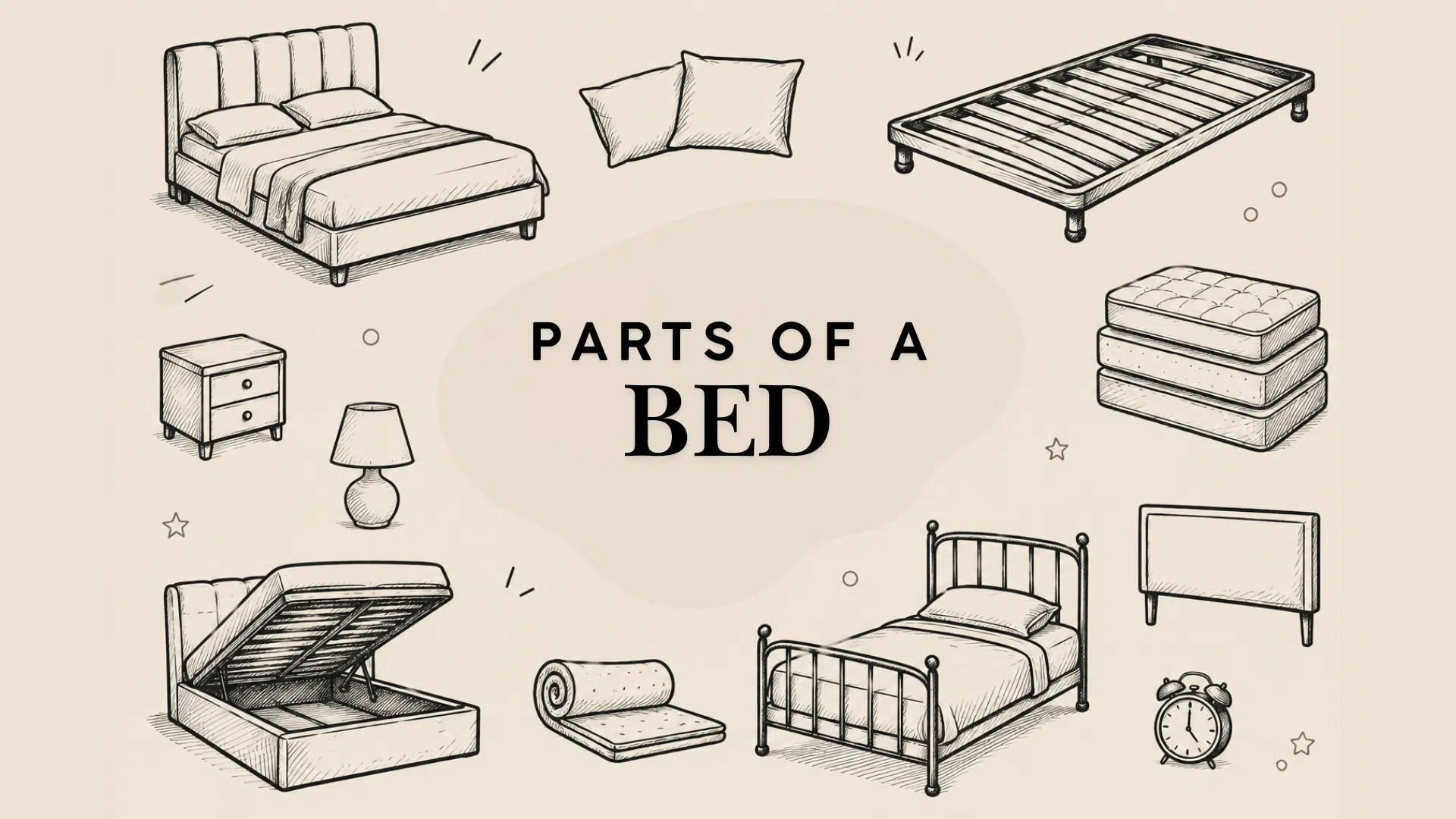

A bed may seem like a simple piece of furniture, but it is made up of several components that contribute to comfort, functionality, and overall design.
Knowing how these components work can make it easier to choose a new bed, replace damaged parts, or assemble a bed correctly.
From bed frames and headboards to storage features and decorative elements, each part serves a specific purpose.
While most beds share a similar foundation, certain styles, such as platform beds, storage beds, and bunk beds, may include additional features that affect both appearance and practicality.
When I first started comparing bed styles, I assumed the mattress was the only thing that mattered.
However, I soon realized that the bed’s construction plays an equally important role in creating a comfortable and reliable sleeping setup.
What are the Main Parts of a Bed?
Every bed relies on a few essential components to create a functional and stable design. While the size, style, and materials may vary, these core parts are common to most bed frames.
To better understand how a bed functions as a complete unit, let’s examine the key components that form its foundation.
1. Bed Frame
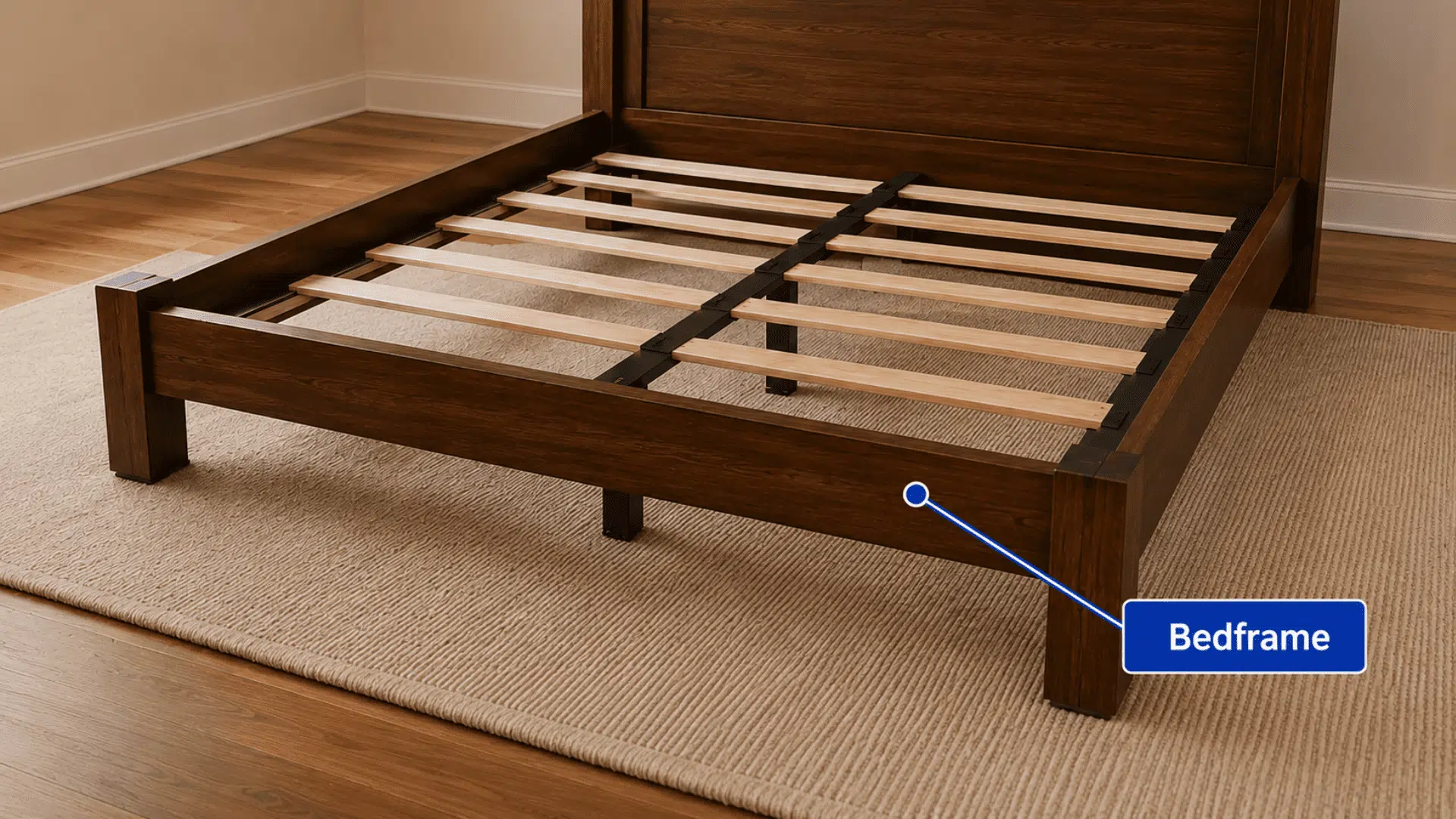
The bed frame is the main structure that holds all bed components together. It supports the mattress, distributes weight evenly, and provides a stable foundation for everyday use.
Bed frames are available in various materials, including wood, metal, and upholstered options. A well-built frame helps improve durability, reduces movement, and contributes to the overall lifespan of the bed.
One of the most noticeable features attached to the frame is the headboard.
2. Headboard
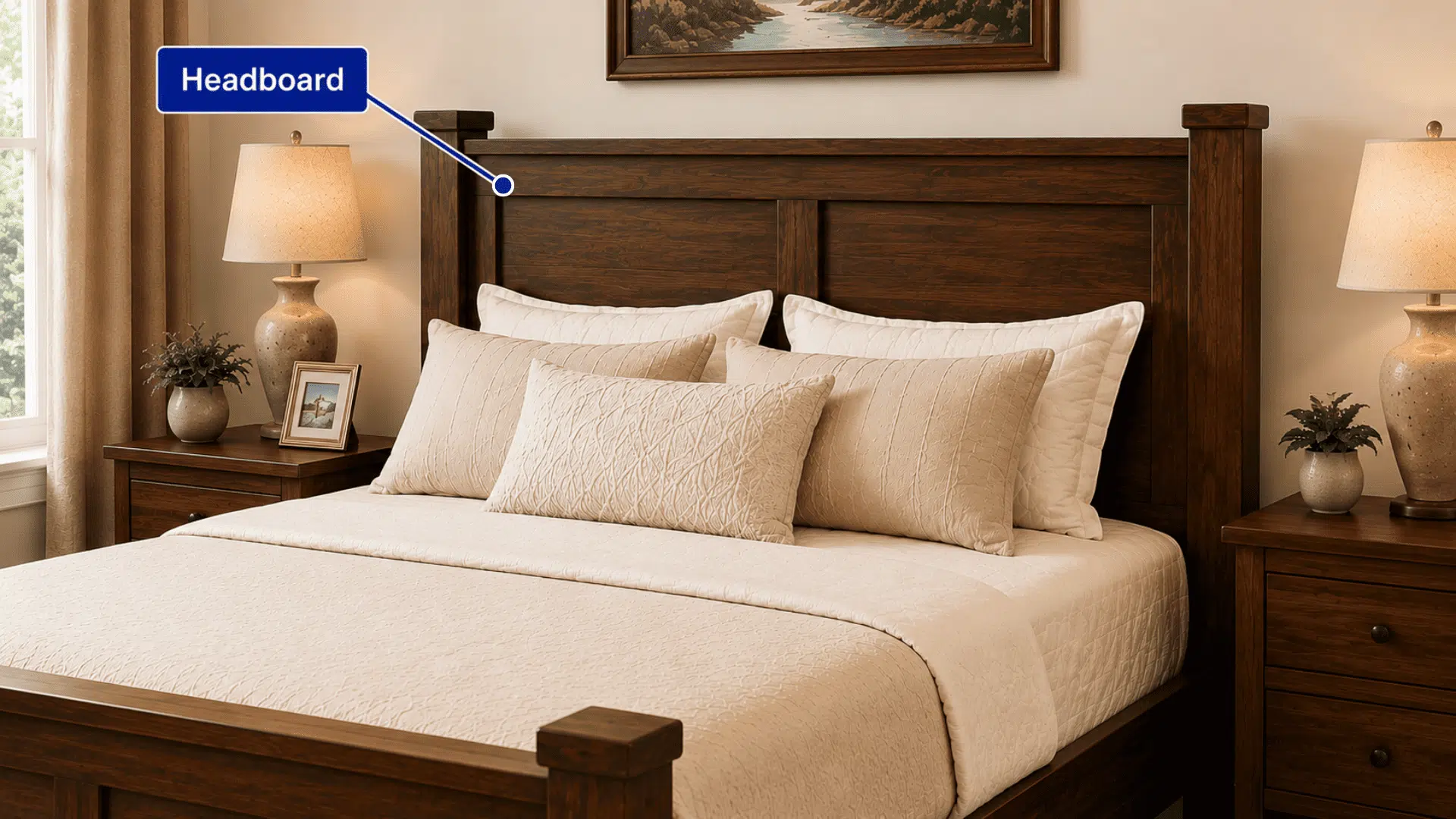
The headboard is positioned at the head of the bed and serves both practical and decorative purposes. It provides support when sitting upright and helps protect the wall from scratches and marks.
Headboards come in many styles, materials, and sizes, allowing homeowners to match them with different bedroom themes. In many cases, the headboard becomes the focal point of the entire bed design.
Balancing the appearance of the headboard is another component located at the opposite end.
3. Footboard
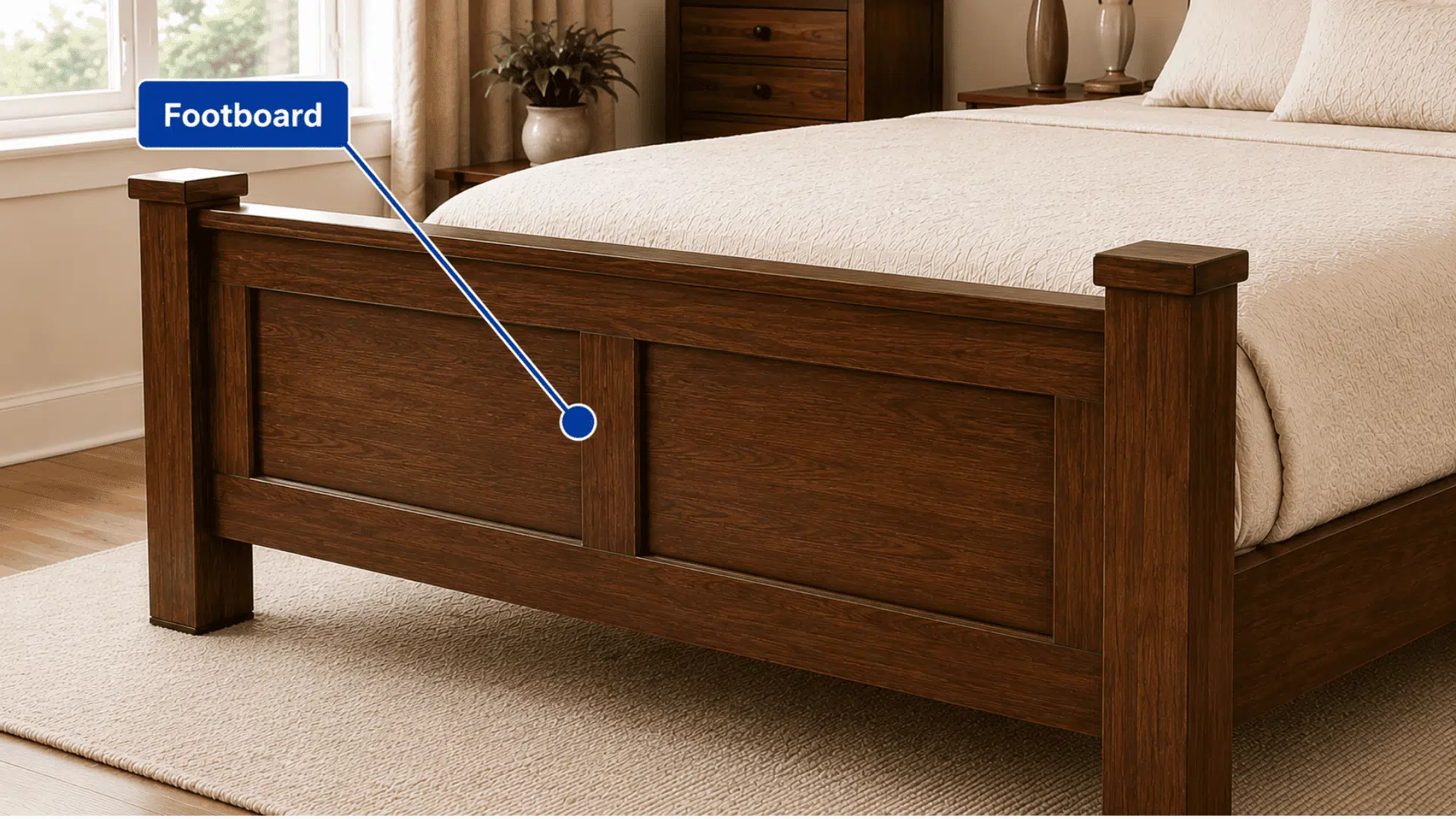
The footboard is attached to the foot of the bed and helps create a finished appearance. Depending on the design, it can be low-profile, decorative, or highly detailed.
Beyond its visual appeal, a footboard may help keep the mattress in place and strengthen the bed structure. Many traditional and classic bed styles include a footboard as a standard component.
Connecting these two larger sections are structural pieces that play an important supporting role.
4. Side Rails
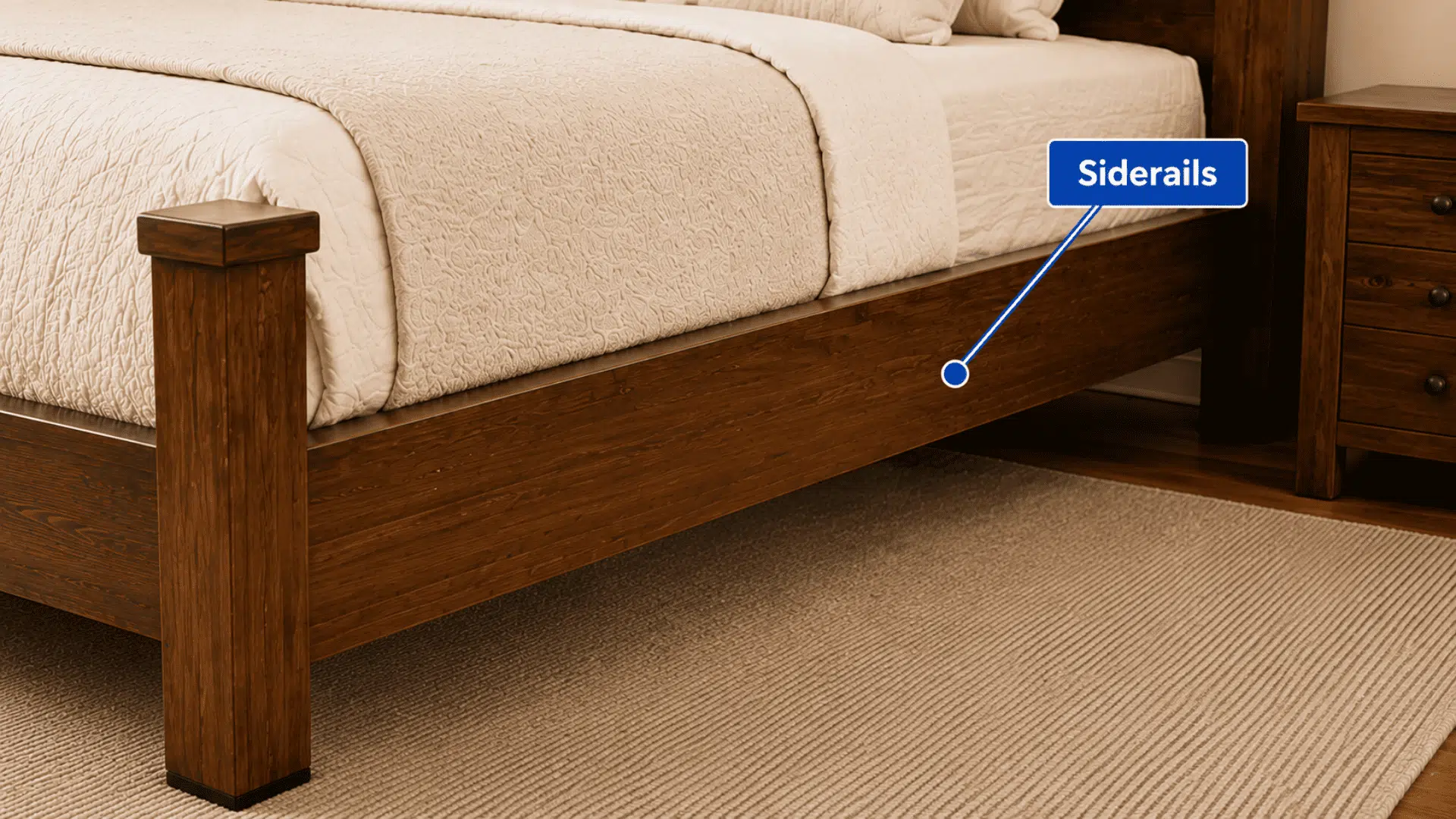
Side rails run along both sides of the bed, linking the headboard and footboard together. These components help maintain the bed’s shape and support the mattress foundation.
Strong side rails reduce shifting, improve stability, and contribute to the bed’s overall strength. Without properly secured rails, the frame may become less stable and more prone to movement during regular use.
The entire structure still requires dependable support beneath it to function properly.
5. Bed Legs
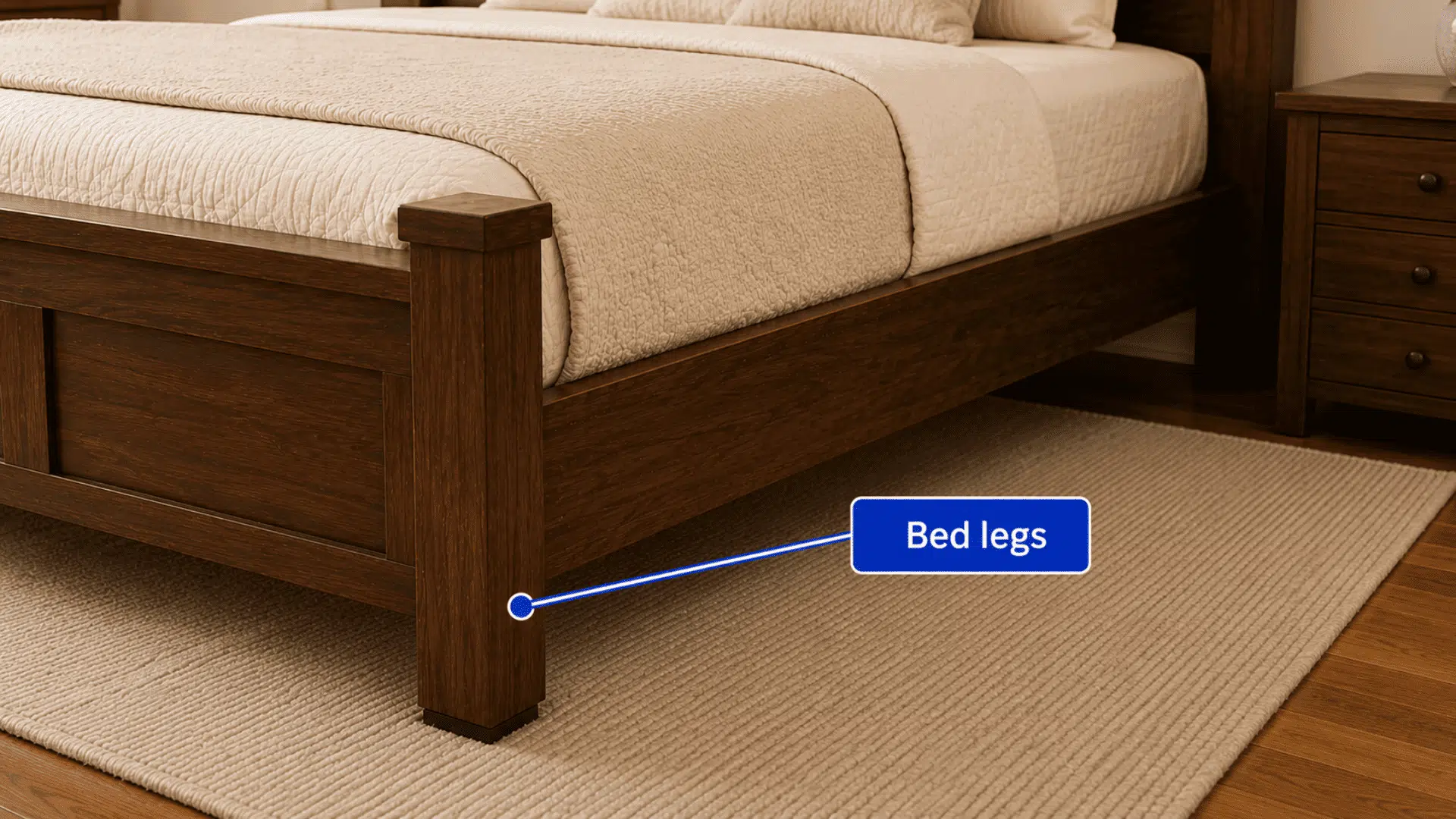
Bed legs elevate the frame above the floor and help distribute weight evenly across the structure. They play an important role in maintaining balance and preventing unnecessary stress on other components.
Bed legs are available in different materials and designs, ranging from simple metal supports to decorative wooden styles. Their height and construction can influence both the appearance and functionality of the bed.
Additional Bed Components and Features
Some beds include additional features that improve storage, comfort, and functionality.
Components such as canopy frames, storage drawers, upholstered panels, integrated lighting, and USB charging ports can enhance both convenience and overall bedroom design.
6. Canopy Frame

A canopy frame extends upward from the corners of the bed and supports fabric drapes or decorative coverings. This feature creates a distinctive look and can make a bedroom feel more private and enclosed.
Canopy frames are commonly found in traditional, luxury, and statement bed designs. Another decorative feature that often works alongside canopy frames is the use of bed posts.
7. Storage Drawers
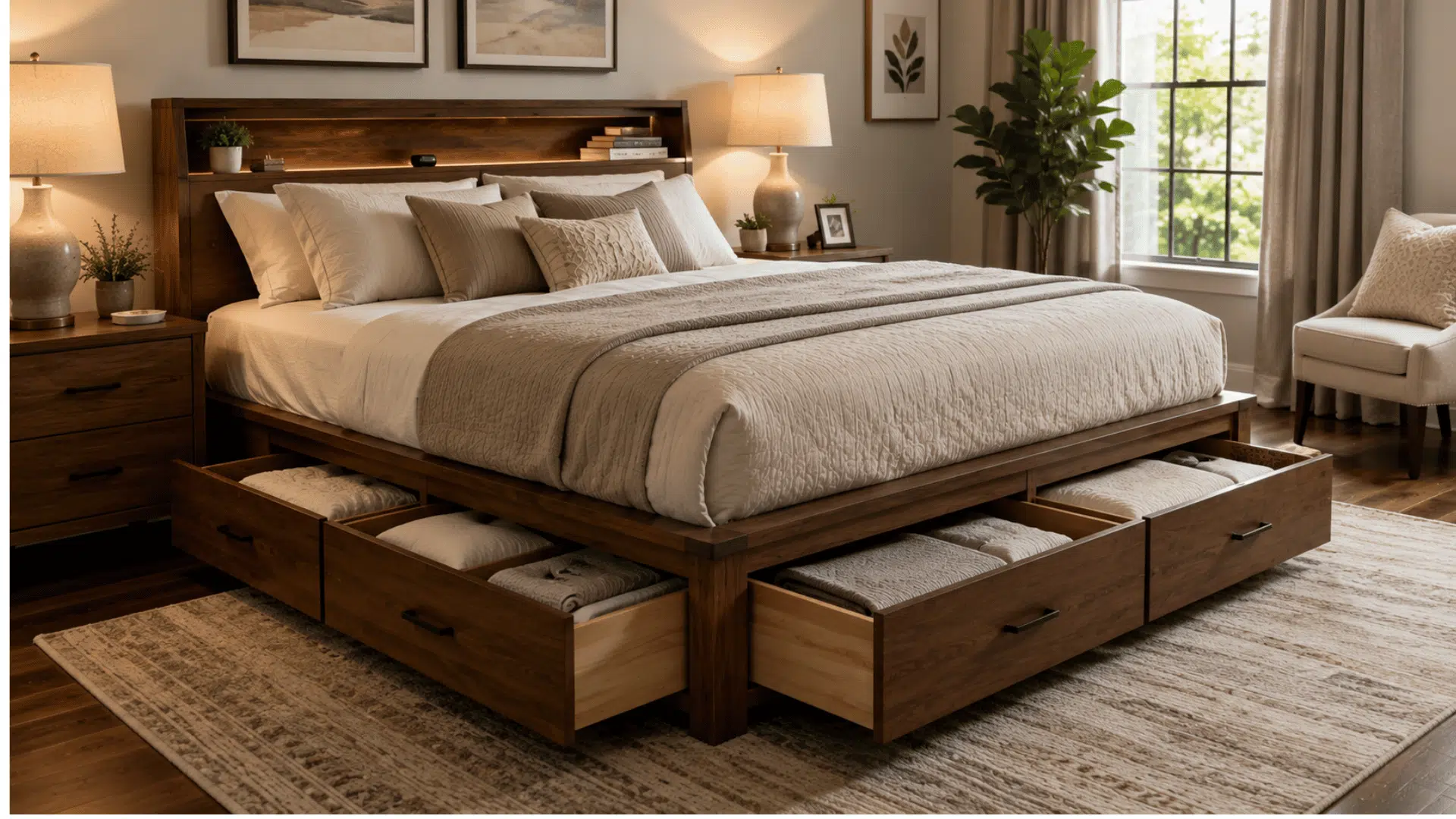
Storage drawers are integrated into the bed frame and provide additional space for storing bedding, clothing, or seasonal items. They are especially useful in smaller bedrooms where storage options may be limited.
By using the space beneath the bed, these drawers help keep rooms organized without extra furniture.
Comfort and appearance can also be enhanced through padded bed components.
8. Upholstered Panels
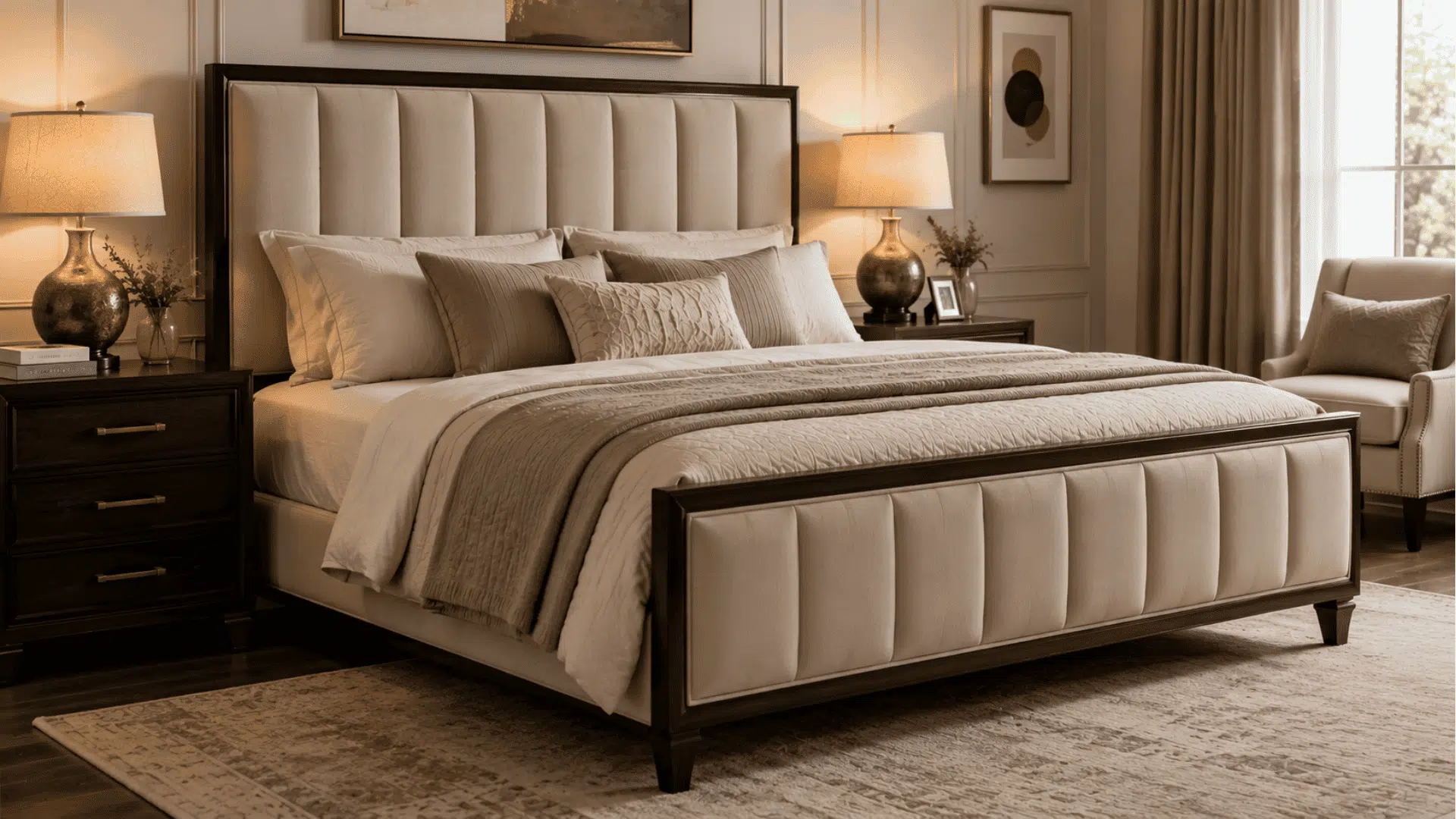
Upholstered panels are padded sections covered with fabric, leather, or synthetic materials. They are commonly used on headboards and sometimes on footboards.
These panels provide a softer surface for sitting or leaning against the bed while also adding texture and visual appeal to the design. Some modern beds also include features designed to improve convenience.
9. Integrated Lighting
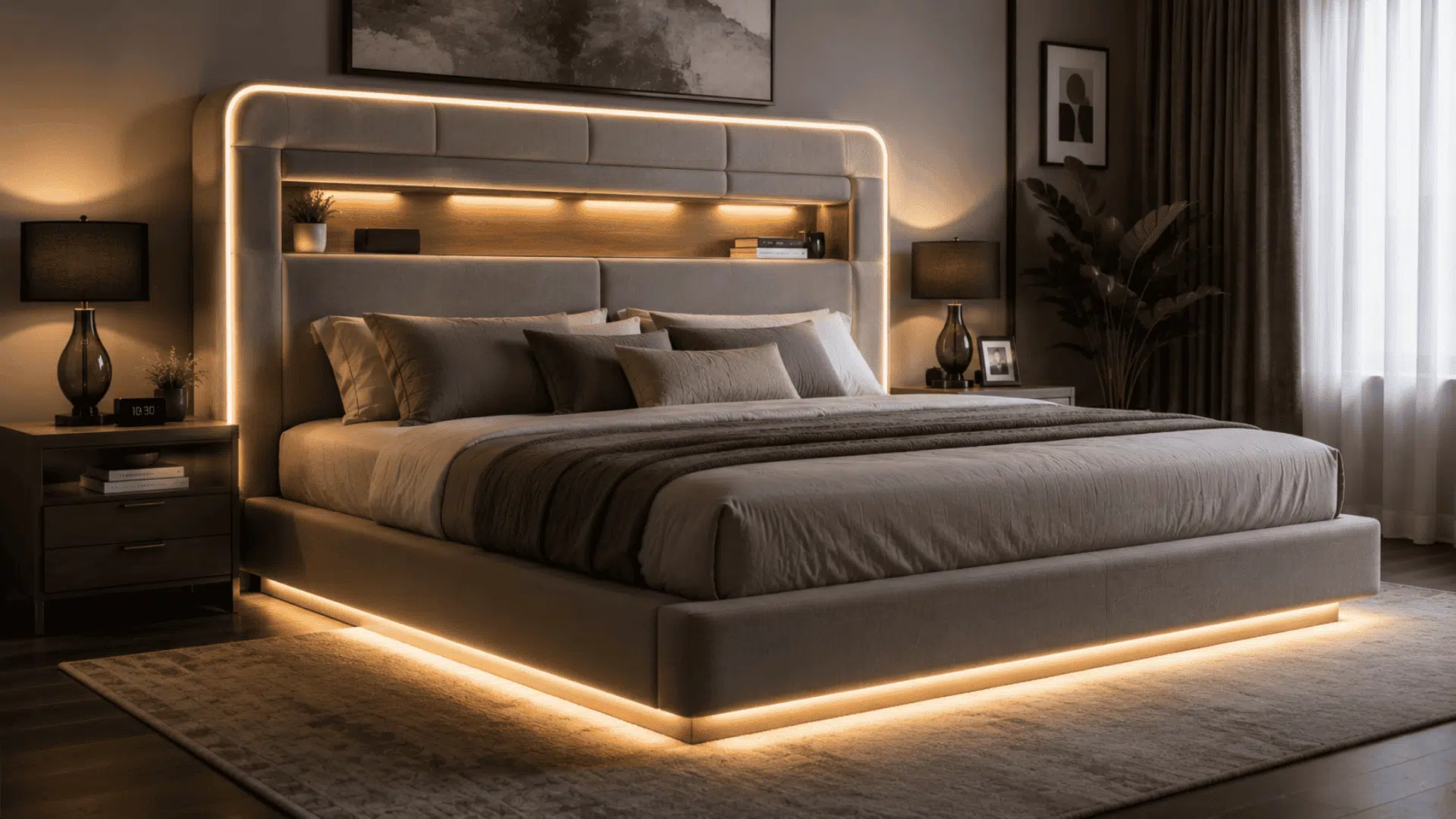
Integrated lighting is commonly installed within headboards, bed frames, or under-bed areas. These lighting features improve visibility at night and can create a more comfortable bedroom atmosphere.
Many modern beds include LED lighting systems that are energy-efficient and easy to operate. Another feature found in some contemporary designs focuses on convenience and connectivity.
10. USB Charging Ports
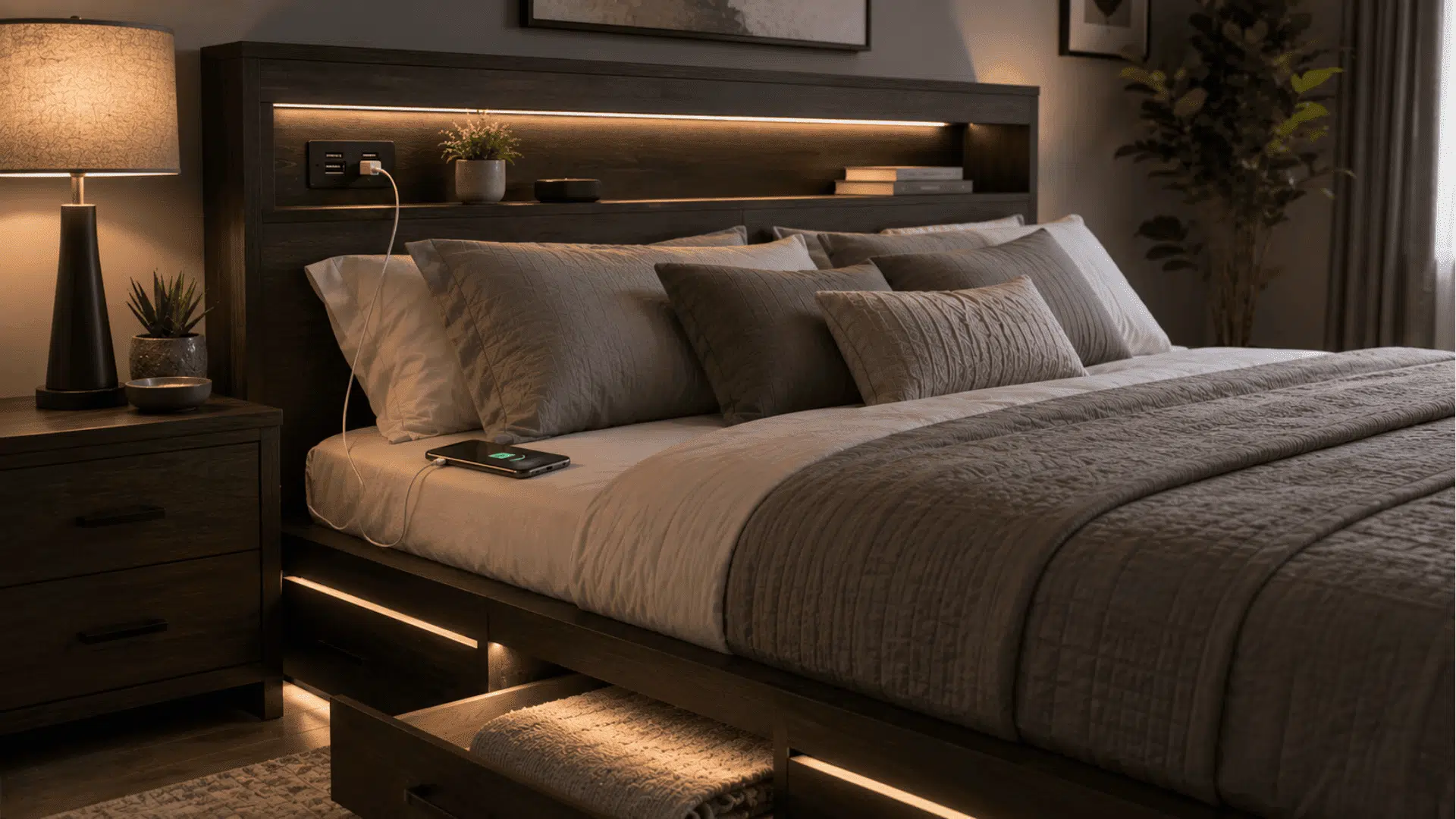
Some modern bed frames include built-in USB charging ports that allow users to charge phones, tablets, and other devices without leaving the bed.
This feature reduces cable clutter and provides easy access to charging points, making it especially useful in technology-focused bedrooms.
How Bed Components Affect Comfort and Durability
The quality of bed components directly affects comfort, support, stability, and long-term durability, making these factors important when choosing a bed.
Here is the rewritten version in a table:
| Key Area | Why It Matters | What to Look For |
|---|---|---|
| Frame Quality | The frame is the foundation of the bed. A strong frame helps spread weight evenly, reduces movement, and supports the mattress over time. | Choose a sturdy, well-built frame that does not feel weak, shaky, or poorly made. |
| Mattress Support System | Slats, foundations, and support beams help keep the mattress in place. Good support helps prevent sagging and extends mattress life. | Check that the support system matches the mattress type and provides even support. |
| Design and Functionality | Upholstered panels, storage drawers, and headboards add comfort, convenience, and style. | Pick features that improve comfort, storage, and the overall bedroom look. |
Tips for Maintaining Bed Components
Regular maintenance helps keep bed components in good condition and supports long-term performance.
Simple tasks such as cleaning, tightening hardware, and checking for damage can reduce wear, improve stability, and help extend the lifespan of the entire bed structure.
- Tighten Loose Hardware: Bolts, screws, brackets, and connectors can loosen over time. Checking and tightening them regularly helps maintain stability and reduce unwanted movement.
- Clean each Material Correctly: Wood, metal, and upholstered components require different cleaning methods. Proper cleaning helps preserve their appearance and condition.
- Check Weight-Bearing Areas: Inspect bed legs, side rails, center supports, and joints for cracks, bending, or looseness to prevent structural issues.
- Replace Worn Parts Promptly: Damaged slats, loose rails, or broken connectors should be replaced quickly to maintain support and stability.
- Protect Against Moisture: Excess moisture can damage wood, encourage rust on metal parts, and affect upholstered materials. Keep bed components dry whenever possible.
- Address Squeaks Early: Squeaking often indicates loose hardware or friction between components. Fixing the issue early can help prevent larger problems later.
At the End
A bed consists of several components that work together to provide stability, comfort, and functionality.
While the frame, headboard, footboard, side rails, and legs form the core structure, additional features such as storage drawers, canopy frames, and upholstered panels can enhance both convenience and appearance.
The materials used in these components also play an important role in durability and maintenance.
Understanding the purpose of each part of the bed can help you compare different designs, identify potential issues, and make better purchasing decisions.
A better understanding of these components can make it easier to choose a new bed and care for an existing one.
Frequently Asked Questions
Do All Beds have the Same Components?
No, while most beds share core structural parts, some designs include additional features such as storage drawers, canopy frames, posts, or upholstered panels.
Which Material is Best for Bed Components?
The best material depends on your needs. Wood offers durability and a classic appearance; metal provides strength; and upholstered components add comfort and style.
Can Bed Parts be Replaced Individually?
Yes, many bed components, including legs, side rails, hardware, and support parts, can be replaced individually without replacing the entire bed.
How Long do Bed Components Typically Last?
The lifespan of bed components depends on their material, construction quality, and frequency of use. With proper care and maintenance, many bed frames and structural parts can remain in good condition for years.

Holding a Master’s in Library and Information Science from the University of Illinois, Josh Clarke has dedicated more than 15 years to managing and disseminating information across various platforms. His professional journey includes significant experience as a research librarian, where he developed an expertise in sourcing and providing accurate and comprehensive answers to diverse questions. In 2018, Josh brought his rich experience to our platform, quickly establishing himself as a reliable source for general FAQs. He has been overseeing our information curation since then, combining his research skills with a flair for engaging content delivery. When not involved in information management, Josh enjoys exploring digital photography and participating in local quiz competitions, hobbies that complement his inquisitive nature and love for learning.