
A home often reflects daily routines more than people notice. A cramped kitchen, poor lighting, or a worn exterior can quietly affect comfort and how the property is perceived. These issues are frequently ignored until repairs become costly and difficult to manage. Practical home improvements do more than refresh appearance. They support comfort, protect structural features and strengthen property value.
A well-maintained home also brings peace of mind because functional spaces tend to reduce everyday stress.
Comfort Starts With the Spaces Used Every Day
The most valuable home improvements are often connected to everyday routines. A house may appear beautiful from the outside while still feeling inconvenient indoors. That disconnect is usually noticed during ordinary moments, carrying laundry through narrow spaces, struggling with poor kitchen lighting, or dealing with drafty rooms during colder weather.
Simple upgrades can change how a home feels almost immediately. Better insulation may help indoor temperatures stay more consistent, while outdated flooring can be replaced with lower-maintenance materials. Storage areas are frequently redesigned because clutter affects comfort far more than many homeowners expect. Even airflow and window placement can influence how welcoming a room feels.
During the early stages of improvement planning, roofing concerns are also commonly uncovered because homeowners begin paying closer attention to areas of the home that affect comfort and efficiency. Water stains near ceilings, uneven indoor temperatures and rising energy bills may point toward hidden roof damage that has been developing quietly. Small leaks, loose shingles and trapped moisture can affect insulation long before major structural problems become visible. That is why many homeowners choose to work with a reliable roof replacement contractor who can identify issues early and help protect the home properly.
For example, a family living in a suburban home may notice energy bills increasing every season. After roof repairs and insulation updates are completed, indoor temperatures could feel more stable and several maintenance concerns might disappear. In situations like that, major renovations are not always necessary. Smart targeted fixes can completely improve how a home functions.
Comfort is rarely created through luxury alone. More often, it grows from thoughtful changes that remove frustration from daily living.
Property Value Is Quietly Shaped by Maintenance Choices
A home’s condition is constantly being judged, whether a sale is planned or not. Buyers notice signs of neglect quickly because visible wear usually suggests hidden problems underneath. Fresh paint may improve appearance for a short period but structural upkeep carries far more weight when property value is considered.
Several improvements tend to influence resale value more directly:
- Roofing repairs and exterior maintenance are often associated with long-term durability
- Modernized kitchens can improve both functionality and visual appeal
- Energy-efficient windows may reduce utility expenses
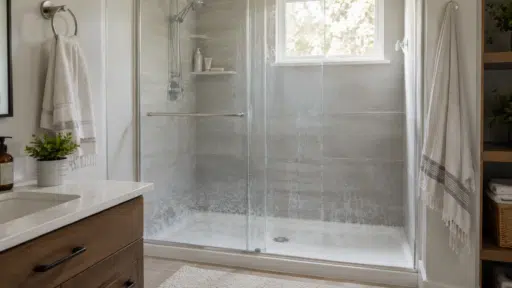
- Bathroom upgrades are commonly linked with better convenience
- Flooring replacements can refresh aging interiors without major reconstruction
These updates are not always pursued for resale purposes alone. Many homeowners simply want a house that feels dependable. Still, value tends to rise when properties are maintained consistently.
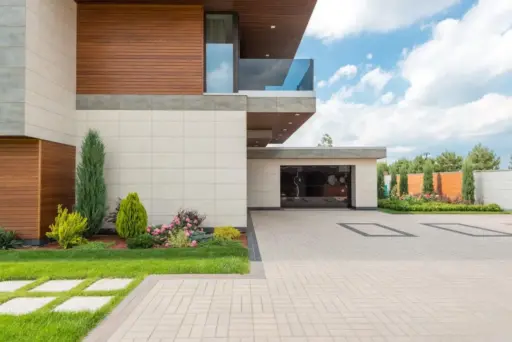
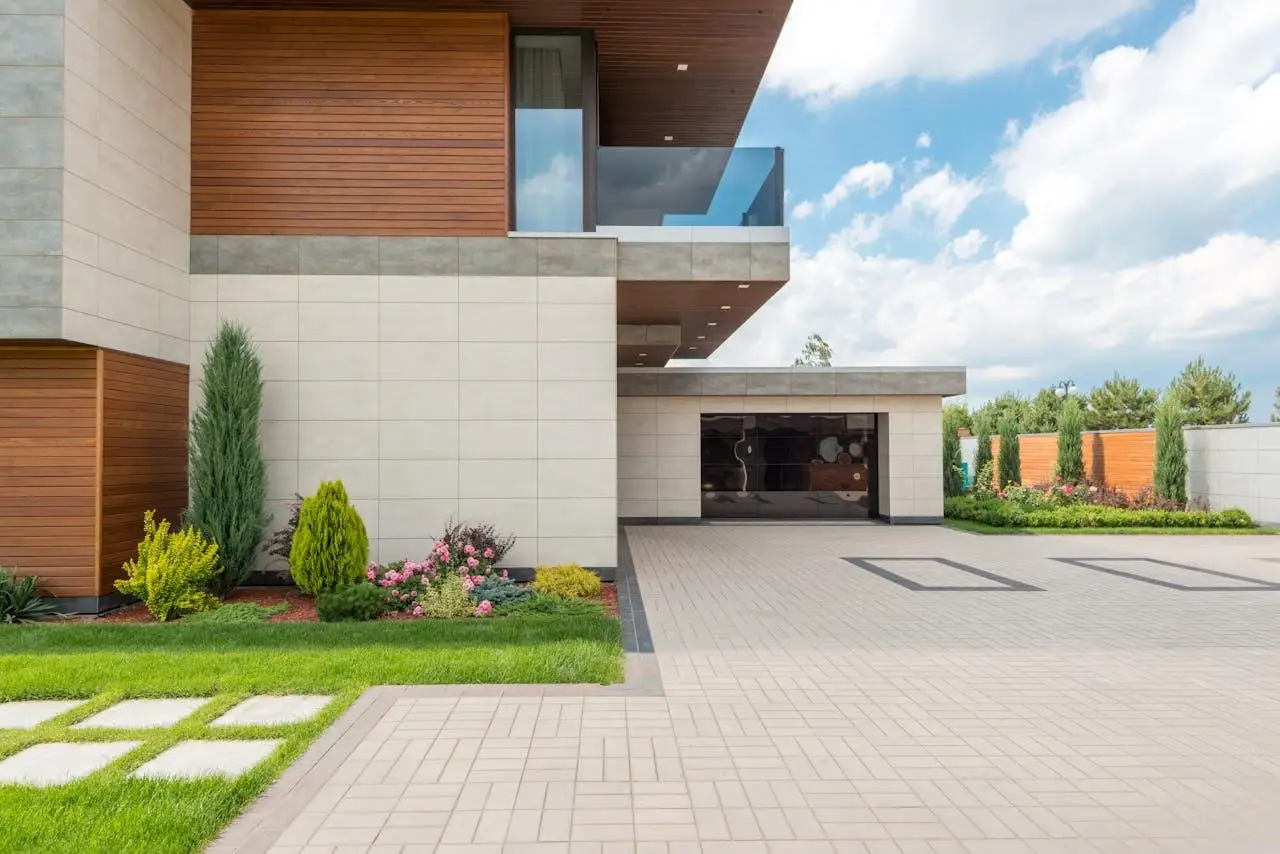
A neglected exterior can affect buyer perception before anyone steps inside. Cracked siding, faded paint and damaged gutters may create doubt about the property’s overall condition. On the other hand, clean landscaping and maintained outdoor spaces often suggest that care has been invested throughout the home.
Would potential buyers feel confident purchasing a house that appears poorly maintained from the outside? That first impression matters more than many homeowners expect.
Small Upgrades Can Prevent Larger Problems
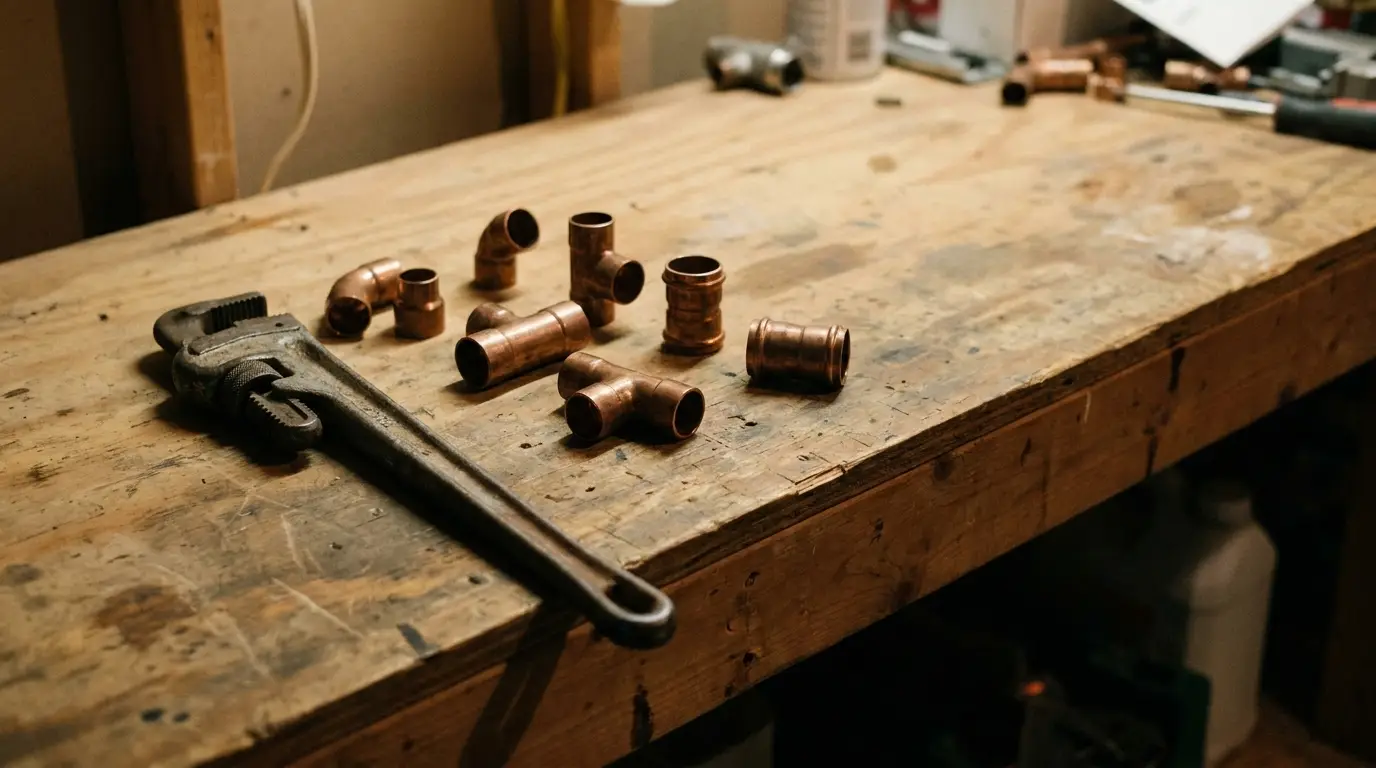
Major repairs are often linked to issues that were ignored earlier. A leaking pipe beneath a sink may seem harmless at first. Months later, hidden water damage could spread into flooring and nearby walls. Home improvement projects are frequently misunderstood as optional upgrades when many are actually preventative measures.
Routine inspections help small concerns get identified before repair costs grow. Roofing, plumbing and electrical systems deserve regular attention because hidden damage can remain unnoticed for long periods. Preventative maintenance tends to save money while preserving comfort at the same time.
Older homes especially benefit from gradual updates. Replacing outdated wiring, repairing insulation gaps and reinforcing aging structures can improve safety while protecting the property’s condition. These adjustments are rarely flashy and they may not appear in social media renovation videos, though their impact can be significant.
For instance, moisture damage inside an attic may eventually weaken surrounding materials if roof ventilation is ignored. That type of issue often spreads quietly until visible stains begin appearing indoors. A small repair completed early could prevent thousands in restoration costs later.
Homeowners who stay proactive are often able to avoid expensive mistakes during a home remodel because existing problems are discovered before renovation work begins. That preparation matters. A beautiful renovation loses value quickly when hidden structural concerns remain unresolved underneath.
A Better Home Experience Changes Daily Life
The emotional side of home improvement is often overlooked. Comfort affects mood, productivity and even social habits. A poorly designed space can create frustration, while a functional environment may support calmer routines.
Lighting changes are a strong example of this shift. Dark interiors often feel smaller and less welcoming. Once natural light is increased or outdated fixtures are replaced, rooms can feel completely different without major reconstruction. The same applies to sound reduction improvements, especially in busy households where noise tends to build throughout the day.
Outdoor spaces also influence comfort more than expected. Patios, shaded seating areas and maintained yards are now treated as extensions of indoor living. Families often spend more time outside once those areas are improved because the space becomes easier to enjoy.
Lasting Value Comes From Thoughtful Decisions
Home improvement decisions are often influenced by trends, though the most effective upgrades are usually the ones connected to long-term practicality. A fashionable design may attract attention for a while but durable materials and efficient layouts tend to provide stronger value.
Careful planning matters because rushed renovations can create unnecessary costs. Materials should be selected based on durability, climate suitability and maintenance requirements rather than appearance alone. Professional guidance is also valuable when structural changes are involved because poor workmanship can affect both safety and future resale potential.
Comfort and property value are closely connected, even if they are discussed separately. A home that functions well tends to age better because maintenance receives consistent attention. People naturally care for spaces that support their routines and improve their quality of life.
The strongest investments are not always the most expensive ones. Sometimes, a repaired roof, updated insulation, or redesigned layout can influence daily comfort more than luxury additions ever could. Those practical decisions shape how a property performs and how it is experienced year after year.
A home should feel supportive rather than demanding. When improvements are approached thoughtfully, comfort increases and long-term value is strengthened in ways that continue to matter long after the work has been completed.

Holding a Master’s in Architecture from the University of Texas at Austin, Emily Rodriguez has dedicated more than two decades to the art and science of building renovation. Starting her journey in historic preservation, she developed a profound respect for blending old with new in building design. Emily became a vital part of our team in 2019, renowned for her insightful and innovative renovation tips. She has been leading our DIY home improvement series since ever since, where she shares her wealth of knowledge in turning outdated spaces into modern havens. When not engaged in writing or consulting, Emily is a passionate advocate for heritage conservation and enjoys exploring vintage architecture, a hobby that complements her professional expertise.