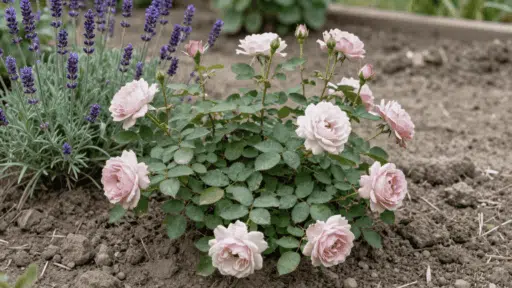
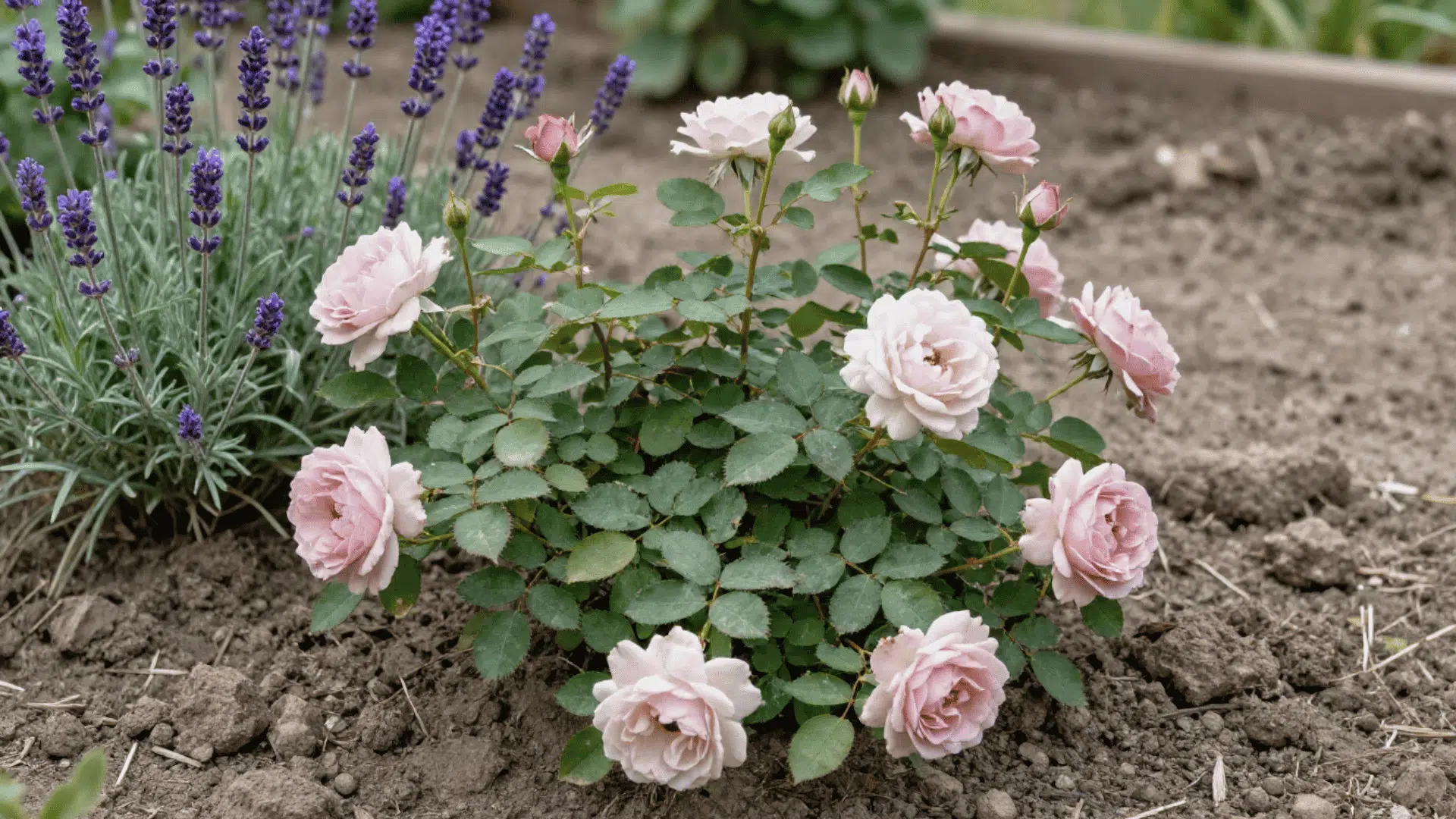

Have you ever wondered how to protect your beautiful garden from harmful bugs without using harsh chemicals? I have spent years gardening and found that nature has its own solutions.
Companion plants for roses to keep pests away offer a safe and highly effective way to defend your blooms. By placing the right flowers and herbs near your bushes, you can boost their health and bring in helpful insects.
After two decades working hands-on with rose beds, I’ve found that the plants growing around a rose do more pest defense than any spray I’ve ever used.
In this guide, I will share twenty-one fantastic options that I personally use. If you want to know what to plant with roses, keep reading to find the best choices for your backyard.
I am excited to help you transform your outdoor space today.
What to Plant with Roses for Healthy Soil
When you ask what to plant with roses, you should consider the soil health first. Good soil is the foundation of a blooming garden. I always tell my friends that roots need strong nutrients to grow properly.
Adding the right companion plants can bring vital minerals deep into the earth. For instance, plants with deep roots pull nutrients up to the surface where your roses can reach them.
Others act like a living mulch, holding moisture in the ground and stopping weeds from taking over. This means less watering for you and better conditions for your flowers.
Using companion plants for roses to keep pests away also improves overall root defense.
1. Alliums (Ornamental Onions)
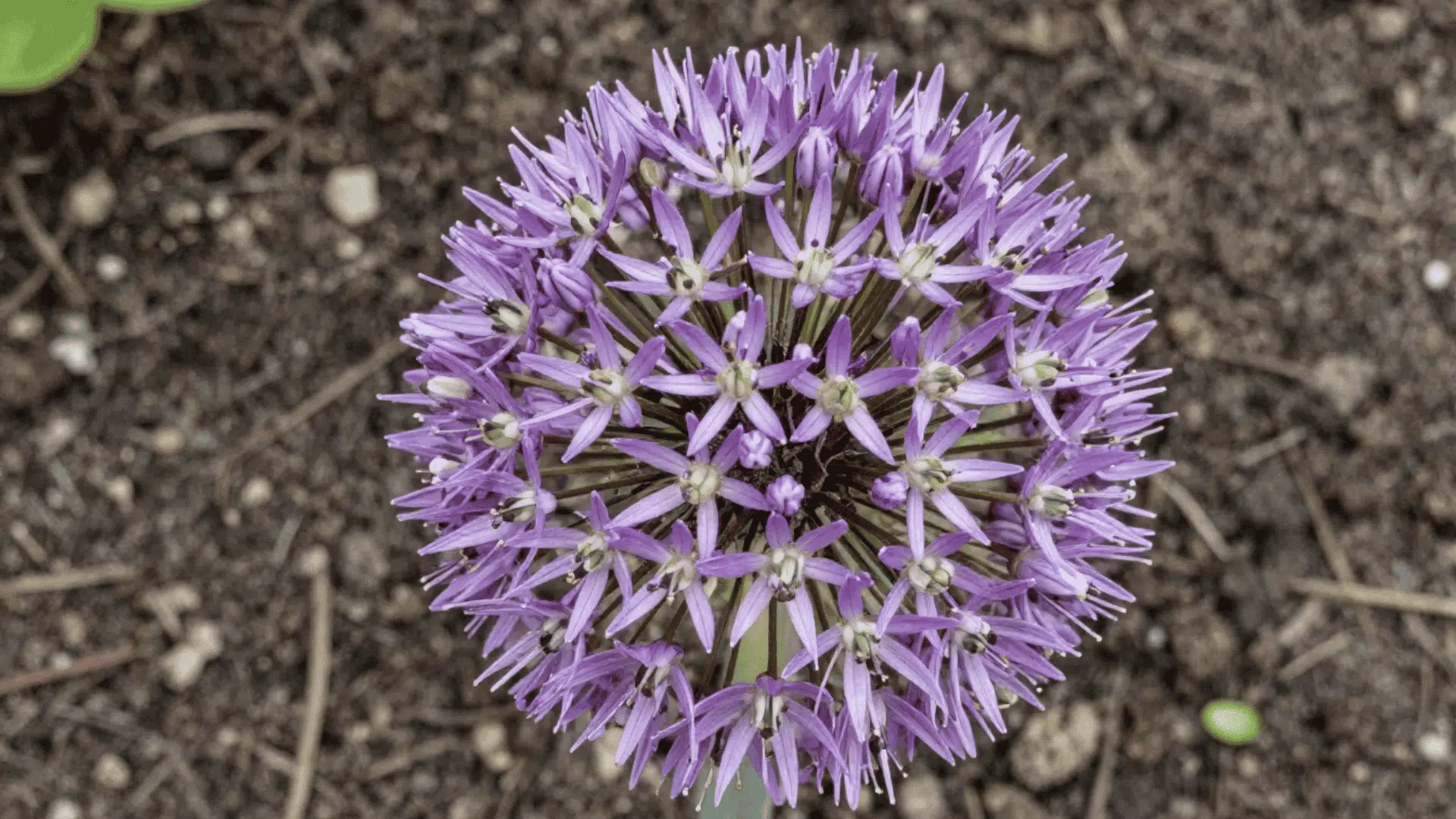
Alliums have been grown for centuries and belong to the onion family. These bold plants produce tall stems topped with round, colorful blooms. I love their sharp scent, which naturally pushes unwanted bugs away from the garden beds easily.
Using companion plants for roses to keep pests away is a great choice.
- Cost: Low to moderate.
- Maintenance: Very simple and undemanding.
- Type of Plant: Bulb perennial.
- Benefits to Your Rose: Wards off aphids and prevents black spot.
2. Lavenders
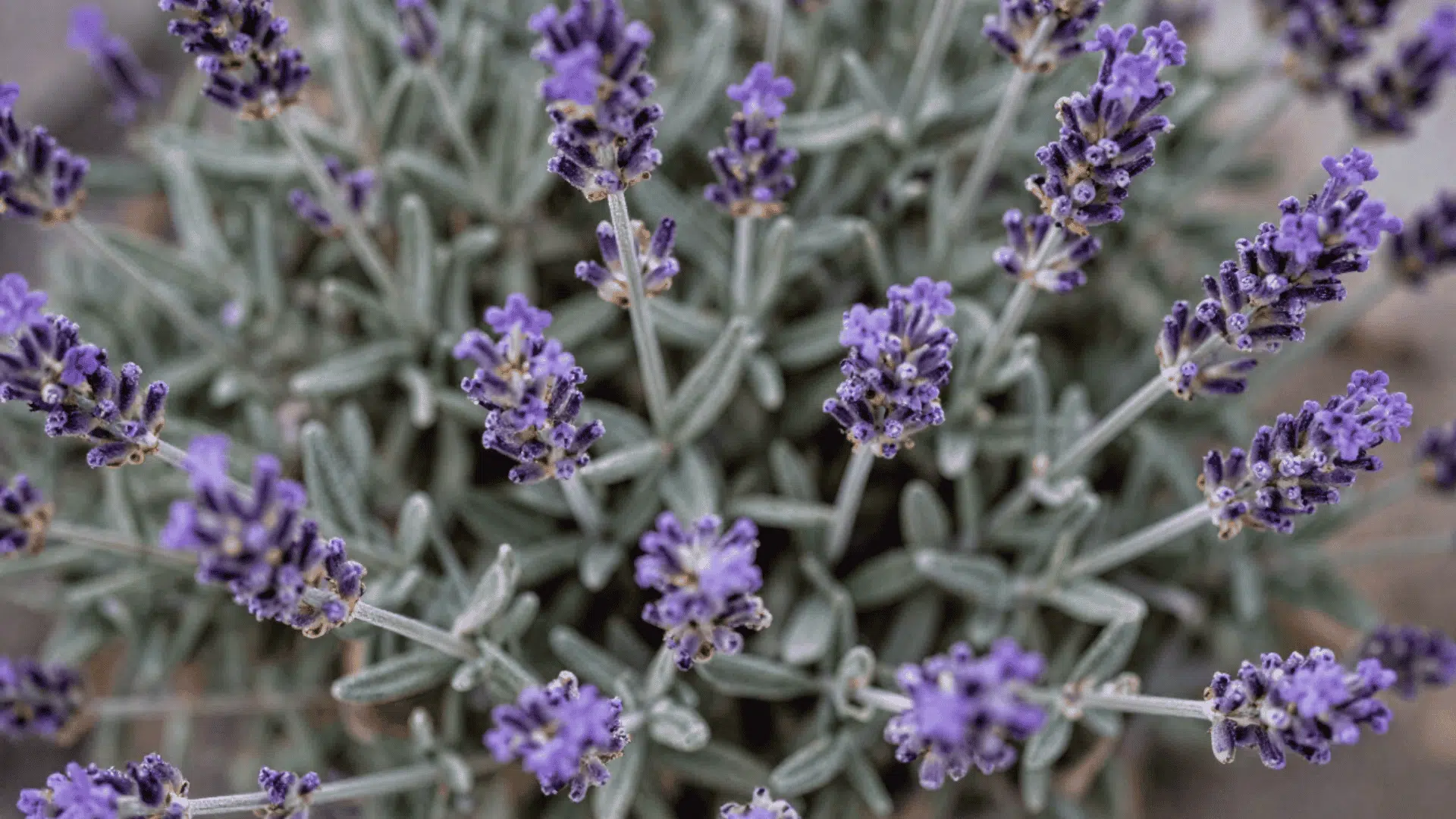
Lavender comes from the Mediterranean and is famous for its soothing fragrance. It features soft, silvery foliage and purple flower spikes that look beautiful next to any bush.
I find its smell wonderful for humans but terrible for harmful bugs. This is one of the best companion plants for roses to keep pests away.
- Cost: Moderate.
- Maintenance: Needs occasional pruning.
- Type of Plant: Perennial herb.
- Benefits to Your Rose: Keeps aphids away and brings in helpful bees.
3. Catmint
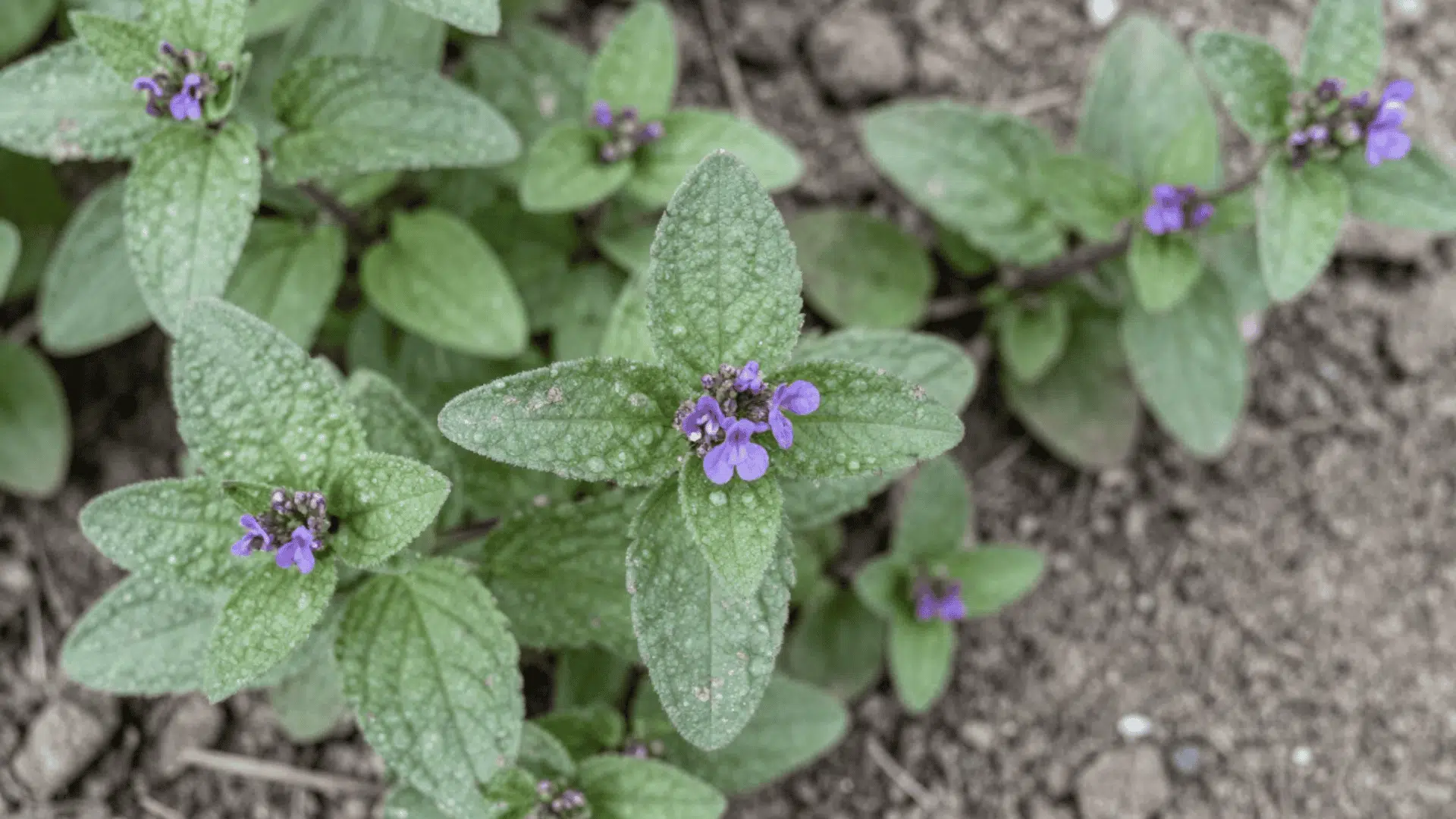
Catmint is a sturdy herb that has grown wild across Europe and Asia for generations. It boasts small purple flowers and gray-green leaves with a spicy scent.
I often use it because it sprawls nicely over the ground without causing trouble. I recommend this as a great companion plant to keep pests away.
- Cost: Very affordable.
- Maintenance: Fast-growing but easily trimmed.
- Type of Plant: Perennial herb.
- Benefits to Your Rose: Repels rodents and attracts helpful hoverflies.
4. Sage
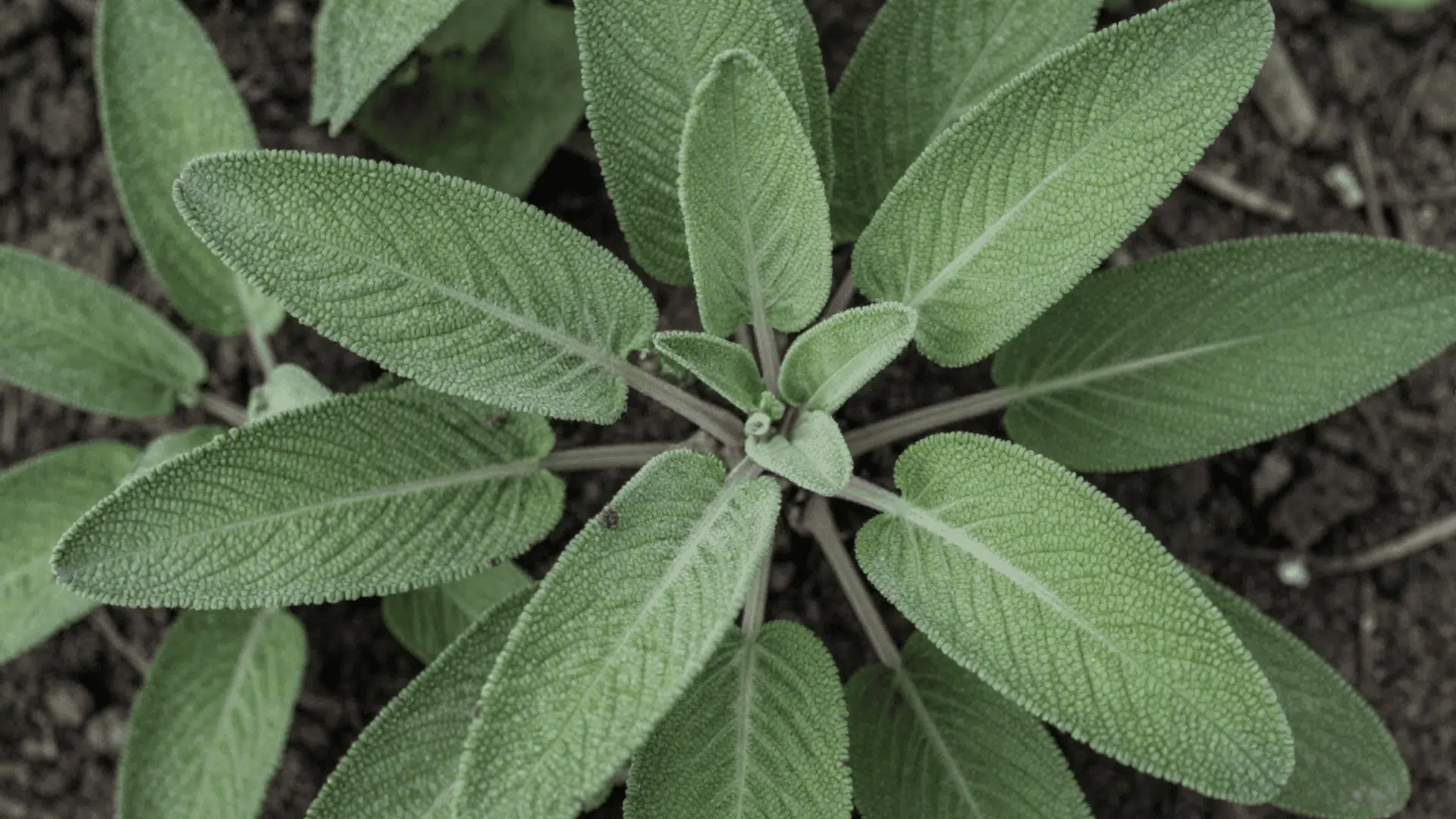
Sage has a long history as a medicinal herb in ancient times. It thrives in full sun and produces lovely spikes of colorful flowers. The strong aroma of the leaves is something I highly appreciate when working in the yard.
- Cost: Very low.
- Maintenance: Needs only basic watering.
- Type of Plant: Perennial herb.
- Benefits to Your Rose: The smell strongly deters hungry Japanese beetles.
5. Hardy Geraniums
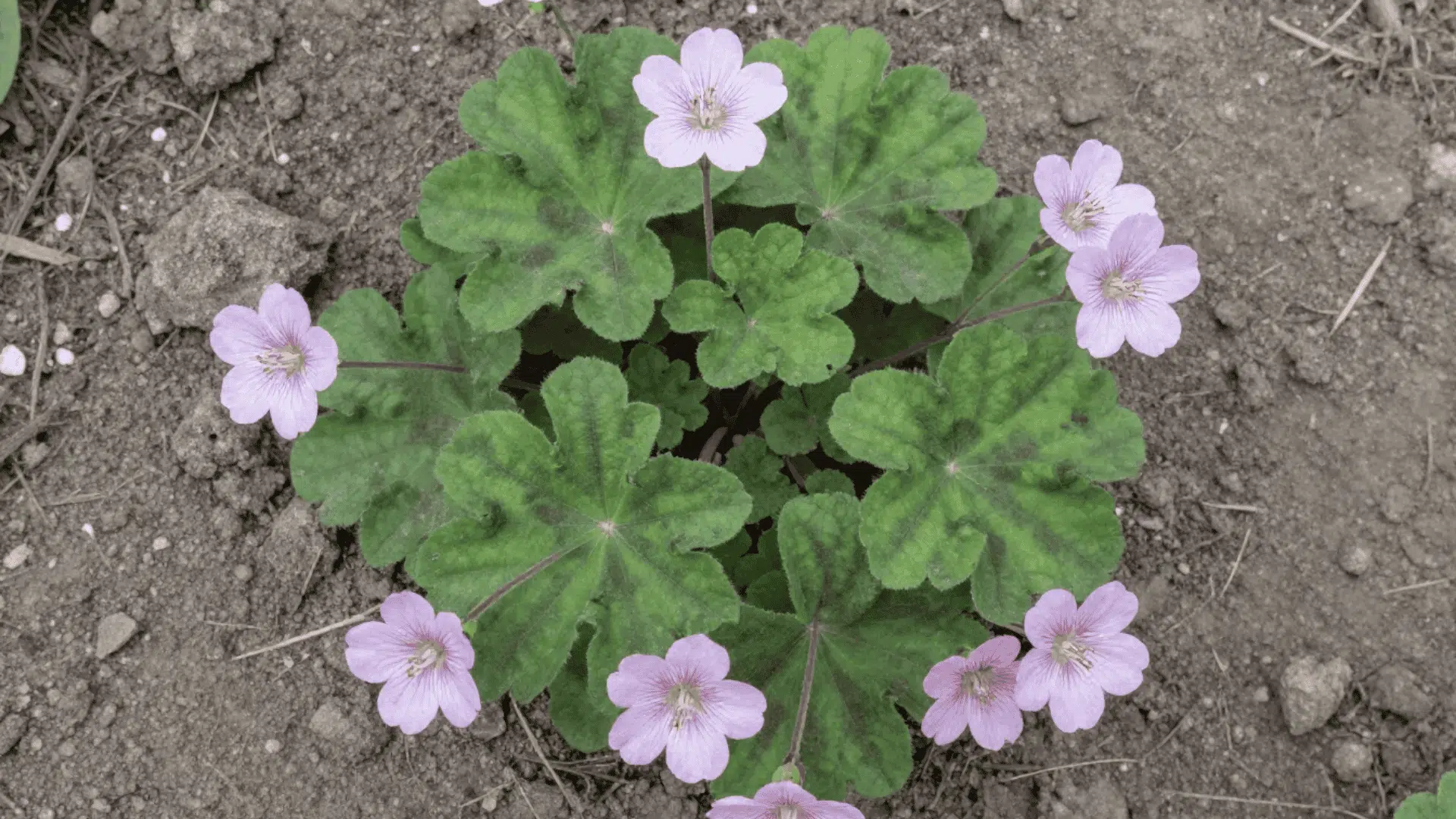
Hardy geraniums, also known as cranesbill, are native to temperate regions across the world. They offer low-growing green foliage and bright, cup-shaped flowers.
I rely on them heavily because they cover the bare ground beautifully without competing for resources.
- Cost: Low.
- Maintenance: Simply cut back when messy.
- Type of Plant: Perennial groundcover.
- Benefits to Your Rose: Traps beetles and acts as a living mulch.
6. Parsley
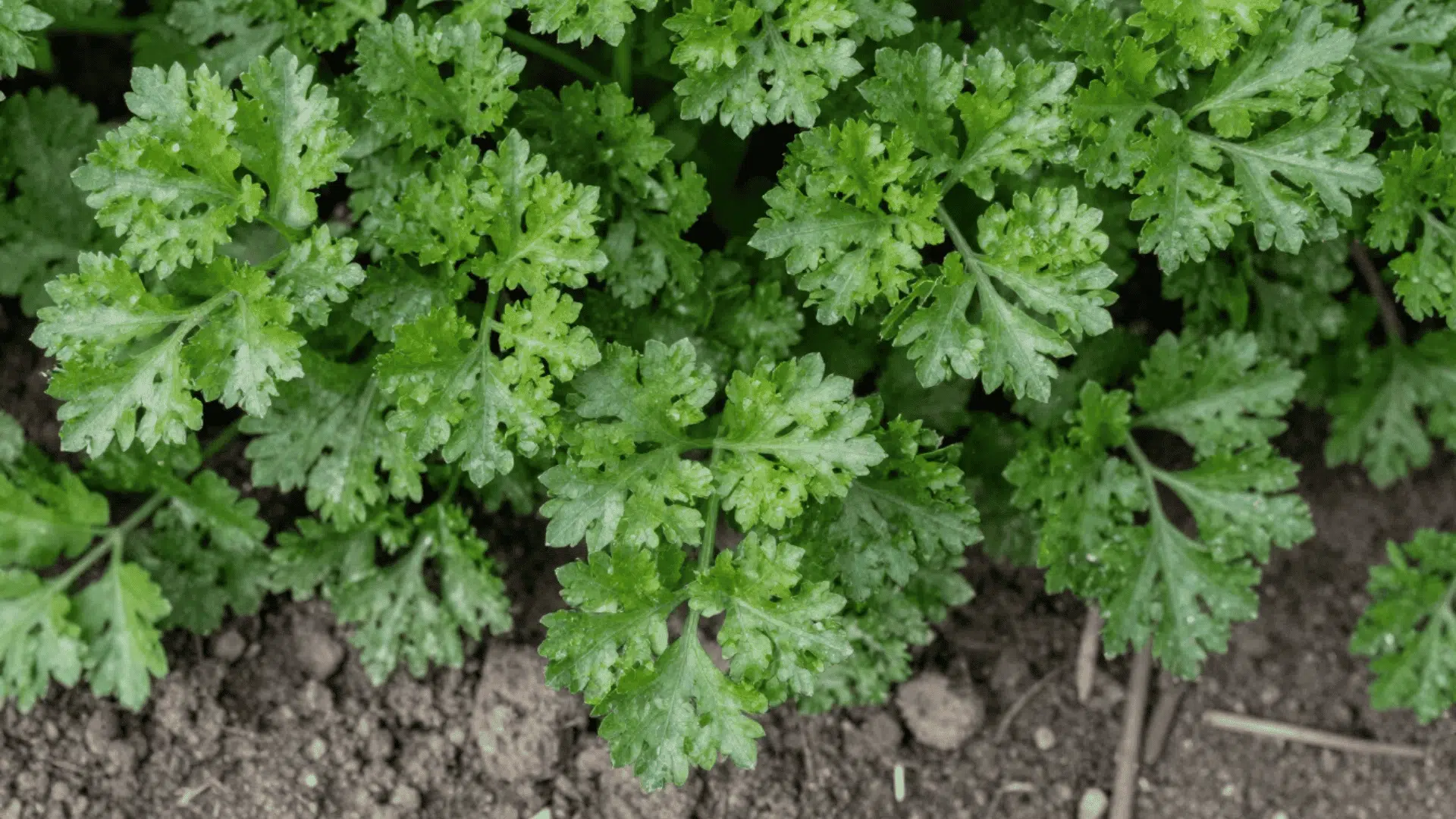
Parsley is a bright green herb originally from the central Mediterranean region. People often use it in cooking, but it grows beautifully outdoors.
I let it flower because the tiny blossoms are surprisingly attractive and bring life to the garden.
- Cost: Extremely cheap.
- Maintenance: Needs regular watering.
- Type of Plant: Biennial herb.
- Benefits to Your Rose: Attracts hoverflies that eat harmful pests quickly.
7. Thyme
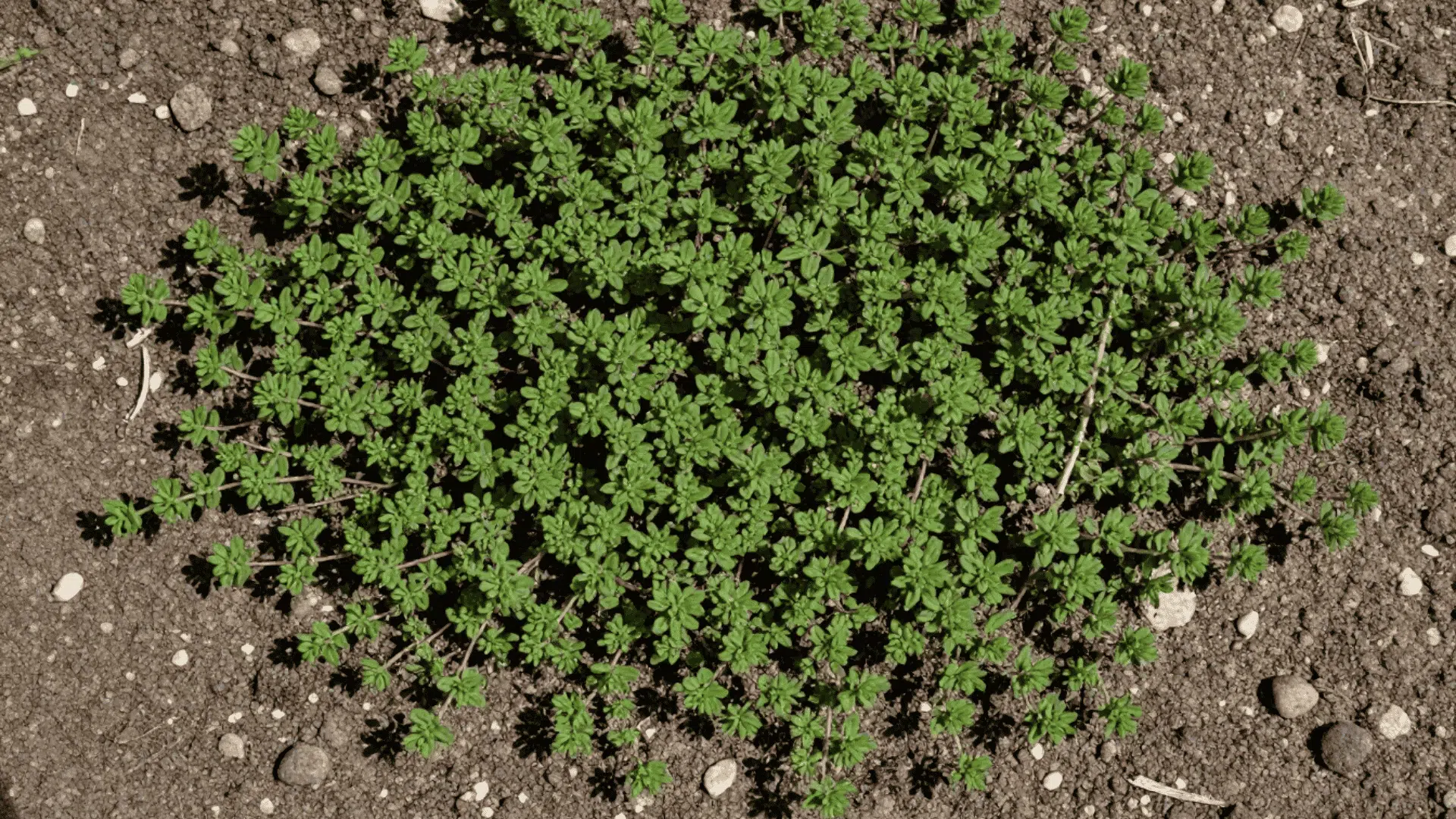
Thyme is a creeping herb that ancient civilizations used for its aroma and flavor. It forms a dense mat of tiny green leaves and produces small pink or purple blooms. I think it looks perfect planted at the very front.
- Cost: Low.
- Maintenance: Thrives in dry conditions.
- Type of Plant: Perennial herb.
- Benefits to Your Rose: Suppresses weeds and masks the scent of roses.
8. Garlic
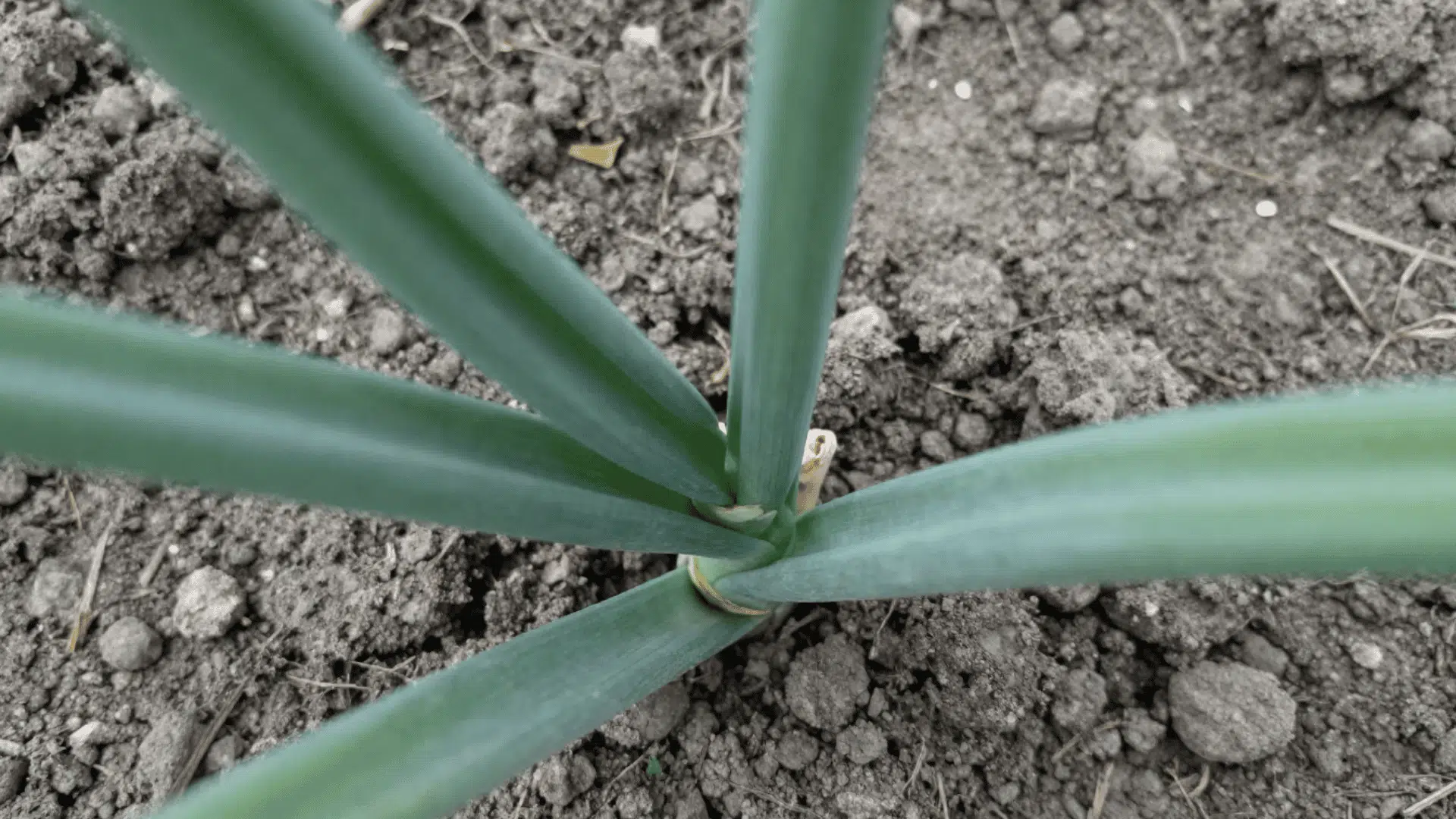
Garlic is one of the oldest cultivated plants, loved for its strong taste and smell. It grows tall, straight green stalks from a bulb buried underground. I always tuck a few cloves into the soil near my favorite blooms.
- Cost: Very low.
- Maintenance: Needs little attention.
- Type of Plant: Bulbous herb.
- Benefits to Your Rose: Excellent at fighting fungal diseases and deterring aphids.
9. Marigolds
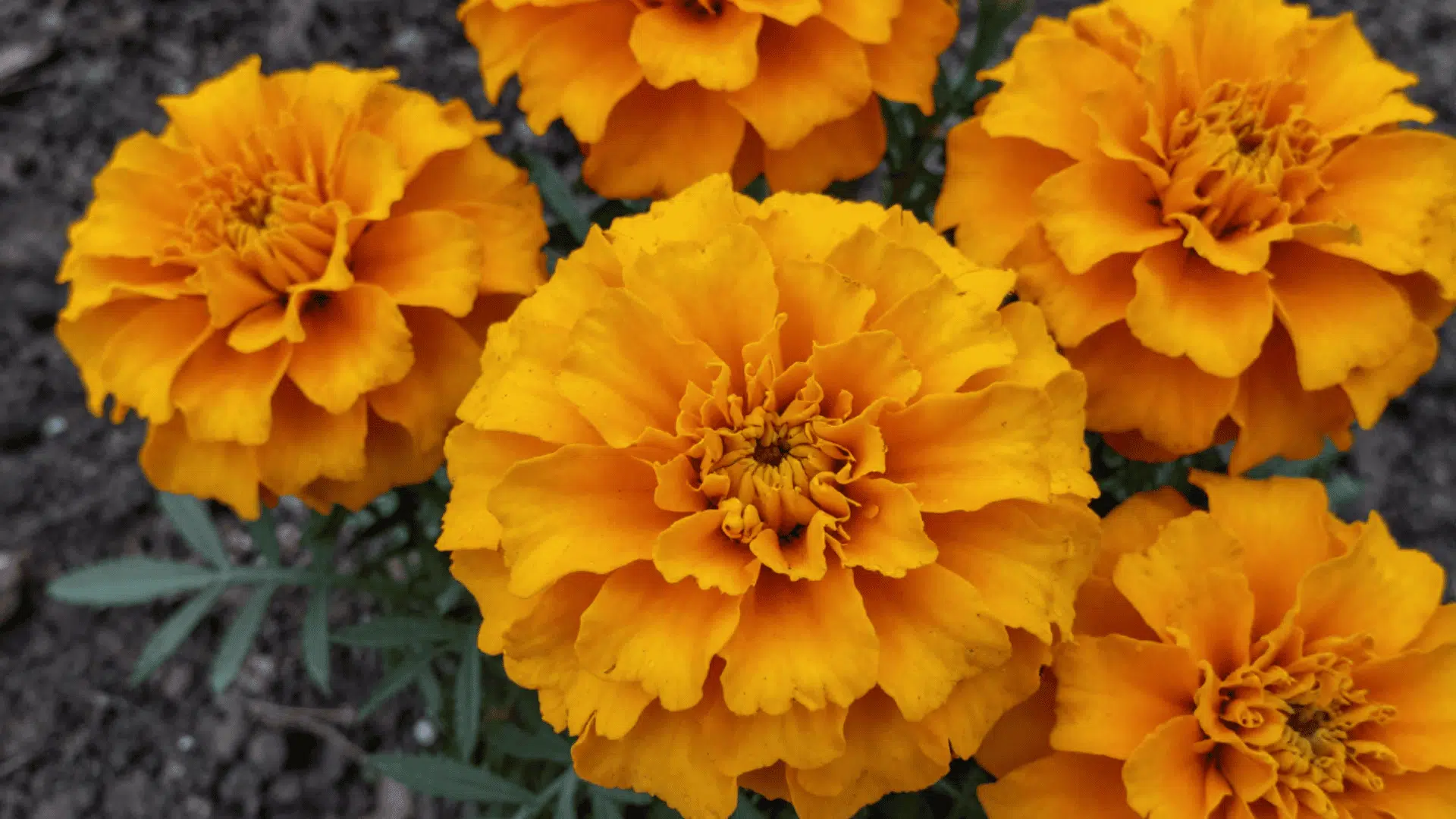
Marigolds originated in the Americas and are deeply valued for their bright, cheerful colors. They bloom constantly and bring a strong, distinctive smell to the yard.
Plant them every spring because they are incredibly reliable and fast-growing.
- Cost: Very cheap.
- Maintenance: Requires deadheading for more blooms.
- Type of Plant: Annual flower.
- Benefits to Your Rose: Repels nematodes in the soil and bad bugs.
10. Yarrow
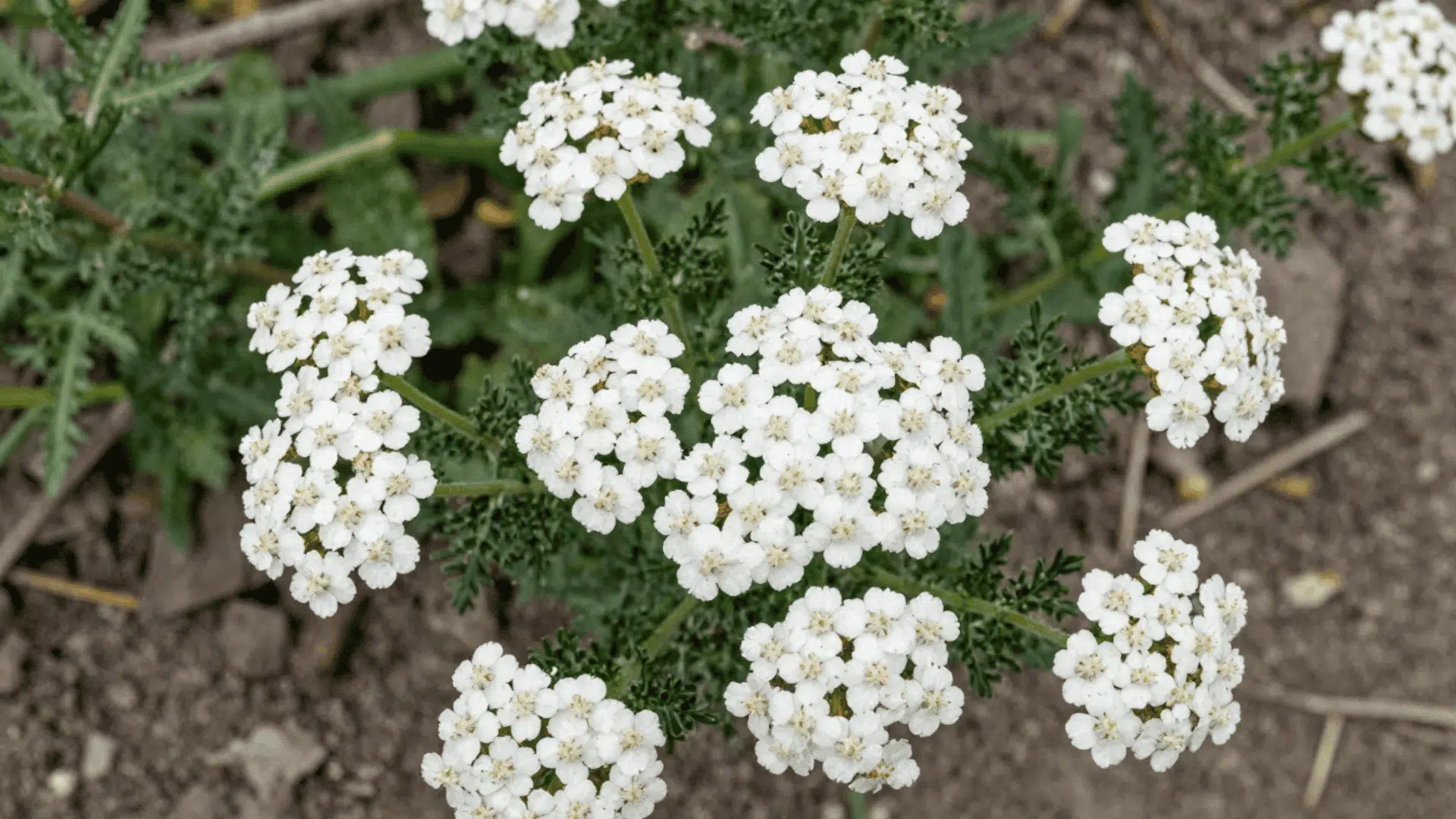
Yarrow is a tough plant that grows naturally in many fields and meadows. It features flat clusters of tiny flowers and feathery, fern-like leaves.
I love how its structured look contrasts perfectly with the soft, round petals of other bushes.
- Cost: Moderate.
- Maintenance: Needs dividing every few years.
- Type of Plant: Perennial flower.
- Benefits to Your Rose: Attracts ladybugs that happily consume rose-eating aphids.
11. Sweet Alyssum
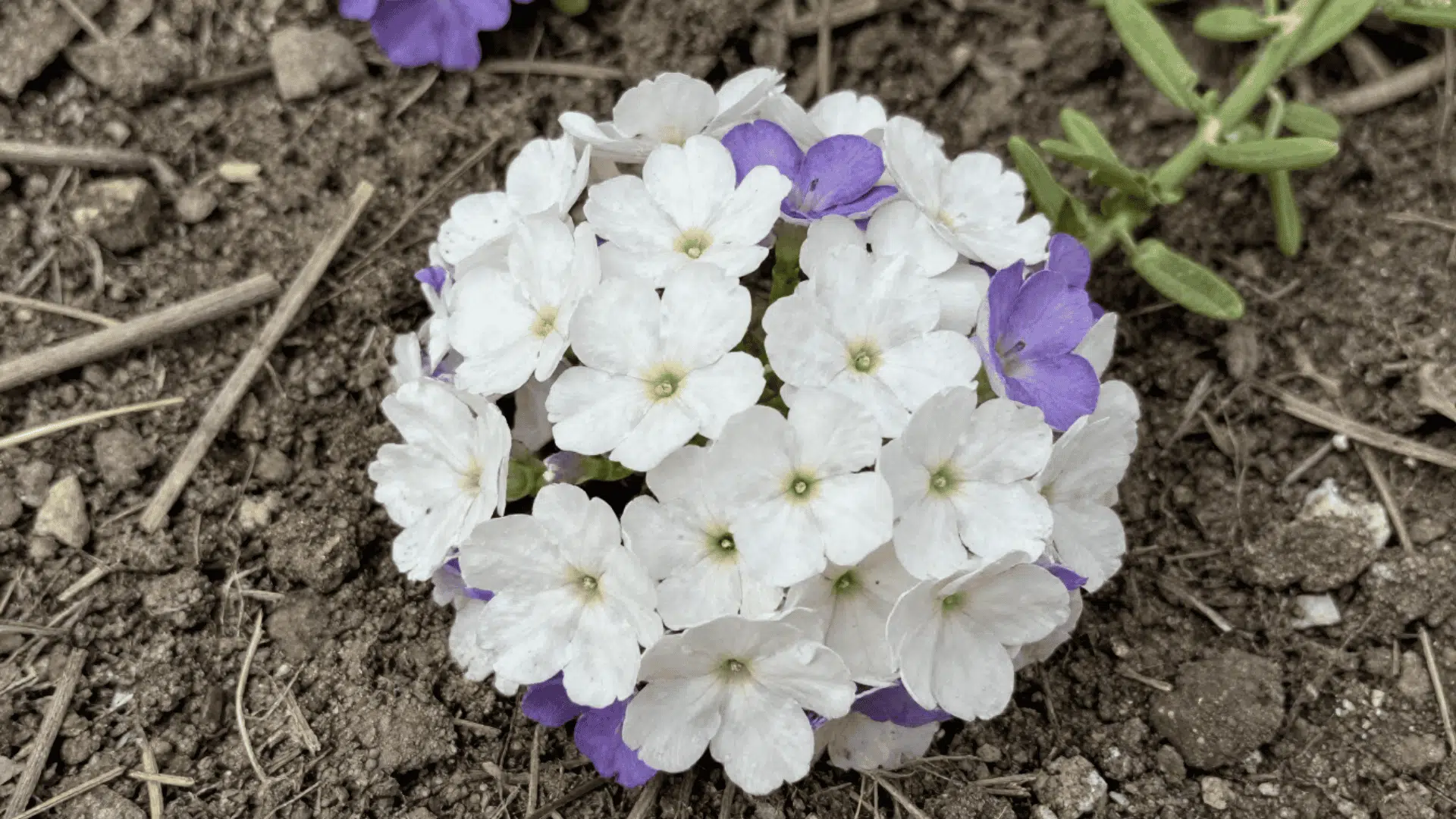
Sweet alyssum comes from the Mediterranean and produces masses of tiny, honey-scented flowers. It grows in low mounds that look like small clouds of white or purple. Use it to border my flower beds for a neat finish.
- Cost: Low.
- Maintenance: Self-seeds easily.
- Type of Plant: Annual flower.
- Benefits to Your Rose: Draws in parasitic wasps that control pest populations naturally.
12. Blue Fescue

Blue fescue is an ornamental grass native to Europe, known for its icy blue color. It forms tight, round clumps that stay relatively small. I think its spiky texture provides a wonderful visual break from the broad leaves around it.
- Cost: Moderate.
- Maintenance: Comb out dead blades yearly.
- Type of Plant: Ornamental grass.
- Benefits to Your Rose: Provides ground cover without hiding the main floral display.
13. Foxglove
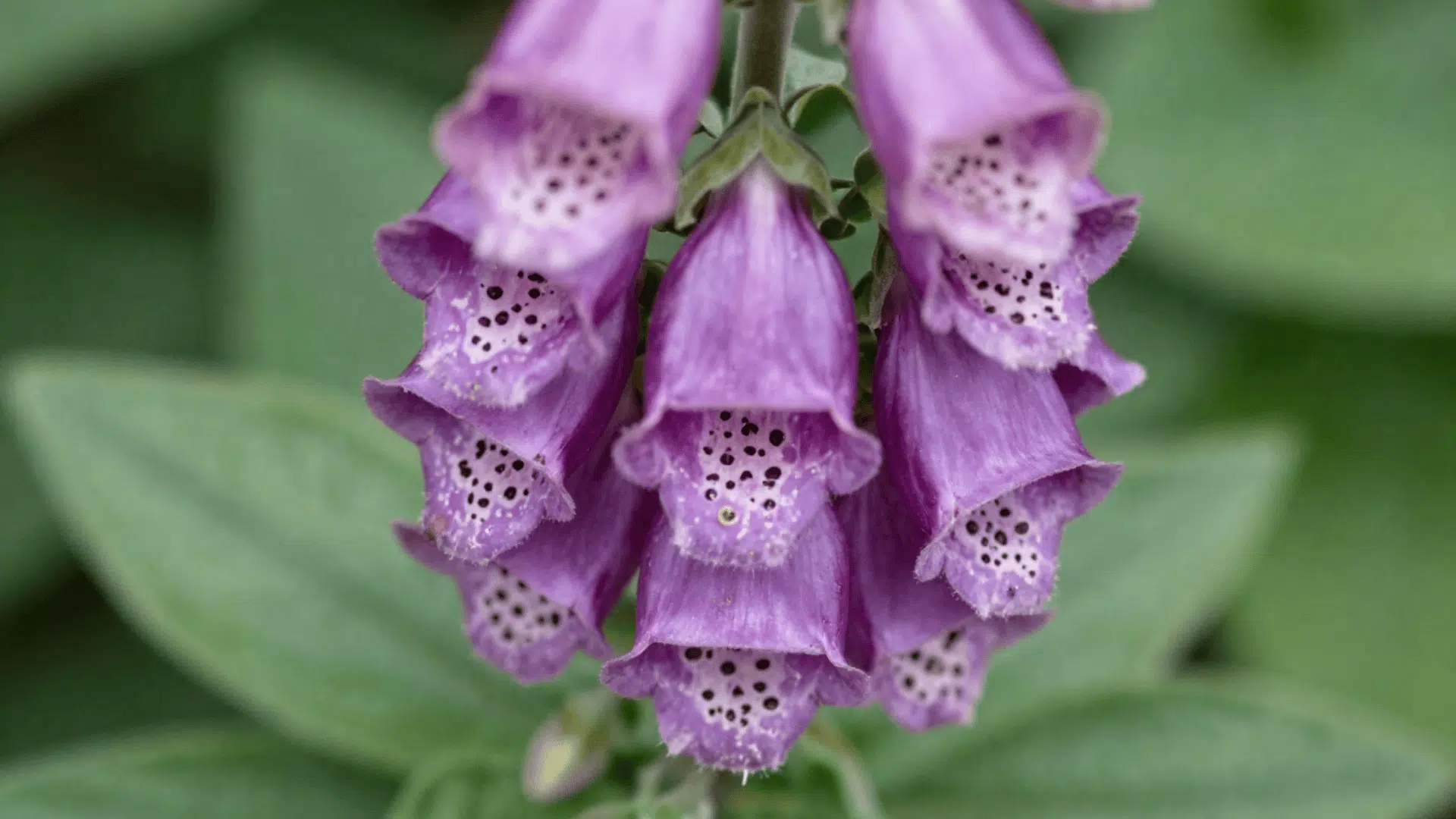
Foxglove is a tall, bold woodland plant known for its bell-shaped flowers. It brings wonderful vertical height to the back of a flower bed.
I always place them carefully because their towering stems create a dramatic background for shorter bushes.
- Cost: Moderate.
- Maintenance: Needs consistent soil moisture.
- Type of Plant: Biennial flower.
- Benefits to Your Rose: Attracts bees and creates a healthy garden ecosystem.
14. Bee Balm
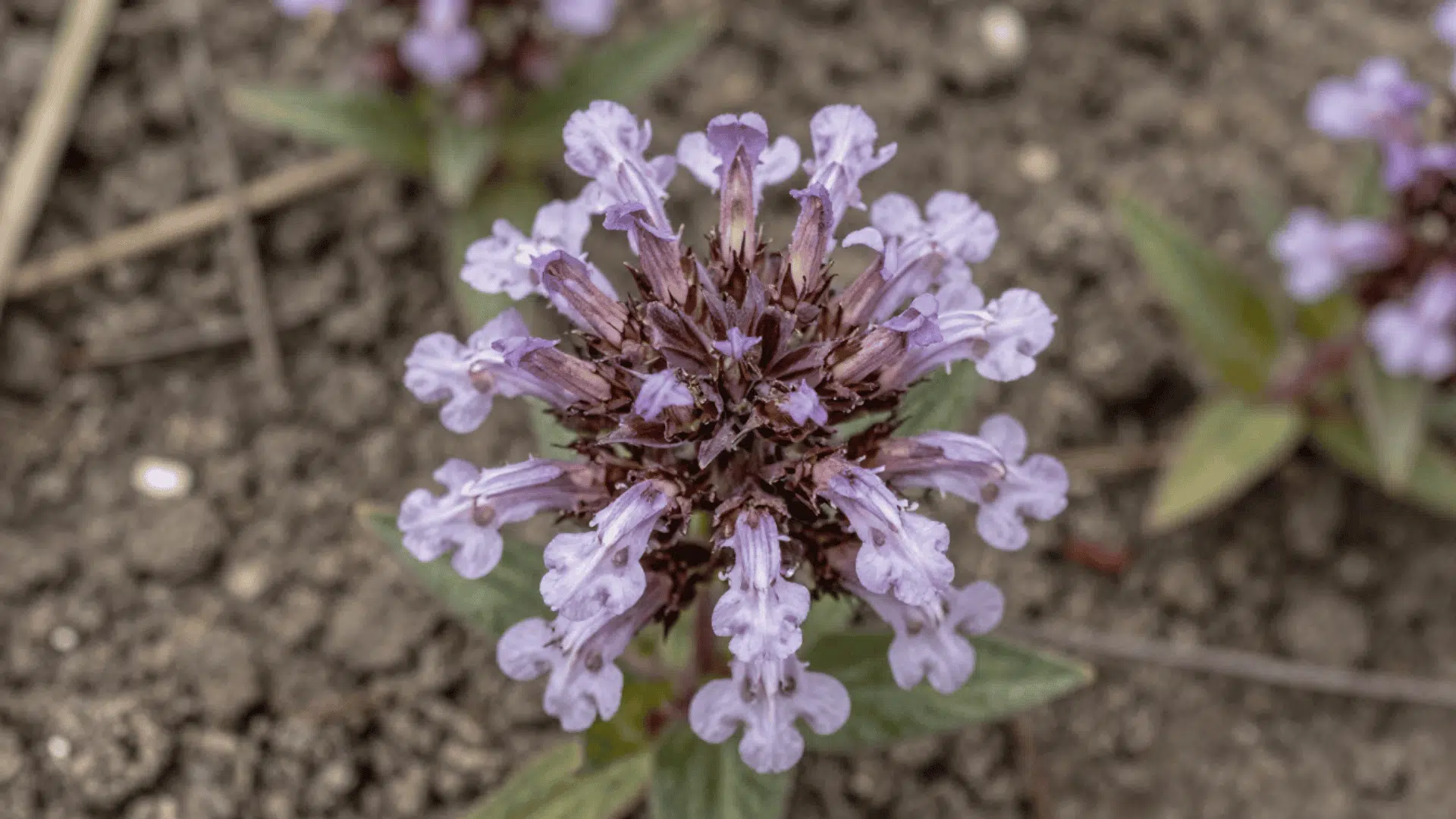
Bee balm is native to North America and was historically used to make tea. It has incredibly vibrant, spiky flowers that stand out from across the yard. I notice it constantly humming with activity during the warm summer months.
- Cost: Moderate.
- Maintenance: Requires dividing to control spread.
- Type of Plant: Perennial flower.
- Benefits to Your Rose: Brings in hummingbirds and takes attention away from pests.
15. Coneflowers
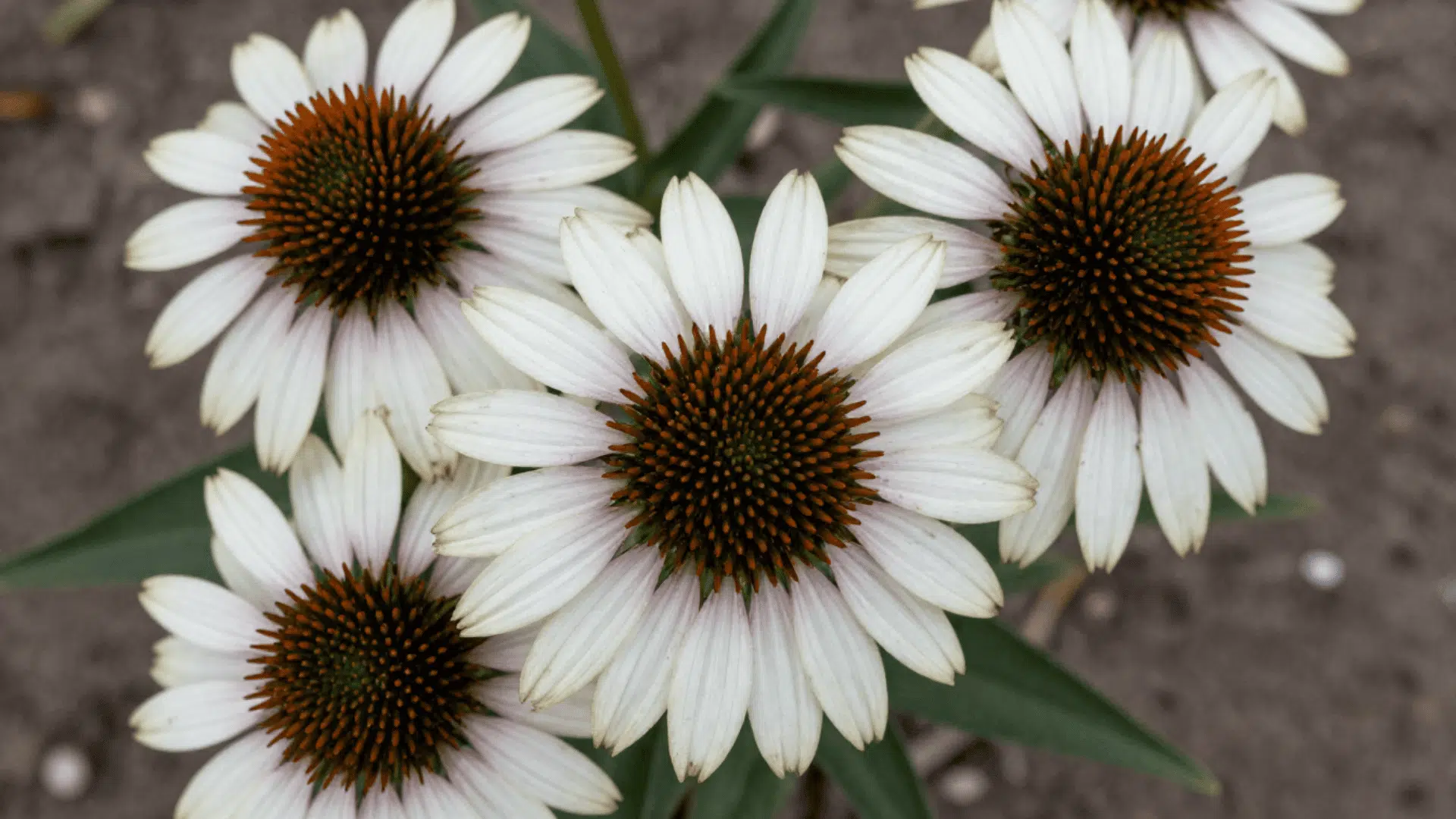
Coneflowers, or echinacea, are prairie natives highly valued for their hardiness. They have large, daisy-like heads with prominent, spiky centers.
I highly recommend them because they can handle intense heat and still put on a spectacular floral show.
- Cost: Moderate.
- Maintenance: Extremely drought-tolerant.
- Type of Plant: Perennial flower.
- Benefits to Your Rose: Attracts beneficial pollinators and does not compete for water.
16. Phlox
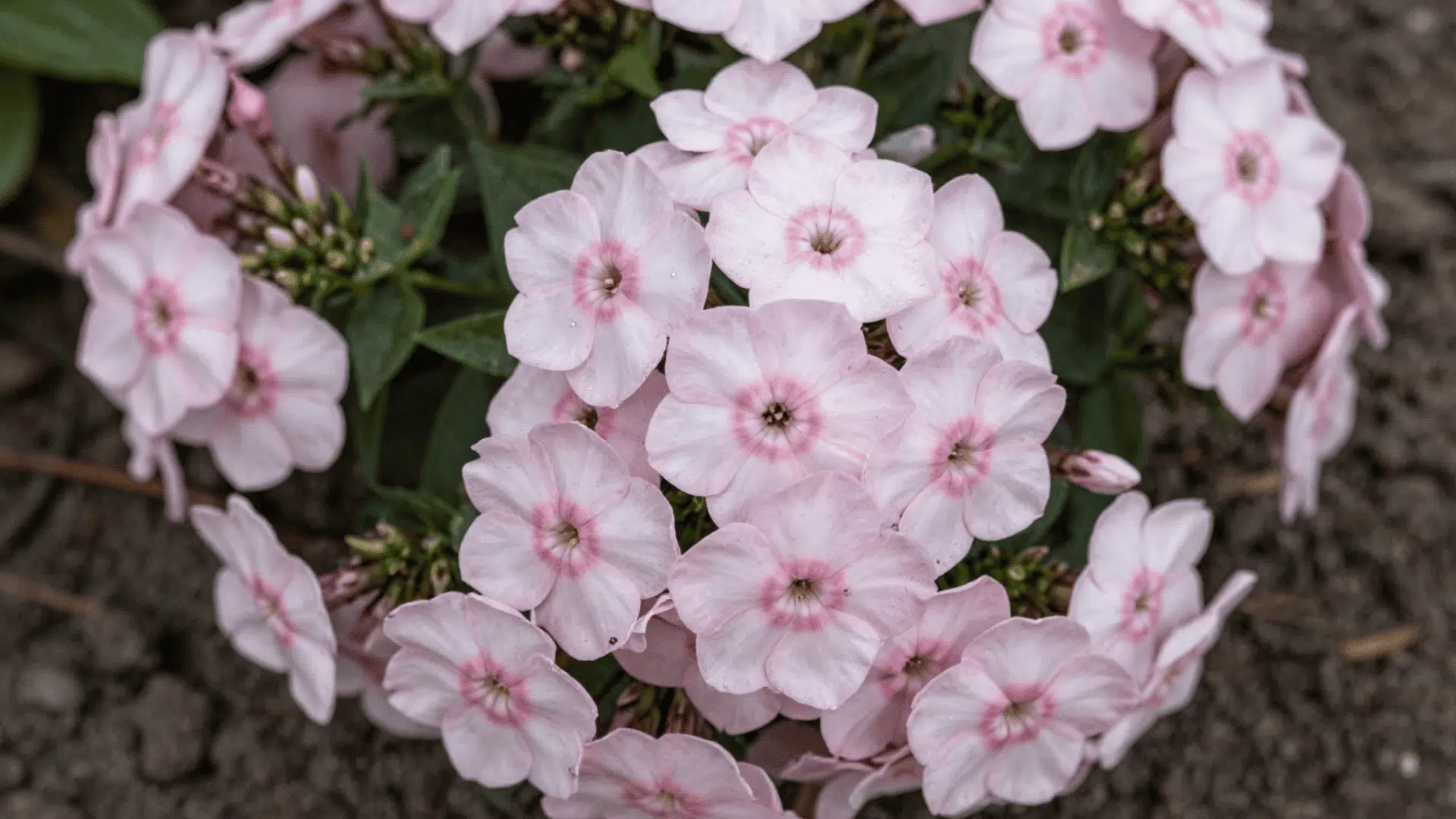
Phlox is a classic garden staple that originated in North America. It produces dense clusters of sweet-smelling, brightly colored flowers on tall stems.
I often cut them to bring indoors, as they last wonderfully in a fresh water vase.
- Cost: Moderate.
- Maintenance: Needs good air circulation.
- Type of Plant: Perennial flower.
- Benefits to Your Rose: Brings in butterflies and creates a lush, full appearance.
17. Coreopsis
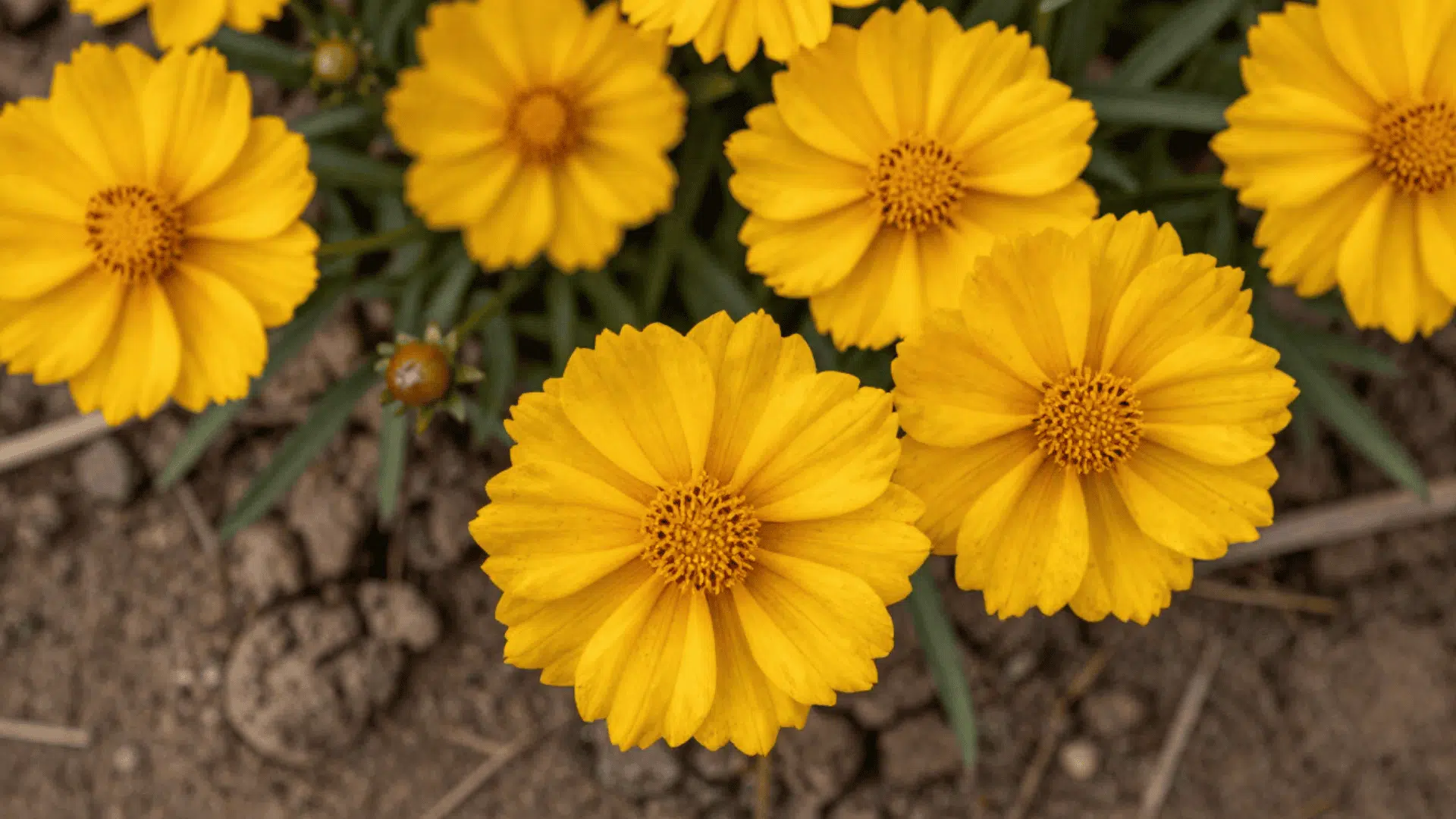
Coreopsis is a bright, cheerful flower that closely resembles small sunflowers. It grows in sunny spots and is highly resistant to poor soil conditions. I enjoy the bright yellow blooms that fill the gaps while other bushes are resting.
- Cost: Low.
- Maintenance: Requires regular deadheading.
- Type of Plant: Perennial flower.
- Benefits to Your Rose: Attracts beneficial insects and keeps the garden looking vibrant.
18. Shasta Daisies
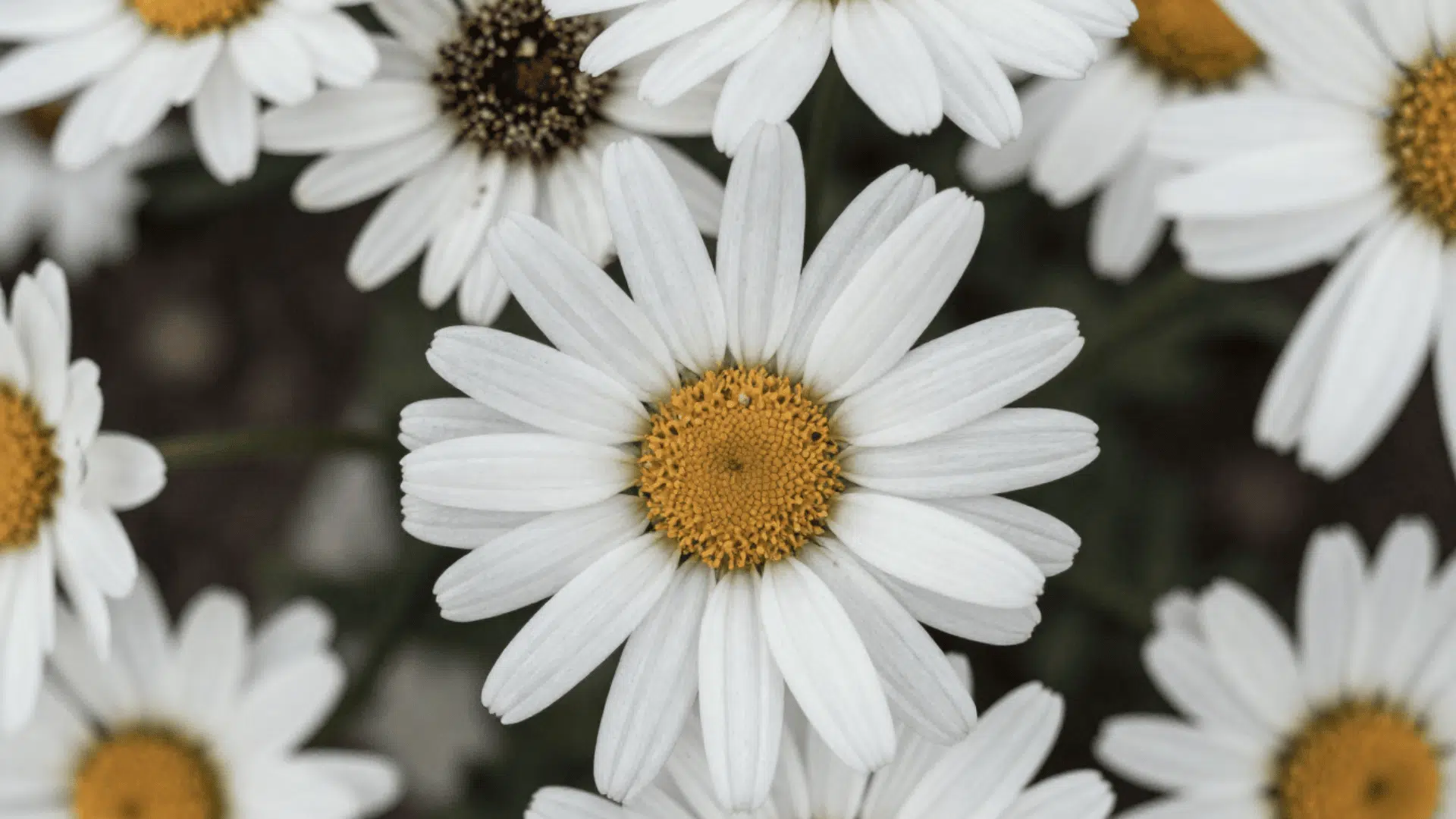
Shasta daisies are a cultivated hybrid known for their large, classic white petals and yellow centers. They grow on sturdy stems that do not easily flop over.
I find their clean, simple look perfectly complements more complicated, ruffled blooms nearby.
- Cost: Low.
- Maintenance: Divide clumps every three years.
- Type of Plant: Perennial flower.
- Benefits to Your Rose: Attracts pollinating flies and fills space nicely without crowding.
19. Daffodils
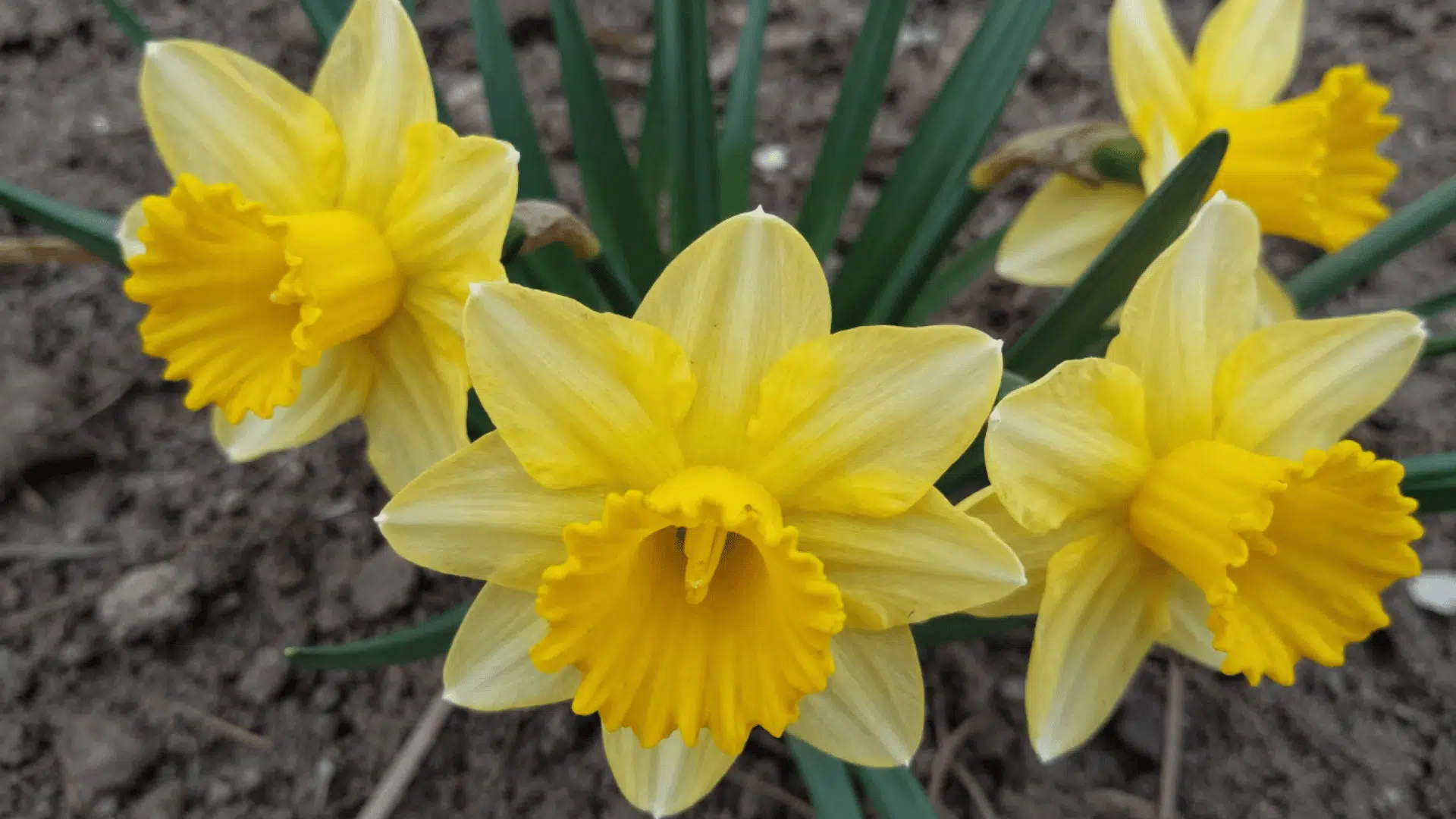
Daffodils are famous spring bulbs that bring early joy after a long winter. They have trumpet-shaped centers surrounded by bright petals. Plant them in the fall so they can emerge just as my garden begins to wake up.
- Cost: Low.
- Maintenance: Let the leaves die back naturally.
- Type of Plant: Bulb flower.
- Benefits to Your Rose: Alkaloids in the bulb effectively deter hungry rodents.
20. Peonies
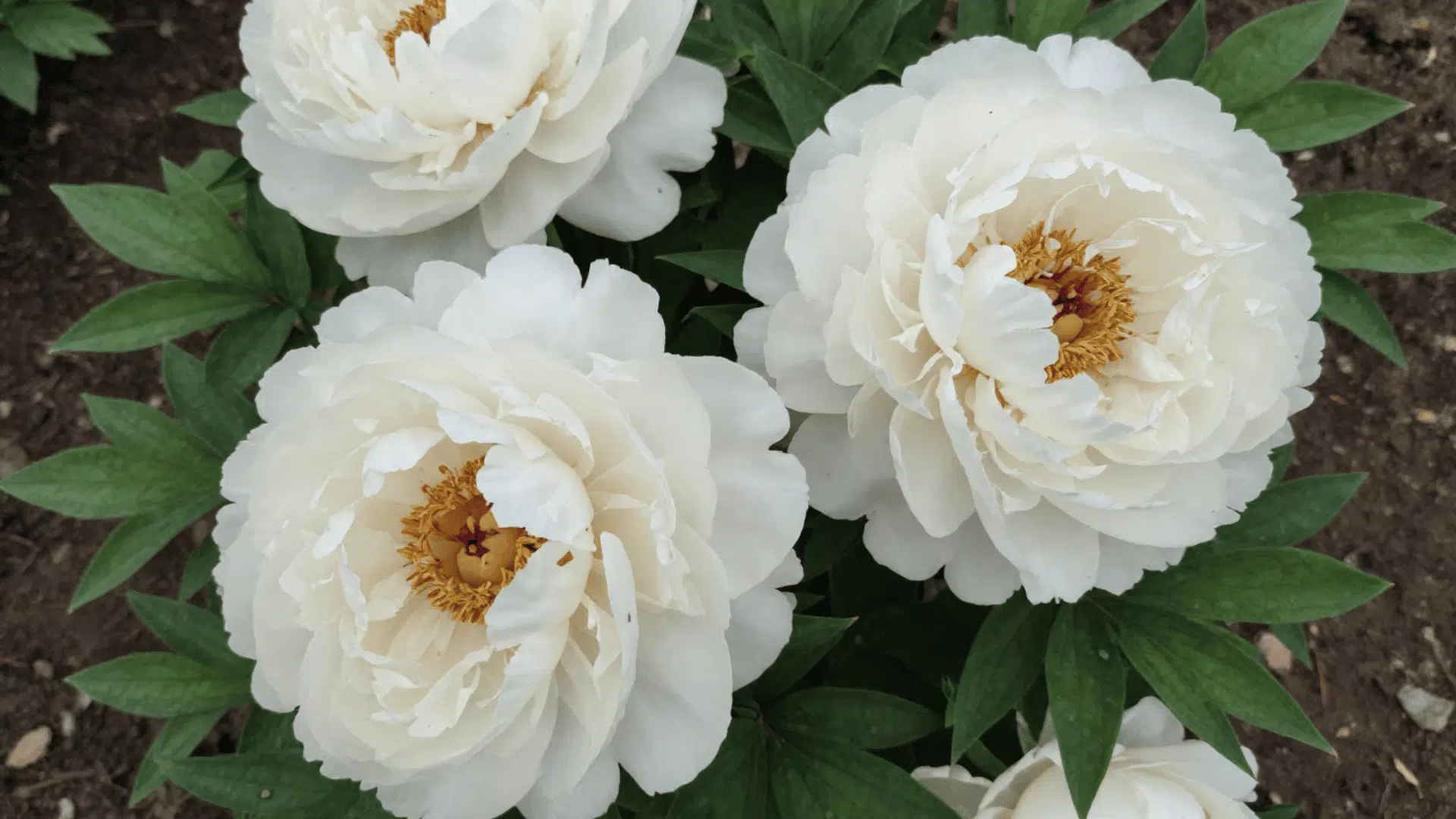
Peonies are historically significant flowers from Asia, known for their massive, fragrant blooms. They have lush, dark green foliage that remains attractive all summer.
I love how they bloom early, overlapping perfectly with the very start of the season.
- Cost: High.
- Maintenance: Needs support for heavy flower heads.
- Type of Plant: Perennial flower.
- Benefits to Your Rose: Attracts insects early, before other buds fully open.
21. Russian Sage
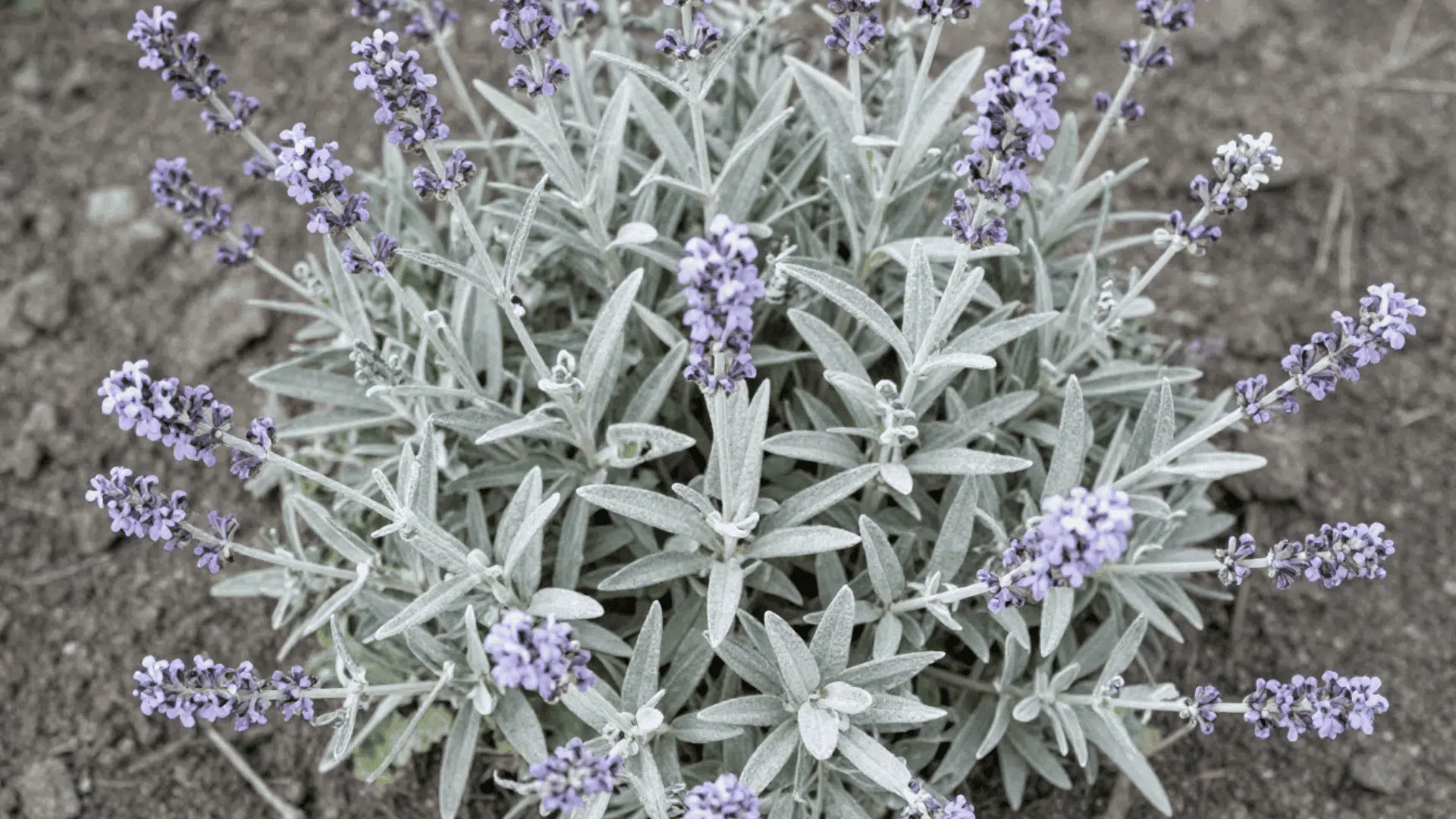
Russian sage is a tough, woody plant from central Asia that thrives in harsh conditions. It features tall, silvery stems covered in light purple flowers. I use it as a bold backdrop that makes the warm colors stand out beautifully.
- Cost: Moderate.
- Maintenance: Prune hard in early spring.
- Type of Plant: Perennial shrub.
- Benefits to Your Rose: The strong smell confuses pests and keeps them away.
Common Mistakes in Choosing Companion Plants for Roses
Selecting companion plants for roses to keep pests away is generally easy, but I often see people make a few common errors. Here are the main mistakes to avoid:
- Competing for Resources: Do not plant varieties that fight your roses for water and nutrients. Your bushes need enough space to breathe and feed properly.
- Overcrowding the Bed: Placing plants too close together limits air circulation. This poor airflow can easily lead to unwanted fungal issues on your rose leaves.
- Choosing Invasive Species: When wondering what to plant with roses, avoid plants that spread too fast and take over the entire garden. Always pick well-behaved varieties that stay small or are easy to manage.
- Ignoring Care Needs: Always check the specific requirements of any new addition. You must make sure its sunlight and watering needs match your roses perfectly.
What Not to Plant Near Your Roses
Many people focus on what to plant with roses, but knowing what to avoid is equally important.
In my early gardening days, I made the mistake of putting aggressive spreaders right next to my favorite bushes. It was a terrible choice. Some flowers steal too much water, while others completely block the sun. Certain vines will wrap around the thorny stems and choke out the airflow, leading to severe leaf spot.
You must protect your soil nutrients. To help you avoid my past mistakes, I put together a list of the worst neighbors for your floral bed.
Keep these bad matches far away to keep your yard healthy and blooming:
| Plant to Avoid | Negative Impact on Roses |
| Mint | Highly invasive roots will spread quickly, stealing essential water and suffocating your bushes. |
| Tomatoes | They share the same fungal diseases and will attract the exact same harmful pests to the bed. |
| Morning Glory | These fast-growing vines will climb the rose canes, blocking out sunlight and preventing necessary air circulation. |
| Sunflowers | They grow too tall and create deep shade, plus their roots release chemicals that stunt nearby plant growth. |
| Potatoes | As heavy feeders, they will strip the soil of nutrients your roses desperately need to survive. |
| Ivy | Spreads aggressively over the ground and stems, trapping moisture against the wood and causing severe rot. |
| Corn | Blocks direct sunlight and heavily drains nitrogen from the soil, leaving your flowers pale and weak. |
| Hostas | They require deep shade and wet dirt, which completely clashes with a rose needing full sun and drainage. |
| Fennel | Secretes strong natural compounds into the soil that actively stunt or stop the growth of neighboring plants. |
| Bamboo | Features a massive, unstoppable root system that will quickly crush and starve delicate rose roots. |
Final Thoughts
Growing beautiful bushes without relying on harsh chemicals is entirely possible when you pick the right neighbors for them.
By mixing these bug-repelling flowers and herbs into your yard, you build a natural defense system that keeps aphids, beetles, and other bad bugs away.
You also create healthier soil and bring in helpful insects that do the hard work for you. I have loved watching my own backyard transform into a colorful, low-maintenance space just by putting these simple pairings together.
Now it is your turn to try these ideas out in your own soil. Which of these twenty-one options are you going to plant this weekend? Please leave a comment below and share your favorite pairing with me!
Frequently Asked Questions
Can You Plant Garlic Next to Roses in Pots?
Yes, you can. I always leave about three inches of space between the bulb and the main root. This stops them from fighting for water.
Will Lavender Change the Smell of Roses?
No, it will not change the actual rose scent. However, the strong smell of the leaves will confuse bad bugs trying to find your flowers.
Do You Need to Replace Marigolds Every Year?
Yes, marigolds are annuals and die in winter. I pull them out after the first frost and plant fresh seeds again the following spring.
How Close to the Rose Stem Should You Plant Herbs?
I recommend keeping all new roots at least twelve inches away from the main cane. This ensures good airflow and keeps fungal diseases away.
Can You Use Potted Mint Near My Rose Beds?
Yes, keeping mint in a pot is a very smart choice. It stops the aggressive roots from spreading while still pushing harmful bugs away.

Jordan Mathews, who has a degree in horticulture from Texas A&M University, has been a guiding force in plant health and sustainable gardening for over 16 years. His career began with a role at a renowned botanical garden, where he deepened his understanding of plant physiology and eco-friendly cultivation methods. Jordan joined our website as a freelancer in 2020, becoming a go-to expert for readers seeking advice on nurturing diverse plant species apart from offering insights grounded in scientific knowledge and practical experience. Beyond his professional achievements, Jordan is a keen nature photographer, capturing the beauty of flora in its immensely diversified forms.