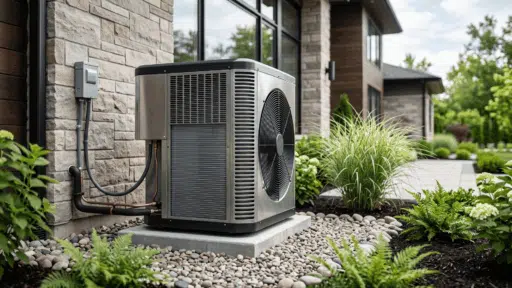
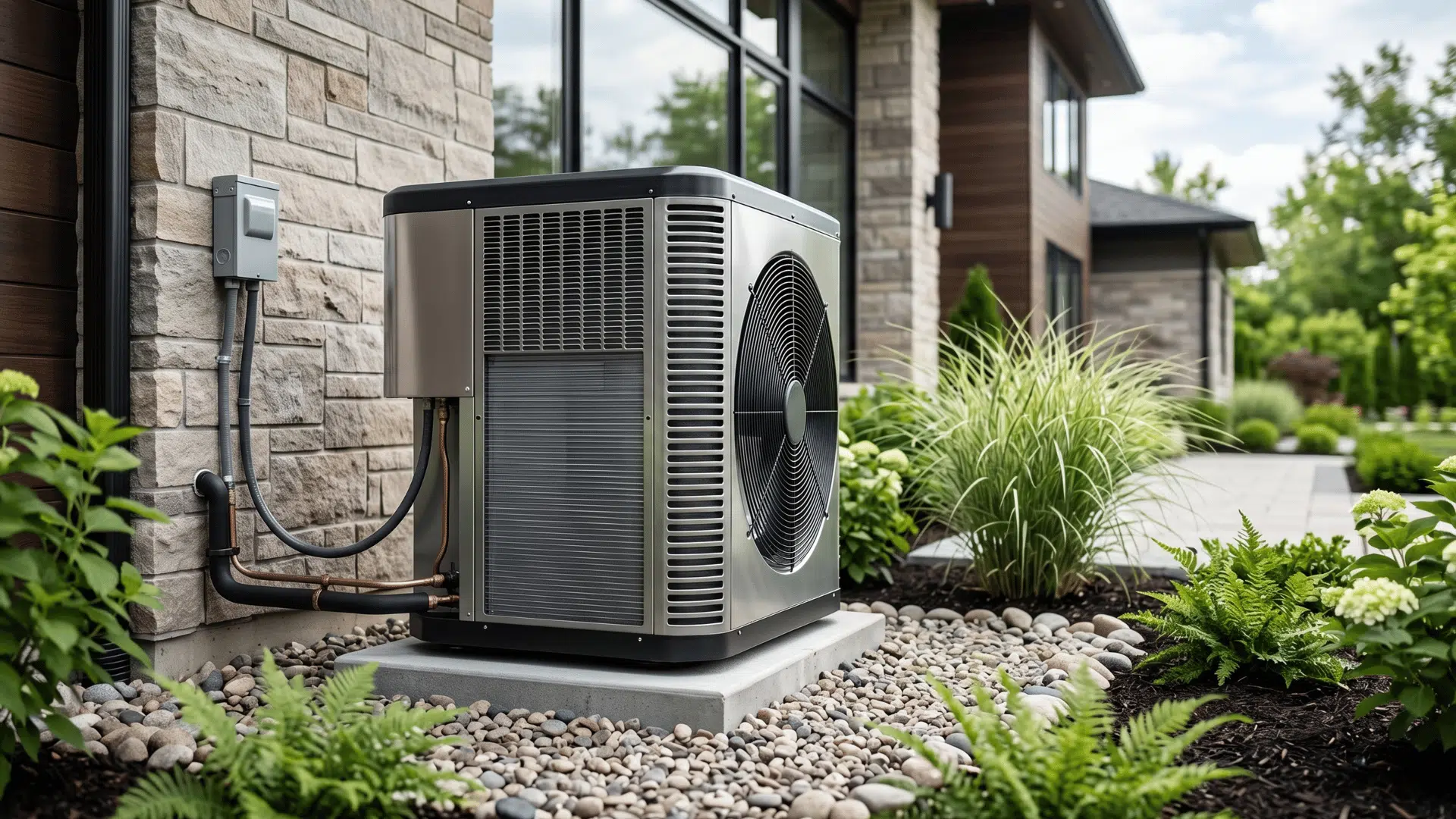

Energy bills keep rising, and heating or cooling accounts for nearly half of what most households spend on electricity each year.
Climate patterns are shifting, energy costs are climbing, and the demand for smarter indoor climate control continues to grow.
Buildings that rely on outdated systems pay a heavy financial and environmental price. Efficiency is no longer a luxury feature reserved for new construction.
An energy-efficient HVAC system addresses the real cost of keeping indoor spaces comfortable. Choosing it is a decision that matters more today than ever.
What Is an Energy-Efficient HVAC System?
HVAC stands for Heating, ventilation, and air conditioning, a System built to manage indoor climate across all seasons.
The heating side uses a furnace or heat pump to warm indoor air during colder months. The cooling side removes heat from inside the home and releases it outdoors in summer.
Ventilation handles fresh air circulation and controls moisture levels. Four main components make this possible: the furnace, the air conditioning unit, the thermostat, and the ductwork.
The thermostat reads conditions and signals the system when to act, while ducts carry treated air into every room.
Key Factors for Energy-Efficient HVAC Systems
Opting for it depends on several practical factors that directly impact performance, cost, and long-term savings.
- Home Size: The right system depends on accurate load calculation to ensure it matches your home’s size and climate conditions.
- Budget Planning: Costs can vary widely, so making the right selection means balancing upfront installation expenses with long-term savings.
- Efficiency Goals: A well-chosen system should align with both short-term affordability and long-term energy reduction targets.
- Installation Quality: Even the best system can lose up to 30% of its efficiency if installed poorly.
- System Compatibility: Overall effectiveness also depends on existing ductwork, insulation, and your home’s overall setup.
The HVAC Efficiency Ratings
Understanding these ratings helps in choosing an energy-efficient HVAC system that saves energy and money.
| Rating | What It Measures | Meaning |
|---|---|---|
| Seer2 | Cooling Efficiency | A higher seer2 rating means the system uses less energy for cooling |
| Afue | Heating Efficiency | A higher afue rating means more fuel is converted into usable heat with less waste |
| Hspf2 | Heat Pump Efficiency | A higher hspf2 rating means better heating performance with lower energy use |
Types of Energy-Efficient HVAC Systems
Picking the right system starts with knowing what each option offers in terms of performance, cost, and fit for your specific space.
1. Geothermal Heat Pumps (cop 3–5)
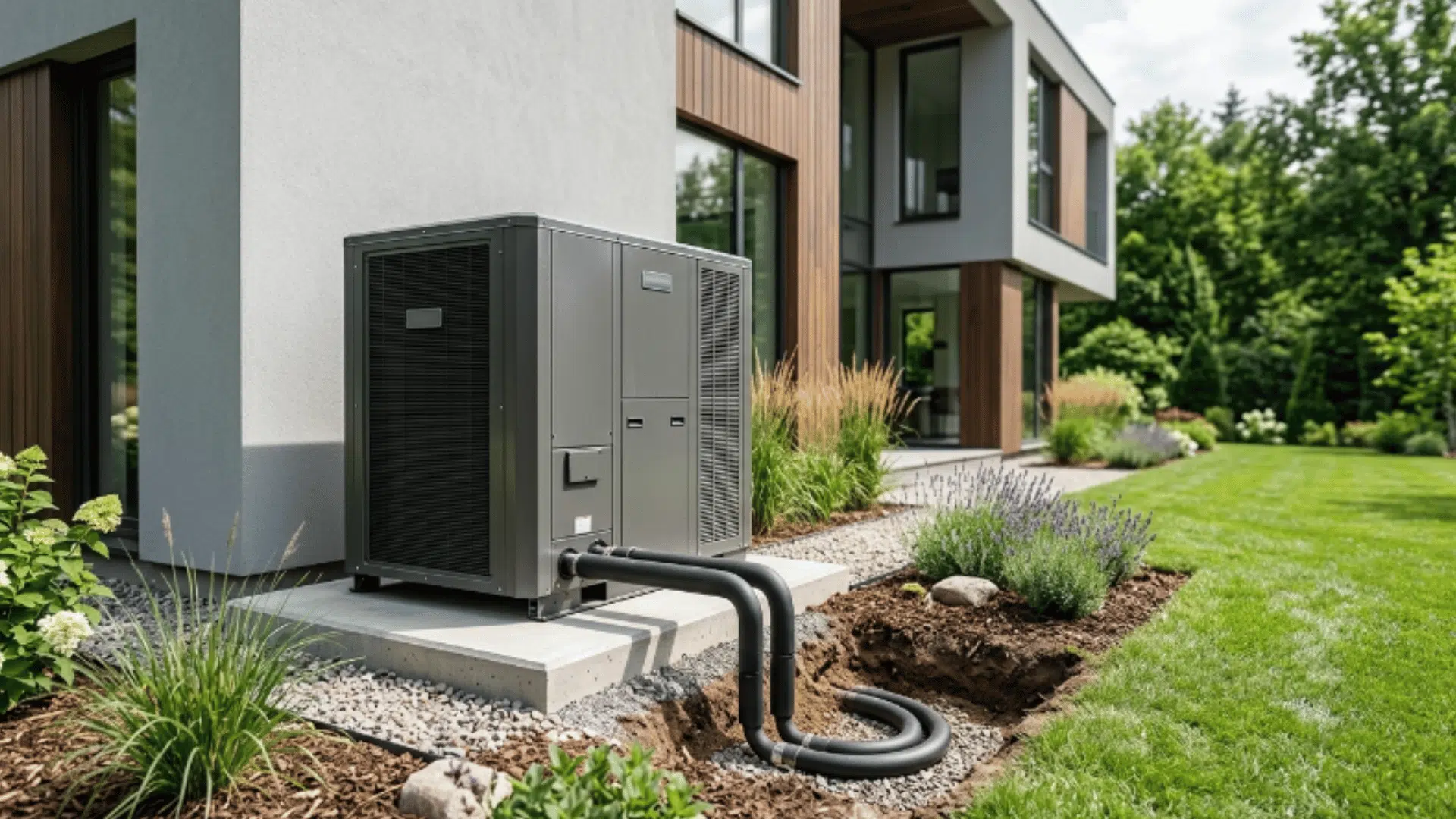
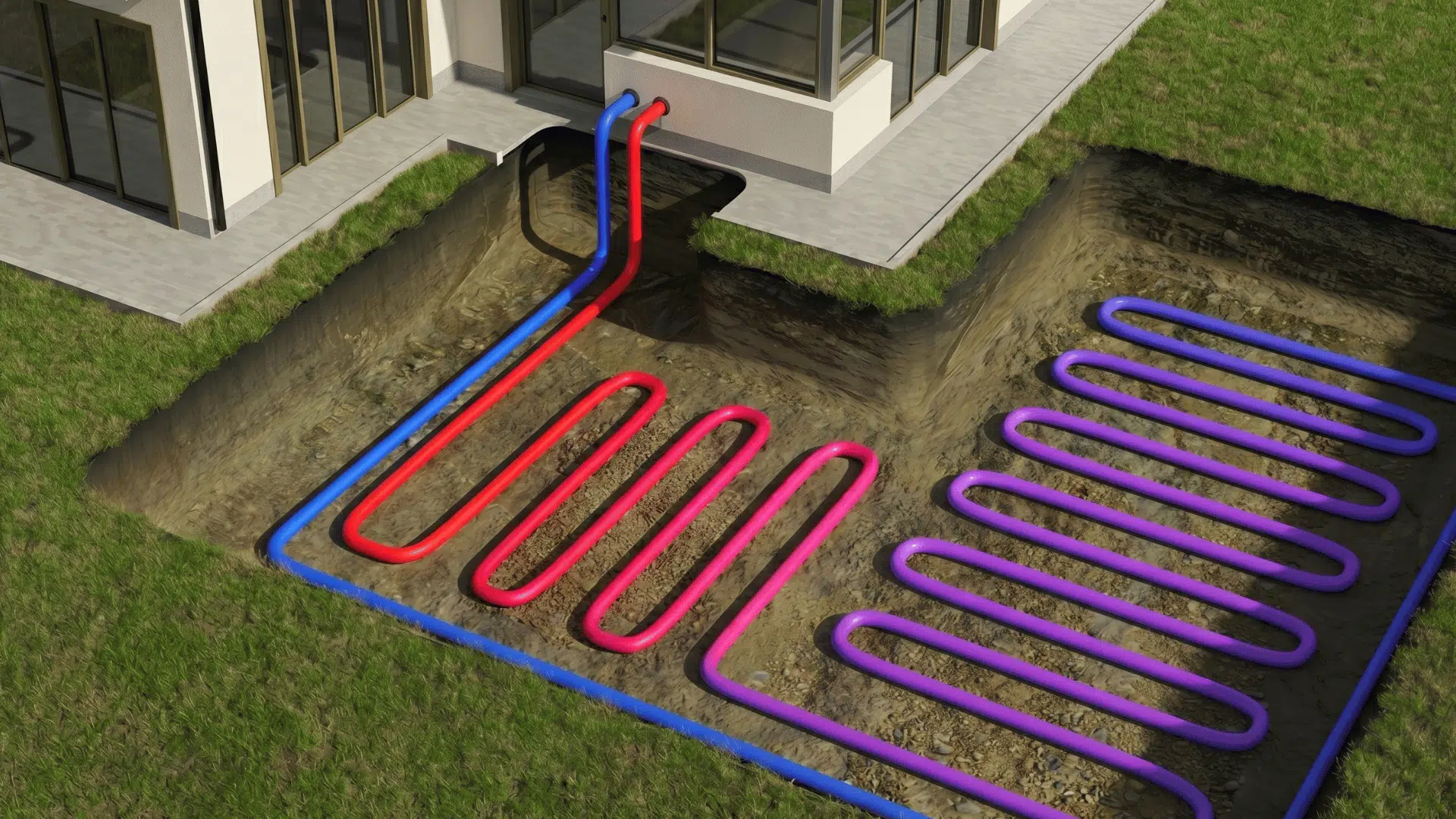
Geothermal heat pumps consistently rank at the top when measured by output per unit of energy consumed.
They achieve a coefficient of performance (COP) between 3 and 5, meaning that every unit of electricity produces 3 to 5 units of usable heating or cooling.
Performance Characteristics:
- Produces 3–5 units of usable energy for every 1 unit of electricity consumed
- Underground temperatures hold steady at 50–55°f regardless of outdoor weather
- Cuts annual energy costs by 30–60% compared to conventional systems
- Indoor components last 25+ years, while ground loops exceed 50 years
- Upfront cost runs $15,000–$35,000 with a payback period of 5–10 years
2. Ductless Mini-Split Systems
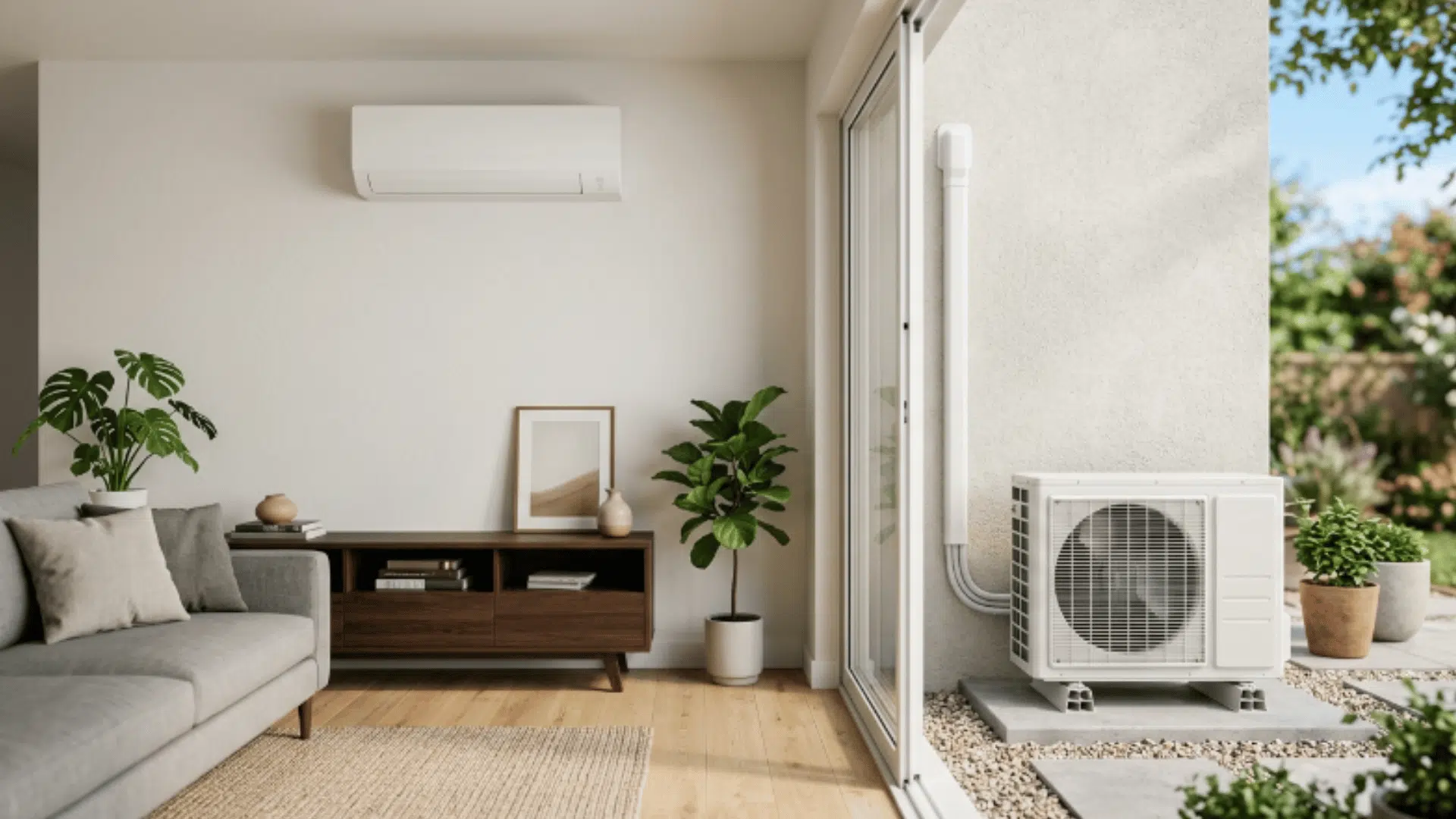
Ductless mini-split systems sit at the top of the zone-controlled efficiency scale, with leading models reaching SEER ratings as high as 28.
By removing ductwork entirely, these systems cut out the 20–30% energy loss that traditional ducted setups produce.
Performance characteristics:
- Each indoor unit runs independently for room-by-room temperature control
- Top models reach cooling efficiency ratings of up to 28 seer2
- Eliminates 20–30% energy waste caused by traditional ductwork
- Variable-speed motors run at lower speeds to maintain output without overconsumption
- Single-zone setups start around $3,000–$5,000, multi-zone runs $8,000–$15,000
3. High-Efficiency Central Air Systems
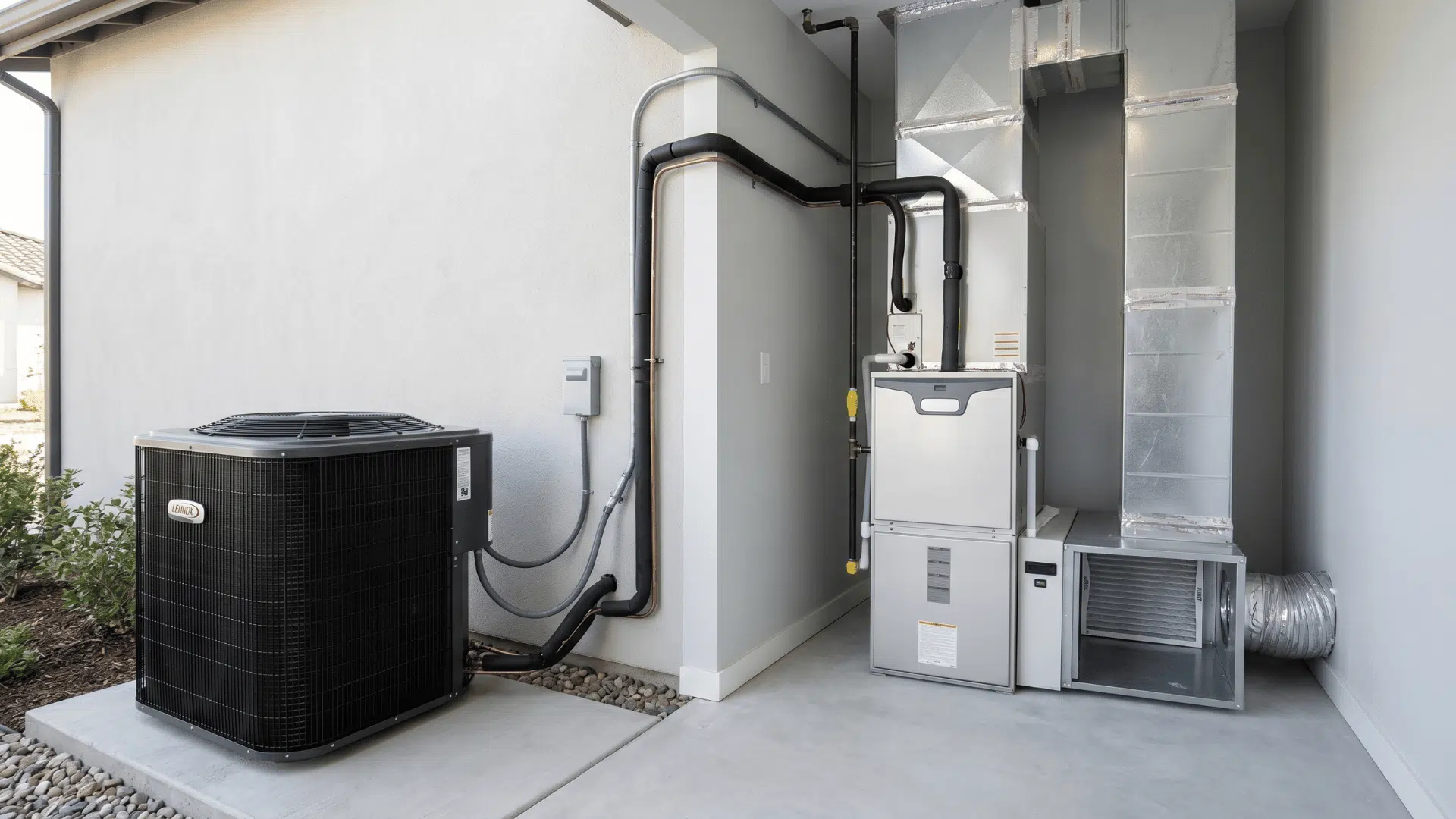
Upgrading to a high-efficiency central air system is one of the most straightforward ways to run an energy-efficient HVAC system in a home that already has ductwork.
Modern air-source heat pumps have significantly improved cold-weather performance, now holding efficiency even when outdoor temperatures drop well below freezing.
Performance characteristics:
- Operates efficiently down to −10°f with select models holding 75% capacity at 5°f
- Heat pump handles mild conditions above 30–40°f, furnace takes over in extreme cold
- Automatic fuel-source switching keeps operating costs consistently low
- High-efficiency models reach between 16 and 22 seer2
- Compatible with smart thermostats to reduce runtime during low-demand periods
4. Geothermal HVAC Systems
Choosing the right energy-efficient HVAC system requires looking beyond efficiency ratings alone.
High-efficiency gas furnaces paired with central air conditioners remain a financially sound option in regions where natural gas prices stay low.
Performance characteristics:
- Modulating furnaces adjust anywhere between 1–100% capacity based on demand
- Two-stage systems switch between high and low output to avoid energy waste
- Variable-speed blowers improve air distribution and humidity management
- Hot climates prioritize high seer2 cooling systems for maximum seasonal savings
- Cold climates benefit most from high HSPF heat pumps or efficient gas furnaces
Simple Ways to Improve HVAC Energy Efficiency
Small changes can improve the performance of an energy-efficient HVAC system and reduce overall energy use.
- Smart Thermostats: Use programmable or smart thermostats to control temperature and reduce unnecessary energy use throughout the day.
- Duct Sealing: Seal air leaks and improve insulation to prevent energy loss and maintain consistent airflow across all rooms.
- Regular Maintenance: Clean or replace filters, and schedule routine servicing to keep the system running efficiently year-round.
- Airflow Optimization: Keep vents open and unobstructed to ensure proper air circulation throughout the home.
- Usage Habits: Adjust temperature settings based on daily routines to avoid overworking the HVAC system during peak hours.
Cost of Energy-Efficient HVAC Systems
Selecting the right energy-efficient HVAC system comes down to balancing what you pay and what you save each year. The table below breaks down upfront costs and operating expenses.
| System Type | Upfront Cost | Annual Operating Cost |
|---|---|---|
| Geothermal Heat Pumps (COP 3–5) | $15,000 – $35,000 | $800 – $1,200 |
| Ductless Mini-Split Systems | $3,000 – $15,000 | $900 – $1,400 |
| High-Efficiency Central Air Systems | $8,000 – $18,000 | $1,200 – $1,800 |
| Geothermal HVAC Systems | $6,000 – $12,000 | $1,400 – $2,200 |
Final Thoughts
The right system does more than cut energy bills; it changes how a building performs year-round.
Every factor covered here, from efficiency ratings to installation quality, plays a direct role in how much value you get over time.
Skipping any one of them adds up to wasted spending. An energy-efficient HVAC system is a long-term asset, not just an equipment upgrade.
The numbers, the ratings, and the system types are all tools to help you spend smarter. Talk to a certified contractor and make a decision based on data, not guesswork.

Tommy Hardy, an alumnus of the Georgia Institute of Technology with a degree in Mechanical Engineering, has been a go-to figure in residential upkeep and innovation for over 18 years. His career commenced in a leading home appliance manufacturing company, where he mastered the intricacies of household systems. Joining our platform in 2020, Tommy quickly became a reader favorite for his practical and easy-to-follow guides. He took the helm of our DIY section in 2019, consistently delivering content that empowers homeowners. Beyond his professional pursuits, Tommy is a passionate gardener and enjoys woodworking, skills enhancing his hands-on approach to home care.