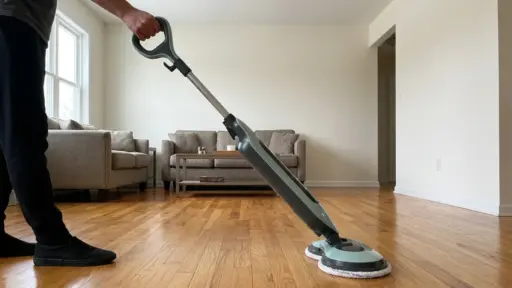
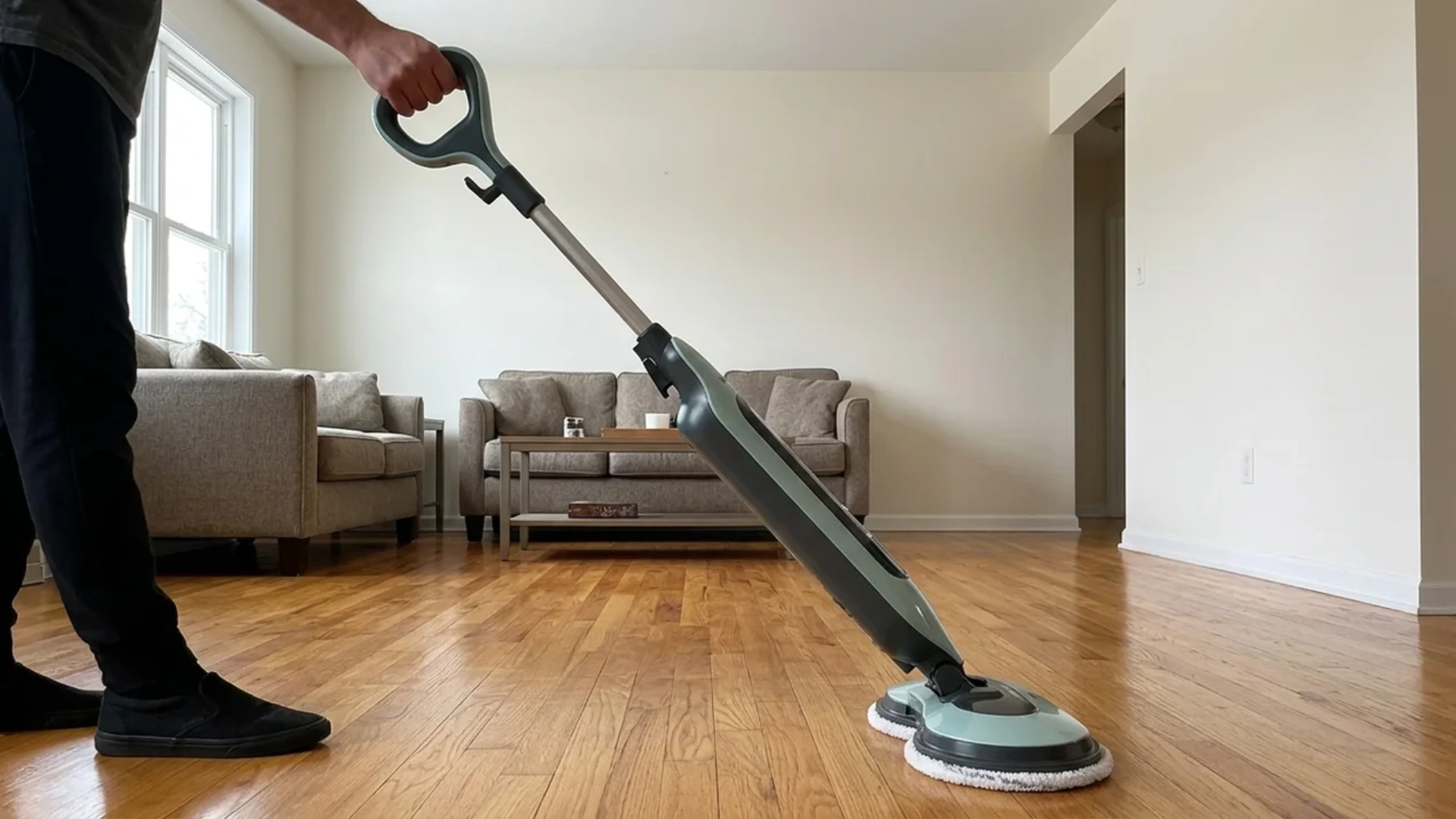

Choosing a steam mop for hardwood floors is trickier than the marketing copy makes it sound.
Search online, and you’ll find flooring experts warning against steam on wood.
While mop brands target hardwood floor owners directly. I ran into this same tug-of-war when shopping for a steam mop for hardwood floors last year, and the conflicting advice nearly talked me out of buying one at all.
Steam mopping hardwood floors can be safe when you match the right mop to the right floor.
Below is exactly when that holds true, plus the models worth considering for sealed hardwood.
Can You Use a Steam Mop on Hardwood Floors?
Sometimes, but proceed with caution. Steam mops release moisture and heat, and hardwood hates both.
Sealed floors with a solid finish typically tolerate quick, gentle passes.
Unsealed or engineered wood, which needs its own cleaning routine, should be skipped entirely.
Water seeps into seams, and warping follows fast. Manufacturers rarely recommend steam cleaning for hardwood because trapped moisture can damage the finish over time, even if it looks fine.
A microfiber mop with a wood-safe cleaner is a safer alternative.
Use the steam mop only on tile or sealed laminate surfaces.
Sealed floors are usually an exception, but even they can lose some protection after repeated steaming.
Warranty risk: Most manufacturers classify steam damage as negligence, not normal wear.
What to Look for in a Steam Mop for Hardwood Floors
Not every steam mop is a safe fit for wood, so a few features matter more here than they do for tile or stone.
Review these before making a purchase:
- Variable steam settings: Low-moisture mode protects hardwood better than a single fixed setting.
- Fast heat-up time: Most reliable models warm up in about 30 seconds.
- Larger tank size: A bigger tank means fewer refills across whole-home cleaning.
- Soft microfiber pads: Gentle pads protect the finish better than stiff scrub pads.
- Lightweight design: Easier control on stairs and around furniture legs.
Consider these features when comparing models, as they greatly affect a steam mop’s safety on sealed hardwood.
Best Steam Mops for Hardwood Floors
All the picks listed are safe for use on sealed hardwood floors but should not be used on raw or unsealed wood.
Here’s a detailed look at what makes each option worth considering:
1. Bissell PowerFresh Deluxe 1806
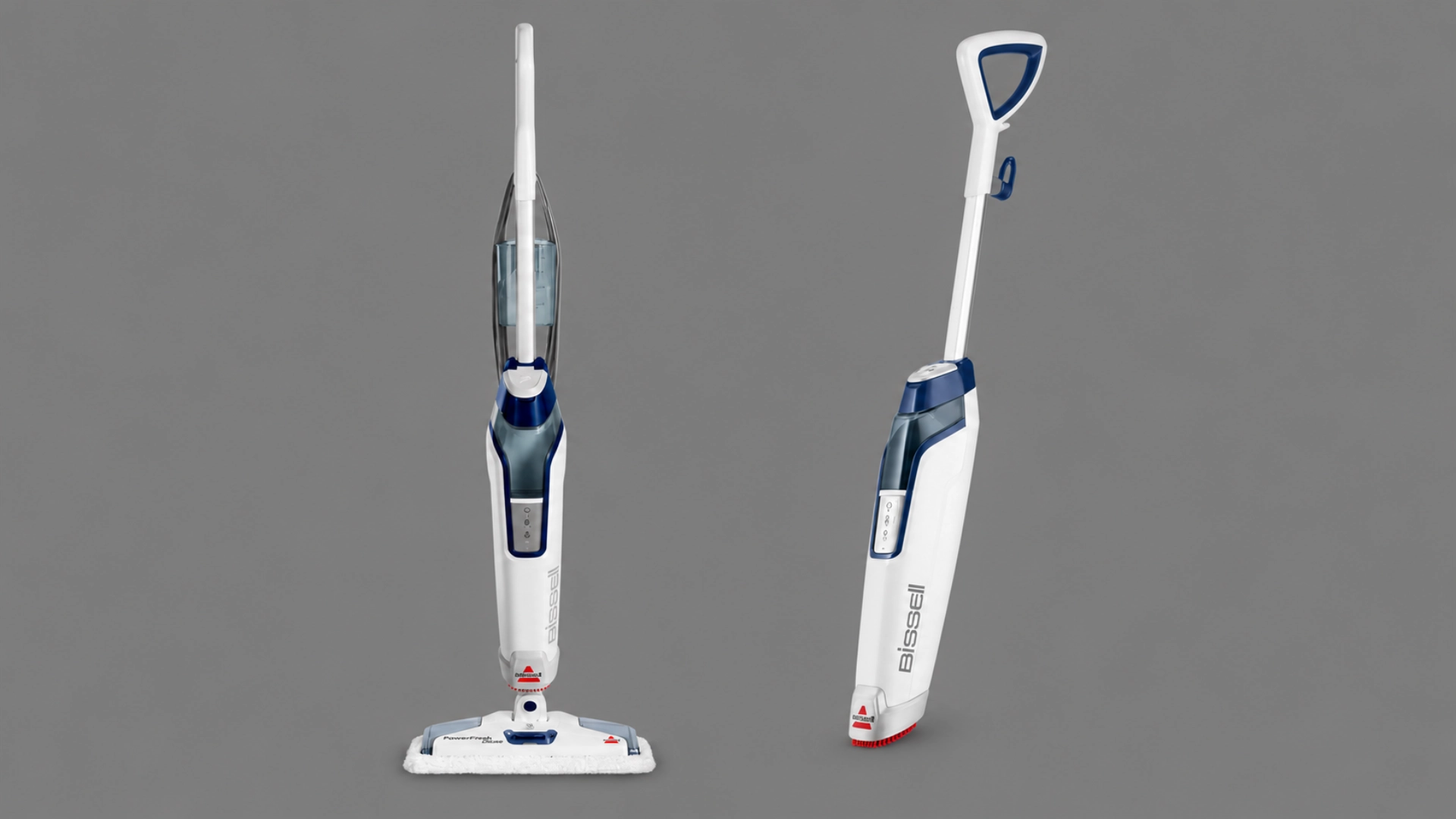
This model earns its spot through a mix of hardwood-friendly steam control and everyday convenience:
- Steam control: Adjustable high and low settings let you dial down moisture for sealed hardwood.
- Heat-up time: Ready to use in about 30 seconds.
- Cord length: 25 feet, enough to cover most rooms without switching outlets.
- Best for: Homeowners who want one mop that handles both hardwood and tile confidently.
This Bissell model is perfect for those needing a reliable daily cleaner without managing multiple tools.
2. Kärcher SC 3 Upright EasyFix
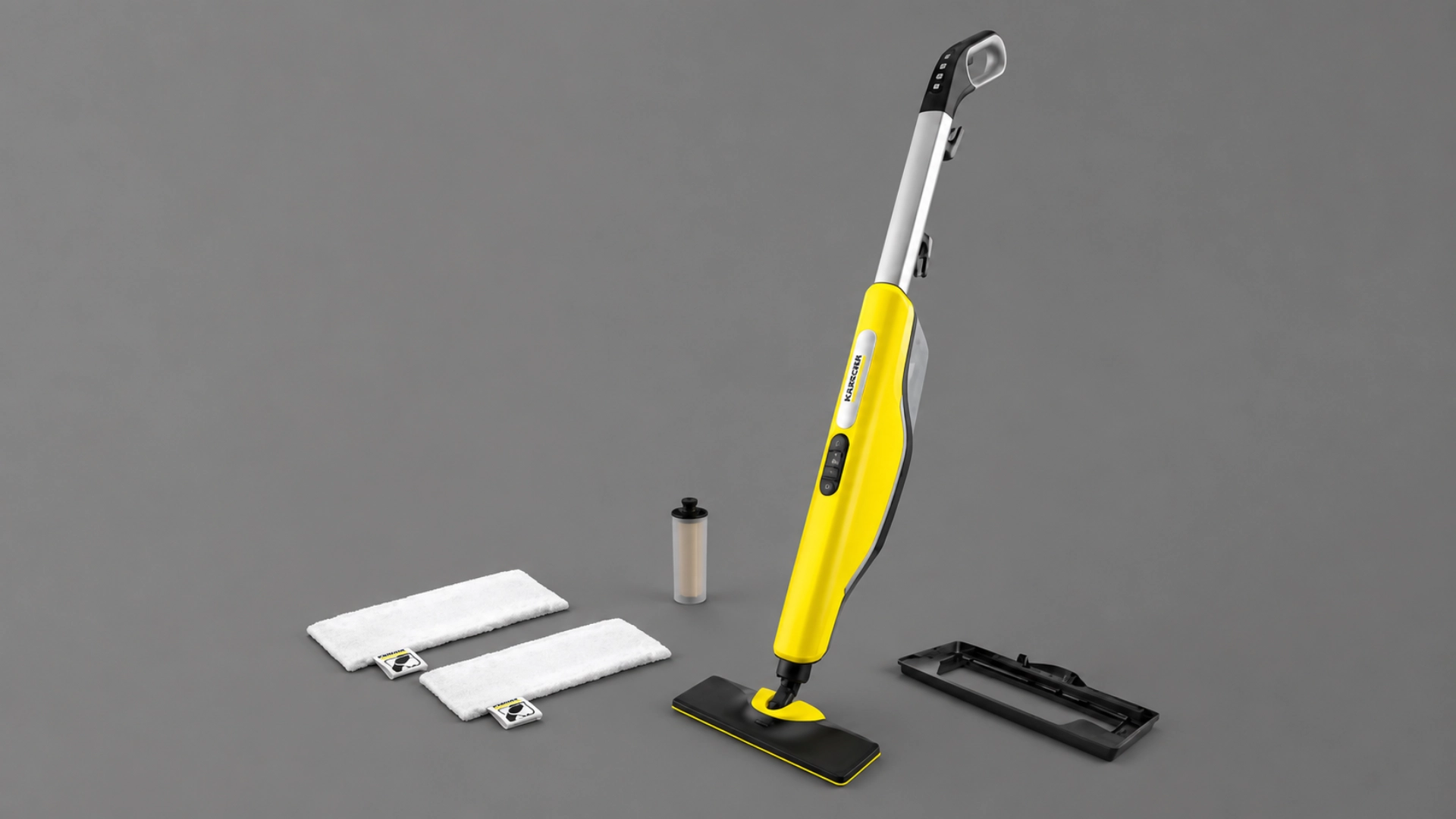
Kärcher is recognized for its outstanding steam performance.
This model maintains that tradition through robust performance and thoughtful design.
- Steam control: Three-step steam flow control for adjusting moisture by floor type.
- Heat-up time: Ready in about 30 seconds.
- Descaling cartridge: Allows use of regular tap water instead of distilled.
- Best for: Households that want lab-tested cleaning performance on sealed hardwood.
Its steady steam output and easy cloth-swapping system make it a strong pick for anyone who mops often.
3. Bissell PowerFresh Slim 2075A
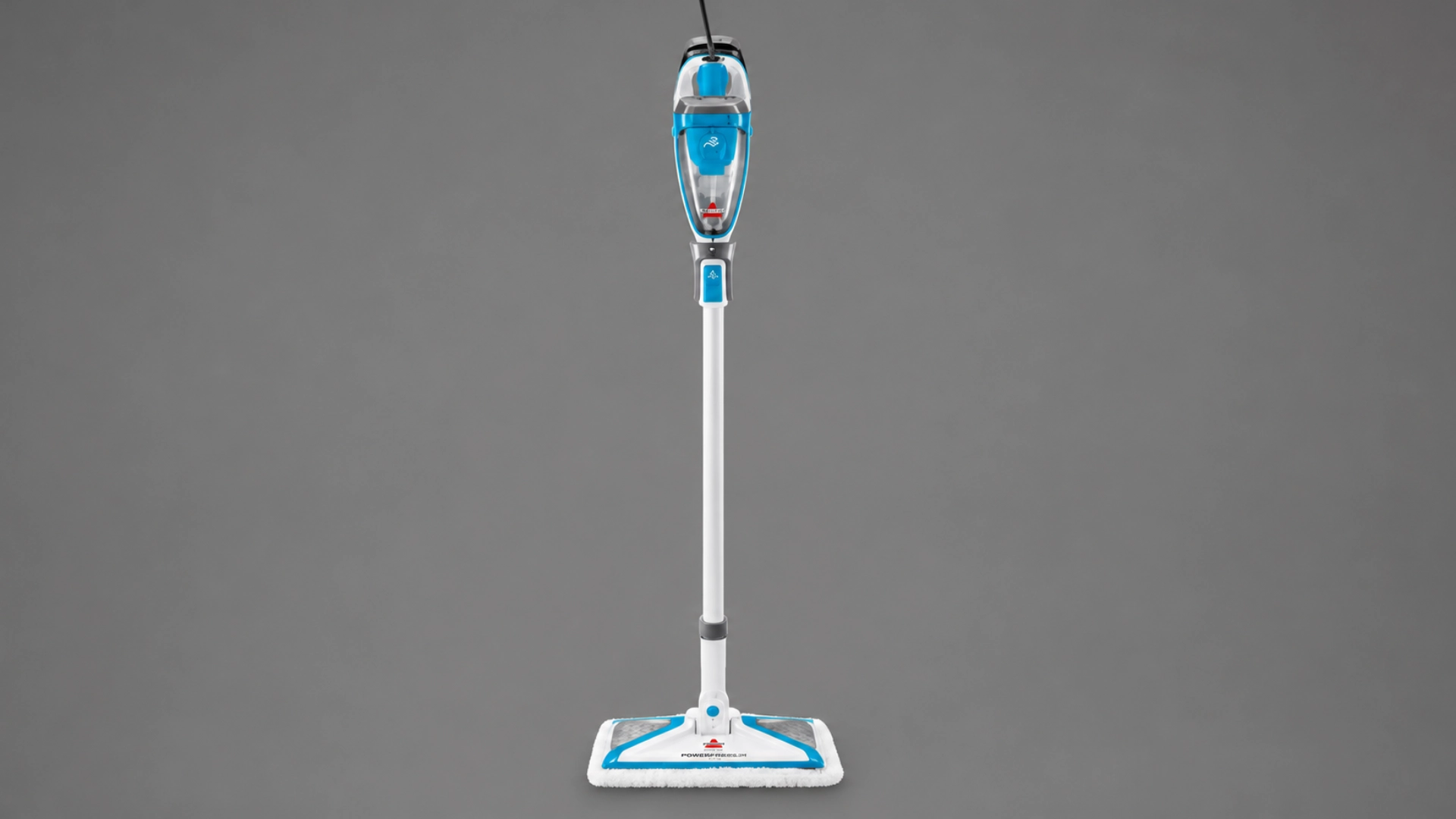
This small model is designed with care for hardwood owners who want to keep moisture output low.
- Steam control: Low steam setting produces minimal moisture, ideal for sensitive finishes.
- Design: 3-in-1 build with a detachable handheld steamer for extra surfaces.
- Weight: Slim and easy to maneuver around furniture legs.
- Best for: Owners of older or more delicate sealed hardwood floors.
This is the safest option on the list for anyone nervous about steam touching their wood floors at all.
4. Shark Steam & Scrub S7001
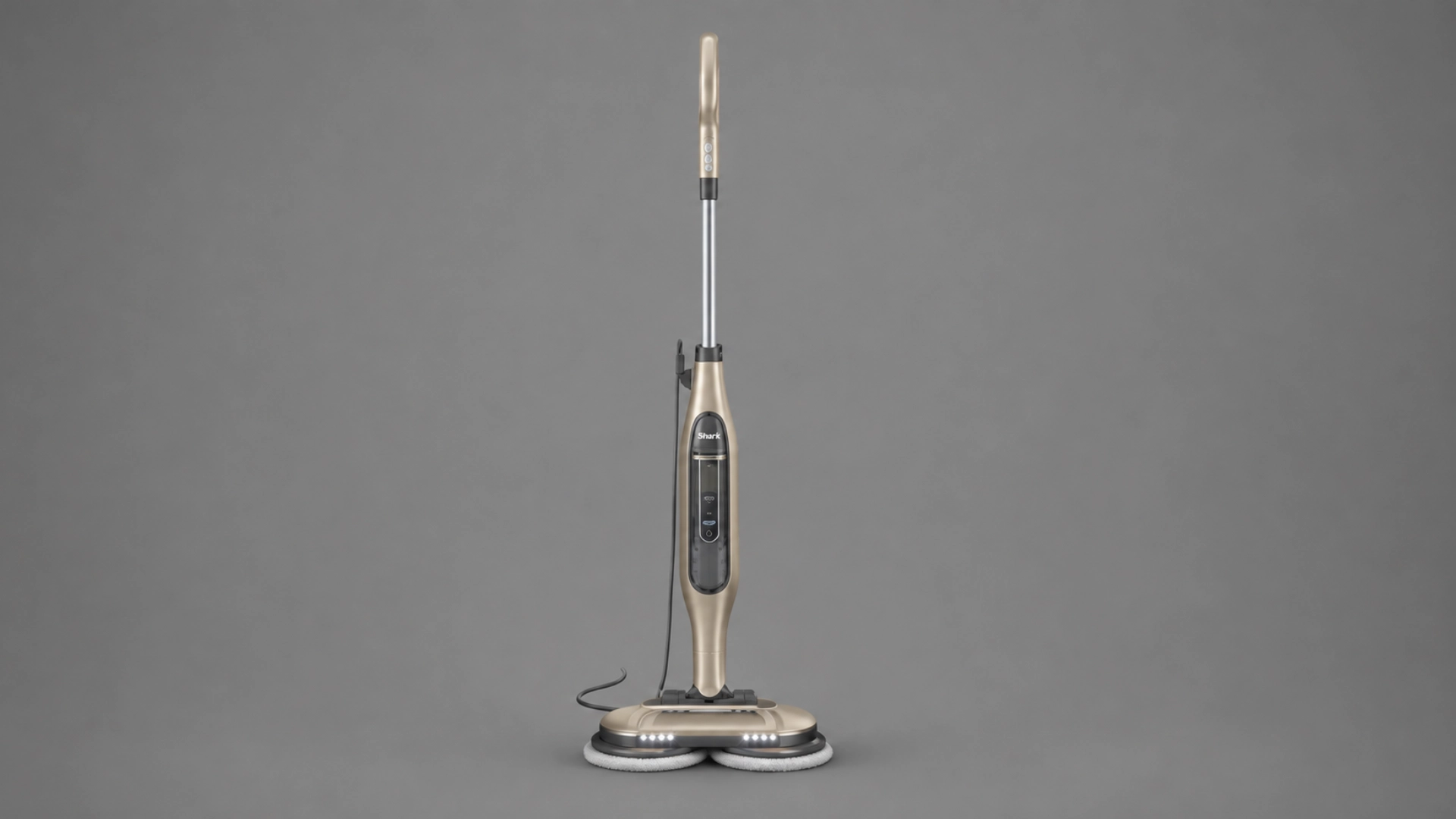
Shark pairs steam with rotating scrub pads, giving this model extra cleaning power on tougher messes:
- Steam control: Three steam modes, from light cleanups to deep stain removal.
- Scrubbing pads: Rotate at over 150 scrubs per minute for hands-free scrubbing.
- Cord length: 22 feet with swivel steering for tight spaces.
- Best for: Kitchens and entryways with sticky or stubborn spills on sealed hardwood.
The rotating pads do most of the work, which makes this a good pick for anyone who wants less manual scrubbing.
5. Shark Steam & Scrub S8001
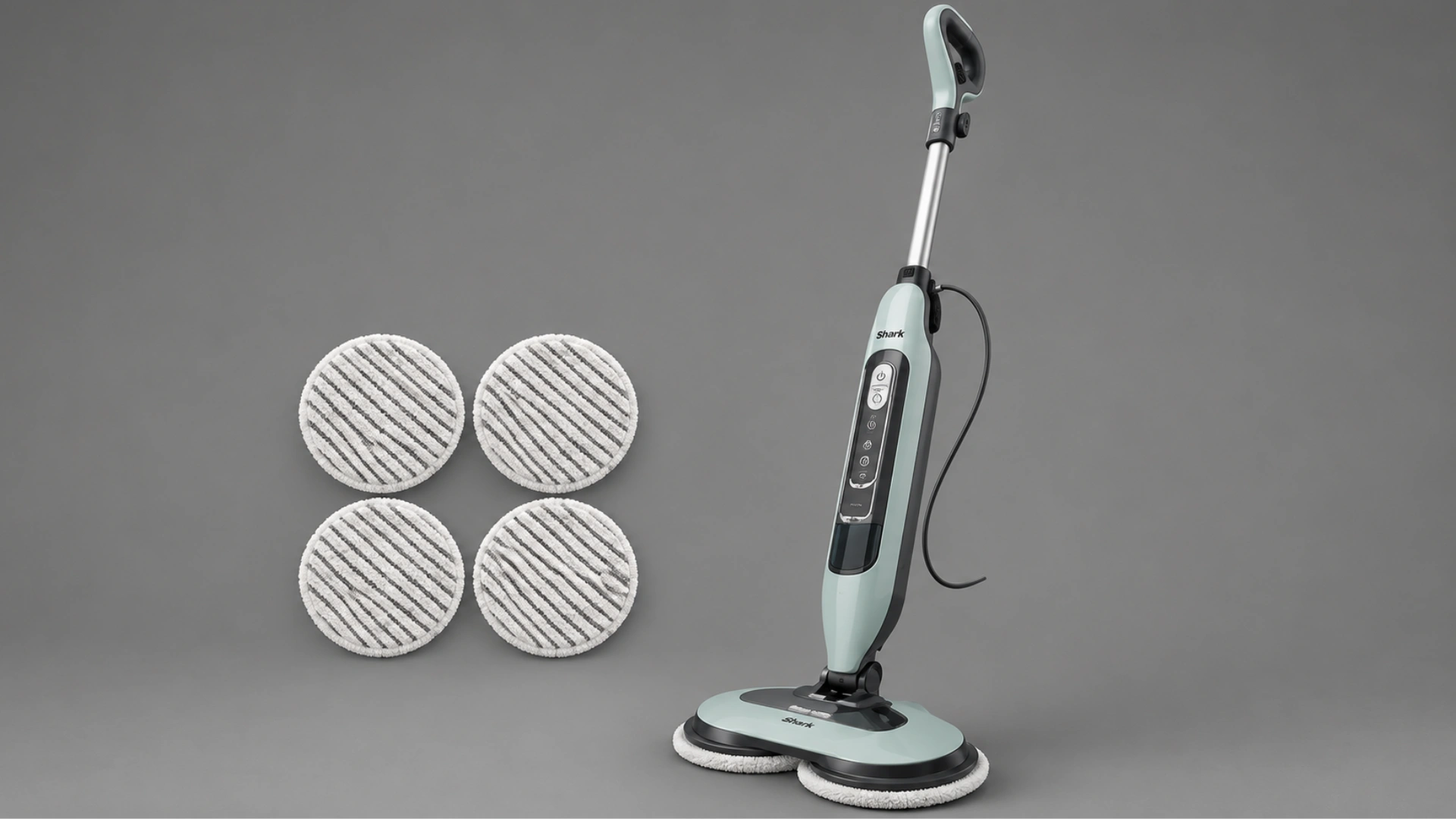
This upgraded Shark model adds tank capacity and lighting, two features that matter most in larger homes:
- Tank size: XL removable water tank for longer cleaning sessions.
- Visibility: Built-in LED headlights highlight dirt in dim rooms.
- Steam control: Adjustable modes for hardwood, tile, and stone.
- Best for: Whole-home cleaning without frequent tank refills.
I’m not exactly sure about the precise tank capacity difference between the S7001 and S8001, so it’s advisable to verify the current specifications before purchasing.
However, the larger tank alone justifies the upgrade for anyone who needs to mop more than a small area.
6. Tineco Floor One S 5 Steam
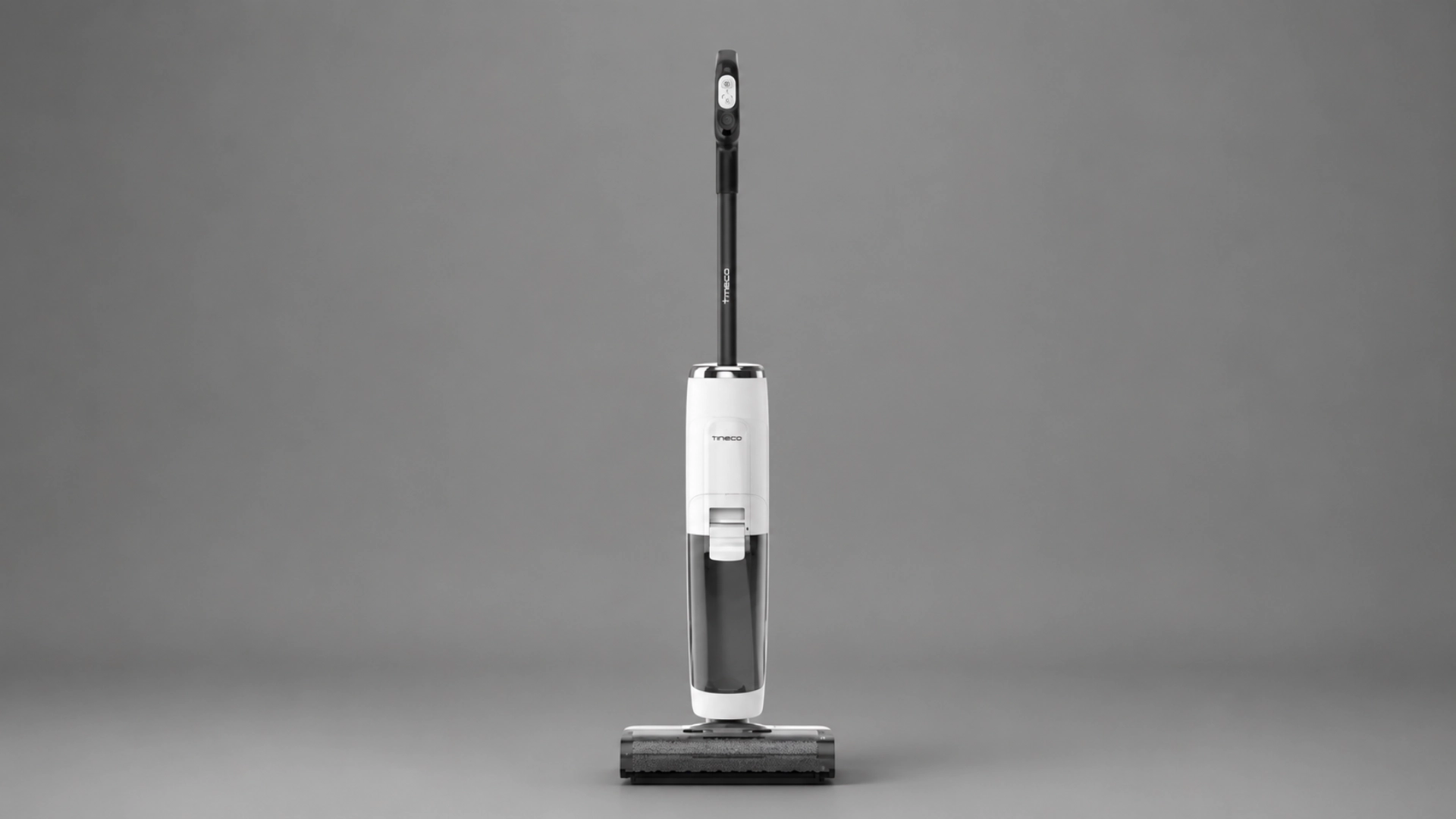
This hybrid model combines steam mopping with wet-dry vacuuming, cutting two chores down to one:
- Smart sensors: Automatically adjusts suction and water flow based on mess type.
- Dual-tank system: Keeps clean and dirty water separate for a more sanitary mop.
- Self-cleaning: Steam-cleans its own brush roller after each use.
- Best for: Anyone who wants to vacuum and steam mop hardwood in one step.
It costs more than a standard steam mop, but it replaces two cleaning tools with one.
7. Dupray Neat Steam Cleaner
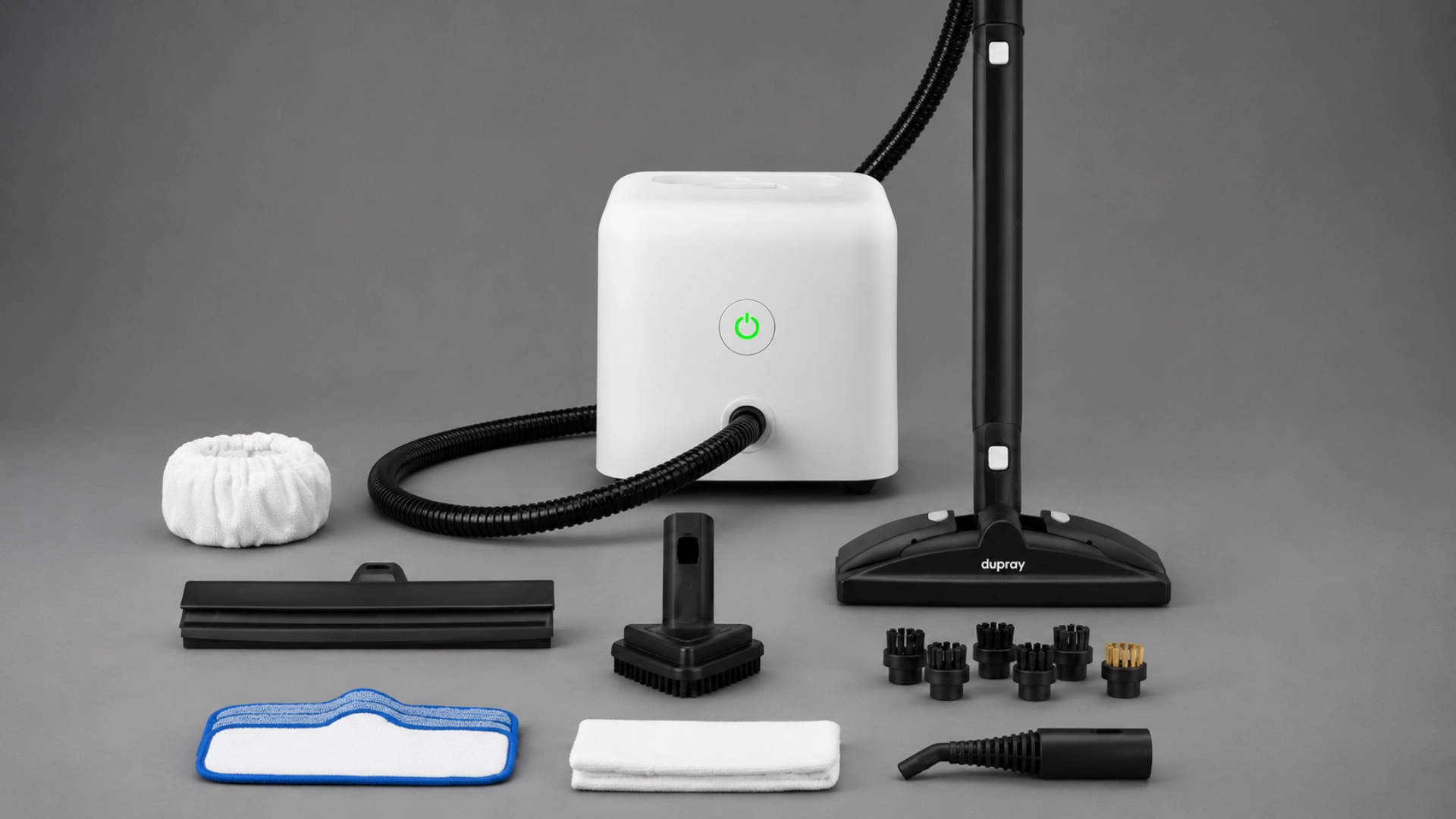
Dupray built this as a multipurpose steamer rather than a dedicated floor mop, and the versatility shows:
- NSF certification: Documented to eliminate common bacteria and mold spores on contact.
- Accessory kit: Comes with tools for floors, upholstery, and grout.
- Runtime: Large tank supports up to 50 minutes of continuous steam.
- Best for: Households that want one steamer for hardwood floors and beyond.
One flag before you buy: Dupray issued a recall on certain Neat Steam Cleaner units over a boiler burn hazard.
Verify the model number and batch code match the CPSC recall notice before buying or using an older unit.
Beyond that, the tool range and long runtime make this a smart pick for anyone cleaning more than just floors.
8. McCulloch MC1385 Deluxe
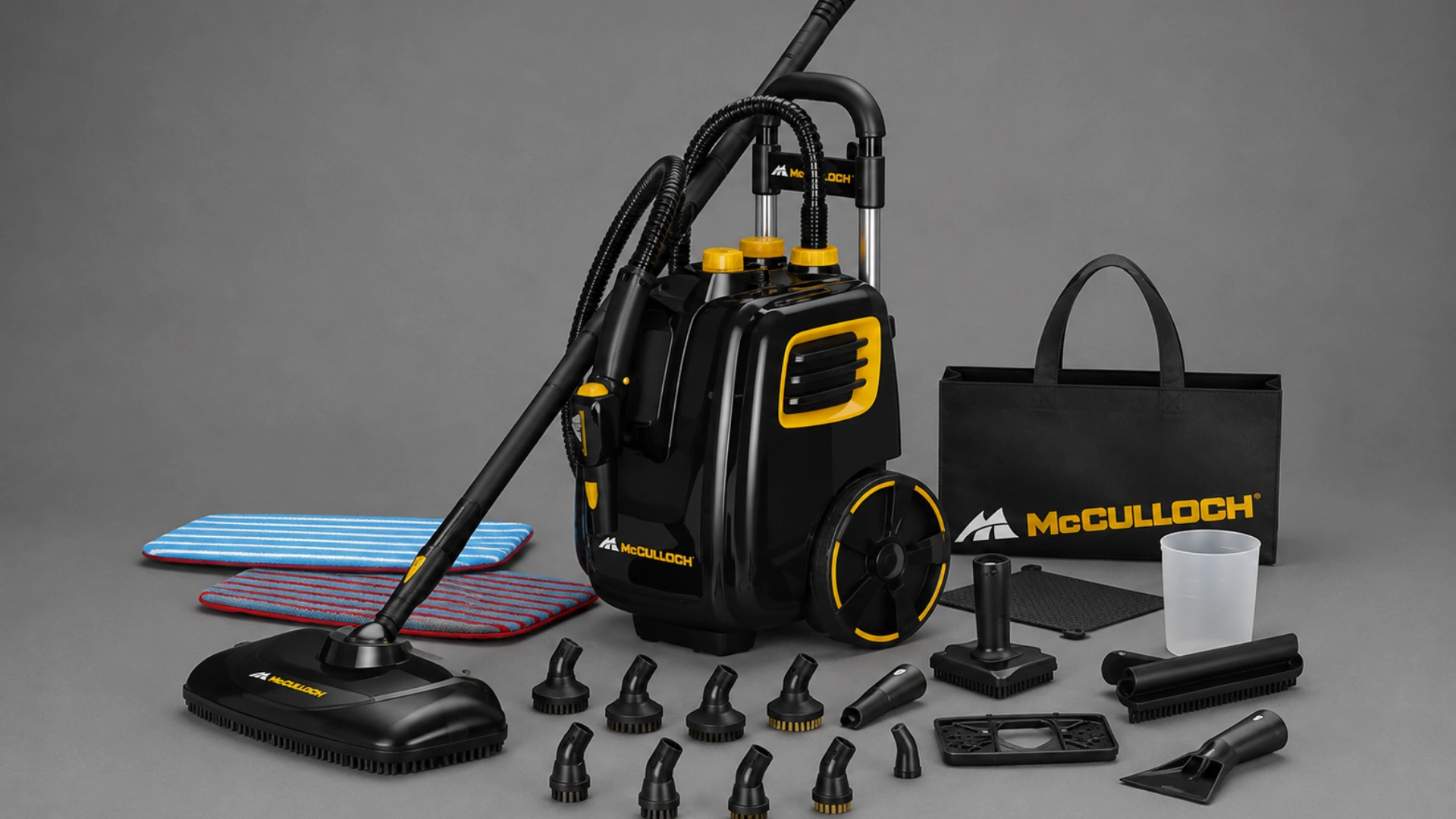
This canister-style steam cleaner trades a stick-mop design for more power and reach:
- Steam pressure: Delivers stronger, pressurized steam than most stick mops.
- Accessories: 23 tools included for floors, grout, and upholstery.
- Runtime: Up to 2 hours per tank fill.
- Best for: Larger homes or anyone who wants one tool for floors and beyond.
It’s bulkier than a standard steam mop, but the added power and runtime make up for it.
9. Hoover Steam Complete Pet
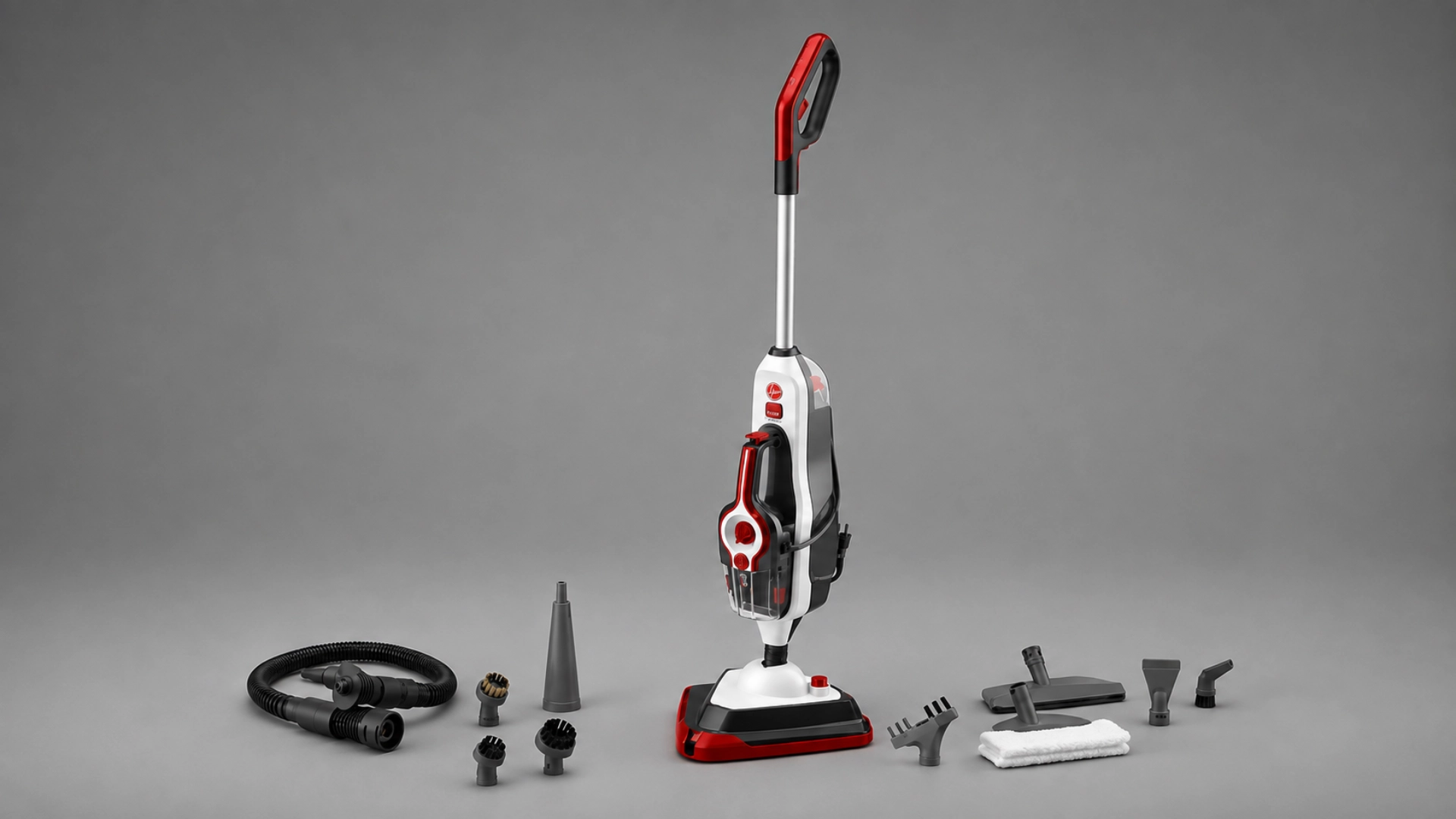
Hoover designed this model with pet messes and odors specifically in mind:
- Odor control: SteamStream technology targets pet stains and smells.
- Versatility: 10-in-1 design with a detachable handheld steamer.
- Tank system: Two separate water tanks for extended cleaning.
- Best for: Pet owners managing accidents and odors on sealed hardwood.
The odor-focused design makes it stand out for households where pets spend a lot of time on the floor.
10. PurSteam 10-in-1
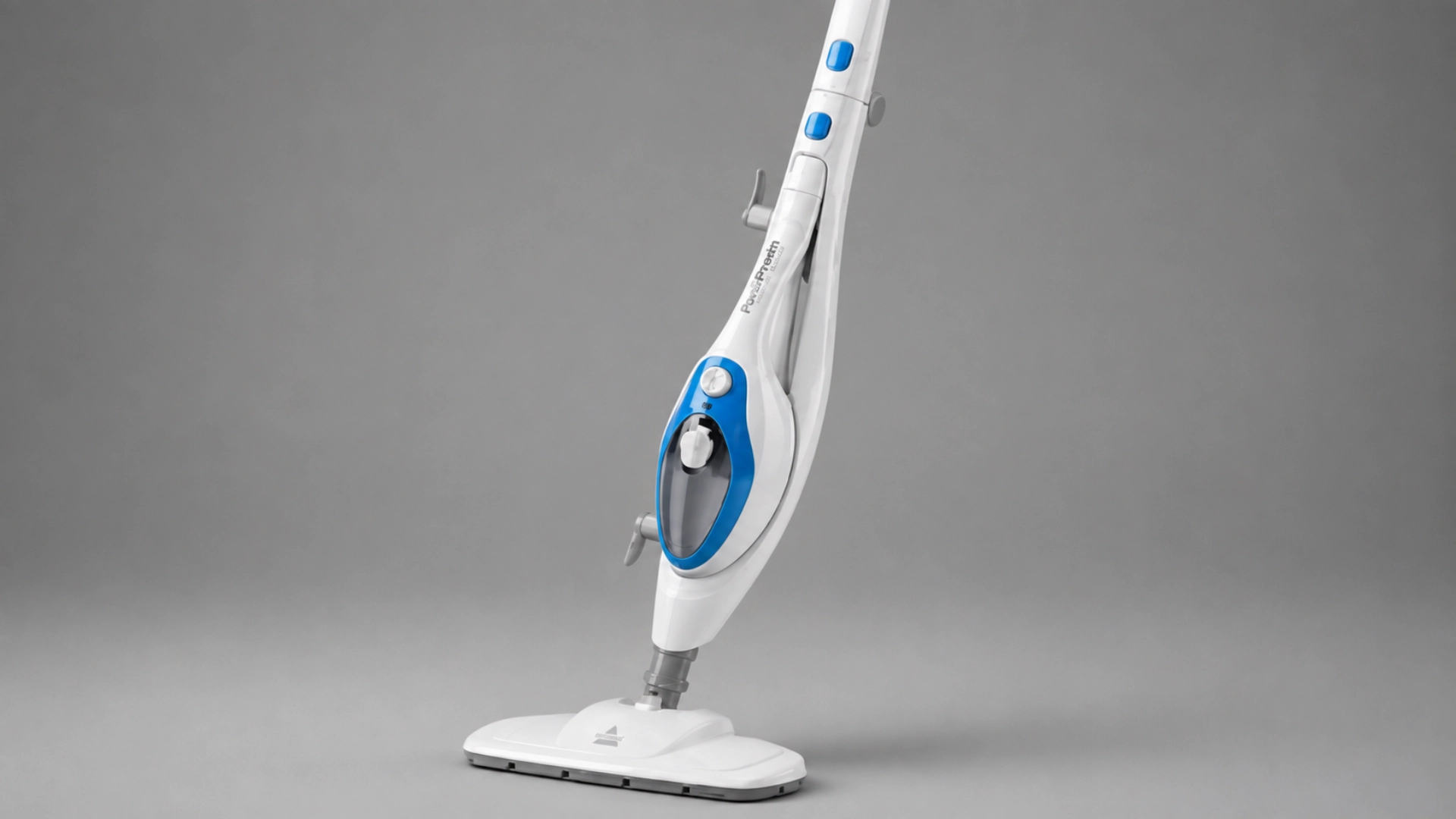
This budget-friendly option still covers the basics well for everyday hardwood cleaning:
- Heat-up time: Ready to steam in about 30 seconds.
- Accessories: Includes a handheld steamer, carpet glider, and grout brush.
- Weight: Lightweight design that’s easy to store.
- Best for: First-time steam mop buyers who want value without sacrificing basics.
It won’t outperform the premium picks on this list, but it covers hardwood cleaning needs at a lower price point.
11. Light ‘N’ Easy S3101
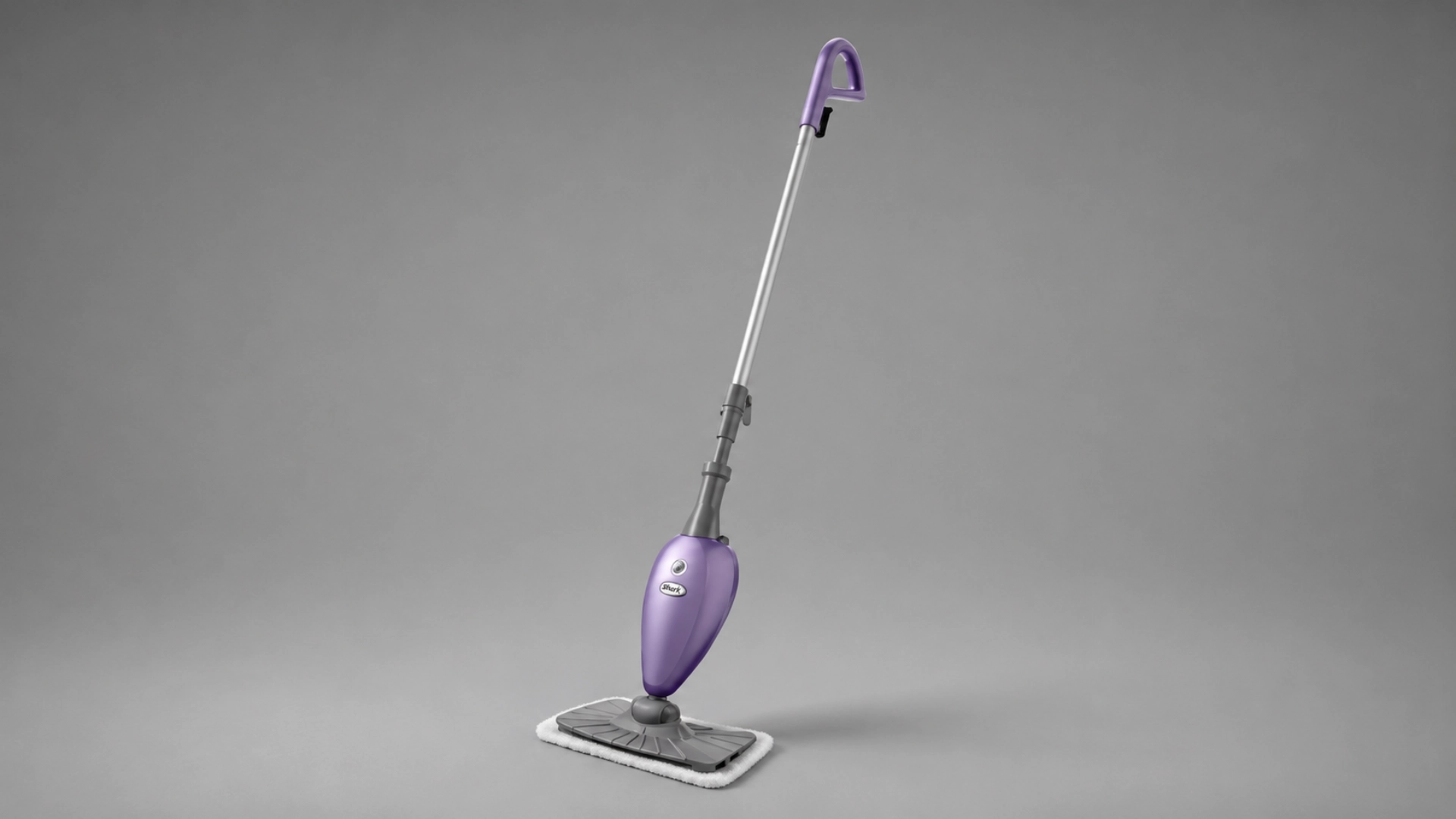
This model prioritizes weight and simplicity over extra features, making it the most grab-and-go option here:
- Weight: Around 3.5 pounds, one of the lightest options available.
- Heat-up time: Steams in about 20 seconds.
- Swivel head: 360-degree steering for tight corners and under furniture.
- Best for: Small spaces, apartments, or anyone who wants a no-frills mop.
Its lightweight, quick setup makes it an easy grab-and-go option for smaller hardwood areas.
Matching Your Steam Mop to Your Floor Type
Steam mops’ effectiveness varies by surface, so choosing the right mop for your floor is crucial.
| Floor Type | Steam Setting | Key Consideration |
|---|---|---|
| Sealed hardwood | Low | Soft microfiber pads only |
| Tile and stone | High | Scrubbing pads work well |
| Laminate | Lowest | Manufacturer-approved models only |
| Vinyl/LVP | Low to medium | Confirm sealed seams first |
| Hardwood + tile homes | Adjust per room | Needs 2+ steam levels |
Getting this match right protects your floors and improves cleaning results at the same time.
How to Choose the Best Steam Mop for Your Hardwood Floor
Begin with the finish of your floor. A well-sealed surface tolerates steam better than a worn one.
Whether that finish is a matte or satin topcoat also affects how much moisture the surface can shrug off.
Check the mop’s steam output rating; lower is safer for wood.
Look at pad material next. Soft, absorbent heads pull moisture back up instead of leaving it behind. Weight matters too. A heavier unit pushes more water into seams with each pass.
Read the warranty fine print, since some brands void it if you use steam on wood.
Price shouldn’t drive the decision here. A cheap mop that soaks your floor costs more in refinishing later.
How to Use a Steam Mop on Hardwood Floors Safely
Even on sealed floors, your technique is just as important as the mop you select.
Following these steps lowers the risk of moisture damage:
- Use the lowest steam setting available to limit moisture exposure on the finish.
- Keep the mop moving at all times; never let it sit in one spot.
- Fill the tank with distilled water to reduce mineral buildup and moisture output.
- Dry the floor immediately after mopping with a clean microfiber cloth.
- Skip vinegar or any cleaning additive in the tank, since it can damage the finish and the mop’s heating element.
Sticking to these steps won’t eliminate all risk, but it keeps steam mopping as safe as possible for sealed hardwood.
When You Should Not Use a Steam Mop on Hardwood
Skip the steam mop if your floor has visible cracks or gaps between boards.
Moisture finds its way straight into those openings.
Waxed floors are another no-go; steam breaks down wax coatings and leaves a cloudy residue.
Living in a humid climate? That’s one more strike against steam cleaning wood. Extra moisture in the air plus a wet mop is a bad combination. Renting your place? Avoid it too, since you can’t verify how the floor was finished.
Older homes with original hardwood have thinner, fragile finishes that steam wears down faster than newer ones.
If your home mixes wood-look materials, it helps to know that bamboo flooring needs its own gentler cleaning approach rather than the rules for solid hardwood.
Steam Mop vs. Traditional Hardwood Floor Cleaning
Here’s a side-by-side comparison of the two methods.
| Factor | Steam Mop | Traditional Cleaning |
|---|---|---|
| Drying time | Slower, needs manual follow-up | Faster with a damp cloth |
| Cost over time | Higher, needs distilled water | Lower, just cleaner and cloth |
| Learning curve | Steeper, settings to manage | Minimal, straightforward technique |
| Streak risk | Higher on glossy finishes | Lower with proper wringing |
| Best for | Occasional deep refresh | Daily or weekly upkeep |
| Floor compatibility | Limited to sealed finishes | Works on most wood types |
Common Steam Mop Mistakes That Can Damage Hardwood
Even a wood-safe steam mop can wreck your floor if you make these mistakes.
- Leaving the mop in one spot for too long.
- Using tap water instead of distilled water, which can leave mineral deposits.
- Omitting the “dry test” step prior to the full cleaning process.
- Running the steam at maximum to clean more quickly.
- Mopping immediately after a spill rather than drying it first.
- Overlooking the pad’s state after it becomes soaked.
- Concluding a session without entirely drying the floor.
How to Test a Steam Mop Before Cleaning the Whole Floor
Start by choosing a hidden corner, such as inside a closet, and mop that area once.
Wait ten minutes before inspecting for warping, discoloration, or a cloudy film. See nothing off? Move to a slightly larger test area near a doorway. Give it another few minutes before deciding.
Rushing this step can cause issues, as boards react differently based on age and finish thickness.
One test area isn’t enough to ensure the entire room will behave the same.
Testing adds five minutes but prevents costly refinishing later.
How to Maintain a Steam Mop for Better Cleaning
Empty the water tank after each use instead of leaving it filled.
Standing water breeds mold in the reservoir over time. Wash pads separately from laundry, as fabric softener reduces absorbency. Descale the tank every few weeks in hard water areas.
Check the steam nozzle for clogs before each session.
A blocked nozzle causes uneven spraying and over-soaking. Store the mop upright with an empty tank.
Leaving water inside between uses shortens the machine’s lifespan and invites rust around metal components.
Frequently Asked Questions (FAQ’s)
1. How Often Should I Steam Mop Hardwood Floors?
Once every one to two weeks works for most homes. High-traffic areas may need more.
2. Do I Need Distilled Water for a Steam Mop?
Yes, it’s recommended. Tap water can cause mineral buildup over time.
3. How Long Does It Take Floors to Dry After Steam Mopping?
Just a few minutes on a low steam setting, especially with a quick towel dry.
4. What’s the Difference Between a Steam Mop and a Steam Cleaner?
A steam mop is built for floors. A steam cleaner handles floors plus grout, upholstery, and more.
Final Verdict
After researching, the best steam mop for hardwood floors depends on your specific floor.
If your hardwood is sealed and undamaged, a mop with low steam and soft microfiber pads can safely clean.
If you’re unsure about your floor’s finish, run the water-drop test before you steam mop at all. My top picks are the Bissell PowerFresh Deluxe for everyday use and the Bissell PowerFresh Slim for extra-sensitive floors.
Have a hardwood floor you’re steam mopping right now? Drop a comment and tell me which mop you’re using.

Tommy Hardy, an alumnus of the Georgia Institute of Technology with a degree in Mechanical Engineering, has been a go-to figure in residential upkeep and innovation for over 18 years. His career commenced in a leading home appliance manufacturing company, where he mastered the intricacies of household systems. Joining our platform in 2020, Tommy quickly became a reader favorite for his practical and easy-to-follow guides. He took the helm of our DIY section in 2019, consistently delivering content that empowers homeowners. Beyond his professional pursuits, Tommy is a passionate gardener and enjoys woodworking, skills enhancing his hands-on approach to home care.