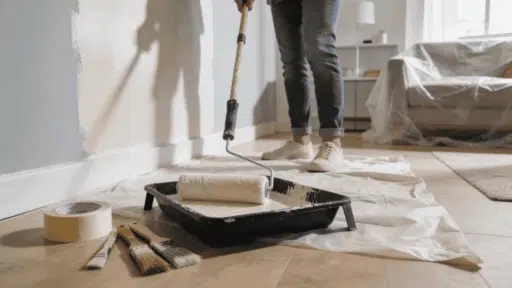
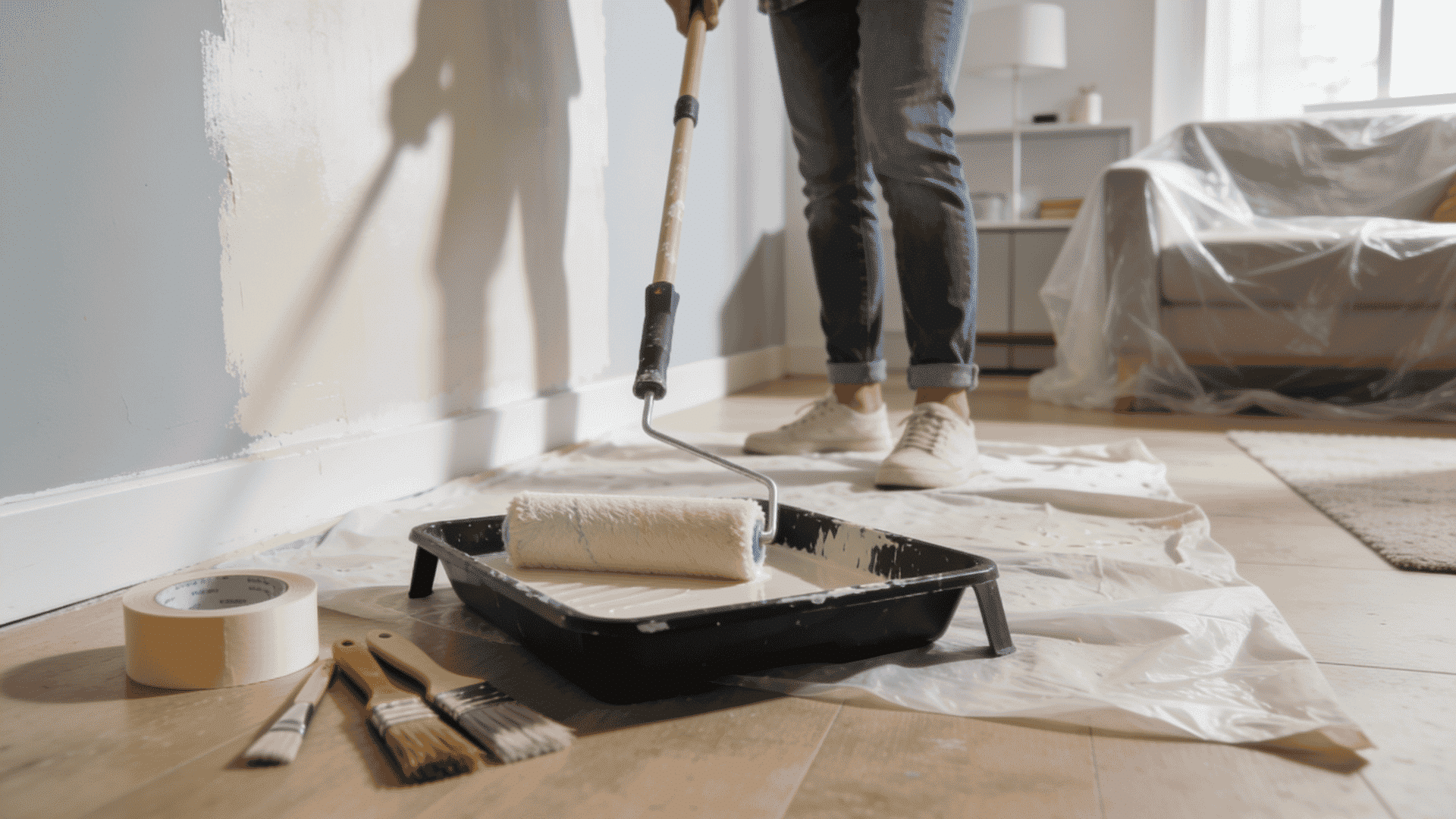

Most paint projects take one to three days from start to finish.
A simple bedroom can often be finished in a day, while larger rooms or walls that need repairs may take longer.
The painting itself usually isn’t what takes the most time. Preparing the room, repairing the walls, waiting between coats, and cleaning up all add to the overall timeline.
Even changing from a dark color to a lighter one can mean extra coats and more drying time.
In this blog, you’ll find realistic timelines for different room sizes, a step-by-step breakdown of the painting process, the key factors that affect the schedule, common mistakes that cause delays, and simple ways to finish the job more efficiently.
How Long Each Type of Room Takes to Paint
The time needed to paint a room depends on the size of the space, the wall condition, and how much detail work is involved.
This table gives a simple idea of what most DIY painters can expect.
| Room Type | Estimated Time | What Affects the Timeline |
|---|---|---|
| Small Room: bedroom, study, or home office | 1 to 1.5 days | Clean walls and a similar color change can often be finished within a day, with the second coat completed the next morning if needed. |
| Average Room: bedroom, or living room | 1.5 to 2 days | Extra furniture, trim, and wall preparation usually mean the project stretches into a second day. |
| Large Room or High Ceilings | 2 to 3 days | More wall space, ladder work, and additional coats for major color changes naturally increase the timeline. |
| Detailed Room: walls, trim, or woodwork | Add half to 1 day | Careful cutting in and brushwork around doors, windows, and baseboards take longer than rolling the walls. |
Pro Tip: Complete all wall repairs the day before you paint. Starting with smooth, dry walls makes the entire project faster and less stressful.
Step-by-Step Timeline to Paint a Room
Painting a room consists of several smaller tasks, and each one adds to the overall timeline. Here’s how the process usually breaks down.
Step 1: Planning and Buying Supplies
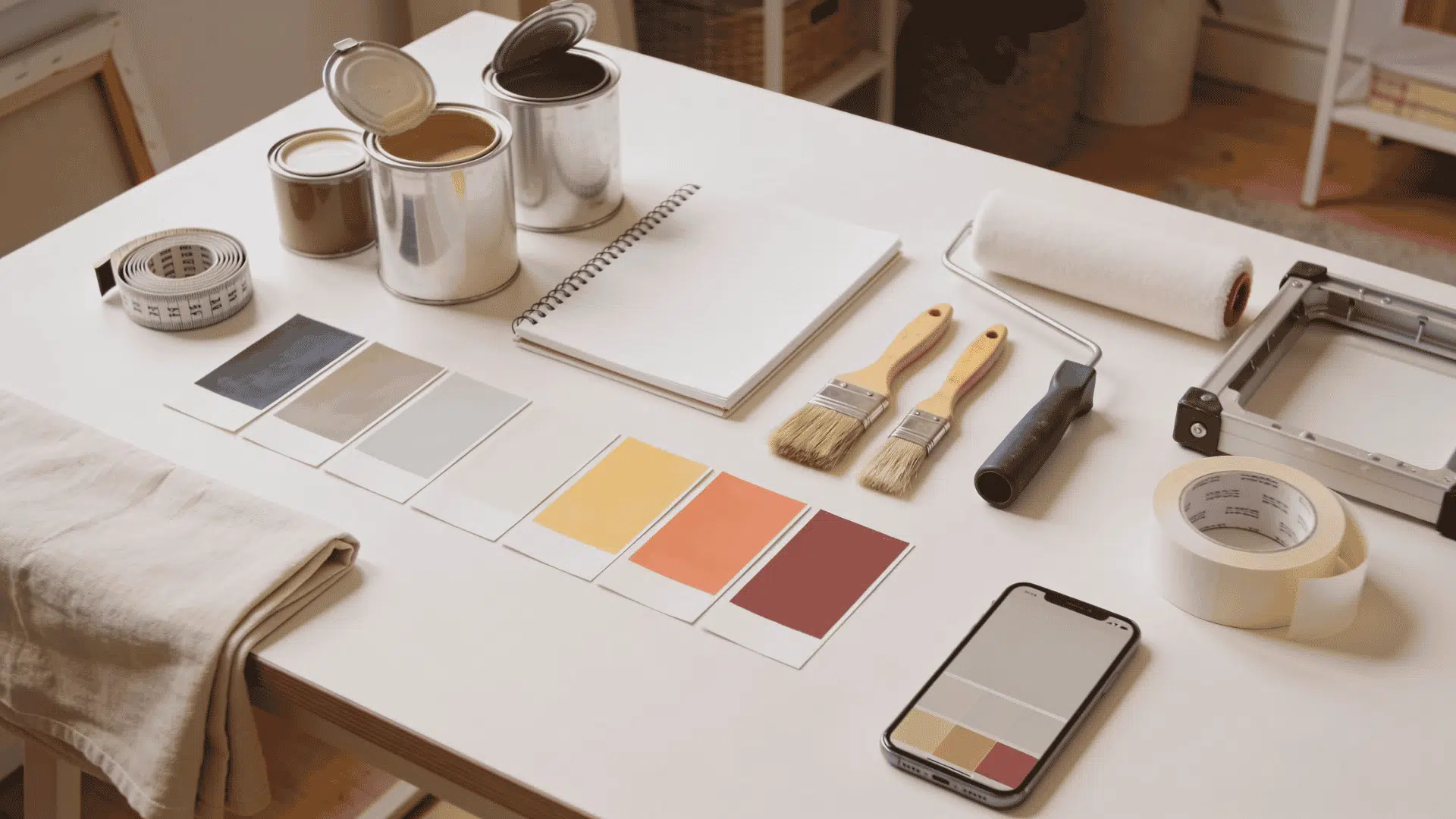
Time Required: 30 minutes to 2 hours, or 1-3 hours if testing samples
This stage can be quick if you already know your color and finish.
It takes longer when you are comparing shades, buying primer, choosing rollers, or testing samples on the wall.
Paint samples can add extra time, but they also help you avoid choosing a color that looks wrong once it is on the wall.
Step 2: Moving Furniture and Protecting the Room
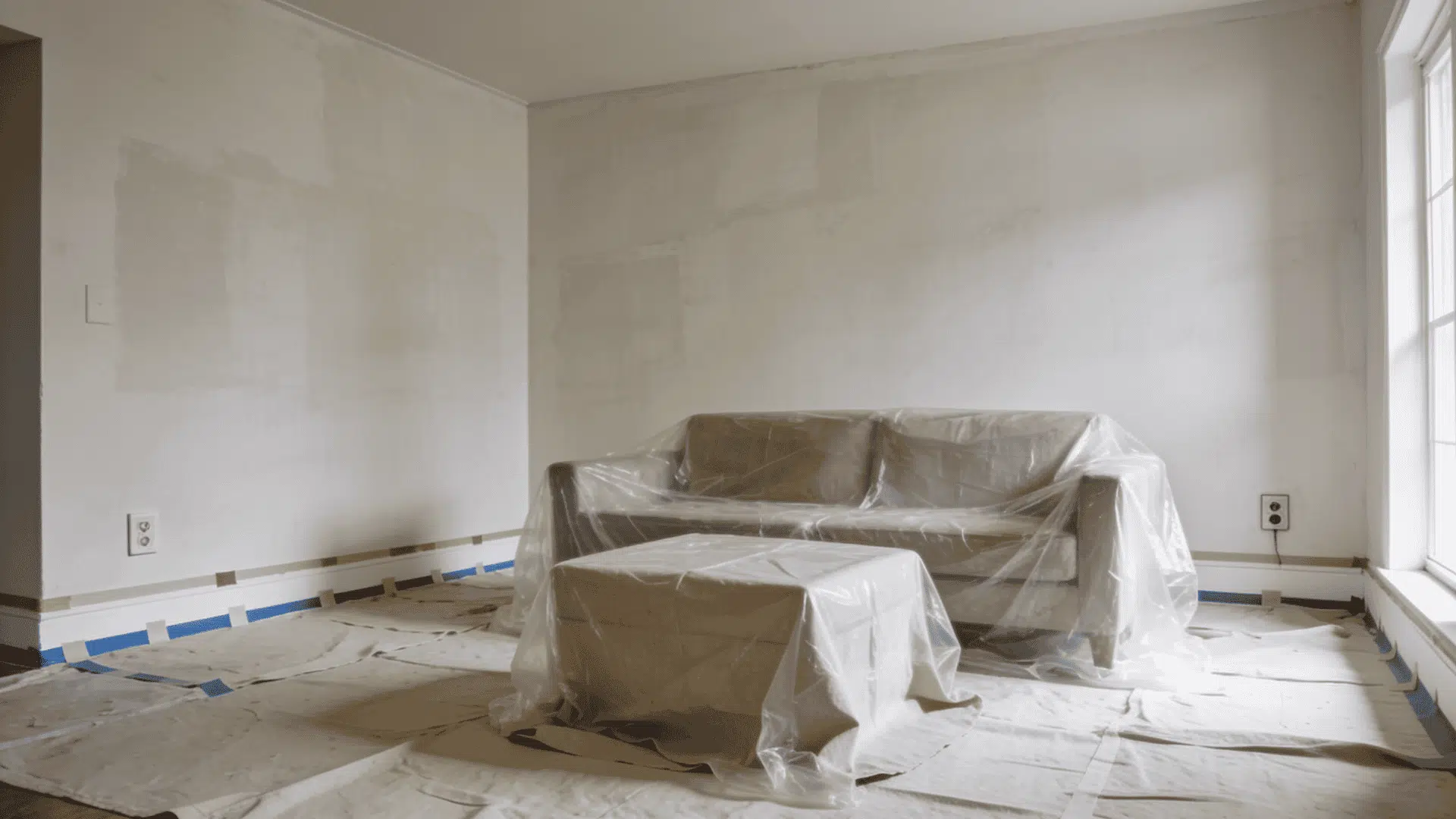
Time Required: 1-2 hours or up to 3 hours for larger rooms
Moving furniture, covering large items, taping outlets, and protecting floors all add time before painting begins.
A clear room helps you work faster later because you are not stopping every few minutes to move things out of the way.
Step 3: Cleaning and Preparing the Walls
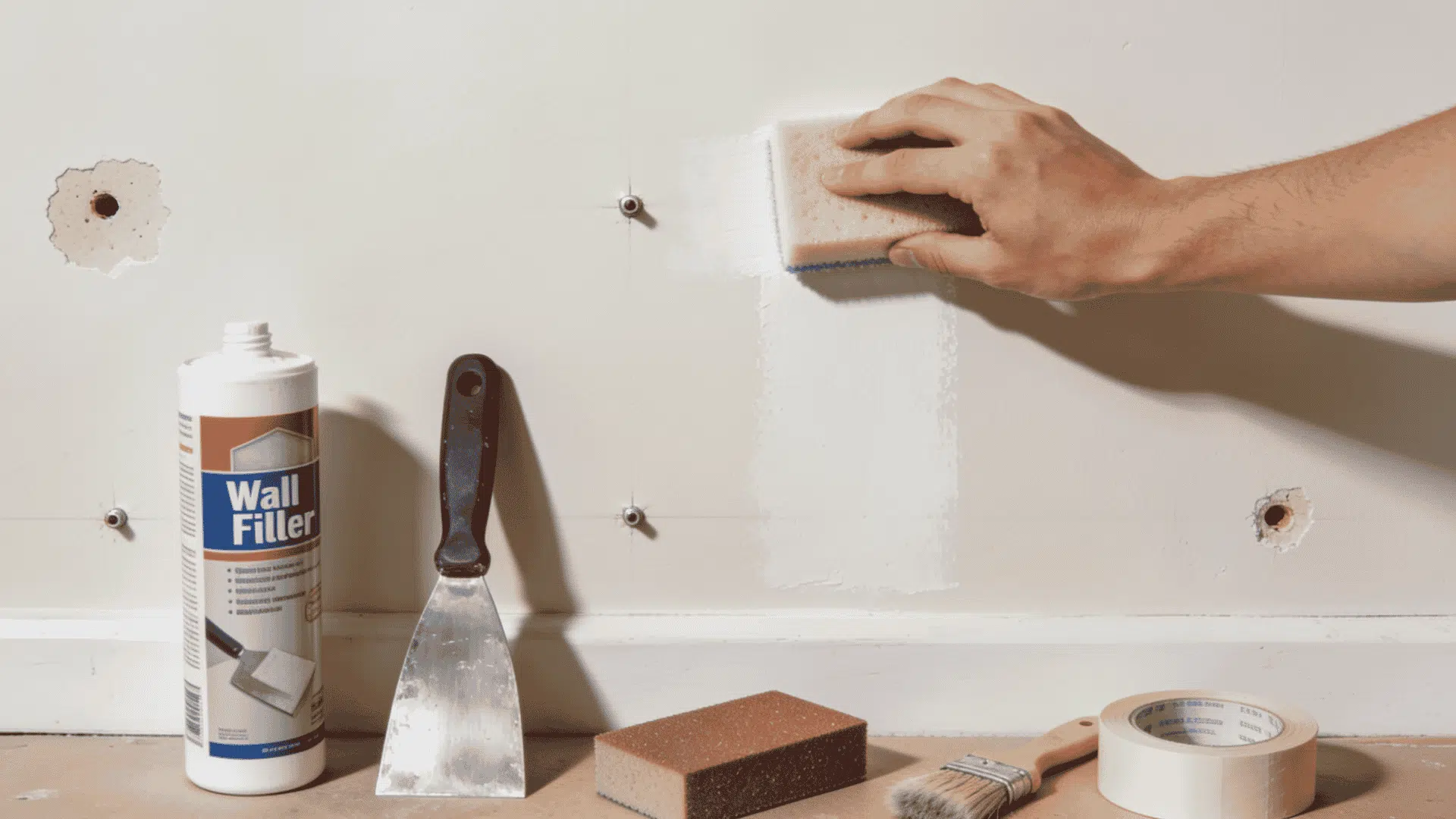
Time Required: 1-3 hours or 3-6 hours for damaged walls
Wall prep can be one of the biggest time changes in the whole project.
Smooth, clean walls may only need a quick wipe-down.
Walls with holes, cracks, grease, peeling paint, or rough spots need more time for filling, sanding, and cleaning.
Step 4: Priming the Walls
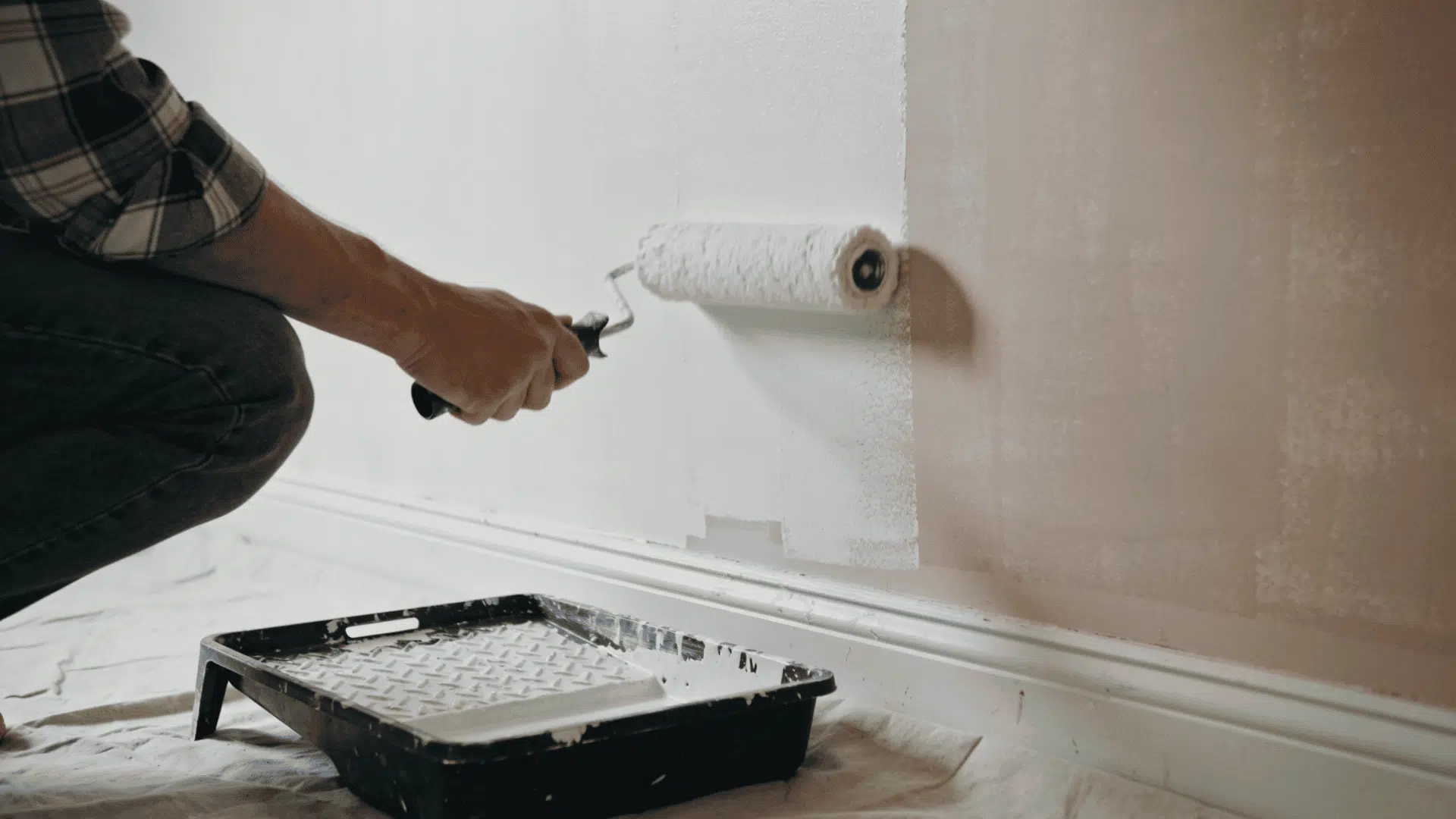
Time Required: 1-2 hours, plus drying time
Primer adds time, but it can save time later if the wall needs better coverage. It is most useful when painting fresh drywall, covering stains, hiding repairs, or changing from a dark color to a lighter one.
The active work may only take a couple of hours, but the drying time can stretch the schedule.
The first time I painted a deep navy accent wall over builder white, I assumed two coats would cover it. It took three coats plus a tinted primer, and the extra drying time turned a one-day job into two.
If you are going light over dark, or dark over light, plan for that extra coat from the start.
Step 5: Cutting in Around the Edges
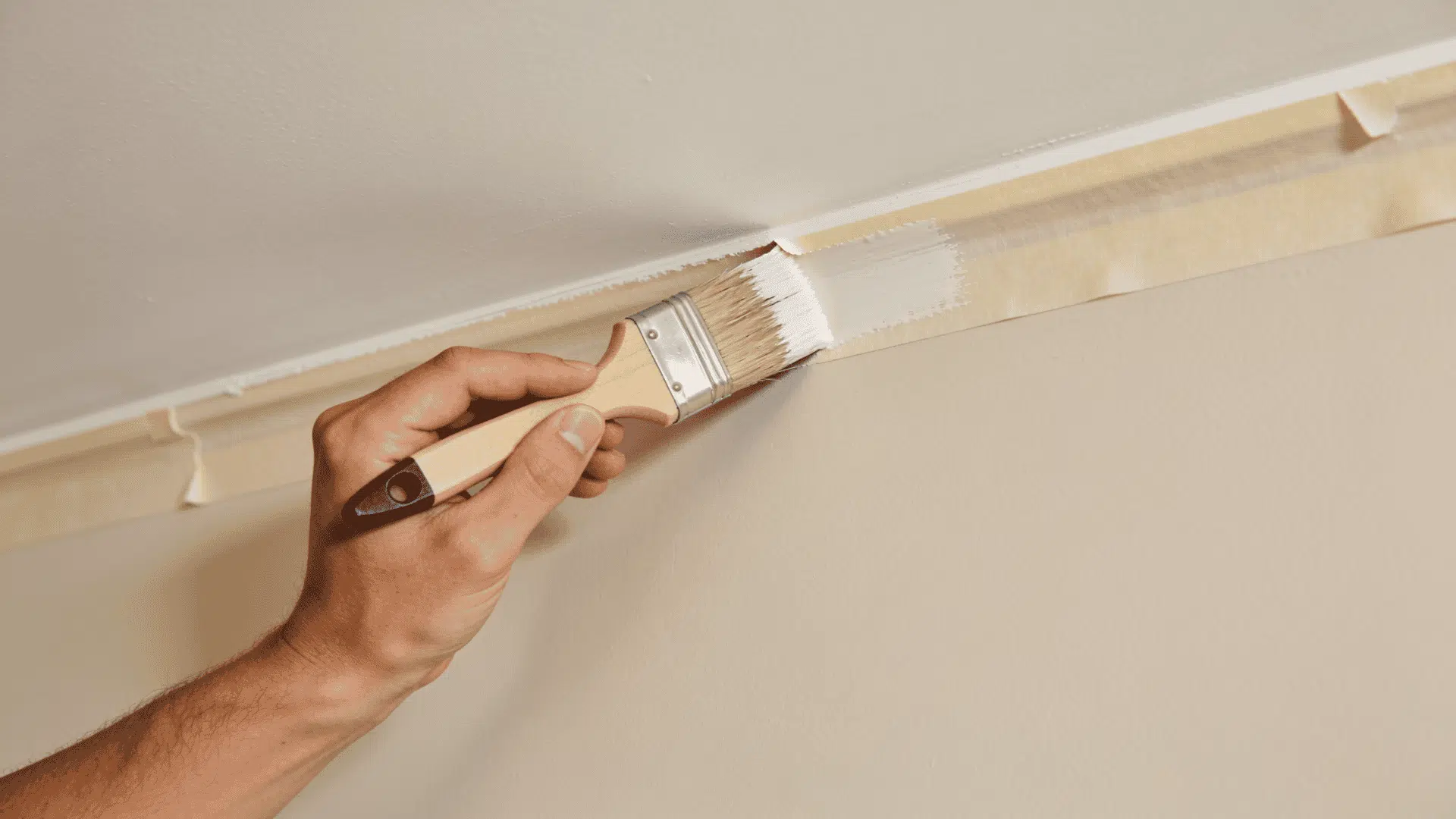
Time Required: 1–3 hours per coat
Cutting in is slower than rolling because it needs careful brushwork around ceilings, corners, doors, windows, and trim.
Rooms with many edges or detailed woodwork take longer.
Step 6: Rolling the Walls
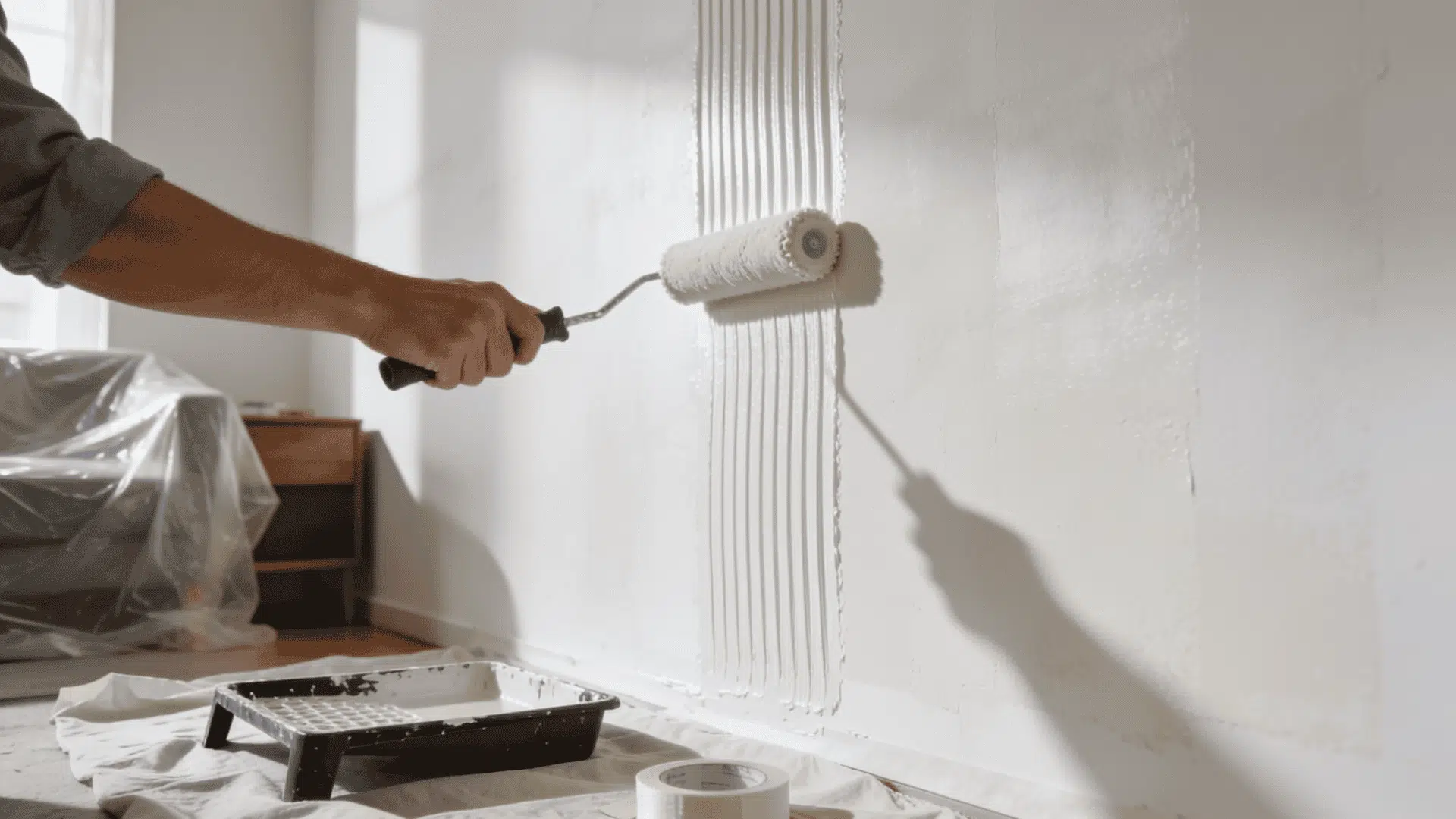
Time Required: 45 minutes to 2 hours per coat or up to 3 hours for larger rooms
Rolling is usually the fastest part of painting a room, especially on open wall sections. The time depends on the room size, wall height, wall texture, and how evenly the paint covers.
Larger rooms or darker colors may take longer because each coat needs more coverage.
Step 7: Waiting Between Coats
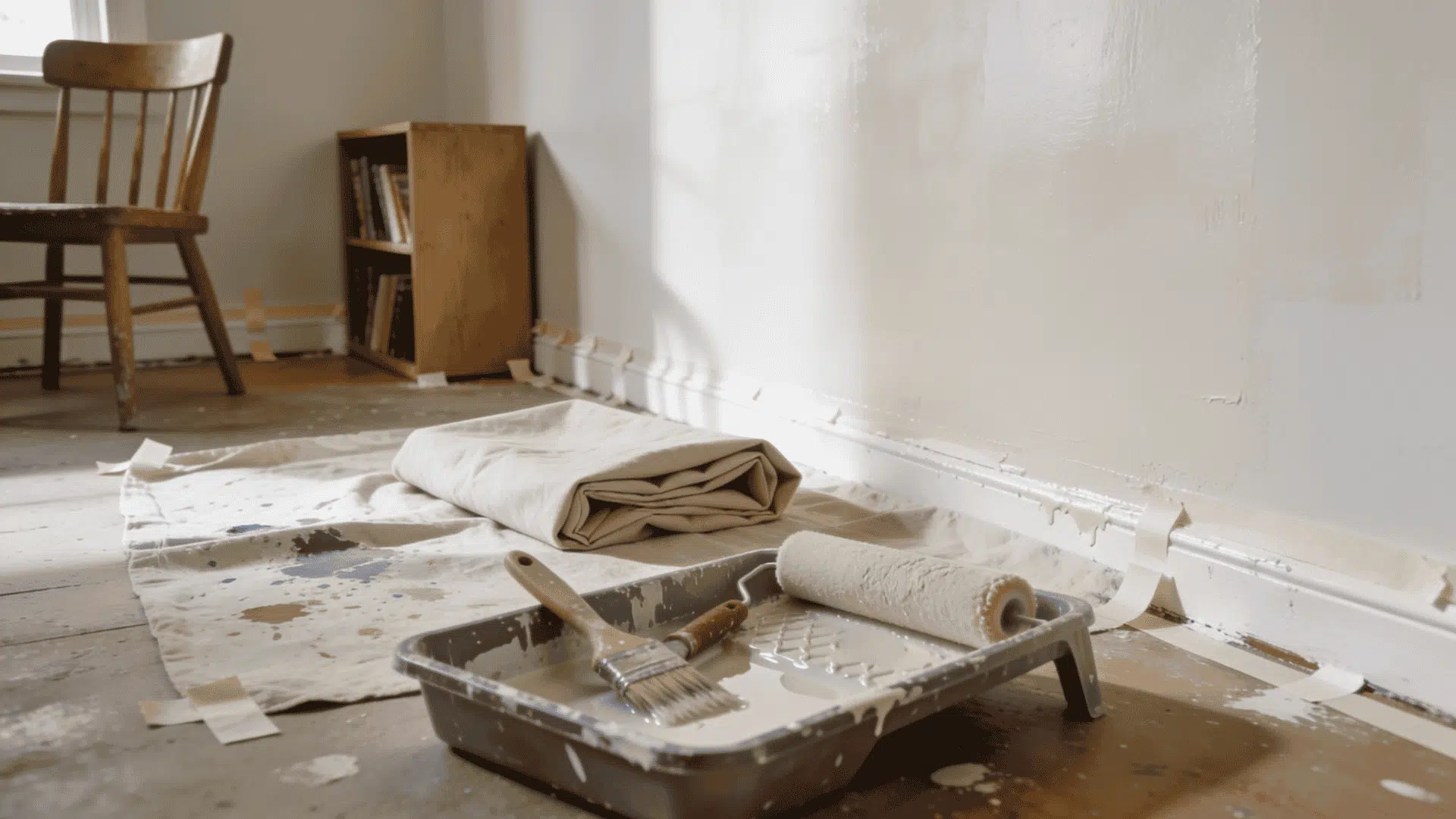
Time Required: 1 to 4 hours for water based paint or 6 to 24 hours for oil based paint
Drying time is one of the main reasons painting a room can take more than one day.
Water-based paint often dries faster, while oil-based paint, glossy finishes, high humidity, or poor airflow can slow things down.
This is waiting time, not active work, but it still affects the full project timeline.
It also helps to know that drying and curing are not the same thing. Paint feels dry to the touch within an hour or two for water-based products, but it does not fully harden until much later.
According to Sherwin-Williams, latex and acrylic paints take about two to three weeks to cure, while oil-based paints can cure in as little as five days.
You can move furniture back once the surface is firm, but wait until the paint has cured before scrubbing the walls or leaning anything against them.
On a humid summer day, I once recoated a wall that felt dry to the touch but was still soft beneath the surface, and the roller dragged the first coat right off.
Now I always wait for the full recoat time printed on the label instead of trusting my finger.
Step 8: Applying the Second Coat and Touch-Ups
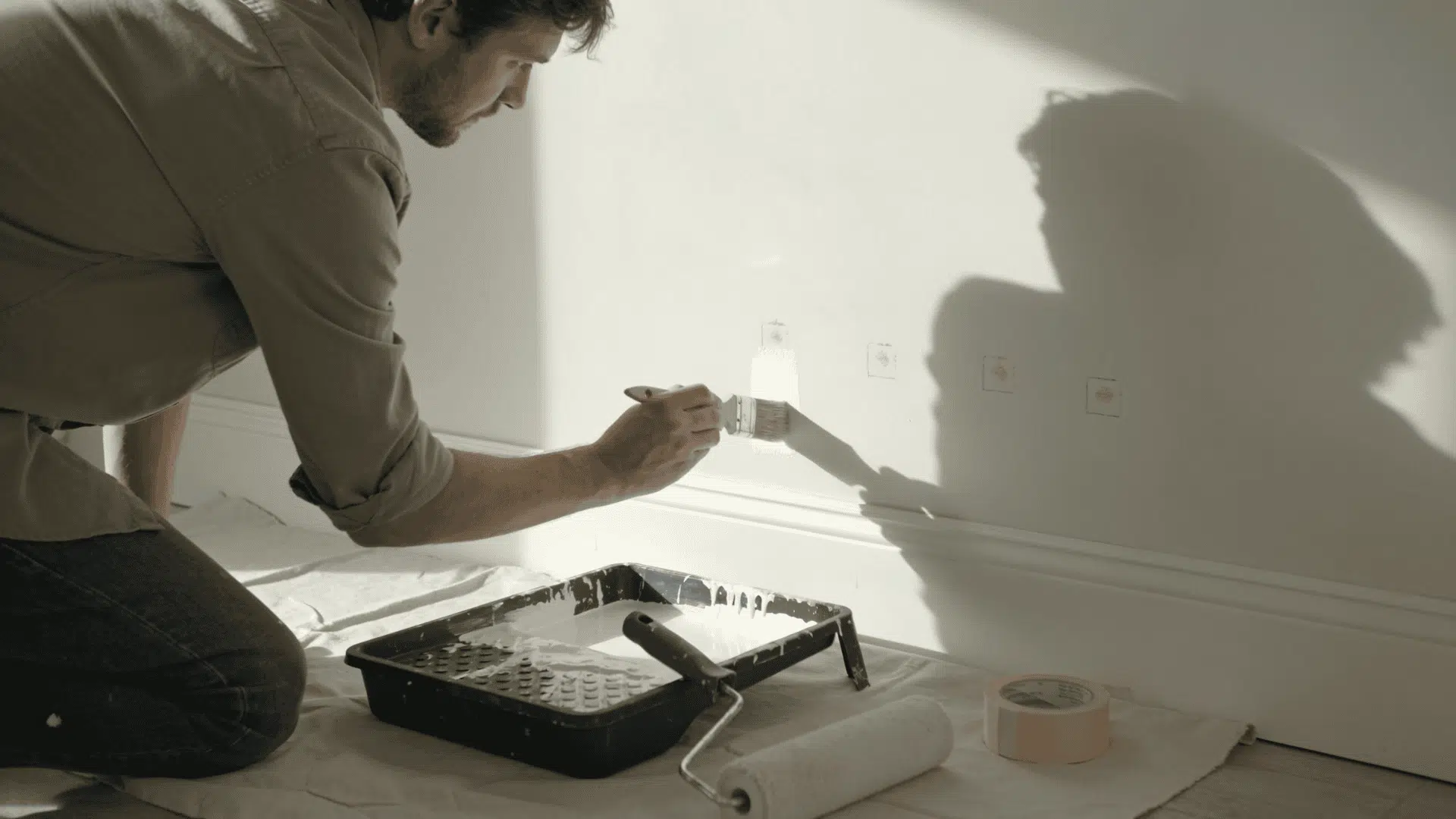
Time Required: Repeat cutting and rolling time plus 15 to 45 minutes
Most rooms need a second coat for an even finish.
This means repeating the cutting-in and rolling stages. After that, touch-ups may be needed around corners, edges, repaired spots, or thin areas where the old color still shows through.
Step 9: Cleaning Up and Moving Furniture Back
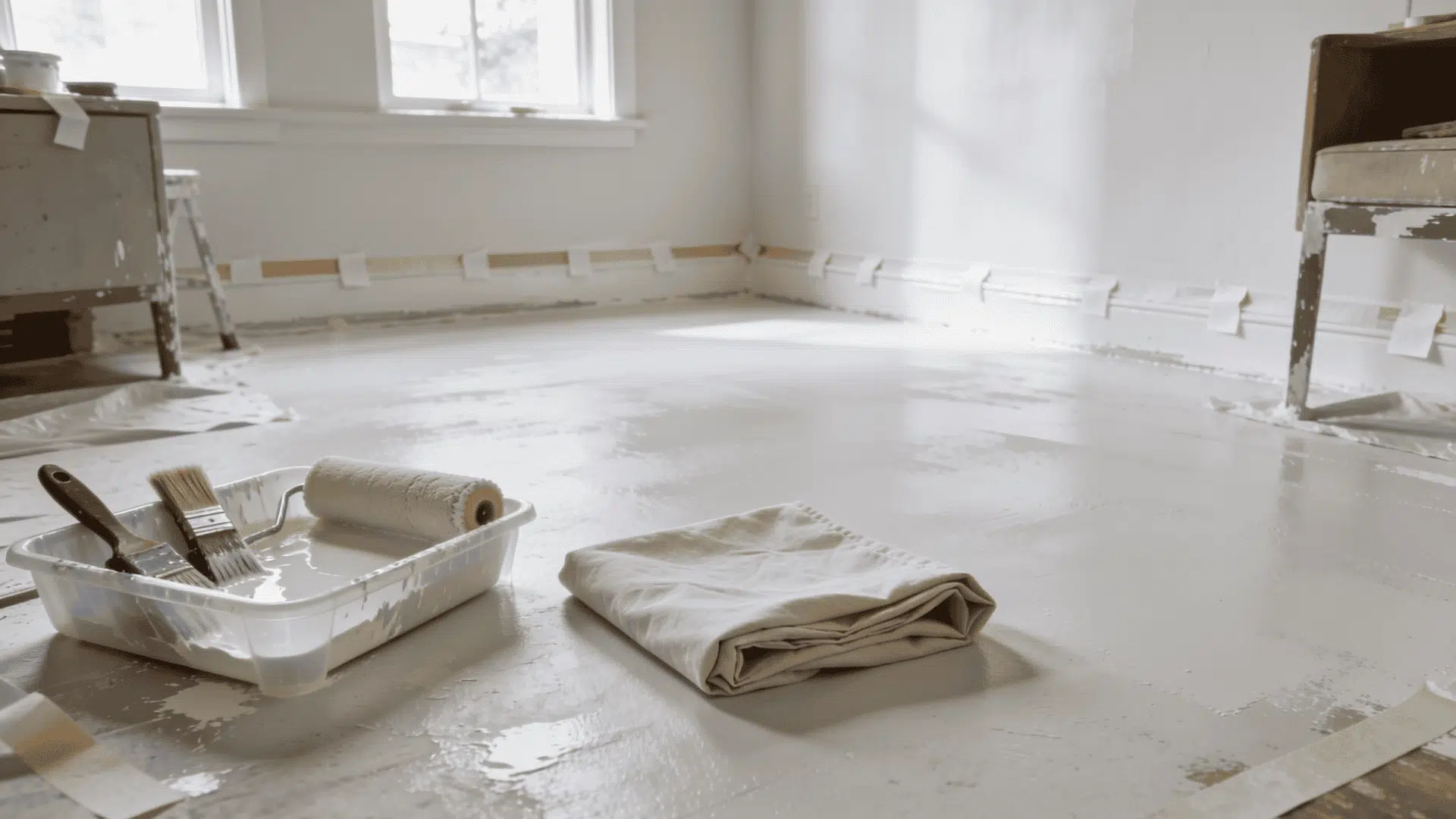
Time Required: 30 minutes to 1.5 hours or up to 2 hours for larger rooms
Cleanup adds a final block of time after the painting is done.
Removing tape, washing brushes, cleaning rollers, folding drop cloths, storing leftover paint, and moving furniture back can take longer in larger rooms.
DIY vs. Professional Painting Time
One of the most common follow-up questions is how your own timeline compares to hiring someone. Professionals are faster mostly because of experience, teamwork, and better tools, not because they skip steps.
They still respect the same drying times between coats that you do.
| Room | DIY (one person) | Professional or two-person crew |
|---|---|---|
| Standard bedroom (10×12) | 4 to 6 hours of active work | 2 to 4 hours |
| Average living room | 5 to 7 hours of active work | 3 to 5 hours |
| Large room or high ceilings | 7 to 10 hours of active work | 4 to 6 hours |
Main Factors that Affect Painting Time
No two rooms take the same amount of time to paint. Some factors only add a little extra work, while others can stretch the project into another day.
Here is how each factor can affect your painting timeline.
High Impact Factors
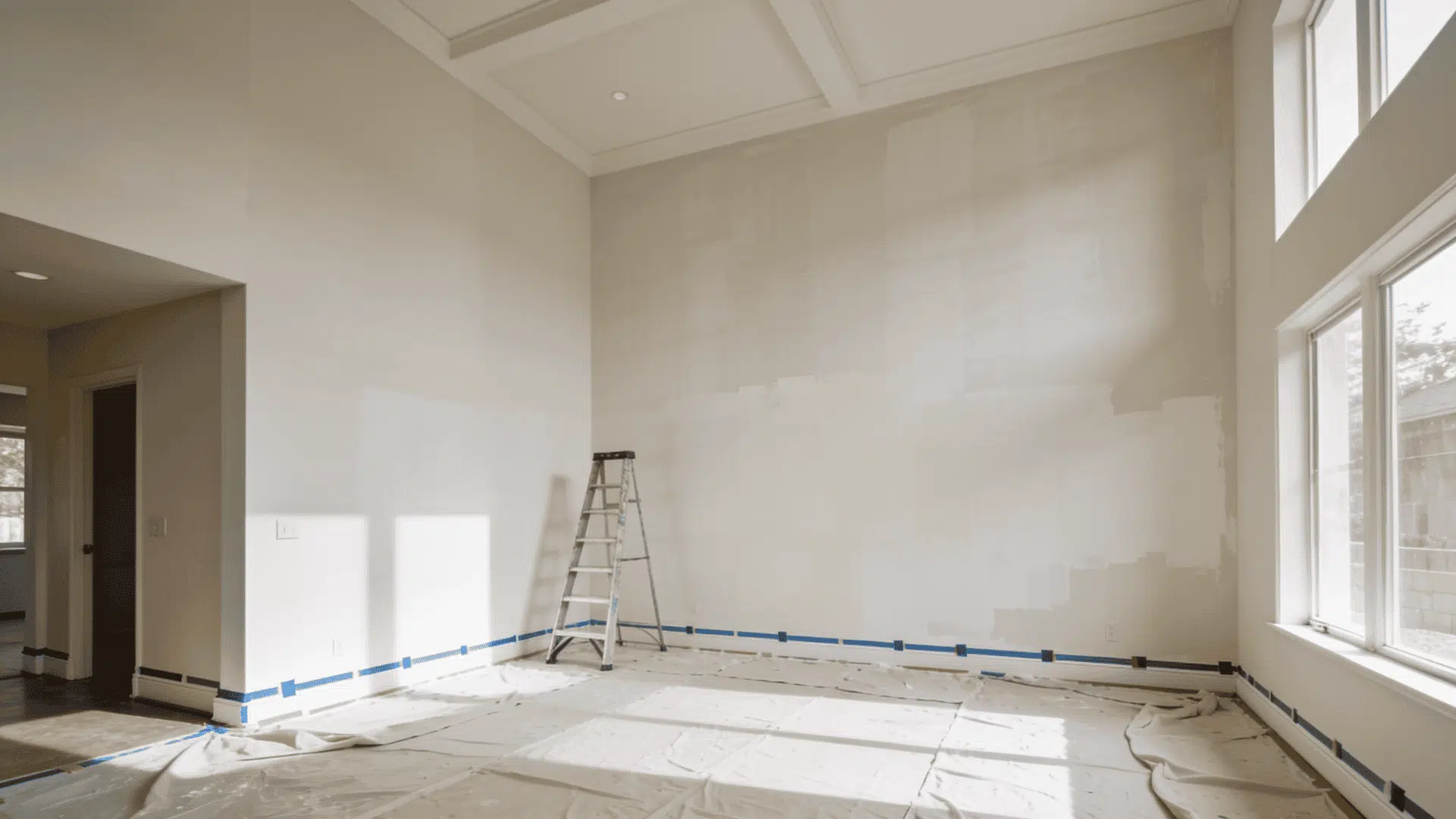
These factors can add several hours or even push the project into the next day.
- Room size: A larger room means more wall space, more cutting in, and more rolling. High ceilings can also slow the job because you may need a ladder and extra care around the top edges.
- Wall condition: Damaged walls can take a long time to prepare. Cracks, nail holes, peeling paint, stains, and rough patches may need cleaning, filling, sanding, and priming before painting begins.
- Color change: A major color change can add more time, especially when going from a dark shade to a lighter one. Primer and extra coats may be needed for even coverage.
Medium Impact Factors
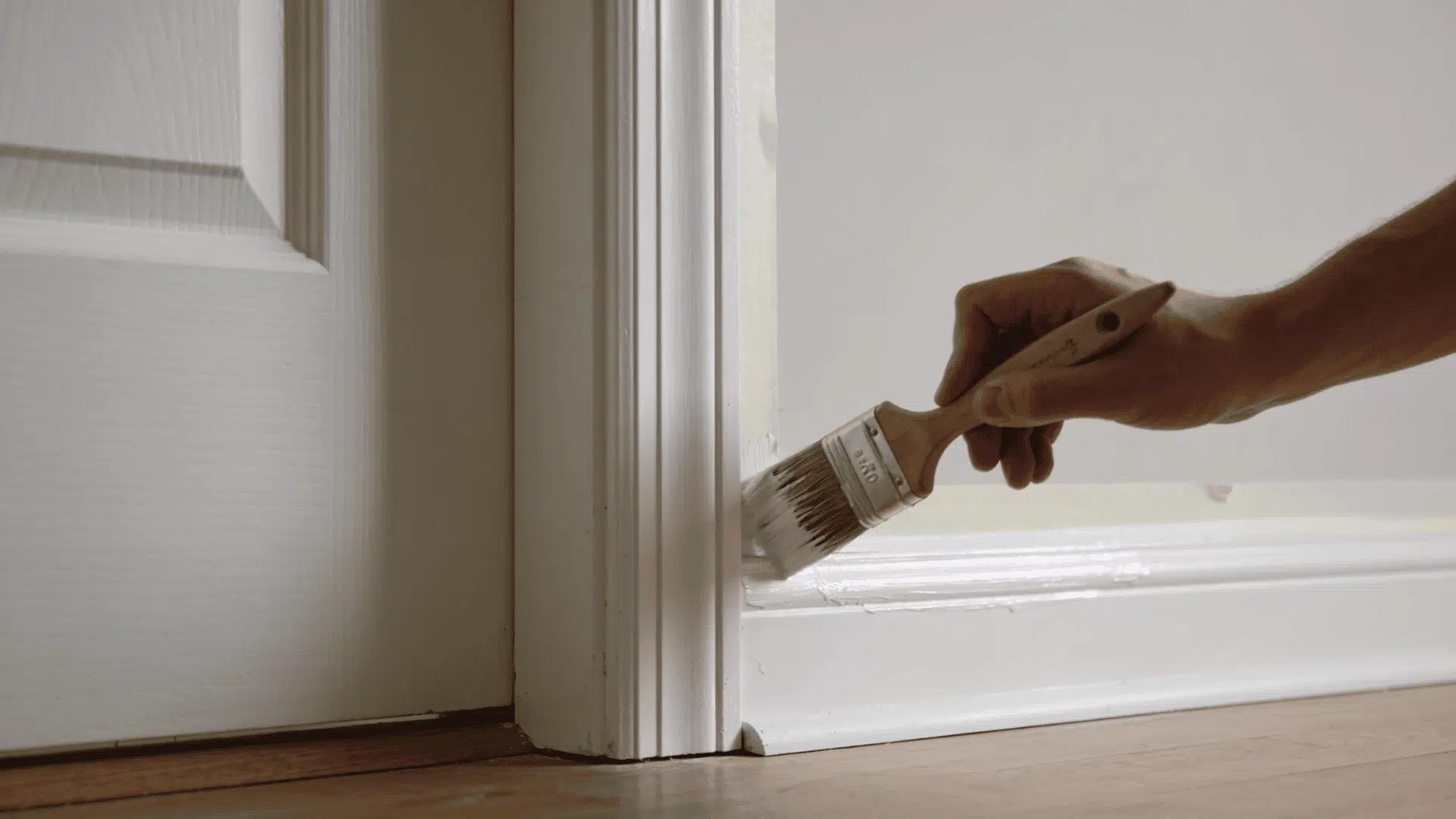
These factors may not change the whole project, but they can still add noticeable time.
- Number of coats: Most rooms need two coats for a smooth finish. If the first coat looks patchy or the old color still shows through, a third coat may be needed.
- Trim doors and woodwork: Baseboards, doors, window frames, and crown molding take longer than flat walls because they need careful brushwork and clean edges.
Low Impact Factors
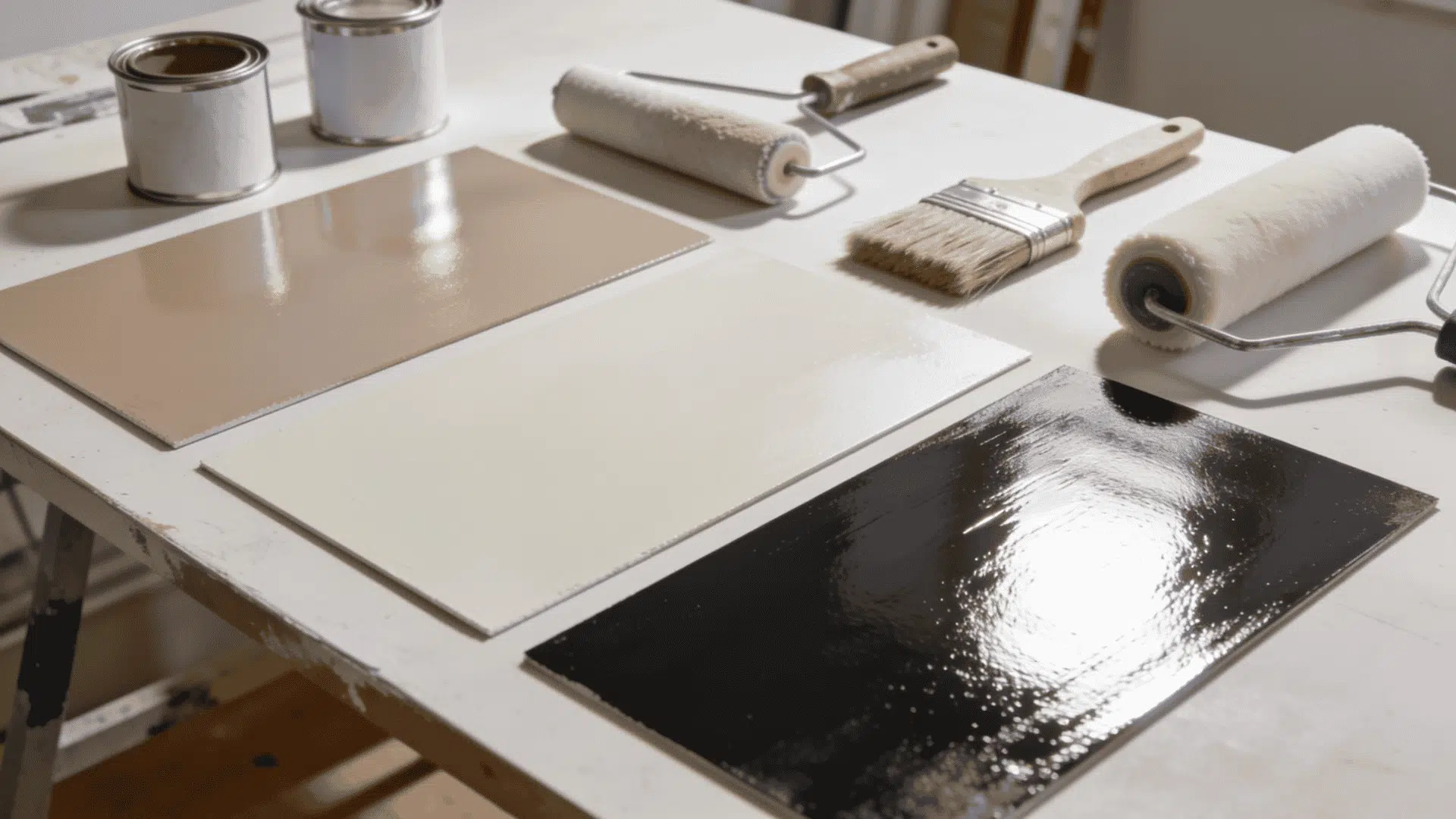
These factors usually do not add a full day, but they can slow things down if ignored.
- Paint type and finish: Flat and matte paints are often easier to apply. Satin, semi-gloss, gloss, and specialty paints may need slower application because they can show brush marks, drips, and uneven spots more clearly.
- Experience level: A first-time painter may take longer with taping, cutting in, rolling evenly, and fixing small mistakes.
Common Mistakes To Avoid
Many painting delays don’t happen because the room is difficult to paint. They happen because of small mistakes that slow the project down or create extra work.
Avoiding these common issues can save both time and effort.
| Mistake | Why It Adds Time | What To Do Instead |
|---|---|---|
| Skipping wall prep | Cracks, dents, and dust show through fresh paint | Clean, repair, and sand the walls before painting |
| Painting over dirty walls | Paint may not stick evenly | Wipe away dust, grease, and marks first |
| Using too much paint on the roller | Causes drips, streaks, and longer drying time | Apply thin, even coats for smoother coverage |
| Not waiting between coats | Paint can peel, drag, or look patchy | Follow the drying and recoat time on the paint can |
| Using the wrong roller cover | Uneven coverage means extra touch-ups | Choose a roller that matches your wall texture |
| Leaving furniture around the walls | Makes painting slower and harder | Move furniture out or place it in the center |
| Removing painter’s tape too late | Dry paint can lift with the tape | Remove the tape while the paint is slightly dry |
| Ignoring humidity and airflow | Paint takes longer to dry | Keep the room well ventilated whenever possible |
How to Reduce Painting Time Without Rushing
Painting a room efficiently comes down to good planning, not rushing. A few simple habits can help you finish sooner while still getting a smooth, even result.
Before you start painting:
- Clear the room first: Remove as much furniture and decor as possible before you begin. An open workspace makes painting quicker and helps prevent accidental splatters.
- Patch and sand early: Repair holes, cracks, and rough spots before painting day. Starting with walls that are ready to paint saves time later.
While you are painting:
- Paint in the right order: Start with the ceiling, then the walls, and finish with the trim. This helps keep the final result neat and avoids repainting.
- Apply thin coats: Thin, even coats dry faster and provide smoother coverage than one thick coat.
- Improve airflow: Open windows or use a fan to help the paint dry, but avoid blowing air directly onto freshly painted walls.
Final Takeaway
The time needed to paint a room comes from many small stages working together, and the prep and drying stages usually cost more time than the painting itself.
A room with clean walls and a similar color change goes quickly, while a larger space with wall damage, detailed trim, or a dark shade that needs extra coverage will stretch into a second day.
Paint type, finish, number of coats, airflow, and your own painting experience can also change how long the project takes.
The easiest way to stay on track is to treat painting as a full process, not just the time spent applying paint.
Use this timeline to plan your room painting project, and share in the comments how long it took you to finish.
Frequently Asked Questions
Can I Paint a Room in One Day?
Yes. A small room with smooth walls and a similar color change can often be painted in one day. Just remember that drying time between coats may still push the project into the next day.
How Long does it Take to Paint a Room by Yourself?
Most people need 1 to 3 days to paint a room on their own. Smaller rooms are usually quicker, while larger spaces or walls that need repairs naturally take longer.
Why is Painting a Small Room Taking So Long?
Small rooms often have more corners, doors, windows, or built-in furniture packed into a limited space. Preparing and cutting in around these details can take longer than people expect.

With a Master in Architectural Studies from University of Pennysylvania, Marwa Haydar has pioneered living spaces since 2005. Her expertise, initially honed in a prestigious architectural firm, is evident in her approach to creating environments. Marwa became part of our team in 2019 and has since been a driving force in our home improvement section, known for her practical yet stylish solutions. She’s been spearheading our design workshops since then, infusing her passion for teaching into her work. In her leisure time, Marwa enjoys exploring historic architecture and is an enthusiastic pottery hobbyist, further enriching her understanding of form and texture.