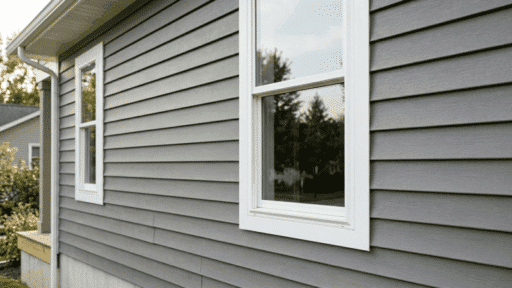
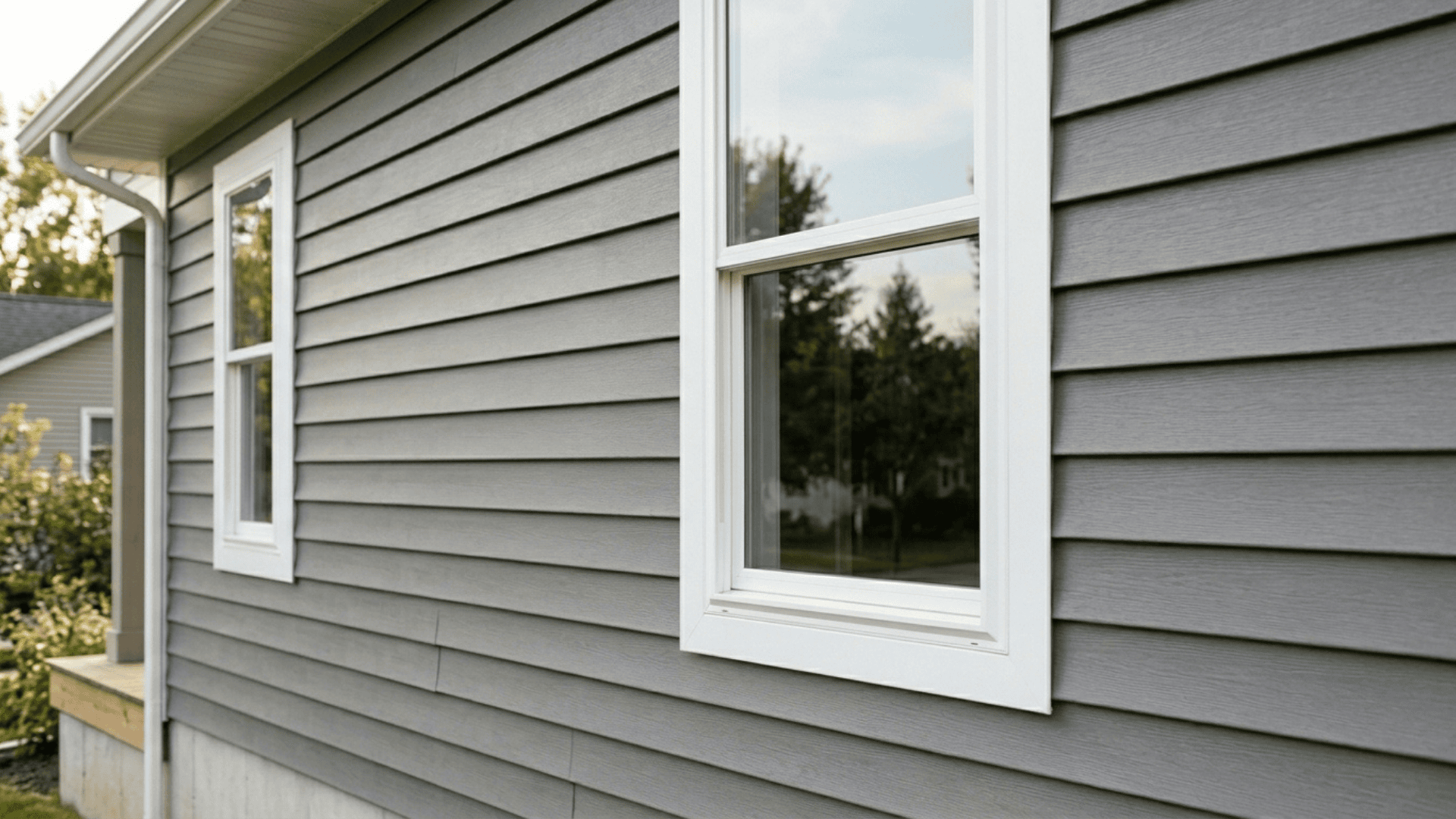

Vinyl siding is one of the most popular exterior choices for residents, and it is easy to see why. It holds up well against the elements, needs very little upkeep, and works for a wide range of budgets.
But before starting any exterior project, you need a clear sense of what you are getting into financially. Understanding the cost to install vinyl siding goes beyond a single number.
This blog breaks down each component so you can plan with confidence and avoid unexpected expenses.
Cost to Install Vinyl Siding
The cost to install vinyl siding generally ranges from $5 to $12 per square foot. For most homes, total project costs range from $8,000 to $20,000 or more.
This range varies based on home size, siding type, and the complexity of installation. Smaller homes with straightforward layouts tend to sit on the lower end of that range.
Larger homes or those with more complex exteriors will naturally push the cost higher. It is also worth noting that these figures cover both materials and labor combined. Separating these costs shows where the budget is actually allocated.
What Affects Vinyl Siding Cost?
Several project-specific factors influence the final cost to install vinyl siding. Here is a closer look at what drives the price up or down.
1. Home Size and Exterior Surface Area
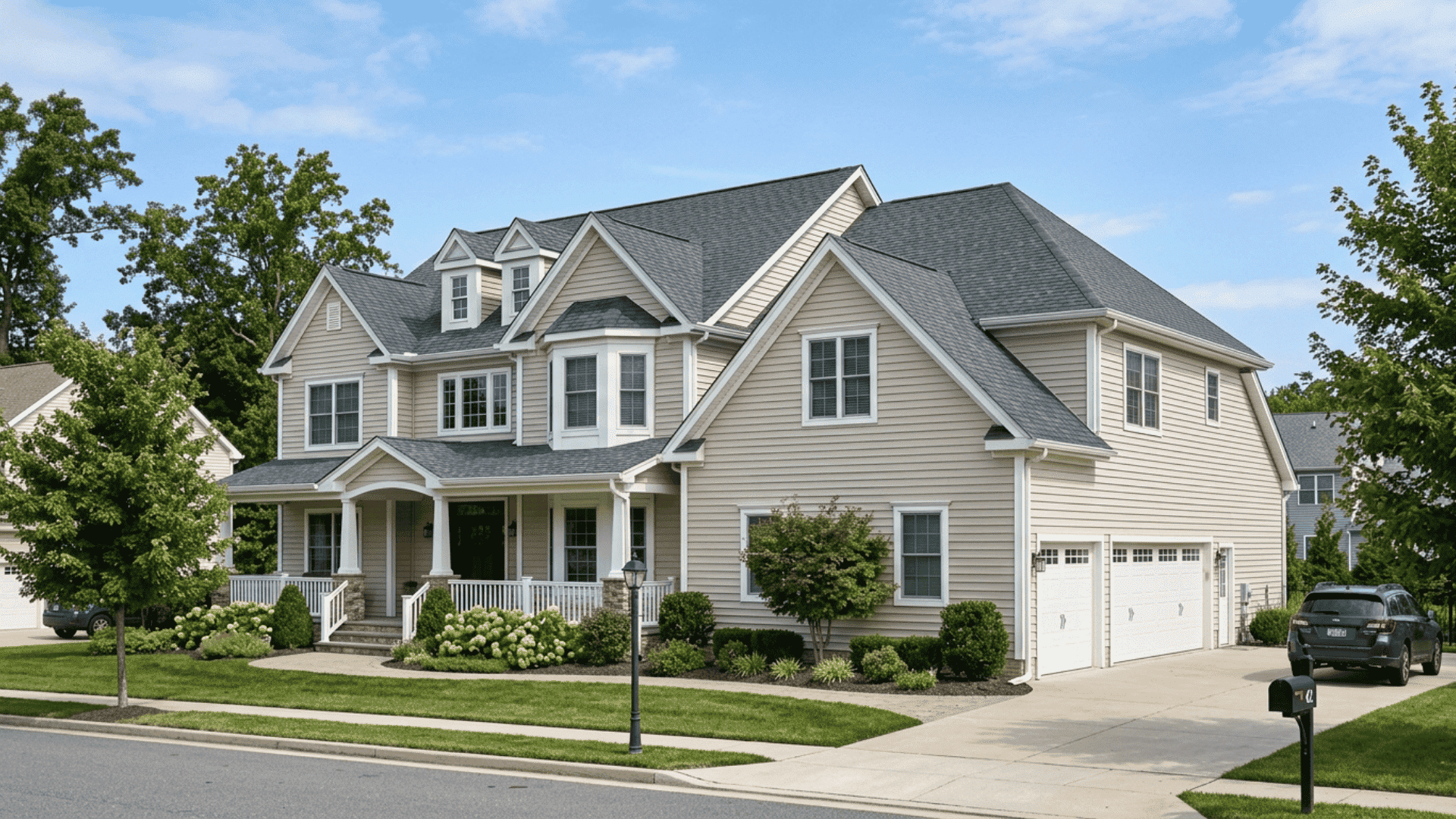
The total wall area of a home is one of the biggest cost drivers in any siding project. Siding for a 1,000- to 1,500-sq ft home typically costs between $8,000 and $12,000.
Larger homes above 2,500 sq ft can push costs to $20,000 or more. Contractors calculate quotes based on the total square footage of the area being covered.
2. Type and Thickness of Vinyl Panels
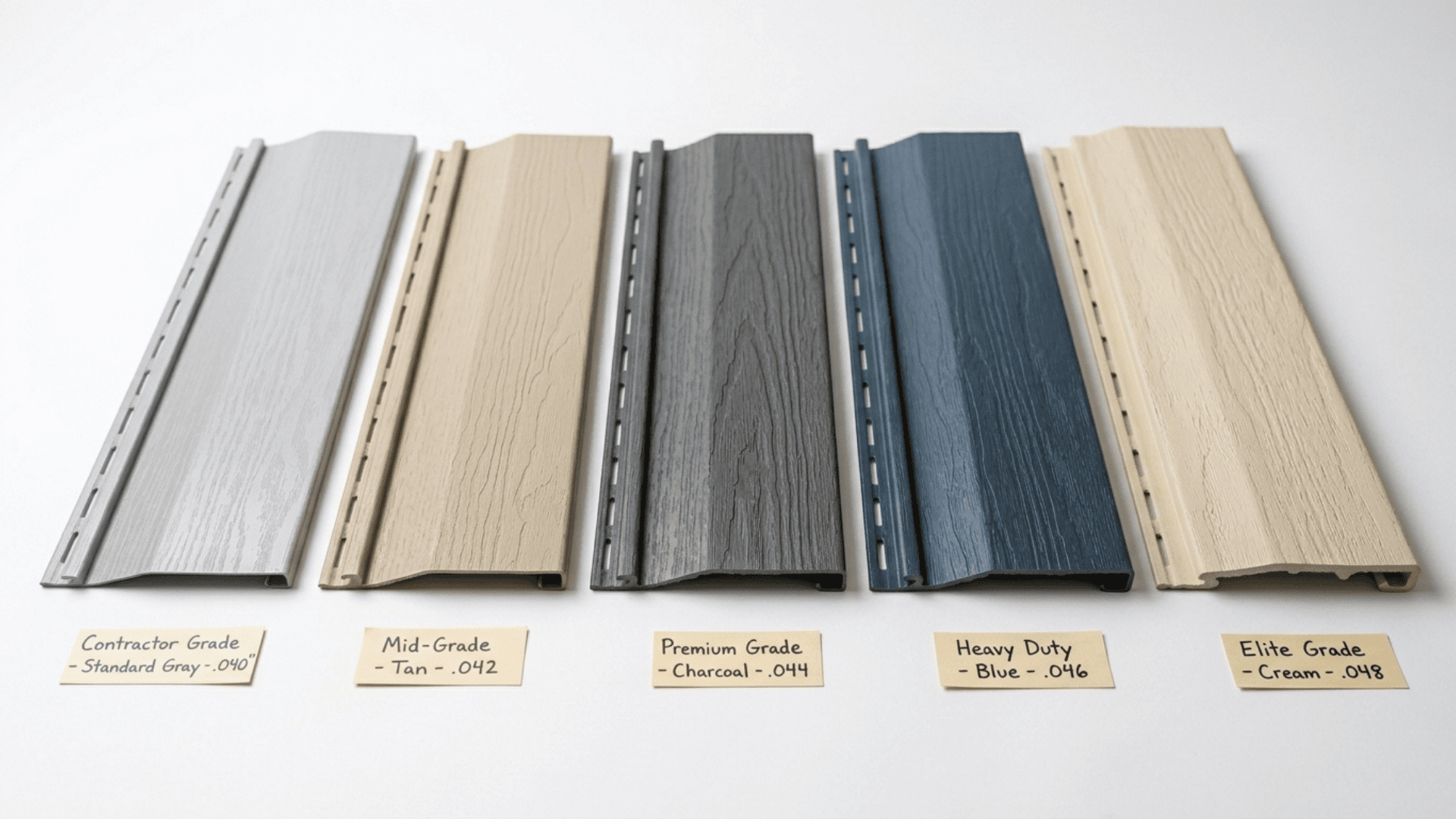
Vinyl siding comes in different grades, with thickness ranging from .040” for Contractor Grade to .048” for Elite Grade.
Contractor-grade panels cost around $2 to $3 per sq ft, while elite-grade options can reach $5 to $7 per sq ft.
Thicker panels offer better resistance and a more substantial feel on the wall. The choice of panel grade directly affects the material portion of the overall project budget.
3. Labor Complexity Based on Home Design
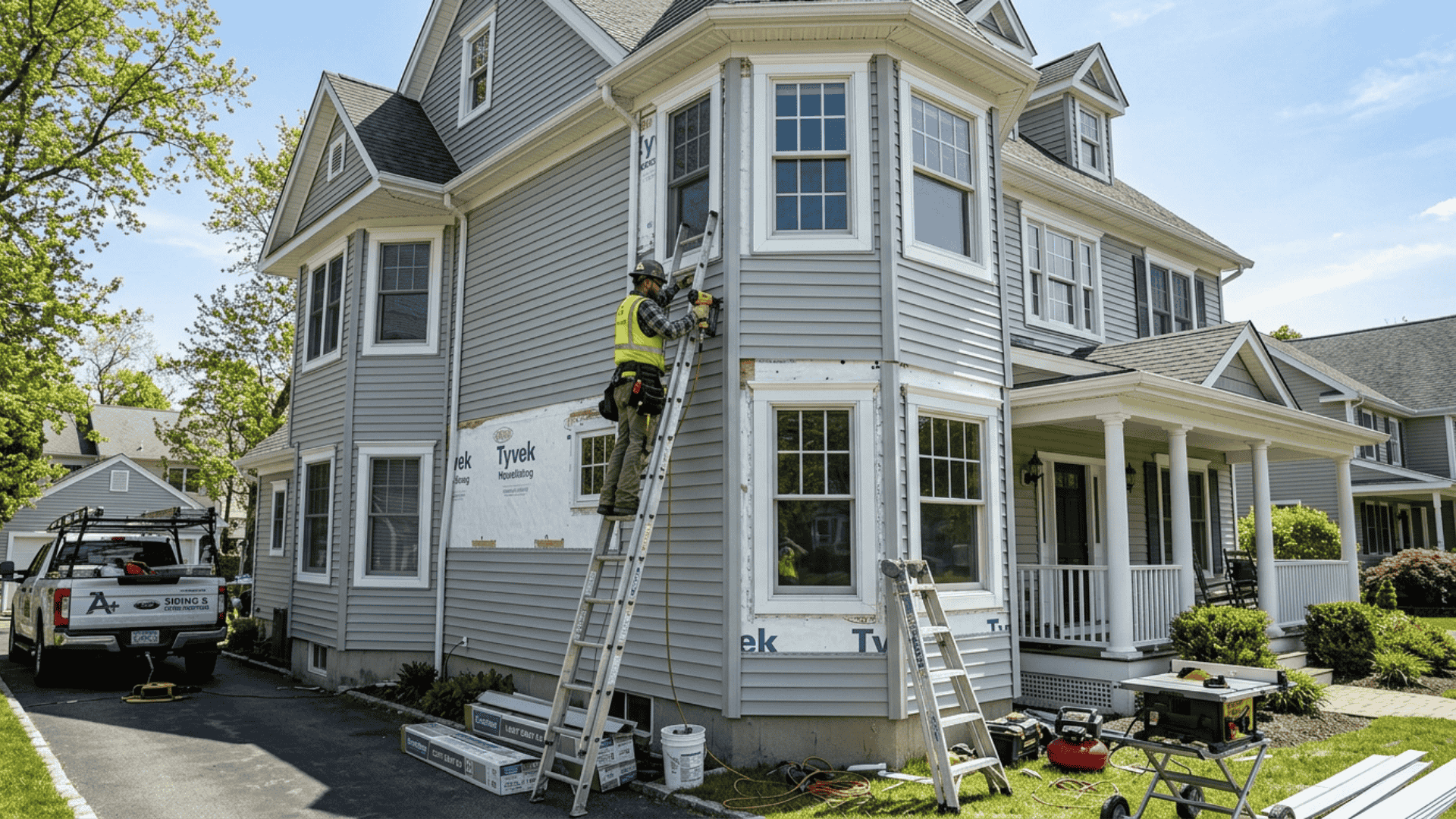
The cost to install vinyl siding rises when a home has multiple stories, numerous windows, or complex architectural details. Labor for simple single-story homes runs around $3 per sq ft.
Complex multi-story homes can push labor charges to $5 or more per sq ft. Contractors factor in every angle, corner, and cutout when putting together their final quote.
4. Existing Siding Removal and Disposal
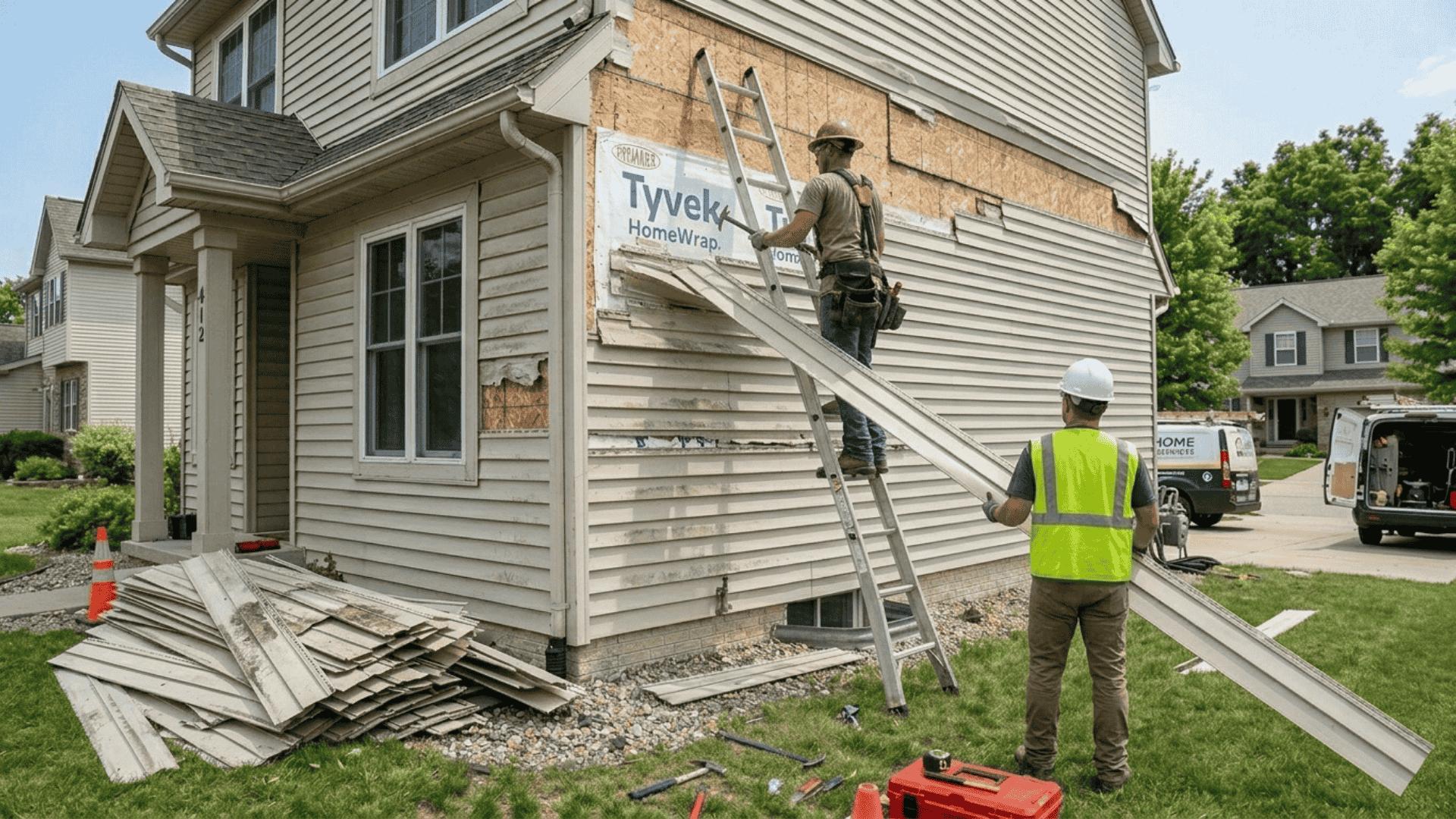
When old siding must come down before installation begins, it adds both time and cost to the project. Removal typically costs between $1 and $3 per sq ft.
Homes with multiple layers of previously installed material will see this cost climb higher. Workers must fully clear and dispose of existing material before new panels go up.
5. Wall Condition and Repair Requirements
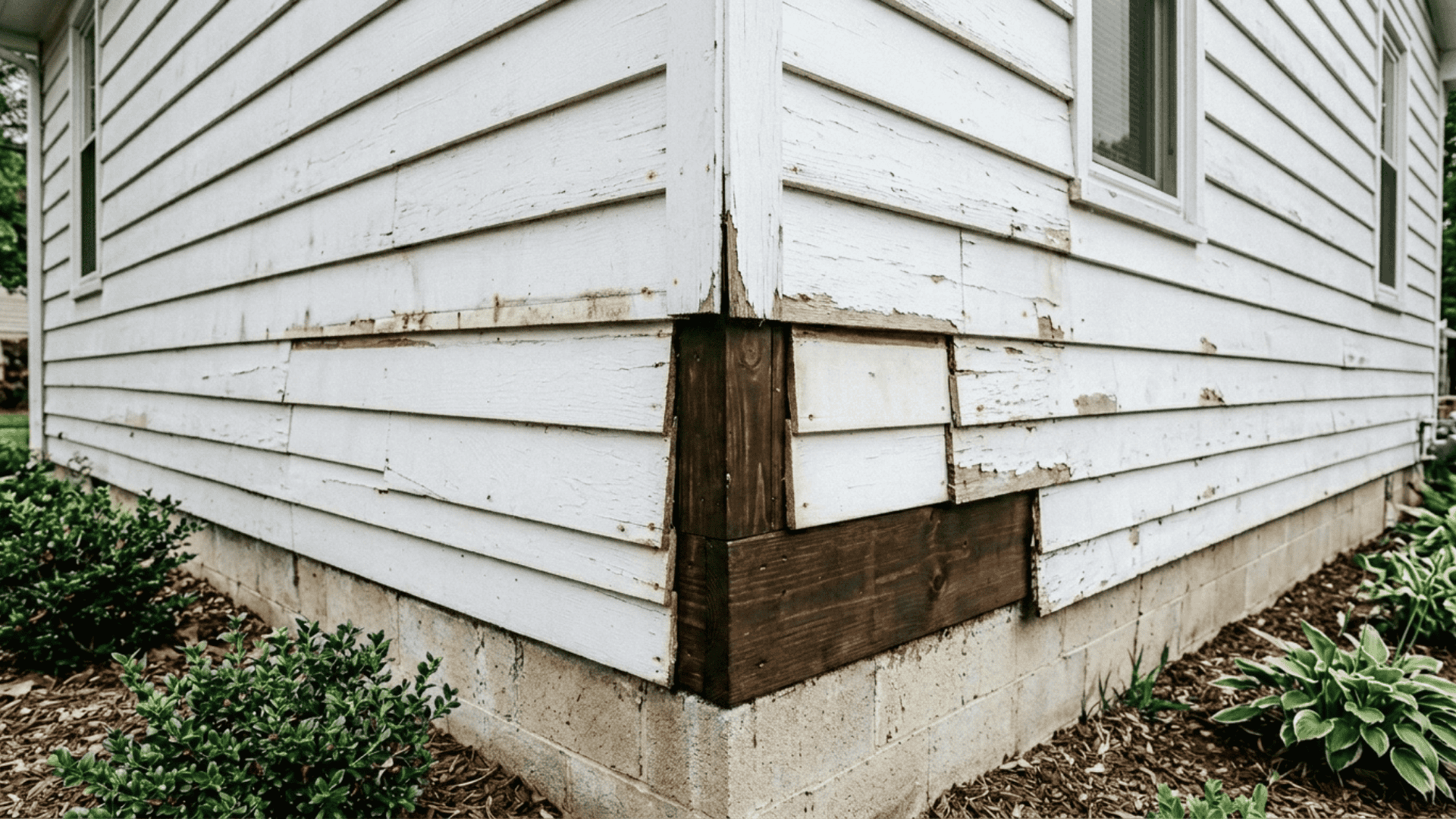
Damaged sheathing, rotted wood, or uneven surfaces require repair work before installation can begin. Minor repairs may add $200 to $500 to the overall project cost.
Extensive sheathing replacement can add $1,000 to $3,000 or more. These issues are often identified only after the old siding comes off.
6. Additional Features Like Insulation and Trim
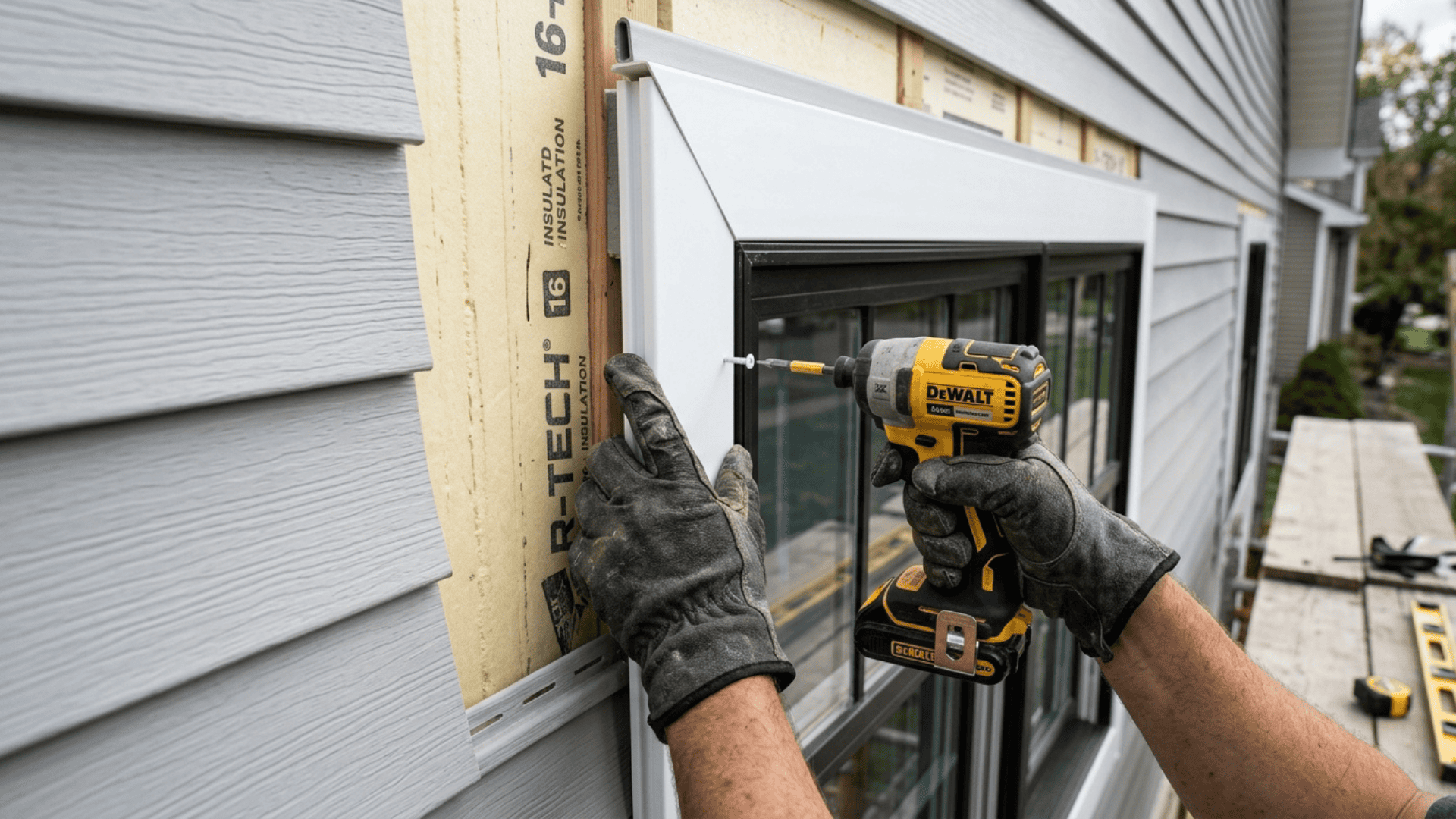
Insulation boards typically add $0.50 to $1.50 per sq ft to the overall budget. Trim and accessory costs can add another $0.50 to $2 per sq ft.
Trim pieces around windows, doors, and corners are common additions that contribute to the final price. Each addition should be evaluated based on its long-term value relative to its upfront cost.
Ways to Reduce Vinyl Siding Installation Costs
A few smart decisions during the planning stage can bring down the cost to install vinyl siding without compromising the quality of the final result.
- Compare Quotes from Multiple Contractors: Reaching out to at least three contractors before committing helps identify competitive pricing and avoid overpaying.
- Choose Standard Siding Options: Opting for mid-grade panels instead of premium upgrades keeps material costs reasonable while still delivering a solid and clean finish.
- Plan Installation During Slower Seasons: Contractors tend to offer better rates during off-peak periods, which can result in noticeable savings on the overall bill.
- Limit Additional Features to Essential Ones: Adding every available upgrade increases the final invoice quickly, so focusing on what the home actually requires is a practical approach.
- Prepare the Site in Advance: Clear the work area and ensure easy access to all exterior walls before the crew arrives to help the project move along more efficiently.
Is Vinyl Siding Worth the Cost?
Vinyl siding is a practical exterior option that delivers long-term performance without the need for frequent repairs. It resists moisture, maintains its appearance over time, and can last 20 to 40 years, depending on the quality of the material and installation.
The cost to install vinyl siding may seem significant initially. Still, it compares favorably with other exterior materials, such as wood or fiber cement, which often come with higher installation and maintenance costs.
For people seeking good performance at a reasonable price, vinyl siding remains one of the more sensible choices on the market today.
Its wide availability across different grades and price points also makes it accessible for a broad range of project budgets.
Installation Mistakes to Avoid
Being aware of common errors before starting the project can help homeowners avoid costly setbacks when managing the cost of installing vinyl siding.
- Selecting Low-Quality Materials: Choosing the cheapest panels often leads to wear faster and higher replacement costs later.
- Hiring Unverified Contractors: Skipping credential checks increases the risk of poor installation and unexpected additional charges.
- Ignoring Seasonal Weather Conditions: Installing during extreme temperatures can cause panels to expand or fit improperly.
- Overlooking Warranty Terms: Ignoring material warranty details can leave residents unprotected if panels fail prematurely.
- Making Changes Mid-Project: Altering the scope after work begins can lead to delays, wasted materials, and higher costs.
Conclusion
Planning an exterior project becomes much easier when the costs are broken down into clear components. Several factors influence the final cost, and understanding them helps with better planning.
The cost to install vinyl siding varies from home to home, but having a solid understanding of what drives those variations puts you in a better position to budget accurately and make confident decisions.
Getting multiple quotes, avoiding common mistakes, and focusing on long-term value over short-term savings are the key takeaways from this guide.
A well-planned vinyl siding project delivers reliable performance for decades at a reasonable overall cost.

Holding a Master’s in Construction Management from Purdue University, William Ray has dedicated more than two decades to studying and applying construction principles. His professional journey includes a tenure with a prominent construction firm, where he specialized in project management and building technologies. William brought his knowledge to our team, providing in-depth insights into practical construction techniques. As the leader of our beginner’s guide to building since 2019, he has a knack for breaking down intricate processes into easily digestible content. When not involved in writing or onsite consultations, William enjoys woodworking and volunteering in community building projects, which aligns with his passion for hands-on construction and community service.