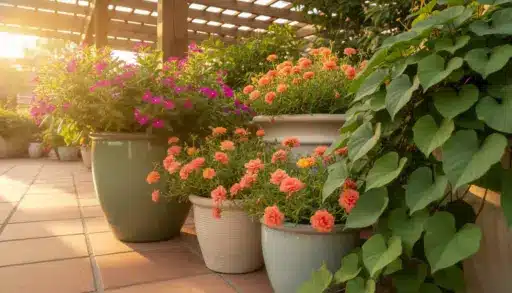
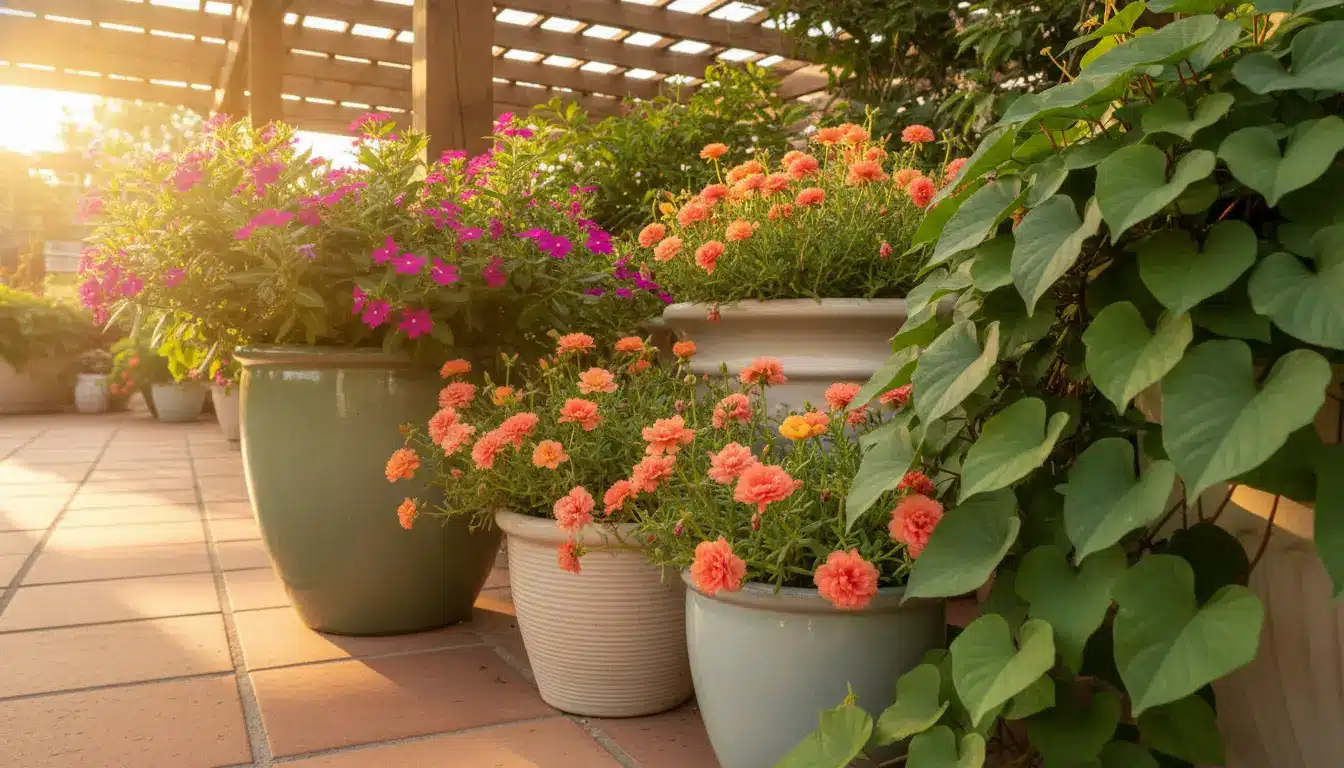

Summer heat can turn a thriving patio garden into a wilting mess practically overnight, especially when your plants are growing in containers. For anyone living in residential rentals with a patio or balcony, container gardening is often the only option available, which makes it worth doing well. Unlike in-ground plants, potted ones dry out faster, overheat more easily, and have nowhere to send their roots when conditions get rough. The good news is that with the right approach, you can keep your container garden looking great from June straight through to fall, even in the most punishing heat.
Why Container Plants Struggle More in Summer
Container plants face a unique set of challenges that in-ground plants simply do not. Pots absorb and radiate heat, which means the soil temperature inside a dark plastic or terracotta pot can climb well above the air temperature on a hot afternoon. The root zone, which is the part of the plant doing all the work, sits inside that hot container with no cool soil layers to retreat to. According to research from the University of Florida IFAS Extension, roots exposed to soil temperatures above 90 degrees Fahrenheit begin to experience stress that affects the whole plant’s ability to take up water and nutrients.
On top of the heat issue, containers dry out much faster than garden beds. A pot sitting in full sun on a summer afternoon can go from moist to bone dry in less than 24 hours during a heat wave. That rapid soil moisture loss leaves plants scrambling, and inconsistent watering creates stress that weakens them over time, making them more vulnerable to pests and disease. Understanding these basic dynamics is the first step toward keeping your containers in good shape.
Choosing the Right Containers and Soil
Container Material Matters
Not all pots are created equal when temperatures climb. Dark-colored pots and thin-walled plastic containers absorb the most heat, which spells trouble for roots. Light-colored containers, glazed ceramic, or double-walled options reflect heat and insulate the root zone much better. If you already have dark pots you love, consider wrapping them with burlap or placing them inside a larger decorative container to create an air buffer that slows heat transfer.
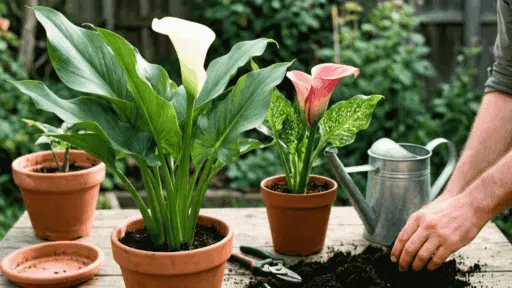
Size matters more than most people realize, too. A small pot dries out in hours, while a larger container holds more soil volume and therefore stays moist longer between waterings. If you are fighting a constant battle against wilting, moving plants into containers that are one or two sizes larger is one of the simplest changes you can make. More root room also means more access to nutrients, which helps plants maintain the energy they need to handle heat stress.
Soil Mix for Heat and Water Retention
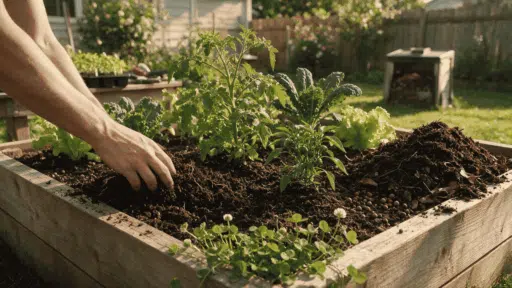
Standard potting soil works, but it is not always the best option for summer containers. Mixes that include perlite, coconut coir, or vermiculite hold moisture more consistently while still draining well enough to prevent root rot. The American Horticultural Society recommends refreshing or replacing potting mix each season, since old soil compacts and loses its ability to hold water evenly. Another way to slow evaporation is to add some mulch or decorative stone on top.
Watering Strategies That Actually Work
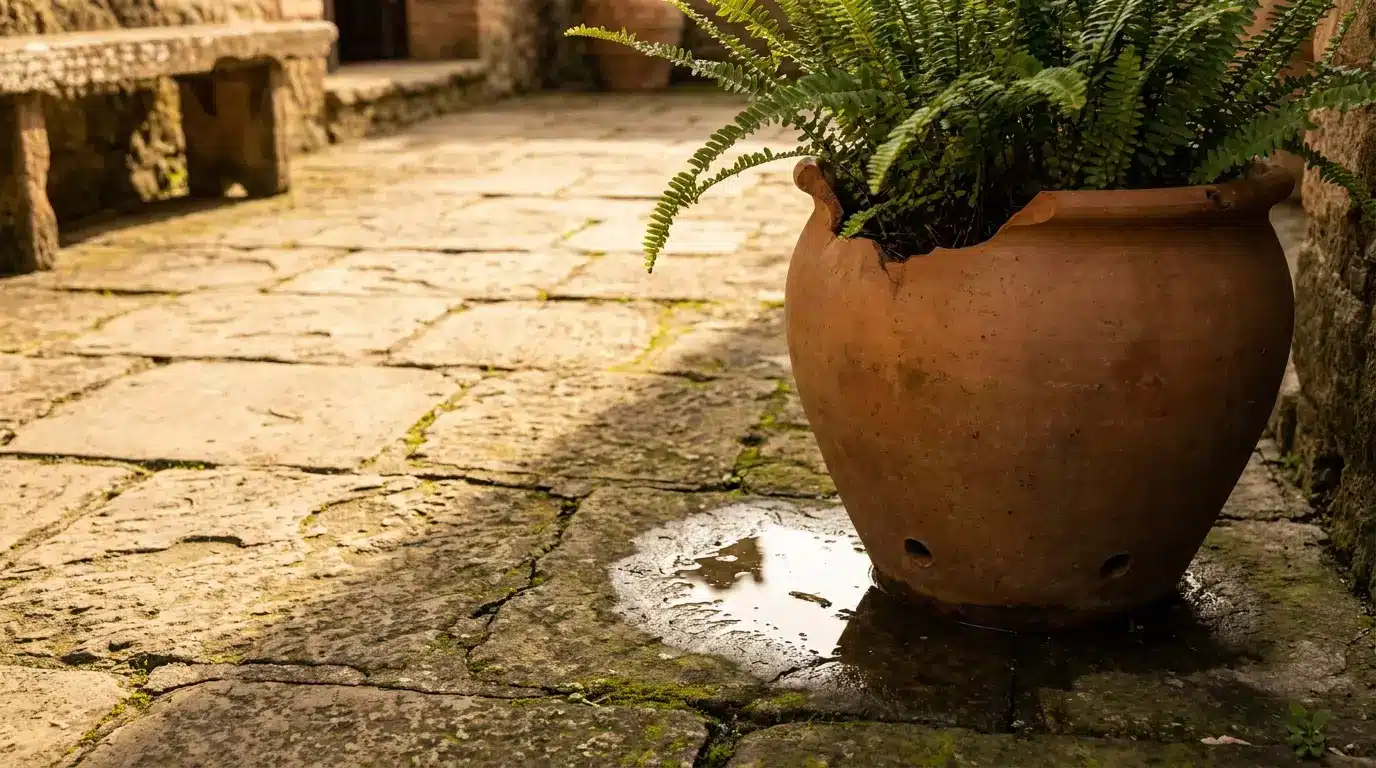
The single biggest factor in keeping container plants alive through summer is consistent watering. During peak heat, most outdoor containers need water once a day, and some may need it twice. The best time to water is early morning, which gives foliage time to dry and allows roots to absorb moisture before the heat of the day sets in. Evening watering works as a backup, though it can encourage fungal issues in humid climates if leaves stay wet overnight.
A simple finger test is still one of the most reliable methods for knowing when to water. Stick your finger about an inch into the soil; if it feels dry at that depth, it is time to water. When you water, do so slowly and thoroughly until water drains from the bottom of the pot, ensuring the entire root zone gets moisture rather than just the top layer. Shallow watering trains roots to stay near the surface, where they are most vulnerable to heat.
Self-watering containers have become increasingly popular for good reason. They use a reservoir system that allows plants to draw water upward as needed, which keeps moisture levels more consistent without requiring daily attention. For anyone relying on container gardening to make an outdoor space feel personal, this approach takes a lot of the daily guesswork out of keeping plants alive through a long, hot summer.
Feeding Your Plants Through the Season
Heat-stressed plants are not always ready to take on heavy fertilization. During extreme heat events, it is better to hold off on feeding until temperatures moderate, since fertilizer encourages new growth that will need even more water to sustain. That said, container plants do deplete nutrients faster than in-ground plants because watering flushes nutrients out of the pot over time. A balanced slow-release fertilizer applied at the start of summer, followed by occasional liquid feeding every two to three weeks, gives most containers what they need without overwhelming them.
Watch your plants for visual cues rather than sticking to a rigid feeding schedule. Yellowing lower leaves, pale color across the whole plant, or noticeably slowed growth can all signal a nutrient deficiency. On the flip side, dark green leaves combined with weak, leggy stems often indicate an excess of nitrogen relative to other nutrients. Paying attention to what your plants are actually showing you is more useful than any calendar-based approach.
Placement and Shade Strategies
Where you place containers can make as much of a difference as how you water them. Most flowering annuals and vegetables are marketed as full-sun plants, but that label is based on temperate conditions, not southern summers. In regions where afternoon temperatures regularly top 95 degrees Fahrenheit, moving containers to a spot with afternoon shade is not babying them; it is just smart gardening. Morning sun with shade from about 1 p.m. onward gives most plants plenty of light without the punishing heat of the late afternoon.
Grouping containers together is another practical strategy. Plants that are clustered create a microclimate with slightly higher humidity and lower soil temperatures, since the pots shade each other and reduce direct sun exposure on their sides. If your patio has a pergola, shade cloth, or overhead structure, positioning containers beneath it during peak summer months can significantly extend their health and bloom time. Residents of apartments Covington, LA, experience hot, humid summers and know how quickly even tough plants can give up without some strategic shade management.
Deadheading, Pruning, and Plant Selection
Removing spent blooms regularly, a practice called deadheading, keeps flowering plants from putting energy into seed production instead of new blooms. It also keeps the container looking tidy, which is especially important on a patio that doubles as a living or entertaining space. A quick pass through your containers every few days to pinch off faded flowers takes only minutes but makes a visible difference in how full and vigorous the plants stay through summer.
If you are starting fresh or redesigning your containers, choosing plants that are genuinely heat-tolerant makes everything else easier. Portulaca, vinca, caladiums, pentas, and ornamental sweet potato vine all perform well in hot, humid conditions. Native and tropical species adapted to your region almost always outperform plants bred for cooler climates, no matter how well you care for them. The plant selection decision made in spring often determines how much work the whole summer will take.
Bringing It All Together
Keeping container plants thriving through summer is not complicated, but it does require some consistency and a willingness to pay attention to what your plants are telling you. The combination of the right containers, a quality soil mix, smart watering habits, and thoughtful placement handles most of what summer throws at a patio garden. For anyone gardening in residential rentals or smaller outdoor spaces, container gardening is one of the most rewarding ways to make a patio feel like home, and with a little extra care during the hot months, those plants can look good well into fall. Residents in communities like Abita View apartment homes in Covington, Louisiana, understand the value of a well-kept outdoor space, and a thriving patio garden is one of the simplest ways to achieve it.
Jordan Mathews, who has a degree in horticulture from Texas A&M University, has been a guiding force in plant health and sustainable gardening for over 16 years. His career began with a role at a renowned botanical garden, where he deepened his understanding of plant physiology and eco-friendly cultivation methods. Jordan joined our website as a freelancer in 2020, becoming a go-to expert for readers seeking advice on nurturing diverse plant species apart from offering insights grounded in scientific knowledge and practical experience. Beyond his professional achievements, Jordan is a keen nature photographer, capturing the beauty of flora in its immensely diversified forms.