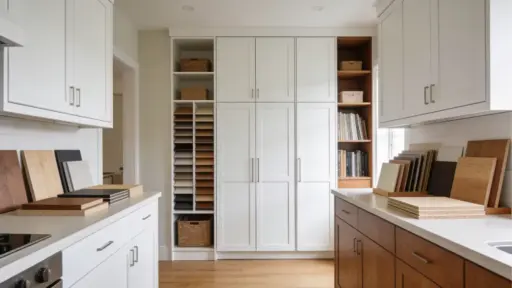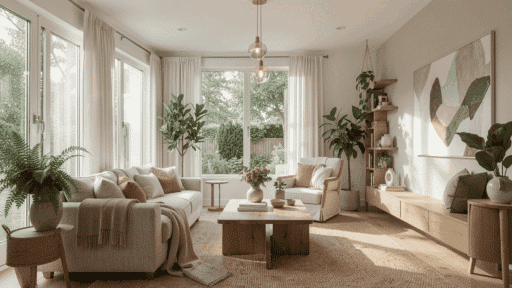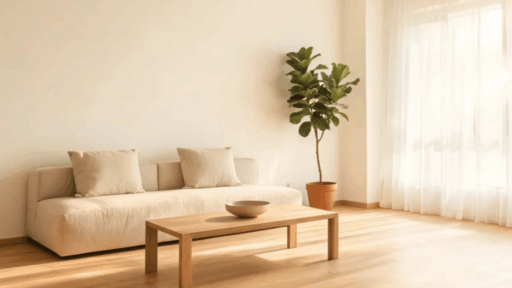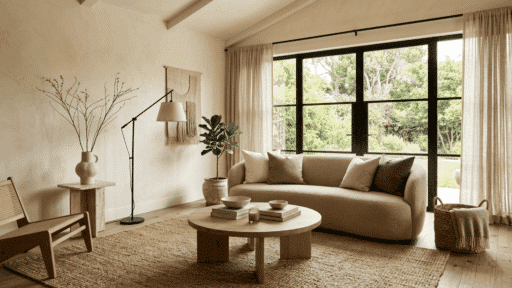
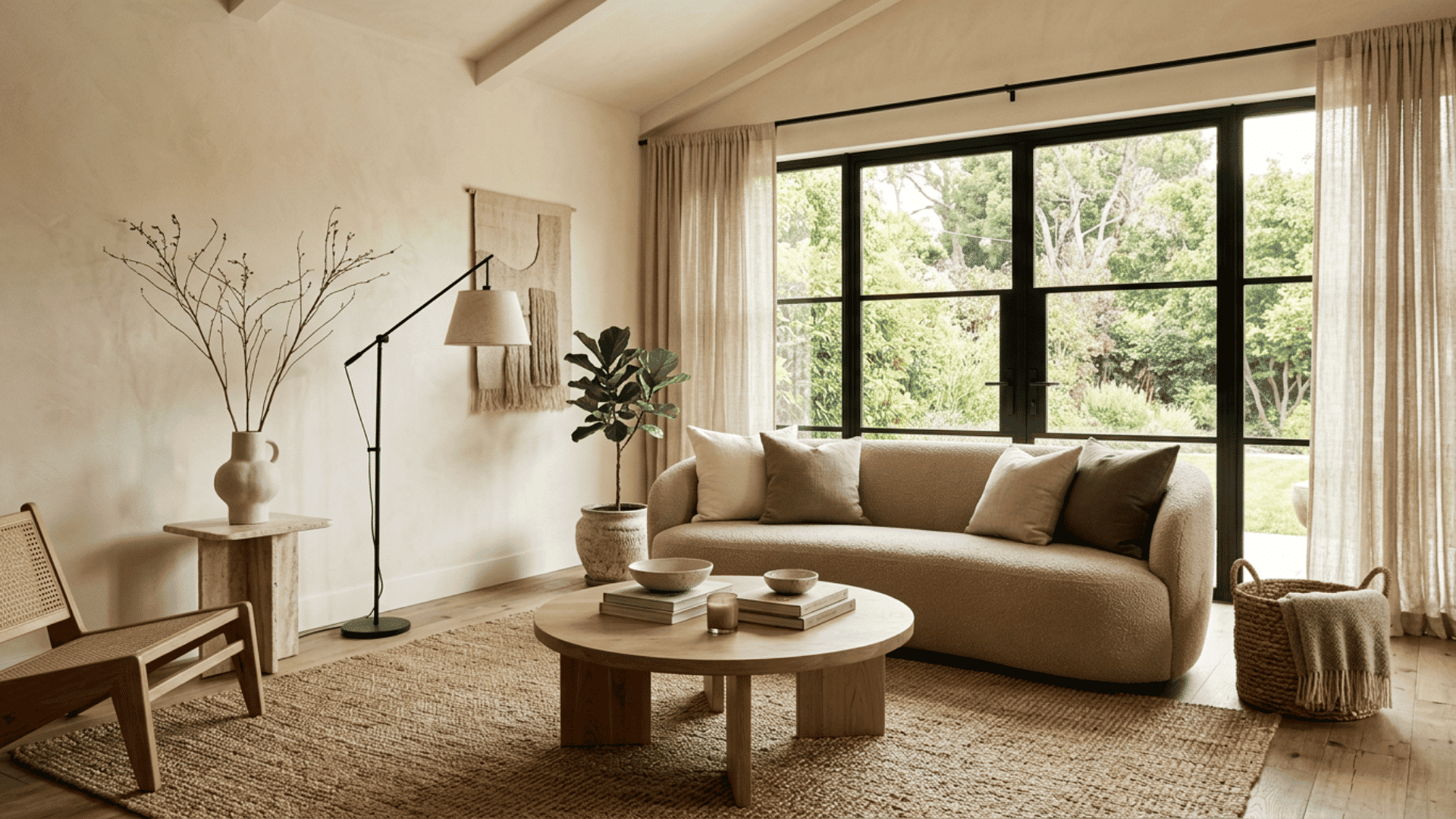

Organic modern style works because it gives a home a simple modern base without the cold, showroom look. You get creamy whites, warm beiges, taupes, light wood grains, linen, rattan, aged leather, and unpolished stone.
I’ve seen this style work best when straight modern lines are softened with curved furniture, gentle arches, bouclé, rough ceramic pieces, andearthy accents like deep green or clay.
The hard part is balance. Too much beige can fall flat, while too many natural textures can look messy.
This blog helps you out with inspiration, clear visuals, a room-by-room styling guide, spending tips, care, and mistakes to avoid.
What is Organic Modern Style?
Organic modern style is a hybrid of modern interiors and nature-led design. It keeps rooms simple and useful, then adds warmth through wood, stone, linen, leather, patinated metal, plants, and earthy colors.
The idea connects to organic modernism from the 1930s, when designers began paying more attention to natural form, light, comfort,andhow people feel inside a room.
What does it look like? The look usually includes soft whites, taupes, muted greens, clay tones, curved furniture, visible texture, natural light, and indoor plants.
How Can You Apply Organic Modern Style Visually?
Apply organic modern style by building the room in layers: color, material, shape, texture, and decor. I usually check images and mood boards before picking anything, because the overall look can fall flat pretty quickly.
Check out these ways below to plan your room before committing to a furniture piece or a paint bucket.
1. By Setting the Base Using Colors
Start with cream, warm beige, taupe, soft brown, muted clay, rust, and warm gray. These colors give the room a softer base without making it feel plain.
Houzz’s 2026 U.S. trends report supports this shift, showing searches for rust color up 178% year over year as part of its warm, earthy color trend.
Avoid cold gray, stark white, neon accents, or too many strong colors in one room.
2. Adding Materials for Warmth
Use light-to-warm wood grain as the main material cue. White oak, rift-cut oak, walnut, and lightly textured wood work well because they add movement without making the room feel heavy.
Wood also fits the current shift away from all-white kitchens, with Forbes reporting that 29% of renovating homeowners chose wood cabinets, compared with 28% choosing white.
Start with one major wood piece, then layer linen, stone, rattan, wool, or ceramic around it.
3. Furniture That Shapes the Room
Choose furniture with curved edges, rounded corners, low profiles, and simple forms.
A curved sofa, round coffee table, arched cabinet, or sculptural chair can soften straight modern lines without making the room feel busy.
Avoid bulky furniture, sharp-heavy silhouettes, and too many matching pieces. The room should feel collected with care, not like every item came from one showroom set.
4. Through Decor
Use houseplants, branches, earthenware pottery, woven baskets, natural-fiber rugs, textured pillows, and simple bowls or trays.
Let daylight, windows, and outdoor views become part of the room when possible.
Natural light in interiors is linked with better mood, lower stress, and sharper focus, so it adds comfort as much as style.
Avoid filling every shelf, console, and table with small decor. Organic modern rooms need breathing space, so the natural materials can stand out without feeling crowded.
5. Via Mood Boards (for Planning the Look)
I’ve found mood boards work better when they feel like a real planning wall, not a folder of pretty rooms. Use them to place wall colors, sofa fabrics, wood tones, stone samples, rug textures, lighting ideas, art, and product screenshots on one board.
Apps like Canva, Milanote, and Adobe Express make this easy.
Add real room images beside these ideas so you can compare scale, color, and texture before buying.
If designing is not your forte, Pinterest is your library for matching rooms and products in one place. 60% of Pinners used it to make decisions about home decor purchases.
How Do You Create an Organic Modern Style Room by Room?
Use the same base idea in every room. Warm colors, natural materials, soft shapes, texture, and simple styling. The difference is where each room needs comfort or function.
A living room needs softness, a kitchen needs practical surfaces, and a bathroom needs moisture-safe choices.
1. Living Room
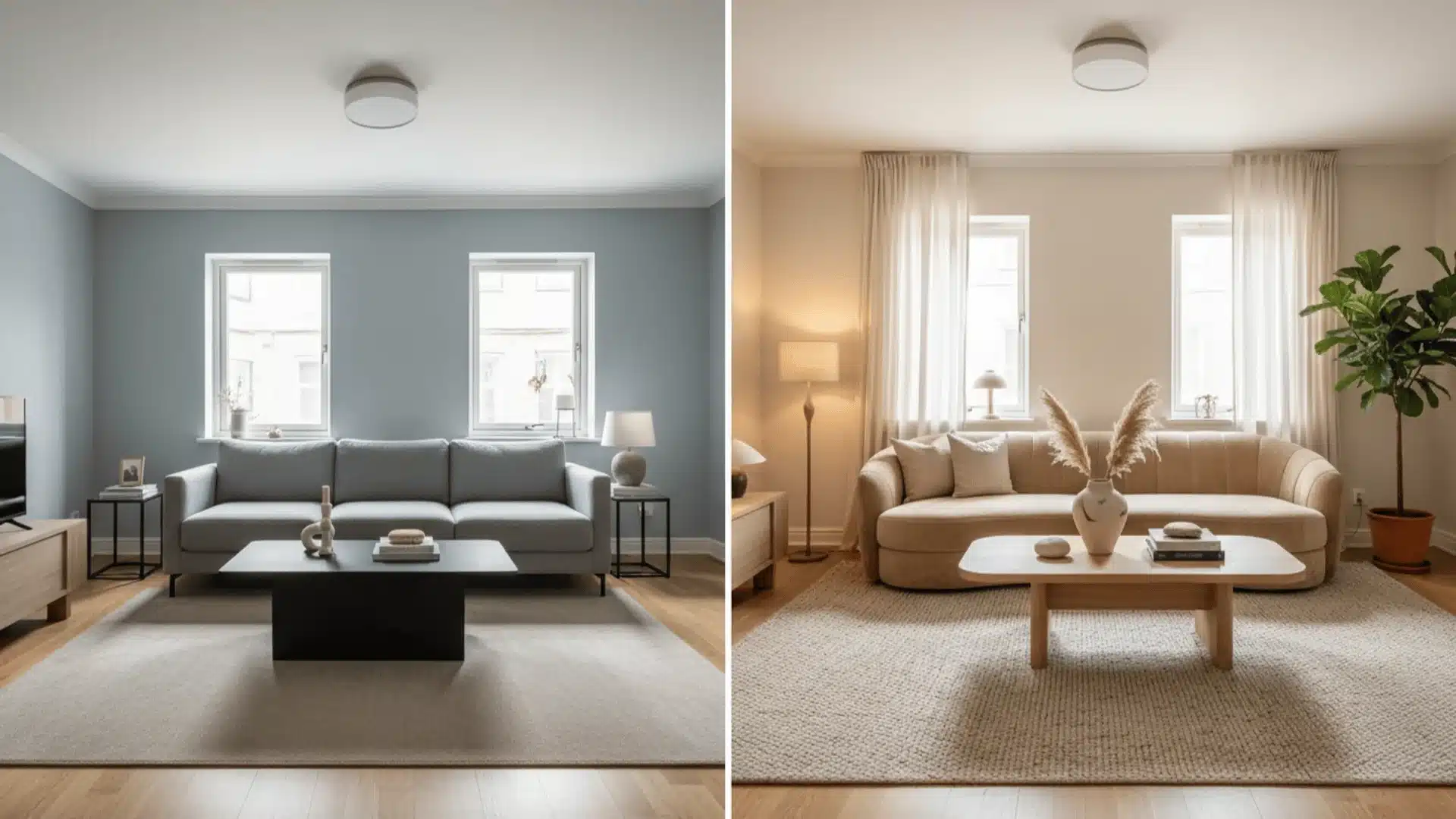
Start with a warm neutral sofa, then add a textured rug, wood coffee table, and layered lighting. Use one stone, ceramic, or woven piece for contrast.
Add linen curtains if the room feels bare. A plant or branch arrangement can soften corners.
Keep the layout open enough for movement and conversation.
2. Bedroom
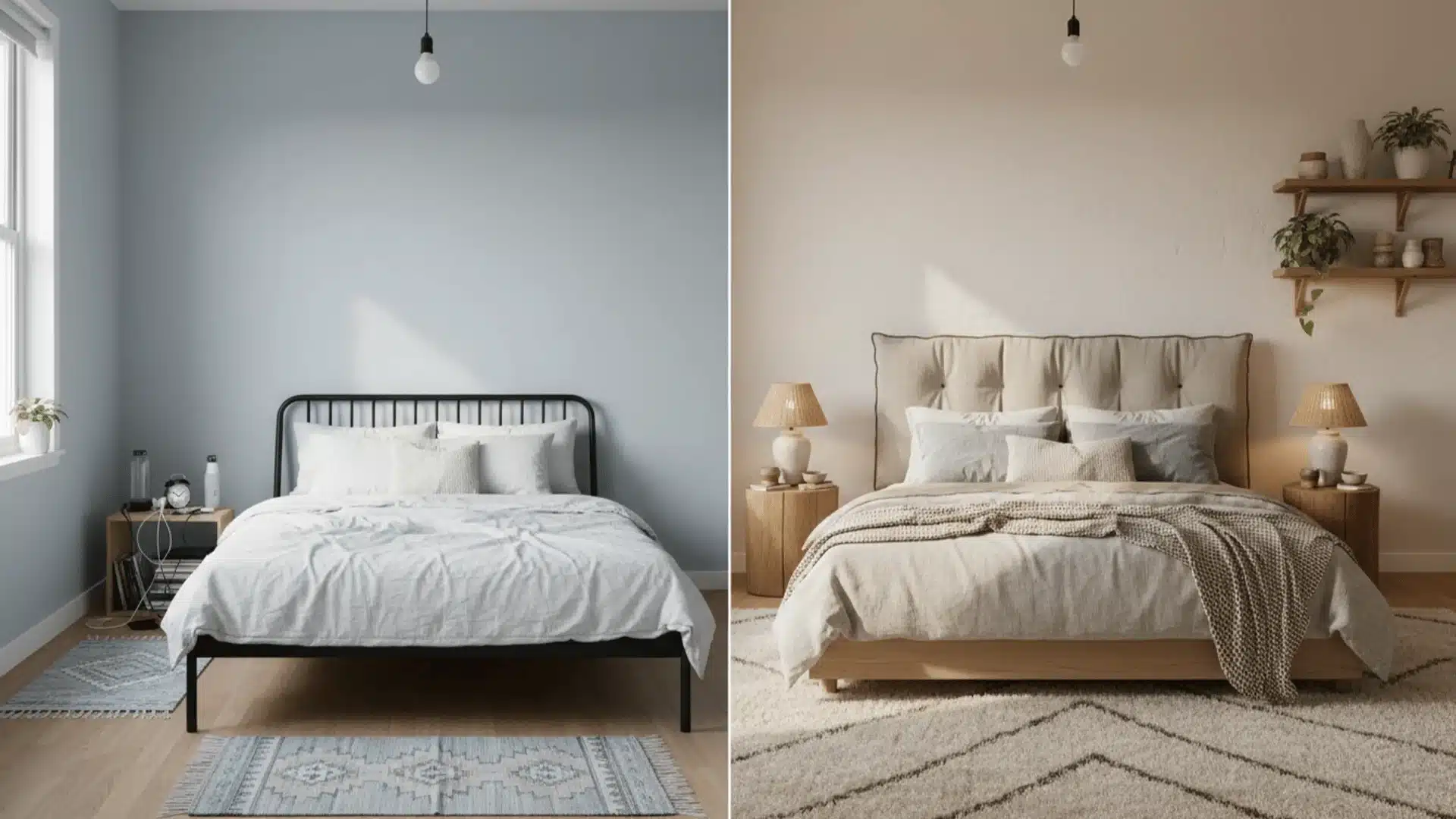
A bedroom should feel restful, so keep the palette soft and the textures comfortable.
Use linen or cotton bedding, a wood or upholstered bed, warm lamps, and a rug underfoot. Keep nightstands simple with one lamp and one small object.
Avoid filling the walls with too much art or pattern.
3. Kitchen
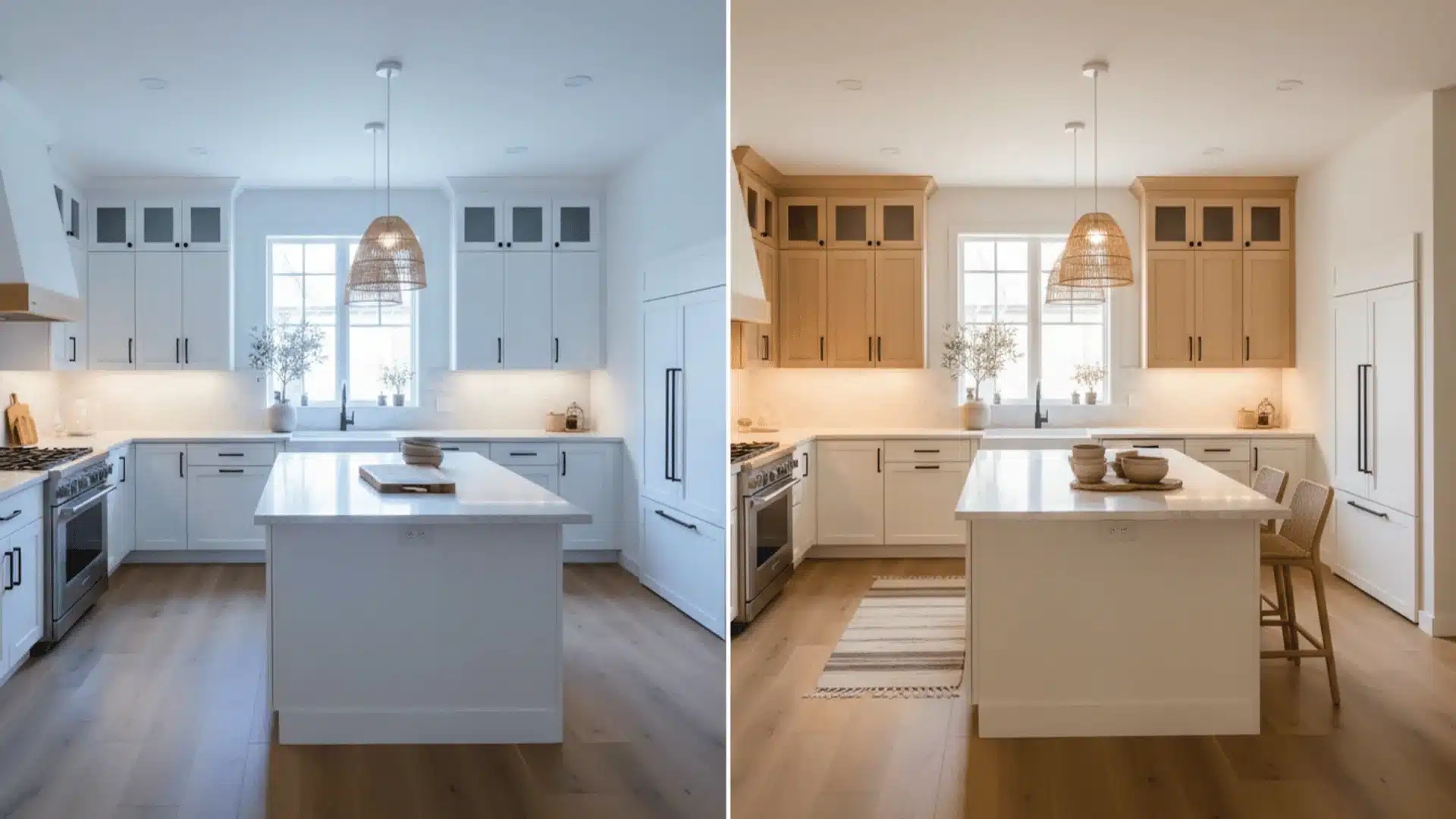
Use warm wood, simple hardware, stone or stone-look counters, and soft lighting. Add ceramic bowls, wood boards, woven stools, or a runner to soften hard surfaces.
Open shelving can work, but keep it controlled. Display only the pieces you use or love, so the kitchen still feels practical.
The kitchen, once called the “supremely modern ideal“, is where a home’s style shifts first. Warm wood, stone counters, and soft lighting can make it appear organic modern fast.
4. Bathroom
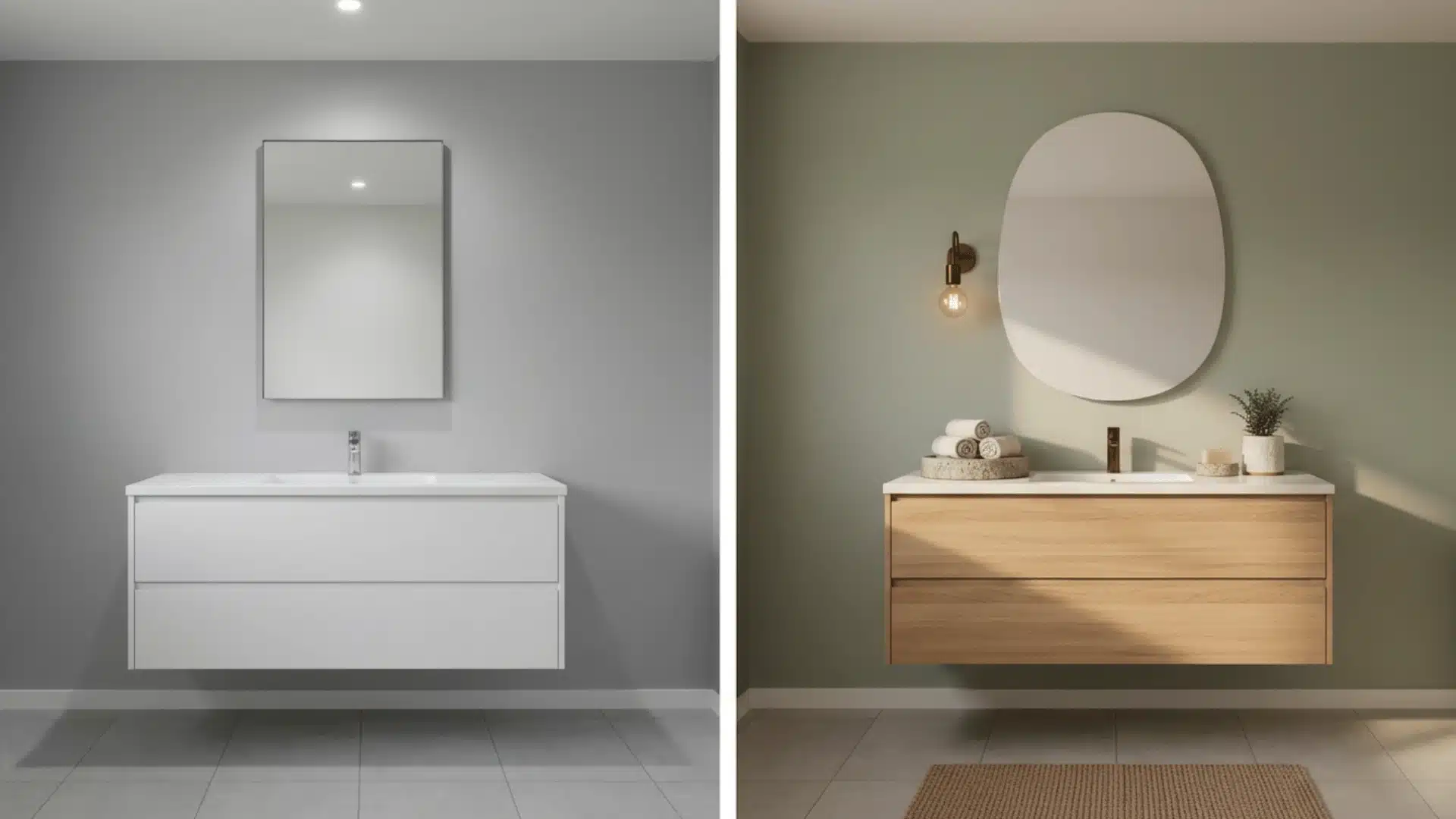
Use a wooden vanity, a curved mirror, a soft wall color, a stone tray, linen towels, and warm lighting. Choose finishes that can handle water and daily use.
If real stone feels costly, use it in small areas, such as a tray, backsplash, or counter detail. Keep a few items on the counter so it does not look cluttered.
5. Dining Room
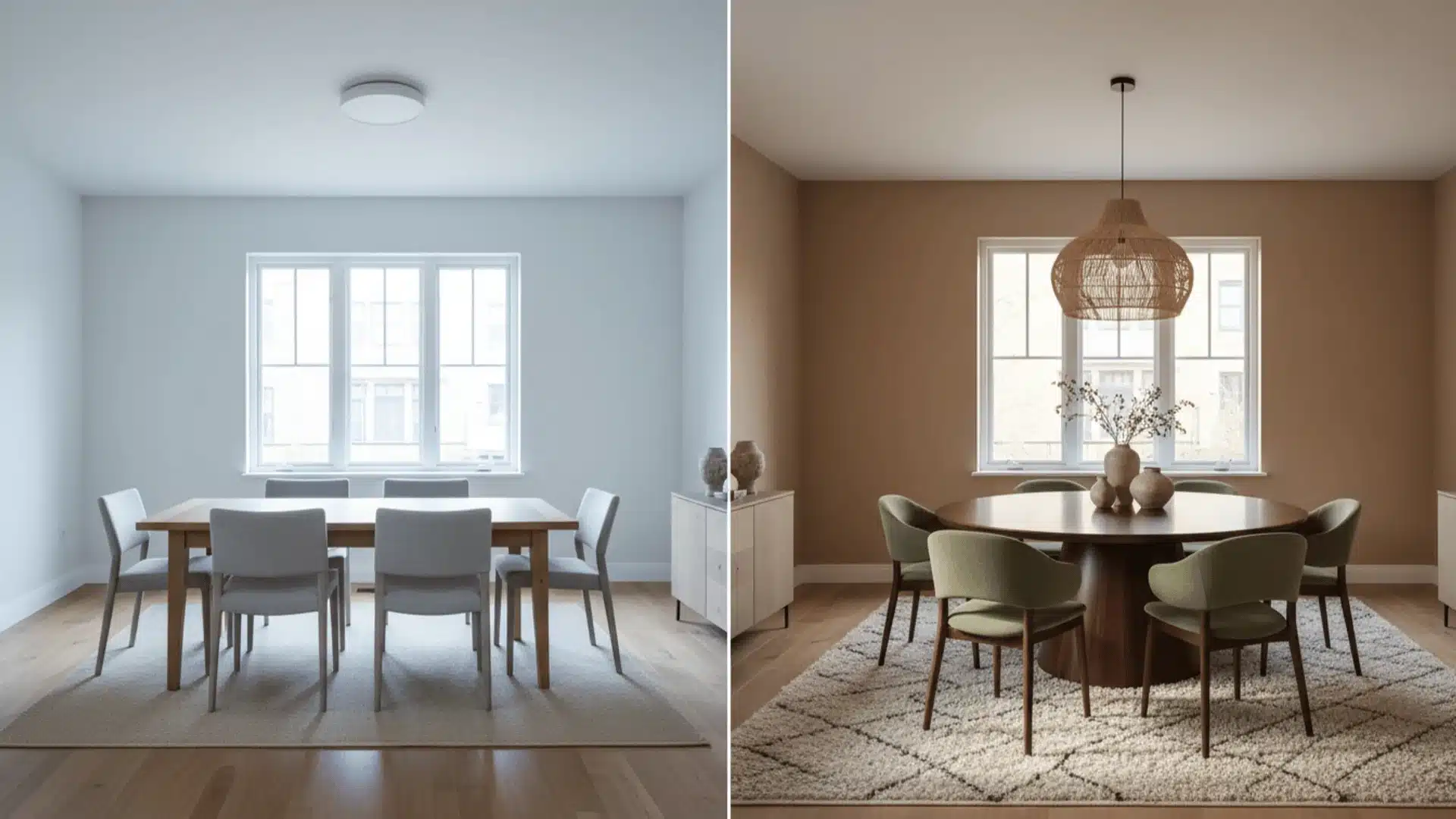
Choose a wood dining table as the anchor, then add curved chairs, warm lighting, and one simple centerpiece. A woven pendant or ceramic lamp nearby can soften the room.
Keep the table styling light. A bowl, branches, or a stone vessel usually gives enough texture without making meals feel crowded.
6. Entryway
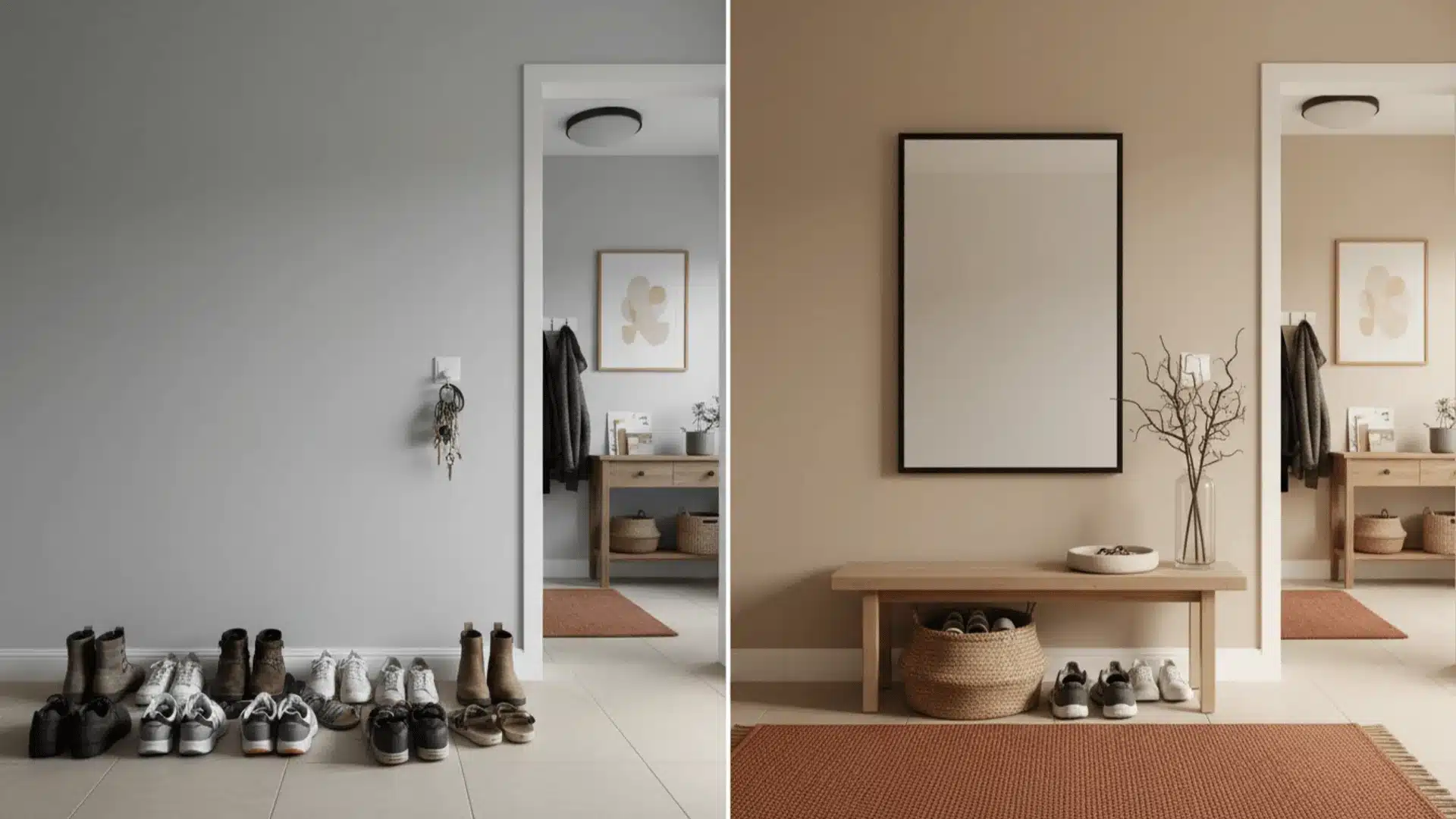
An entryway needs only a few strong pieces. Use a wooden bench or console, a woven basket, a mirror, a natural runner, and one plant or branch arrangement.
Add a tray for keys if needed. Hide shoes and daily clutter in baskets or closed storage, so the first view feels calm and useful.
How Much does Organic Modern Style Cost?
There is no fixed cost for organic modern style because it is a look, not a tracked renovation category.
A light refresh can stay in the hundreds if you update paint, pillows, curtains, plants, lamps, and secondhand wood pieces.
For a larger update, use buyer spending as a practical benchmark. NAHB found new-home buyers spent $5,122 on furnishings and nearly $12,000 on property repairs and alterations in the first year after purchase.
- Spend on the sofa, rug, lighting, bed, dining table, or vanity.
- Save on baskets, vases, trays, pillow covers, branches, and small ceramics.
Note:Costs vary by room size, material quality, labor, location, and reused items.
1. Warm Minimal Mood Board (For a Calm Living/Bedroom)
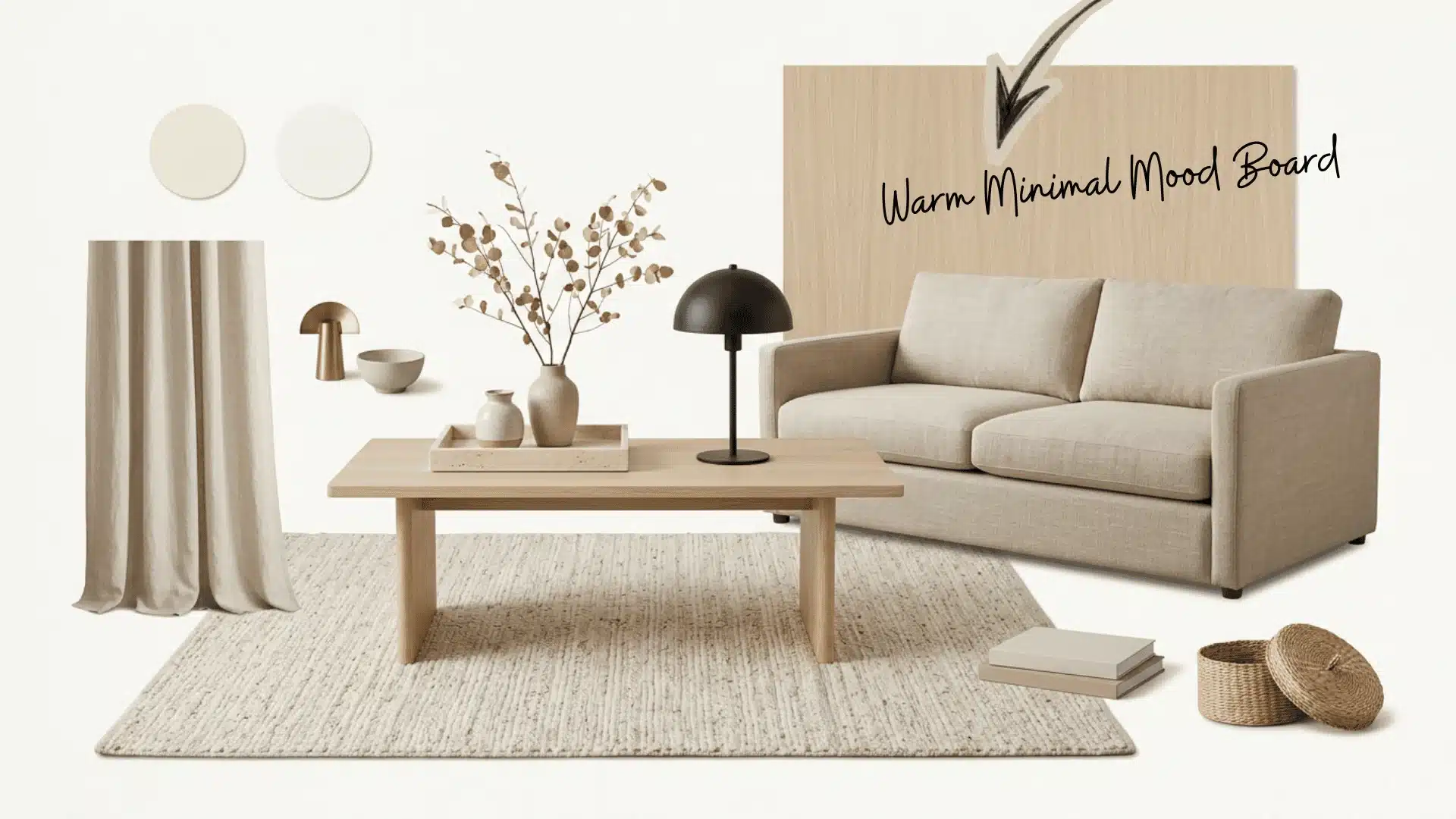
Use cream walls, pale oak, beige linen, a wool-look rug, soft black lamps, and a travertine-style tray. This board works for living rooms and bedrooms that need calm without looking empty.
For budget control, choose linen-look curtains, a thrifted wood table, a handmade ceramic vase, and branches from a local market.
2. Earthy Organic Mood Board (For a Room that Feels Too Pale)
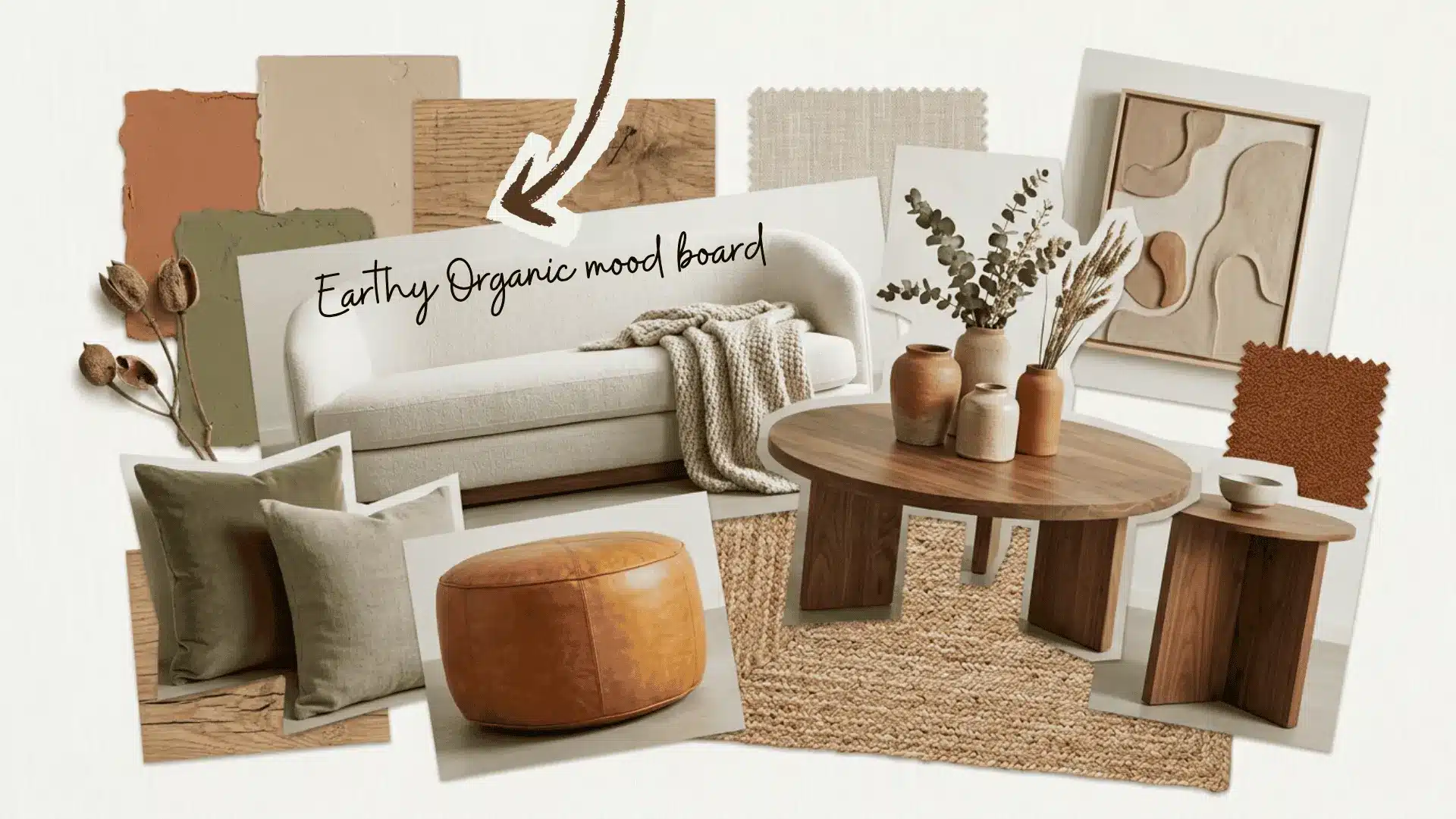
Use clay, rust, walnut, olive, jute, leather, and rough ceramic pieces. This board helps rooms that feel pale, thin, or too safe.
Keep the sofa or bed neutral, then add olive pillow covers, clay-toned art, a jute rug, and one warm wood side table.
I’d avoid too many dark pieces because the room should feel warm, not heavy.
3. Light Organic Coastal Mood Board (For a Bright Small Home)
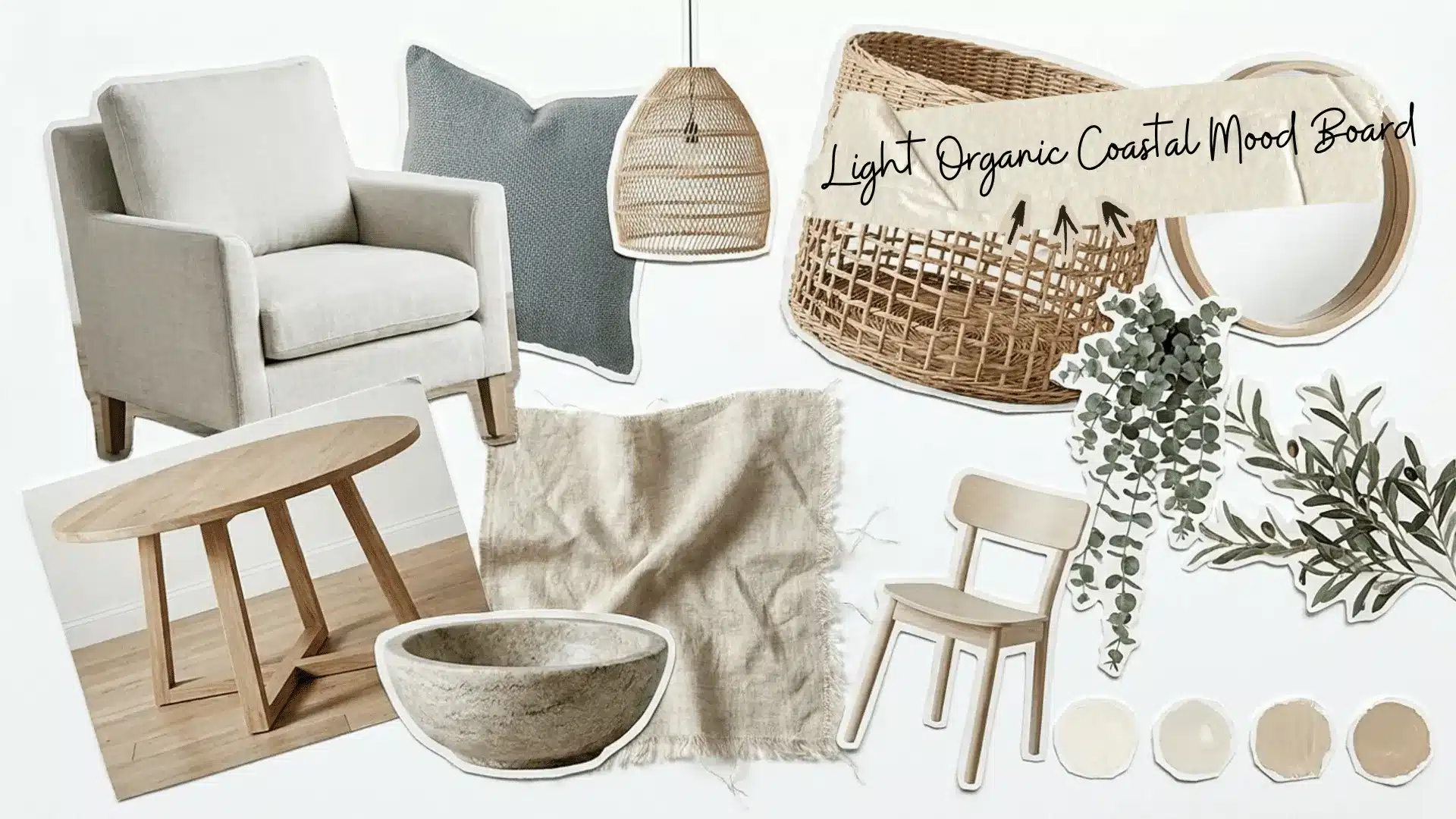
Use warm white, pale oak, rattan, linen, stone, muted blue-gray, and woven lighting. This board works for small apartments, breakfast corners, and rooms with good daylight.
Try rattan baskets, linen-look curtains, a light wood mirror, a stone bowl, and one soft blue-gray accent. Skip shells and signs. Let texture create the relaxed feel.
4. Soft Green Mood Board (Too ‘Plain’ Bedroom, Not Anymore)
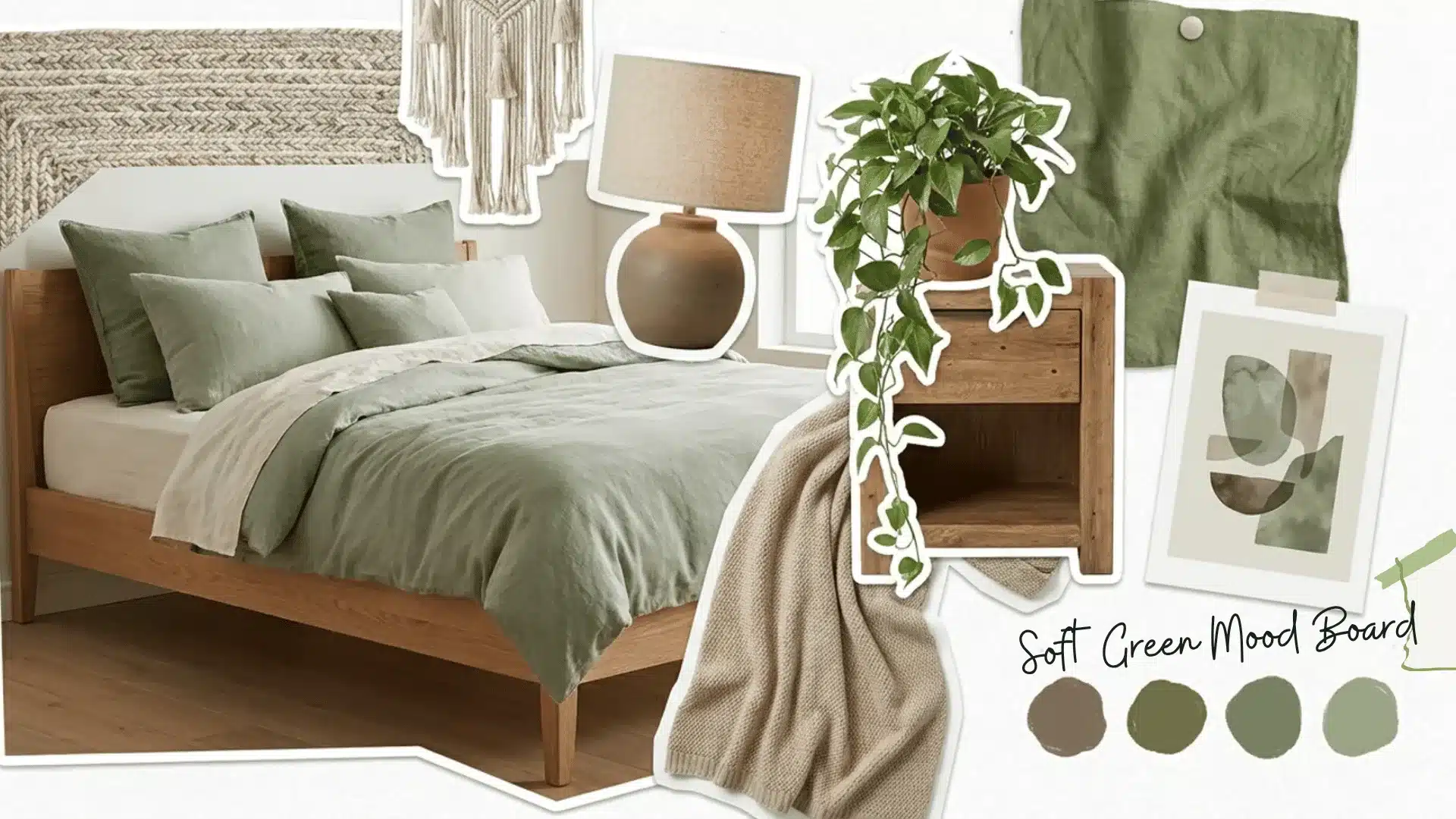
Use mushroom walls, light oak, cotton bedding, wool texture, sage accents, and a ceramic lamp. This board works when a bedroom feels plain or sharp.
Start with sage pillow covers, a warm lamp, a soft rug, and one leafy plant near the window. Minimal patterns so the room gives off that ‘restful’ feeling, too.
5. Stone and Wood Mood Board (Kitchen/Dining Makeover)
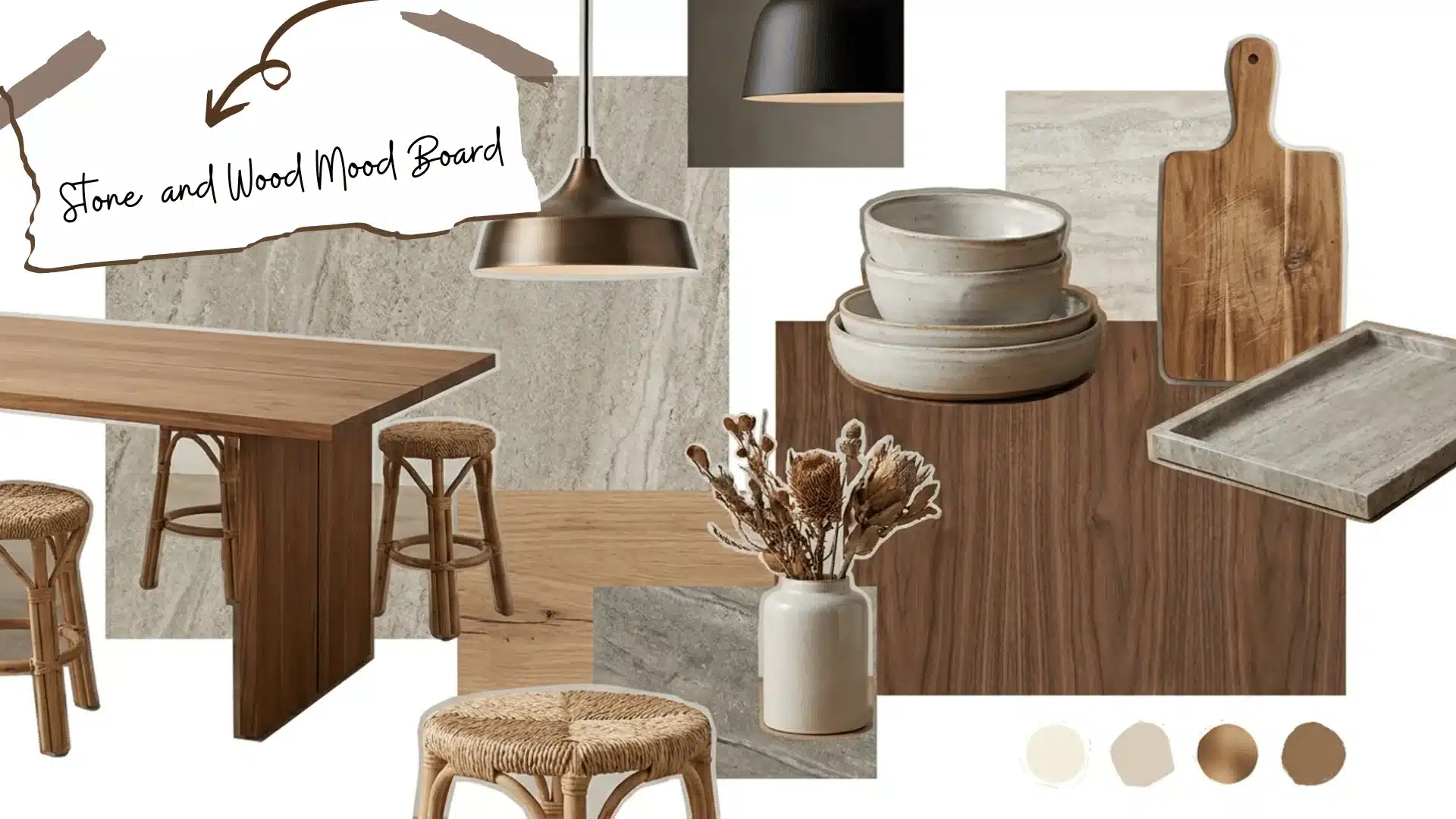
Use warm wood, stone-look surfaces, bronze or soft black lighting, woven seats, and ceramic bowls in kitchens and dining rooms.
Adding a wooden cutting board, stone-look tray, woven stools, and a simple ceramic centerpiece is a good idea as well.
Swap small items before replacing tables, cabinets, counters, or lighting.
That way, maybe you can achieve a look without spending too much.
| Mood board idea | Works best in | Color + Pieces | Likely budget drop |
|---|---|---|---|
| Warm Minimal | Living Room, Bedroom | Linen-look curtains, thrifted table, ceramic vase, branches | 25–40% |
| Earthy Organic | Living Room, Dining | Olive pillows, jute rug, clay art, wood side table | 20–35% |
| Light Organic Coastal | Small Homes | Rattan basket light wood mirror linen-look curtains stone bowl | 25–45% |
| Soft Green Bedroom | Bedroom | Sage pillows, warm lamp, soft rug, small plant | 20–35% |
| Stone and Wood | Kitchen, Dining | Stone-look tray wood board woven stools ceramic bowls | 30–50% |
*These percentages are rough savings estimates, not fixed costs.
How do You Maintain An Organic Modern-Styled Room?
Organic modern style looks better when natural materials are gently cared for.In my experience, the easiest routine is simple. This look stays beautiful when you protect surfaces, avoid harsh cleaners, and treat texture as something to preserve rather than scrub away.
- Wood:Wipe spills quickly, use coasters, and avoid soaking the surface.
- Stone:Use mild soap, avoid acidic cleaners, and seal marble, limestone, or travertine when needed.
- Linen and Wool:Vacuum rugs often, rotate them, and follow care labels for curtains and covers.
- Rattan and Jute:Keep them dry and clean with a soft brush or vacuum.
- Plants:Match each plant to the room’s light so it stays healthy. Water them if they are not artificial.
Organic Modern Mistakes to Avoid (And How to Fix Each One)
The biggest organic modern mistakes happen when the room feels too cold, too empty, too matched, or too cluttered.
Mistake 1: Cool Paint Undertones
Blue-gray, icy beige, or stark white can make wood, linen, and stone look dull. The room may feel modern, but it loses the natural warmth this style needs.
Fix: Test ivory, oat, mushroom, or taupe beside your main wood tone before painting.
Mistake 2: Beige On Every Surface
Too much beige can make the room feel blank instead of layered. When walls, sofa, rug, and curtains all look similar, nothing stands out.
Fix: Add clay, olive, leather, stone, plants, or soft black accents.
Mistake 3: Wrong Scale
Tiny rugs, small lamps, and undersized art can make even good furniture look awkward. The room may feel unfinished because the pieces do not match the size of the space.
Fix: Rugs should reach the front legs of seating. Art should cover about two-thirds of the furniture’s width.
Mistake 4: Cool Lighting
Harsh white bulbs can flatten warm materials at night. Wood, stone, linen, and leather lose their softness under cool lighting, so the room can feel cold after sunset.
Fix: Use 2700K–3000K bulbs and at least three light sources, such as an overhead light, table lamp, and floor lamp.
Mistake 5: Zero Storage Sense
Mail, cables, shoes, toys, and daily clutter can quickly break the calm look. Organic modern rooms need open space, but that only works when storage is planned early.
Fix: Use closed cabinets, lidded baskets, trays, storage benches, and hidden cable boxes before clutter starts taking over surfaces.
The Bottom Line
Organic modern style comes down to balance. Warm neutrals set the base, wood and stone add weight, linen and wool soften the room, and curved furniture keeps modern lines from feeling too sharp.
The strongest rooms do not copy one image exactly. They use mood boards, real room photos, smart spending choices, and simple care habits to make the look fit daily life.
Start where the room feels weakest. It might need better lighting, a larger rug, a warmer wood tone, or fewer small pieces.
Which room would you update first with organic modern ideas? Leave the answer down below.
Frequently Asked Questions
What is the Difference Between Farmhouse and Organic Modern?
Farmhouse feels more rustic and country-inspired. Organic modern style feels softer, simpler, and more nature-led, with curved furniture, warm neutrals, wood, and stone.
What Colors Work Best for Organic Modern Homes?
Warm white, cream, beige, taupe, clay, olive, sage, camel, walnut, and soft black work best for organic modern homes.
Can Organic Modern Style Work in Small Homes?
Yes. Use warm neutrals, rounded furniture, hidden storage, mirrors, textured rugs, and fewer large pieces instead of many small decor items.
Is Organic Modern Style Expensive?
It can be, but it does not have to be. Spend on furniture and lighting, then save on baskets, ceramics, branches, and textiles.
Is Organic Modern Still in Style?
Absolutely. Organic modern style is still relevant because warm wood, earthy colors, curved furniture, and natural textures remain popular.

With a Master in Architectural Studies from University of Pennysylvania, Marwa Haydar has pioneered living spaces since 2005. Her expertise, initially honed in a prestigious architectural firm, is evident in her approach to creating environments. Marwa became part of our team in 2019 and has since been a driving force in our home improvement section, known for her practical yet stylish solutions. She’s been spearheading our design workshops since then, infusing her passion for teaching into her work. In her leisure time, Marwa enjoys exploring historic architecture and is an enthusiastic pottery hobbyist, further enriching her understanding of form and texture.