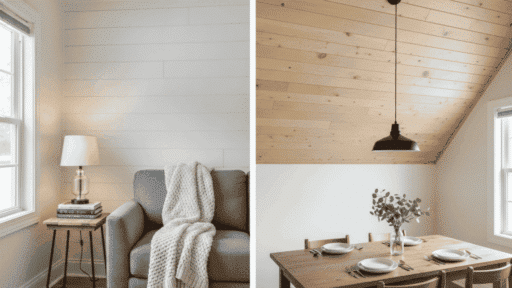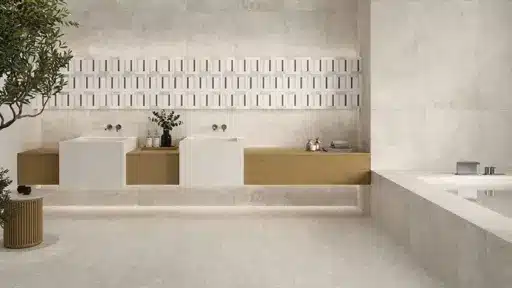
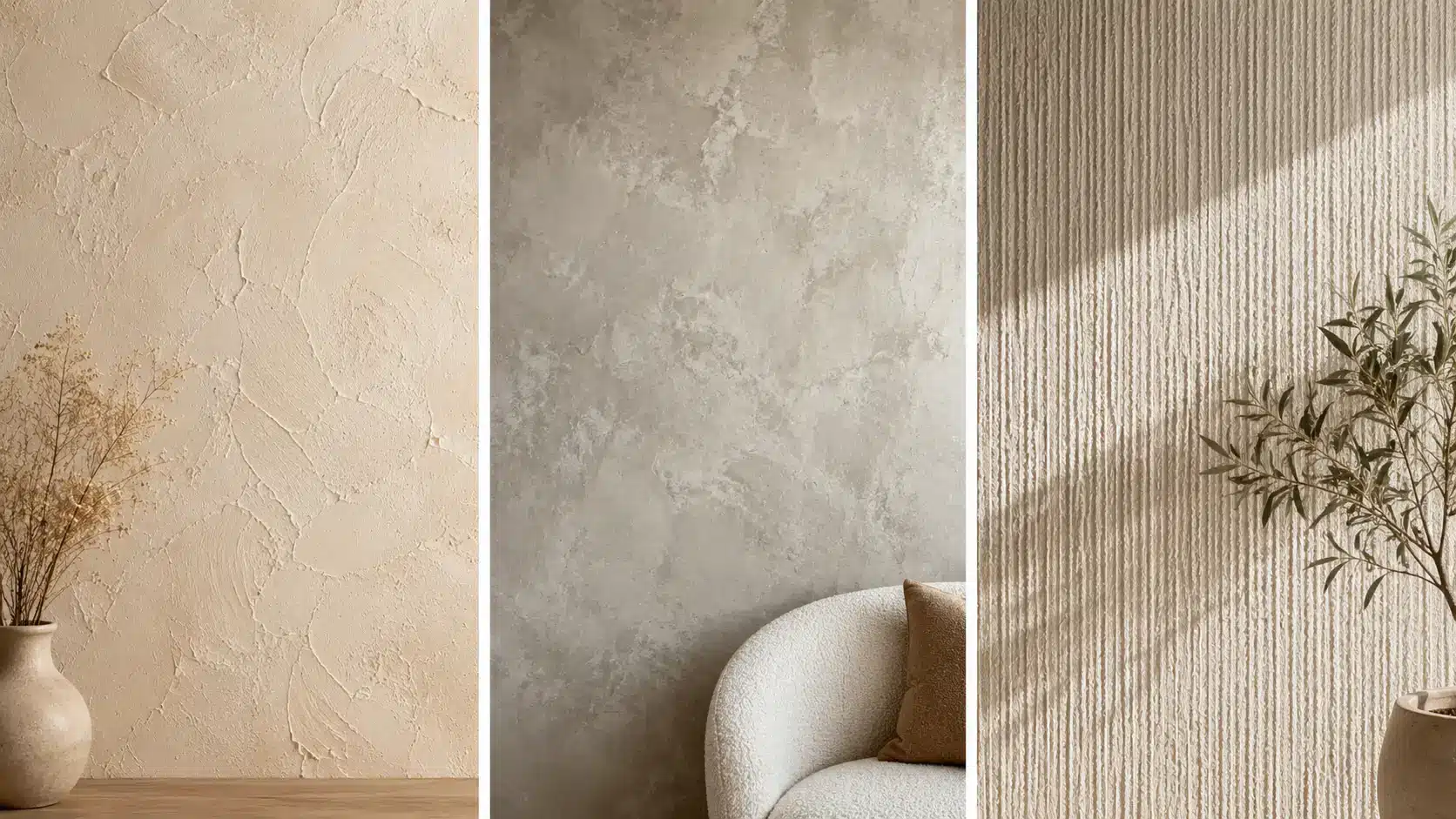

Wall texture is more than a finishing touch. It shapes how a room feels, how light moves across surfaces, and how much personality a space quietly carries.
The right finish adds depth, softens imperfections, improves acoustics, and brings a kind of character that paint alone simply cannot.
With so many types of wall texture available today, ranging from subtle spray sand to refined Venetian plaster, every home has an option worth considering.
Read on for everything needed to choose a finish that suits the space, the budget, and the vision behind it.
Why are Textured Walls Popular?
A flat wall does its job, but a textured one tells a story.
The way a limewash finish catches the afternoon light, or how a sand swirl pattern makes a plain room feel deliberately crafted, is the kind of detail that completely changes the character of an entire interior.
Textured walls add depth, warmth, and visual interest that no amount of furniture or décor can fully replicate on its own.
Suitable for homes, offices, and commercial spaces alike, they come in enough finishes and application styles to suit virtually any aesthetic, making them one of the most versatile choices in modern interior design today.
Textured Wall Paint vs. Drywall Texture
Textured wall paint combines texture and color in a single application, making it the go-to choice for DIY beginners and quick refreshes.
Drywall textureis a compound-based finish applied separately before painting, capable of producing bold, deeply dimensional patterns.
| Factor | Textured Wall Paint | Drywall Texture |
|---|---|---|
| Application | Paint and texture applied in one coat | The compound is applied separately before painting |
| Skill Level | Beginner-friendly, minimal tools needed | Requires intermediate to advanced technique |
| Finish Depth | Low-profile surface texture | Bold, deeply dimensional patterns are possible |
| Durability | Moderate, prone to wear over time | Highly durable once fully cured and sealed |
| Cost | Low cost, no specialist tools required | Higher cost due to materials and labor |
| Best For | Quick refreshes, rentals, small projects | Full renovations, feature walls, lasting finishes |
| Examples | Sand-textured paint, stone-effect coatings, popcorn ceiling spray | Orange peel, knockdown, skip trowel, Venetian plaster, hawk, and trowel |
Different Types of Wall Texture
Wall texture gives a room personality. It adds depth, hides surface flaws, and sets the overall feel of a space.
1. Orange Peel
Skill Level: Beginner to Intermediate
Suitable For: Modern homes, living rooms, hallways
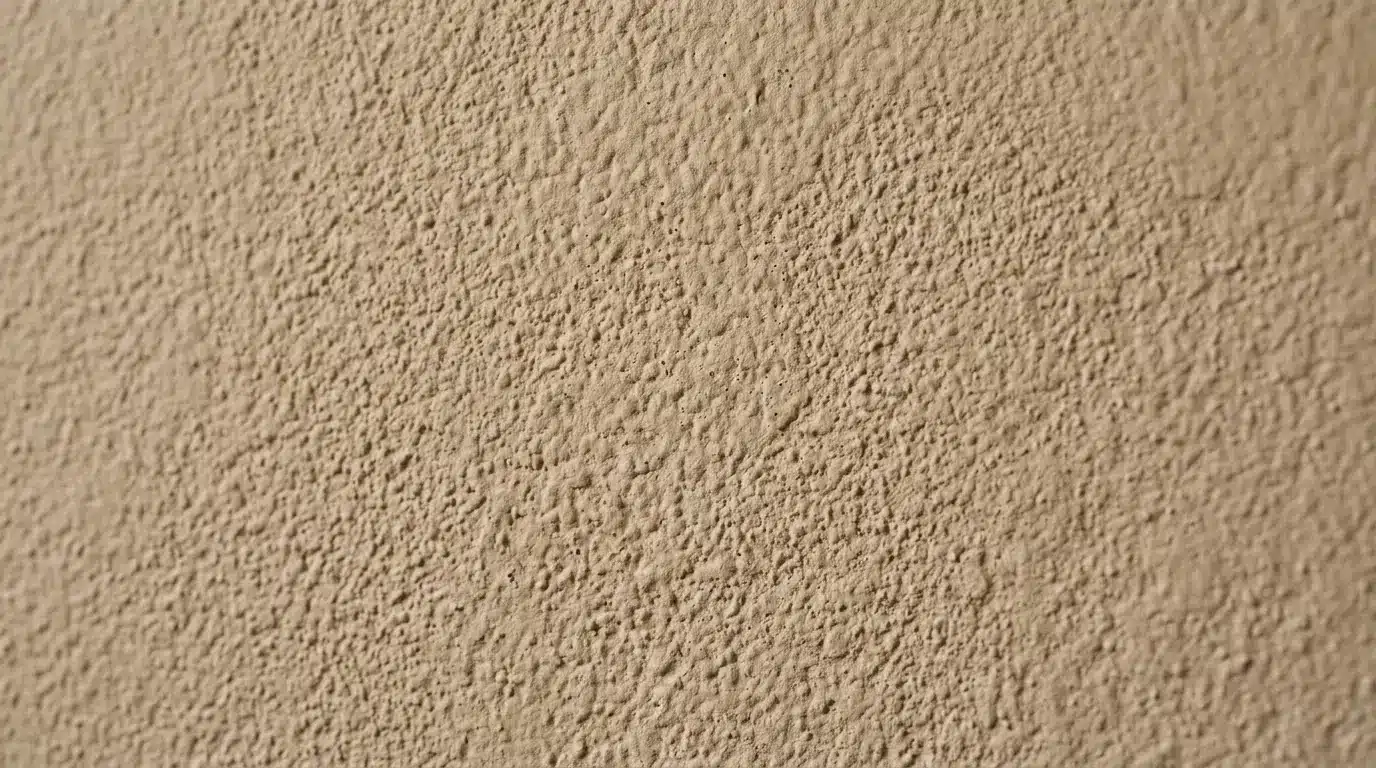
Orange peel texture features a bumpy, dimpled finish that closely mimics the surface of citrus skin.
Applied using a hopper gun or spray can, it adds understated depth without overwhelming a space. Its low-profile pattern makes it highly resistant to scuffs and everyday wear, making maintenance straightforward.
However, patching damaged sections can be tricky, as matching the original spray pattern requires a practiced hand to avoid visible inconsistencies.
2. Knockdown
Skill Level: Intermediate
Suitable For: Contemporary interiors, large walls and ceilings
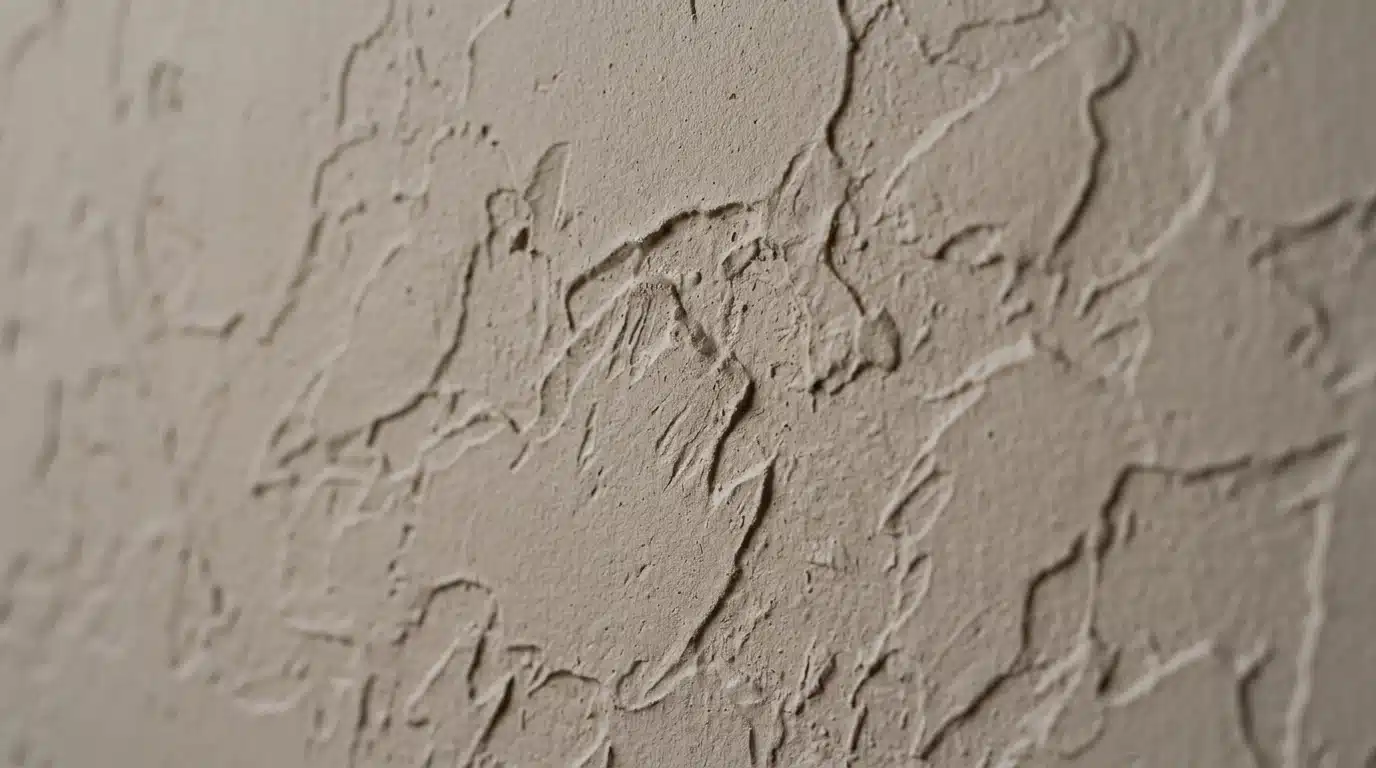
Knockdown texture is created by applying joint compound in irregular splatter patterns, then lightly flattening the peaks with a knife before drying, producing a subtle, stucco-like finish.
It adds visual dimension and depth to large surfaces without feeling heavy or overwhelming.
The varied, organic pattern naturally hides minor wall imperfections, making it a practical choice for high-traffic areas while complementing the clean lines of contemporary interiors.
3. Popcorn
Skill Level: Beginner (Application) / Professional Recommended (Removal)
Suitable For: Older homes, ceilings requiring sound absorption
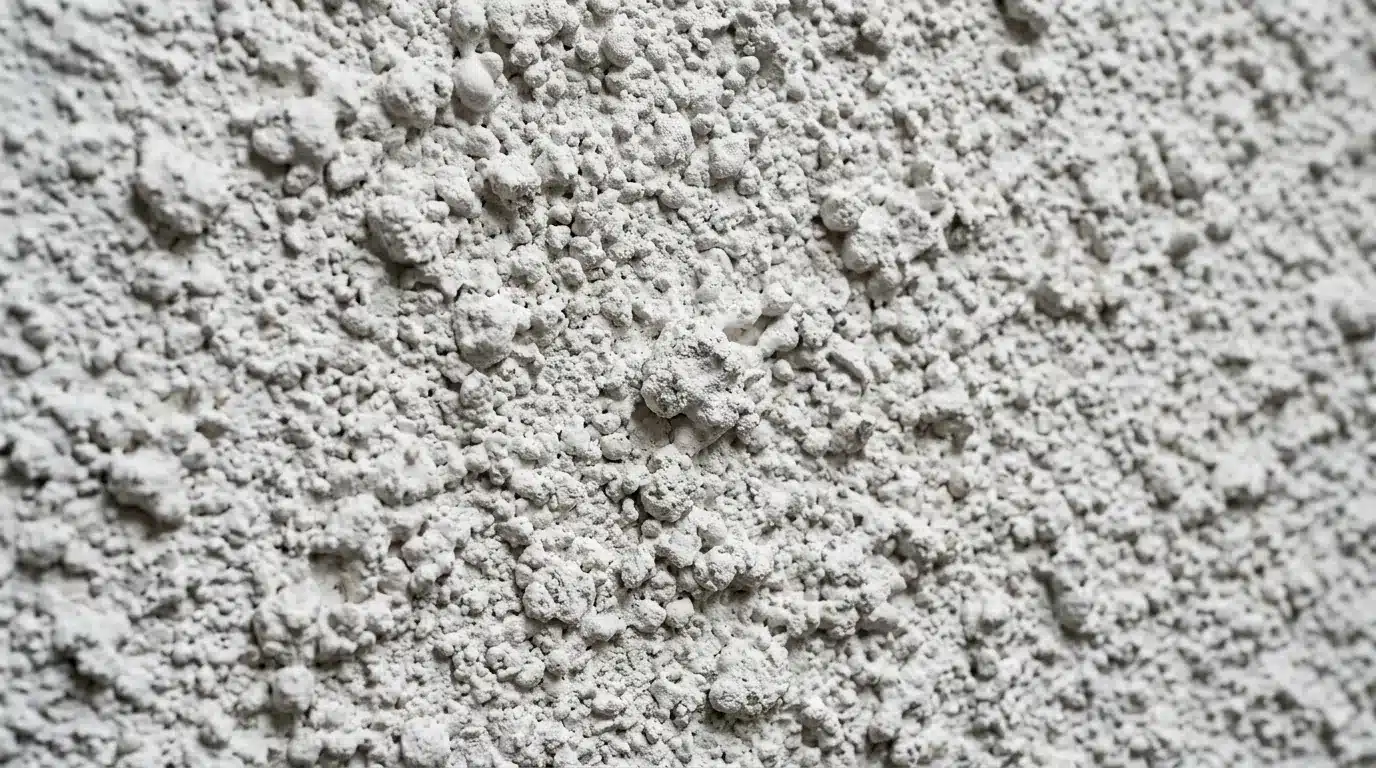
Popcorn texture features a thick, heavily bumpy surface created by spraying a mix containing styrofoam or paper particles onto ceilings.
Its dense, irregular composition effectively absorbs sound and reduces echo, making it a practical choice for bedrooms and living spaces.
Critically, older popcorn ceilings may contain asbestos and should be professionally tested before any renovation work begins.
4. Smooth Finish Texture

Skill Level: Advanced
Suitable For: Minimalist interiors, modern luxury homes
Smooth-finish texture delivers a completely flat, sleek wall surface, achieved through multiple layers of joint compound, each carefully sanded between coats.
It creates a refined, polished look that pairs beautifully with contemporary and luxury interior designs.
However, achieving a flawless result demands significant skill and patience, as this finish offers no pattern to mask mistakes.
5. Skip Trowel
Skill Level: Intermediate to Advanced
Suitable For: Southwestern and Tuscan-style homes, Mediterranean-inspired interiors
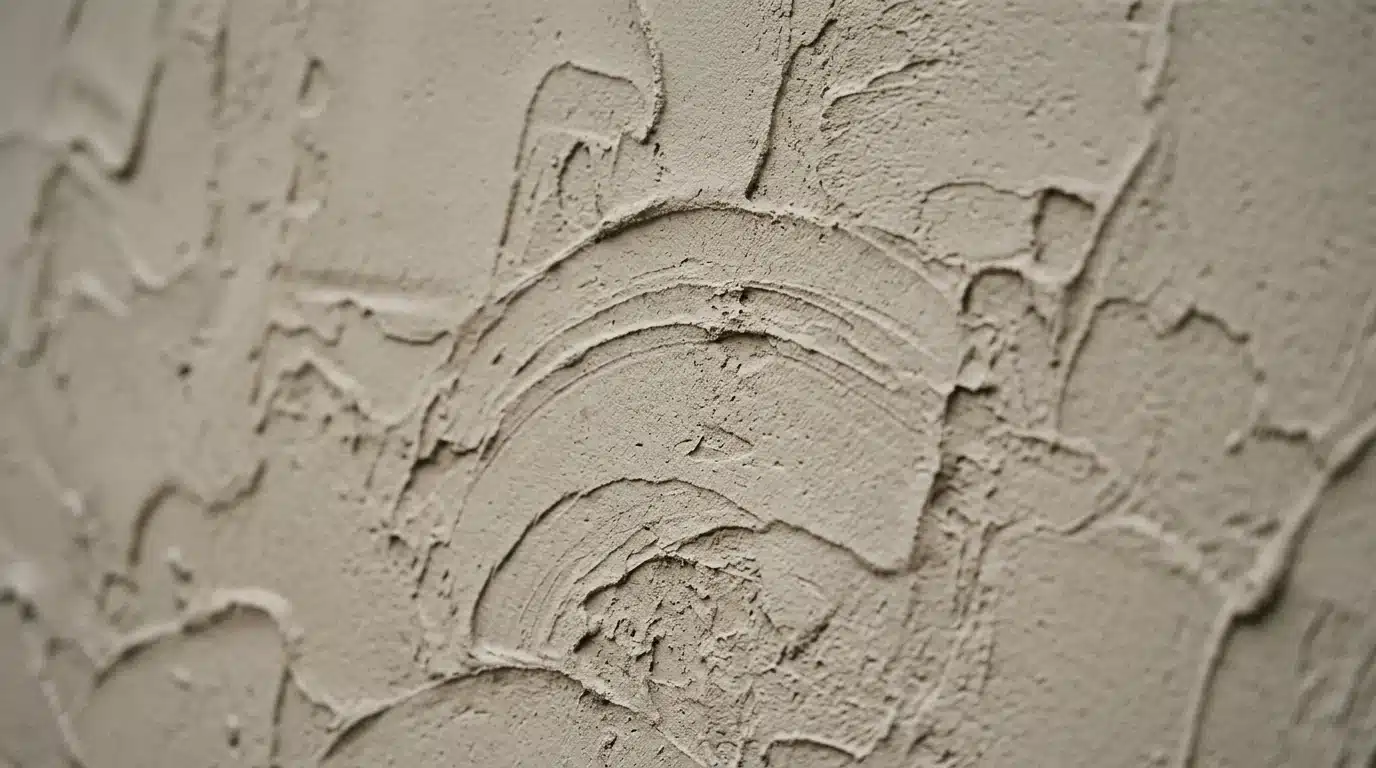
Skip trowel texture is a hand-applied finish created by skimming joint compound across walls in irregular, overlapping strokes, deliberately skipping sections to leave varied, organic patterns.
The result is a warm, artisanal surface reminiscent of Old World Mediterranean plasterwork. Each application is unique, giving walls a distinctly artisan-style character.
Its depth and variation naturally conceal surface flaws while adding rich visual texture that complements earthy color palettes and rustic architectural details.
6. Slap Brush
Skill Level: Intermediate
Suitable For: Rustic interiors, accent walls, casual living spaces
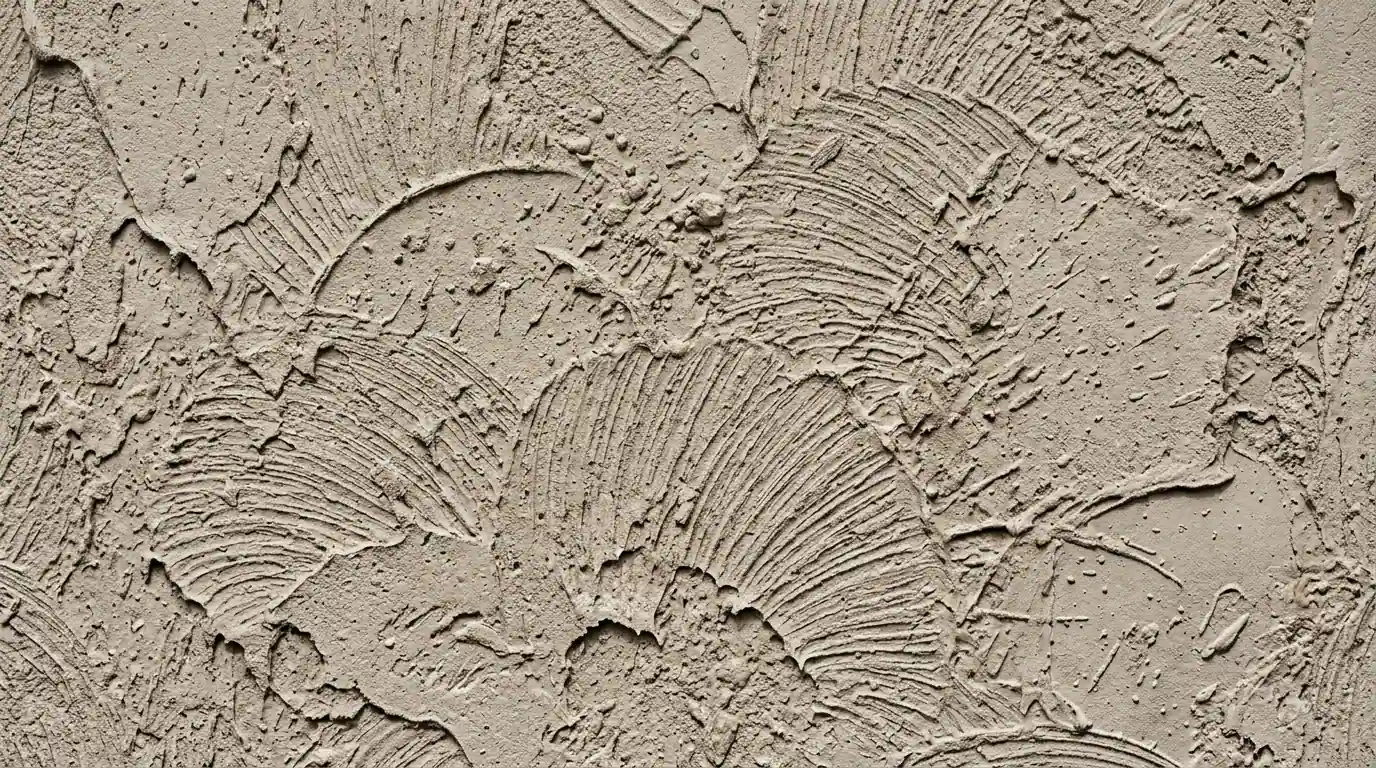
The slap brush texture is created by loading a brush or stippling tool with joint compound and repeatedly pressing it against the wall in random, overlapping motions, producing bold, fan-like patterns across the surface.
The technique is deliberately unpredictable, resulting in a lively, organic finish with strong visual character.
Its pronounced texture makes it particularly effective on accent walls, and it pairs naturally with warm, earthy color schemes found in rustic and farmhouse interiors.
7. Sand Swirl Texture
Skill Level: Intermediate
Suitable For: Elegant interiors, dining rooms, and formal living spaces.
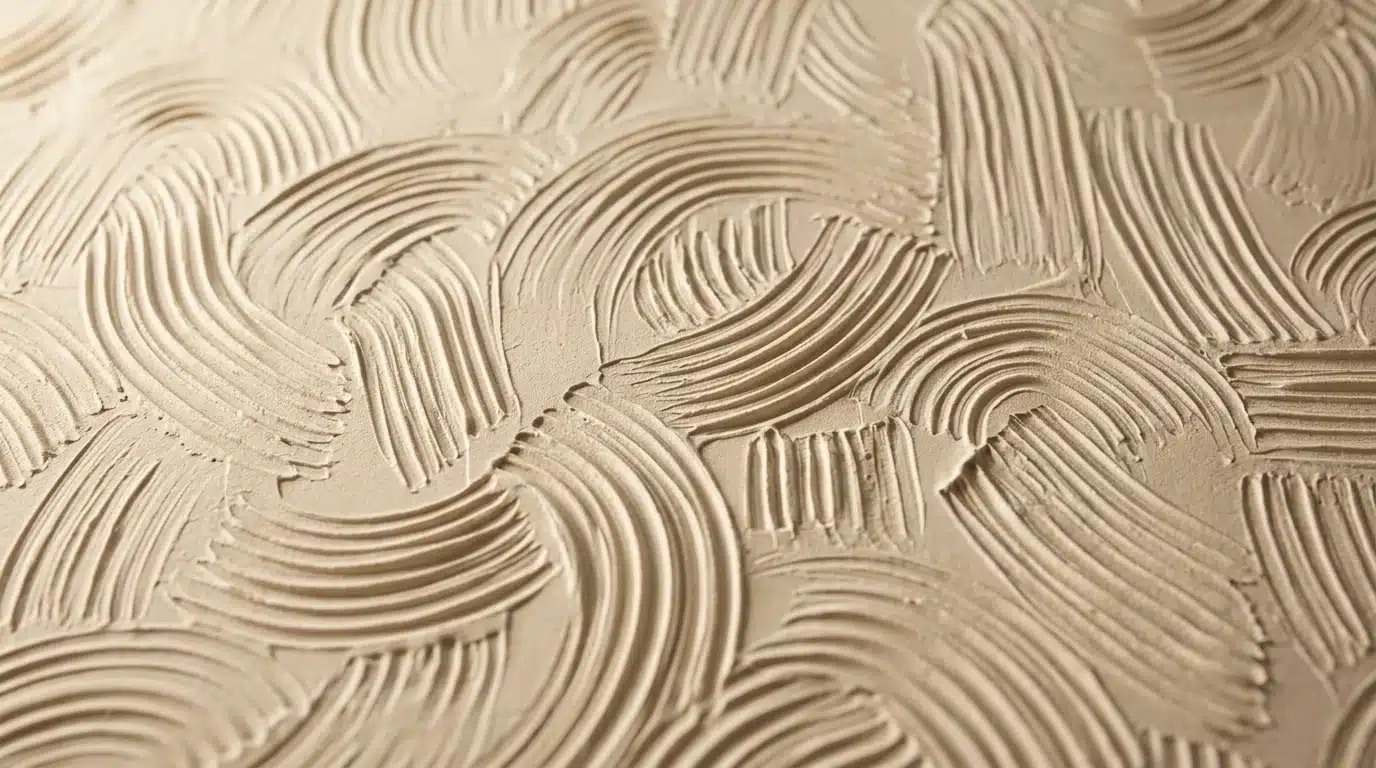
Sand swirl texture is achieved by mixing fine sand aggregates into paint or compound, then applying it in deliberate, flowing circular motions with a brush or roller.
The sand particles catch light at varying angles, creating a subtle shimmer that elevates the finish beyond standard textures.
The resulting surface strikes a balance between refined appearance and tactile depth, making it well-suited to formal spaces that call for a refined yet distinctive wall treatment without resorting to heavy ornamentation.
8. Comb Texture
Skill Level: Intermediate
Suitable For: Artistic and custom interiors, feature walls, and creative residential spaces.
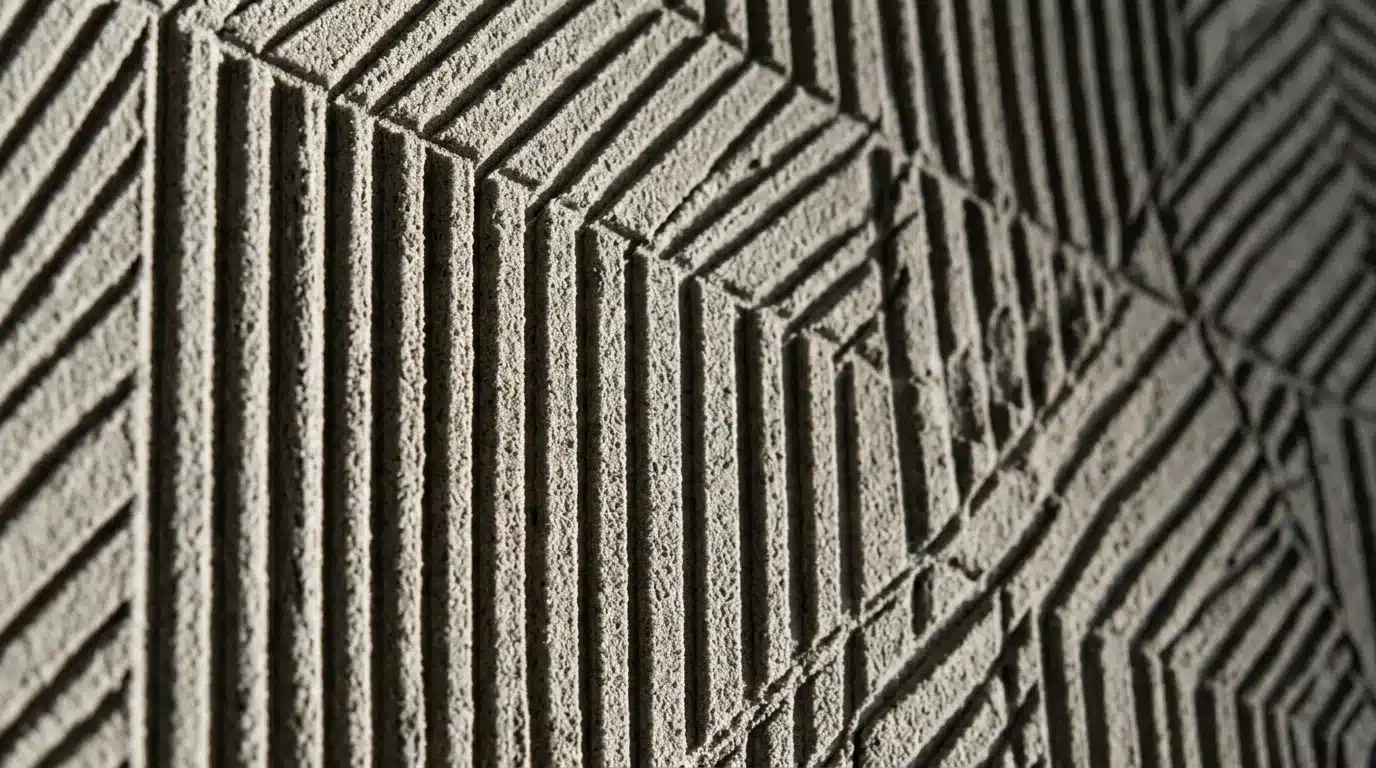
Comb texture is applied by dragging a toothed or serrated tool through wet joint compound to produce clean, repeated lines, arcs, or geometric shapes across the wall surface.
The result is a structured, intentional pattern that sets it apart from more organic textures.
Because the applicator’s hand movements largely determine the design, it offers considerable creative flexibility, from tight parallel lines to sweeping fan shapes.
9. Rosebud Texture
Skill Level: Intermediate
Suitable For: Ceilings, decorative spaces, formal living areas
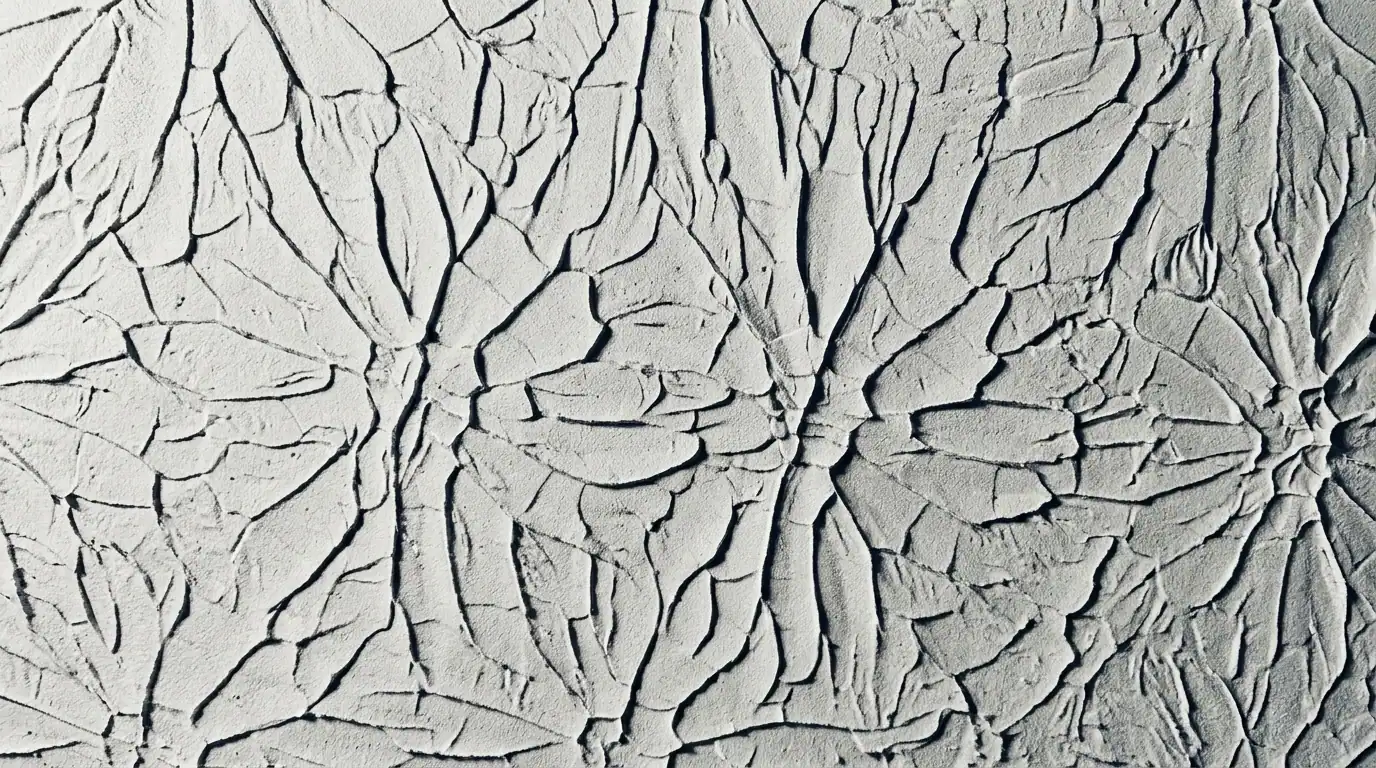
Rosebud texture is created with a stippling brush loaded with joint compound, pressed against the surface in a lifting motion, leaving behind repeating, flower-like clusters that resemble blooming rosebuds.
The pattern is most striking when applied overhead, where light plays across the raised formations, accentuating each shape.
Its inherently decorative nature makes it better suited to feature ceilings and ornamental spaces rather than everyday walls, where the detailed patterning can be fully appreciated.
10. Stomp Knockdown Texture
Skill Level: Beginner to Intermediate.
Suitable For: Walls with significant flaws, high-traffic rooms, utility spaces.
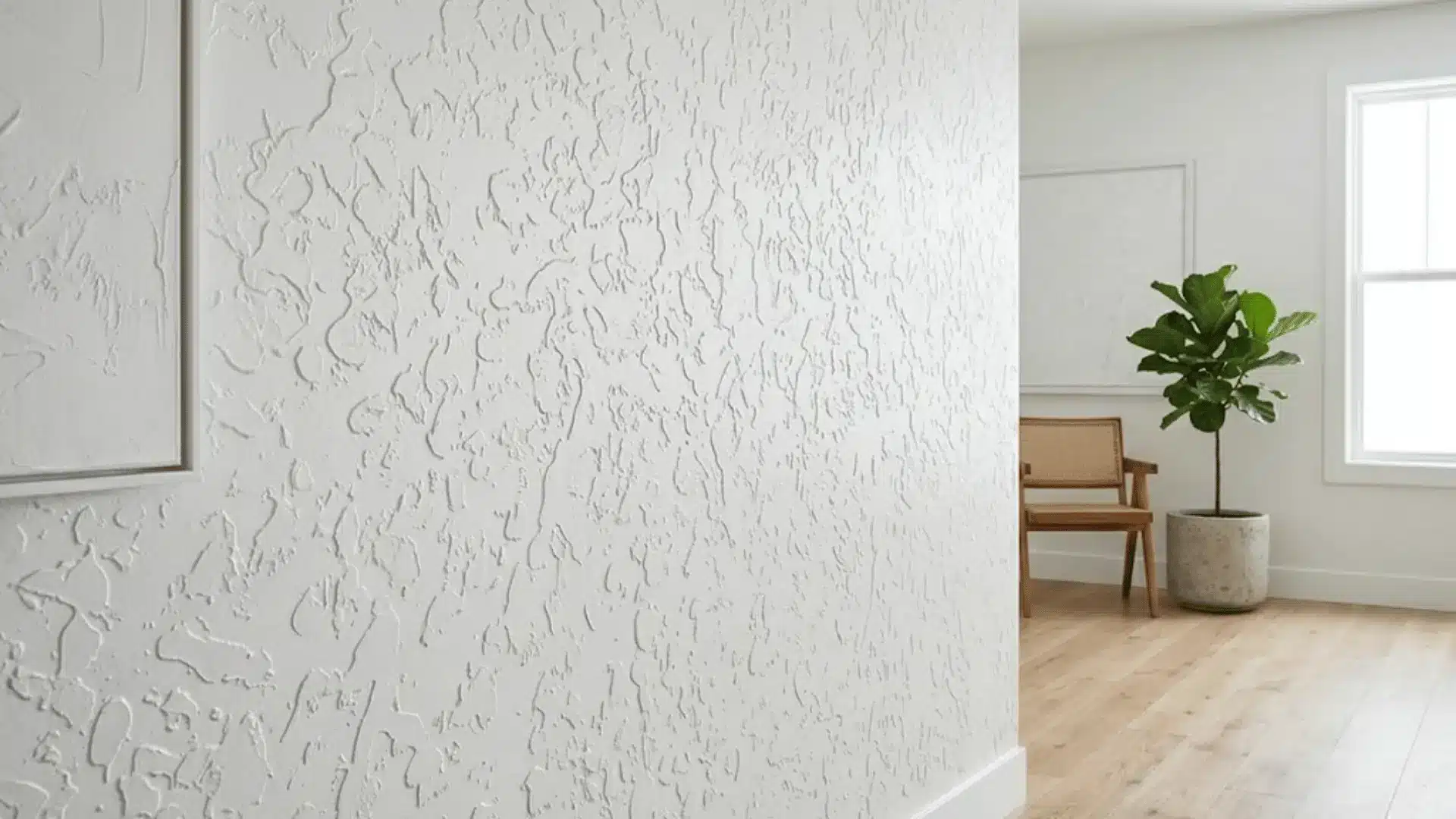
Stomp knockdown texture is applied by pressing a stomp brush firmly into wet joint compound to create heavy, irregular peaks across the surface, which are then lightly flattened with a trowel before fully drying.
The resulting finish is bolder and more pronounced than standard knockdown, with a rugged, tactile quality that excels at concealing underlying wall damage, uneven joints, and previous repairs.
Its thick, layered nature makes it one of the most effective textures for disguising heavily imperfect surfaces.
11. Venetian Plaster Texture
Skill Level: Advanced / Professional Recommended
Suitable For: Luxury interiors, accent walls, high-end residential and commercial spaces
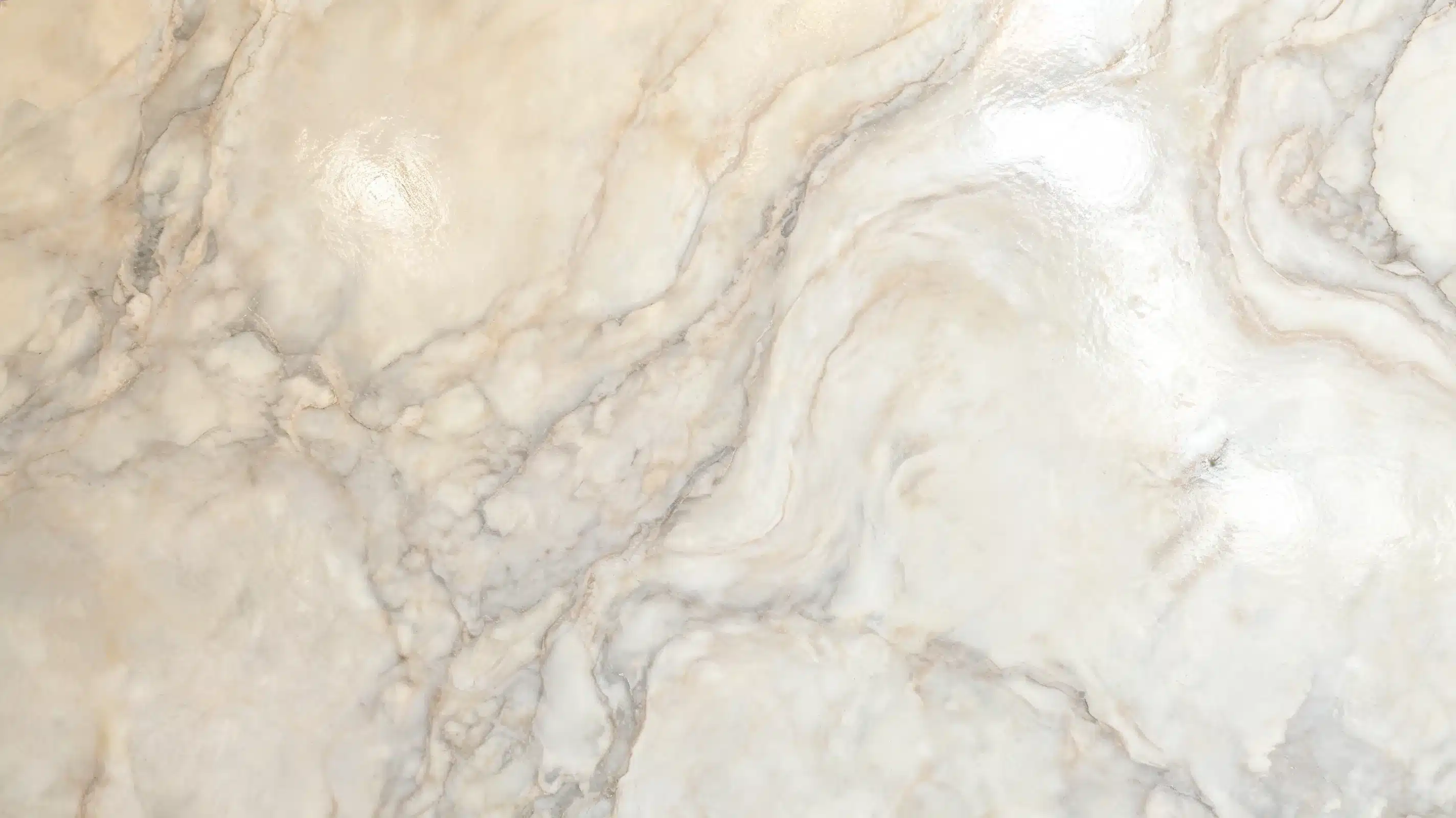
Venetian plaster is a premium finish made from slaked lime and marble dust, applied in thin, successive layers and burnished with a steel trowel to produce a luminous, marble-like surface.
Each coat builds depth and translucency, creating a richly polished appearance that no paint or standard compound can replicate.
The technique is labor-intensive, requiring skilled application and careful timing between coats, but it delivers a detailed, lasting appeal that suits upscale interiors.
12. Hawk and Trowel Texture
Skill Level: Advanced
Suitable For: Custom interiors, high-end renovations, and architectural feature walls.
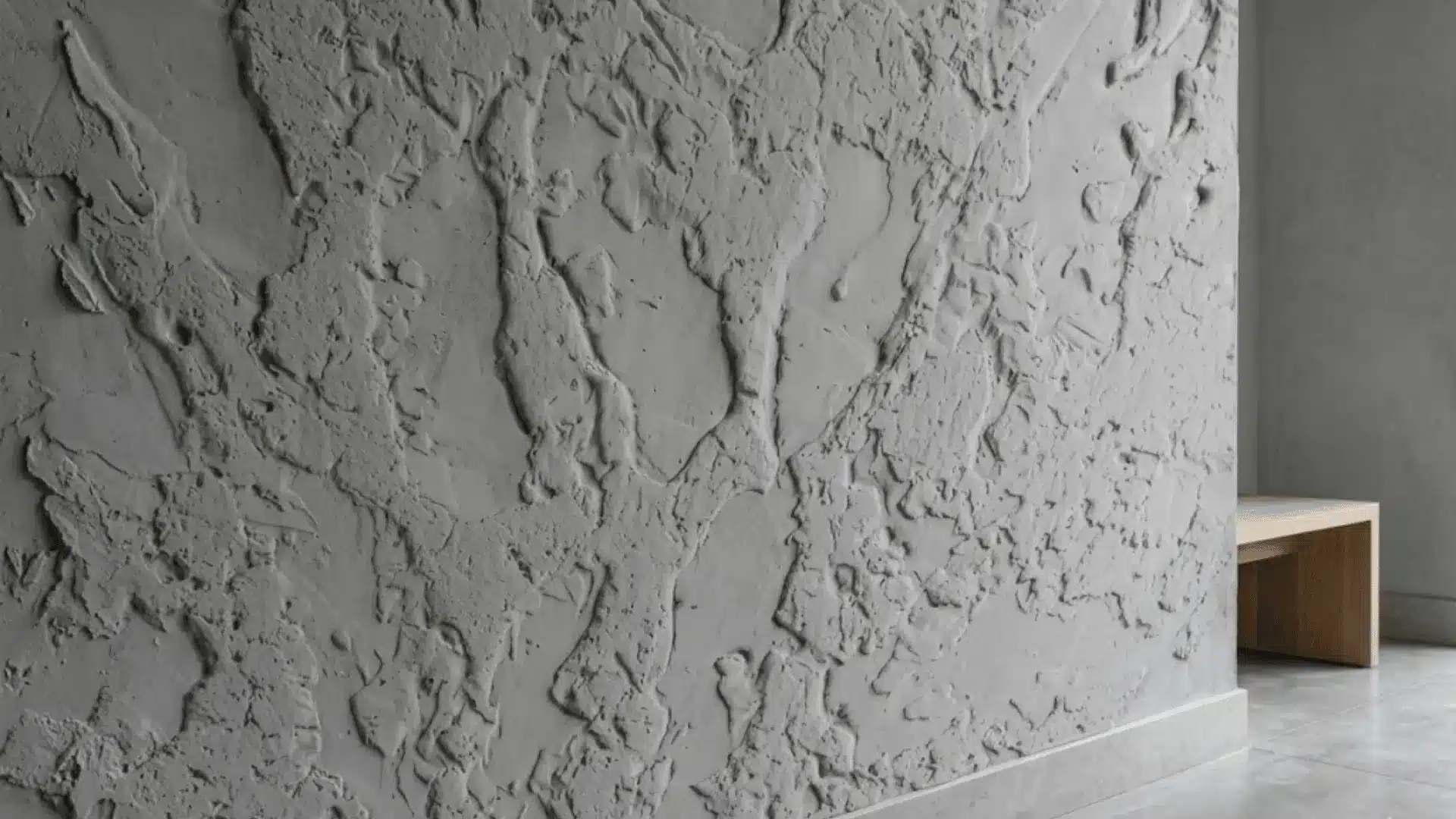
Hawk-and-trowel texture is a fully hand-crafted finish achieved by loading joint compound onto a hawk board and applying it to walls with a trowel in deliberate, overlapping strokes.
The technique creates a layered, tactile surface with natural variation in thickness and depth, giving each wall a uniquely handmade quality.
Because every stroke is manually controlled, no two applications are identical, making it a prized choice for homeowners and designers seeking a genuinely bespoke, artisan-quality wall finish.
13. Spray Sand Texture
Skill Level: Beginner to Intermediate
Suitable For: Subtle texture lovers, bedrooms, hallways, low-profile interiors.
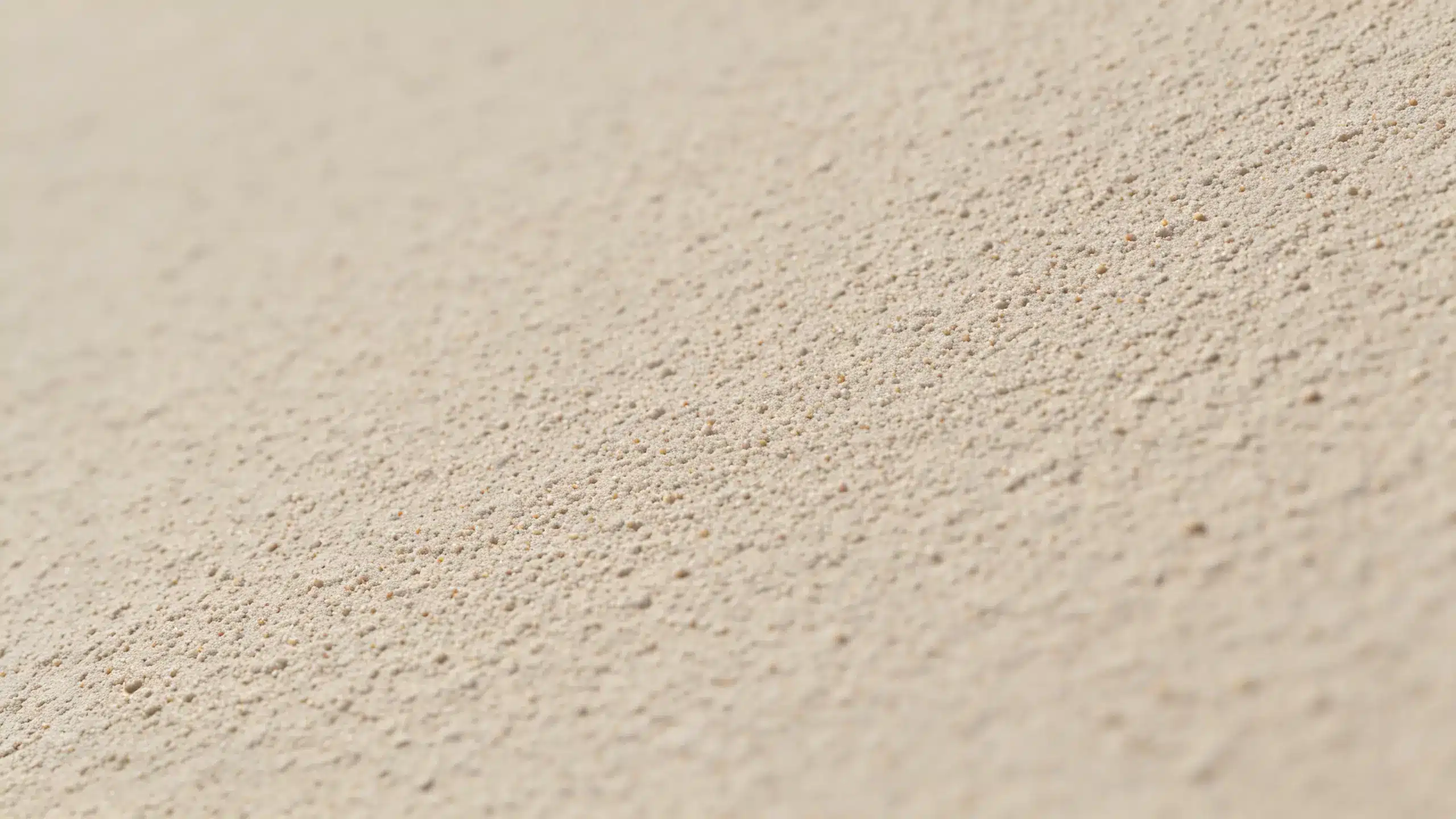
Spray sand texture is produced by mixing fine sand particles into joint compound or primer and applying it via spray equipment, resulting in a light, grainy surface with gentle visual depth.
Unlike heavier textures, its understated finish adds just enough dimension to mask minor imperfections without drawing significant attention to the walls themselves.
This makes it an ideal middle-ground option for homeowners who want more character than a smooth finish but prefer to avoid bold or heavily patterned surface treatments.
14. Santa Fe Texture
Skill Level: Intermediate
Suitable For: Southwestern homes, adobe-style interiors, warm-toned living spaces
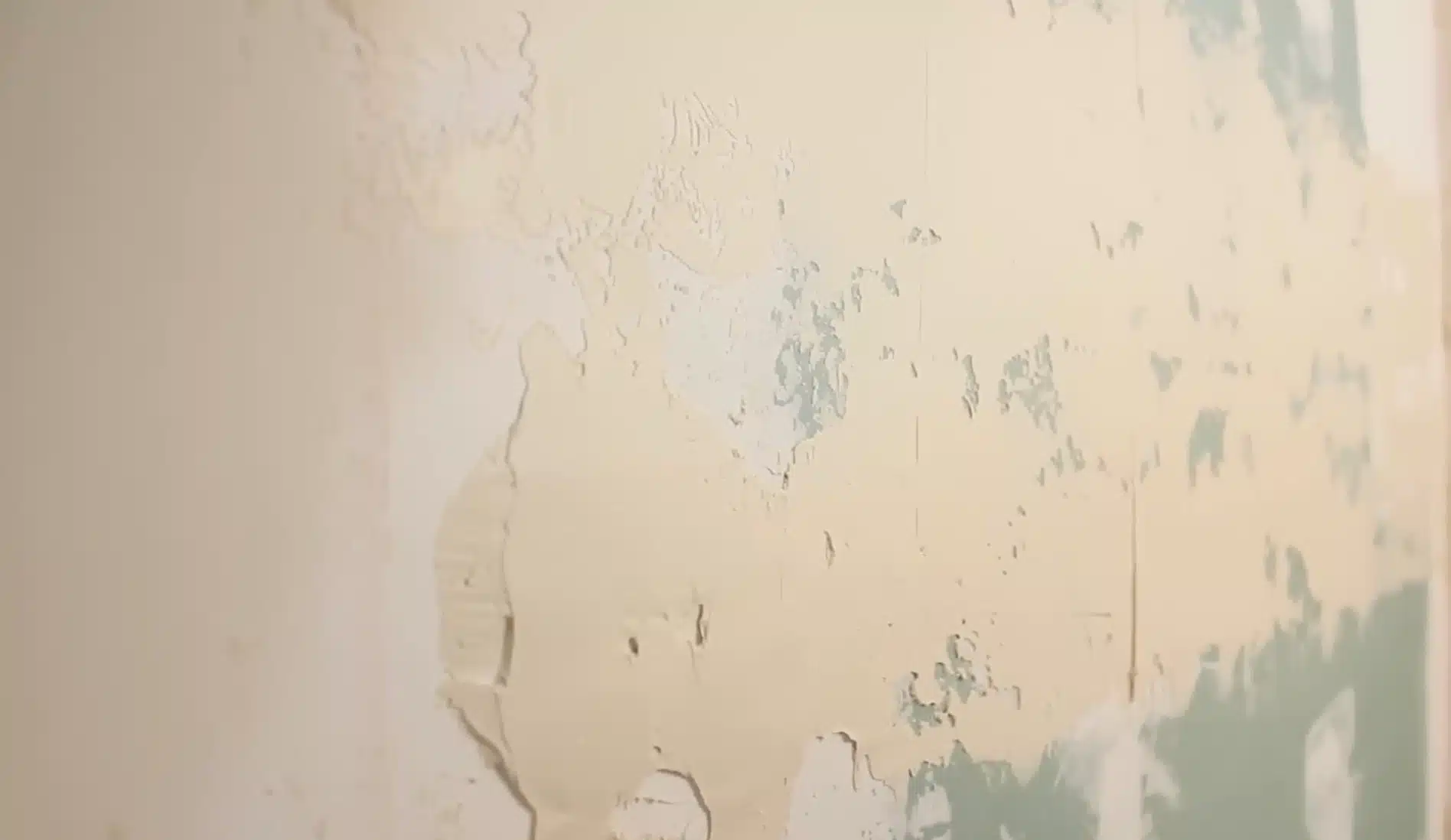
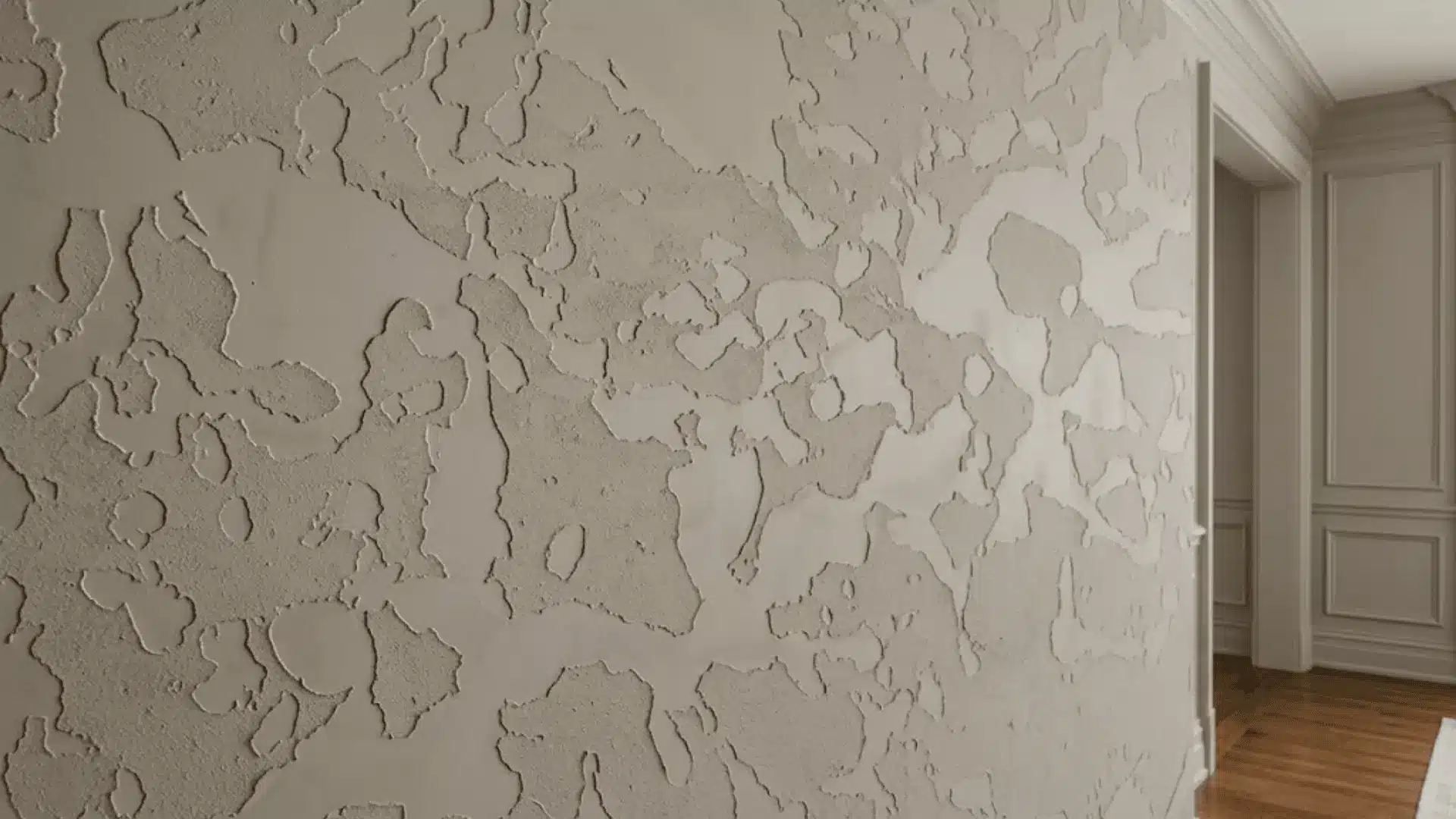
Santa Fe texture blends smooth, flat areas with soft, irregularly textured patches applied by hand using a trowel or knife, creating a finish that evokes the organic, earthen walls of traditional Southwestern architecture.
The deliberate contrast between polished and rough sections gives walls a naturally weathered, artisan-style quality.
When paired with warm terracotta, ochre, or sand-toned color palettes, this texture beautifully reinforces the rustic, sun-baked appearance central to Southwestern and adobe-inspired interior design styles.
15. Lace Texture
Skill Level: Intermediate to Advanced
Suitable For: Decorative spaces, formal interiors, accent walls requiring visual drama
Lace texture is a multi-layered finish applied by stippling or sponging joint compound in overlapping patterns to build a complex, interwoven surface reminiscent of detailed lacework.
The depth achieved through successive layers creates dramatic shadow and light play across the wall, producing strong visual interest from virtually any angle.
Its intricate, decorative appearance makes it particularly well-suited to formal dining rooms, entryways, and accent walls where a bold, artistic statement is the primary design objective.
16. Textured Wall Paint Finish
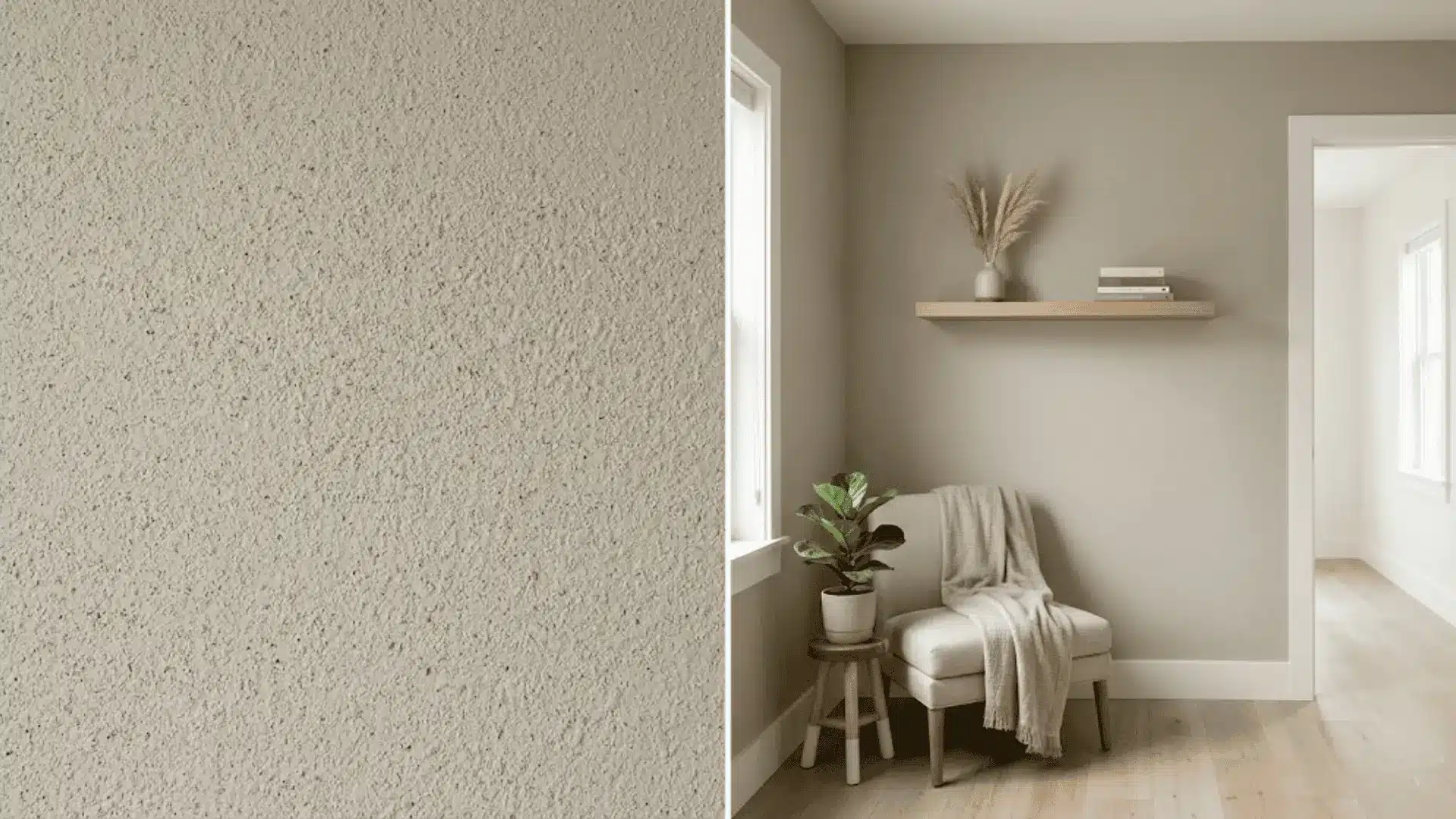
Skill Level: Beginner
Suitable For: DIY beginners, small projects, rental-friendly renovations
The textured wall paint finish incorporates fine sand, grit, or specialty additives directly into the paint, allowing texture and color to be applied simultaneously in a single step.
Products like sand-textured paint and decorative coatings eliminate the need for a separate compound application, making this the most accessible texture option for DIY homeowners.
While it cannot replicate the depth of compound-based finishes, it reliably adds subtle surface interest to small rooms, feature walls, or rental spaces where minimal disruption and easy application are priorities.
17. Spanish Knife Texture
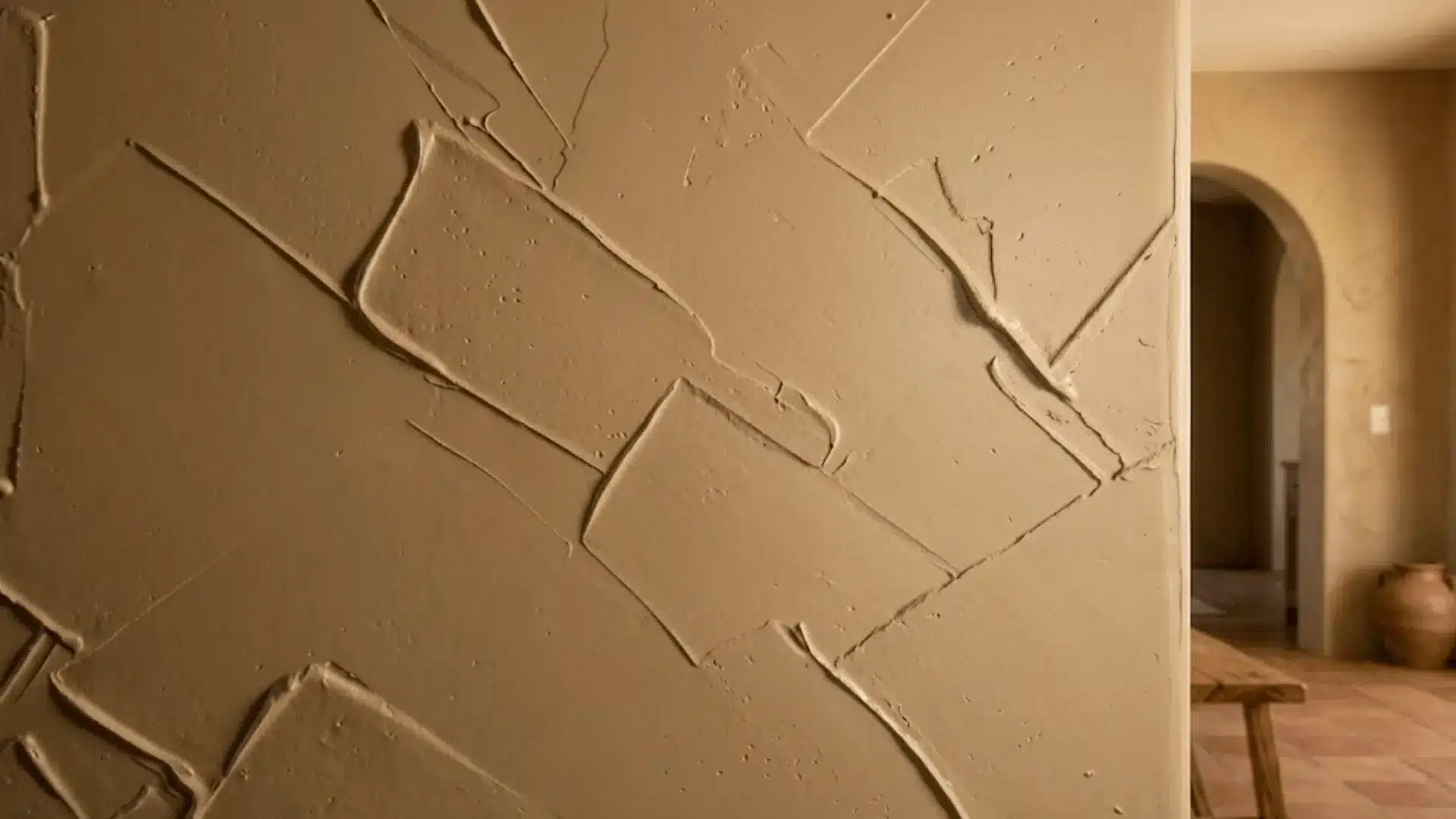
Skill Level: Intermediate to Advanced
Suitable For: Old-world and Mediterranean interiors, upscale residential spaces, accent walls
Spanish knife texture is hand-applied with a flexible putty knife to spread joint compound in thin, irregular strokes across the wall surface, intentionally leaving some areas smooth.
Its artisanal, imperfect quality adds warmth and authenticity to interiors seeking a distinctly European-inspired style.
How to Texture a Wall Easily?
Texturing a wall converts a plain surface into a visually dynamic finish, but success depends heavily on proper preparation and technique.
Rushing any stage, particularly prep and drying, is the most common cause of a failed finish.
Tools and Materials Needed
- Joint compound (pre-mixed or powdered)
- Texture roller or paint roller
- Spray hopper gun (for spray-applied textures)
- Hawk board and trowels (for hand-applied finishes)
- Putty knife and sanding block
- Painter’s tape and drop cloths
- Primer and finishing paint
- Mixing paddle and drill
Basic Step-by-Step Process
The following steps outline the complete process from start to finish. Each step builds on the previous one to ensure a smoother experience.
- Step 1: Prep the wall. Clean the surface, fill holes, sand imperfections, and apply painter’s tape along edges. Sanding is done to smooth rough areas and improve adhesion.
- Step 2: Apply compound. Load your chosen tool and apply joint compound evenly across the surface. Each compound requires controlled movement to maintain consistency across the wall.
- Step 3: Create the pattern. Use your roller, brush, trowel, or spray gun to form your desired texture.
- Step 4: Let dry. Allow the compound to cure fully, typically 24 hours, before touching or assessing. After drying, inspect the surface carefully for uneven patches, cracks, or missed spots.
- Step 5: Prime and paint. Apply a coat of primer to seal the texture, then finish with your chosen wall paint. A clear protective sealer or durable paint finish may be applied to increase longevity.
DIY vs. Professional Texturing
Wall texturing can be done through DIY methods or with professional assistance.
Comparing both options helps in understanding the differences in cost, finish quality, application time, and maintenance requirements.
| Factor | DIY Texturing | Professional Texturing |
|---|---|---|
| Cost | Lower cost, but tools add up | Higher upfront cost, better value long-term |
| Skill Level | Suitable for basic textures only | Handles all texture types confidently |
| Time Required | Slower due to learning curve | Faster with experienced technique |
| Finish Quality | Inconsistent on complex patterns | Consistent, polished results |
| Error Risk | Higher chance of visible mistakes | Minimal rework or patching needed |
| Suitable Textures | Orange Peel, Popcorn, Spray Sand, Stomp Knockdown | Venetian Plaster, Hawk and Trowel, Skip Trowel, Spanish Knife, Lace |
Textured Wall Paint Ideas and Trends
Textured wall paint has moved well beyond basic finishes, quietly becoming one of the most sought-after elements in modern interior design. Here is what is trending right now.
- Sweep neutral earth tones like warm beiges, terracottas, and sandy browns across living room walls for an instantly grounded, organic feel.
- Try a limewash finish for a soft, weathered look with natural tonal variation, making every wall feel one of a kind.
- Go for modern matte textures to achieve a flat, velvety finish that adds subtle depth without overwhelming the space.
- Pick one accent wall and apply slap brush, lace, or comb textures to create a bold focal point while keeping the rest of the room balanced.
- Layer organic, tactile surfaces throughout the home to create interiors that feel warm, lived-in, and thoughtfully designed.
Even a single textured wall can shift the entire mood of a room, making it one of the easiest design upgrades worth trying.
Frequently Asked Questions (FAQs)
What are the Main Types of Wall Texture Used in Modern Homes?
Modern homes use a mix of decorative and functional wall textures such as orange peel, knockdown, skip trowel, Venetian plaster, limewash, and sand finish, each offering a different visual effect and level of depth.
What is Textured Wall Paint, and Where Should It Be Used?
Textured wall paint is a type of paint that contains additives, such as sand or granules, to create a patterned or raised surface. It is used to add depth, hide imperfections, and improve visual interest on plain walls.
A Final Word
Great walls do not happen by accident.
Picking the right texture, prepping the surface properly, and understanding what each finish actually demands make all the difference between a result that lasts and one that disappoints.
Every texture covered here carries its own character, skill level, and design potential, so taking the time to choose thoughtfully is always worth it.
One room, one finish, one confident decision is genuinely all it takes to shift the entire feel of a home.
Tried a wall texture recently or planning your first? Drop your experience in the comments below.

Millie Anderson, a graduate of Textile Design from the Fashion Institute of Technology, has carved her name in fabric and material finishes for over 16 years. Her career took flight in a renowned textile manufacturing company, where she mastered combining textures and patterns. Millie joined our team in 2018, becoming a cornerstone for readers interested in the latest trends in textiles. Since then, she has been the lead editor for our home decor fabrics section, blending her deep knowledge of materials with a flair for contemporary design. Beyond her professional achievements, Millie is an enthusiastic quilter and often participates in community arts and crafts workshops, further nurturing her passion for fabrics and design.