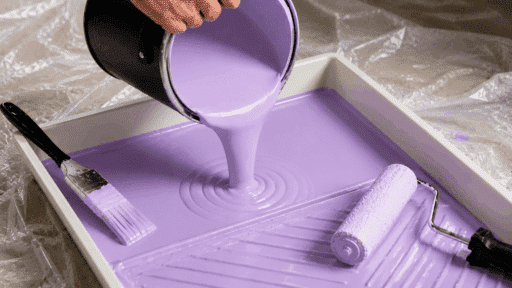
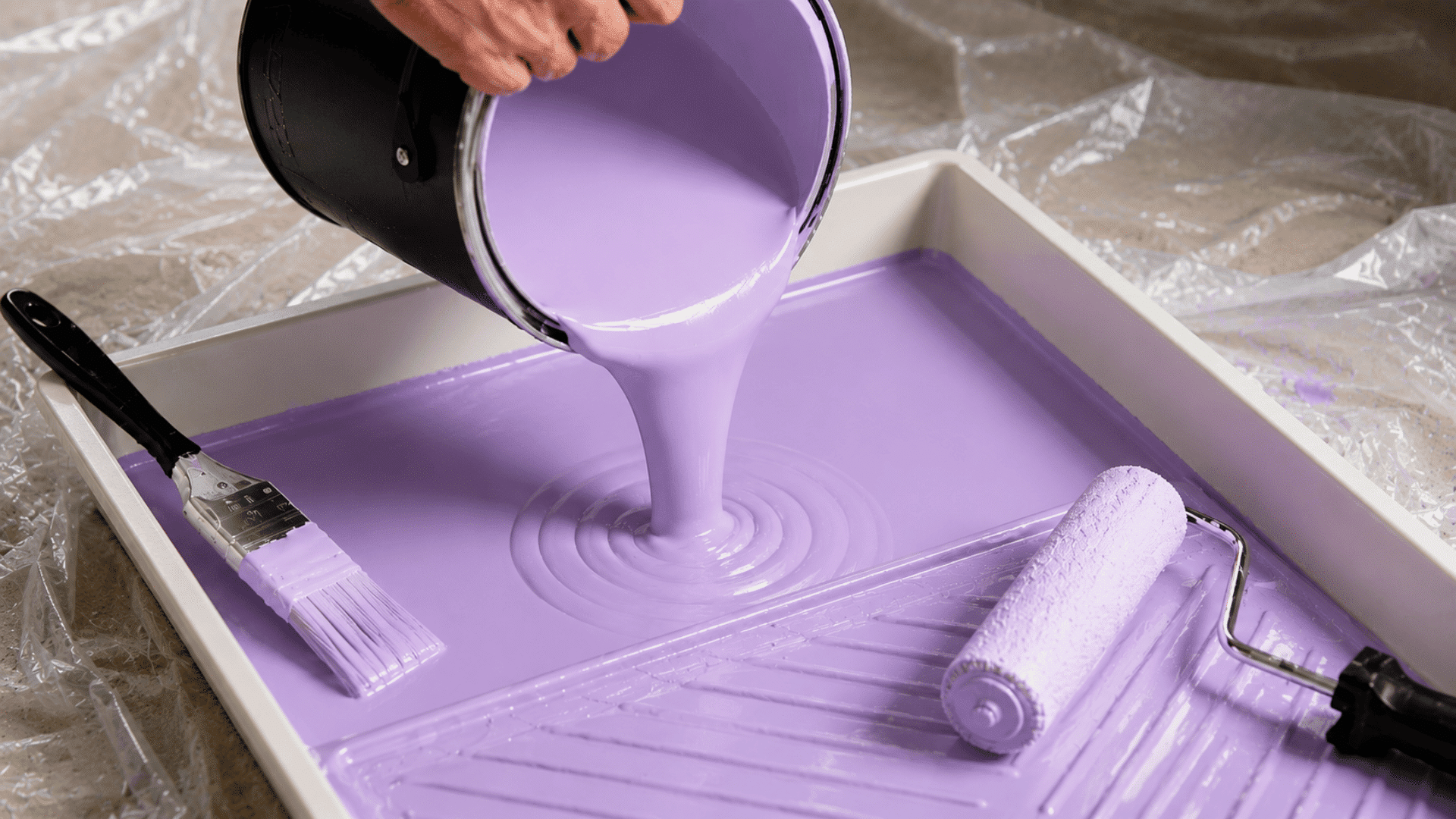

Enamel paint is a hard, durable finish that dries to a smooth, protective surface, often with a glossy or semi-gloss look.
I’ve used it on many old doors, railings, and cabinets because it withstands kids slamming doors, dogs scratching, and coffee mugs bumping into corners.
Have you touched a metal railing or wooden door and noticed its firm, shiny surface?
It’s likely painted with enamel.
This paint resists scratches, moisture, and daily wear better than many regular wall paints, making it ideal for doors, trim, cabinets, metal furniture, and outdoor equipment.
Let’s clarify what enamel paint is, whether it’s water-based, and how to use it correctly, including my mistakes to help you avoid them.
Fun fact: enamel paint isn’t made of glass, despite the name implying a hard, glass-like finish. It gets that name because it dries tough and smooth, not because it’s true fired enamel.
What is Enamel Paint?
Enamel paint is a type of paint that dries into a hard, glossy finish. Once it dries, it forms a protective layer on top of the surface.
This is different from regular wall paint, which usually dries into a soft, flat finish.
Enamel paint is built to handle more stress. It can take a beating from moisture, heat, and constant touching without chipping or fading quickly.
People often use “enamel” to describe the finish, not just one paint formula. Enamel paints are made from various bases, which raises the next big question.
Is Enamel Paint Water-Based?
Enamel paint can be either oil-based or water-based.
A chamber study of architectural paints found that both water-based and solvent-based formulations release VOCs, with distinct emission profiles.
So if you are asking, “is enamel paint water-based?” the honest answer is yes, it can be, but not always. You need to check the label before buying.
| Feature | Oil-Based Enamel | Water-Based Enamel |
| Dry Time | Slower | Faster |
| Cleanup | Mineral spirits | Soap and water |
| Odor | Stronger | Lower |
| Finish | Very hard and glossy | Durable but easier to use |
| Best For | Metal, outdoor furniture, railings | Trim, cabinets, indoor doors |
Enamel paint comes in two main types:
Oil-Based Enamel
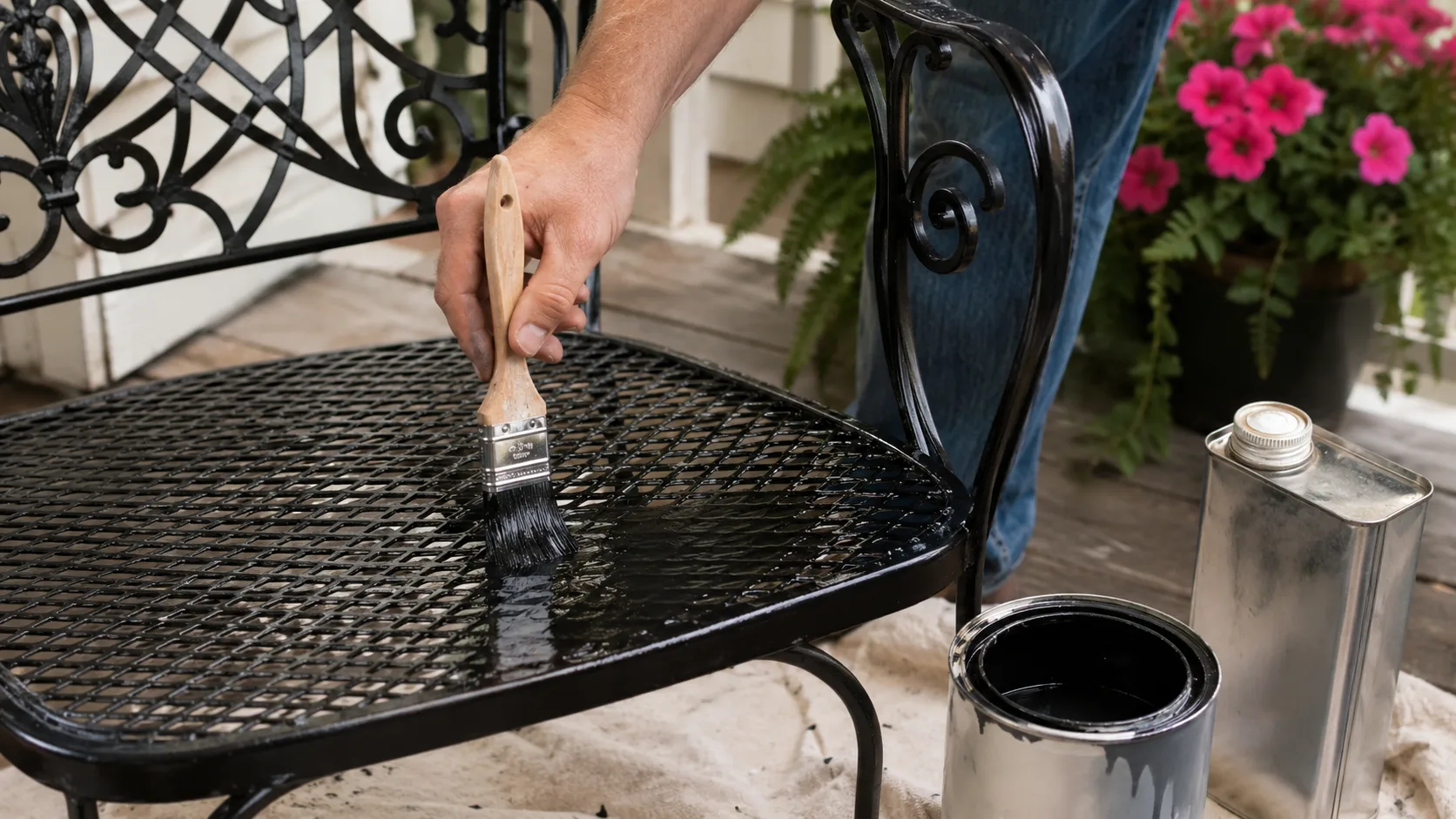
This is the traditional type of enamel paint. It’s made with oil as the base, which is why it dries more slowly but forms an extra-hard, glossy shell.
Key traits of oil-based enamel:
- Takes longer to dry (often 8 hours or more between coats)
- Creates a very durable, hard finish
- Needs mineral spirits or paint thinner for cleanup
- Has a stronger smell while drying
Rust-Oleum Stops Rust Protective Enamel is a classic example. I’ve used it on old porch furniture, and it’s my go-to for rust protection.
Keep a can of Klean-Strip Odorless Mineral Spirits nearby if you choose this. You’ll need it to clean your brushes, and trust me, soap and water won’t cut it.
Water-Based Enamel
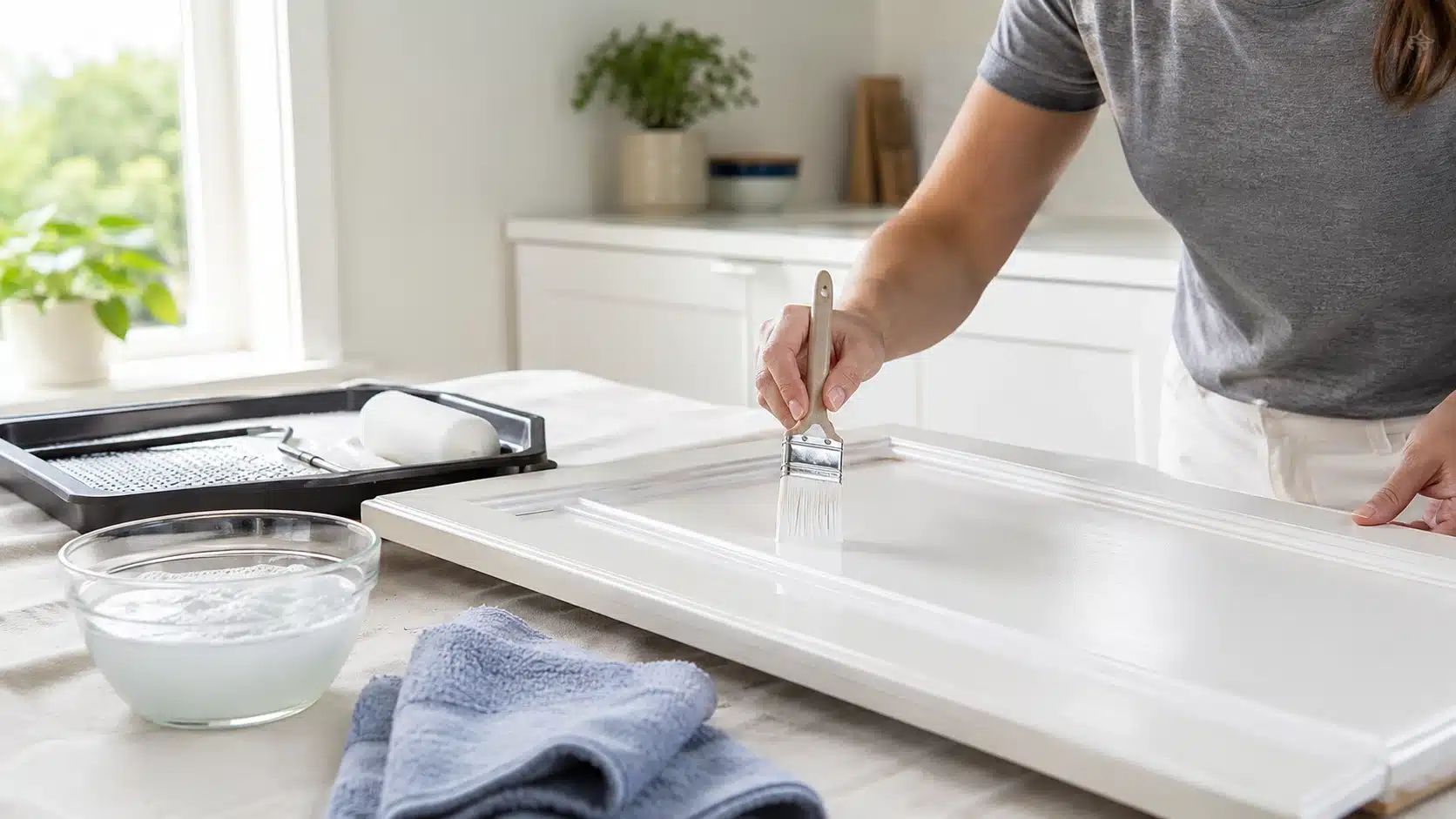
Yes, water-based enamel paint exists, and it’s becoming more popular. It uses water as the primary solvent rather than oil.
Key traits of water-based enamel:
- Dries much faster (often within 1-2 hours)
- Easier to clean up with just soap and water
- Lower smell and fewer harsh fumes
- Slightly less hard than oil-based, but still tough
A good example is Rust-Oleum Painter’s Touch Ultra Cover Enamel. It’s a water-based latex enamel used on trim to avoid lingering paint fumes in the house.
Quick label tip: California’s Air Resources Board monitors VOC limits for architectural coatings like house paints and stains. If odor or indoor air quality matters, don’t just read the front label; check VOC details and cleanup instructions.
When Should You Use Enamel Paint?
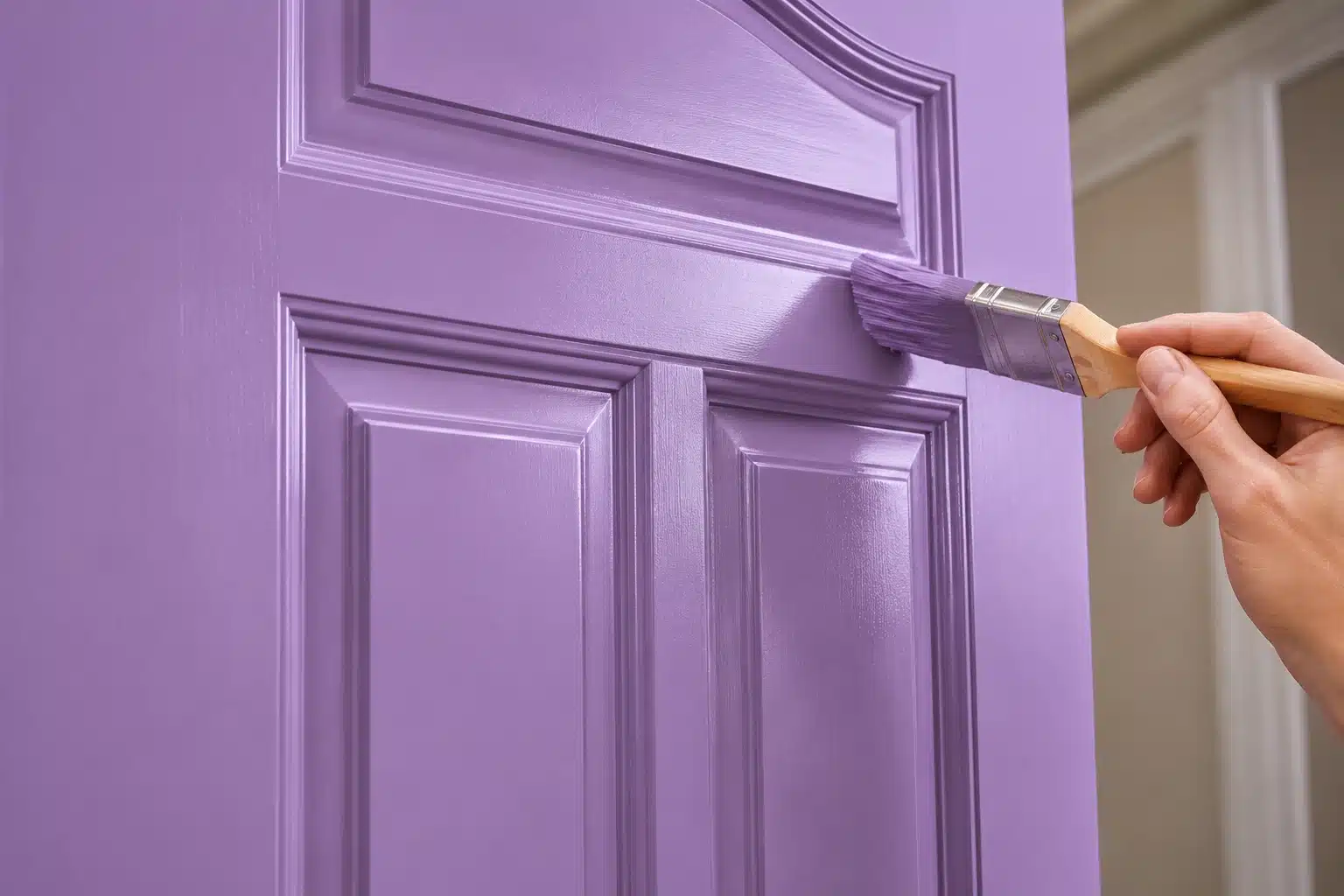
Enamel paint isn’t the right choice for every surface in your home. It works best where you need extra toughness and shine.
Here are the best times to reach for enamel paint:
- Doors and door frames: These get touched constantly, so they need a paint that resists fingerprints and scuffs.
- Metal surfaces: Railings, gates, and metal furniture benefit from enamel’s rust-resistant coating.
- Trim and baseboards: These areas are often bumped by feet, vacuums, and furniture.
- Kitchen and bathroom cabinets: Enamel handles moisture and grease better than flat paint.
- Outdoor furniture: The hard finish withstands weather and sun.
- Appliances: Some enamel paints are formulated specifically for refreshing old appliances.
If you’re painting a large wall in a bedroom or living room, regular wall paint is usually a better fit. Enamel is best saved for smaller, high-touch areas.
How do You Apply Enamel Paint Without Messing it Up?
Getting a smooth, professional-looking finish isn’t hard, but it does take a few extra steps for enamel paint compared to regular paint.
Tools and Materials you might need
- Oil-based enamel paint
- Water-based enamel paint
- Cabinet & trim enamel paint
- Primer
- Sandpaper, assorted grit
- Paintbrush
- Foam roller
- Mineral spirits (for cleanup)
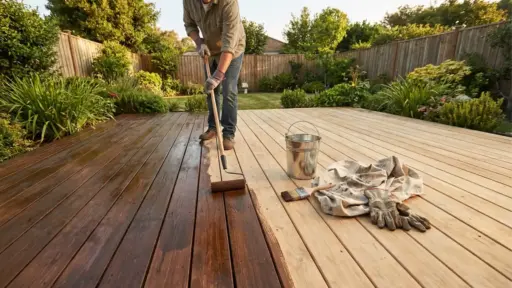
Step 1: Prep the Surface
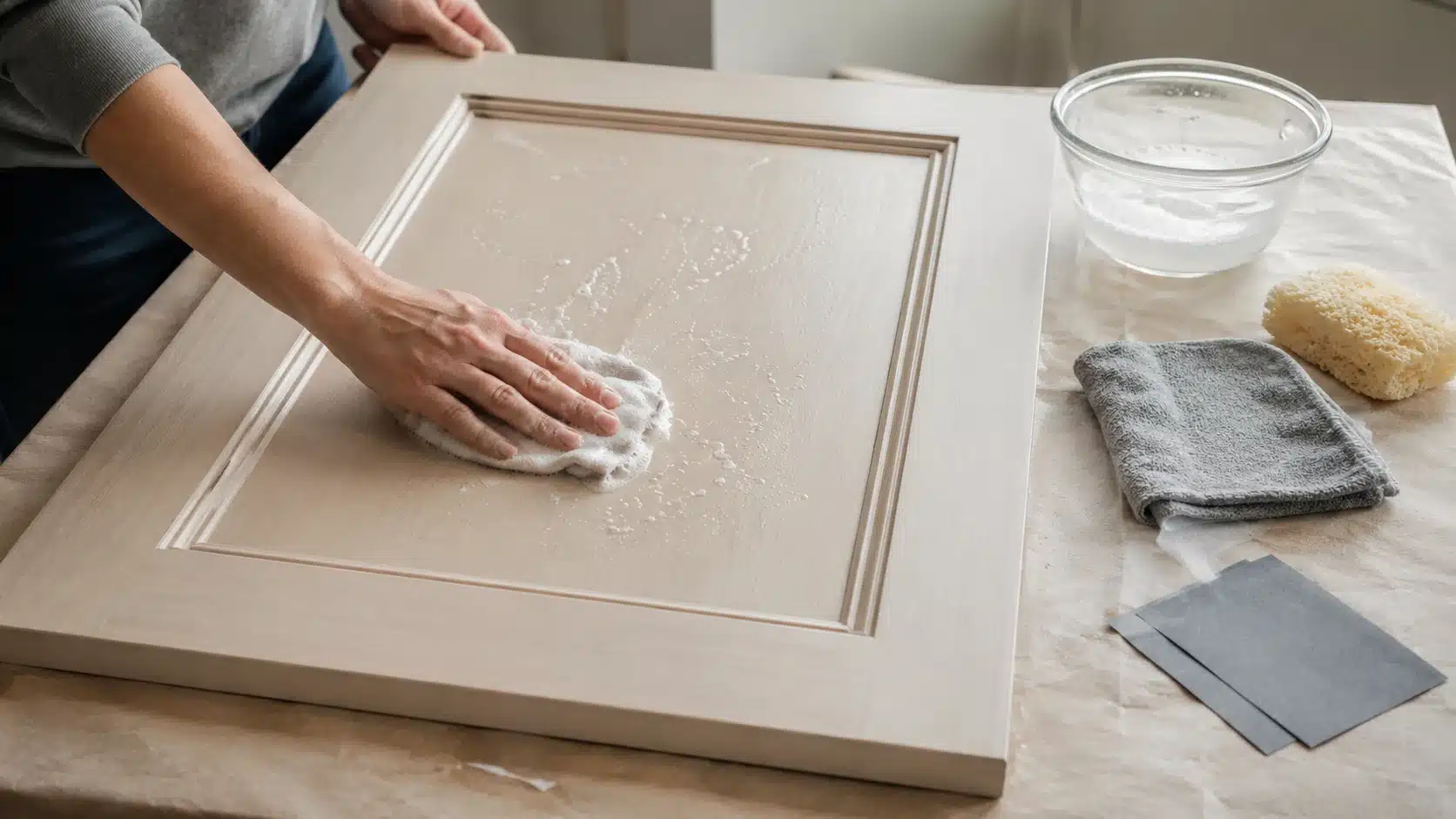
I’ve skipped this step exactly once, on a bathroom cabinet, and I was repainting it within a year.
- Clean the surface with soap and water to remove dust, dirt, and grease.
- Sand lightly if the surface is glossy or has old paint. This helps the new paint stick. I keep a pack of 3M assorted-grit sandpaper on hand for exactly this.
- Wipe away dust with a dry or slightly damp cloth.
- Fill any holes or cracks with wood filler or spackle, then sand them smooth once dry.
Step 2: Apply Primer (If Needed)
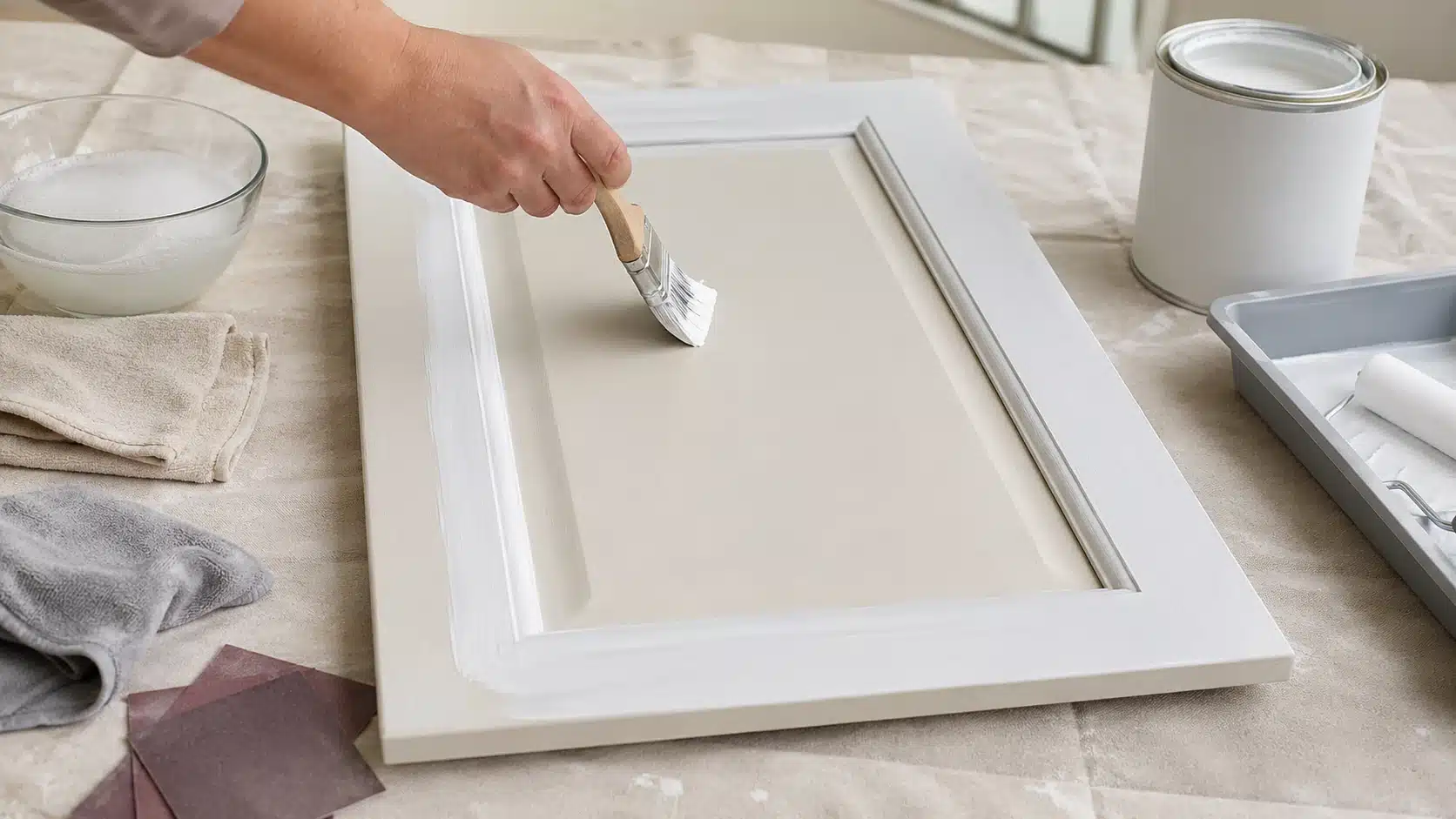
Primer isn’t always required, but it helps a lot on certain surfaces.
- Use primer on bare wood or bare metal.
- Use primer if you’re painting over a dark color with a lighter enamel.
- Skip primer if you’re using a paint-and-primer combo product, or repainting a similar color.
I use Zinsser Bulls Eye 1-2-3 Primer on almost every project now. It’s water-based, it bonds to glossy old paint without much sanding, and it saves me a full extra coat of enamel later.
Step 3: Paint in Thin, Even Coats
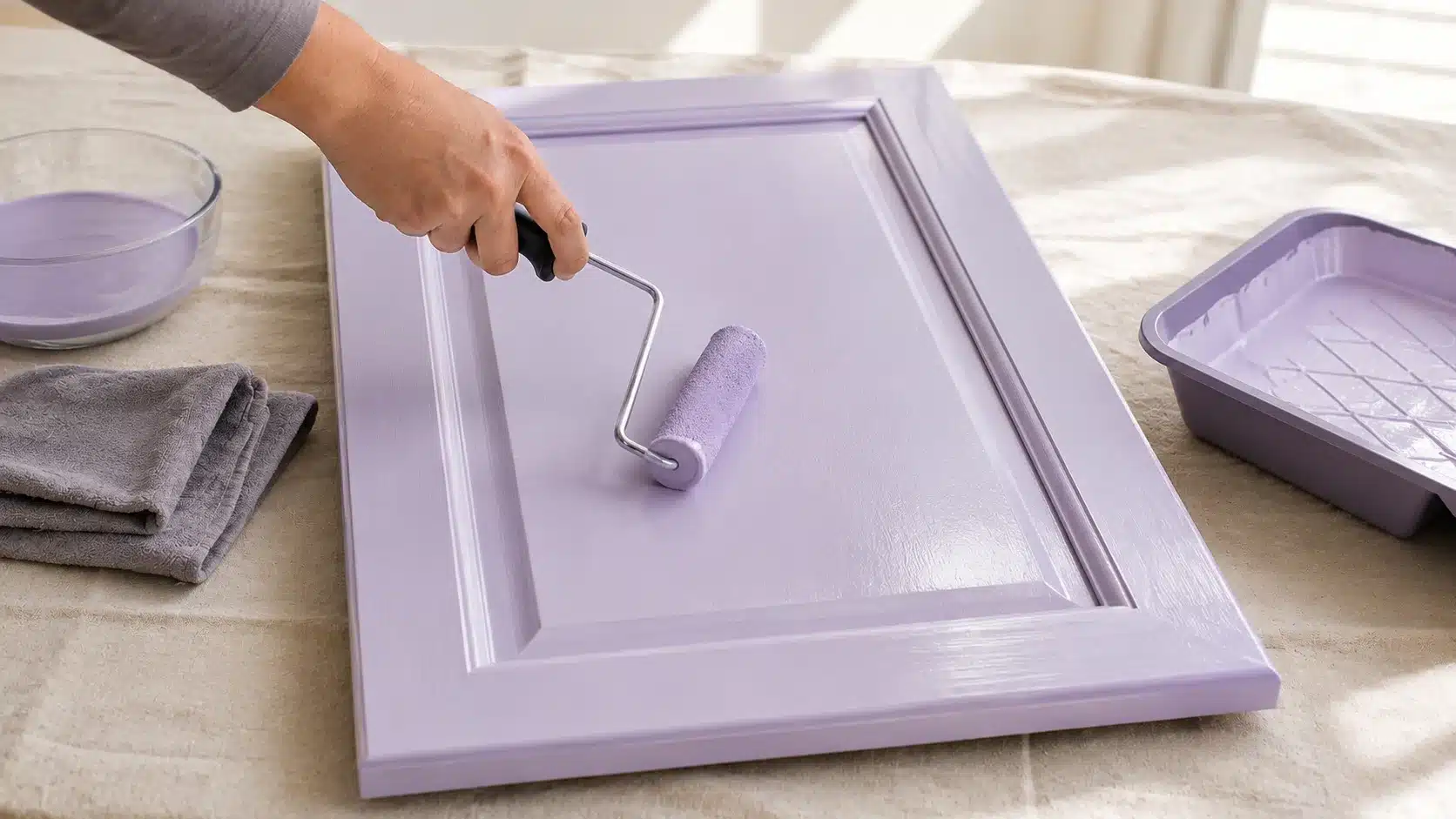
This is the biggest tip for a smooth enamel finish: thin coats beat one thick coat every time.
- Use a high-quality brush or foam roller made for smooth finishes. I like the Purdy Pip Enamel/Wall Paint Brush for trim and doors, and a FoamPRO Fine Finish Foam Roller for flat cabinet doors.
- Load the brush lightly. Too much paint causes drips and brush marks.
- Paint in one direction, following the natural grain or shape of the surface.
- Let each coat dry fully before adding the next one.
Step 4: Sand Between Coats
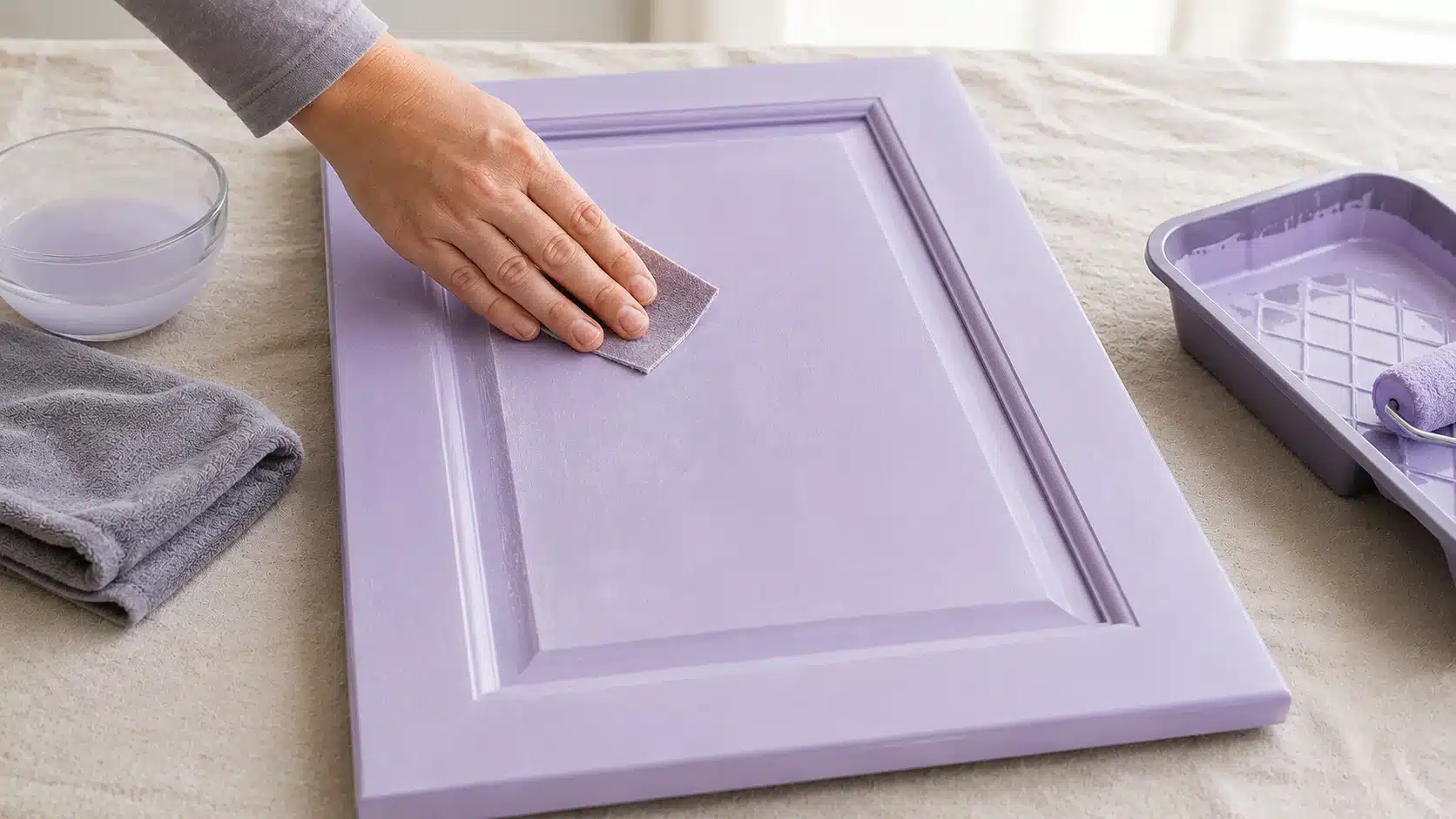
For the smoothest finish, let the coat dry first, then sand it lightly with fine-grit sandpaper. This removes tiny bumps and helps the next coat sit better.
- Wipe away dust with a clean cloth before repainting.
- Use very light pressure, not heavy sanding.
I noticed this most on cabinet doors. The sanded ones looked much closer to a factory finish.
Step 5: Let it Cure
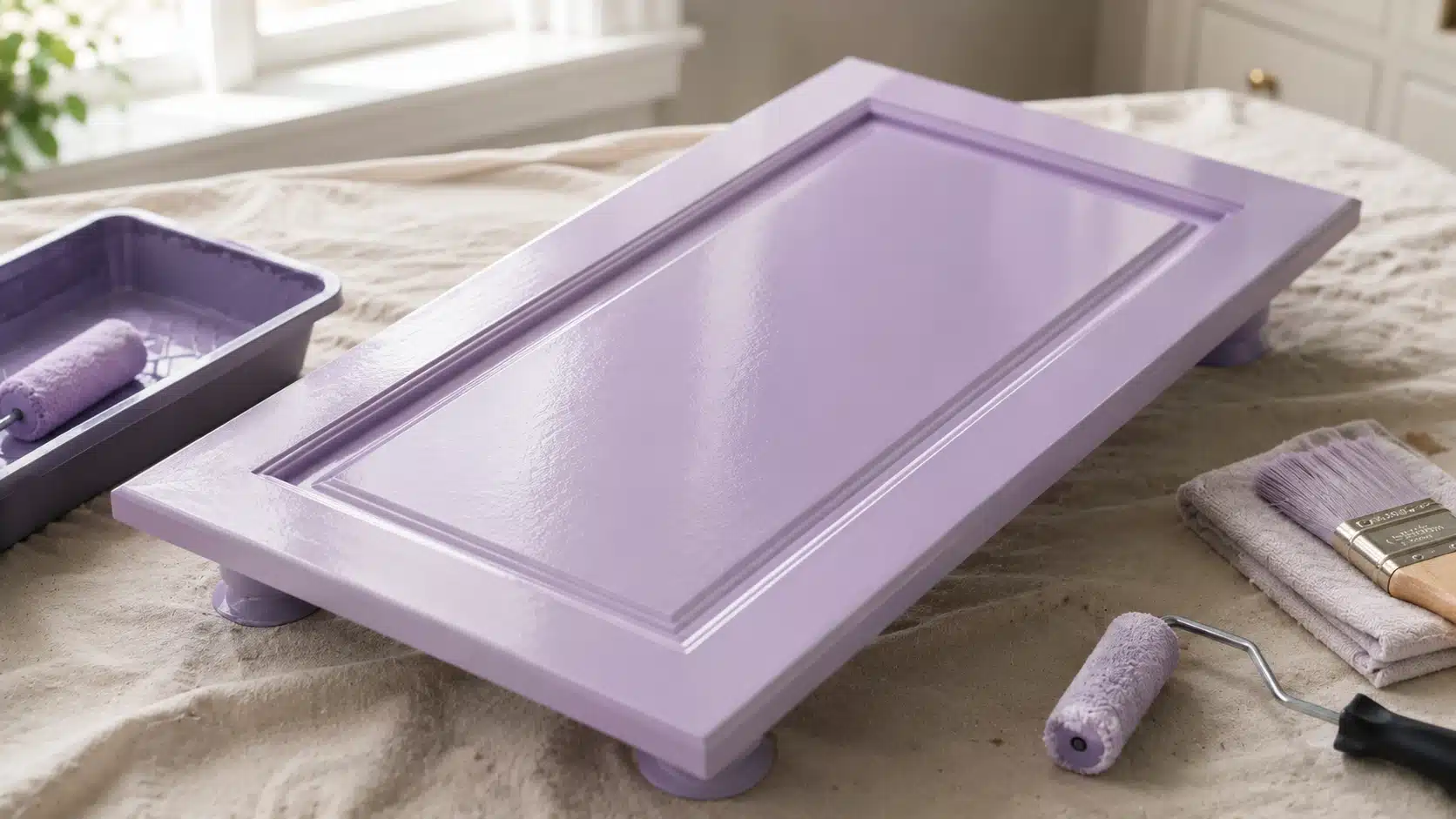
Here’s something people often miss. Enamel paint might feel dry to the touch within a few hours, but it needs much longer to cure fully.
- Oil-based enamel can take up to a week to fully harden.
- Water-based enamel usually cures within a few days.
Avoid heavy use of the surface (like closing a freshly painted door hard) until it’s fully cured. I once closed a freshly painted door too soon and left a perfect fingerprint dent in the frame.
It never fully smoothed back out.
How Should You Use Enamel Paint on Different Surfaces?
Not every surface needs the same approach. Here’s a quick breakdown:
| Surface | What to Do First | Best Enamel Type |
| Wood (doors, trim) | Sand and prime bare wood | Either works well |
| Metal (railings, gates) | Remove rust, use metal primer | Oil-based for extra rust protection |
| Cabinets | Clean grease off thoroughly, and sand glossy areas | Water-based for faster turnaround |
| Outdoor furniture | Clean and sand the old finish | Oil-based for weather resistance |
Specifically for cabinets, I’ve had great results with Rust-Oleum Transformations Cabinet & Trim Paint.
It’s a water-based enamel made just for kitchen and bathroom cabinets, so it handles grease and steam without extra sealing.
How Can You Get a Smoother Enamel Paint Finish?
These small habits can make enamel paint look smoother, last longer, and save you from common touch-up problems later.
- Work in a well-ventilated area, especially with oil-based enamel.
- Don’t rush the drying time between coats, even if it looks dry.
- Use a small brush for edges and a roller or larger brush for flat areas.
- Keep a wet edge while painting so you don’t see overlap lines.
- Store leftover paint properly by sealing the can tightly, so it’s ready for touch-ups later.
Is Enamel Paint Right for Your Project?
Enamel paint is a great choice when you want a finish that can handle daily wear and tear.
Your choice between oil-based and water-based enamel depends on how much time you have and how tough you need the finish to be.
If you’re short on time and want easy cleanup, water-based enamel is ideal. For maximum durability and patience, oil-based enamel is hard to beat.
Either way, take your time with prep and use thin coats.
Before buying enamel paint, check the base, VOC details, cleanup method, dry time, and whether the product is rated for indoor or outdoor use. Got questions? Drop them in the comments below.
Frequently Asked Questions
Is Enamel Paint Waterproof?
Enamel paint is water-resistant after curing, but not fully waterproof. It can handle splashes, not standing water or constant moisture.
Can You Paint Enamel Over Enamel?
Yes. Clean and lightly sand the old enamel first so the new coat grips properly and does not peel.
Does Enamel Paint Need a Topcoat?
Usually not. Enamel paint already dries hard. Add a clear topcoat only for extra protection on heavy-use surfaces.
How Long Does Enamel Paint Last?
A good enamel finish can last 5 to 10 years indoors. Outdoor surfaces may need repainting sooner because of the sun and rain.
Is Enamel Paint Safe to Use Indoors?
Yes, with good ventilation. Water-based enamel is better for small rooms because it has a lower odor and dries faster.
What Is the Difference Between Enamel and Semi-Gloss Paint?
Semi-gloss is a sheen level. Enamel refers to a hard, durable finish. Some semi-gloss paints are enamel, but not all.

James McLaren, with a rich background in architecture from the University of Manchester, has been contributing his expertise to the world of creative construction and home innovation for over 20 years. His journey began as a project manager for a leading construction firm, where he honed his skills in bringing complex designs to life. James joined our platform as a freelancer in 2019, quickly becoming a favorite for his insightful and practical advice. He has been a pivotal force to our wing ever since, bringing our readers a blend of technical know-how and creative flair. Beyond his professional life, James is an avid woodworker and enjoys restoring vintage furniture, a hobby that complements his professional insights beautifully.