
For a long time, construction supply chains ran on the simple assumption that materials would arrive when you needed them. It worked because the world was relatively predictable. Energy prices were predictable, shipping was largely smooth, and suppliers didn’t need large stockpiles to meet demand.
This made the system efficient, up until the pandemic hit. This would be followed by the post-pandemic demand crisis, the Russia-Ukraine war, and in 2026, the Iran-Israel/US conflict. The result is obvious in higher costs, delays, and developers changing how they operate.
Nowhere is that shift more visible than in the procurement of heavy materials like brick.
When Efficiency Stopped Working
“Just-in-Time” procurement was built on optimisation. Materials were ordered precisely when needed, reducing storage costs and freeing up capital. It was elegant and worked beautifully for a while.
It was built on a foundation of predictability, which has been lost due to geopolitical and subsequent economic shocks.
This March, the UK counted the 15th consecutive month in which the construction industry reported a contraction.
At the same time, costs have inflated at the fastest rate in recent decades, owing to the disruptions and instability. The ‘just-in-time’ model collapses under all this pressure.
The New Fragile World
The shift is happening at the intersection of several variables, but the main one is energy availability. Given the Iran-Israel/US conflict, prices have gone up and will take time to adjust, even if a ceasefire is successfully reached and implemented.
While we wait, heavy construction materials will reflect the increased fuel prices through increased transport and unit prices.
At the same time, supply chains aren’t working as smoothly as they once did, and volumes remain below historical levels. Brick deliveries, for instance, are yet to recover to pre-pandemic levels.
Put simply, the system is no longer stable enough to support precision timing.
The ‘Just-in-Case’ Era
Increasingly, developers and contractors are shifting towards a different model of ‘just-in-case.’ It is less elegant but more equipped to handle shocks. The approach entails:
- Holding buffer stock
- Securing materials earlier in a project’s lifecycle
- Supplier diversification
- Locking in prices early
Some large projects are even pre-purchasing materials specifically to hedge against future shortages and spikes. This fundamental shift in procurement is no longer about shaving margins at the edges but about ensuring the project can be completed at all.
The Move to Direct and Wholesale Sourcing
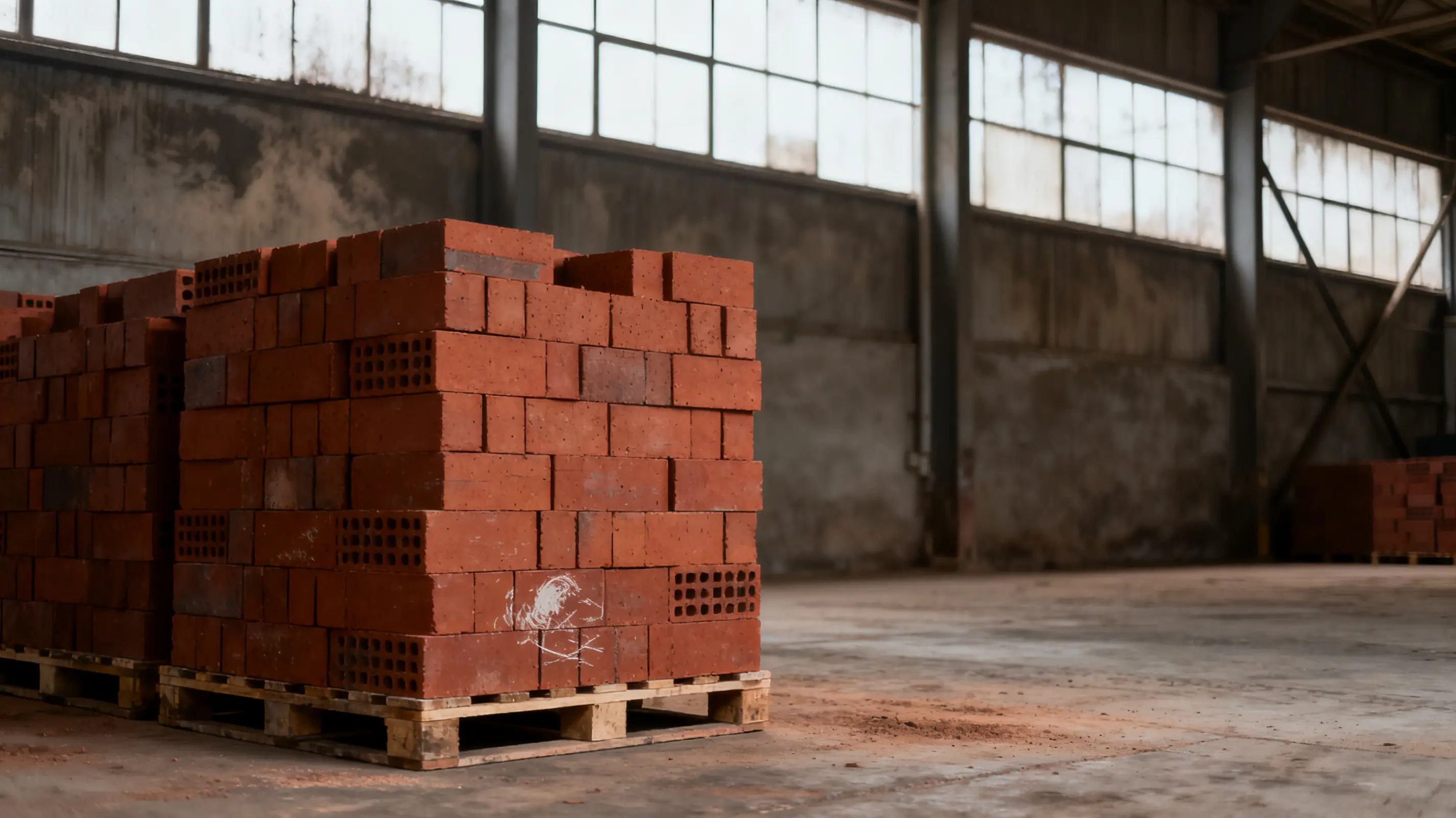
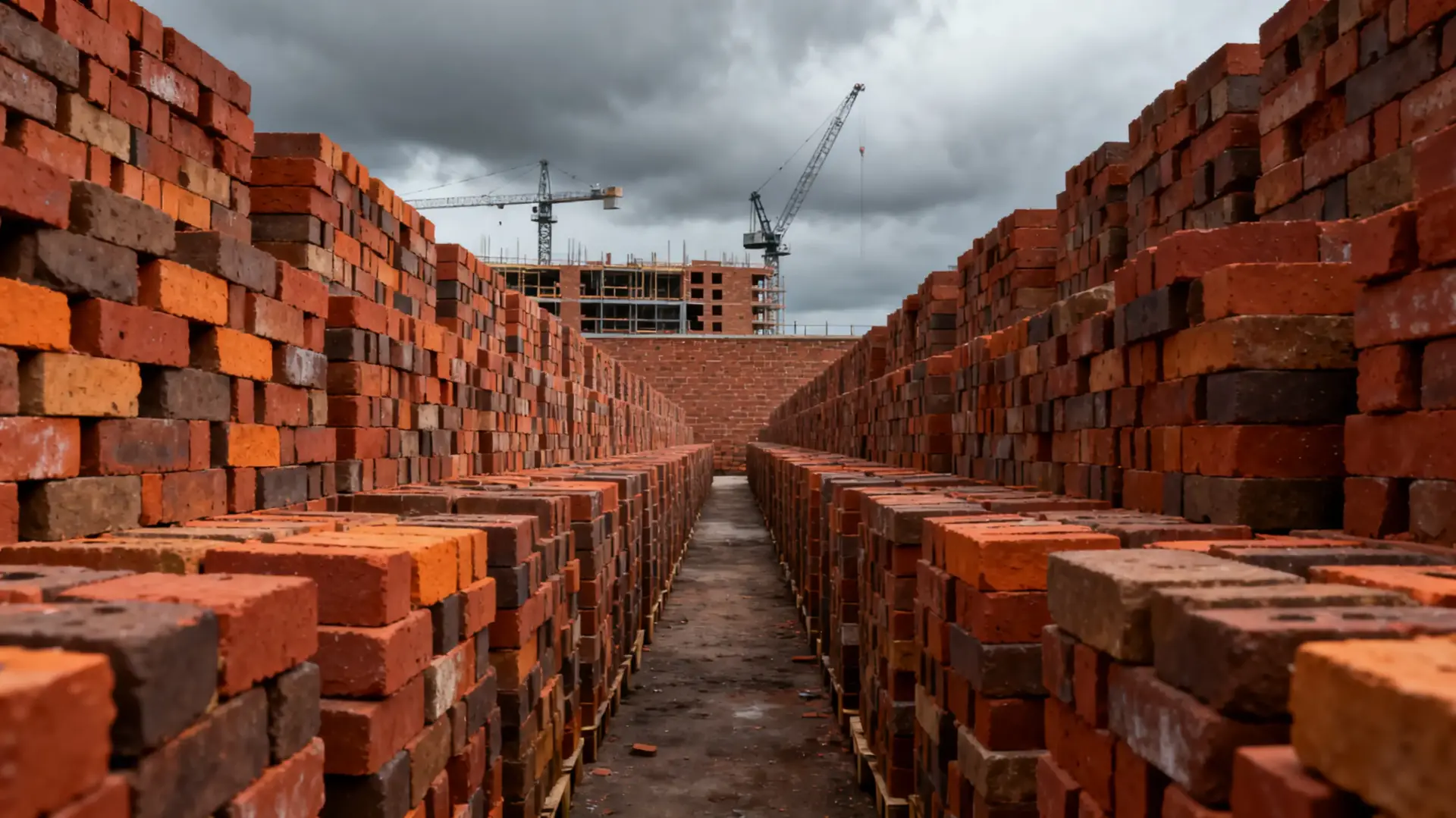
Not all materials are affected equally. While lightweight, high-value components can often be substituted or expedited. But masonry units are different. They are heavy, energy-intensive, and foundational, all of which are price-sensitive issues.
This exposes them to supply chain shocks differently. If steel is delayed, you might redesign. If finishes are delayed, you might work around them. With bricks, building simply stops if they aren’t available.
That reality is forcing developers to rethink how, and from whom, they source materials.
One of the clearest outcomes of this shift is the move from fragmented supply chains. In uncertain conditions, every middleman introduces delay risks, cost variability, and communication friction. So, developers are simplifying.
More are choosing to work directly with established suppliers who can offer more reliable stock levels, faster shipping, and predictable and transparent pricing.
Suppliers such as Brick Wholesale are increasingly part of this equation, not as a convenience, but as a strategic choice. In a volatile market, certainty becomes more valuable.
Procurement Is Part of Development Strategy
Procurement has evolved its operational niche to include strategy. What you source and how you source it directly impact the project timelines and budget.
Given that in the UK construction costs have remained high (over 40% higher than pre-2020 levels in some cases), those choices matter.
If you add regulations like the UK’s upcoming carbon border mechanisms and trade adjustments’ effects on pricing and sourcing, the image comes clearly into focus. You are no longer just buying materials, but also managing risk while at it.
The Change Is Not Temporary
While it can be tempting to view all of this as cyclical and something the industry will grow out of, that would be underestimating what is happening. The forces driving this shift are massive and not short-term disruptions.
This structural change means that the response should be structural too. The most successful developers over the next decade will be those who understand how to operate in a world of uncertainty. As it stands, the strongest supply chain is the only one you can rely on when shocks hit, and everything else breaks.

Holding a Master’s in Construction Management from Purdue University, William Ray has dedicated more than two decades to studying and applying construction principles. His professional journey includes a tenure with a prominent construction firm, where he specialized in project management and building technologies. William brought his knowledge to our team, providing in-depth insights into practical construction techniques. As the leader of our beginner’s guide to building since 2019, he has a knack for breaking down intricate processes into easily digestible content. When not involved in writing or onsite consultations, William enjoys woodworking and volunteering in community building projects, which aligns with his passion for hands-on construction and community service.