
Most plumbing emergencies do not begin with dramatic flooding or sewage backing into the bathtub overnight. In many Seattle-area homes, sewer line deterioration develops gradually beneath foundations, landscaping, driveways, or sidewalks long before homeowners notice serious damage. Subtle warning signals usually appear first, although they are often dismissed as temporary inconveniences.
Properties throughout Washington face additional strain because of frequent rain, shifting soil conditions, mature tree roots, and aging underground infrastructure. Those environmental factors create an ideal situation for hidden pipe damage to spread unnoticed for months. When recurring drainage problems begin affecting several fixtures at once, many residents eventually decide to let Ben’s Plumbing repair your sewer the right way before a complete line collapse creates far more expensive restoration work.
Recognizing early symptoms can help property owners avoid structural damage, contaminated water exposure, and emergency excavation costs. Below are seven common indicators that your sewer system may already be deteriorating beneath the surface.
1. Multiple Drains Start Slowing Down at the Same Time
A single slow sink occasionally points to a localized clog near the fixture itself. Simultaneous drainage problems throughout different parts of the home usually suggest something more serious happening deeper within the sewer system.
Homeowners often notice the issue first in lower-level fixtures. Water may linger inside basement showers, laundry drains, or ground-floor toilets longer than normal. Kitchen sinks sometimes produce bubbling sounds while nearby plumbing fixtures are running elsewhere inside the house.
That pattern matters because isolated blockages rarely affect several drains simultaneously. Sewer line obstructions, however, interrupt wastewater flow across the entire property. Tree root intrusion, pipe misalignment, grease buildup, or collapsed sections commonly create these symptoms.
Ignoring widespread slow drainage may allow pressure inside damaged pipes to increase gradually until wastewater begins backing into the home unexpectedly.
2. Unpleasant Odors Appear Indoors or Outside
A healthy sewer system remains sealed tightly enough to prevent noticeable smells from entering living spaces. Persistent foul odors near drains, crawl spaces, utility rooms, or exterior landscaping frequently indicate cracks or breaks somewhere underground.
Seattle’s damp climate sometimes makes odor-related issues harder to identify because moisture already affects indoor air quality during colder seasons. Sewer gases, however, tend to produce a heavier sulfur-like smell that lingers rather than dissipating quickly.
Outdoor warning signs deserve equal attention. Homeowners occasionally notice unpleasant smells near patios, driveways, or sections of the yard where underground piping passes beneath the surface. Those odors may signal escaping wastewater from fractured sewer lines.
Professional camera inspections often reveal damage hidden beneath soil long before visible surface collapse occurs.
3. Patches of Grass Suddenly Look Greener Than Everything Else
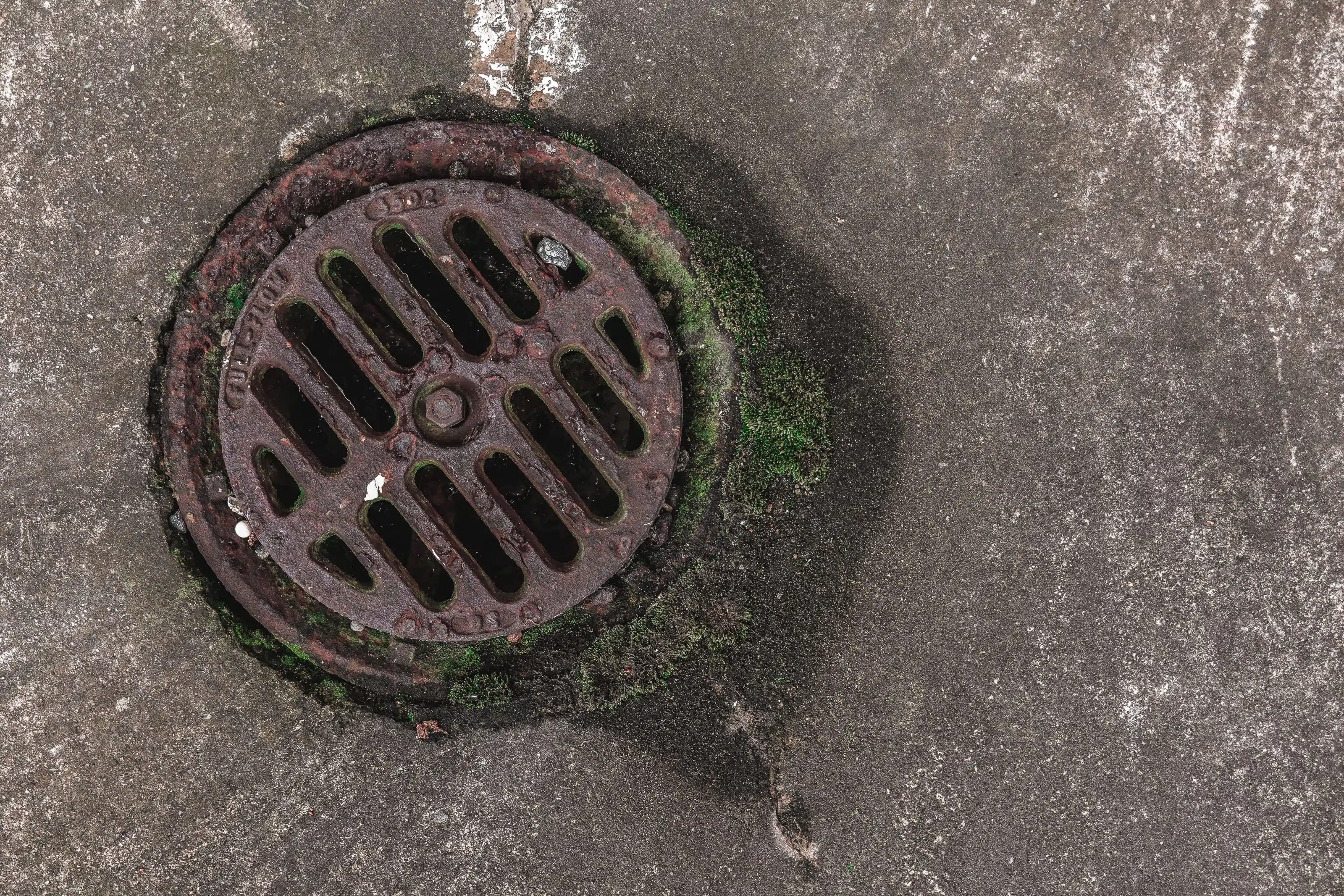
Unexpectedly lush vegetation in one concentrated area of the yard may look harmless at first glance. In reality, leaking sewage underground frequently acts as fertilizer, causing certain sections of grass to grow faster and appear brighter than surrounding areas.
Soggy soil near those patches also deserves investigation, especially when rainy weather cannot fully explain the moisture. Some homeowners even notice shallow depressions forming gradually near damaged pipe sections.
Several exterior clues commonly appear together:
- Bright green grass concentrated in narrow strips
- Persistently wet soil despite dry weather
- Soft ground near buried utility paths
- Increased insect activity around certain areas
- Small sinkholes developing near landscaping
Underground leaks rarely repair themselves naturally. Delaying corrective work may eventually damage foundations, sidewalks, retaining walls, or nearby utility systems.
4. Toilets Begin Making Strange Noises
Air trapped inside damaged sewer lines often creates unusual plumbing sounds throughout the house. Gurgling toilets represent one of the most common examples. Many homeowners hear bubbling after flushing nearby fixtures or running washing machines.
Those noises usually occur because wastewater cannot move through the line properly. Restricted airflow inside damaged piping forces trapped air backward through plumbing fixtures instead.
Toilet performance may also become inconsistent. Some flushes appear completely normal while others struggle to clear waste efficiently. Water levels inside bowls occasionally rise or fluctuate unexpectedly without obvious explanation.
Intermittent behavior sometimes convinces property owners that the issue is minor. Unfortunately, sewer line failures often progress unevenly, producing temporary improvements before conditions worsen again.
5. Mold or Moisture Appears Near Lower Walls
Broken sewer pipes hidden beneath slabs or crawl spaces can increase humidity levels inside the home gradually over time. Excess moisture often affects flooring materials, baseboards, drywall corners, or storage areas before homeowners discover the source.
Seattle-area properties already experience elevated moisture exposure because of regional weather conditions. Additional humidity from leaking wastewater may accelerate mold development significantly faster than expected.
Watch carefully for these interior warning indicators:
- Peeling paint near lower walls
- Musty odors inside storage spaces
- Warped flooring materials
- Visible mildew around baseboards
- Unexplained dampness near utility rooms
Long-term moisture exposure affects far more than cosmetic appearance. Structural framing, insulation, and indoor air quality may deteriorate substantially when sewer leaks remain unresolved.
6. Pest Activity Suddenly Increases
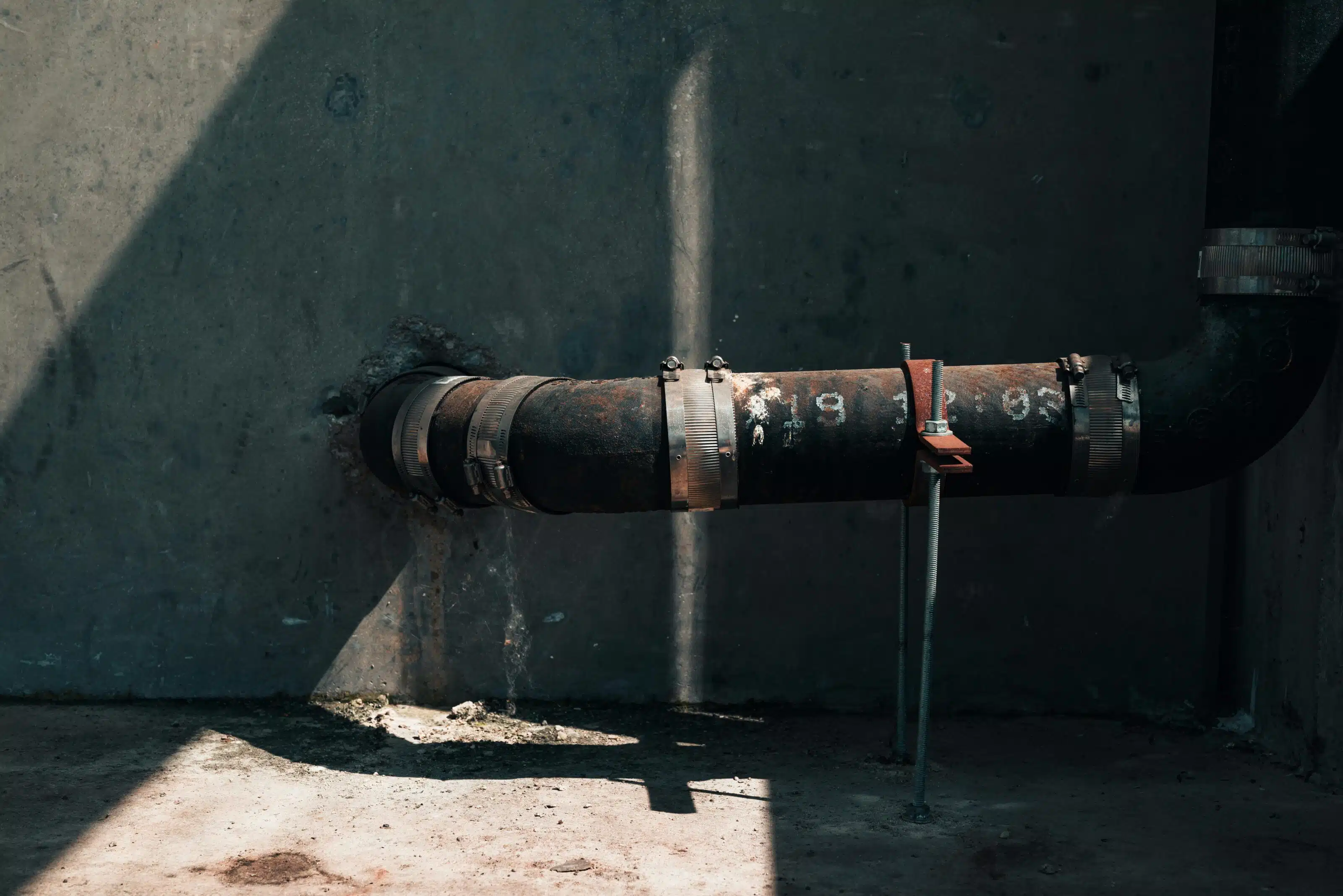
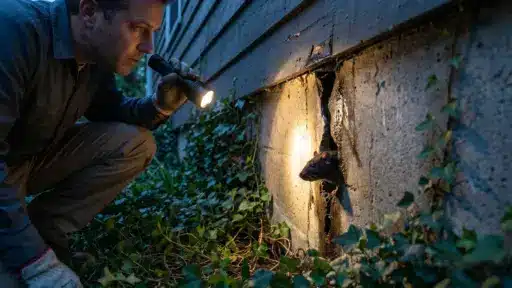
Rodents and insects often seek moisture sources hidden beneath homes or inside damaged underground piping. Cracks in sewer lines may create entry points that allow pests to travel closer to interior living spaces.
Homeowners occasionally notice increased cockroach activity near drains, especially in basements or laundry areas. Rats are also known to exploit damaged sewer infrastructure in older urban neighborhoods around Seattle.
Although pest problems alone do not confirm sewer failure, sudden infestations combined with drainage issues or foul odors deserve immediate professional evaluation. Sewer-related damage frequently creates conditions that attract unwanted activity beneath the property.
7. Sewage Backups Begin Happening Repeatedly
Recurring backups represent one of the clearest indicators that a sewer system requires immediate attention. Temporary drain cleaning may relieve symptoms briefly, but repeated problems usually mean the underlying issue remains unresolved.
Wastewater backing into tubs, showers, or basement drains creates serious sanitation risks that should never be ignored. Every additional backup increases the possibility of contamination affecting flooring, furniture, drywall, and personal belongings.
Trusted professionals such as Ben’s Plumbing & Drain Cleaning often use modern sewer camera technology to locate hidden damage accurately without unnecessary excavation. Early diagnosis can dramatically reduce repair costs while preventing larger structural complications later.
Underground sewer deterioration rarely becomes visible until significant damage already exists. Paying attention to smaller warning signs gives homeowners an opportunity to act before emergencies disrupt daily life completely. Careful maintenance and timely inspections remain the most effective ways to protect both the property itself and the people living inside it.

Holding a Master’s in Architecture from the University of Texas at Austin, Emily Rodriguez has dedicated more than two decades to the art and science of building renovation. Starting her journey in historic preservation, she developed a profound respect for blending old with new in building design. Emily became a vital part of our team in 2019, renowned for her insightful and innovative renovation tips. She has been leading our DIY home improvement series since ever since, where she shares her wealth of knowledge in turning outdated spaces into modern havens. When not engaged in writing or consulting, Emily is a passionate advocate for heritage conservation and enjoys exploring vintage architecture, a hobby that complements her professional expertise.