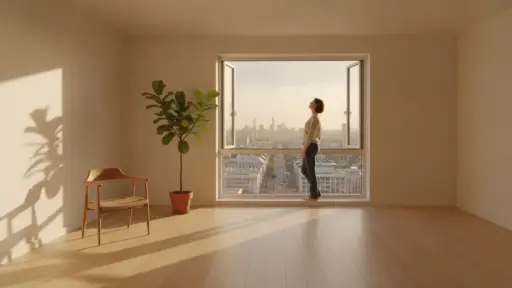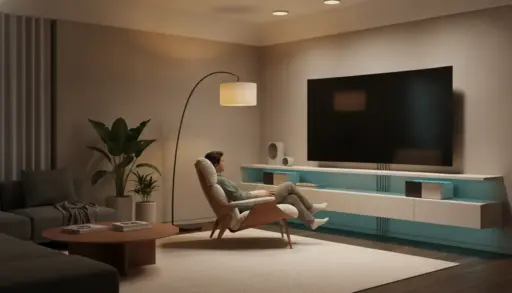
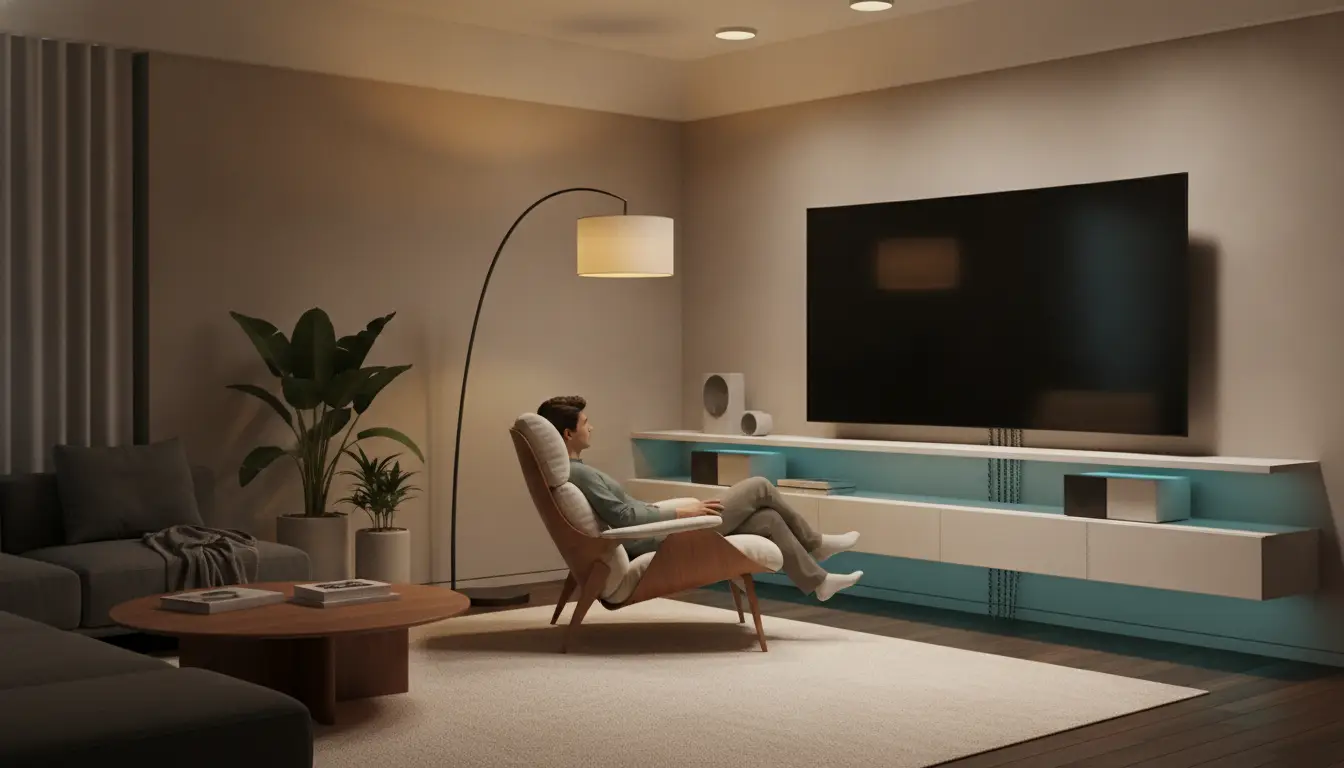
There was a time when nesting was a term reserved almost exclusively for expectant parents or those moving into their first terrace house. It involved picking out the right shade of eggshell for the hallway and making sure the scatter cushions didn’t clash with the rug. However, things have changed quite a bit lately. We’re spending more of our social and leisure time within our own four walls, and the concept of nesting has evolved into something much more modern. It’s no longer just about where we sleep or eat; it’s about how we integrate our digital lives into our physical surroundings without making the place look like a cluttered server room.
Digital nesting is the art of creating a space that feels warm and inviting while being perfectly equipped for everything from streaming a new series to joining a virtual game night with friends. It’s about finding that sweet spot where interior design meets remote leisure. Many of us have experienced the frustration of trying to relax in a room that still feels like a makeshift office, or worse, a space where tangled wires are the main design feature. By taking a more intentional approach to our home layouts, we can build a sanctuary that supports our mental wellbeing and our hobbies.
The Art of Curation: Finding Your Recharge Station
The first step in any successful digital nesting project is identifying the right spot. You don’t need a massive spare room to make this work; in fact, some of the best setups I’ve seen are tucked away in a quiet corner of a bedroom or a neglected nook under the stairs. The goal is to create a ‘recharge station’ (a place where both you and your devices can power up in peace).
When you’re choosing your spot, think about the natural light. During the day, you want enough light to keep your spirits up, but you don’t want a glare on your screen that leaves you squinting for three hours. North facing rooms often provide a more consistent, softer light that’s perfect for digital activities.
Once you’ve found the space, the most important investment you’ll make isn’t actually a piece of tech; it’s a chair. We often spend a lot of money on the latest gadgets but then sit on a wooden dining chair that leaves our backs screaming after twenty minutes. An ergonomic chair doesn’t have to look like a racing car seat or a piece of office equipment. There are some fantastic mid century modern designs now that offer proper lumbar support while looking like a stylish piece of furniture.
Lighting is the next piece of the puzzle. To make a space feel like a sanctuary, you need layers. A single overhead light is often too harsh and clinical. Instead, try a combination of a floor lamp with a warm bulb and perhaps a small LED strip behind your desk or monitor. This creates a soft glow that reduces eye strain and makes the corner feel separated from the rest of the room. It’s these small touches that transform a functional area into a proper retreat.
Rolling Up Your Sleeves: DIY for the Digital Home
Now, let’s talk about the practical side of making things look good. Nothing ruins the ‘sanctuary’ vibe faster than a “spaghetti junction” of cables trailing across the floor. It’s something I’ve struggled with myself, but a bit of DIY can solve it quite easily. One of the most satisfying projects you can take on is building custom floating tech-shelves.
Floating shelves are brilliant because they keep the floor clear, which makes even the smallest room feel more spacious. You can find basic timber at any local hardware shop. By sanding it down and applying a nice wax or stain, you can create a shelf that looks far more expensive than it actually was. The trick for a digital setup is to drill a neat hole towards the back of the shelf before you mount it. This allows you to feed your charging cables through, keeping them hidden from view.
For those cables that have to run along the floor or up a wall, don’t just leave them dangling. Cable management boxes are fine, but you can also buy paintable trunking. If you paint the trunking the exact same colour as your skirting boards or walls, it practically disappears. It’s a bit of a faff to get it all lined up perfectly, but the result is a clean, intentional aesthetic that lets your furniture and decor take centre stage rather than your power strips.
Another great project is a dedicated ‘Bingo Nook.’ This is a small, organised area specifically designed for those moments when you want to switch off and focus on a bit of lighthearted fun. It might include a small side table for your tablet, a dedicated spot for your headphones, and perhaps a stylish coaster for your brew. Once you’ve got this physical retreat set up, you’re in the perfect position to enjoy your favourite digital pastimes. If you’re new to the world of virtual gaming, you might find it helpful to learn how to play bingo online to get a feel for how these digital spaces work. Having a dedicated, tidy area makes the transition into the game much more relaxing.
Finding Balance: From DIY Dust to Digital Calm
There is a certain irony in the fact that creating a relaxing space often involves a fair bit of stress, dust, and sawdust. I find that the process of building something with your hands provides a great mental reset, but you have to be careful not to let the project take over your life. There’s a point where you need to put the drill away, hoover up the mess, and actually enjoy the space you’ve created.
Transitioning from “renovation mode” to “relaxation mode” is crucial for your mental wellness. Our homes have become multi functional out of necessity, but that means the boundaries between work, DIY, and leisure can get very blurry. I’ve found that having a ‘closing ceremony’ for my DIY projects helps. Once the shelf is up or the cables are tucked away, I clear the room, light a scented candle, and change my clothes. It sounds a bit silly, but it signals to your brain that the ‘work’ part of the day is over.
Using your newly curated space for digital hobbies is a fantastic way to decompress. Whether it’s reading an e-book, listening to a podcast, or playing a game, the key is that you’re doing it in an environment that you’ve specifically designed for your own comfort. This physical comfort directly impacts your ability to mentally switch off. When your body is supported and your eyes aren’t strained by poor lighting, you can lose yourself in your hobby much more easily.
The Social Connection: Hosting from Your Sanctuary
One of the biggest shifts in the last few years has been how we socialise. We used to think of our homes as private retreats, but now they are also our portals to the rest of the world. Hosting a virtual game night is a brilliant way to stay connected with friends who might live hours away, and having a stylish, functional space makes the experience so much better.
When you’re hosting, think about your ‘background’ as well. You’ve put all that work into your floating shelves and cable management; this is the time to show it off! A few well placed books or a healthy houseplant in the frame can make your digital presence feel more warm and human.
For a successful virtual night, it’s often best to start with something low pressure that everyone can join in with. I’ve found that simple, classic games work best because they don’t require everyone to have a high end computer or a lot of technical knowledge. It’s about the chat and the shared experience rather than the complexity of the game itself.
Please remember to keep things fun and light. It’s always important to play responsibly and ensure that your digital hobbies remain a source of relaxation and connection rather than a source of stress. Set yourself some time limits so you don’t end up staring at a screen until the early hours of the morning; your sleep schedule will thank you for it.
Final Thoughts on Your Digital Retreat
Creating a digital nest is an ongoing process. As our hobbies change and our tech evolves, our spaces will probably need to shift too. But the core principles remain the same: prioritise your physical comfort, keep the clutter at bay, and make sure the space reflects your personal style.
Our homes should be a reflection of how we actually live, not just how we think a house should look in a magazine. If you spend your Friday nights gaming with friends or your Sunday afternoons browsing for new decor ideas, your home should support that. By taking the time to curate a stylish, functional sanctuary, you’re not just decorating a room; you’re building a space that helps you feel more grounded in an increasingly digital world. So, grab a screwdriver, find a nice warm lamp, and start turning that quiet corner into your own personal retreat. You’ll be surprised at how much of a difference a little bit of nesting can make to your daily life.
Responsibility Warning: Please gamble responsibly. For help and support, visit BeGambleAware.org or call the National Gambling Helpline on 0808 8020 133. Remember that online leisure should always be fun and within your personal limits.
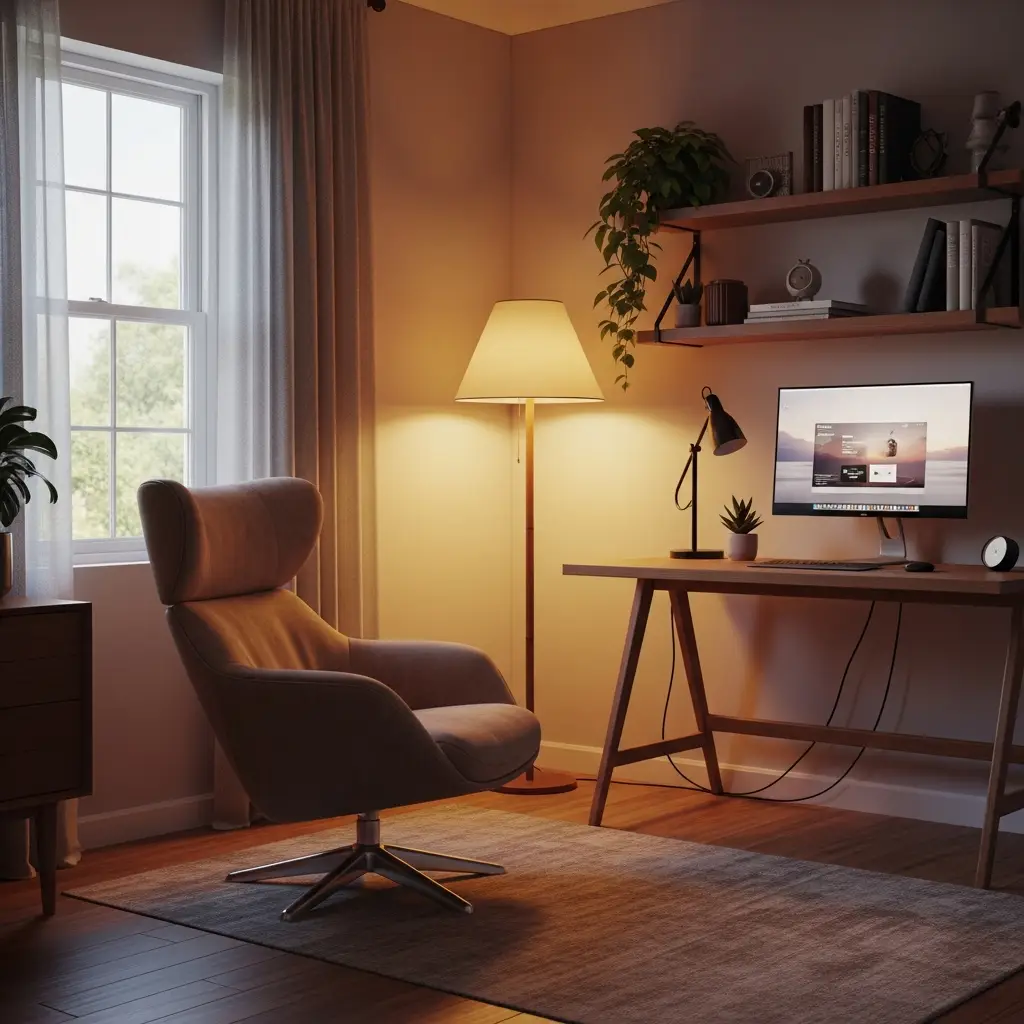

Journalist Chloe Rivera studied at the University of Missouri and has covered mindful, stylish living since 2013. She joined us in 2025 to curate realistic routines, budget-friendly décor, and community stories that help readers craft balance without perfection pressure. When offline, Chloe volunteers at urban farms, photographs street style, and hosts weekend swap parties for preloved clothes and books in her neighborhood.