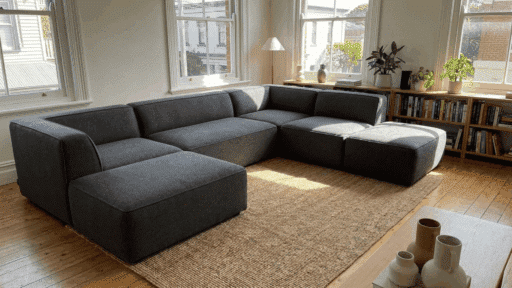
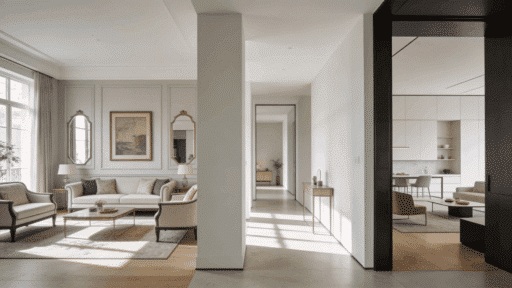
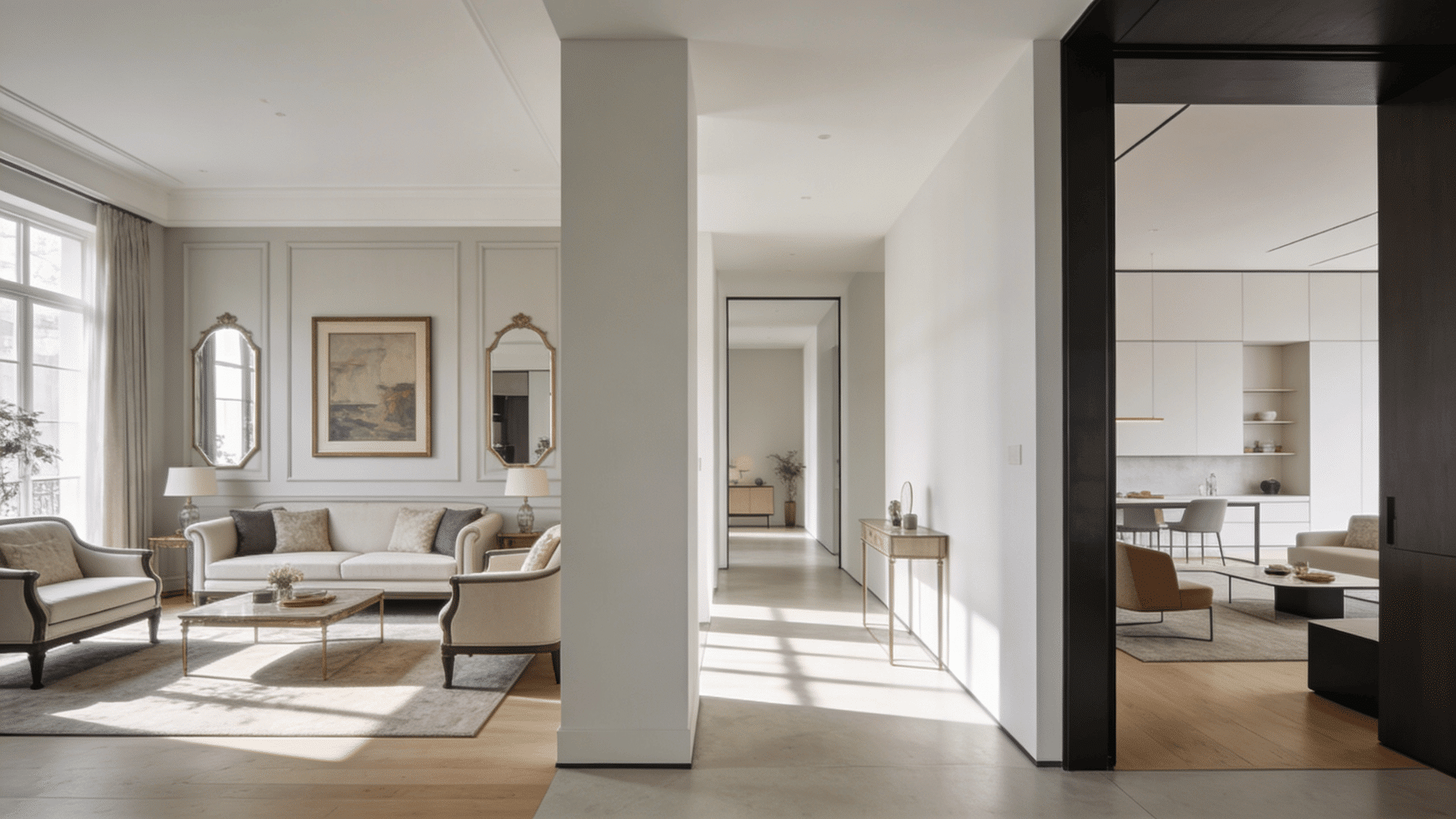

Ever come across the term drawing room in an old home listing or an interior design article and wonder, “Isn’t that just a living room?” You are not alone.
Many people assume the two are identical, but the meaning behind a drawing room goes much deeper than modern layouts suggest.
I used to think it was simply an old-fashioned label for a common gathering space, but the term still appears in luxury homes, historical architecture, and even current real estate descriptions.
The confusion often comes from how home designs and room functions have changed over time.
In this guide, I’ll break down what a drawing room actually means, why it got its name, how it compares to modern spaces, and if people still use the term today.
What is a Drawing Room?
A drawing room is a formal space traditionally used for receiving guests, socializing, and hosting gatherings in a more structured setting.
Unlike rooms designed primarily for daily family activities, drawing rooms were created with visitors and conversation in mind.
Today, the closest equivalent is usually a formal living room, reception room, or sometimes a sitting room, depending on regional terminology.
Although the term is less common in many modern homes, it still appears in historical architecture, luxury properties, and regions where traditional room names remain part of everyday language.
Because terms like living room, sitting room, and family room are often used interchangeably, understanding how they differ in purpose, formality, and everyday use makes the distinctions much easier to recognize.
The table below breaks down those differences more clearly.
| Term | Main Purpose | Formality Level | Common Usage |
|---|---|---|---|
| Drawing Room | Formal entertaining | High | Less common today |
| Living Room | Everyday living | Moderate | Very common |
| Sitting Room | Relaxation and socializing | Moderate | Regional usage |
| Family Room | Casual activities | Low | Common in modern homes |
Why is it Called a Drawing Room?
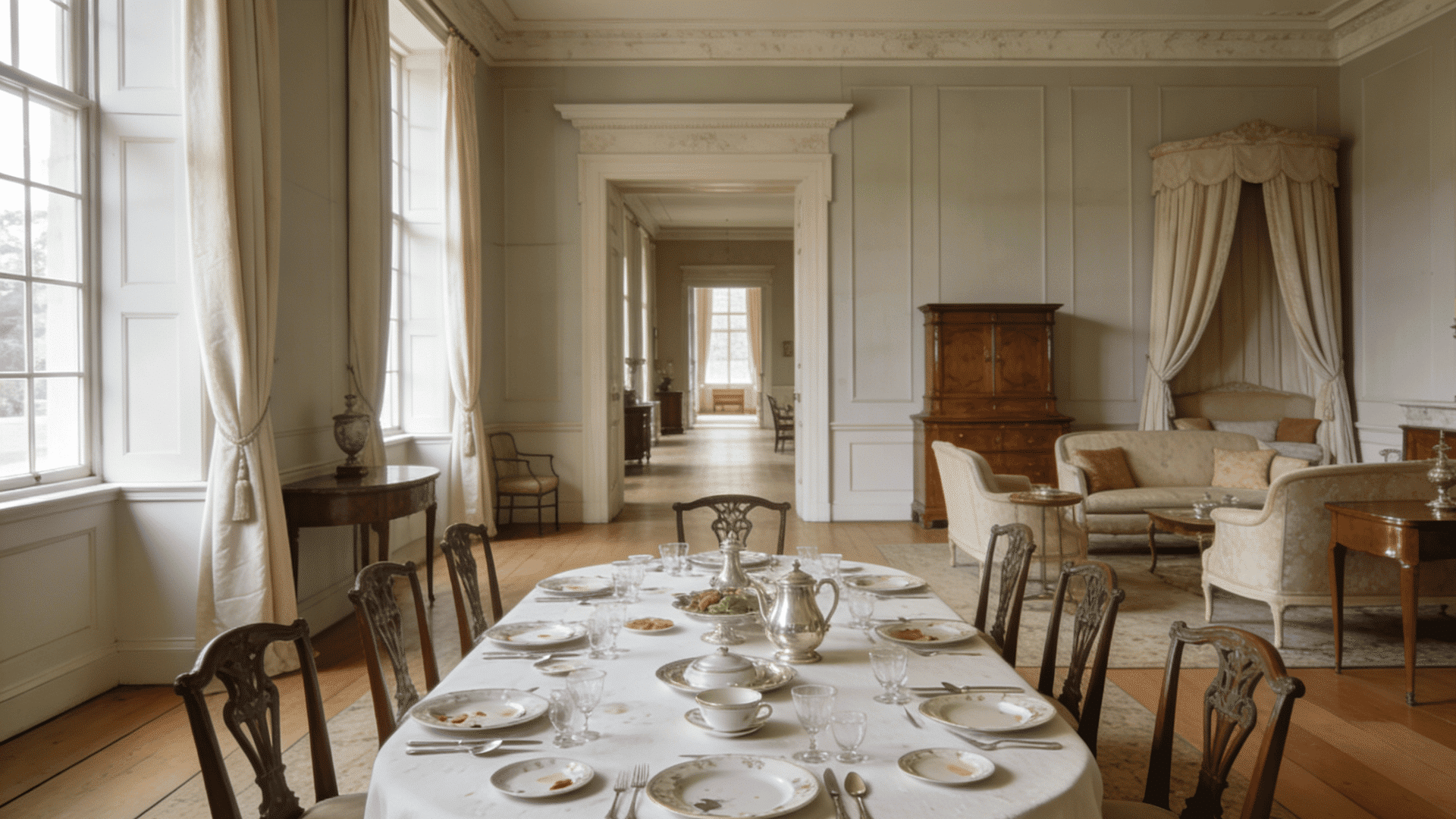
The name drawing room comes from the older phrase “withdrawing room.” In large homes, guests would often withdraw to a separate room after meals to continue conversations, relax, or socialize away from the dining area.
Over time, the withdrawing room gradually shortened into the drawing room , and the name stuck.
Early Origins of the Drawing Room
Drawing rooms became popular in wealthy homes, estates, and upper-class households where entertaining guests followed more formal social customs. These rooms were designed to create a dedicated space for hospitality, conversation, and receiving visitors rather than everyday family activities.
In older house layouts, the drawing room often appears to be one of the home’s most formal spaces because social status and entertaining played a larger role in home design.
How the Meaning Changed Over Time
During the 17th and 18th centuries, drawing rooms became symbols of formality and social gatherings. Victorian-era homes further expanded their role, often featuring elaborate furniture and decorative details.
As home layouts changed and casual living spaces became more common, many houses stopped using dedicated drawing rooms.
Even so, the term survived through cultural tradition, architectural language, real estate descriptions, and interior design discussions, which is why it still appears today.
Drawing Room vs Living Room
The biggest difference between a drawing room and a living room comes down to how the space is used . I used to think these rooms were separated mostly by name, but the layouts and intentions are often different.
A drawing room traditionally centers around formal entertaining and receiving guests, while a living room is designed for everyday activities like relaxing, watching TV, spending time with family, or casual socializing.
The comparison below shows how these spaces differ across function, design, and modern use.
| Feature | Drawing Room | Living Room |
|---|---|---|
| Purpose | Entertaining guests | Daily activities |
| Style | Formal | Flexible |
| Furniture | Structured seating | Comfort-focused |
| Modern Popularity | Lower | Higher |
Drawing Room vs Sitting Room
Drawing rooms and sitting rooms are often confused because both revolve around seating, conversation, and social interaction.
From what I’ve observed, regional language often creates more confusion than the room layouts themselves. In some places, the living room became more common, while the sitting room remained widely used elsewhere.
The comparison below shows how drawing rooms and sitting rooms differ in purpose, usage, and traditional meaning.
| Feature | Drawing Room | Sitting Room |
|---|---|---|
| Main Function | Formal entertaining | Relaxation and conversation |
| Formality | Higher | Moderate |
| Historical Use | Guest-focused social space | Everyday sitting space |
| Typical Atmosphere | Structured and formal | Comfortable and casual |
| Modern Usage | Less common terminology | More common in some regions |
What does a Traditional Drawing Room Look Like?
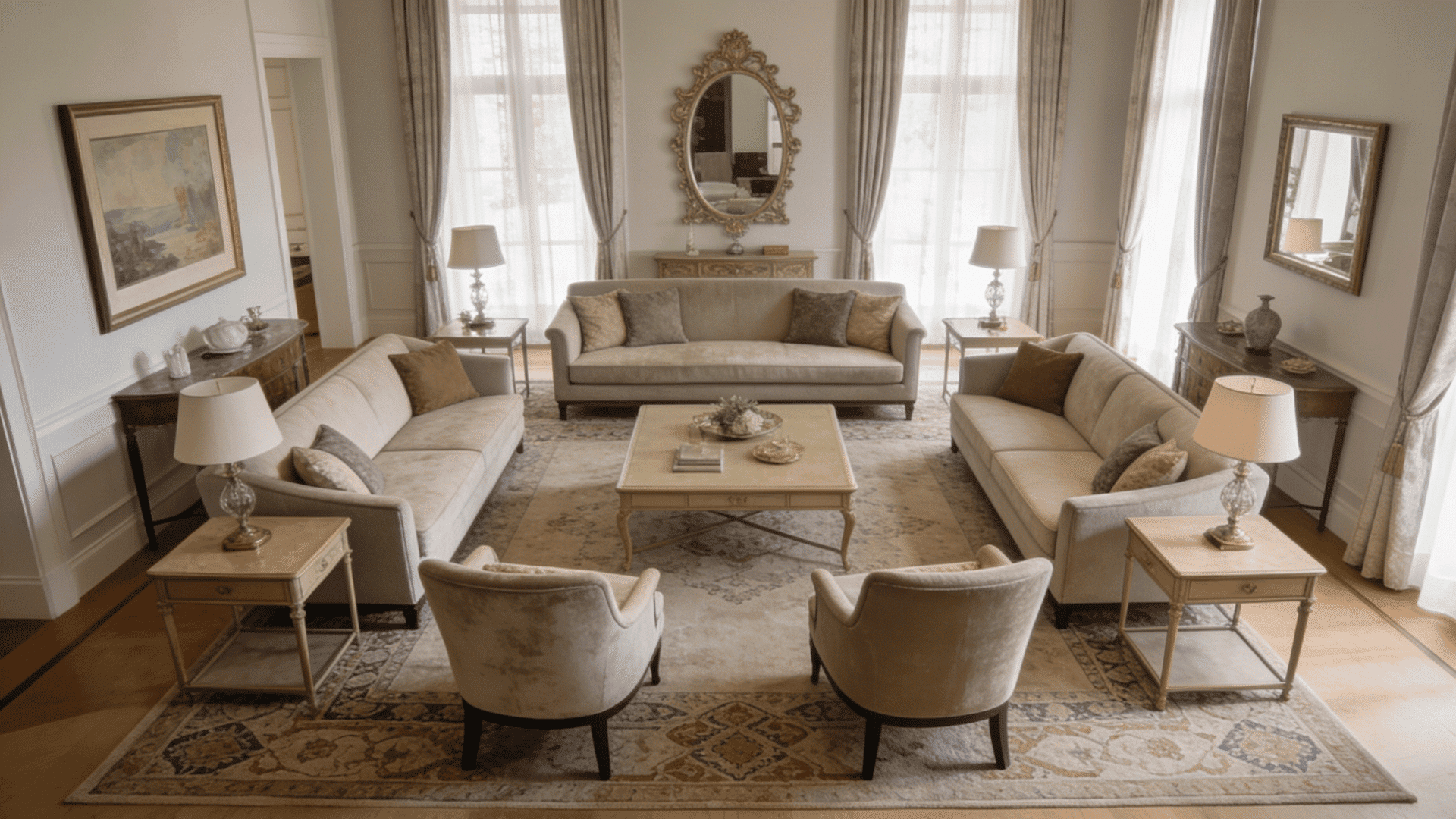
A traditional drawing room is usually designed around conversation and guest interaction rather than daily routines.
The layout often places seating in the center of the room with symmetrical arrangements that encourage face-to-face interaction.
Sofas, upholstered chairs, coffee tables, side tables, and accent furniture are commonly positioned to create a balanced, welcoming setup.
In older home layouts, drawing rooms often appear more structured than modern living spaces. Decorative elements also play a major role.
Artwork, mirrors, rugs, curtains, and statement lighting are typically used to create a polished atmosphere.
The overall feel is formal but inviting. The goal is to create a space that leaves an impression while still making guests comfortable enough to gather, talk, and spend time together.
Do Modern Homes Still Have Drawing Rooms?
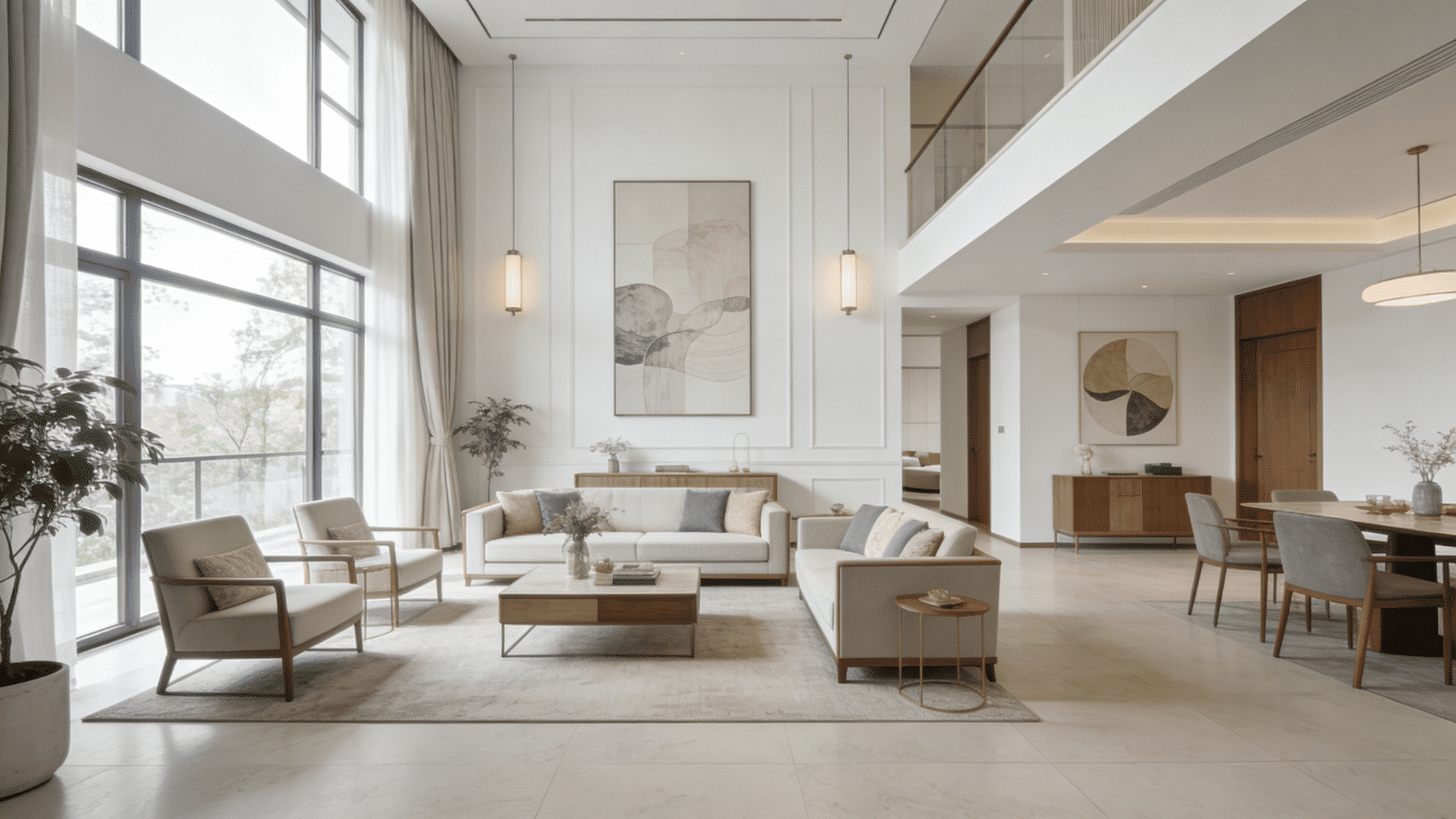
The short answer is yes , but often under different names.
The traditional drawing room did not completely disappear. It mostly changed shape.
As homes became more casual and open-concept layouts became common, dedicated formal spaces began to merge into living rooms, lounges, and multifunctional gathering areas.
Where you live also changes the answer:
- USA and Canada: Terms like formal living room or sitting area are more common than drawing room. Luxury homes may still include separate entertaining spaces.
- UK and parts of Europe: The term continues to appear more often, especially in traditional homes and older properties.
- South Asia and the Middle East: Formal guest spaces remain important in many homes, so drawing room-style layouts are still widely recognized.
In some homes I’ve seen featured in luxury listings, formal entertaining spaces still resemble traditional drawing rooms even when labeled differently.
The name may change to reception room, formal lounge, or sitting room, but the purpose remains similar, as these spaces are designed to host guests and encourage conversation.
Key Features of a Drawing Room
Drawing rooms were designed with hosting and social interaction in mind, which is why their design often feels more organized and formal than that of everyday living spaces.
The features below show what traditionally defines a drawing room:
- Visitor-Focused Layout: Furniture placement prioritizes guests, conversation, and hosting over daily activities.
- Purpose-Built for Formal Entertaining: Designed mainly for gatherings, receiving visitors, and creating a polished appearance.
- Face-to-Face Seating Arrangements: Seating layouts encourage conversation through opposite or grouped seating arrangements.
- Dedicated Conversation Areas: Smaller seating groups allow multiple conversations to take place comfortably within the same room.
- Statement Lighting: Decorative lights often act as focal points while supporting a formal atmosphere.
- Premium Materials and Finishes: Quality fabrics, wood details, and refined materials add a polished look.
- Symmetry and Balance: Matching furniture and balanced layouts create a more structured appearance.
- Modern Influence: Many homes still use these design ideas without calling the space a drawing room.
Pro Tip: If you want a space to feel more like a traditional drawing room, start with the seating layout first. Furniture placement usually changes the feel of the room more than décor alone.
Popular Drawing Room Design Styles
The style of a drawing room can completely change how formal, inviting, or modern the space feels. While traditional layouts shaped the original concept, modern homes interpret drawing rooms differently depending on design preferences.
1. Traditional Drawing Room Style
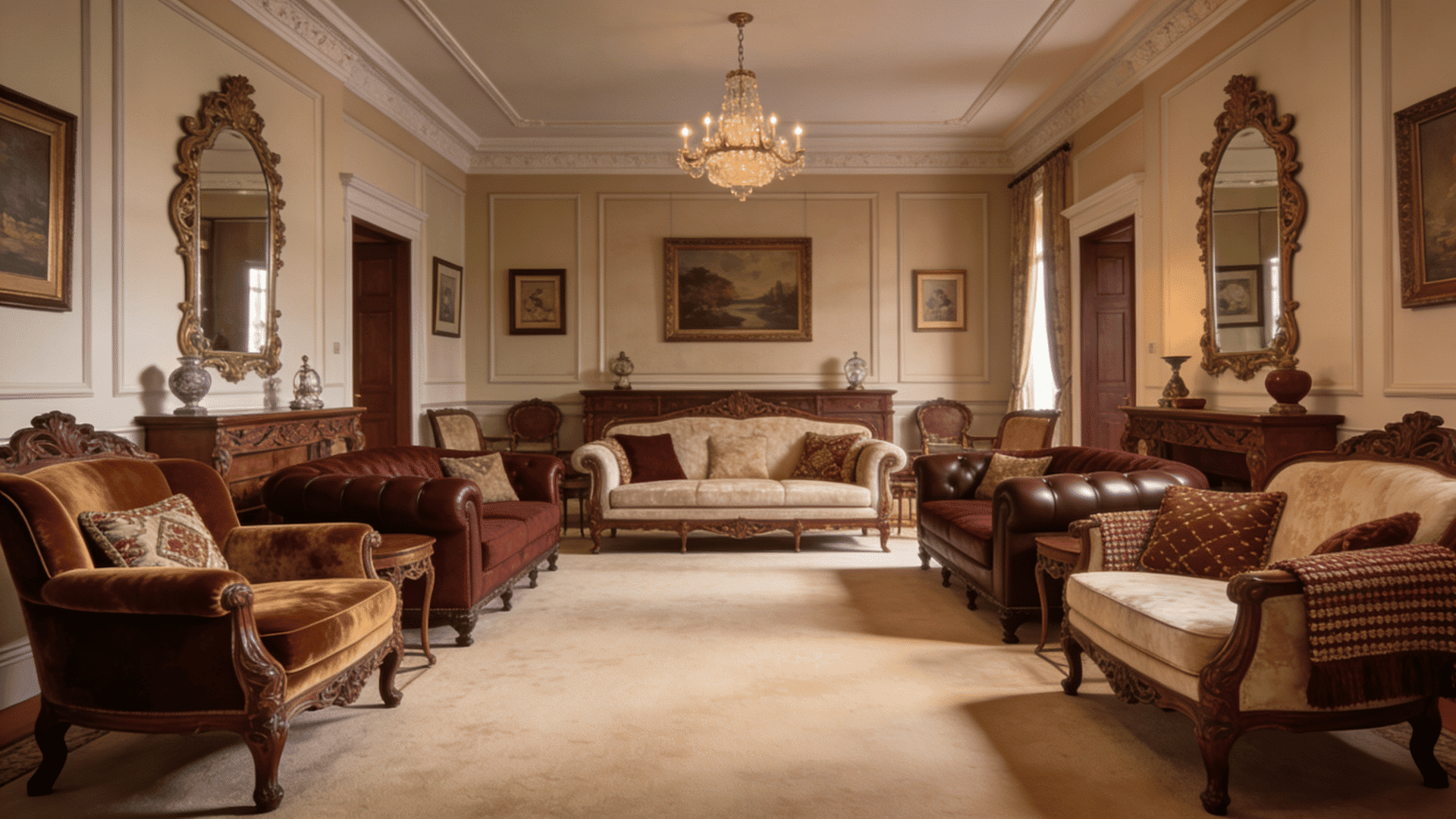
Best for homes that want a timeless, formal appearance. This style reflects the original purpose of drawing rooms by emphasizing beauty, structure, and decorative detail that creates a strong first impression.
Common characteristics:
- Ornate furniture with carved details
- Rich materials such as wood, velvet, leather, or decorative fabrics
- Symmetrical layouts with matching seating arrangements
- Decorative accessories like mirrors, artwork, and chandeliers
- Formal color palettes with deeper or warmer tones
2. Transitional Style
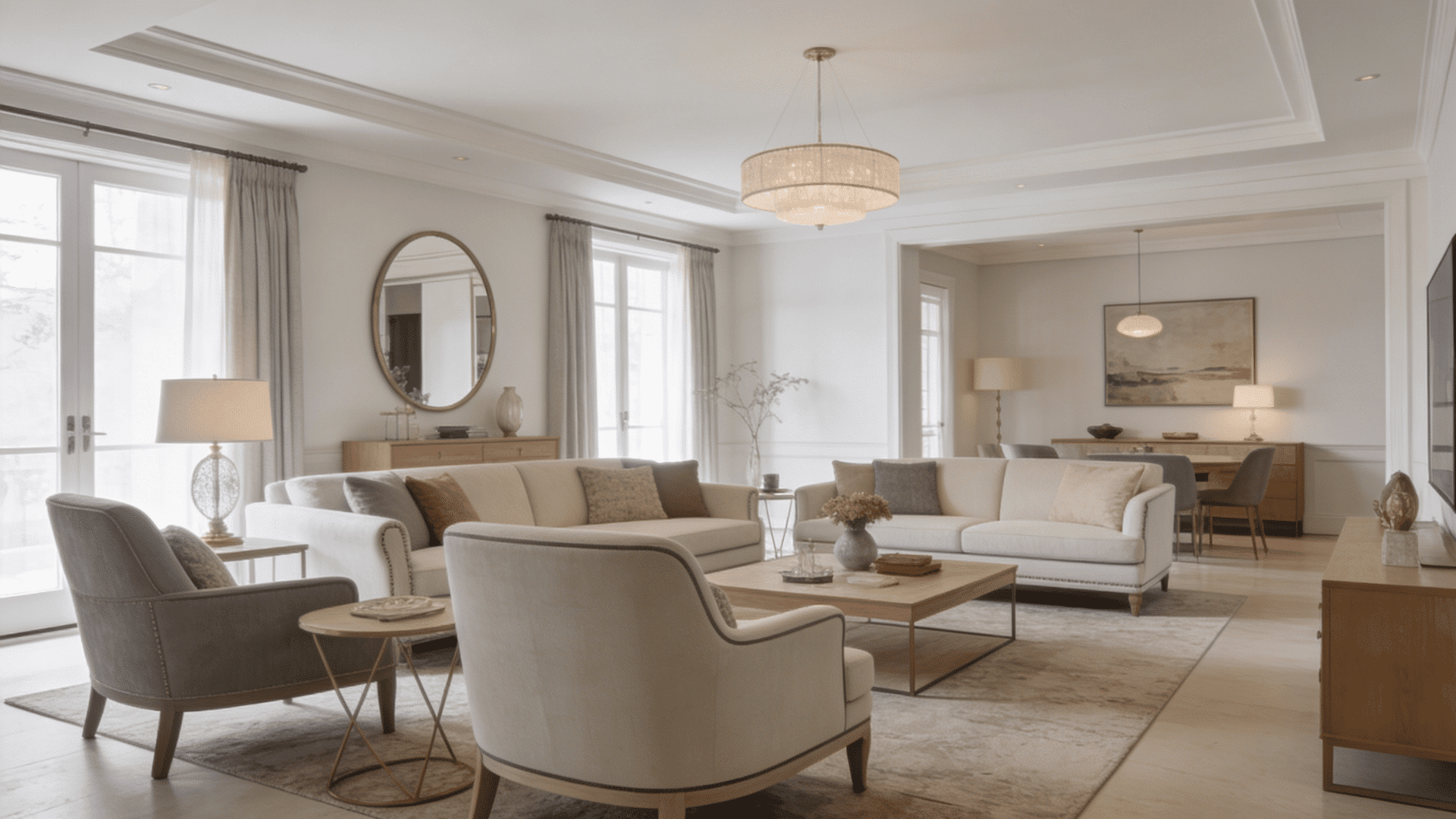
A balanced option that combines classic elements with modern comfort. Transitional spaces work well for homeowners who want a polished atmosphere without making the room feel overly formal or traditional.
Common characteristics:
- Mix of traditional furniture and contemporary accents
- Neutral colors with layered textures
- Cleaner lines without losing formality
- Flexible layouts that feel polished but comfortable
3. Contemporary Style
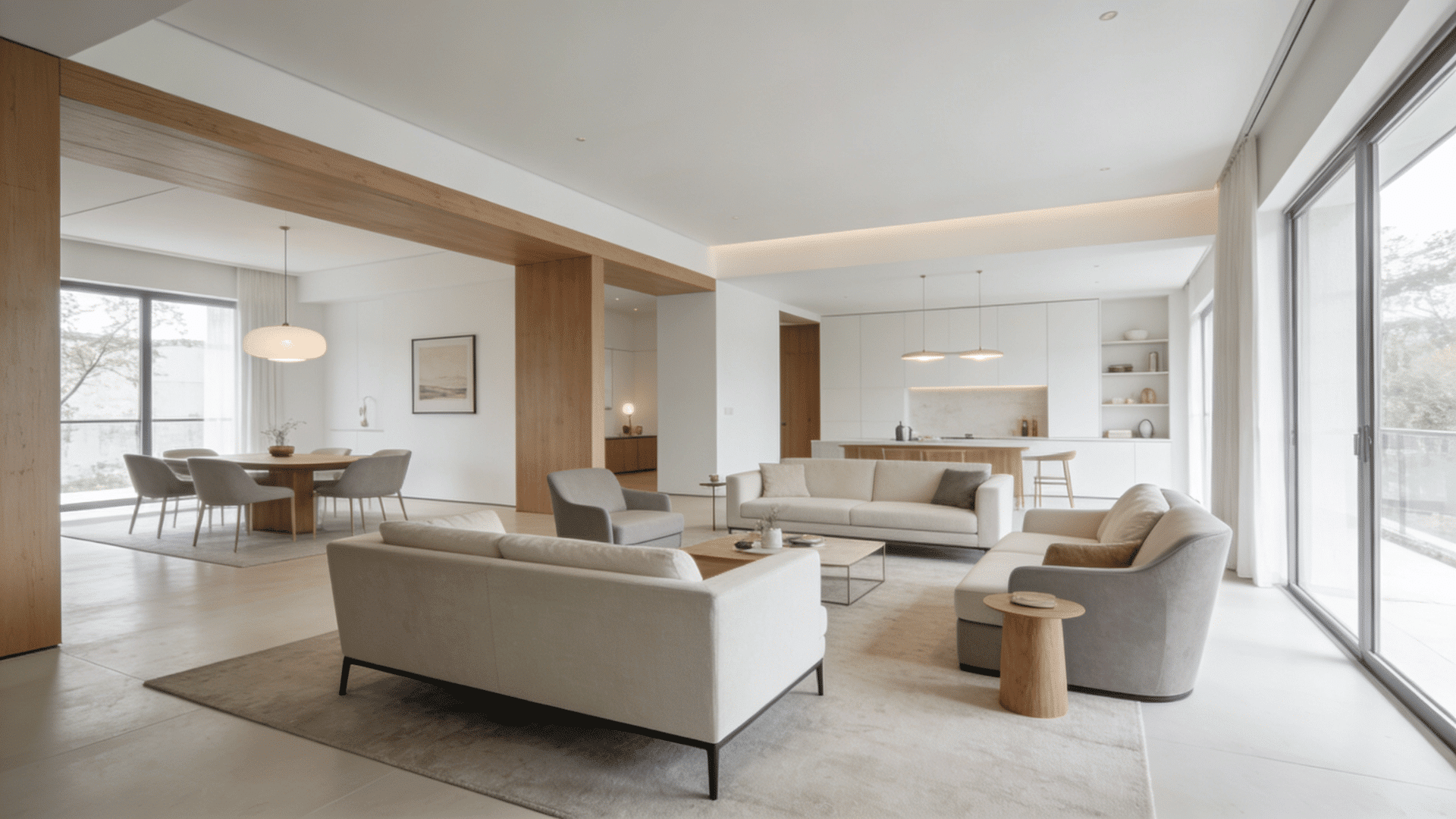
Works well for modern homes that prefer simpler layouts. Contemporary drawing rooms focus more on openness and functionality while still maintaining enough structure to support social interaction and hosting.
Common characteristics:
- Clean lines and minimal ornamentation
- Open layouts with better flow between spaces
- Streamlined furniture shapes
- Less visual clutter and more functional décor
4. Minimalist Style
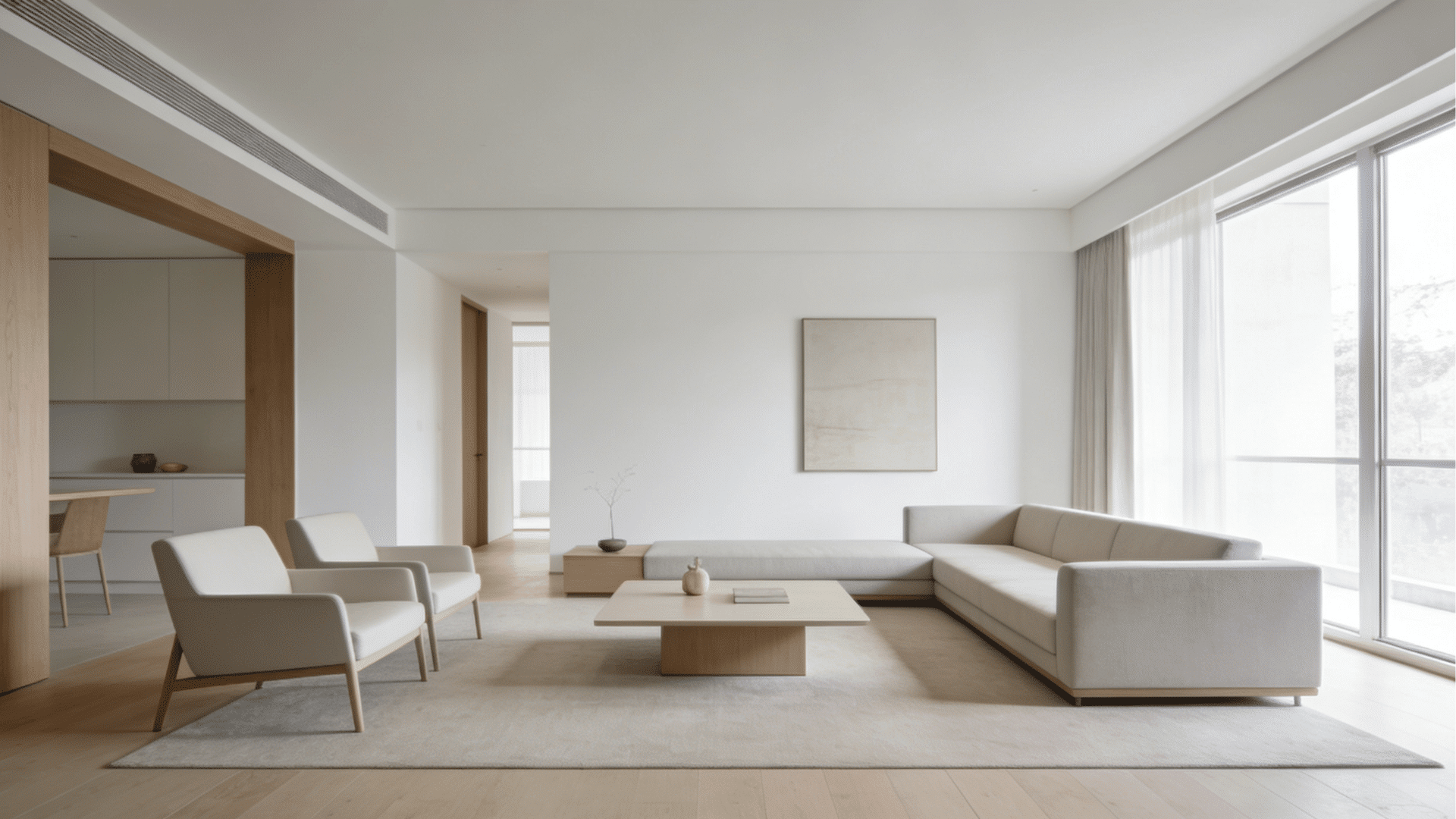
Focuses on simplicity without removing the social purpose of the room. This style relies on intentional furniture choices and open space rather than decorative layering to create a welcoming atmosphere.
Common characteristics:
- Reduced décor and fewer decorative objects
- Functional furniture with simple shapes
- Neutral palettes and open space
- Emphasis on comfort through simplicity
5. Luxury-Inspired Style
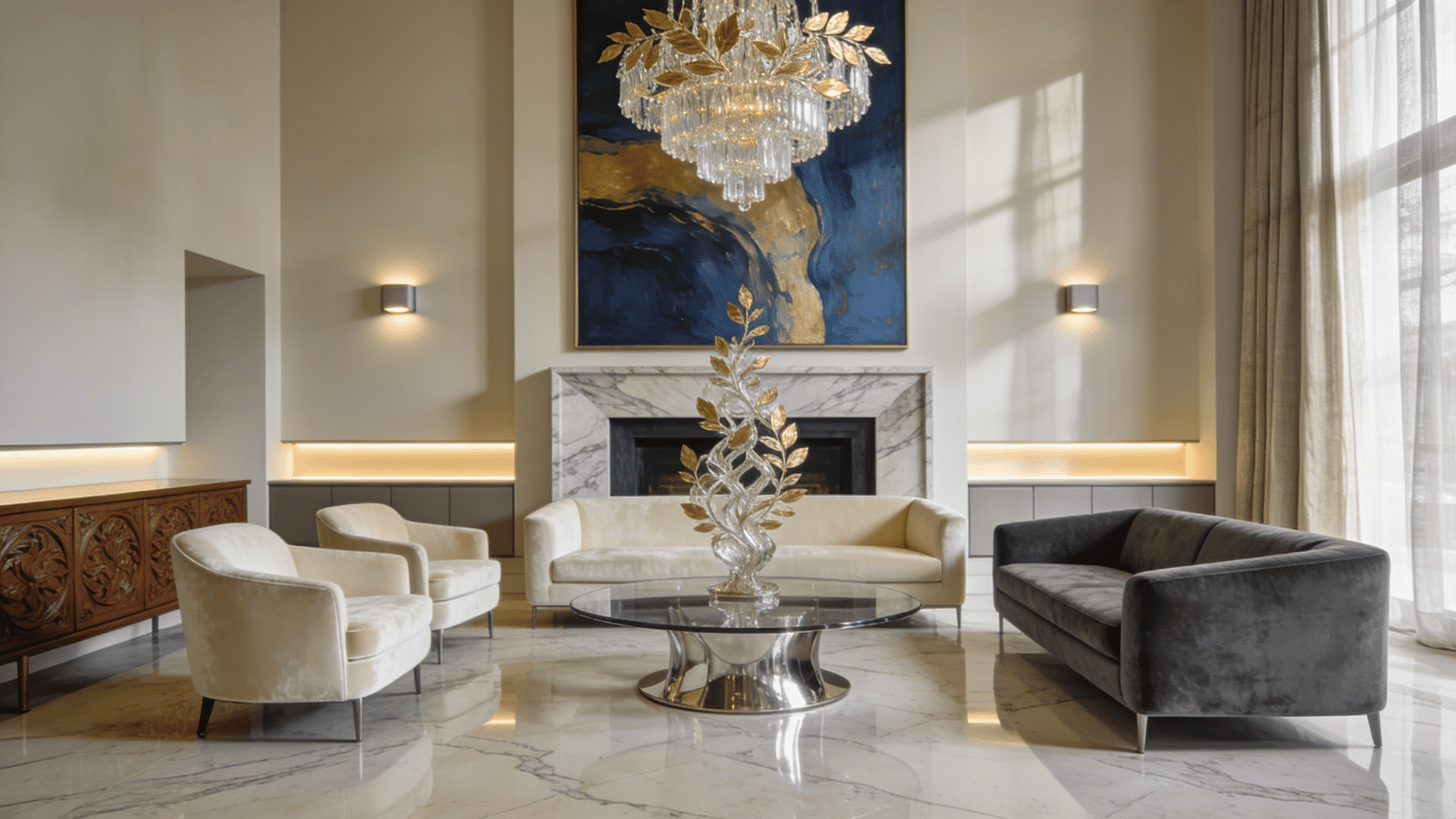
Designed to create a strong visual impression while maintaining comfort. Luxury-inspired spaces often prioritize premium finishes and carefully selected focal points that make the room feel refined and guest-ready.
Common characteristics:
- Premium materials like marble, velvet, glass, or polished wood
- Statement lighting and oversized décor pieces
- High-end finishes and layered textures
- Carefully curated furniture placement for a formal feel
The best drawing room style usually depends less on following strict rules and more on choosing a design that matches how the space will actually be used.
How to Create a Drawing Room Feel in a Modern Home
You do not need a separate formal room to create a drawing room atmosphere. In many homes, the feeling comes from how the space is arranged, decorated, and used.
The table below outlines the key elements that help create a more guest-focused, conversation-friendly space.
| Area to Focus On | What to Do | Why It Matters |
|---|---|---|
| Layout | Create defined seating zones and arrange furniture around conversation rather than screens | Encourages social interaction and creates a more intentional layout |
| Seating Arrangement | Position sofas and chairs face-to-face or around a central point | Makes the space feel welcoming and easier for group conversations |
| Furniture Choices | Use coordinated sofas, matching chairs, accent tables, and structured furniture placement | Creates balance and gives the room a more polished appearance |
| Lighting | Layer lighting with ceiling fixtures, lamps, or statement pieces | Adds warmth and reinforces a formal atmosphere |
| Rugs and Décor | Add rugs, artwork, mirrors, and decorative accents | Helps define spaces and adds visual interest |
| Functionality | Mix formal elements with comfortable seating and practical furniture | Keeps the room usable for both guests and everyday life |
A drawing room-inspired space works best when it feels intentional without becoming too formal to actually use. The goal is balance, not perfection.
Common Myths About Drawing Rooms
Many misconceptions about drawing rooms come from changing home layouts and evolving terminology. Here are some of the most common myths and what they actually mean.
Myth 1: Drawing Rooms No Longer Exist
The Reality:
Many homes still have spaces that function like drawing rooms, but they often go by names such as formal living room, reception room, or lounge. The concept survived even when the terminology changed.
Myth 2: Drawing Rooms are Only Found in Mansions
The Reality:
A drawing room is more about function than size. Any home with a dedicated guest-focused space or formal seating arrangement can reflect traditional drawing room ideas.
Myth 3: Drawing Rooms and Living Rooms are Exactly the Same
The Reality:
Historically, drawing rooms were designed for formal entertaining and receiving visitors, while living rooms gradually became more casual, everyday spaces.
Myth 4: Nobody Uses the Term Drawing Room Anymore
The Reality:
The term still appears in architecture, home listings, interior design discussions, and regions where traditional room names remain common.
Quick Facts About Drawing Rooms
Here are a few lesser-known facts that add more context beyond the basics:
- Drawing rooms were often placed near entrances to receive guests without disturbing private spaces.
- Some historic homes featured drawing rooms as part of gender-based social customs and gatherings.
- Decorative pieces and artwork often reflected household status and personal taste.
- Television-centered layouts reduced the need for separate formal entertaining spaces.
- Modern designers still use drawing room principles for conversation-friendly seating layouts.
- Drawing rooms were commonly positioned near dining areas for easier entertaining flow.
These details help explain why drawing rooms influenced home design far beyond the period when the term was most popular.
At the End
In this blog, I explored what a drawing room is, how it differs from a living room, and how its meaning has evolved over time from a formal guest space to a modern design concept.
From my perspective, understanding these traditional room concepts helps me make better design choices when planning home layouts and functionality.
It is observed that spaces feel more intentional when I focus on how people interact rather than just how they are named or styled.
If you are planning a home update or simply exploring interior ideas, start by observing how your space supports conversation and comfort. It often matters more than labels or strict design rules.
If this guide helped you, explore more home design insights and start shaping spaces that truly reflect how you live.
Frequently Asked Questions
Where are Drawing Rooms Used Today?
Drawing rooms are mostly found in luxury homes, traditional residences, hotels, and spaces designed for formal entertaining.
What Replaced Traditional Drawing Rooms?
Open-plan living spaces, family rooms, and multifunctional living areas gradually replaced dedicated formal entertaining rooms.
Why do Homes Have Guest Spaces?
Guest spaces create comfortable areas for hosting visitors while separating social gatherings from more private household spaces.

Holding a Master’s in Library and Information Science from the University of Illinois, Josh Clarke has dedicated more than 15 years to managing and disseminating information across various platforms. His professional journey includes significant experience as a research librarian, where he developed an expertise in sourcing and providing accurate and comprehensive answers to diverse questions. In 2018, Josh brought his rich experience to our platform, quickly establishing himself as a reliable source for general FAQs. He has been overseeing our information curation since then, combining his research skills with a flair for engaging content delivery. When not involved in information management, Josh enjoys exploring digital photography and participating in local quiz competitions, hobbies that complement his inquisitive nature and love for learning.